
Note: This website was automatically translated, so some terms or nuances may not be completely accurate.
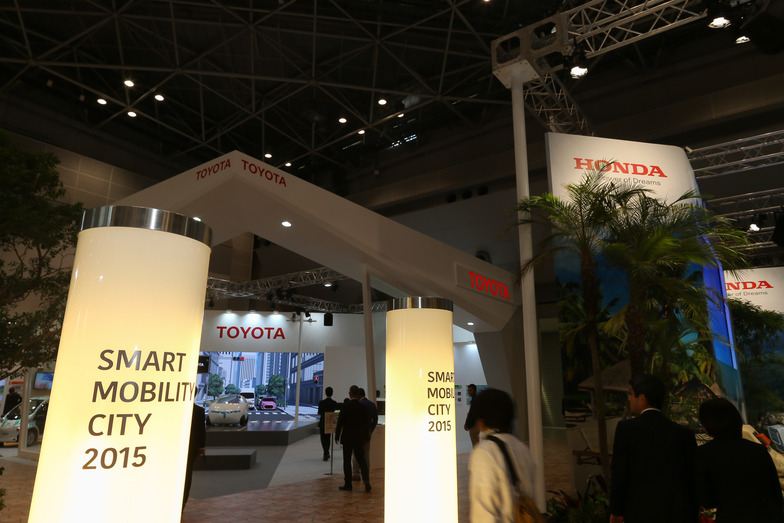
Held concurrently with the Tokyo Motor Show "Smart Mobility City 2015" (Video available)
The "Tokyo Motor Show," which opened at Tokyo Big Sight on October 29, is being held concurrently with the organizer's theme project, "Smart Mobility City 2015."
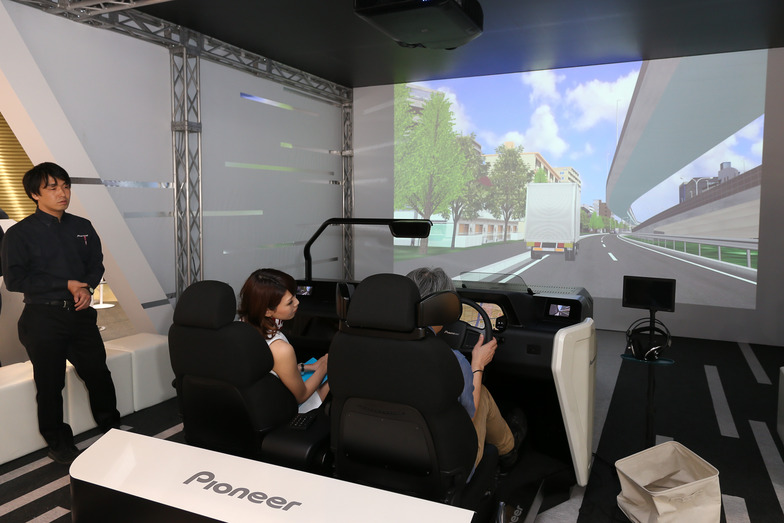
As a theme park-style exhibition under the slogan "More Freedom... Cars Change, Life Changes, Society Changes," over 20 companies and organizations related to the future social systems surrounding cars are exhibiting. Visitors can experience the diversity of next-generation mobility and social environments.
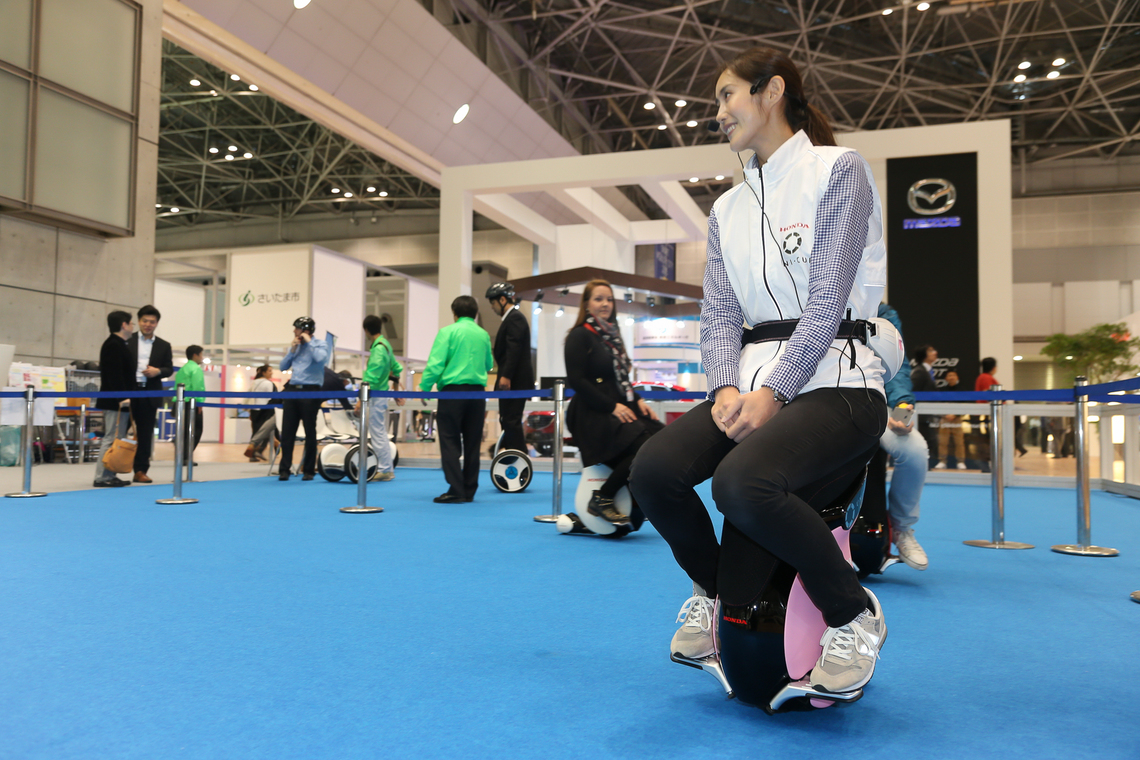
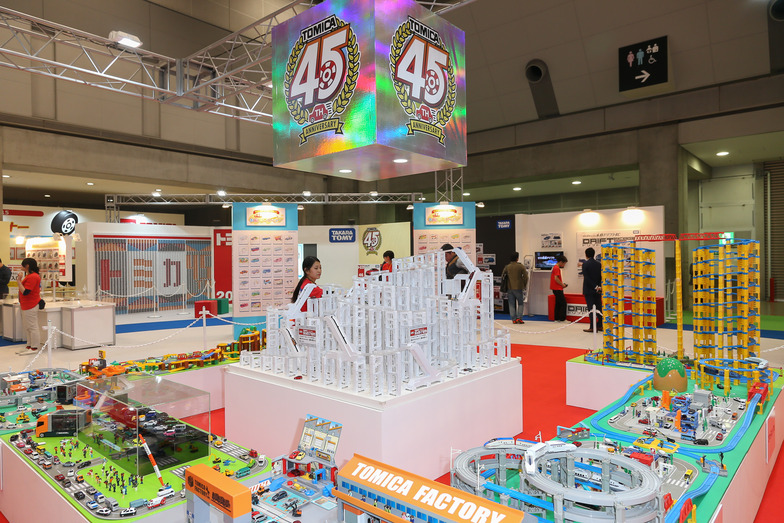
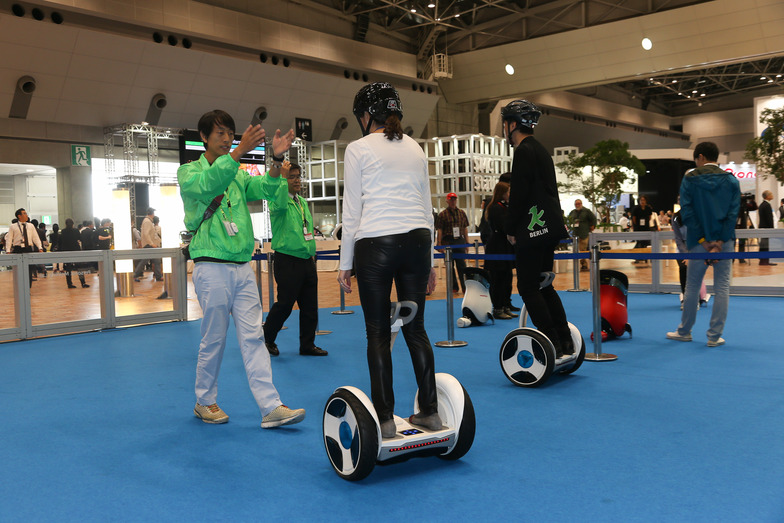
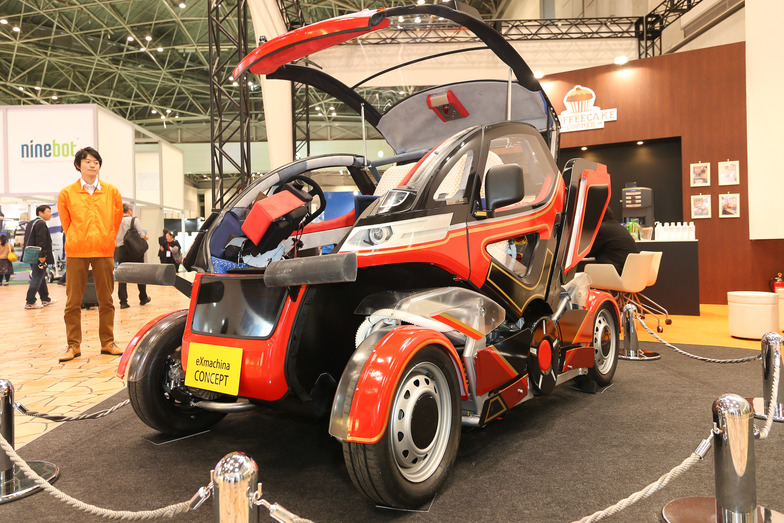
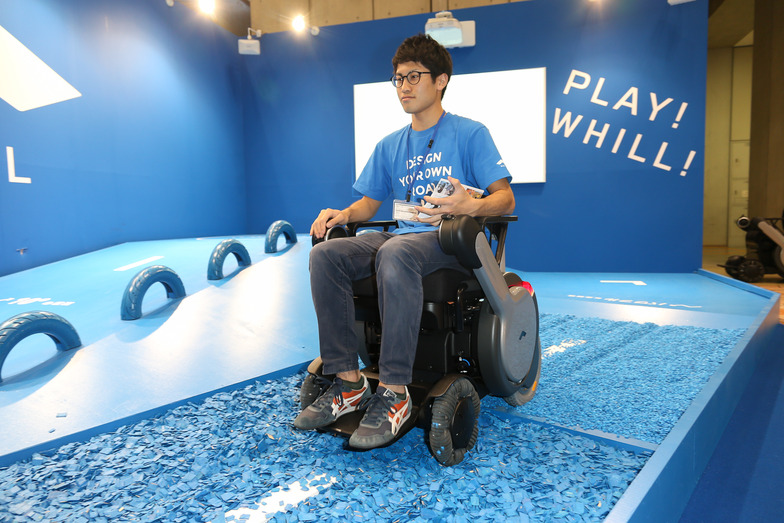
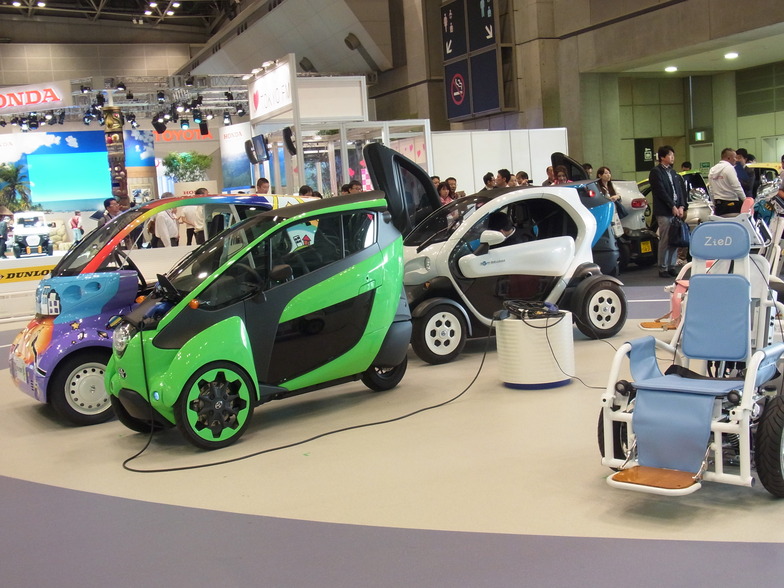
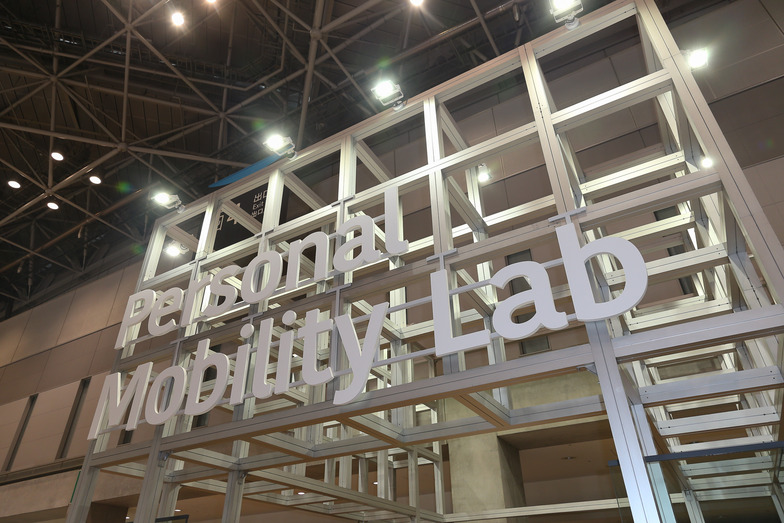
The organizer's "Station Core" exhibit introduces new urban transportation systems and "ultra-compact mobility" expected in an era of energy conservation and declining birthrates, with test rides available. The "Personal Mobility Research Institute" showcases balance control and drive technologies, along with "driving support robotics" – mobility assistance technology for the elderly and disabled. Test rides are also available for these. The "Automotive and ICT&E Research Institute" explains the mechanisms of autonomous driving technology, fuel cell vehicles (FCVs), electric vehicles (EVs), and plug-in hybrid vehicles (PHVs), along with the latest technologies integrating cars with information and energy systems. It conveys the future vision and dreams of mobility.
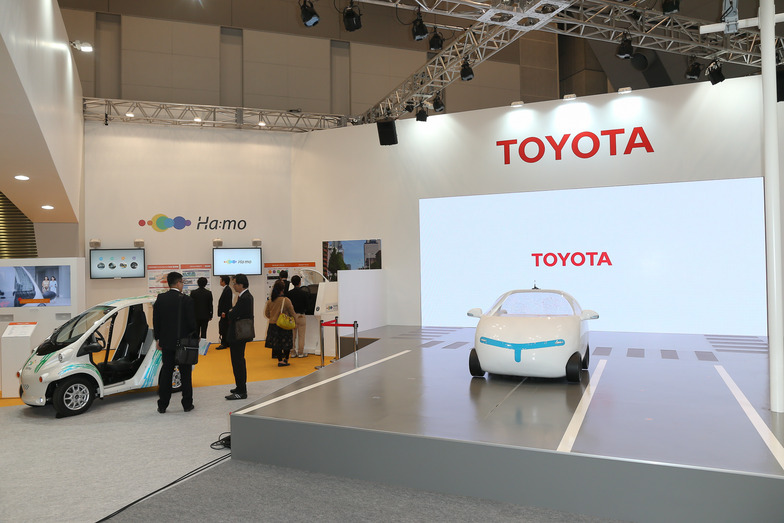
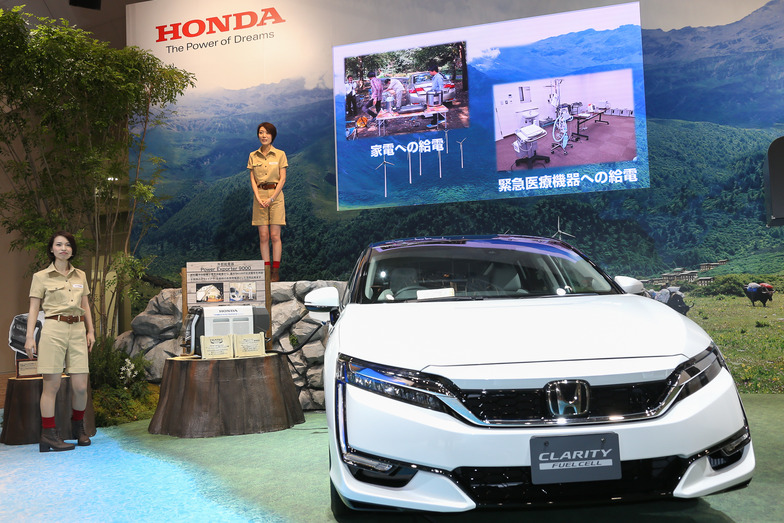
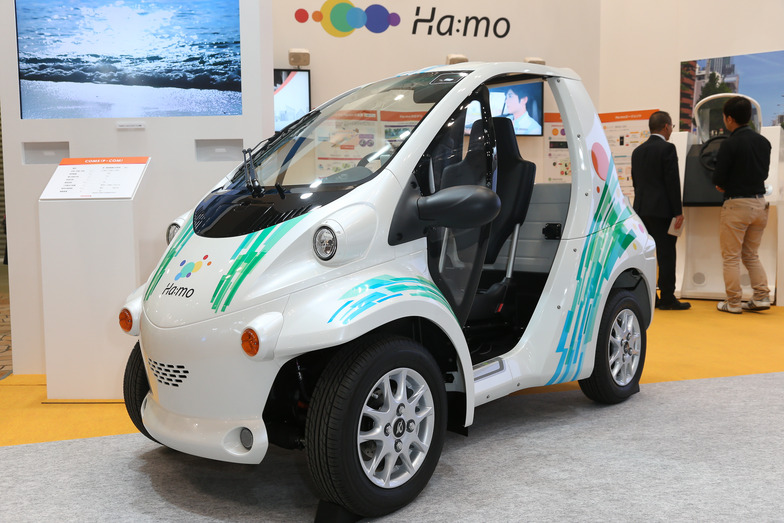
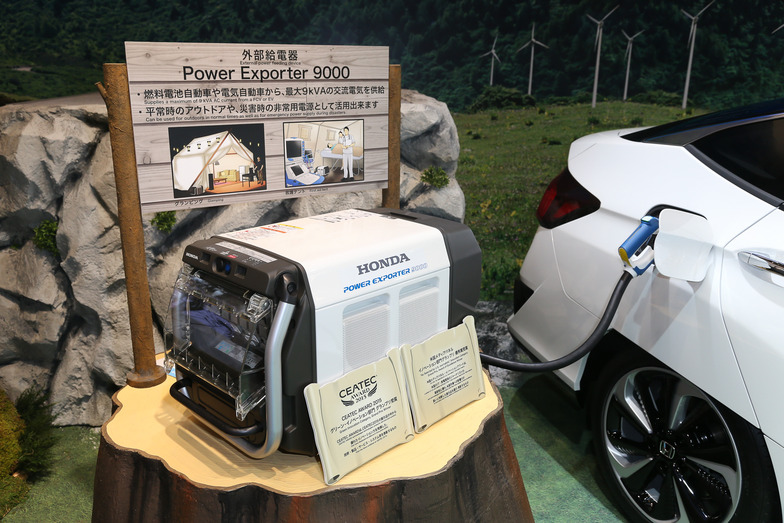
Toyota Motor Corporation demonstrates its ITS Connect service, a driving support system contributing to accident reduction, using a model car on stage. It also introduces the sharing service demonstration experiment and new applications for the next-generation transportation system "Ha:mo." The displayed new Prius model is also popular. Honda Motor Co., Ltd. proposes a style where energy is "produced" at smart hydrogen stations, "used" in fuel cell vehicles, and "connected" by supplying power from EVs and other sources to communities, homes, and facilities. Attention is also focused on the new FCV "Clarity Fuel Cell," scheduled for commercial release. On the rooftop exhibition area, demonstrations of autonomous driving and driver assistance systems are conducted using vehicles from various manufacturers.

Smart Mobility City Official Website: http://www.tokyo-motorshow.com/smc/
Was this article helpful?
Share this article


