
Note: This website was automatically translated, so some terms or nuances may not be completely accurate.
 Let's Create a Precedent: A Roundtable Discussion [1/2]
Let's Create a Precedent: Part 1
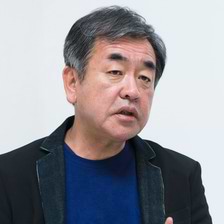
Kengo Kuma
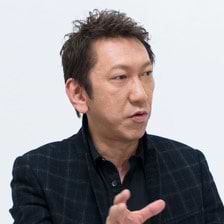
Hotei Tomoyasu
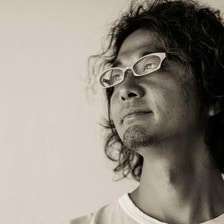
Akihito Kunimi
Dentsu Inc.
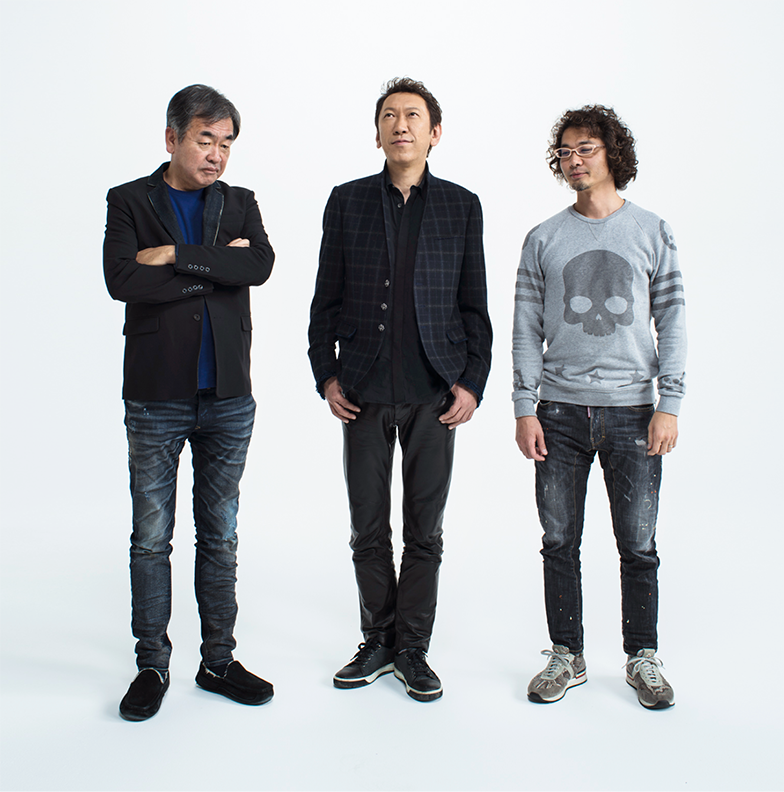
The word "innovation" is booming. Whether this boom remains just a buzzword or is pursued through to completion will significantly shape Japan's future.
Some companies call ideas that change the world innovation, while others label their new ventures as innovation. Definitions vary, but the ambition to create something new is shared. Innovation is not merely about technological advancement; it encompasses the entire concept of bringing new change to society. Crucially, innovation is only an expression of the "result." Merely talking about the result—new change—won't create anything. We need to redefine innovation to also influence the "process" that brings about that result.
Innovation is will. Without resolve, the strength to overcome numerous obstacles cannot emerge. Innovation is action. Merely proclaiming it won't start anything unless you move. Innovation is challenge. Innovation exists precisely where nothing has been done before. Innovation is decision. You must believe the goal lies beyond failure, even if you fail. If we were to encapsulate innovation in one phrase, encompassing this entire process from process to result, I would redefine it as: "Innovation is creating precedents."
Postwar Japan built an entire nation from scratch in less than 50 years, achieving a level truly unprecedented. Some call this a miracle. But I prefer to call it the "resilience" of the Japanese people. When they decide to do something, they do it. And if this resilience, rooted in the Japanese way of life cultivated throughout history – a way of living in harmony with nature – is activated for a new era, the value created will move the world. It might even redefine what it means to be an advanced nation.
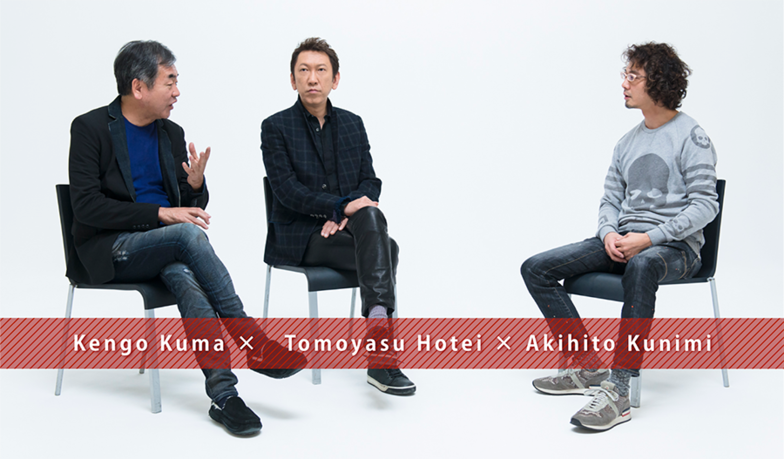
This time, I spoke with architect Kengo Kuma, who designed the new National Stadium and continues to create unique value, and guitarist Tomoyasu Hotei, who moved to London three years ago for a fresh start, to explore hints of this potential.
We've entered 2016. The countdown to 2020 has finally begun. Let's create a precedent. If not now, then when?
Akihito Kunimi Dentsu Inc. Future Creation Office
"Liberation" will revitalize Japan and
create precedents for the world.
Enhancing Japan's Presence in the World
Kunimi: While involved in various businesses, I feel that "Japan should be more energetic," yet I also hold the expectation that "Japan will attract the world's attention from now on." I sense this same feeling in Mr. Kuma's architectural design philosophy, which makes use of wood and greenery. It's also a theme of the new National Stadium, right? Wood and greenery exist all over the world, so why do we feel they are "typically Japanese"? I sense a hint of Japan's potential to attract attention in that.
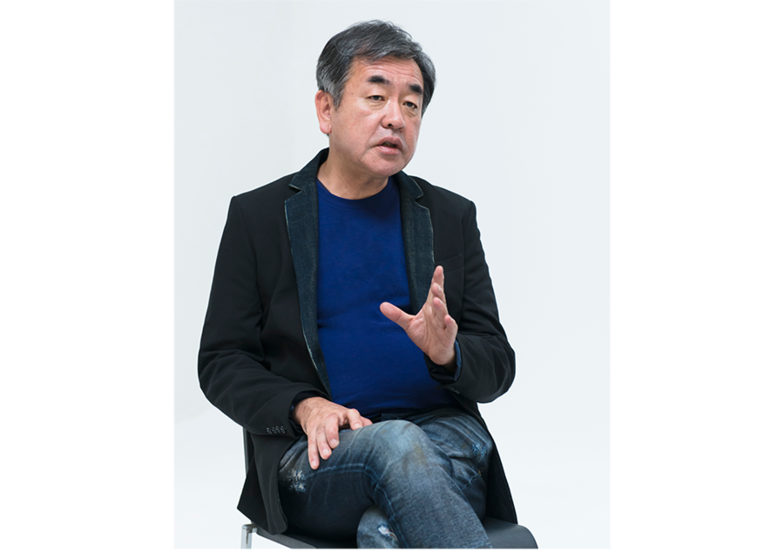
Kuma: I began seriously exploring the theme of "wood and greenery" after starting work overseas. Seeing many foreign buildings made me realize the remarkable quality of Japanese timber architecture. For instance, overseas, timber construction costs significantly more than concrete. Japan is the opposite; wood is alive and breathing. When I understood this, I felt that delving into it could elevate Japan's presence in the world.
Hotei: Things you didn't notice while in Japan become clear when you go abroad, right? I feel Japan's standards and the world's standards are completely different.
Kunimi: I feel that " ① Automatic toilet seat lids " and " ② Diapers " are products born precisely because of Japanese sensibilities. Both represent unique technologies pursued uniquely by the Japanese. They invest time, effort, and money into areas no one else seems to care about. I believe this stems from ideas and insights unique to the Japanese people, who have coexisted with nature—through practices like cherry blossom viewing, riverside dining, and yuzu baths—meaning coexistence with life itself. Both Japanese people and Japanese companies should consciously cherish this "Japanese-ness" going forward. The value it brings forth should be sought after worldwide.
Trust your instincts and stay true to your essence
Kunimi: To express what it means to be Japanese, both people and companies must first be true to themselves. You two have truly embodied that—do you have any secrets? For example, Mr. Kuma has championed the concept of " ③ Architecture that Loses."
Kuma: Previously, architecture often sought to stand out from its surroundings. But when I visited these sites, I frequently found beautiful rivers or nature surrounding the buildings. This struck me as incongruous, making me think, "I want to create architecture that better utilizes its surroundings." So, in contrast to architecture that strives to stand out and compete, I called my own approach "losing architecture."
Kunimi: How do you strive to be true to yourself, Mr. Hotei?
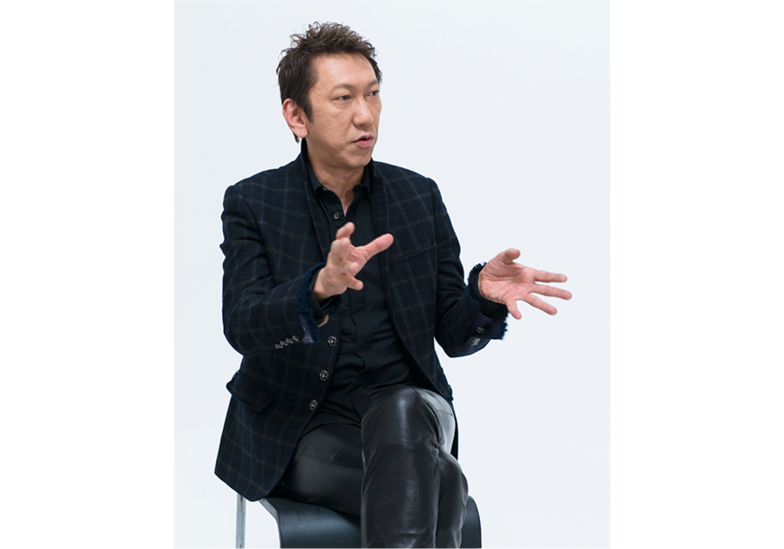
Hotei: I prioritize the pleasure principle above all else. I'm the type who can't tolerate anything I don't personally find good. Of course, I consider the audience's reaction, but my own sensibility remains paramount. Since that doesn't change easily, I suppose it's what allows me to consistently maintain my "authentic self."
Kunimi: "Being true to oneself" is a trend these days, and ④ Portland becoming a hot topic is symbolic of that. The fact that both of you deeply understand what your own authenticity means could be a clue for others seeking to be themselves.
Half-baked details can be fatal
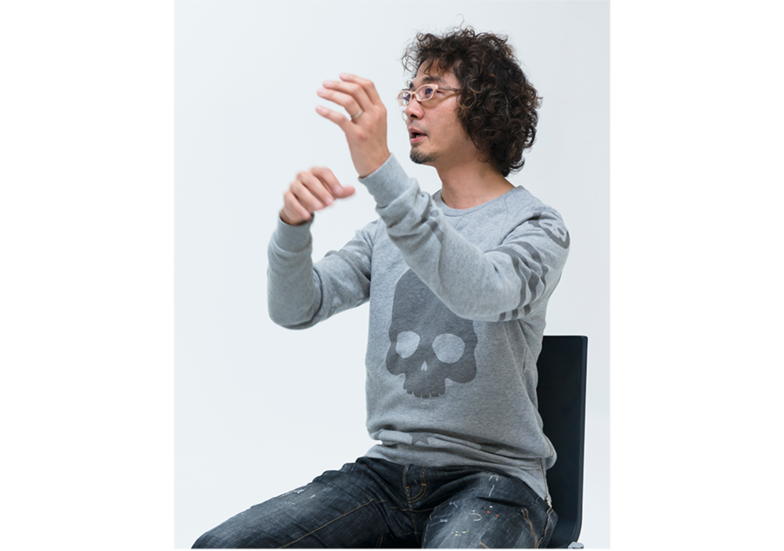
Kunimi: As in the example I mentioned earlier, the excellence of the Japanese people is most clearly expressed in their obsession with detail. However, lately I feel there are many cases where we place too much emphasis on the concept and fail to actually make things work. Shouldn't we place more importance on the details?
Kuma: The fundamental approach to architecture used to be "starting with the concept." But I start with the details. If you spend too much time on the concept, deadlines and cost constraints mean the final details get neglected. Starting with the details allows you to focus your energy there. Then, even if the concept is ordinary, you can create something solid. Realizing this and reversing the process was a major turning point for me.
Kunimi: Hotei-san, you're celebrating your 35th anniversary this year. Over such a long career, what do you think about the meaning of obsessing over details?
Hotei: Well, I agree with Mr. Kuma's point. Half-hearted attention to detail is fatal. If you're going to focus on the details, you have to be thorough about it. Otherwise, you won't reach a level that satisfies you.
Kunimi:⑤With the 35th anniversary live tour coming up, I imagine the points you focus on differ between live performances and recording.
Hotei: Live is all about explosive power. That explosive power to deliver what you feel right then and there. You can't rely on anything; you just have to do it yourself, right then. I really felt that during our collaboration with ⑥The Rolling Stones. Even in front of tens of thousands of people, they were enjoying every single note, relying on that explosive power in the moment. If you aim for perfection in a live show, you tend to rely on something and lose that explosive power. But they stuck to the opposite approach.
Continued in Part 2.
① Automatic Toilet Seat Lids
Japan's toilets are globally recognized as "high-tech." One such innovation is the automatic toilet lid opening/closing system. Sensors detect human movement, automatically opening and closing the lid. Developed not only for convenience but also to save energy for features like heated seats.
② Japanese diaper technology
Japanese disposable diapers are highly popular overseas. This is especially pronounced in China, where tourist buying sprees have even caused shortages. Their quality, focused on comfort for infants, attracts attention for high absorbency and gentleness on the skin.
③ Architecture of Defeat
An architectural philosophy proposed by Kengo Kuma. He considers massive, structurally strong buildings as "Winning Architecture," and this concept was created as its opposite. It refers to flexible architecture that values harmony with its surroundings and embraces external forces.

④Portland
A city in Oregon, in the northwestern United States. Its popularity as a desirable place to live has been rising in recent years. It features a diverse mix of cultures tailored to its residents, and the city's defining characteristic is the ability to live authentically within this environment.

⑤35th Anniversary Live Tour
Hotei Tomoyasu, celebrating 35 years as an artist, is embarking on a commemorative live house tour. Titled "It All Started in Live Houses," the tour kicks off at Takasaki clubFLEEZ on March 5th and will visit 11 locations nationwide.

⑥Collaboration with The Rolling Stones
During the Tokyo Dome concert by British rock band The Rolling Stones in March 2014, Hotei Tomoyasu appeared as a guest performer. He performed alongside them in front of an audience of over 50,000 people.

Was this article helpful?
Share this article


Newsletter registration is here
We select and publish important news every day
For inquiries about this article
Author
Kengo Kuma
Architect
Hotei Tomoyasu
Musician, Guitarist
Akihito Kunimi
Dentsu Inc.
Dentsu Inc. Business Design Square
Executive Creative Director