
Note: This website was automatically translated, so some terms or nuances may not be completely accurate.
 Let's Create a Precedent: A Roundtable Discussion [2/2]
Let's Create a Precedent: Part 2
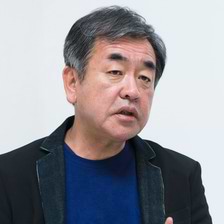
Kengo Kuma
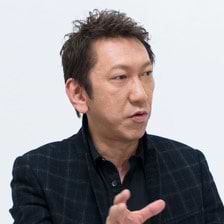
Hotei Tomoyasu
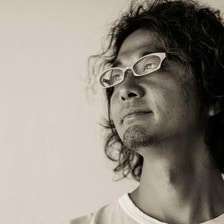
Akihito Kunimi
Dentsu Inc.
"Liberation" energizes Japan,
creating a precedent for the world.
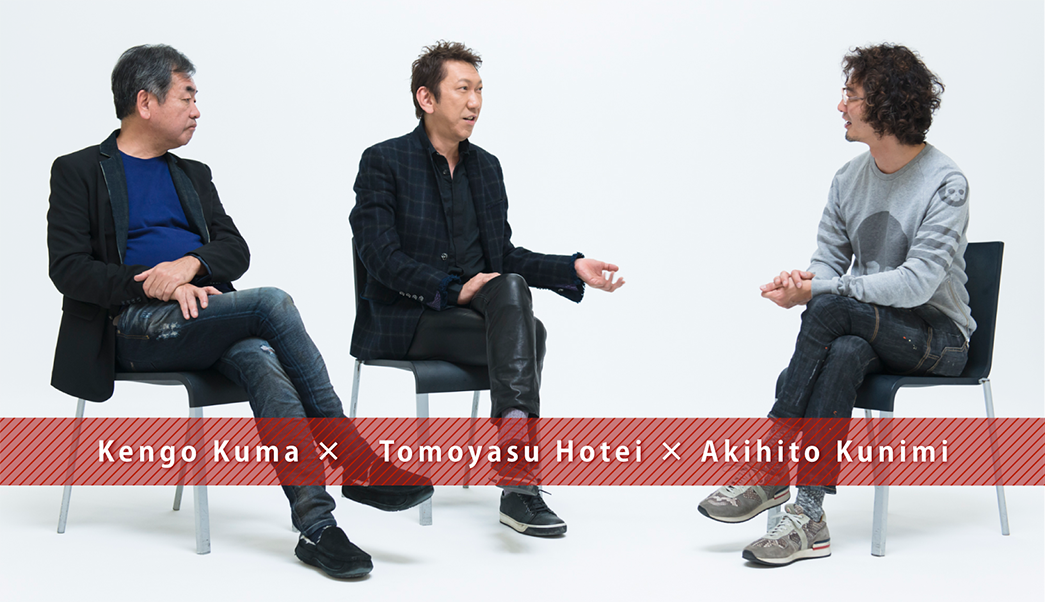
How to free yourself from organizational constraints
Kunimi:⑦ In Bangladesh, post-war Japan is called the "miracle nation." The resilience shown then holds clues to revitalizing Japan today. The key is how to channel the inherent power of the Japanese people. Merely moving won't yield impactful results. It requires movement closer to "liberation." How we unleash what we feel is crucial.
Kuma: To achieve this, we must first reexamine the nature of organizations—not just companies, but all kinds of organizations. Currently, people are overly concerned with the organizations around them, and these organizations have become "shackles" binding people. "Liberation" is a spot-on term; it's about how to forget such organizations. Japanese people possess keen insight and excel at creation. If we could freely channel that power across organizational boundaries, we could achieve so much more. Perhaps "not caring about the organization" is the true liberation.
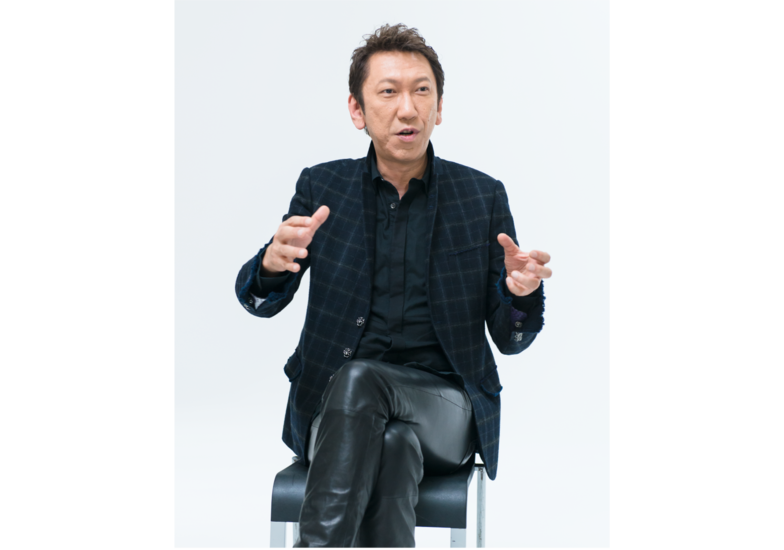
Hotei: Among all the opinions out there, negative ones seem to spread the most right now. Within the organization that is Japan, everyone is cautious and mindful about being "Japanese." That very Japanese attention to detail might be making us smaller. That's precisely why "liberation" is a theme worth considering. Of course, it's important to express yourself, but it's also vital to be tolerant and accept bold ideas.
Kunimi: For example, an aging society isn't inherently bad. Right now, we live in a society built by the generation that created a miracle nation. The problem is the tendency to view it only negatively. We need the courage to resist fixed notions, find the essential perspective within it, accept it, and then create new value.
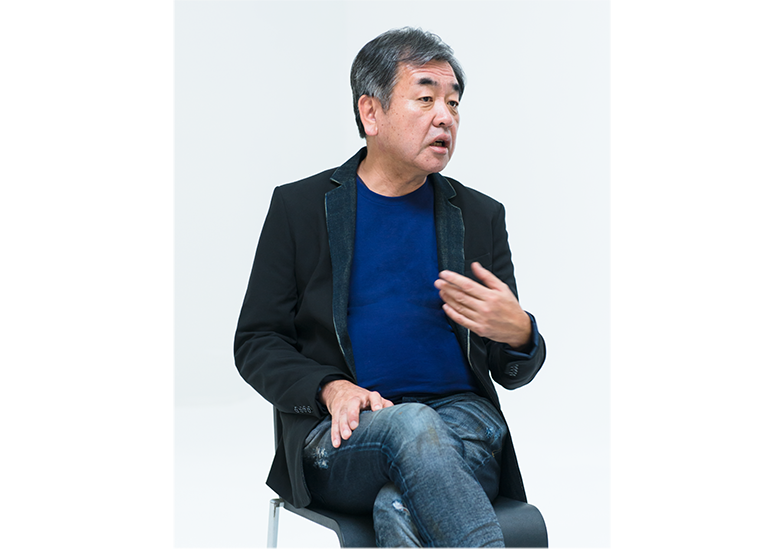
Don't try to define the goal; make the process itself the goal.
Kunimi: What should Japanese people consciously focus on to unleash their DNA through "liberation"?
Kuma: I think it's about taking bold action. When I opened my office in Paris, I actually didn't know if I'd get work there. But by taking the plunge and setting up the office, I naturally started connecting and talking with local people, and eventually work opportunities materialized. That action is crucial. While the typical procedure involves marketing and planning before expanding overseas, taking action first is also a valid approach.
Kunimi: So it's about taking that first step. Today, vision, goal-setting, and even the concept itself are often emphasized, but it's not just about that.
Kuma: In architecture, the goal isn't visible. If it were, it wouldn't be interesting. Instead, enjoy the process. Don't try to paint a picture of the goal; make the process itself the goal. When expanding overseas, first go to the location and find trustworthy connections. Don't overemphasize the overall plan or concept. Sometimes, things start when you're actually there.
Hotei: I also prefer the start over the finish line. I even feel like quitting and starting anew when the goal gets close (laughs). That's why I began my activities in London. I wanted a fresh start from scratch. Aiming for a goal doesn't guarantee you'll reach it, and you might discover a different goal from there. That's precisely why I prioritize the start and the process. I restarted in London three years ago, and I'm glad I'm celebrating my 35th anniversary this year.
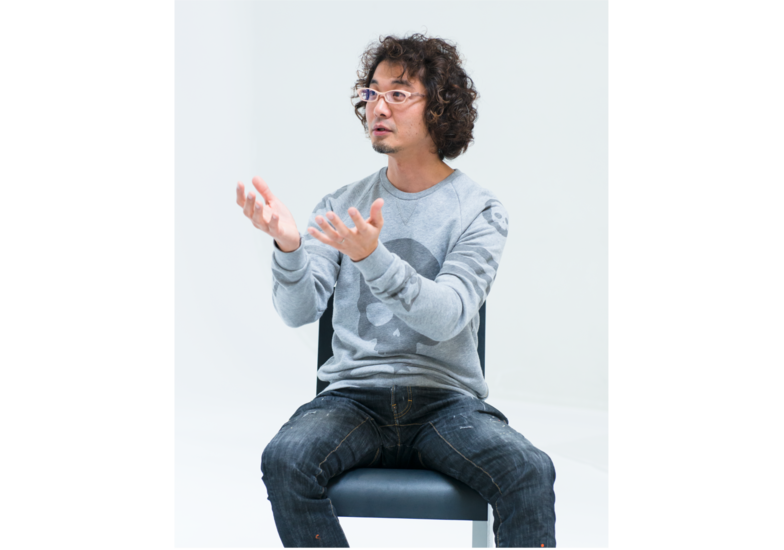
Kunimi: To put it extremely, setting plans or goals might actually be where failure comes from. That's precisely why we should focus first on doing the process right in front of us each day in the best way possible. Just start moving. I sense that kind of insight in both of your stories. And that might be the key for Japanese people and Japanese companies to "liberate" themselves and truly exert their power on the global stage.
Hotei: In Japan, we often refer to global stars as "the world's [name]." But that phrasing implies Japan and the world exist in separate realms, drawing a line between them. Instead, I want to think of Japan as existing within the world. If we could naturally embrace that perspective, wouldn't competition and markets become more positive? There'd be no need to overthink overseas expansion; we could focus on the start and the process. That's how I see it.
⑦ Bangladesh: "The Miracle Country"
Rising from the ashes of postwar devastation, Japan grew into an economic powerhouse. Because of this journey, Bangladesh calls Japan the "Miracle Country."
⑧Paris Office
Kengo Kuma established "KUMA & ASSOCIATES EUROPE" in Paris in 2008 as his overseas base. Notably, last September, Kuma's design was selected in a competition for the construction of Saint-Denis Station, set to be the largest in Paris.

⑨ Activities in London
Hotei Tomoyasu relocated to the UK in 2012 and has been based in London. He has performed twice in London and released his international album "Strangers" last October, which was simultaneously distributed worldwide.

Was this article helpful?
Share this article


Newsletter registration is here
We select and publish important news every day
For inquiries about this article
Back Numbers
Author
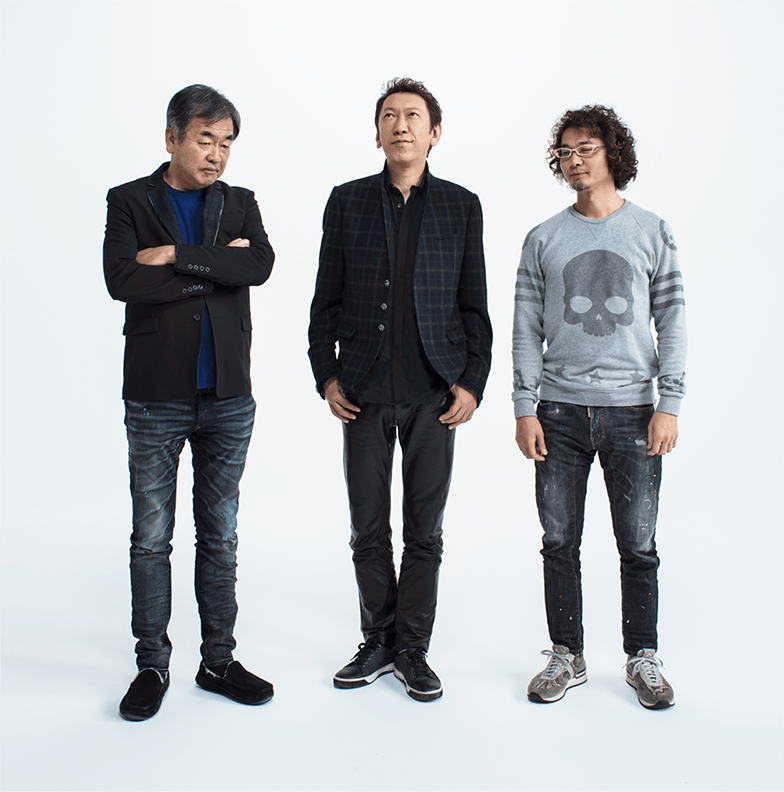
Kengo Kuma
Architect
Hotei Tomoyasu
Musician, Guitarist
Akihito Kunimi
Dentsu Inc.
Dentsu Inc. Business Design Square
Executive Creative Director