
Note: This website was automatically translated, so some terms or nuances may not be completely accurate.
Rio Olympics Closing Ceremony "SEE YOU IN TOKYO"
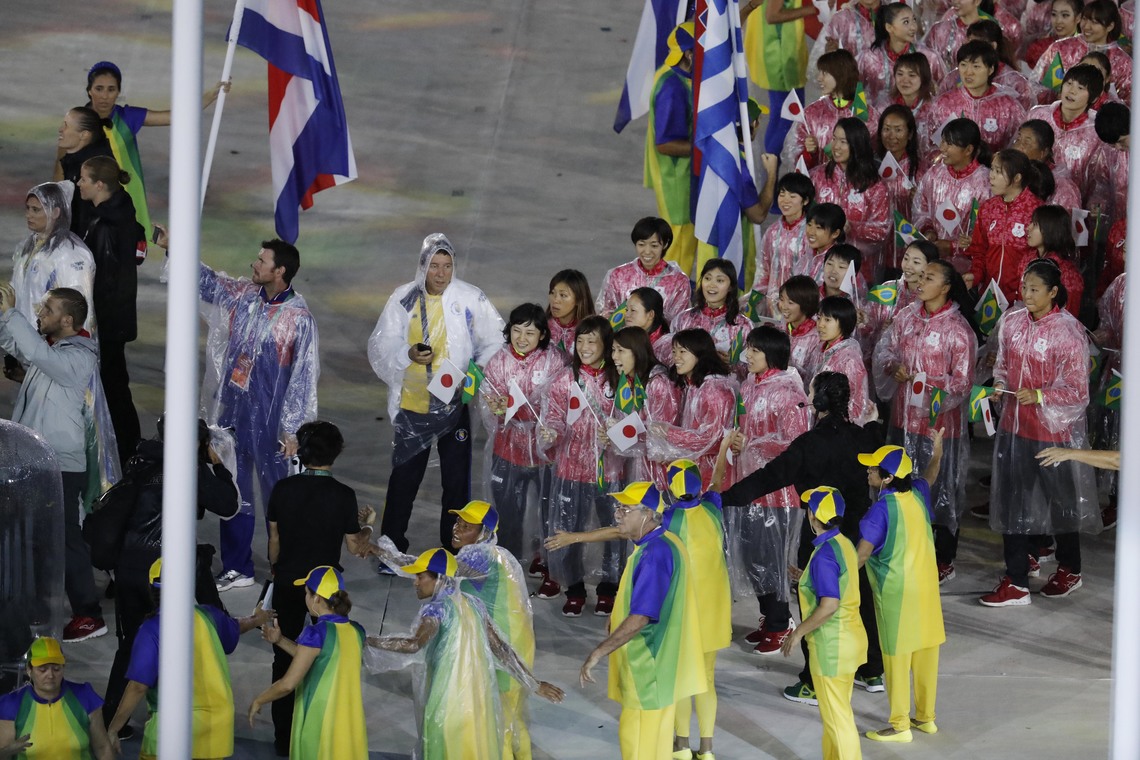
The Rio Olympics concluded on August 21 after 17 days of intense competition. (Photo: Fort Kishimoto)
Japan secured 41 medals (12 gold, 8 silver, 21 bronze). This surpassed the 38 medals (7 gold, 14 silver, 17 bronze) won at the 2012 London Games, setting a new national record and heightening anticipation for the upcoming 2020 Tokyo Games. Japan ranked 6th in the overall medal count, behind the United States, Great Britain, China, Russia, and Germany.
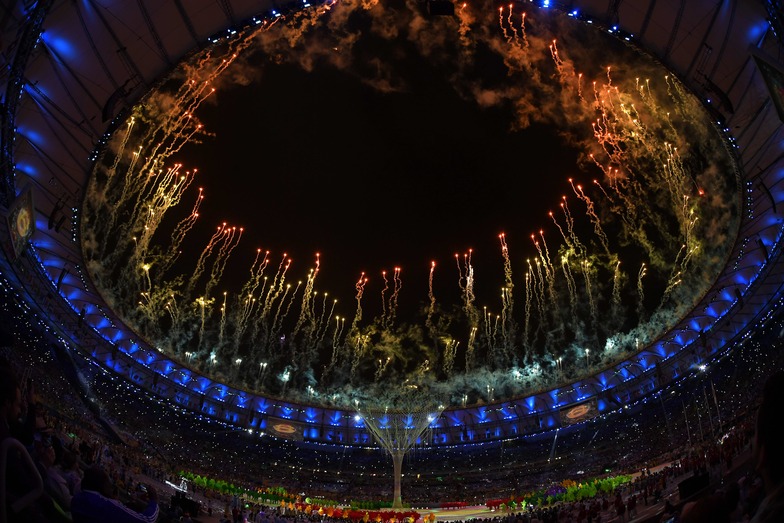
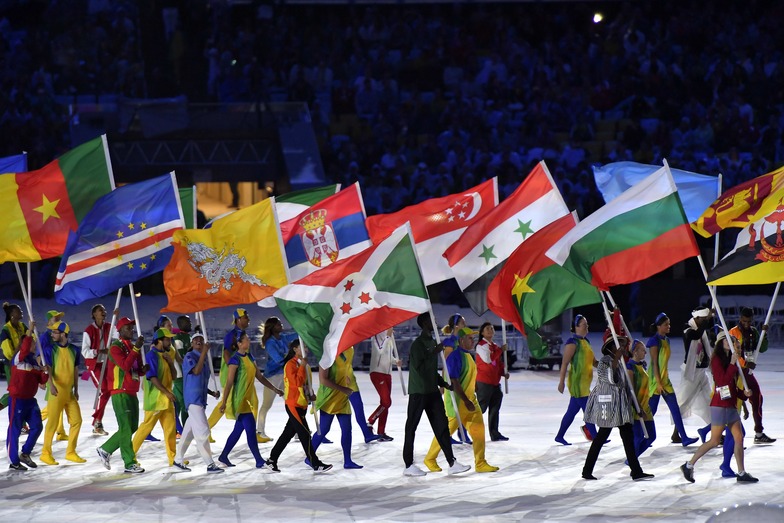
The closing ceremony, like the opening ceremony, was held at Maracanã Stadium.
The ceremony commenced with spectacular fireworks. To lively music, athletes entered in their own style, following their respective flag bearers. This less-than-orderly style seemed to embody the Games' theme of "diversity." Japan's athletes, like at the opening ceremony, entered carrying small Brazilian and Japanese flags, their faces radiant with relief from the pressure.
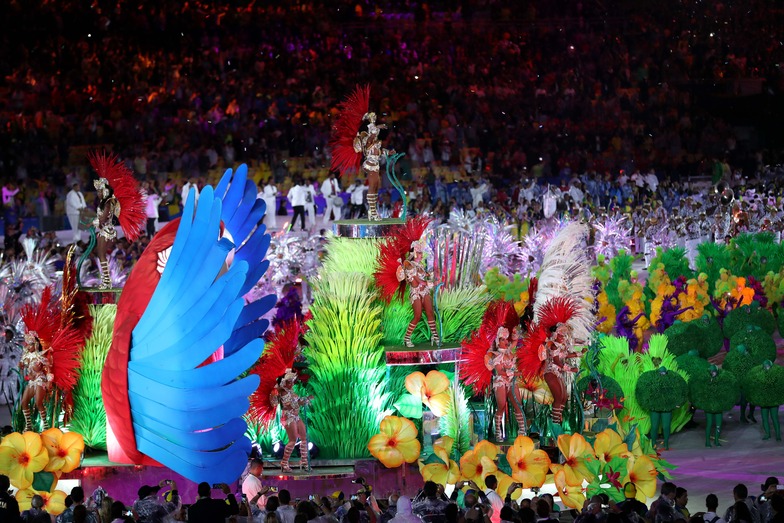
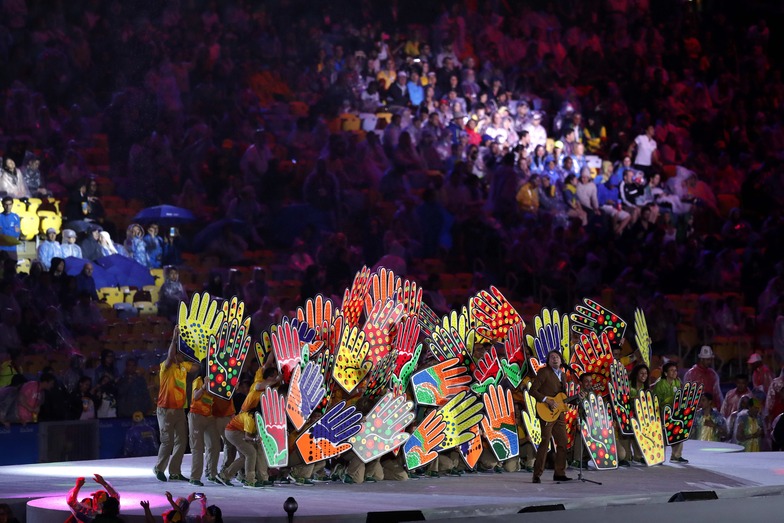
On the field, a colorful show unfolded featuring numerous performers and large-scale projection mapping. It introduced Brazilian culture, enriched by contributions from African peoples, while dance groups performed full-body routines expressing how diverse ethnic groups gave birth to various dance cultures.
The venue also hosted the medal ceremony for the men's marathon on the final day, where medals were awarded by International Olympic Committee President Thomas Bach.
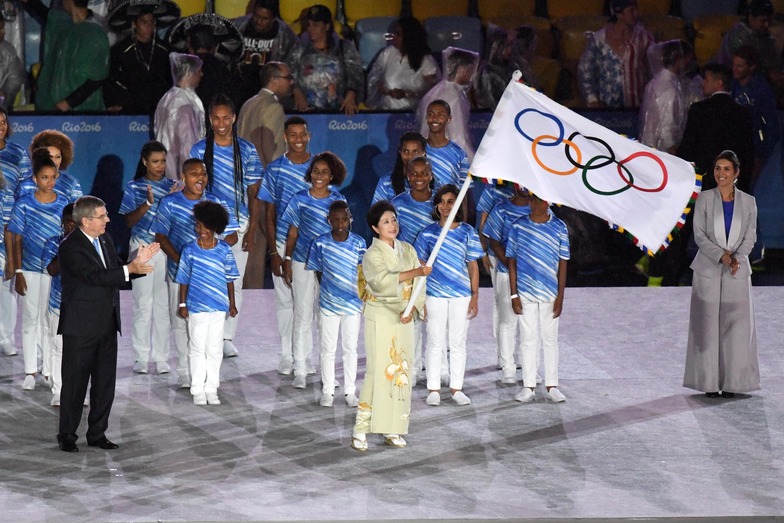
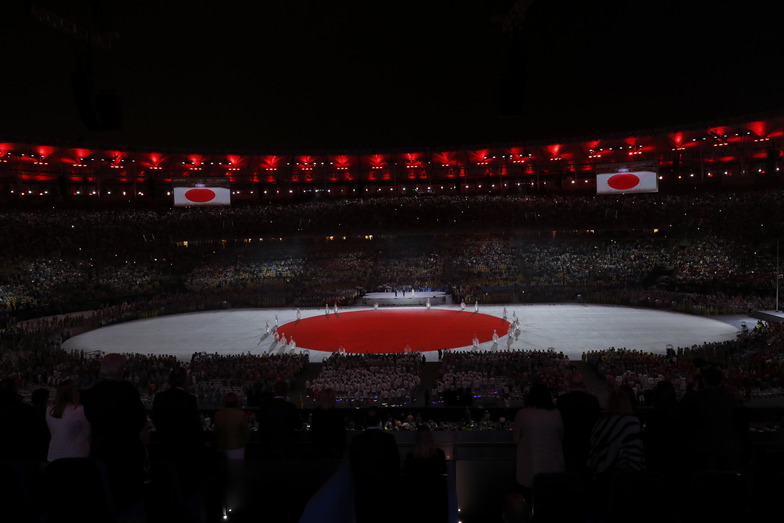
Towards the end of the closing ceremony, the Flag Handover Ceremony took place, passing the Olympic flag to the next host city. As the Olympic flag was handed from Rio Mayor Eduardo Paes to President Bach, then to Governor Yuriko Koike dressed in a kimono, a roughly 10-minute show introducing the next host country, Japan, began.
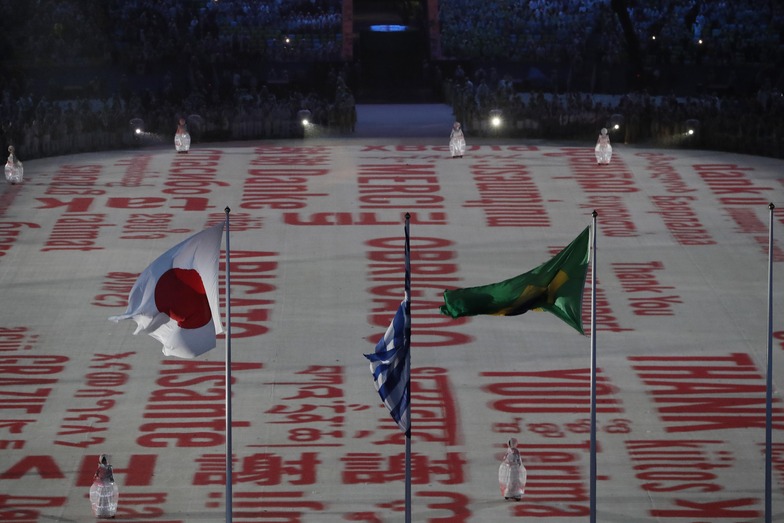
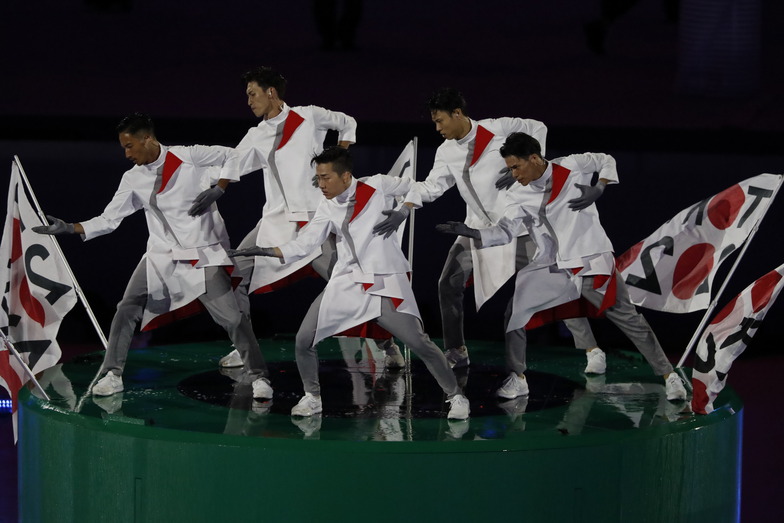
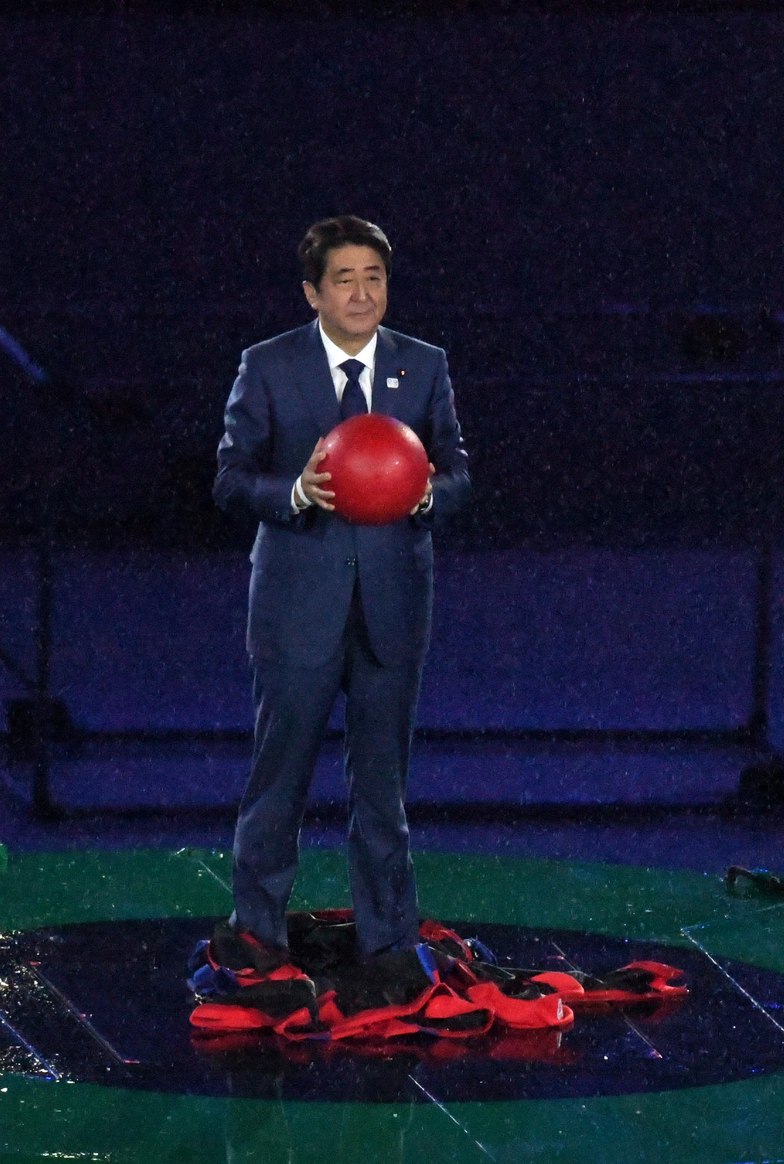
As "Kimigayo" played, performers appeared on the field, now bathed in red. As they gathered at the center, a red circle emerged and transformed into the "Hinomaru" (Japanese national flag). Then, the human formation spelled out "ARIGATO." Gradually, more words of "thank you" in various languages, such as "OBRIGADO," appeared. These human formations were based on a video performance by approximately 10,000 children from areas affected by the Great East Japan Earthquake, expressing gratitude for the support received from countries around the world following the disaster. The following video showcased the vibrant city of Tokyo and introduced athletes expected to shine at the Tokyo Games. From that Tokyo, a ball relay began, carrying gratitude towards Rio. Amidst appearances by Japan's top athletes, including Kosuke Kitajima, and globally famous characters like Captain Tsubasa, Doraemon, and Mario, Prime Minister Shinzo Abe also made an appearance. Eager to deliver the ball to Rio quickly, Prime Minister Abe transformed into Mario and traveled through a pipe created by Doraemon to the other side of the globe.
At the venue, Prime Minister Abe himself emerged from a pipe installed on stage, surprising the audience.
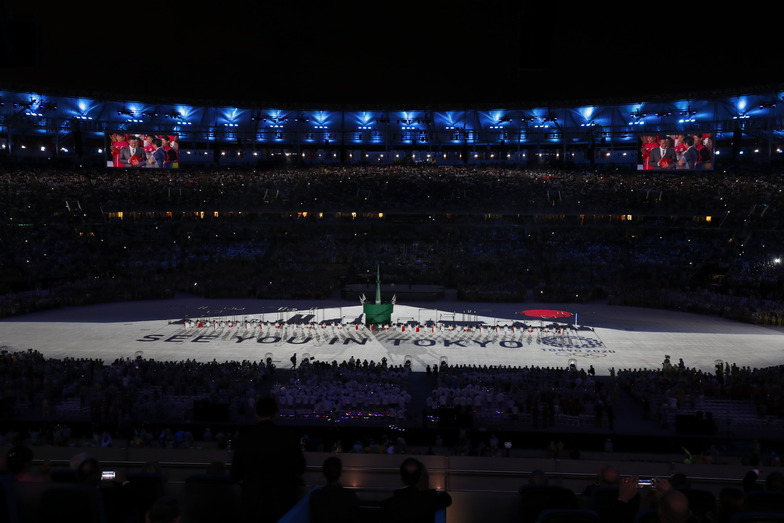
Furthermore, a show introducing the competition events unfolded, blending 50 performers with AR (augmented reality) and CG. Finally, with the silhouette of Mount Fuji in the background, the words "SEE YOU IN TOKYO" appeared, enveloping the venue in loud cheers and applause. The finale featured red and white fireworks symbolizing Japan.
The day after the closing ceremony, Toshio Mutō, Secretary General of the Tokyo Organising Committee of the Olympic and Paralympic Games, told reporters, "It was a Games where we felt Brazil's passion. During our inspection in Rio, we learned many things. We want to analyze that and apply it to our preparations for the Tokyo Games." Governor Koike stated, "There are four years until the Tokyo Games. We will proceed with preparations at a rapid pace, aiming for the success of the Olympics."
Was this article helpful?
Share this article


