
Note: This website was automatically translated, so some terms or nuances may not be completely accurate.
Confronting the “discrepancies” within society and culture to contemplate one’s own future. Ochanomizu University Summer Program “Lost in Differences”
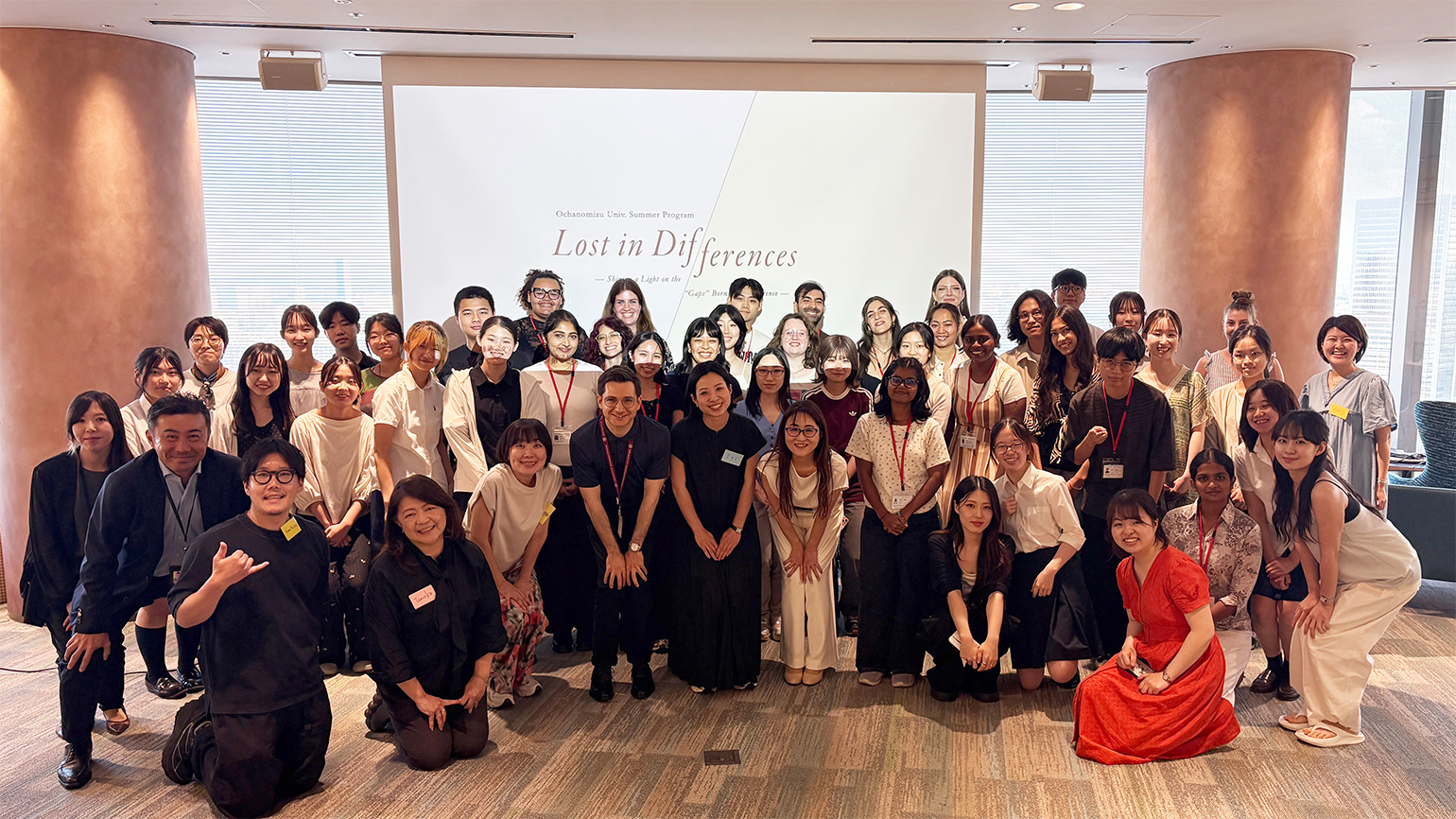
On July 29, 2026, the DEI Promotion Teams from Dentsu Inc.’s Creative Planning Division 2 and Business Producers Division 2 held a special session titled “Lost in Differences” as part of the Ochanomizu University Summer Program. The session was attended by students from around the world, as well as approximately 40 students from Ochanomizu University and its affiliated high school.
Using the “discrepancies (gaps)” that everyone faces in life and their careers as a starting point, the event featured sessions and workshops designed to encourage participants to consider what they themselves can change and what society and organizations should change. On the day of the event, Fumi Usui, an Executive Officer in charge of Brand Strategy and Communications at Ajinomoto Co., Inc., served as a guest speaker and spoke about how to address “discrepancies,” drawing on her own experiences.
Considering Whose Problem the “Gap” Is
This program emphasized looking beyond “gaps” as mere personal concerns or challenges to focus on the underlying social and organizational structures. “Gaps” arising from gender, generation, values, or economic background can stem from individual differences or be created by societal systems.
Moderator Tomoko Kanesaki explained that rather than viewing “discrepancies” as something to be overcome through individual effort alone, it is important to consider both what individuals can change and what society and organizations should change.
Citing examples such as the current state of Japan’s gender gap (ranked 118th out of 148 countries in the 2025 World Economic Forum survey*; 117th in the latest rankings released in September 2026) and the various differences in perception that exist in everyday life, she urged participants to recognize that understanding these “discrepancies” leads to the creation of societies and organizations where diverse individuals can fully realize their potential.
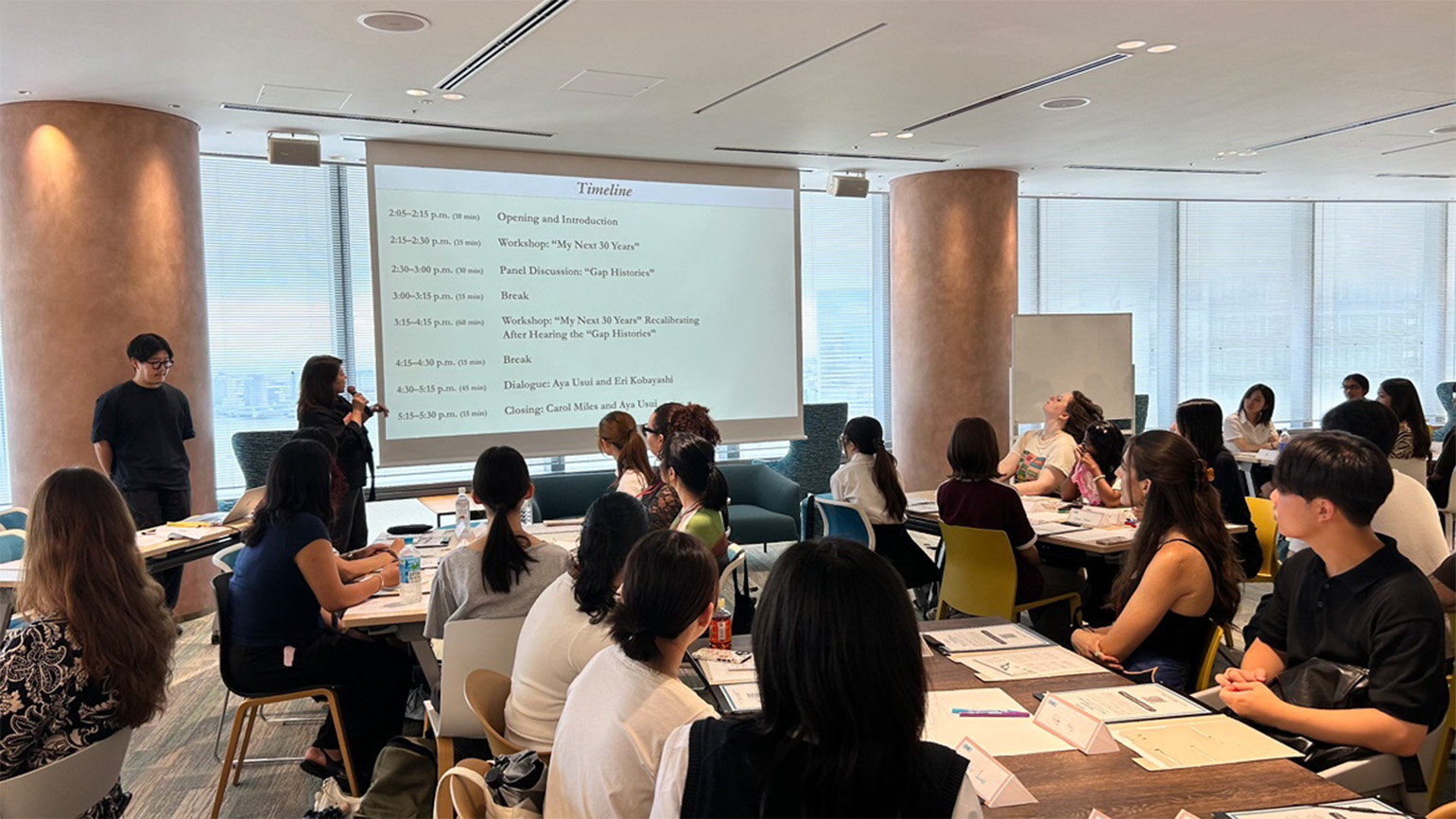
Learning About Diverse Lifestyles and Career Paths Through the “History of Misalignments” of Four Dentsu Inc. Employees
In the session that followed, four employees of Dentsu Inc. shared the “discrepancies” they had encountered in their respective lives and careers.
Topics included the sense of discomfort related to gender they first became aware of when transitioning from an all-girls’ school to a co-ed institution; disparities in opportunities for higher education and studying abroad stemming from economic background; and the information gap they experienced during job hunting as graduates of a regional university. Additionally, they shared diverse experiences such as balancing childcare and work, changes in time management as their children grew, differences in perception regarding color vision between themselves and those around them, and environmental changes resulting from job transfers.
They also shared anecdotes about unconscious biases and social stereotypes they encountered in their work, highlighting the perspective that these “discrepancies” are not merely individual issues but can also arise from the structures of society and organizations.
Students from diverse countries and regions, including Japan, listened to the employees’ experiences while relating them to their own futures. They realized that despite differences in background and culture, there are commonalities in the “mismatches” that arise at career and life turning points, and in the subsequent workshop, they actively exchanged opinions about their own futures.
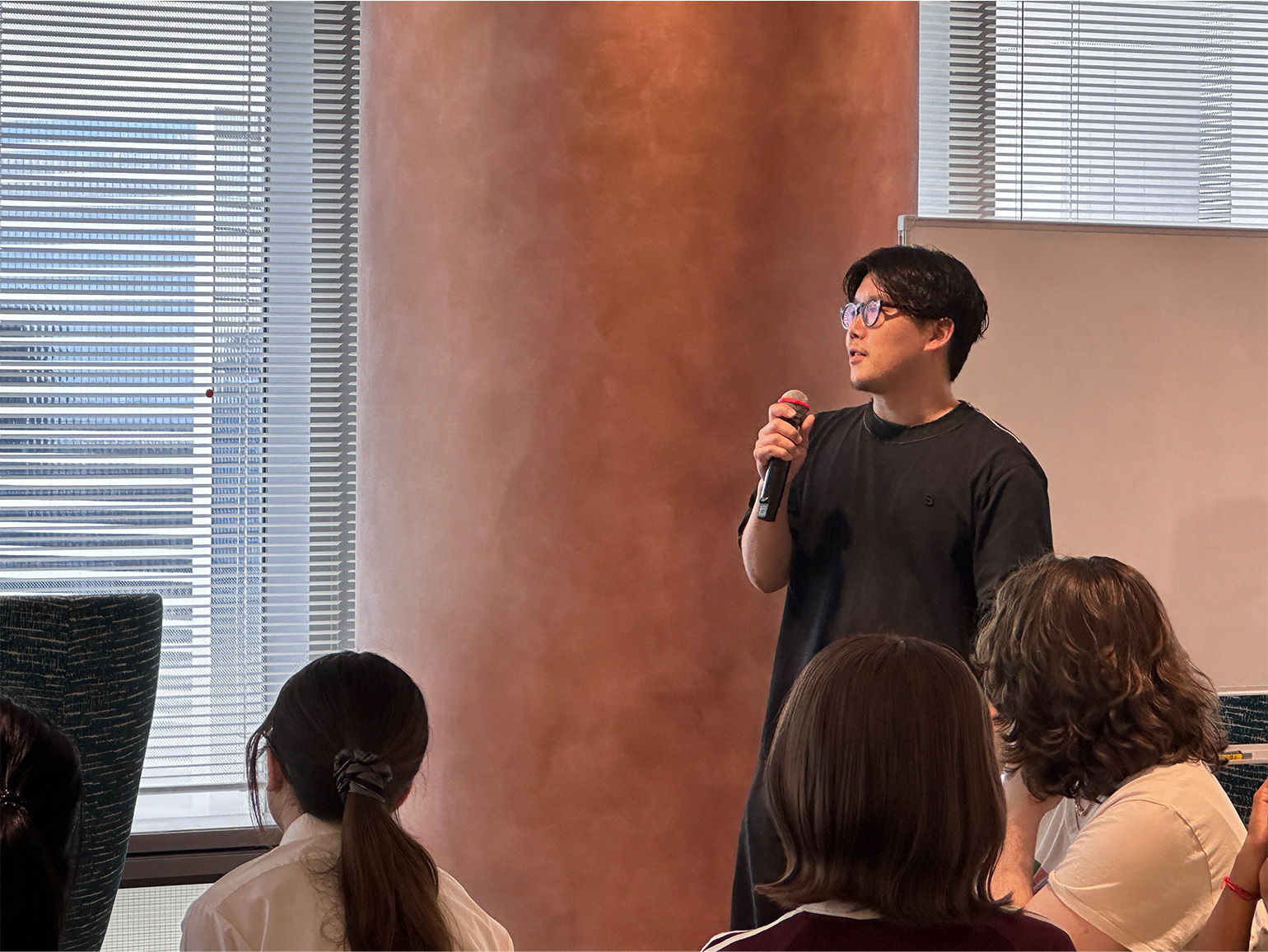
Students of Diverse Nationalities Envision Their Own “Future 30-Year Histories”
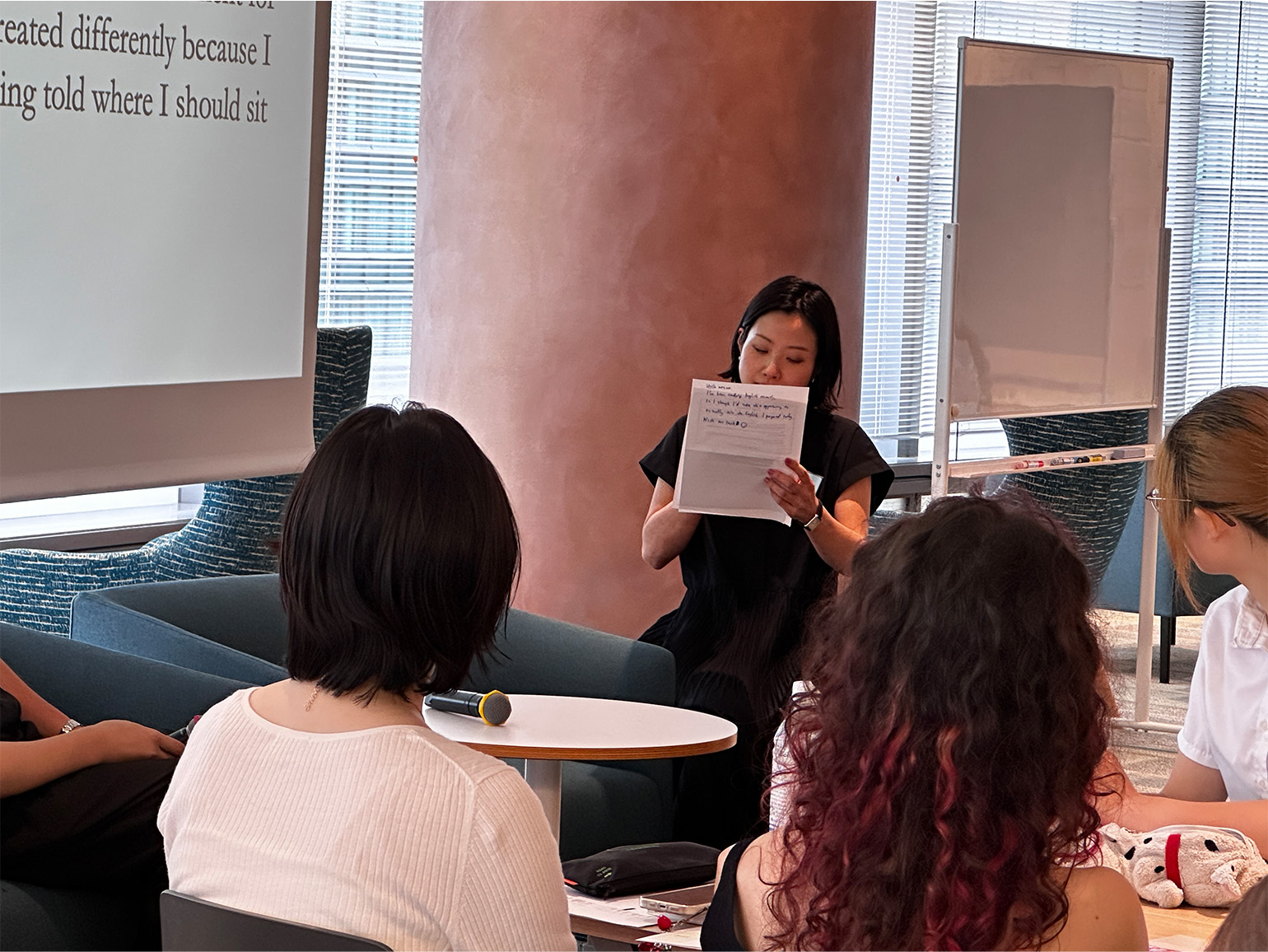
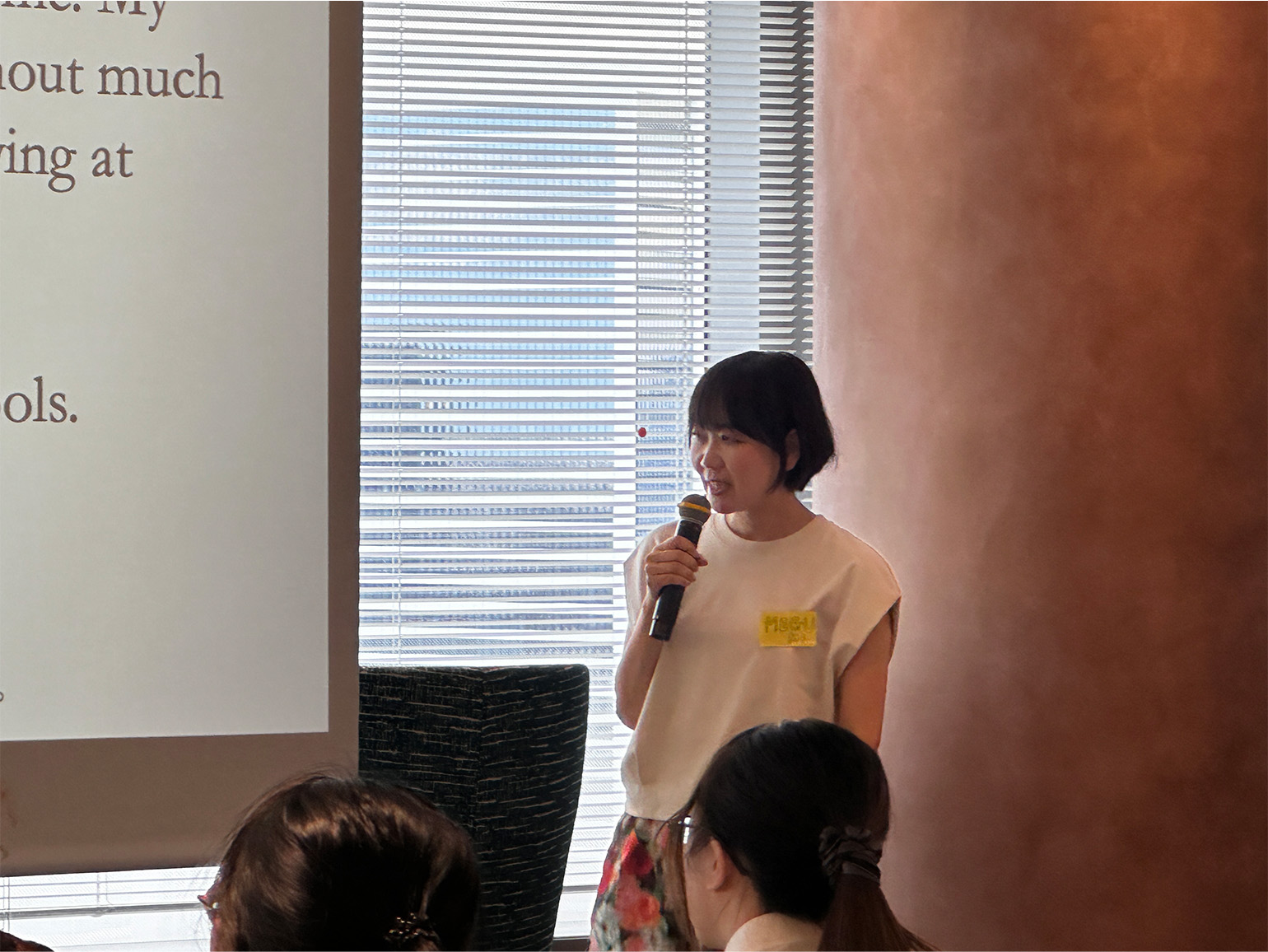
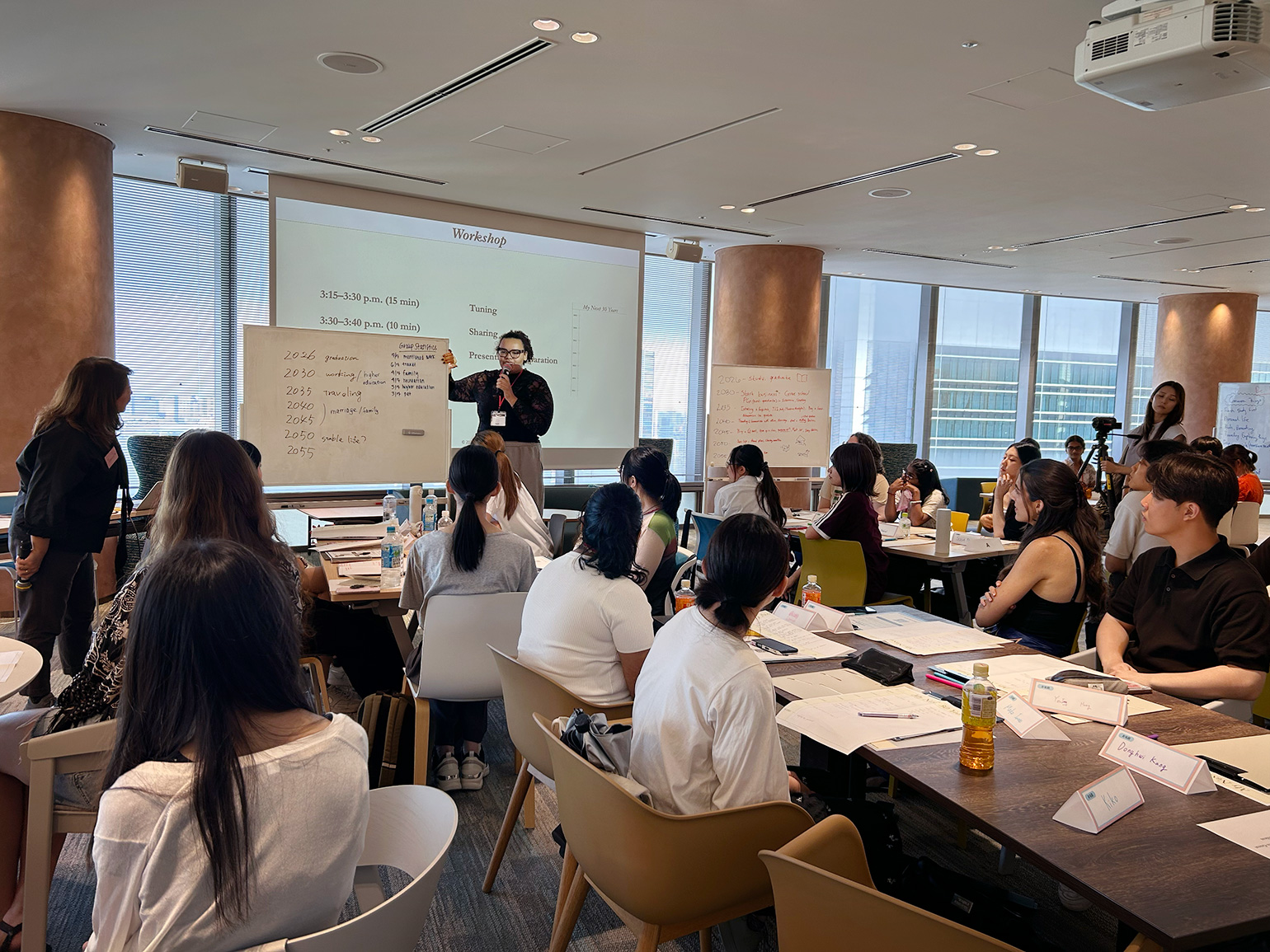
In this session, participants first took part in the “My Future 30-Year History Workshop,” where they envisioned themselves 30 years from now and reflected on their future careers and lifestyles. Afterward, they listened to the employees’ “Stories of Mismatch,” revisited their visions of the future, and exchanged opinions in small groups.
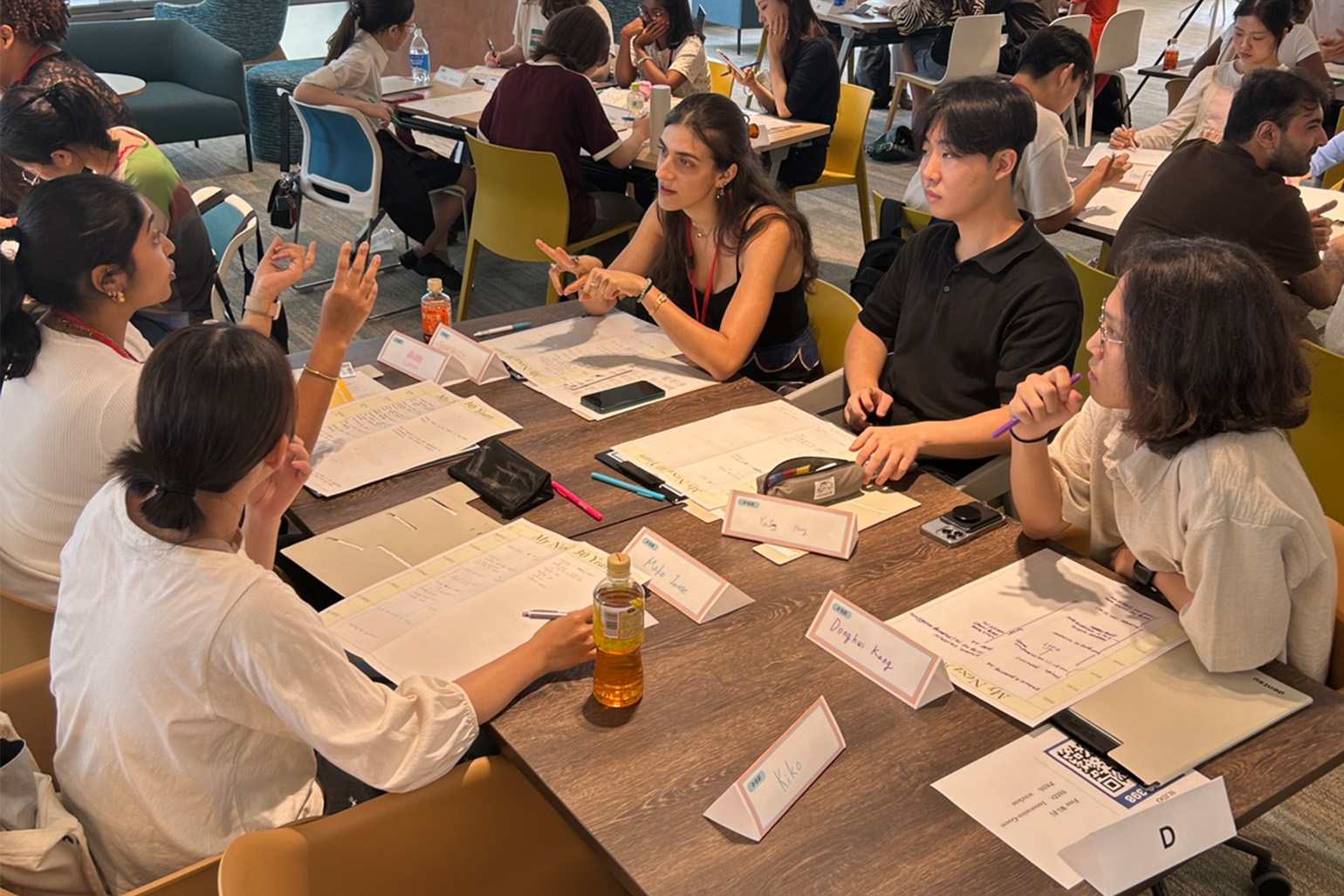
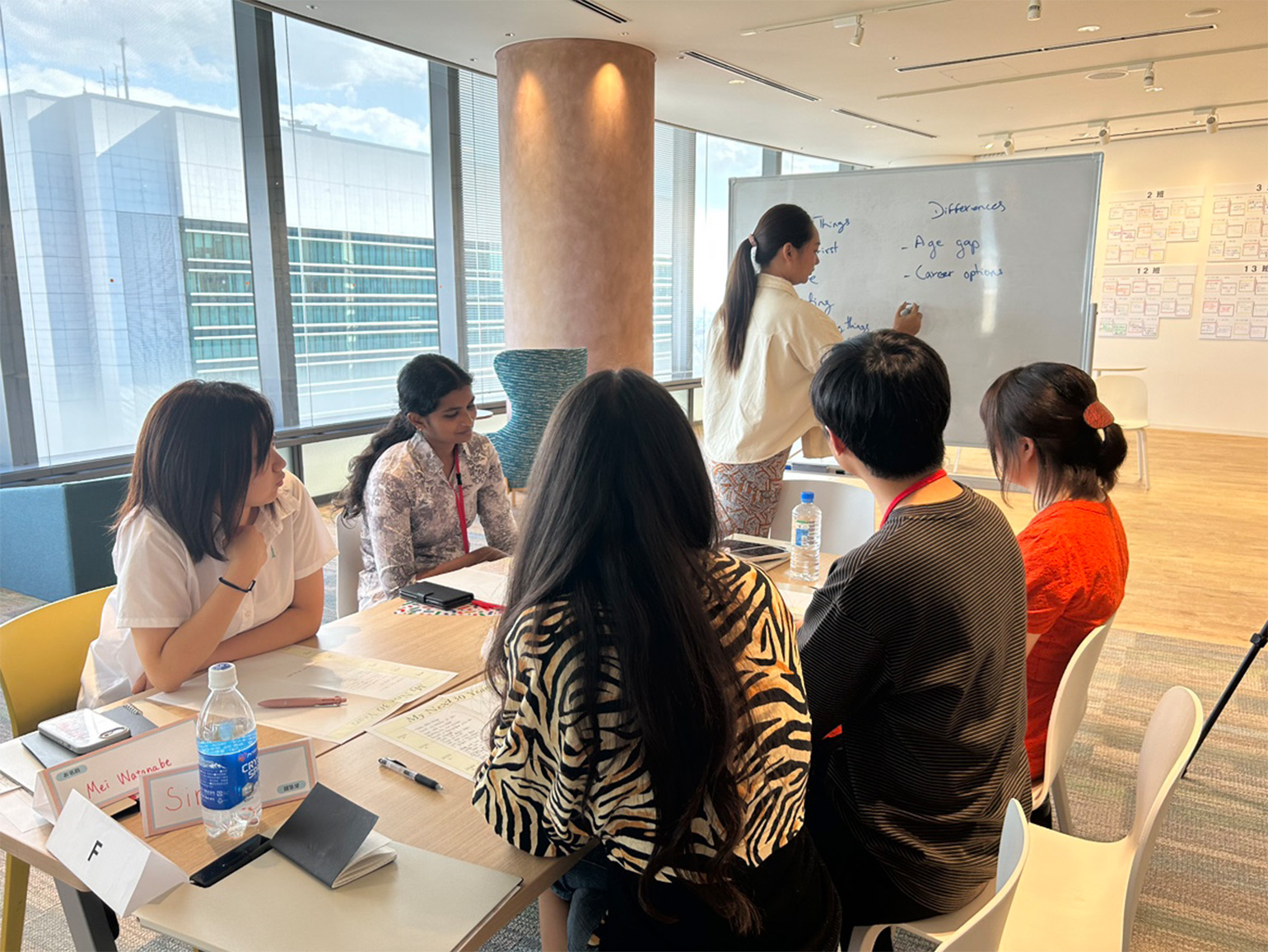
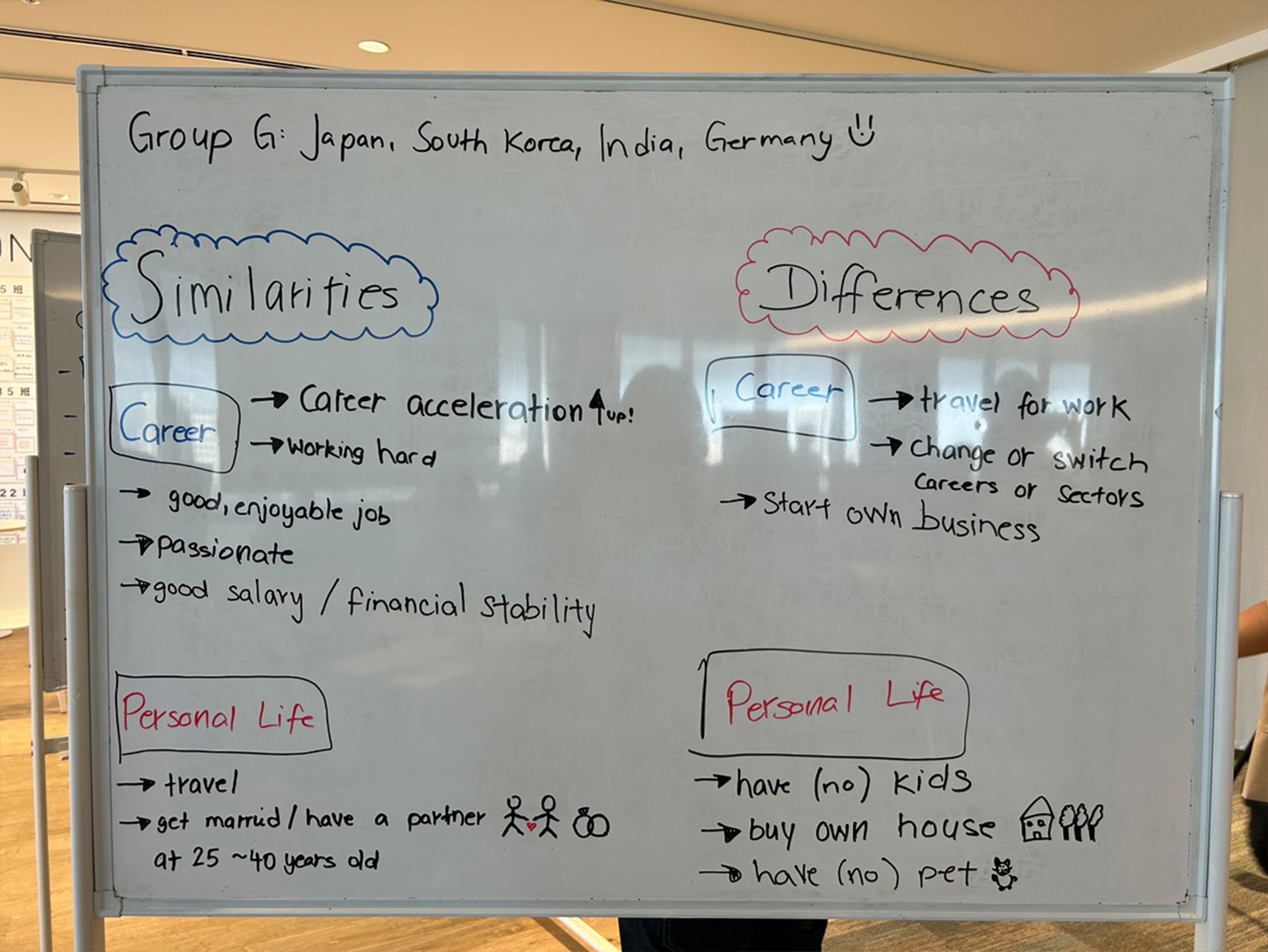
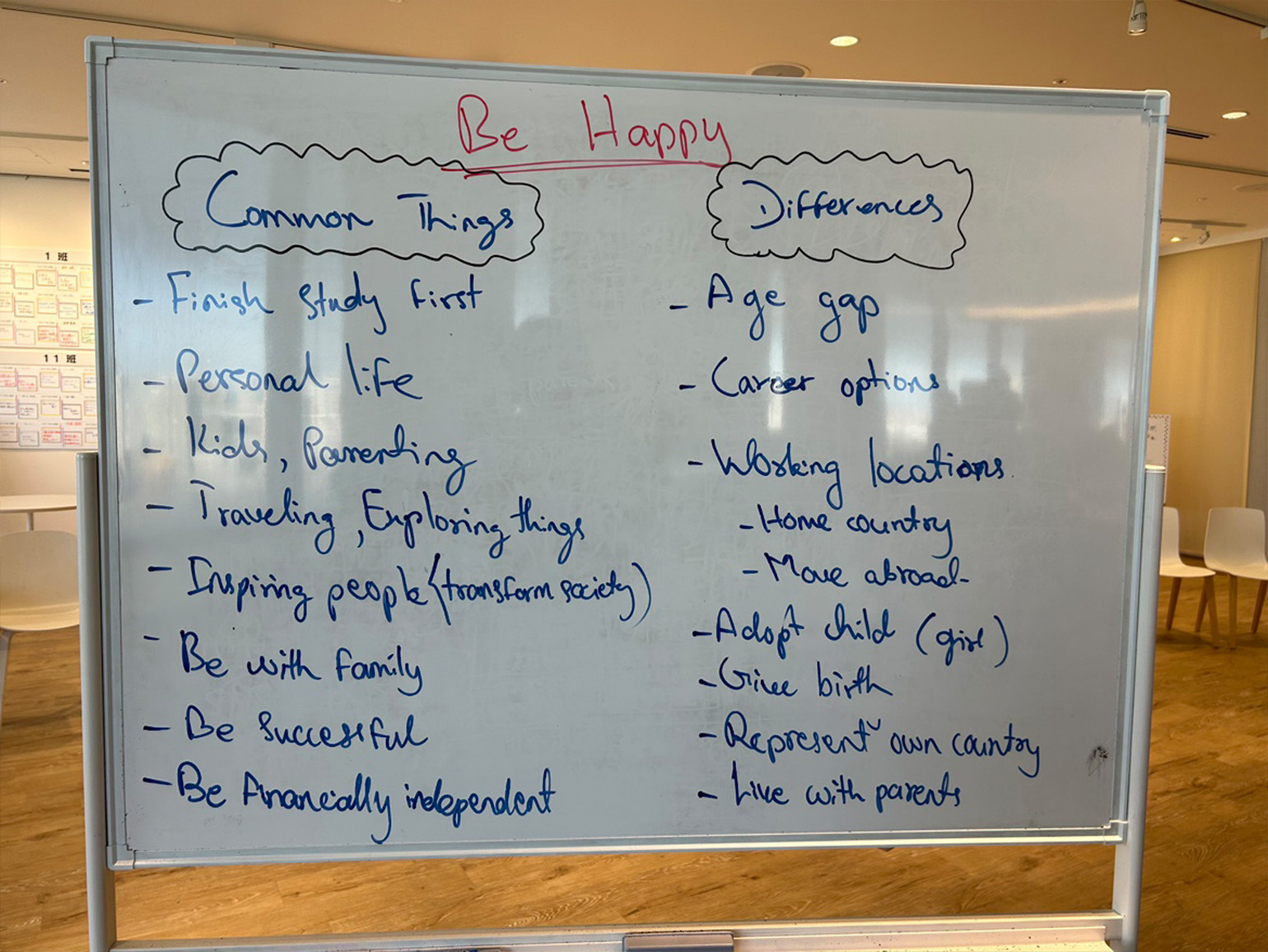
During the group discussions, there was a lively exchange of views on future careers, family life, and work styles. Students painted a diverse array of future scenarios: some set their sights on starting their own businesses or leading organizations as leaders; others aimed to balance child-rearing with their careers; and still others hoped to expand their learning and work opportunities while traveling around the world.
At the same time, aspirations such as “I want to be happy” and “I want to have a positive impact on society” were common among many students, revealing that universal hopes for the future are shared across national and cultural boundaries.
To bridge the “gap” in perceptions between oneself and others, it is important for both sides to meet each other halfway
In the final session, Fumi Usui, a graduate of Ochanomizu University and currently an Executive Officer in charge of Brand Strategy and Communications at Ajinomoto Co., Inc., took the stage. Through a dialogue with Mr. Kobayashi of Dentsu Inc., she spoke about the various “discrepancies” she has faced throughout her career.
Ms. Usui explained that when she first entered the workforce, she felt a gap between the job she had envisioned, the tasks she was actually assigned, and the expectations others had of female employees. She reflected that later, as she took on more responsible roles, she realized there was also a “discrepancy” between the abilities she believed she possessed and her actual capabilities.
“Once I became aware of the ‘discrepancy’ between my perception of my abilities and my actual abilities, I made a conscious effort to first complete the tasks at hand to a high standard. I believe that through this consistent effort, the ‘discrepancy’ gradually narrowed,” said Ms. Usui.
Regarding “gaps that should be narrowed and gaps that don’t need to be narrowed,” Mr. Usui explained by citing the marketing concepts of “Point of Difference” (strengths) and “Point of Failure” (areas for improvement). He noted that while there is no need to forcefully bridge gaps that contribute to one’s unique identity, it is worthwhile to confront challenges that hinder personal growth.
He also touched on the gaps between self-perception and how others perceive us. “While deeply understanding yourself is important, so is communicating in a way that helps others understand you,” he said, emphasizing the importance of mutual compromise rather than unilaterally resolving these gaps.
In the latter half of the discussion, under the theme “Beyond the Discrepancy,” she spoke about the life purpose she discovered through her work. She explained that while she did not have a clear long-term vision from the start, as she gained more work experience, she became more conscious of her connections with the people and society beyond her immediate scope. She also reflected that, after getting married and having children, she began to consider what value her work brings to the next generation and society.
Ms. Usui also mentioned that, while juggling parenting and work, she went through periods where she felt she wasn’t making progress as she’d hoped, and she conveyed this message to the students: “Neither life nor a career follows a linear upward trajectory.”
“Life isn’t just about moving in a straight line toward a goal; it includes periods when you feel like you’re standing still and unexpected events as well. By tackling the challenges right in front of me one by one, new opportunities opened up. The future isn’t something to be predicted—it’s something you create yourself. I hope you won’t be afraid of change or challenges, and that you’ll move forward toward the future you desire,” said Ms. Usui.
Finding Common Ground Amid Differences
To conclude the program, Ms. Carol Miles of Ochanomizu University delivered closing remarks.
Referring to the experiences of Dentsu Inc. employees active in various industries and roles, as well as those of Ms. Usui, Ms. Miles reflected, “Even though at first glance their career paths may seem completely different from our own, they all shared concerns and challenges that everyone can relate to. I was particularly struck by how many of the issues discussed—such as balancing work and family life—overlapped with my own experiences.”
She also highlighted the significance of students from diverse cultural backgrounds being able to discuss their future 30 years from now as peers at the same stage of life. “There aren’t many opportunities for people from different countries and backgrounds to have frank conversations about their future and the meaning of life. In that context, being able to learn about each other’s ways of thinking and values was a truly valuable experience,” she said.
In a post-event survey, participating students shared the following reflections:
“I learned that life and careers don’t always have to follow a straight path.”
“The workshop on thinking about life 30 years from now was fun, challenging, and broadened my perspective on the future.”
“I also learned the importance of viewing the ‘discrepancies’ and differences that actually exist in the business world not as obstacles to be overcome, but as opportunities to accept them, move forward together, and foster better growth.”
This program was held under the theme “Lost in Differences.” While engaging with diverse backgrounds and values, participants took the opportunity to reexamine their own lives and careers. Recognizing these “discrepancies” also means discovering common ground with others and realizing new possibilities within oneself. With these insights in mind, the program came to a close.
<Previous Program>
Exploring the Possibilities Beyond “Misunderstanding” with Students
Was this article helpful?
Share this article


