
Note: This website was automatically translated, so some terms or nuances may not be completely accurate.
Philippines★Filipino-Style Convenience Store? Sari-Sari Store Owners Gather for Event
With 700,000 stores nationwide, the sari-sari store (small general store) embodies the meaning of "variety." Characterized by displaying numerous daily necessities like cigarettes, snacks, canned goods, small-sized seasonings, and shampoo, it's a staple for the common people, used by about 35% of Filipinos for food purchases.
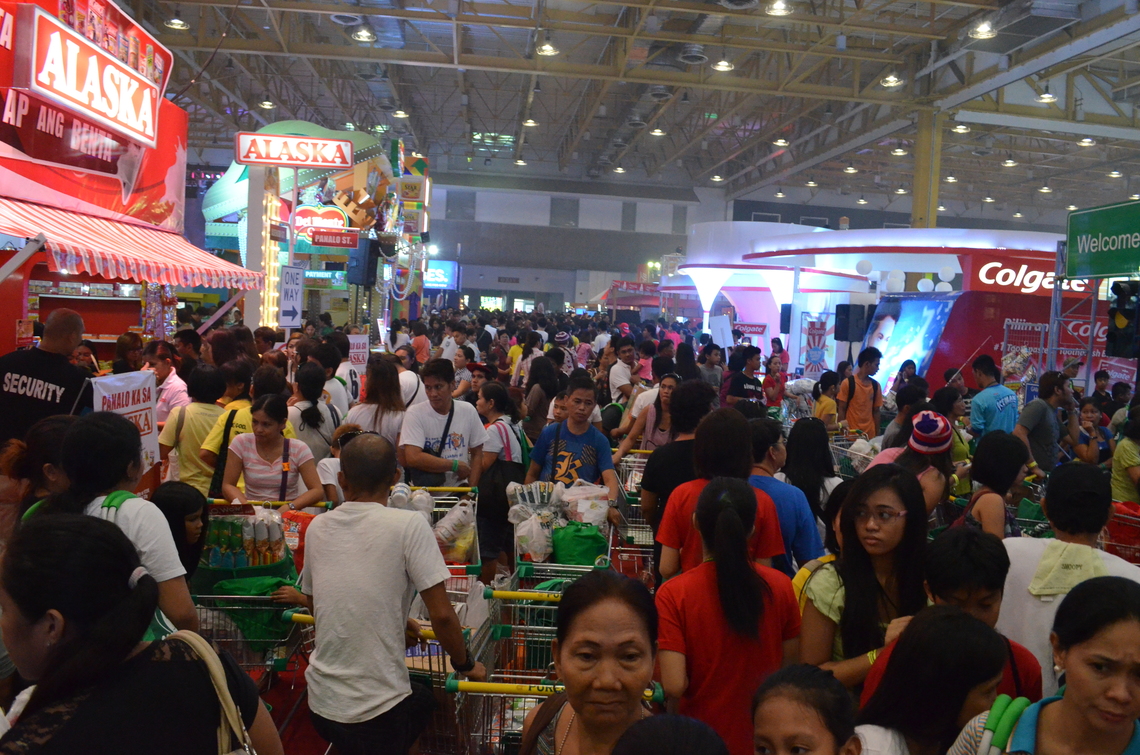
(Photo by NNA)
The largest gathering of these owners took place in Pasay City, Metro Manila, from May 21 to 25. The event was hosted by major retailer Pure Gold Price Club. This was reported by NNA, which distributes economic information across Asia.
Participants included owners of sari-sari stores and small grocery shops, with many traveling from provincial areas. Attendance reached nearly 7,000 within the first three hours. Florenco Malaro, who runs a store in Laguna Province, attended to purchase special sale items displayed at the venue. His current store spans 6 square meters with monthly sales of about 30,000 pesos (approximately 69,000 yen). He expressed enthusiasm, stating, "I want to expand, enhance my product lineup, and increase my earnings."
Taro Fujie, President of Ajinomoto Philippines, which sells products at sari-sari stores, commented to NNA: "In the Philippines, over 80% of the population earns less than 8,000 pesos (about 18,500 yen) per month. These income groups are important customers who frequently shop at sari-sari stores." Regarding foreign companies entering this market, he expressed the view that "While quality is essential, business opportunities arise through partnerships with local companies and local production to keep prices competitive."
Was this article helpful?
Share this article


