
Note: This website was automatically translated, so some terms or nuances may not be completely accurate.
 Toward a New Tohoku [1/2]
Movements Toward Tomorrow, Sprouting in Disaster-Stricken Areas (Part 1)
Toward a New Tohoku
Noda Village, Iwate Prefecture: "Aramai-dan"
Unique Scallops Spread Nationwide with Fan Support
Logos and group flags permeate the local community
Noda Village's fishing industry suffered devastating damage from the earthquake. In July 2014, as production facilities gradually recovered, full-scale shipments of the specialty scallops finally resumed. Seizing this opportunity, the Noda Village Fisheries Cooperative, Noda Fishermen's Association, Nodamura Co., Ltd., and Noda Village Office spearheaded the launch of the "Aramai-dan Project." This initiative aims to promote the deliciousness and value of the village's seafood products and boost consumption. The name "Aramai-dan" (Rough Sea Group) was inspired by the local fishermen who refuse to yield to the harsh conditions of the village's rough seas. The "Iwate Noda Village Rough Sea Scallops" they cultivate are raised in the open sea, known for its strong currents and abundant plankton, resulting in thick, meaty scallops with a rich umami flavor.

Recently, they've been featured on nationally broadcast TV programs, expanding their recognition as a brand. From April 2014 to September 2015, Kirin also recognized their value and supported them as part of the "Kirin Kizuna Project" for reconstruction assistance. The Araumi-dan is also becoming well-known locally. Trucks with their stickers drive through town, and their donated group flags fly at events for the village's elementary and junior high schools.
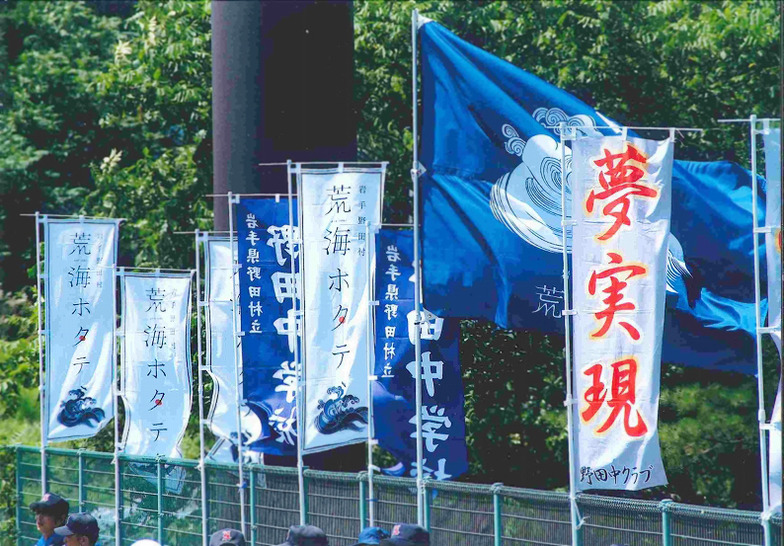
Mr. Naoki Sotodate of the Araumi Group expressed his enthusiasm: "Thanks to the passionate support of our fans, Araumi Scallops have become known to many people. We are truly grateful to experience the joy of these new encounters, the support from everyone, and the affection for our products. Beyond scallops, the charm and potential of Noda's coastal waters extend to oysters, wakame seaweed, and more. Together with everyone in the Araumi Group, we want to convey this to the children as well."
Kamaishi City, Iwate Prefecture: "The Rugby Town"
World Cup Gives Momentum to Recovery
Bringing Dreams and Hope to Children
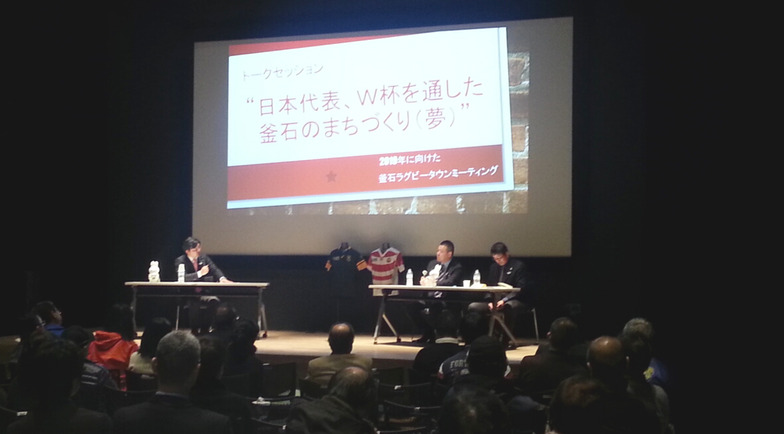
Kamaishi City was nationally known as "Rugby Town," the home of the Nippon Steel Kamaishi Rugby Club (now reorganized as Kamaishi Seawaves RFC), which won seven consecutive Japan Championships from 1979. Last March, the city was selected as one of the 12 host venues for Rugby World Cup 2019. The bid campaign began in the summer of 2011, just months after the Great East Japan Earthquake. What were the aims and thoughts behind this? Hisashi Masuda, Assistant Director of the Kamaishi City Rugby World Cup Promotion Office, reflects: "We thought that by raising the hope of hosting the World Cup, everyone could feel energized, especially since plans were in place to complete road and rail improvements by 2018. We received support not only from citizens but from across the nation, and the bid was successful."
The city is still in the midst of rebuilding its living infrastructure. Amidst this, efforts towards hosting the event are underway. These include town meetings featuring guest appearances by women's rugby players scheduled to compete in the Rio Olympics, and public viewings held at four venues within the city during the 2015 Rugby World Cup in London. Training courses for English-speaking volunteers are also being conducted continuously. Masuda shared his vision: "We want to leverage the know-how and new networks gained through the World Cup. After 2019, we aim to transform the stadium into a facility used by people nationwide not just for sports, but also for events and community interaction. We want to build this together with the local people."

Miyagi Prefecture Local Fish Market Association
Branding Nine Fish Markets
Expanding Sales Channels for Local Seafood
Blessed with some of Japan's most abundant marine resources, Miyagi's coastal areas once saw their fish markets thrive as vital starting points for distributing seafood to urban centers. However, after the earthquake, these sales channels significantly shrank, and the local fishing industry continues to struggle. Last year, to break this stagnation and restore vitality to the fish markets, all nine local fish markets within the prefecture joined forces. They launched a project to directly communicate their appeal and unique characteristics as a brand to consumers nationwide. Notably, the project brands the "port fish markets" themselves, rather than specific fish species or locations. To date, it has held events to raise awareness and promote sales, and produced posters and video content featuring scenes of unloading catches and auction activities. Currently, in collaboration with private companies, it is actively promoting these markets to consumers both within and outside the prefecture. Last year, Ajinomoto supported the project as the seventh installment of its "Eating Makes You Happy! Project: Energizing Japan from the Dinner Table," aimed at supporting Tohoku's recovery through food. Furthermore, this initiative was selected for the Reconstruction Agency's 2015 "New Tohoku Pioneering Model Project."
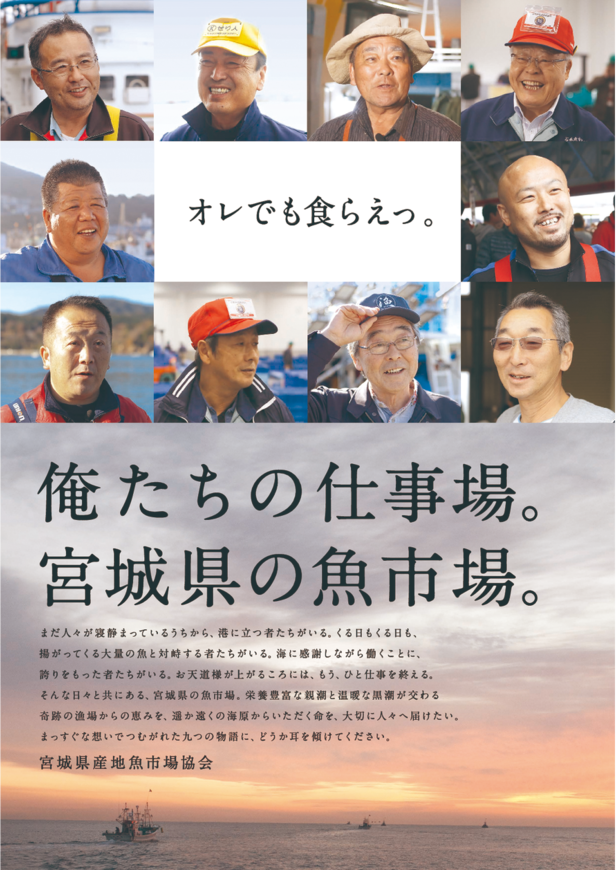
Mr. Atsushi Takekawa, who handles administrative duties at the Miyagi Prefecture Local Fish Market Association, stated: "For those at the local fish market, wholesalers are our sales partners, so we haven't had many opportunities to appeal directly to consumers until now. When we interviewed people this time, everyone passionately spoke about the market's appeal. The posters and videos are filled with the fish market's desire to speak directly to consumers. We want to collaborate with various events, fairs, and even company cafeterias to spread the appeal of Miyagi Prefecture's seafood."

Was this article helpful?
Share this article


Newsletter registration is here
We select and publish important news every day
For inquiries about this article
Author