
Note: This website was automatically translated, so some terms or nuances may not be completely accurate.
 The Present and Future of Design and Innovation by frog [43/49]
Now is the time to "change lanes"! Aiming for sustainable luxury vehicles.

frog
This article presents content originally published in "Design Mind," a design journal operated by frog, under the supervision of Mr. Noriaki Okada of Dentsu BX Creative Center.
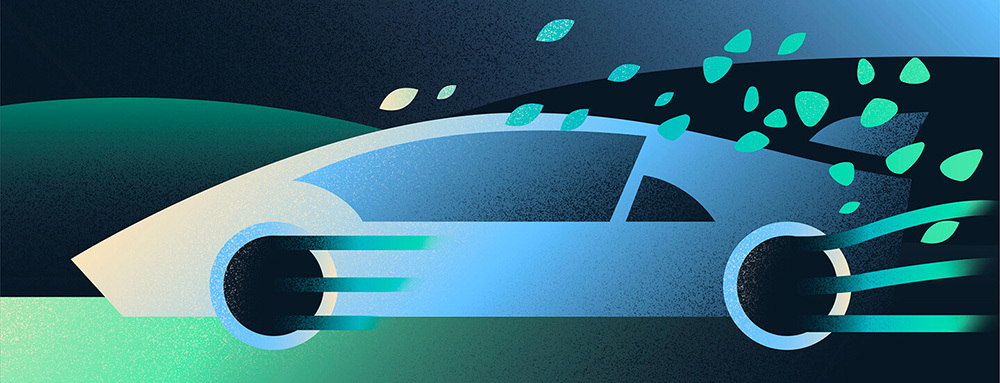
The definition of "luxury" in the automotive industry has remained consistent for decades, but it is now changing. The time has come to embrace a broader concept of "luxury."
Traditionally, "luxury" referred to high-quality technology and design aimed at affluent customers. It meant top-tier products featuring the latest technology, timeless design, and precision craftsmanship. However, in the automotive industry, these affluent customers now represent a niche segment. Moreover, targeting this segment alone is increasingly unlikely to lead to success.
The primary drivers of this shift are the growing importance of "sustainability" and "electrification." These were largely unpopular elements in the market of yesteryear, but modern consumers' perceptions are vastly different.
The rise of the sharing economy and the democratization of travel, coupled with advances in electrification and new regulations, have made "luxury" more accessible. As a result, luxury car brands are now compelled to address the needs of a broader and newer demographic than ever before.
Simply put, the definition of "luxury" must evolve and be redefined with a primary focus on sustainability. Failure to do so risks being left behind by the times.
<Table of Contents>
▼What is the "Luxury Experience" in Automobiles?
▼Luxury Car Customers Are Changing
▼What is the Opportunity Area for Re-examining the Meaning and Value of Sustainable Luxury?
▼To Meet the Expectations of New Customer Segments
What is the "luxury experience" in automobiles?
To support luxury car dealerships and manufacturers, we have compiled the following guidelines for designing exceptional end-to-end service experiences.
・"Time" is the new luxury
Design experiences that allow people to step away from the fast-paced world and recharge (take a break). In today's busy modern life, people crave moments to pause and reflect. To meet this need, designers are beginning to create experiences that slightly slow the frantic pace of daily life. Time to block out digital noise, reflect on oneself, and re-examine one's surroundings is now the new luxury.
・Service is everything
By intentionally designing the entire customer lifecycle experience, the right features and products to maintain customer satisfaction are prioritized. This enables delivery teams to provide exceptional service and boost loyalty.
From the moment a customer walks into a dealership to post-purchase support, every touchpoint must be meticulously crafted. Whether delivering a seamless test drive experience, providing transparent purchase guidance packed with useful information, or executing high-quality after-sales service, luxury car brands shine brighter by prioritizing customer satisfaction and employee experience and investing greater effort.
・Attention to detail
While personalization is crucial, attention to detail elevates the entire experience, making it feel special. Seamless design means raising the standard of the entire experience. This applies equally whether carefully stitching leather seats in the customer's preferred color or meticulously designing a sound system for a specific type of listener.
Crucially, integrating the technology and software customers prefer into the vehicle creates a premium, immersive experience suited to today's era. By ensuring no detail is overlooked, paying attention to even the most subtle differences, and making those differences perceptible, luxury car brands can meet consumer expectations and cultivate a refined, high-quality atmosphere.
・Sustainable Solutions
Adopt environmentally conscious, sustainable solutions. The key is prioritizing ethical sourcing and fair trade practices, while using sustainable, eco-friendly materials to minimize environmental impact. Modern consumers are highly conscious of reducing negative environmental effects and are willing to pay a premium for ethical products and services. According to a Nielsen survey, 73% of millennials say they would buy products from sustainable and socially conscious brands even if they cost more than other brands.
To promote transparency, make data on supply chain sustainability and carbon emissions freely available to customers at the point of purchase. To avoid being perceived as greenwashing (pretending to be environmentally conscious), you must provide evidence to back up your claims. The new generation of luxury-oriented consumers wants proof that they are making sustainable choices based on sufficient information.
In response to these social trends, designers are striving to incorporate sustainable practices into their creations. By utilizing ethical sourcing, fair trade practices, and sustainable, environmentally friendly materials, organizations can minimize waste and harmful carbon emissions, reducing their impact on the natural environment. Customers are drawn to brands that prioritize sustainability because they feel they can support environmental protection by purchasing their products.
・Making it memorable
Luxury car brands must intentionally design moments that make customers go "Wow!" Strategically, this creates lasting impressions, encouraging customers to talk about the memorable content long after their actual user experience. By deliberately crafting unforgettable, iconic moments, brands can strategically create situations where the customer experience "goes viral," attracting new customers.
By vastly exceeding customer expectations, luxury car brands can build emotional connections that extend beyond the product itself. Through these overwhelming, memorable experiences, luxury car brands cultivate loyalty, spread word-of-mouth recommendations, and sustain high regard.
Luxury car customers are changing
With younger buyers increasingly purchasing luxury cars and a growing global reach, new needs and expectations are emerging. This new customer base possesses entirely new sensibilities compared to previous generations. Having grown up surrounded by digital products, they are highly interested in technology, make decisions based on ethics and sustainability, and seek brands that offer inclusive experiences.
Furthermore, their preferred communication channels with brands differ significantly. They seek product information primarily through various digital channels rather than traditional promotional avenues. For manufacturers, evolving at the same pace as modern consumers and actively listening to their voices is an absolute necessity. Failure to do so will inevitably lead to shrinking market share and the loss of revenue streams.
Given this current landscape, targeting the luxury car market presents an unprecedented challenge for automakers. Without proper research data and planning, efforts risk missing the mark entirely.
So, what is the ideal approach?
What are the opportunity areas for redefining the meaning and value of sustainable luxury?
We believe there are four key areas where brands can redefine the meaning and value of sustainable luxury throughout the entire luxury vehicle lifecycle.
1.Redesigning the Supply Chain
All manufacturers are working to reform their supply chains to comply with regulations, but luxury car manufacturers in particular have the opportunity to propose unique value by incorporating new materials and sustainable manufacturing processes into their messages that convey the characteristics of their products and brands.
In the short term, opportunities can be found in sustainability auditing and reporting. Compliance is an important factor in building trust and enhancing brand loyalty. In the medium term, focusing on building a green supplier network will yield benefits. Once this network is established, it will be possible to develop long-term plans for building supplier partnerships while rethinking the design stage and aiming to maximize the circularity of parts.
2.Sustainable Driving
With the transition to electric vehicles (EVs) inevitable, luxury car manufacturers need to consider how to adapt their luxury car lineups in terms of how they sell cars, their power sources, maintenance, and how they are driven.
To achieve this goal, the short-term focus should be on enhancing the luxury test-drive experience. Manufacturers must first conceptualize this experience and exceed customer expectations. Only then can they leverage other opportunities. In the medium term, the emphasis must shift to high-quality renewable energy.
Consumers seek ethical power sources but do not want to sacrifice vehicle performance. Once these two phases are complete, manufacturers can concentrate on long-term priorities like membership-based driver clubs. The key with such programs is to leverage core digital services that support a sustainable EV ownership experience and also inform future vehicle choices.
3.A Higher Level of Digital Experience
Premium automakers can elevate consumer perception by emphasizing key experiences like purchase, maintenance, and charging, demonstrating that EV ownership is neither difficult nor troublesome. This approach will attract more luxury-oriented customers considering sustainable vehicles.
Recently, digital experiences have emerged that immerse users in worlds within everyday reality, featuring digital real estate, new communities, and virtual collaboration. Therefore, in the short term, luxury car manufacturers should also prioritize immersive, customized experiences.
In the medium term, as an extension of this customization experience, opportunities should be found in technologies that alleviate the frustration of long charging times, such as voice AI services, smart personal assistants, and intelligent digital interfaces. However, in the long term, more opportunities will likely be found in the areas of frictionless charging and repairs.
4.Establishing Circularity
By establishing circularity, luxury car manufacturers can maximize the value of their products as ownership changes over time. It also creates opportunities for meaningful brand partnerships that can attract new customer segments. From a manufacturing perspective, circular processes can significantly reduce material costs and cut carbon dioxide emissions by up to 70 %.
As seen in recent partnerships like Ferrari and Ray-Ban, the luxury fashion sector presents diverse opportunities in the short term. If current trends persist, the mid-term will likely offer abundant opportunities in the certified pre-owned vehicle market. This market allows a new generation of consumers to safely purchase luxury vehicles at relatively affordable prices. However, in the long term, true value seems to lie in personalization strategies, as consumers increasingly seek products that are imperfect in a positive sense—one-of-a-kind creations.
To meet the expectations of new customer segments
To excel in each opportunity area, automakers might consider the following approaches:
• Experiences that attract new customer segments: Generation Z is expected to become the largest customer base for luxury vehicles and influence the future of mobility. Therefore, it is essential for the automotive industry to continue adapting appropriately to this shift in customer demographics.
• Business models beyond the vehicle: Future luxury cars will require more than just premium seats and cutting-edge driving features. The recently released frog report "Beyond the Vehicle" explores the potential for reimagining the entire customer experience around the automobile.
• Strategic Partnerships: Luxury car brands can enhance credibility and appeal to diverse lifestyles by forming strategic partnerships that enable experimental ventures in new domains.
• Compelling Storytelling: Thoughtful communication with customers is essential to fully convince them of a new definition of "luxury" centered on sustainability within each opportunity area.
Meeting and exceeding customer expectations is never easy. It is essential to grasp the essence of the target audience, including their true desires and needs. Only then can one analyze the products and services to be offered and build a truly resonant, comprehensive experience. Prioritizing luxury in the design phase undoubtedly paves the way for a direct highway toward new growth.

Was this article helpful?
Share this article


Newsletter registration is here
We select and publish important news every day
For inquiries about this article
Back Numbers


Author