
Note: This website was automatically translated, so some terms or nuances may not be completely accurate.
Corporate Art Patronage Council Holds Report Meeting for "GBFund" 2011-2015
On July 14, the Corporate Art Patronage Council held the "Great East Japan Earthquake: GBFund 2011-2015 Report Meeting" at Dentsu Hall in Shiodome, Tokyo.
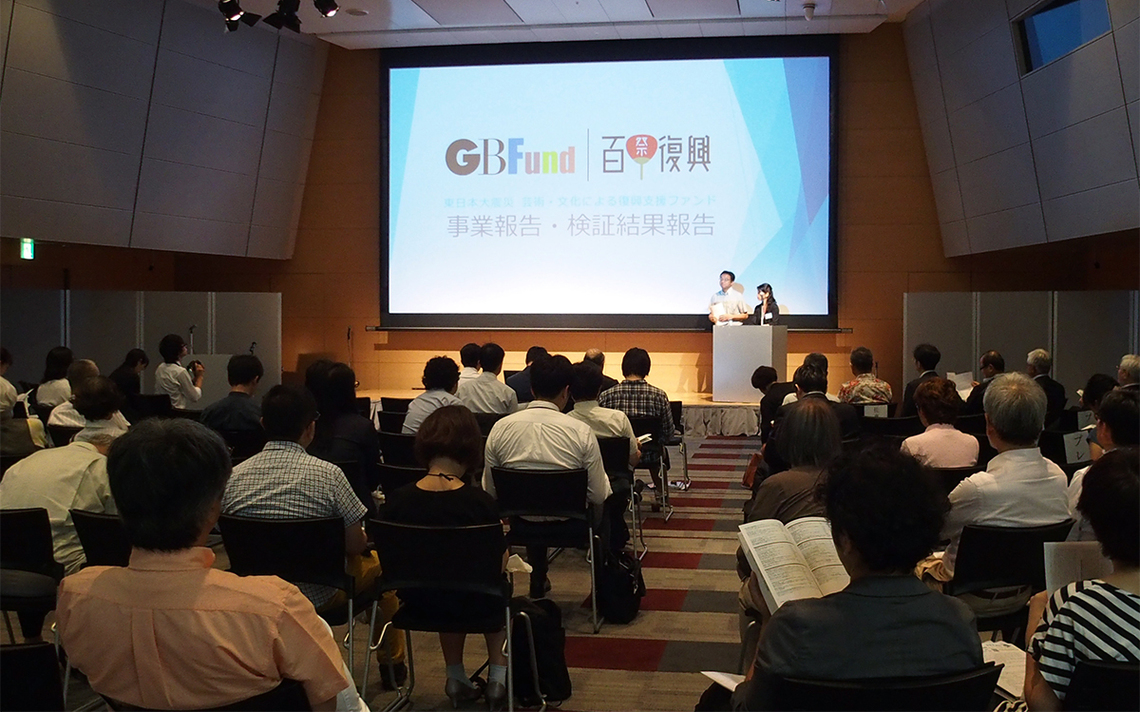
Launched by the Council in March 2011 following the Great East Japan Earthquake, GBFund (G=Arts, B=Culture, F=Reconstruction, Fund) has provided grants and support for arts and cultural activities targeting disaster-affected areas and victims, funded by donations from individuals, companies, and organizations. Marking its fifth anniversary, the meeting shared the fund's achievements and exchanged views on approaches to reconstruction support identified through introducing and evaluating its grant activities.
First, Mr. Torao Osawa, Associate Researcher at the NLI Research Institute's Arts and Culture Project Office, and Ms. Kanako Sato, Program Officer at the Council, presented the "GBFund Evaluation Results Report."
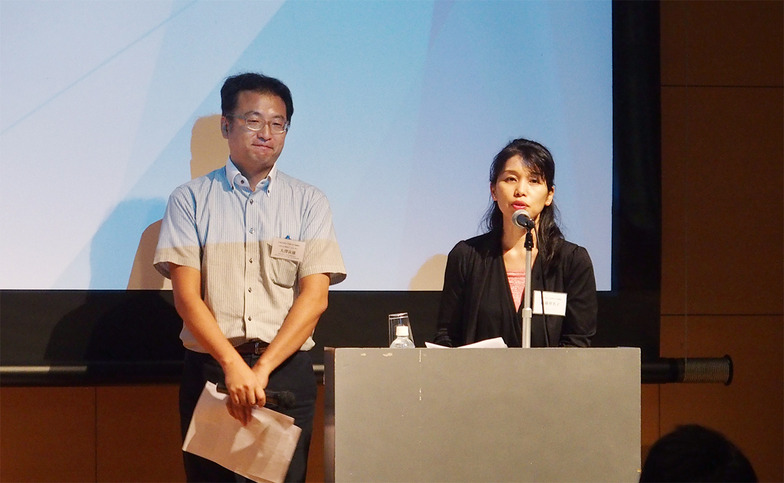
Cumulative donations since 2011 exceeded approximately 150 million yen. Selection took place three weeks after the application deadline, with disbursement occurring within about one week of the decision, enabling rapid support. Staff provided careful guidance from application to fund transfer, striving for smooth and prompt grant disbursement. The verification found the fund received high praise from recipient organizations.
This experience is being applied to the GBFund Kumamoto/Oita, launched on April 20 in response to the April 14 Kumamoto earthquake. The fund's verification highlighted expectations for "regional community revitalization" through traditional performing arts. It also noted the need to support archiving disaster records, including preserving memories, as one of the tasks to be addressed going forward.
This was followed by presentations on grant activities.
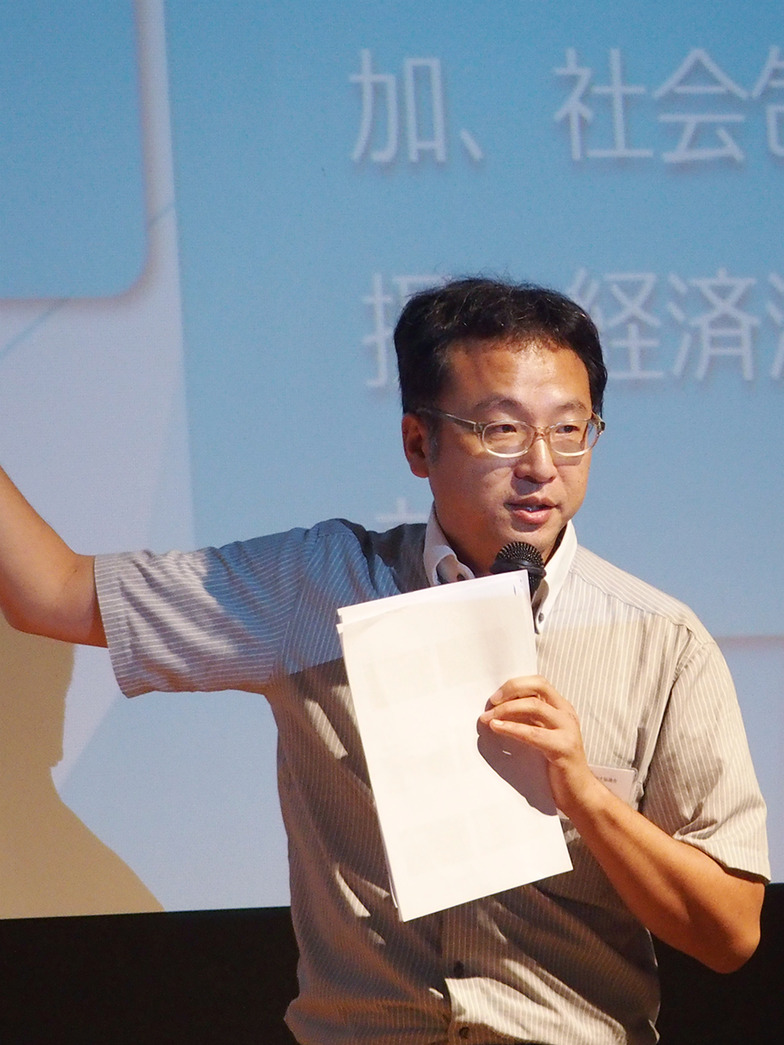
Ayumi Hata, who serves as the head of the 3/11 Documentary Film Archive at the Yamagata International Documentary Film Festival, explained the festival and its post-disaster initiatives.
The festival was established in 1989 as a cultural project commemorating the 100th anniversary of Yamagata City's incorporation. Since 2011, it has undertaken initiatives such as the "Great East Japan Earthquake Documentary Film Screenings" and the "311 Documentary Film Archive."
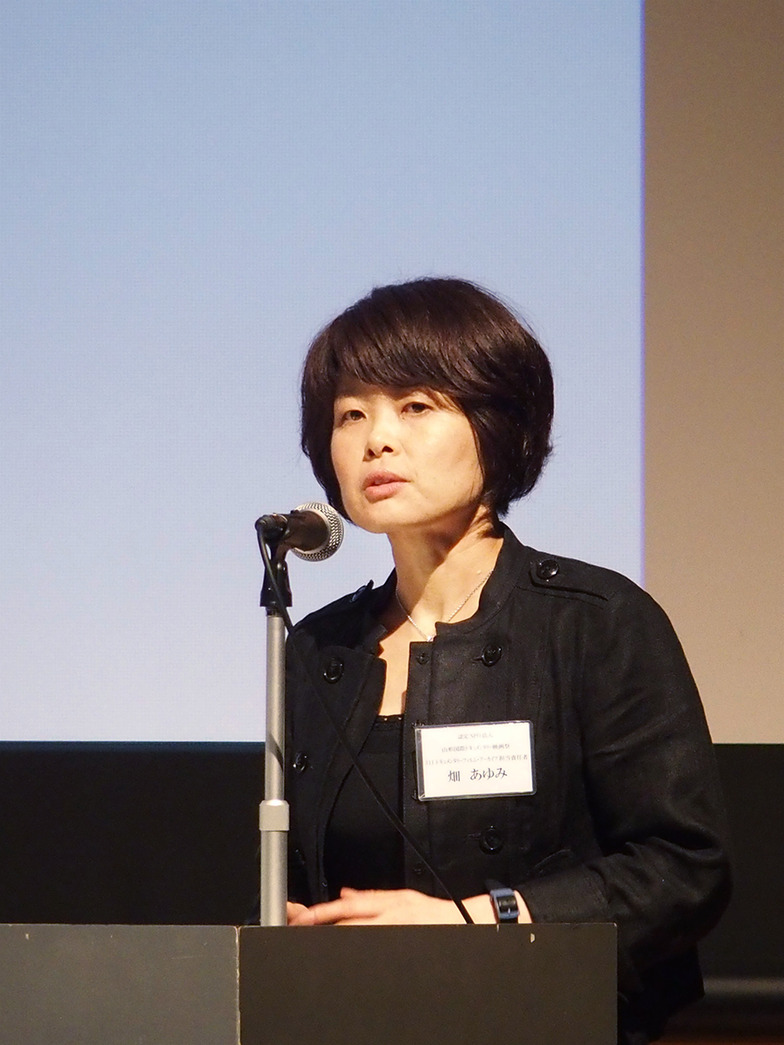
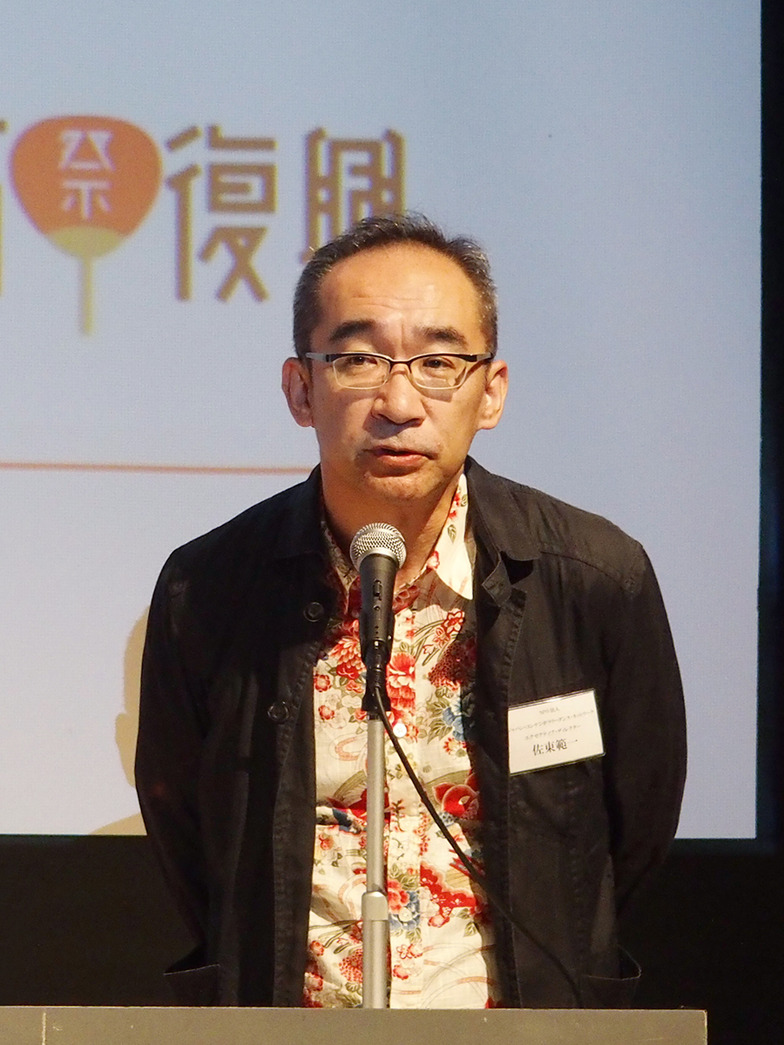
Mr. Sato, Executive Director of the Japan Contemporary Dance Network (JCDN), launched the recovery support project "When Bodies Relax, Hearts Relax Too" in disaster-affected areas after the March 2011 earthquake. The initiative "Let's Go Learn! To Tohoku," where dancers learned local performing arts on-site, brought significant insights to the dancers themselves while also invigorating human interaction.
He introduced that since 2014, he has launched the "Sanriku International Arts Festival," promoting programs that convey the richness of nature and people through local performing arts.
Finally, a panel discussion was held.
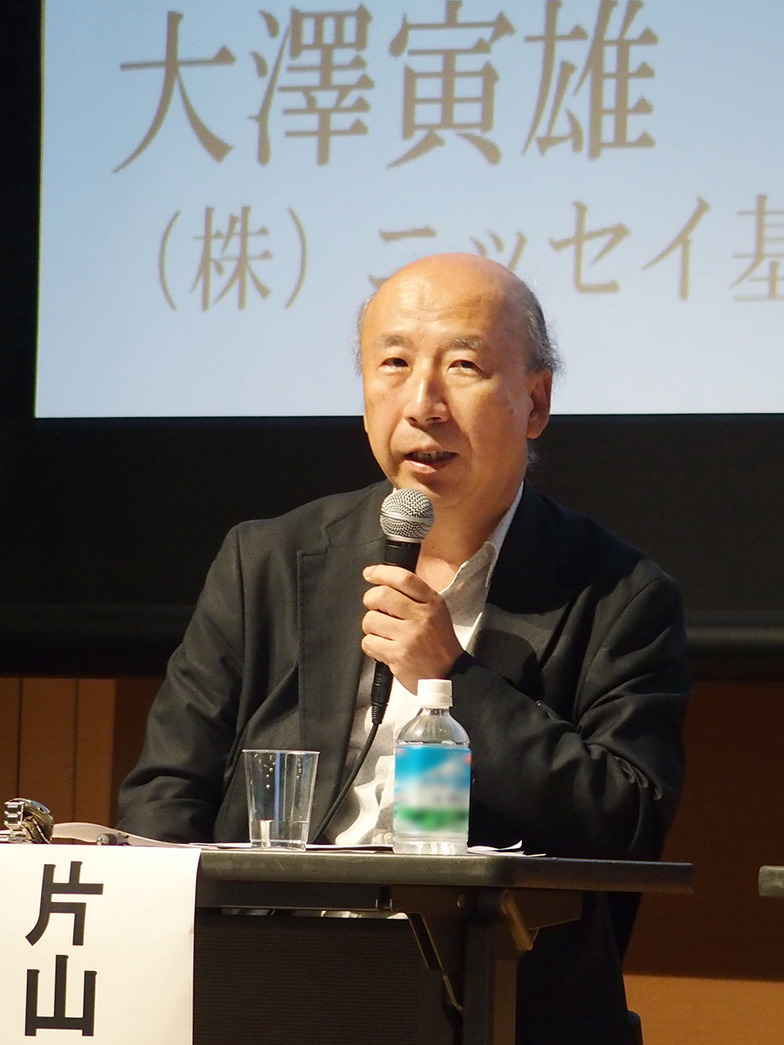
Mr. Hiroyasu Yamauchi, Curator at the Rias Ark Museum of Art; Mr. Shutaro Koiwa, Deputy Secretary-General of the All Japan Folk Performing Arts Association; and Mr. Masao Katayama, Managing Director of the Saison Foundation, were joined by Mr. Hata and Mr. Sato. Mr. Osawa served as moderator.
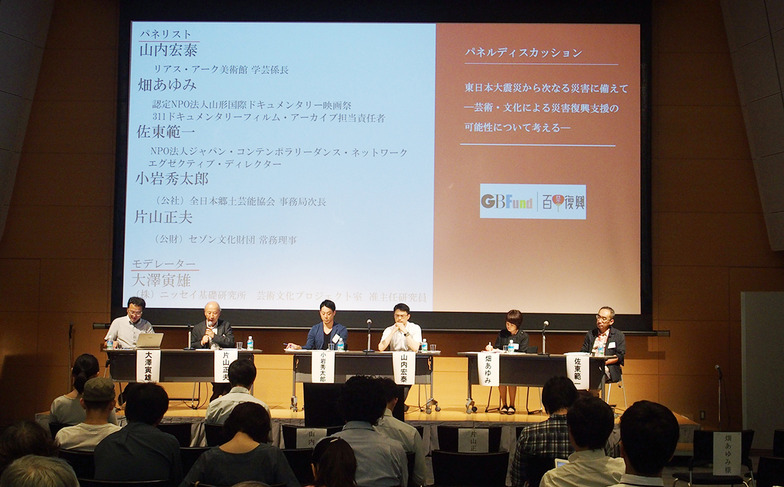
Mr. Osawa opened by posing the question: "Areas hit by tsunami damage in the Great East Japan Earthquake had experienced major tsunamis in the past. Could it be that this time, we failed to utilize the knowledge passed down from those past events?"
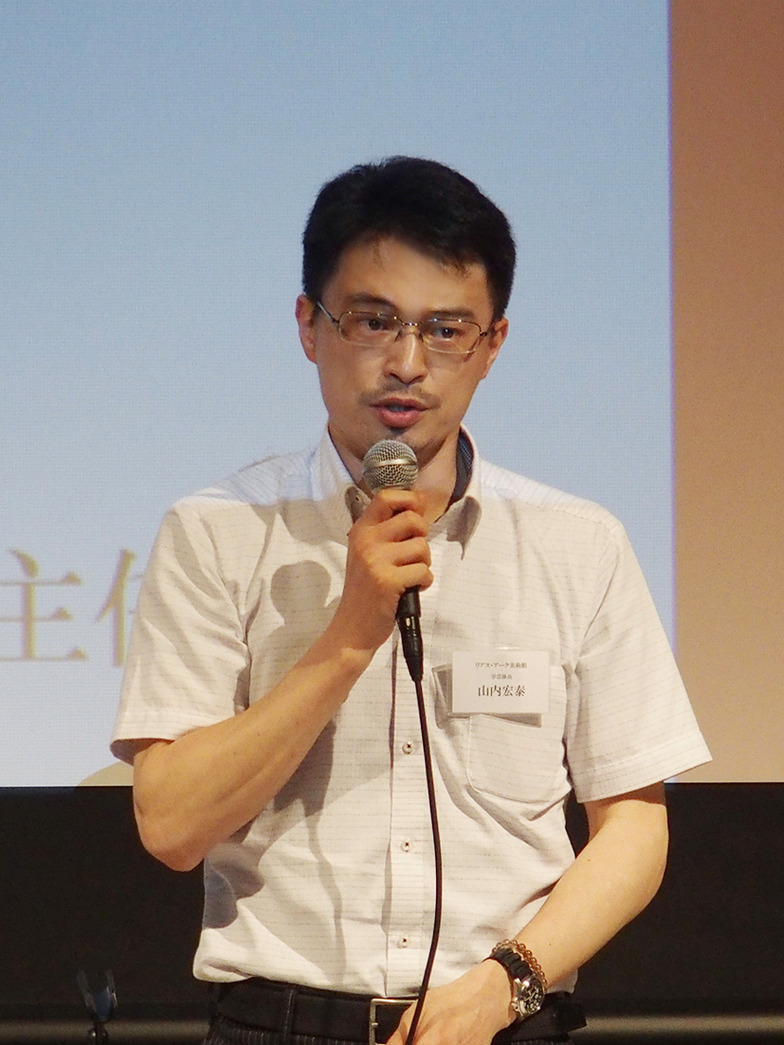
In response, Mr. Yamauchi introduced the Rias Ark Museum in Kesennuma City, Miyagi Prefecture, which permanently exhibits various materials for considering the Great East Japan Earthquake from the perspectives of disaster history and disaster culture. He noted that while obtaining regular grants typically requires significant burden on the applicant, he appreciates how GBFund's procedures consider the beneficiary's position. Regarding archives, he emphasized that it is crucial to have an attitude and system focused on continuously utilizing the recorded data, rather than merely accumulating it.
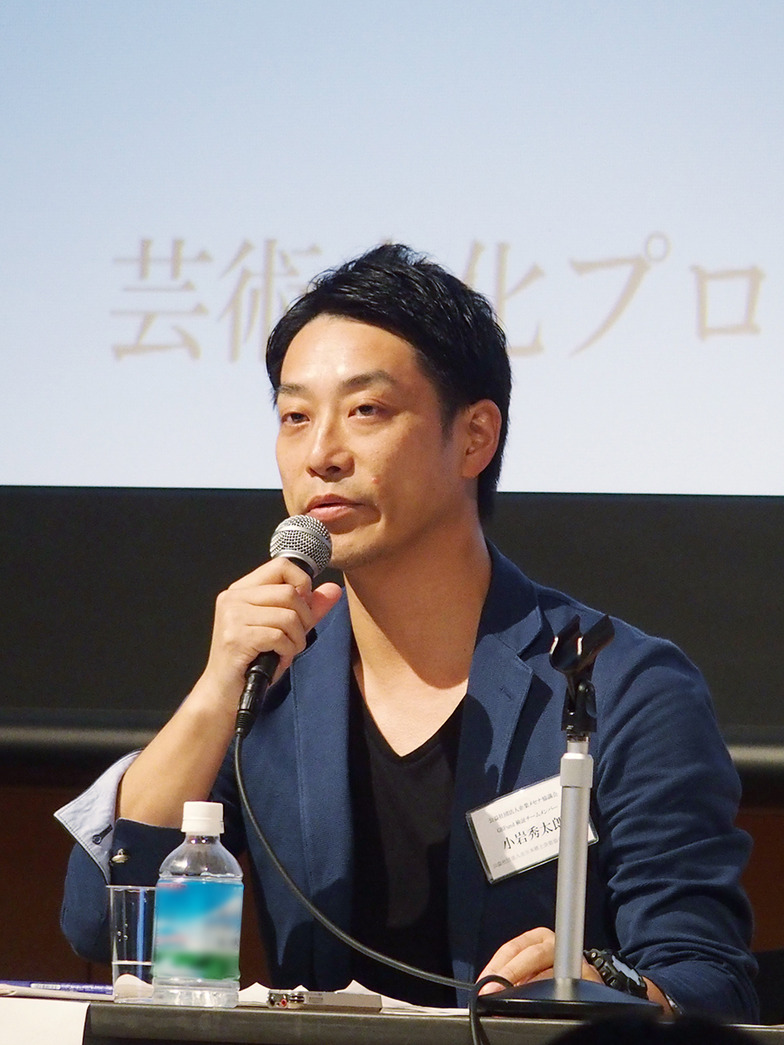
Mr. Koiwa introduced activities promoting and nurturing local performing arts and festivals. Support networks are expanding between disaster-affected areas and broader external communities. He stated that local performing arts engaging with the outside world contributes to regional revitalization and expressed hope for GBFund's "Hundred Festivals Revival" initiative.
Mr. Osawa shared an anecdote about how he facilitated the meeting between Mr. Sato and Mr. Koiwa.
Mr. Sato emphasized the importance of personal connections, noting how his encounters with Mr. Osawa and Mr. Koiwa led to the fund application. He stressed that beyond individual activities, cultural professionals must consider what they can do to foster such connections.
In light of the highlighted importance of networks, Mr. Osawa mentioned regional arts councils supporting local activities and asked about key points for utilizing GBFund.
From his perspective as a GBFund selection committee member, Katayama stated that GBFund is the first fund globally dedicated to supporting cultural and artistic recovery, with no comparable precedent. Both applicants and selectors lacked experience. He emphasized that support for activities, including archiving, requires continuity and systematization, making it a critical issue for Japan's cultural policy to consciously address. He pointed out that support for intermediary support organizations like JCDN is extremely important.
He also emphasized that funding is essential for support, and understanding the motivations behind individual donations is vital, not just relying on subsidies. Insights gained from the GBFund helped clarify the reasons individuals donate. Potential individual donors will be key when envisioning regional arts councils, and he intends to utilize this understanding going forward.
Mr. Hata stated that while archives designed for perpetual preservation have limitations, the challenge lies in creating mechanisms that enable effective utilization even 100 years later. He mentioned that Yamagata holds regular screenings and expressed a desire to work towards enabling screenings in other locations as well.
Mr. Osawa concluded by stating, "By envisioning 100 or 200 years into the future, we heard ideas not just for earthquake recovery, but for the future of Japanese art, culture, and society itself. Challenges also became clear. The high level of expectation for GBFund was palpable."
Was this article helpful?
Share this article


