
Note: This website was automatically translated, so some terms or nuances may not be completely accurate.
The Latest on Notable Global Creative & Tech Events Beyond Cannes Lions
Event Organizer Discusses Event Trends
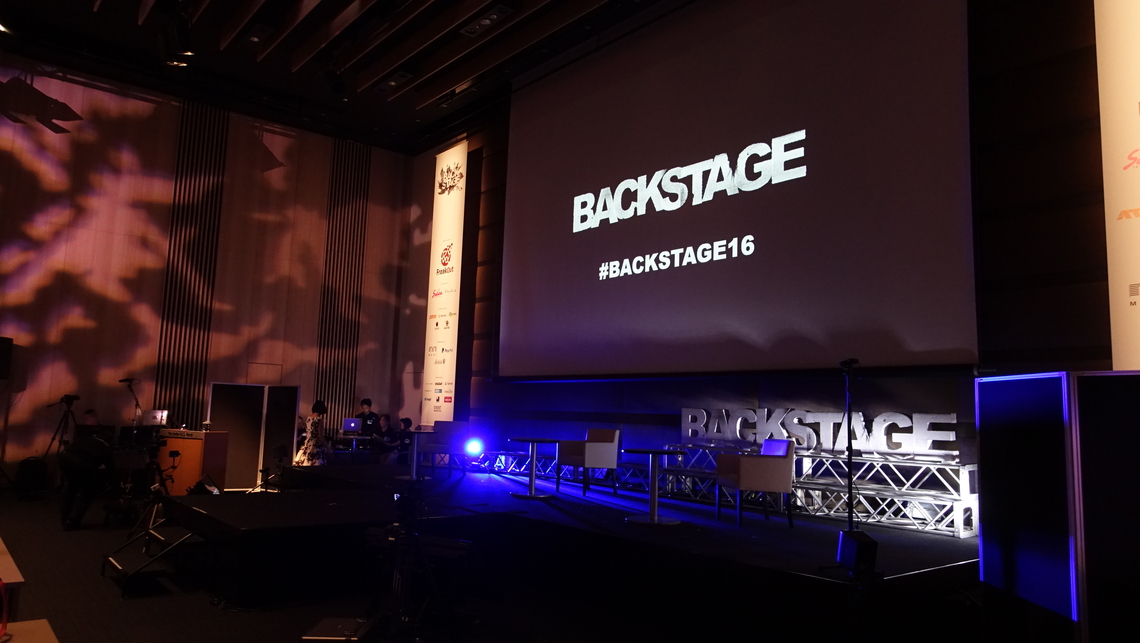
The event "BACKSTAGE 2016," billed as "A Summer Festival by Event Organizers, for Event Organizers," took place on August 30 at Toranomon Hills in Tokyo. It featured 11 talk sessions with 28 guests primarily from the internet and media industries. From Dentsu Inc., Mr. Fumihiko Nakajima of CDC moderated the session "Forecasting the Latest Trends in Overseas Technology Events: America, Europe, Asia - What Are the Future Currents?"
While the Cannes Lions in France is well-known in the advertising industry, the convergence of creativity and technology has led to a growing number of noteworthy events. This session reported on the latest trends in such events, broken down by North America, Asia, and Europe.
Japanese Participants Keep Coming — Peering into the Future of Creativity, Technology, and Culture at SXSW
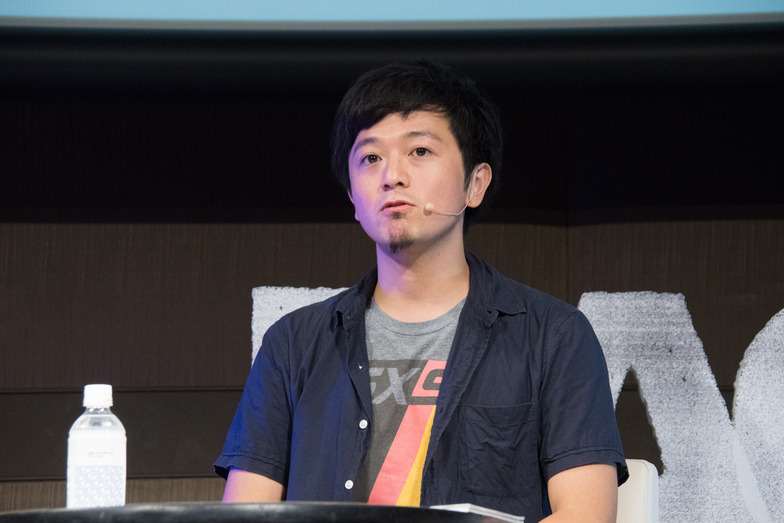
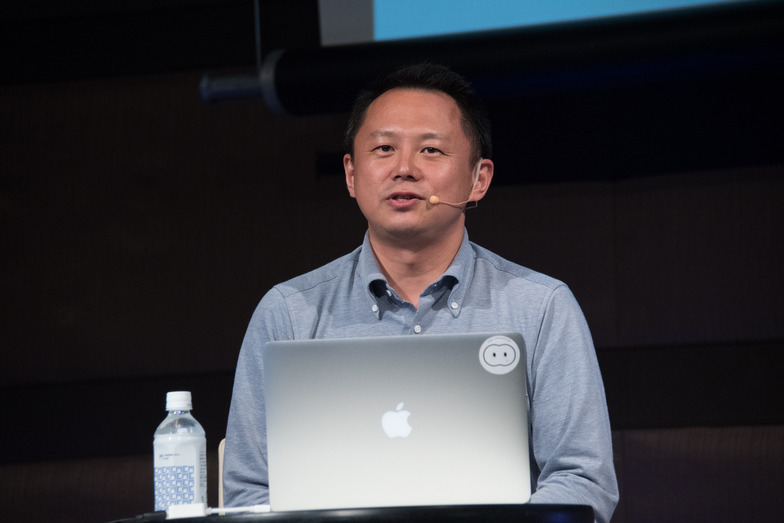
Mr. Nakajima, whose expertise lies in building alliances with startups and product development, has extensive experience not only as an attendee but also as an organizer and speaker at events. His guests were three experts: Mr. Kotaro Soga and Ms. Maiko Miyakawa from Mirai Yohyo Kenkyukai (Future Forecast Research Group), who are well-versed in international events, and Mr. Masashi Ikeda, co-founder of THE BRIDGE.
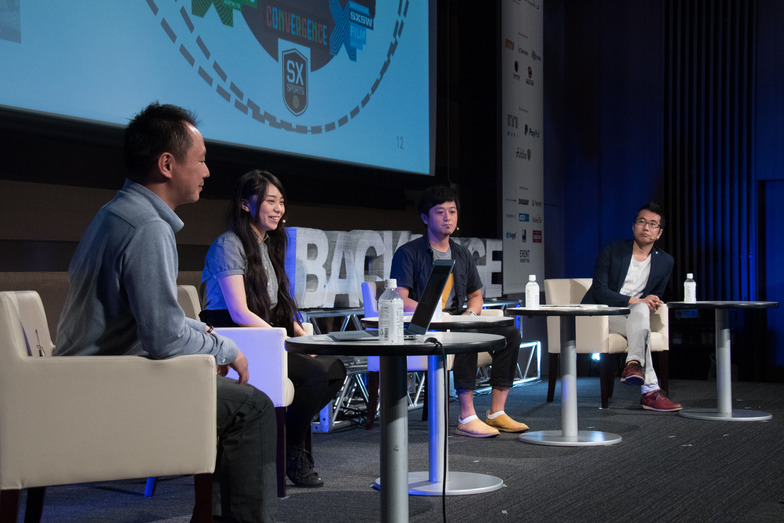
First, Soga and Miyakawa introduced South by Southwest (SXSW), held in Austin, Texas, USA, as a major event in North America. SXSW is one of the world's largest creative business events, centered around Music, Film, and Interactive. Soga noted, "Over 10 days, it attracts 100,000 participants and generates an economic impact of 38 billion yen."
Its defining feature is being a city-wide, cross-genre event. SXSW's appeal lies in offering a glimpse into the future of diverse themes—from music and fashion to VR—through a wide range of formats including demos (exhibitions), talk sessions, pitches (presentations), meetups, and parties. Participation from Japan has grown in recent years, with over 700 attendees visiting Austin for the 2016 event (held in March). "We're seeing more corporate marketing professionals attending, and many with Platinum Passes also visit the music and film areas. It seems many are there to absorb insights on the future of technology and creativity across the entire event," Mr. Soga analyzed this trend.
Furthermore, the Future Forecast Research Group serves as an official partner of SXSW Japan. Against this backdrop, they are also building a community to sustain connections among Japanese participants. Mr. Nakajima added, "Going forward, it won't just be about attending the event and then it's over – the 'one-off' model. Building a community that continues after the event will become increasingly important."
Is Japan Lagging in Startups? Asia's Tech Events That Even Silicon Valley Watches
Next, Mr. Ikeda introduced trends in technology events across Asia and Europe. As someone who disseminates information focused on startup news in both Japanese- and English-speaking regions, he noted, "When we think of technology, we tend to focus on North America, but in reality, it's gaining momentum worldwide."
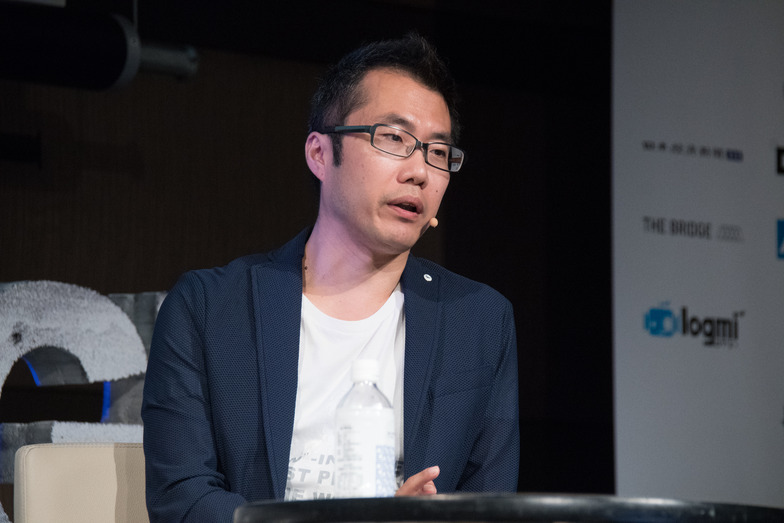
He highlighted the growing prominence of Korean events like beGlobal in Asia. "Many Silicon Valley entrepreneurs have Korean or Chinese backgrounds, creating deeper ties to the US than Japan. These events serve as stepping stones for actual US expansion and attract participation from Silicon Valley investors and companies like Google," Ikeda explained, outlining Korea's distinct landscape compared to Japan.
Southeast Asia also sees high enthusiasm for startups and related events. "Because travel between cities (countries) isn't always easy, hosting events allows people to gather in one place," Ikeda explained. This has fueled the growth of events like China's Asia Beat, Thailand's Tech Source, Singapore's Tech in Asia, and China's GMIC, which have also expanded into Japan.
Europe: Advancing Event Exports
In Europe, Ikeda highlights that Asian versions of major events are emerging, such as Spain's Mobile World Congress and 4YFN (4 years from now), and Ireland's Web Summit (held in Portugal in 2016). Additionally, the UK features events focused on highly social themes and foundational technology, while Europe as a whole is seeing an increase in events specializing in specific fields like fintech and AI.
What Matters for Future Events: Three Trends from Event Professionals
The latter half of the session featured a discussion among the speakers. Drawing on their extensive experience with numerous events, the speakers summarized three key points.
Become a Speaker
Nakajima stated, "Events offer more than just participation; speaking enhances value by building connections." Miyakawa added, "SXSW hosts over 1,200 sessions, including talks from top companies like Facebook and Google. Several hundred of these speakers are selected through open applications. The selection process is highly open, and diversity in speaker backgrounds—such as gender and nationality—is a key focus. We receive around 4,000 applications annually." He cited SXSW as an example of an event with open speaker submissions. Applications for this event are accepted every year from June to July.
The Convergence of Content and Technology
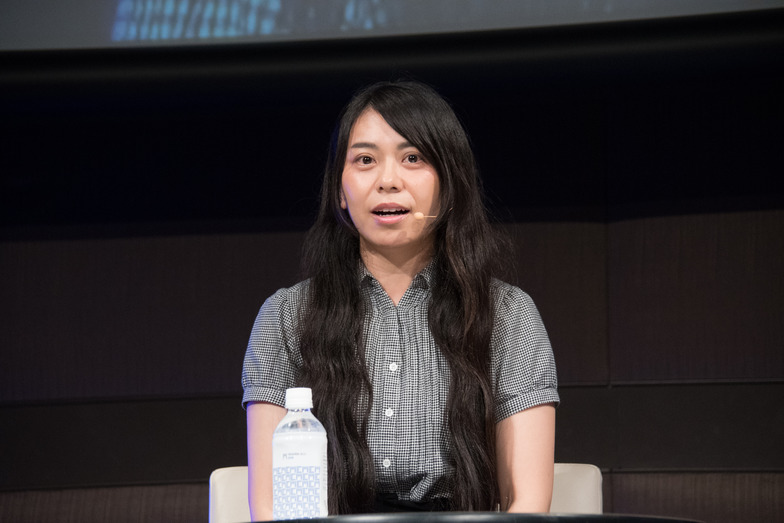
According to Mr. Miyagawa, while SXSW may be perceived as a technology-focused event centered on services and products, since last year it has seen increased integration of its original roots—content like music and film—with technology. Trends at SXSW were highlighted, such as "attention focusing on new areas like broadcasting technology and sports events" (Miyagawa) and "last year, the AI-themed film 'Ex Machina' was screened, which is precisely one form of the fusion of technology and media" (Soga).
From Event to Community
Ikeda, who himself organized events at The Bridge Fes, pointed out, "We held events as an evolved form of media connecting people, but even events themselves feel insufficient." He emphasized the importance of participants forming communities. Reflecting this vision, The Bridge has initiated efforts to "operate community spaces to fill the gaps between events."
In response, Mr. Nakajima concluded, "How events can invigorate communities and society is what will be demanded of events going forward."
Was this article helpful?
Share this article


