Note: This website was automatically translated, so some terms or nuances may not be completely accurate.


"Photos are data," "People don't print much"
How Fujifilm stimulated print demand in this era
The "Shuffle Print" service randomly arranges numerous photos taken with smartphones or digital cameras onto a single print. The discussion began with how to sell this product to young women. But in a world where "photos are fine as data" and "people don't bother printing them out," how could they appeal? Merely highlighting functionality, convenience, or photo quality wouldn't change consumer behavior.
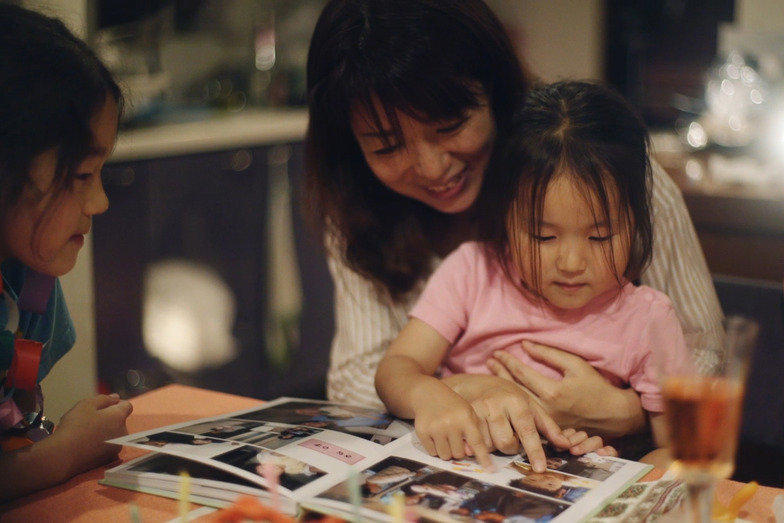
So instead, the "Shaprise" campaign started by analyzing the lifestyles and preferences of society (especially young women). Rather than directly selling the product to these event-loving, surprise-loving women, it proposed scenarios for how to use it. Birthdays, anniversaries, class reunions, farewell parties... for any occasion, or even on an ordinary day, surprise someone and make them happy. It wasn't about selling the features of products or services; it was about selling the stories they enabled.
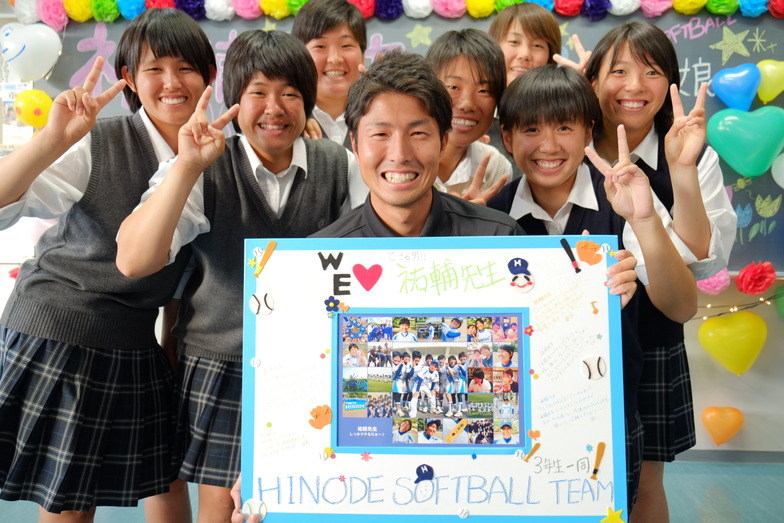
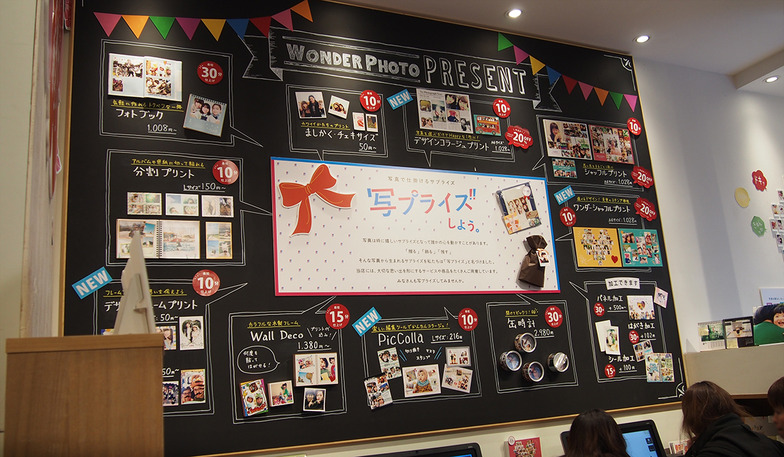
Therefore, the campaign expanded beyond "Shuffle Print" to include other print services and related products: "Variety Print," allowing a single photo gift from a rich selection of designed templates; "Year Album," for preserving memories annually; and "Shacola," a photo panel where stickers can be rearranged. Moreover, its reach extended beyond young women to encompass families, friends, and diverse generations and relationships. It grew beyond a single product into a major movement centered around printing.
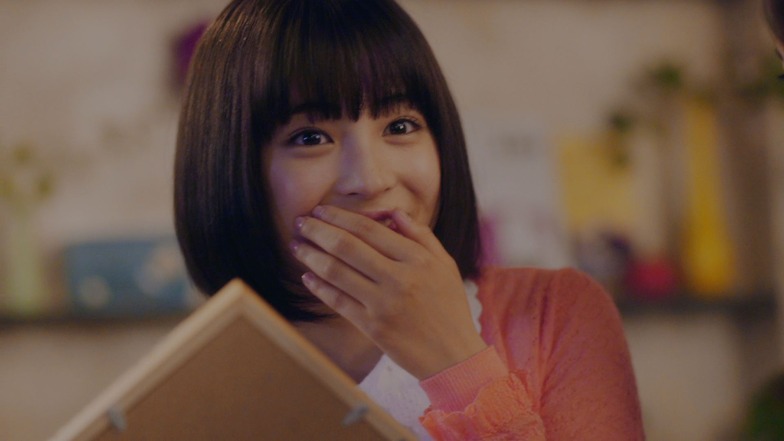
Oh, if that's the case, I'd love to try it! — In other words, it's about turning motivation into a story. Moreover, the TV commercial featured a double-layered setup: they actually pulled off a birthday surprise for the actress, Suzu Hirose, and filmed the entire scene.
Beyond that, by showcasing the fun of orchestrating surprises—like releasing real surprise videos online—it led to a phenomenon where motivation, not just the product, spread throughout society.

Beijing Dentsu Inc. CDC CHINA (formerly Dentsu 3CRP Bureau)
Kentaro Mito
The key is whether we've captured their feelings, right?
When planning, I always try things out myself first. I tried this "Shuffle Print" myself, but it didn't quite click on its own. Then, when I heard a junior female student was having a birthday party, I made a Shuffle Print and brought it along. Surprisingly, it really got everyone excited. Everyone said, "I want to do it too!" Thinking about it, situations like setting up surprises on Facebook are becoming more common, right? It's not that expensive, but it creates a sense of customized specialness. Both the giver and the receiver feel happy. I sensed early on that this could really work.
The term "Shaprise" was a big deal. Just describing a situation where you use the product doesn't have much reach. Creating a word everyone could say and use gave us a core. It's a word anyone can use anywhere, and even people uninterested in ads understand it. That's why things happened like photo shops spontaneously making POP displays for us. It spread beyond just young women and beyond just shuffle prints. Plus, it's not a fleeting buzzword that's fun for a moment but quickly forgotten. We discovered a word everyone would keep using and that would stick around.
When building the campaign, we focused on "no staged scenes." For surprises, authenticity is crucial; if it feels acted, people see right through it. Even when making Suzu Hirose's commercial, we went so far as to give her a fake script and pretend we were making a regular commercial. We insisted on documentary-style footage, even when creating web movies with ordinary people.
Simply proposing a situation is common, right? I think it worked because we didn't stop there; we truly captured the users' feelings.
Was this article helpful?
Share this article


Newsletter registration is here
We select and publish important news every day
For inquiries about this article

Author