Note: This website was automatically translated, so some terms or nuances may not be completely accurate.
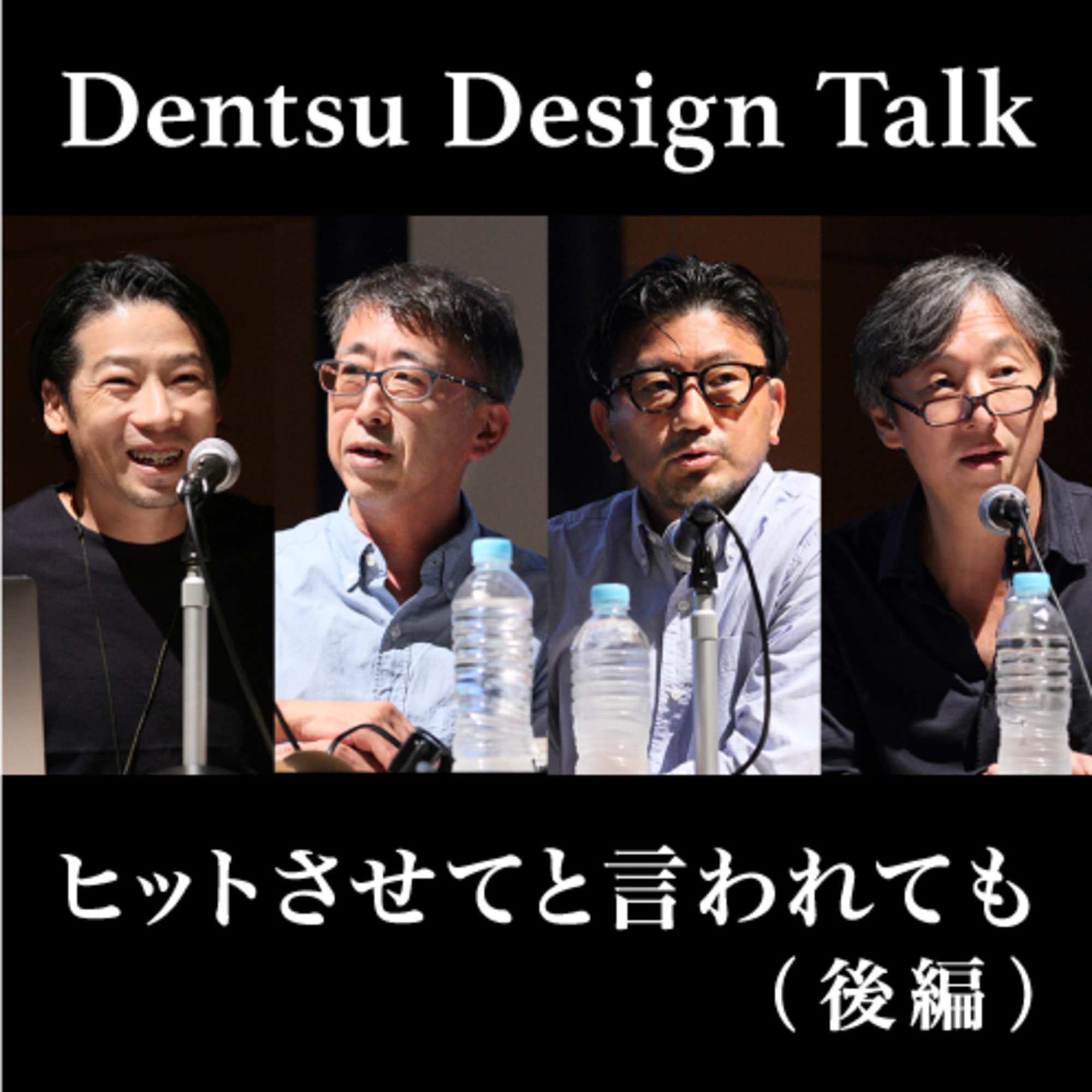
 Dentsu Design Talk [102/109]
Even When Told to Make It a Hit (Part 2)
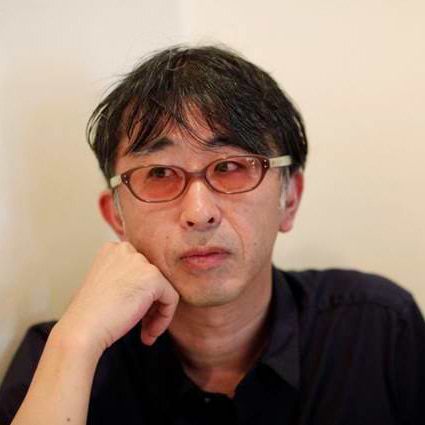
Yamamoto Uichi
heads
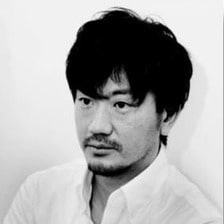
Yuzuru Amano
George Creative Company, Inc.
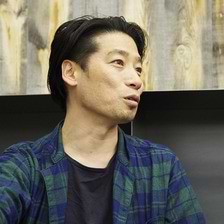
Makoto Tanijiri
SUPPOSE DESIGN OFFICE Co., Ltd.
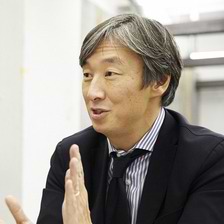
Taro Ishizaka
Dentsu Live Inc.
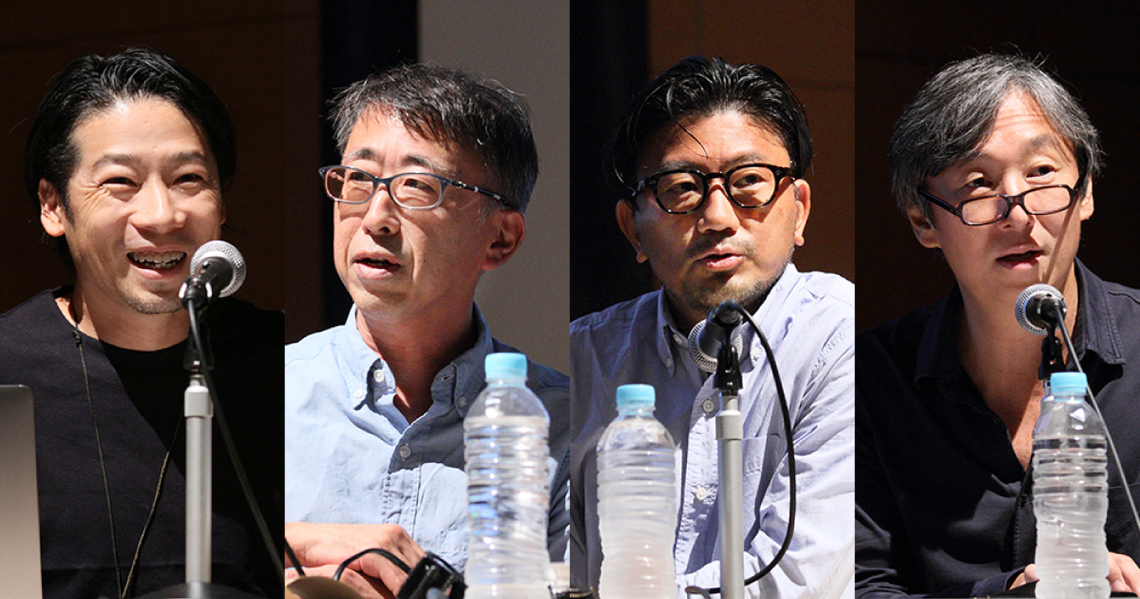
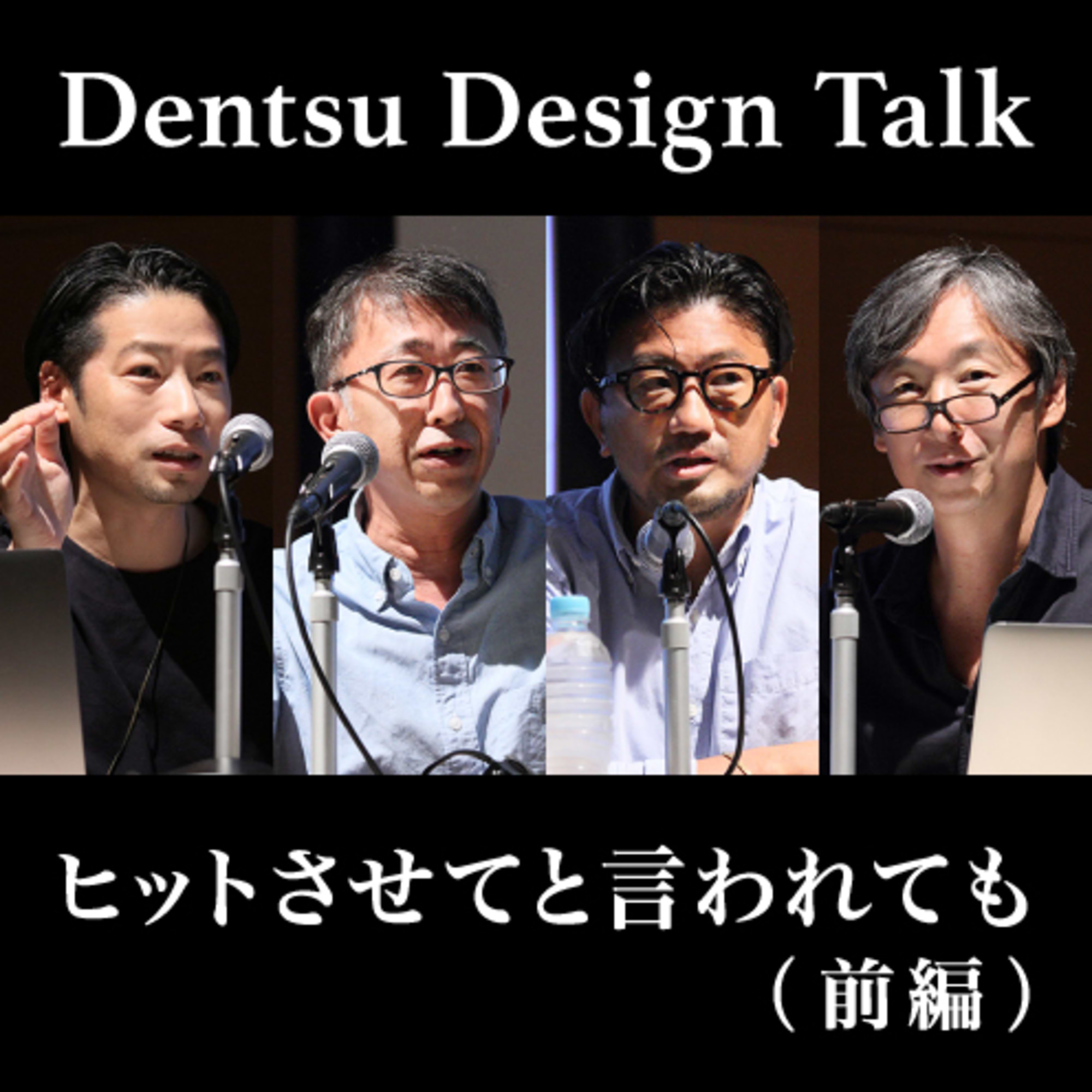
Space producer Uichi Yamamoto is a pioneer of Tokyo's "cafe culture." Beyond producing spaces like Komazawa's "Bowery Kitchen," Omotesando's "Lotus," and "Montauk," he has built communities that connect people. While Yamamoto has consistently designed comfortable spaces, he reveals the secret to his hits is actually "not riding the trends." In this Design Talk, Taro Ishizaka of Dentsu Live Inc. serves as moderator, welcoming guests who share Yamamoto's design philosophy: Yoshinobu Amano of George Creative Company and architect Makoto Tanijiri. Together, they explore the thought process behind creating successful spaces.
The one deciding "it can't be done" is yourself
Yamamoto: One project I created specifically to be a hit was "marunouchi HOUSE" on the 7th floor of Mitsubishi Estate's Shin-Marunouchi Building. Floors 5 through 7 of the building house restaurants, but many people would get off the elevator on the 5th or 6th floor, leaving the 7th floor underutilized.
So, I proposed a plan to let people eat outside, since there was this pleasant terrace space. Initially, it was opposed. Plus, when I said I wanted a "European countryside" feel, they were confused: "A Marunouchi terrace turned into a European countryside?" But when we finally unveiled it, it was a huge hit, and everyone involved in the project ended up getting promoted (laughs).
Tanijiri: I worked with Mr. Uichi about three and a half years ago on producing the Osaka restaurant " CUBIERTA."
What shocked me was when he said, "Let's build the kitchen in the stairwell on the roof." Based on my experience, the space and size were clearly insufficient for a kitchen. Then Uichi just casually said, "Why not just tear down the building?" At the time, I thought, "What on earth is this guy talking about?" (laughs).
But even though I thought it was crazy, when we actually built it, it worked. That's when I realized, "The reason I assumed it couldn't be done was based on my own experience." And I learned that becoming someone who can find the possibility of "it can be done" is crucial. It became a project that had a huge impact on my work.
Yamamoto: When working with skilled people, I deliberately make unreasonable demands. If things turn out exactly as I envisioned, it's not interesting, right? Making unreasonable demands sparks a chemical reaction, and something beyond imagination emerges. That's why it's exciting.
Tanijiri: Looking back, it was one of the fun projects, but being in the thick of it, having meetings with Uichi-san late into the night was really tough (laughs).
After this project, I started more initiatives focused on creating spaces from the ground up. " BOOK AND BED TOKYO," a hostel where you sleep behind bookshelves, was born from the concept of a bookstore where you can stay. I believe its greatest value lies in pioneering a new user base—people who stay specifically to read.
Recently, I also renovated my own office. Based on the concept of "designing cells," we placed an open kitchen in the center of a large room, creating a space that blurs the boundary between office and cafeteria. The idea was that good food creates healthy cells, and when the body is healthy, thinking becomes more positive, leading to better ideas.
Amano: Have you seen any changes in how the staff work?
Tanijiri: Everyone seems brighter. The cafeteria staff go around taking orders, asking, "What would you like today?" so everyone inevitably starts eating at the same time.
During meal times, it becomes a public space as people from outside also visit. Photographer Shingo Wakaki's office is also located here, so we display photographs selected by Mr. Wakaki. For us, it's an office and a cafeteria, but for those coming to see the photos, it's a gallery; for those buying coffee beans, it's a coffee shop; for those seeking books, it's a library. Its name changes depending on the visitor's purpose. That's the kind of design office we've become.
The reality at hand expands into the space
Tanijiri: About three years ago, I was involved in the planning and design of " ONOMICHI U2." We renovated a logistics warehouse named Prefectural Warehouse No. 2 into "HOTEL CYCLE" for cyclists. The name "Cycle" plays on the cycle of bicycles, the cycle of revitalizing an old warehouse, and the cycle of pleasant seasons surrounded by sea and mountains.
Hiroshima Prefecture's requirement was for a "facility to serve as a tourism hub." However, we aimed to create a place loved not only by tourists but also by the town's residents. We incorporated a bakery, café, restaurant, cycle shop, and retail shops, recreating Onomichi's alleyways within the building.
Ishizaka: What stands out about "ONOMICHI U2" is how all the staff members radiate pride, working as if they're employed by the most wonderful shop in Onomichi! It truly felt like civic pride.
Yamamoto: Tanijiri observes the town, its alleys, and people's lives. He truly internalizes these observations before creating with his own subjective vision. If we're talking about hit keywords, that subjectivity is truly crucial. The reality in Tanijiri's creations comes from how he sublimates them within his own perspective.
Tanijiri: What I'll never forget is when Uichi-san proposed for the "CUBIERTA" project, "The rooftop shouldn't be a restaurant; it should be a pizza place." He said rooftop restaurants just don't suit Osaka people.
Ishizaka: Isn't that a prejudice?
Tanijiri: It might sound harsh, but he said that rather than rows of pristine white ceramic plates, rows of aluminum trays holding pizza fit this city better. He believed realizing that here held meaning.
At that moment, it clicked for me too—that kind of place would be easier for anyone to gather at without feeling self-conscious. The type of plates used changes how tables and chairs are arranged. I realized interior design isn't just about deciding materials and scale for a space; it's also about creating the atmosphere.
Yamamoto: Exactly. The reality at your fingertips expands into the space itself. The restaurants I design seat around 50 to 100 people, which perfectly aligns with my own sensibilities. People who share that sensibility ask me to design their restaurants.
It's a minority segment, but it's a significant one. Perhaps when large corporations digest and edit these elements, they become trends.
Ishizaka: We in advertising have to target broader audiences or prioritize solving clients' communication challenges, so perhaps our fundamental direction differs slightly from yours, Yamamoto-san.
But as you say, if we become more conscious about how to edit that subjective creativity, I believe we can start working together with Uichi-san.
<END>
You can also read this interview on AdTie!
Planning & Production: Dentsu Live Inc. Design & Technical Unit Campaign Planning Room Digital & Account Planning Department Aki Kanahara
Was this article helpful?
Share this article


Newsletter registration is here
We select and publish important news every day
For inquiries about this article
Back Numbers
Author
Yamamoto Uichi
heads
Representative
Yuzuru Amano
George Creative Company, Inc.
President and CEO
Makoto Tanijiri
SUPPOSE DESIGN OFFICE Co., Ltd.
President and CEO
Taro Ishizaka
Dentsu Live Inc.
Executive Officer