
Note: This website was automatically translated, so some terms or nuances may not be completely accurate.
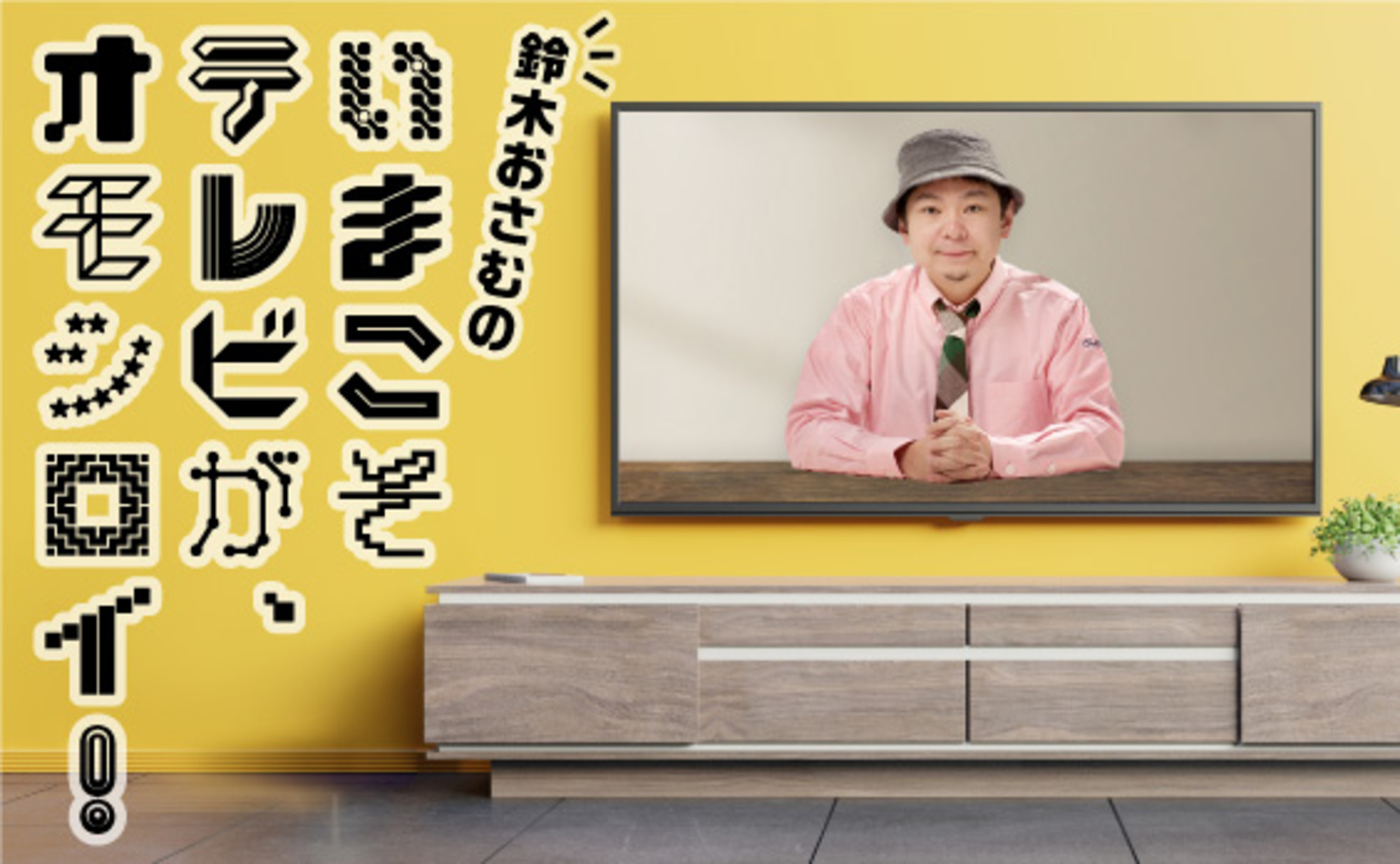
 Osamu Suzuki's "Now More Than Ever, TV is Exciting!" [2/3]
Get excited, I want you to!
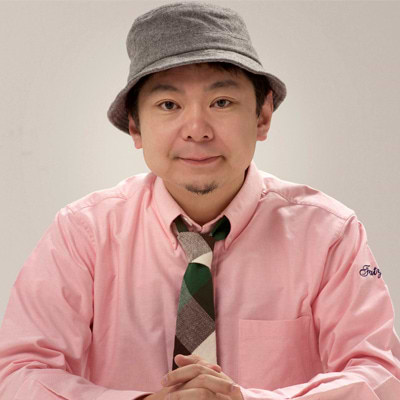
Osamu Suzuki
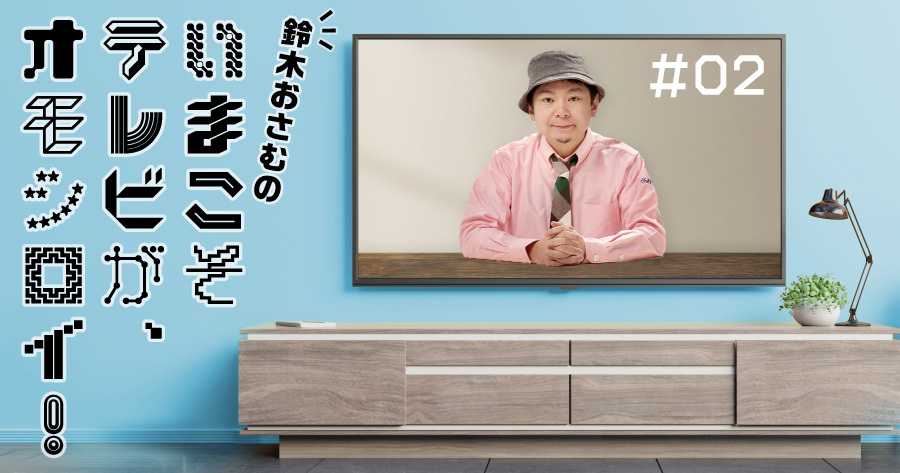
This project, where Osamu Suzuki shares his thoughts under the tentative title "Where is Television Headed?" was realized through the unique collaboration of TVer × Web Dentsu Inc.
He generously shared his unique perspectives on television, occasionally weaving in details about his new drama "Love and Flames," the second part of which is scheduled to air on the TV Asahi network on April 9th.
Rest assured. As part of Web Dentsu Inc.'s editorial policy, we won't produce a mundane article that makes you think, "So, is this just a promo after all?" Stay tuned.
We look forward to your continued support.
Suzuki: The pleasure is all mine.
─This time, Mr. Osamu Suzuki, we'd like to talk about the theme "What is 'weird'?" Weird as in eccentric, pervert, change, or the Incident at Honnoji. Looking at your work, Osamu-san, it feels like there's this underlying desire to "create weird things"...
Suzuki: It might end up being "weird," but I don't think I have a desire to "make weird things." However, I always have this urge to "make the world buzz."
─"Agitation"?
Suzuki: Yes, agitation. In my view, "weird things" aren't inherently "things that cause agitation." If something is too weird, society doesn't get agitated by it. I do sometimes think, "If something this weird happened here, society would get agitated," but that's not because it's inherently "weird."
─Is it more like "uneasy and unsettled, yet inexplicably drawn in"?
Suzuki: Like, when will they pull the rug out from under you? How will they do it? Or maybe they'll just pretend to pull it out, and actually never do? You can't stay calm at all. That feeling isn't excitement or nervousness—it's that restless buzz.
─I think I'm starting to grasp the core of "Suzuki Osamu's World."
Suzuki: I can't quite put it into words, but this uneasiness isn't just simple betrayal. I absolutely love Makiko Uchidate's dramas, but her scripts are, in a good way, mean. Or rather, spiteful. They make you feel like, "Don't make my favorite actor go through such misery!" As a viewer, you're just constantly on edge.
─That's the so-called "venom" element. And it's addictive. Very troublesome (laughs).
Suzuki: For me, the eye-opening moment was probably "Stealing Love, Winter" (a 2017 drama written by Osamu Suzuki, aired on TV Asahi's "Friday Night Drama" slot).
The producer told me, "I want this to be a drama where nothing but weird things happen," and I thought, "Ah, I see." At the time, infidelity dramas were popular, so I started thinking, "Okay, let's go in that direction." But then Miki Mizuno started doing nothing but weird things. Hiding inside a dresser, putting the tip of a high heel in a present.
Comedy sketches are basically all about weird things happening, right? That's what the audience expects. But if viewers start watching thinking it's a messy romance drama, and then one bizarre thing after another happens—like, "Wait, is this actually a comedy?"—I figured they couldn't help but get unsettled.
─So you deliberately avoid defining it?
Suzuki: Exactly. Viewers should be free to interpret it however they want. Whether it's an affair story or a comedy, that's up to the audience to decide. But I do want them to feel that unease. The overwhelming majority of feedback I get about the first episode of my dramas is confusion: "How am I supposed to watch this?" So, by the second episode, I want them to at least think, "Ah, so this is how I should watch it." But...
─By episode three, they're confused about how to watch it again.
Suzuki: Before you know it, you're hooked.
─That's just mean (laughs).
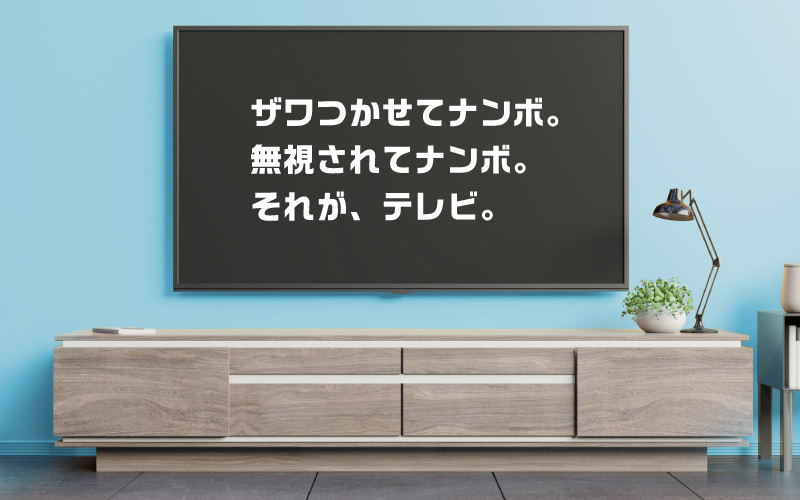
Suzuki: On the other hand, TV is something you can completely ignore. Back when I was involved in the structure for "Mecha-Mecha Ike!", there was an episode I thought was really funny. I happened to be back at my parents' house, and we watched the broadcast as a family. But my mom was doing kitchen work or something and completely ignored it. My own son's work, mind you.
But that's TV. Even if you're watching while fiddling with your phone, or completely engrossed in your phone and ignoring it entirely—that's TV. There's nothing more free than that. That's why it's fun.
─When you say things like that, don't people at the station tell you, "That's why Osamu Suzuki is so hard to work with"?
Suzuki: But that's television. Commercials are the same, right? If you make a commercial with just "Make it feel good, please" and "Okay, got it," nobody watches it. At least, I don't. I'd change the channel or skip it, and that's the end of it.
─I get it, I really do. When I ask my mom, "Why do we always use this salad oil?" she just says, "I don't know, just sort of." But there's something about it. Something addictive. Whether it's the price, the low-fat ingredients, or the effect of the commercials touting it, I don't know.
Suzuki: If you resign yourself to the idea that being ignored is just part of the game, then you start thinking about how to avoid being ignored. No matter how you look at it, it's not about logic. Ultimately, I think it comes down to how much you can make the viewer—or even someone just glancing without any intention of watching—feel unsettled.
(Interviewer: Web Dentsu Inc. Editorial Department)
[Editor's Note]
Honestly, I thought if I just threw the keyword "weird" at Osamu Suzuki, he'd figure something out. But no. He immediately countered with, "Well, I don't really set out to make weird things." Before I could recover, he added, "But I do want to make them feel unsettled."
When you're working, or rather, when you've lived a long life, it often happens that the "goal" and the "means" get swapped around without you noticing. You make all sorts of adjustments and finally manage to bring your family to Hawaii, that place you've always dreamed of. Wow, what a satisfaction. Your wife and kids are thrilled. But then you realize, okay, we made it to Hawaii, but what exactly are we supposed to do here?
If you don't lose sight of your purpose, this never happens. Even if your purpose is "to take the best nap in Hawaii," that's perfectly fine. It's your personal freedom. Whether you spend a fortune to achieve it or not, it's nobody else's business.
"TV is already dead." Honestly, I was annoyed by that rumor floating around. But thinking about it this way clears things up: The very people saying things like, "Hawaii, huh? Been a few times, but honestly, I'm kind of over it," are the ones who understand absolutely nothing about Hawaii's charm, nothing about the appeal of time spent there.
For information on the latest drama "Love and Flames," written by Osamu Suzuki, click here.
Was this article helpful?
Share this article


Newsletter registration is here
We select and publish important news every day
For inquiries about this article
Back Numbers
Author
Osamu Suzuki
Broadcast writer