
Note: This website was automatically translated, so some terms or nuances may not be completely accurate.
 Osamu Suzuki's "Now More Than Ever, TV is Exciting!" [3/3]
Who does television truly belong to?
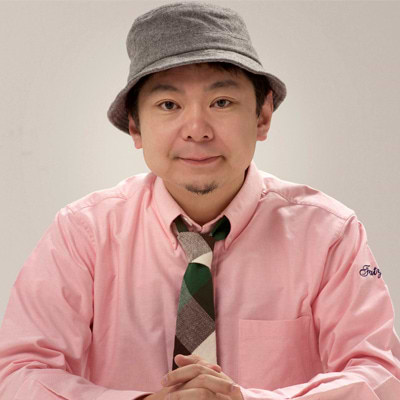
Osamu Suzuki
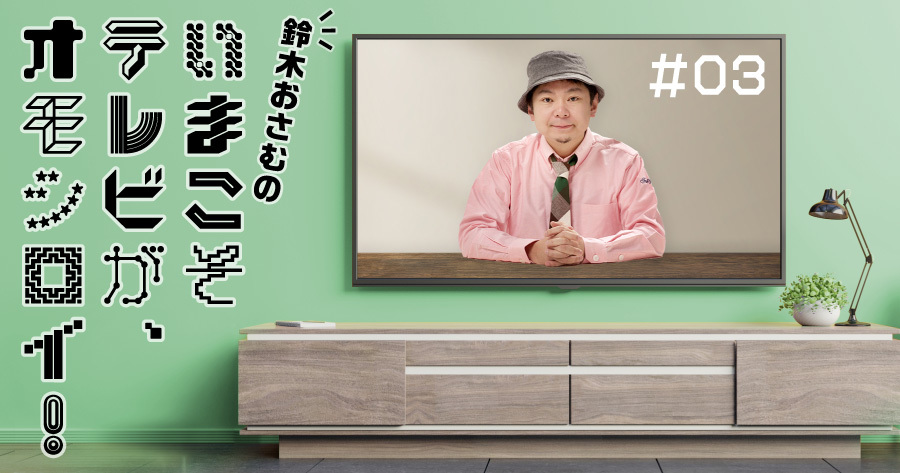
This project, where Osamu Suzuki shares his thoughts under the tentative title "Where is Television Headed?" was realized through the unique collaboration of TVer and Dentsu Inc.
He generously shared his unique television insights, occasionally weaving in discussions about the new drama "Love and Flames," which aired on the TV Asahi network on April 2nd and 9th.
Rest assured. As part of Web Dentsu Inc.'s editorial policy, we won't produce a mundane article that makes you think, "So, is this just a promo after all?" Stay tuned.
─This interview project, realized through the collaboration of TVer × Web Dentsu Inc. × Osamu Suzuki, has finally reached its final installment. We look forward to your continued support.
Suzuki: Thank you for having me.
─We intended to explore the grand theme of "Where is television headed?" But looking back, it feels like the conversation itself has become a question of where it's heading.
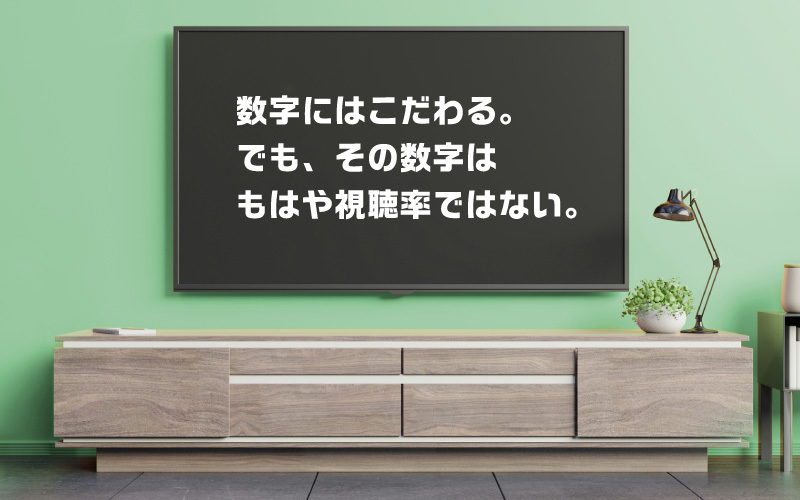
Suzuki: In a way, I think that's actually the "right answer" for television. I do care about "numbers." But the numbers I care about aren't just things like "viewership ratings." TVer's numbers are out there. I think about what exactly that means. In a sense, that becomes a signpost for the path I should walk.
─Continuing from our last conversation, you mean finding that keyhole—that spot where if you poke it, the whole world starts buzzing?
Suzuki: Take this drama, for example (Love and Violence, aired on TV Asahi on April 2nd and 9th). The genius doctor played by Ikusaburo Yamazaki descends into madness driven by jealousy, breaking down completely. Having the lead character break down first is actually a surprisingly uncommon development, I think.
─That's true, yes.
Suzuki: For me, it's about "shifting the center."
─The center?
Suzuki: Yes, the center. When you hear "medical drama" or "romance drama," you probably have a pretty good idea of what the content will be like. You know, the handsome, brilliant, cool-headed young genius surgeon with the golden touch, surrounded by rival doctors, multiple beautiful women, and the big shot of the medical world. It's basically the textbook example of a medical romance drama. So I think about: how do I shift that template to make the world buzz? And if I'm going to shift it, why not shift the very center?
─And that's how it ends up like that. The supporting cast members are all incredibly eccentric too!
Suzuki: Miori Takimoto, Hayato Ichihara, Wakana Sakai, Dai Nagai... You start watching, thinking, "Well, the lead is already off the rails, so this person should be fine," and then they start going off the rails too. If you haven't seen it yet, definitely check it out on TVer.
─Thank you. Thank you... is that weird? (laughs)
Suzuki: For example, in variety shows, everyone involved is constantly worried about the "minute-by-minute ratings," right?
─You mean "minute-by-minute ratings"?
Suzuki: Exactly. Like, "Ah, the numbers jumped here," or "Huh? It didn't jump as much as I thought." But not many people do that in dramas. They have a stronger sense of it being a package, a single work. They carefully lay the groundwork, pay it off around this point, and then have a little twist at the end, and so on.
─And viewers kind of expect that too.
Suzuki: It's comforting to watch. But that doesn't make the world buzz.
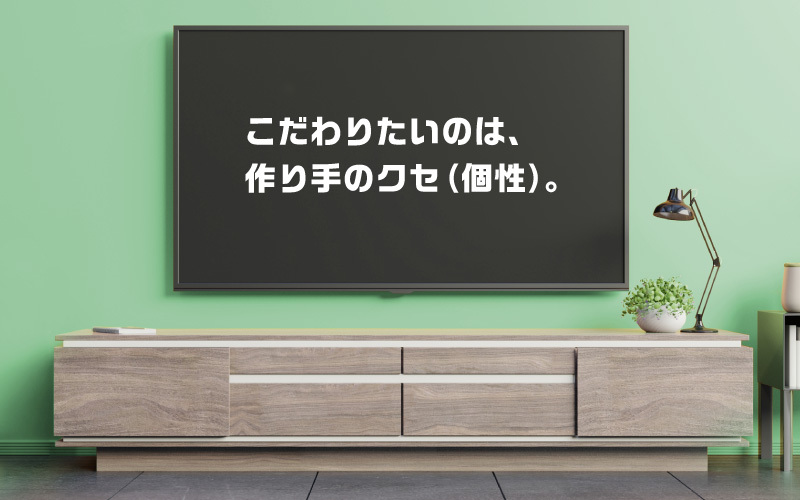
Suzuki: Earlier you mentioned "strong quirks." While that applies to scripts and actors, I think having a director with quirks is crucial. I often get asked, "How do we bring TV back to the mainstream?" But first, what even is "the mainstream"? Isn't it about having a solid core?
─You mean like "TV = wine selected by the maker"?
Suzuki: When something is called "strongly idiosyncratic," it can sometimes be avoided, right? Like describing delicious food as "light and easy to eat." But let me ask you: would you deliberately pay money for food that's light and easy to eat?
─I see.
Suzuki: That's why I think the TV industry should be embracing strong-willed creators with distinct personalities right now. I don't mean people who just do weird or gimmicky things. I mean people with a solid, authentic backbone, a unique perspective, and the conviction that if they cut through society from their angle, something significant will happen. Of course, there are things to respect, like compliance and broadcasting ethics. But what breaks through those barriers is ultimately "compelling individuality."
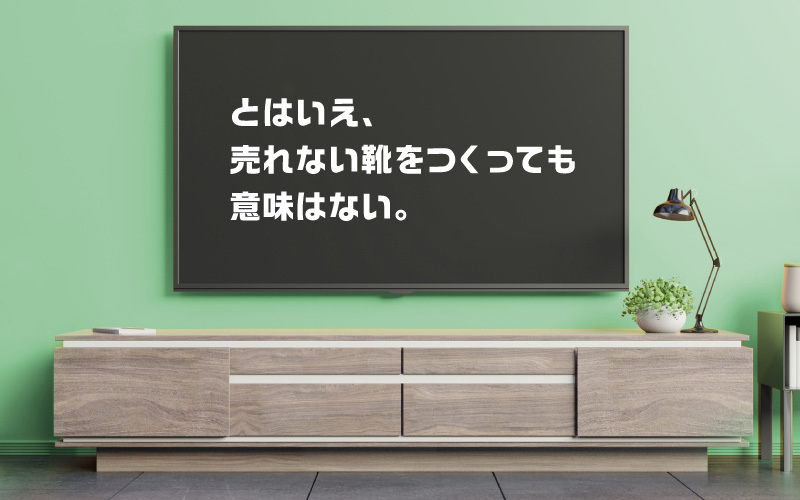
─Finally, I'd like to ask one more thing... "Whose thing is television, anyway?"
Suzuki: That's obvious—it belongs to the viewers.
─After hearing all this passion from the creators and broadcasters, I was sure...
Suzuki: Well, making shoes that don't sell is pointless, right? (laughs)
(Interviewer: Web Dentsu Inc. Editorial Department)
[Editor's Note]
The late Nakamura Kanzaburō once said: "You break the mold because you have a mold. Something without a mold is just formless." It feels like a stifling era, not just in TV. I feel bound by all sorts of things. "Sticks out, gets hammered," "Silence is golden," "Good things come to those who wait"—I think these things, yet when I sit down at the computer to write a proposal, I inevitably start typing the word "innovation."
Listening to Osamu Suzuki speak, I found myself feeling strangely relieved. Here was someone who creates such "weird things," yet remains utterly natural. I imagine those who have shaped "culture" never thought, "I'm going to create culture." They just wanted to do something interesting. So, what is that interesting thing? If I borrow Kanjuro's words, it comes down to properly recognizing the "form." Trying blindly to turn "0" into "1" is impossible. "1" is always there as "1." All you need to do is slightly change how you see that "1." Shift your perspective. Just that alone will surely reveal something interesting. Thinking this makes me feel very positive.
On top of that, I was reminded once again that "ultimately, it's the masses who create culture, in any era." Rather than trying to somehow sell unsellable shoes, think about what makes a shoe sellable. It might seem like a detour at first glance, but it's actually the shortcut. Above all, the very act of walking that path is incredibly fun and interesting.
For information on the latest drama "Love and Flames," written by Osamu Suzuki, click here.
Read more about Osamu Suzuki's past stories here!
#1 I Want to Be Praised
#2 I Want You to Get Excited
Was this article helpful?
Share this article


Newsletter registration is here
We select and publish important news every day
For inquiries about this article
Back Numbers
Author
Osamu Suzuki
Broadcast writer