Note: This website was automatically translated, so some terms or nuances may not be completely accurate.
 Creating a Sustainable Era: Insights on Collaboration—Sustainable d Actions— [10/11]
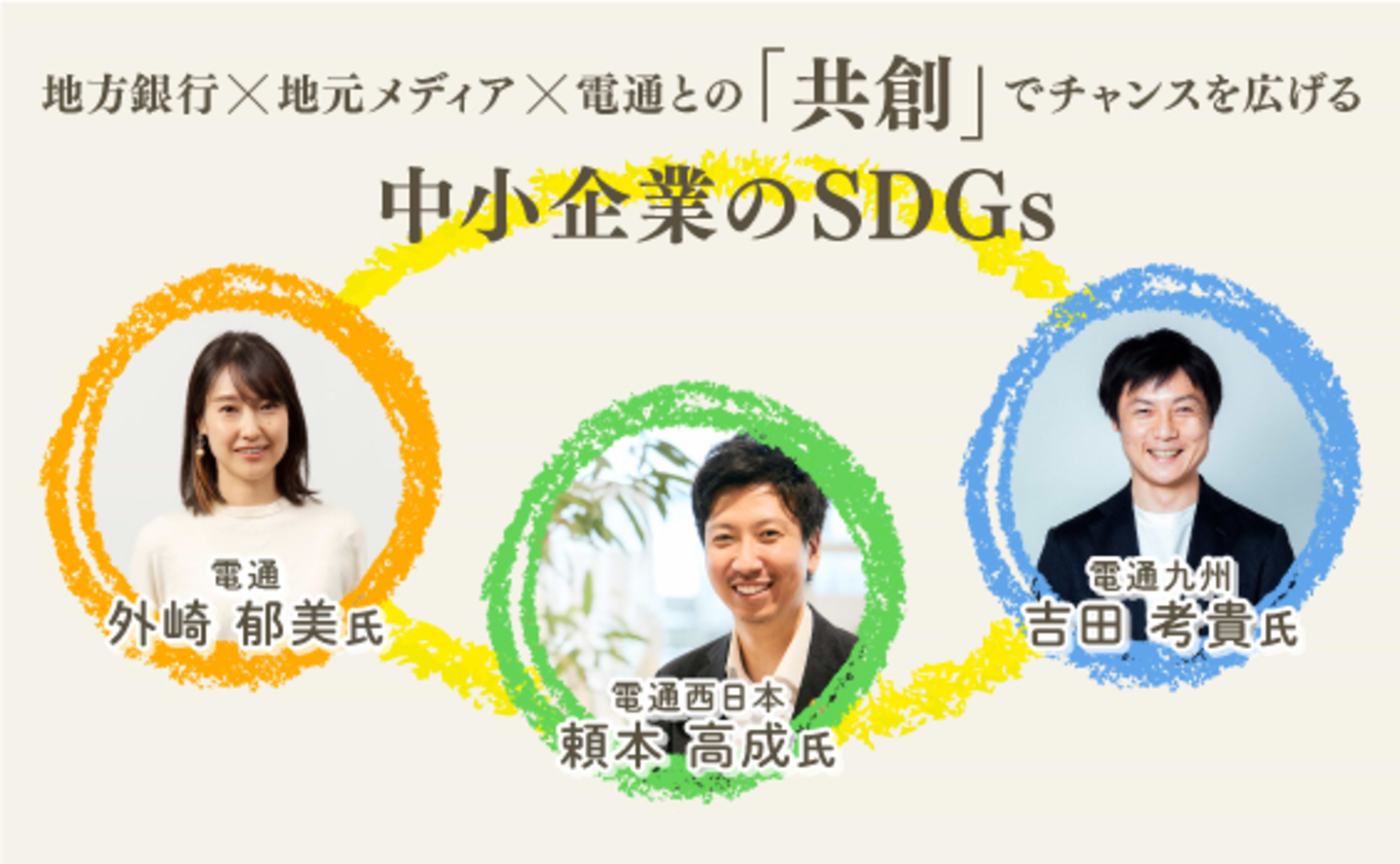
Expanding Opportunities for SMEs' SDGs Through Local "Co-Creation"
"Even with the SDGs, isn't it ultimately only large corporations that can take action?"
We live in an era where SDGs are widely recognized by both consumers and businesses. However, many SMEs still feel the high barriers to actually starting initiatives aimed at achieving them.
To create opportunities to overcome these hurdles and support initiatives by regional SMEs, the Dentsu Group launched a new project in collaboration with regional banks and local media. They established a platform that serves as a space for companies across different regions to form "teams" and tackle the SDGs together, and crucially, as a platform for "communication" to engage and drive forward many players.
Launched in Hiroshima in 2021, the project is now active in seven regions nationwide (as of April 4, 2023), including Okayama and Fukuoka. This article features a roundtable discussion with Takashige Yorimoto of Dentsu West Japan Inc., who conceived the framework and led the launch in Hiroshima and the Western Japan area; Takashi Yoshida of Dentsu Kyushu Inc., who drives the project in Fukuoka; and Ikumi Sotozaki of Dentsu, responsible for creative direction across three regions. They share insights on the project's background, regional challenges and creative approaches, and tips for SMEs tackling the SDGs.

Creating a space where multiple companies form teams to raise awareness and communicate their SDGs initiatives
──First, please introduce your usual work responsibilities and your roles in this project.
Raimoto: At Dentsu West Japan Inc.'s Hiroshima Branch, I concurrently serve in the Business Production (BP) Department and the Project Promotion Department, which explores new business models beyond traditional advertising. For this project, I handled planning and development through the launch across Hiroshima, Okayama, and the broader Chugoku-Shikoku region. Currently, as the overall executive producer, I support new developments and launches in other prefectures.
Yoshida: I serve as a producer and planner for the Integrated Solutions Team at Dentsu Kyushu Inc. My department, the Growth Marketing Division, acts as a partner to clients, identifying growth potential and driving their expansion. We handle everything from strategy formulation to final outputs. For this project, I am the lead producer for Fukuoka.
Tozaki: At Dentsu Inc., as a copywriter and planner, I frequently engage in projects across diverse fields, from launching joint initiatives with multiple companies to overseeing everything from product development to advertising outputs. For this project, I handled the initial concept design and overall creative direction.
──Could you share, from your respective positions, what challenges you perceived in promoting SDGs among regional SMEs as the background for this project?
Yorimoto: While the term SDGs is now widely recognized and corporate initiatives are considered commonplace, just three to four years ago, while large corporations were advancing, the barriers to entry for regional SMEs were extremely high due to costs and lack of know-how.
I heard that even at Hiroshima Bank, where I work, many client companies were asking around that time, "Should we be tackling SDGs?" SME owners were interested but didn't know where to start. That's when we thought: if a bank, which understands each company's situation and supports the local economy, could team up with us, we could break down the barriers to SMEs advancing SDGs and create a project that helps them take that first step.
Yoshida: What I sensed was the challenge surrounding SDG "communication." Even companies already working on SDGs often don't feel the need to spend money on advertising or websites to communicate it. We frequently hear comments like, "We haven't made enough progress to even communicate it."
However, it's crucial for organizations that have started initiatives to communicate their messages effectively and engage their surroundings. We also know that younger generations, who show high interest in the SDGs, are inclined to choose products and services from companies advancing such efforts. If a company is actively engaged, it risks losing consumer preference if it doesn't proactively communicate its activities. Therefore, creating a platform for such communication felt essential.
Tozaki: I feel that Japanese companies still hold onto the idea that "not actively communicating is a virtue." However, I believe sharing goals and collaborating between companies can yield many insights and further strengthen the drive to advance the SDGs. Therefore, when engaging with the SDGs from a creative perspective, it's crucial to create expressions and spaces that local people find "easy to get on board with" or "want to get on board with."
Yorimoto: Simply working on SDGs isn't enough; communicating that work also boosts employees' inner motivation. Knowing their company contributes to society and that others recognize this significantly increases employee satisfaction. To communicate effectively both internally and externally, we started this project not only with regional banks but also with local media, which are indispensable for outreach.
Regional banks and local media are indispensable partners for collaborating with local businesses.
──What are the significance and advantages of advancing this project together with regional banks and local media?
Yorimoto: The goal of this project is to promote SDGs among local SMEs and further leverage this into business activities that contribute to regional economies. Achieving this requires participation from many local companies. We felt that banks deeply rooted in the community are indispensable for connecting with these businesses.
Regional banks have extensive connections with local businesses, particularly strong ties with company management. We believed collaborating with banks on planning would allow us to engage with many companies and accelerate the project, so we proposed this approach first.
Furthermore, when it comes to disseminating information about region-specific projects, the reach of local broadcasters is overwhelmingly strong. Local media were seeking new activities focused on the region's future while aiming to contribute to local businesses, so we reached out to them for business co-creation. We are also partnering with one broadcaster per prefecture, reflecting our commitment to actively investing in local communities.
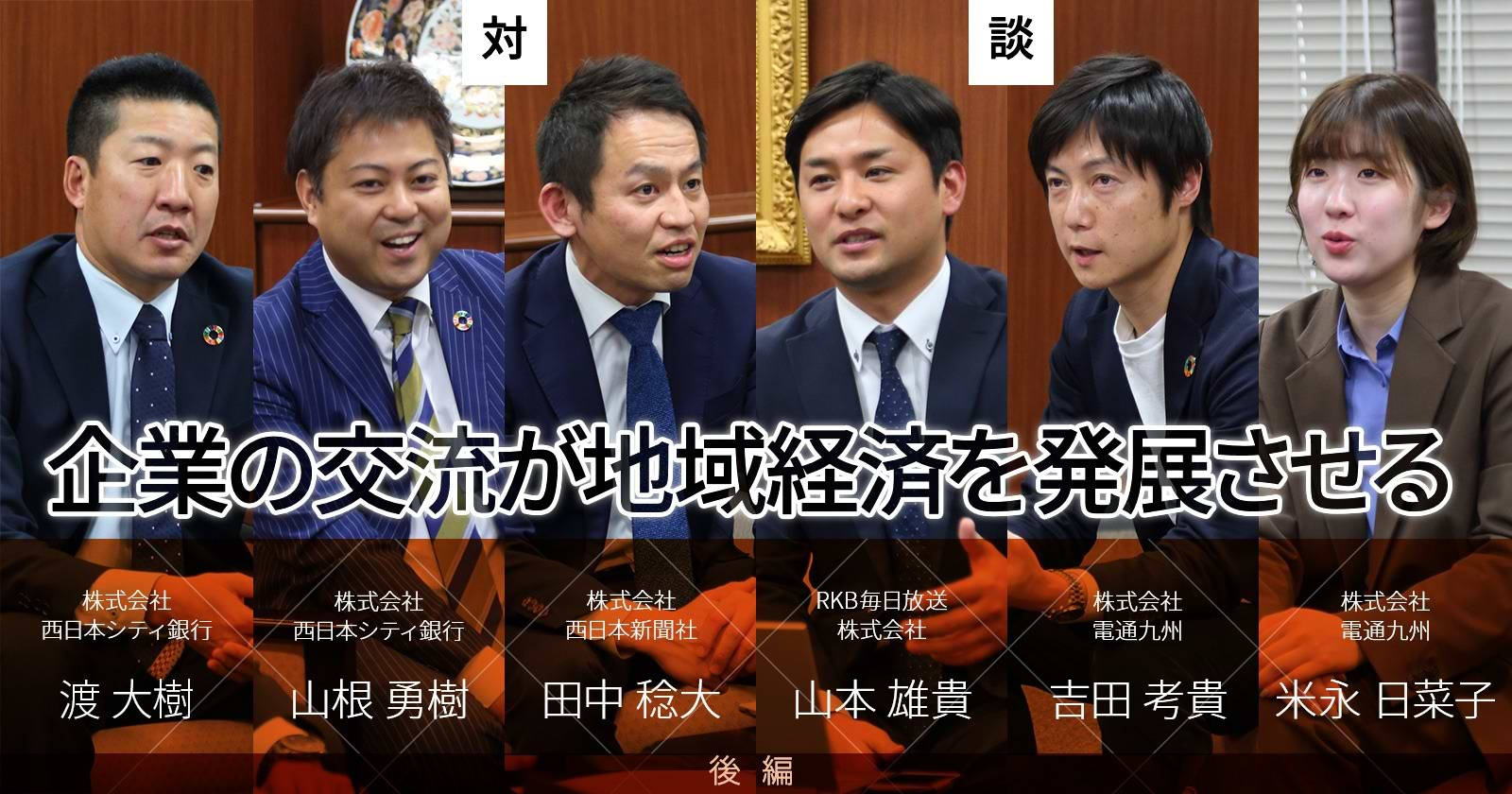
Yoshida: I truly feel the regional banks wield significant influence in this project. When proposing or discussing the project, I'm often surprised to see firsthand how wholeheartedly regional banks support local SMEs. In Kyushu, banks, TV stations, newspapers, and Dentsu Inc. are participating. I feel this initiative only works because these four entities are involved.
──What kind of support is provided to participating companies within the project?
Yorimoto: We build a platform (website) for each region to promote local companies' SDGs. Using this as a base, we communicate each company's initiatives and provide support for tackling new SDGs.
A key point is that because regional media outlets like broadcasters are involved, SMEs that previously found it difficult to advertise in mass media due to cost constraints can now place ads by teaming up with several other companies. Placing these ads can trigger a re-evaluation of their business from an SDGs perspective. Participating in the project also helps them identify SDGs that are easier for them to start with, or begin challenges by teaming up with other companies.
Tozaki: For regional SMEs, advertising budgets are typically limited, making it a major challenge to effectively communicate new initiatives. Therefore, the ability to collectively place TV commercials or newspaper ads—which would normally be difficult—as a team when challenging SDGs and wanting to communicate about it is a significant advantage. Furthermore, by articulating the initiatives of participating companies and translating them into formats like video and print, these become valuable assets. It seems the creative support provided is also seen as a benefit.
Case Study 1: In Hiroshima, using the "dialect" to deliver awareness of a "new peace" to all residents
──Let's hear about actual cases. First, regarding the launch in Hiroshima, which was the first initiative, please tell us about the key points in building the platform and the approach.
Yorimoto: When designing a platform for a specific region, grasping its unique culture and characteristics is crucial. The same phrasing can convey different nuances depending on the context. Therefore, we formed a team combining locals who deeply understand the area with outsiders who could provide an objective perspective.
While this applies to other prefectures too, Hiroshima faces major challenges: population outflow and the accompanying shortage of successors. Against this backdrop, we asked the creative team led by Mr. Togasaki to develop a project that could effectively communicate Hiroshima's appeal and the presence of such great local companies—not just to residents, but also to students and working professionals outside the prefecture. That project is "Changing, Right?"
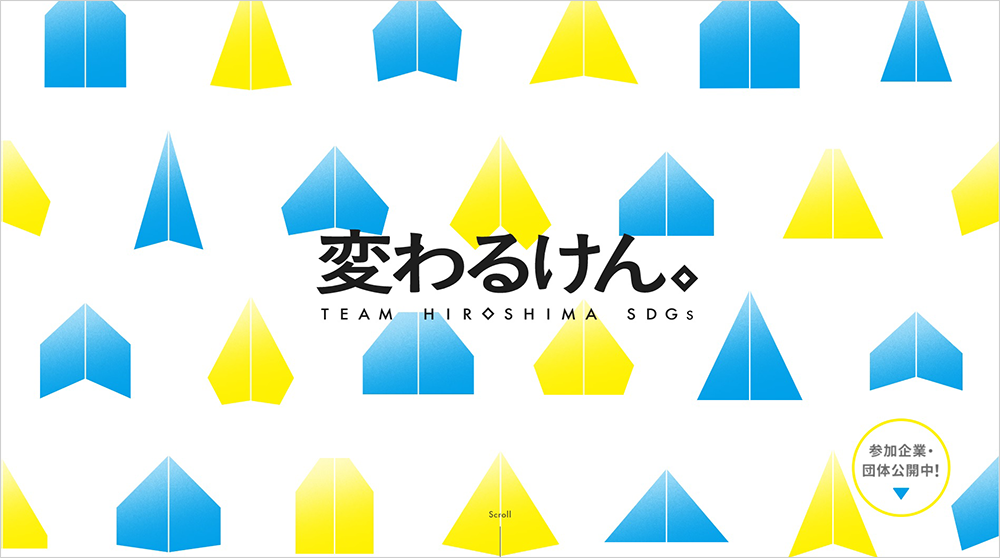 Click the image to view the actual website.
Togazaki: We felt it was important to have someone on staff who understood the feelings of the prefecture's residents. We brought in a copywriter from Hiroshima to join the team, and this slogan was the result of their input. While keeping in mind the theme of "peace," which Hiroshima has long engaged with, we aimed to create something people could relate to personally.
People often assume that protecting peace and pursuing SDGs are tasks for nations or large corporations, but even small businesses and individuals can contribute. To foster a sense of "building this together," we made the slogan a declaration not just for companies, but for all prefectural residents. The key point is using the local dialect, playing on the word "ken" (which means "prefecture" in Japanese). This allows for various adaptations, like "○○ ga kawaru ken."
Raimoto: In Hiroshima, we also hold 3-4 real-world events annually to create connections between participating companies and the local community. Beyond sharing initiatives already underway, we provide a space to further develop these efforts. For example, creating copy can heighten a company's awareness, leading them to say, "Since we got such great copy, we want to push this further," and request additional support. We offer broad support tailored to each company's situation and consultation needs.
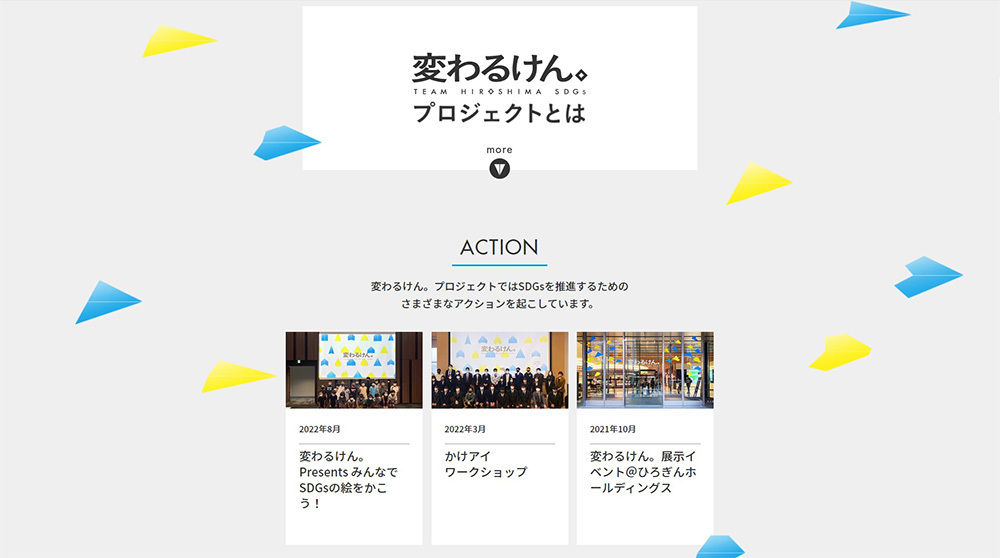
Case 2: Okayama Overcame Barriers with a Project "Deliberately Putting Shy Residents in the Spotlight"
──How about the subsequent launch in Okayama?
Yorimoto: The fundamental challenges were similar to Hiroshima's. However, we struggled to find a distinctive motif for Okayama that wouldn't get buried under existing imagery like "Momotaro" or "Land of Sunshine," which are frequently used in the region.
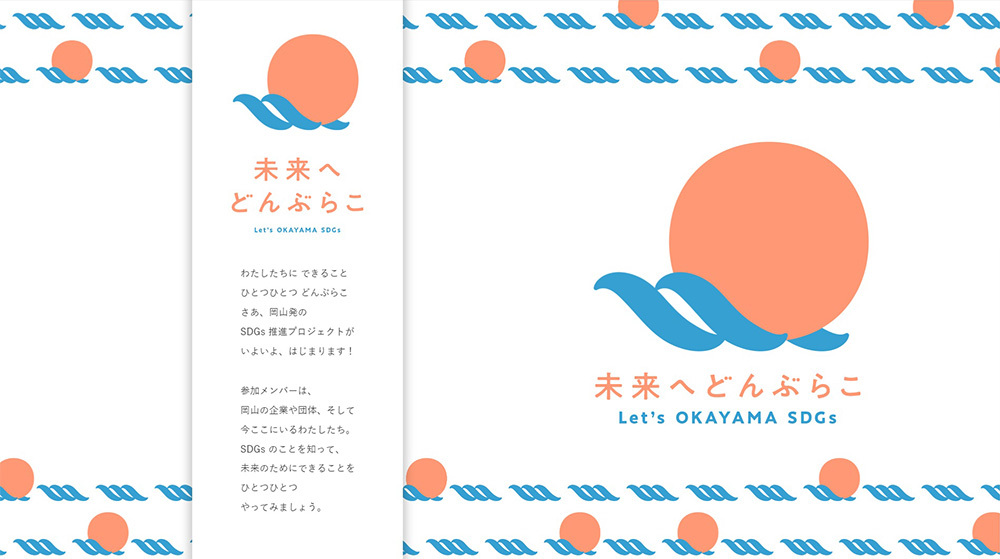
Tozaki: That's when we came up with the slogan "Drifting Toward the Future," a creative concept depicting various fruits flowing toward the future. After consulting with the art director in charge, we slightly evolved the already beloved images of Momotaro and peaches cherished by the prefecture's residents, creating a simple, versatile motif. The three blue lines represent Okayama's three major rivers.
A key insight when planning the concept came from hearing that Okayama residents have a "very reserved nature." A common sentiment expressed was "we don't want to be pushy." Furthermore, the region is blessed with a favorable climate and few natural disasters, resulting in abundant agricultural and specialty products. Precisely because of this, there's a tendency to avoid taking the initiative, making it difficult for SDGs-related challenges to feel personally relevant. Therefore, we decided to create a project that deliberately puts Okayama's residents "front and center."
The slogan "Let's Go to the Future" incorporates the meaning of "Let's go" into "donburako," embodying our wish for residents to participate joyfully. We created a framework requiring participating companies to sing this phrase as a parody of the well-known "Momotaro" song. If saying the lines felt embarrassing, we encouraged them to just sing instead (laughs). This approach ended up energizing the filming sessions.
Yorimoto: For the launch, we first held an open casting call for the TV commercial, calling it the "Prefectural Residents Edition." I was nervous thinking, "If no one applies, we'll have to ask project staff to help out..." But when we opened the applications, we got far more responses than expected, right?
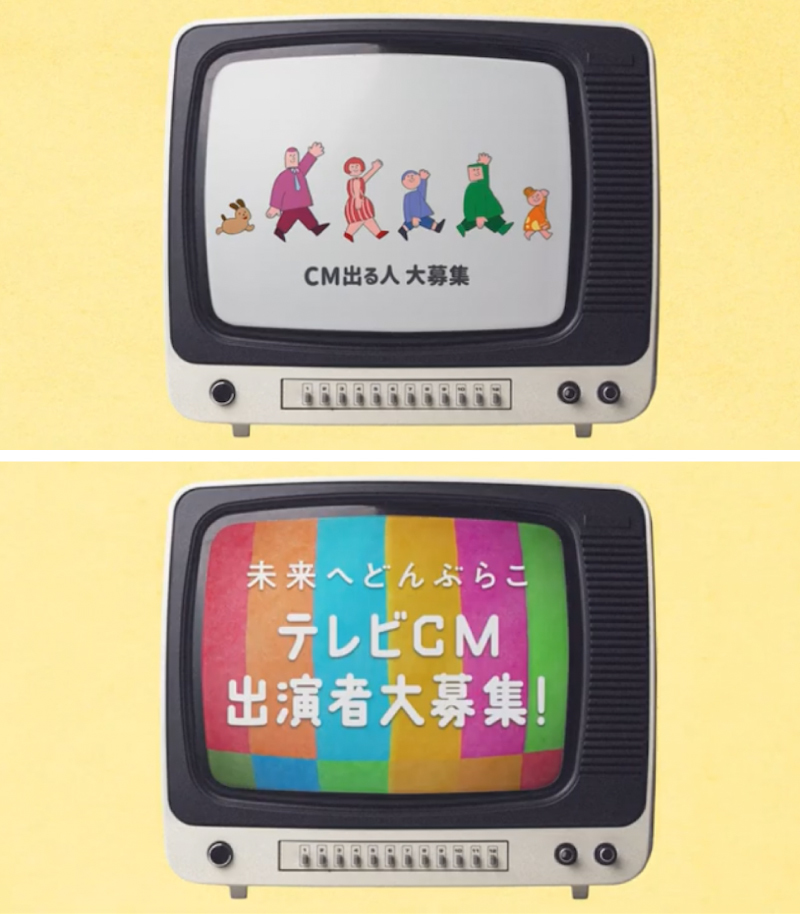
Tozaki: I realized the hurdle is just taking that first step, and the trigger to overcome it is surprisingly simple. In Okayama, we also got cooperation from a radio station and created radio commercials using real comments from ordinary people. We connected interviews asking, "What can you do for the SDGs?" That's how we made it personal for them.
Case 3: Children who will become adults in 2030 participate, changing Fukuoka's future
──I hear you planned things from a different perspective in Fukuoka.
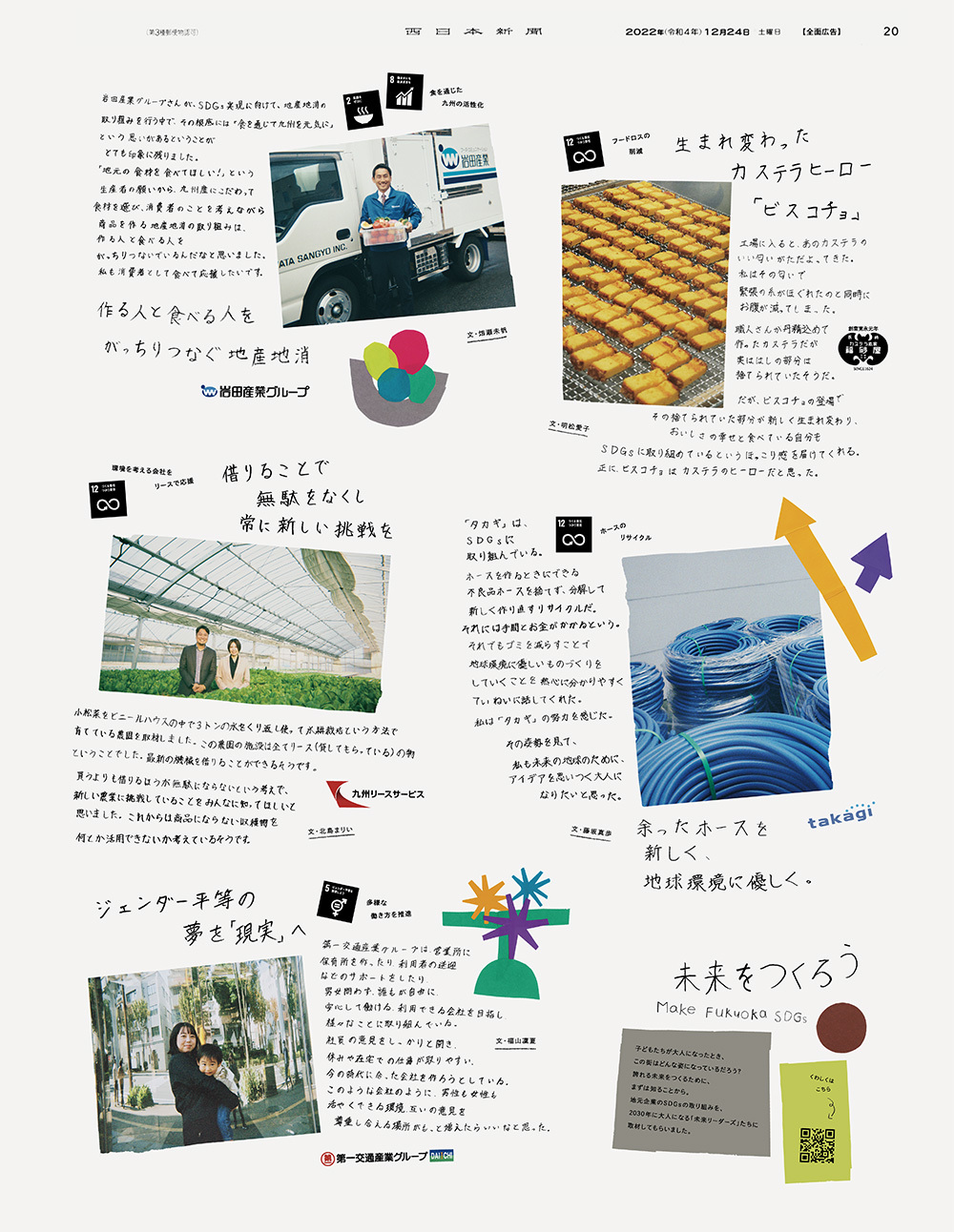
Yoshida: Fukuoka often gives the impression of a growing population. While some areas are indeed growing, looking at the prefecture as a whole, the outflow of people leaving for university remains the same. Keeping this challenge in mind, Fukuoka's biggest feature was making children within the prefecture the protagonists, calling them "Future Leaders." The core idea was that the children themselves—who will be adults by 2030, the target year for achieving the SDGs—would interview companies about their initiatives, write articles about them, and share their findings. This process itself holds significant meaning.
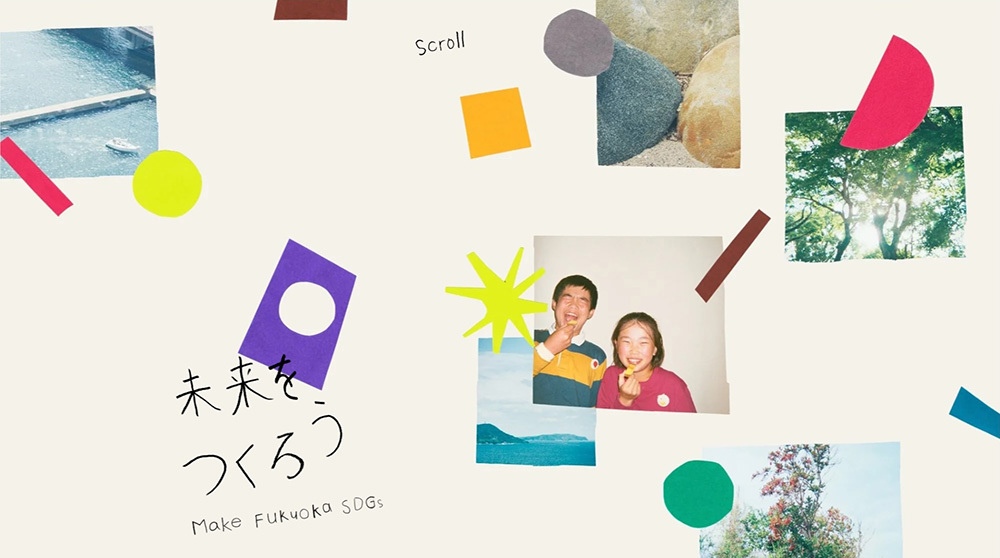
Yoshida: I think it's incredibly important to create opportunities for children to think about and engage with what they like about Fukuoka and their local community while they're still young. Participating companies also respond very positively to the chance to work alongside children.
During actual interviews, children sometimes ask corporate representatives deeply probing questions. This prompts companies to re-evaluate their approach, thinking, "We should engage properly and answer thoughtfully," or "We need to think more deeply about the SDGs," leading to productive conversations. Their participation has been a significant positive for this project.
Tozaki: The SDGs pledge to "leave no one behind." This naturally includes children. If we cannot create a better world for the children who will live in the future, the goals cannot be achieved. When they become adults and move out of the prefecture for jobs or other reasons, their connection to the area is lost. Therefore, I believe it is very meaningful for children to engage with local companies from an early age, learn about their community, and build bonds. For the business representatives, too, I feel a mutually beneficial effect is emerging. For instance, thinking through explanations that even elementary school students can understand leads to new insights for them.
Small and medium-sized enterprises (SMEs) should especially pursue initiatives that "generate profits through SDGs"! We aim to develop this into a nationwide project going forward.
──Based on your past efforts, what do you see as key points for SMEs approaching the SDGs?
Yorimoto: For regional SMEs, financial capacity is a major hurdle when starting new initiatives. Therefore, for SDGs too, the most accessible approach is one that contributes to society while also generating solid revenue.
Since a business cannot be sustainable without generating revenue, figuring out how to create profit is crucial. However, in reality, this is quite difficult, and concerns like "Is it okay to profit from SDGs?" or "Won't SDGs prevent us from making money?" often remain unresolved. I believe it's vital to clearly communicate the importance of tackling social issues while generating business revenue to these local companies and to take action together.
──Could you share your outlook for the future?
Yorimoto: We've currently launched the platform in seven prefectures: Hokkaido, Hiroshima, Okayama, Yamaguchi, Kochi, Ehime, and Fukuoka. Expanding the implementation areas is the first phase of the project. In Hiroshima, we're now working on the second phase: enhancing the value of the website itself.
We want to build a site that not only businesses but also residents can trust and use, thinking, "If I visit this site, I can always find the latest SDGs information within the prefecture." Furthermore, our ultimate goal is to connect the websites across all areas and advance this project as a nationwide initiative.
Tozaki: Creatively, we want to start by identifying each company's strengths and characteristics, then support their communication efforts through copywriting, slogans, and more. Articulating these elements helps "visualize" corporate goals, which is crucial for advancing business. Moving forward, we want to develop initiatives that encourage broader public participation. As more people join, we can form teams not just of companies but also citizens. Since "co-creation" is a major theme of this project, we aim to build spaces that transcend boundaries and energize each region.
Related articles about this initiative are also featured in "Transformation SHOWCASE".
・Related article on the Hiroshima case study
・Related article on the Fukuoka case study

Was this article helpful?
Share this article


Newsletter registration is here
We select and publish important news every day
For inquiries about this article
Back Numbers
Author
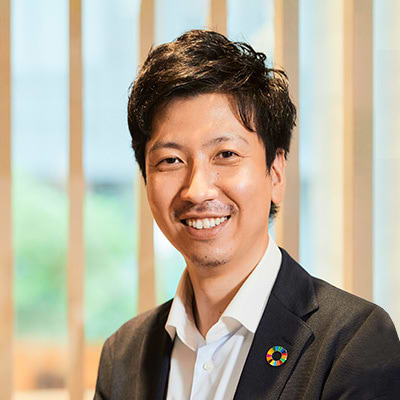
Takashige Yorimoto
Dentsu West Japan Inc.
Hiroshima Branch Business Production (BP) Department / Project Promotion Department
Dentsu Inc. Team SDGs SDGs Consultant
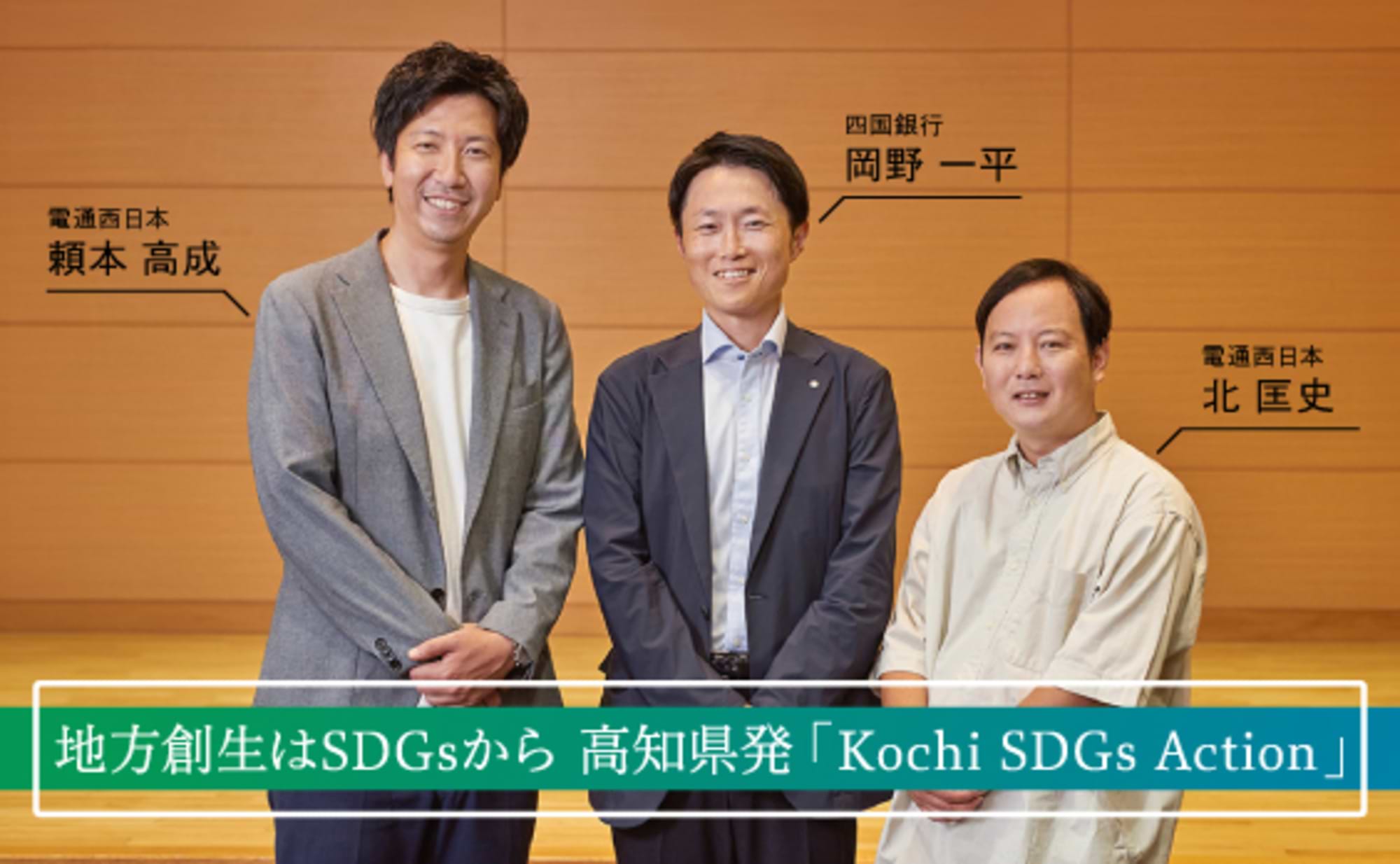
Koki Yoshida
Dentsu Kyushu Inc.
Growth Marketing Department
Producer, Planner
Ikumi Toga
Dentsu Inc.
Second CR Planning Bureau
クリエイティブディレクター/コピーライター
GIRL meets GIRL Project Beyond Advertising: What We Can Do for GirlsMOM meets MOM ProjectMOM meets MOM projectGirl Meets Girl Project Relay ColumnLearn business development from Finland!Signs of Reiwa GirlsCreating a Sustainable Era: Insights on Collaboration—Sustainable d Actions—The "New Standard" for Sustainable FashionTaking on the Challenge of "Intractable Diseases × Work" Through Creativity