
Note: This website was automatically translated, so some terms or nuances may not be completely accurate.
 Miki Sakai's "I Want to Go Beyond the 'Why?'" [2/4]
"Why?" brings acting along.
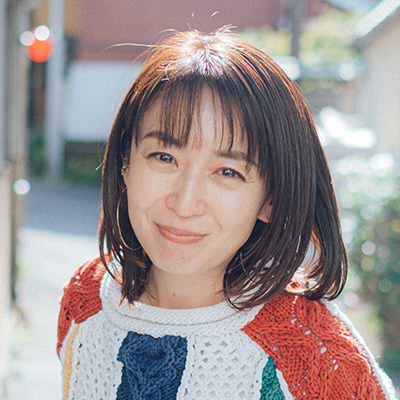
Miki Sakai
mua Productions
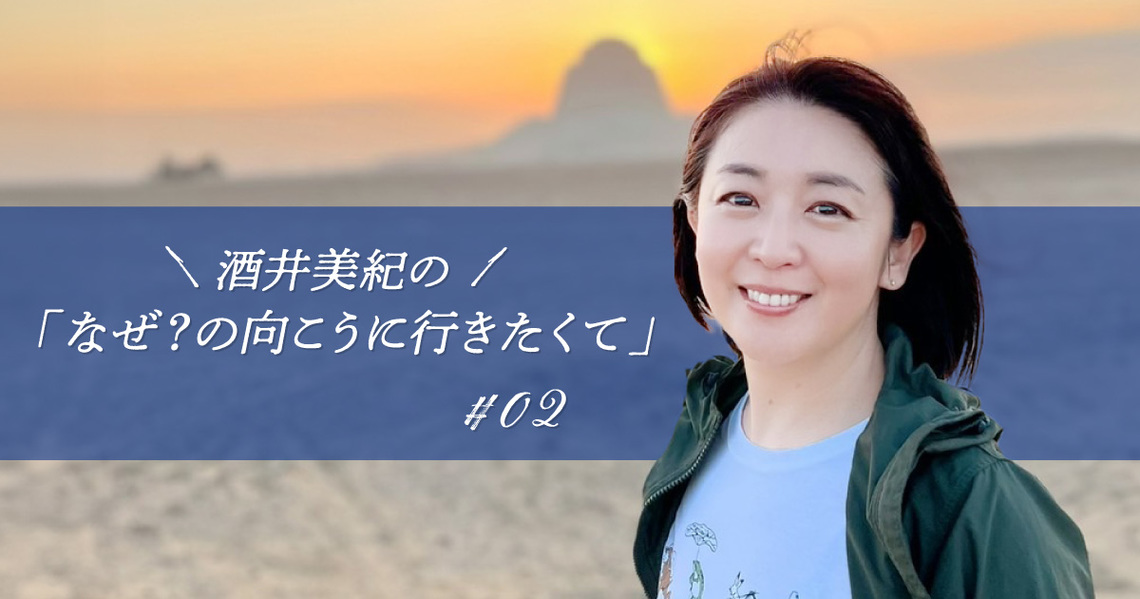
In the prologue (#01) of this series, I mentioned that I believe 90% of an actor's job is thinking about "Why?"
. This time, I'd like to elaborate a bit more on what that actually means.
.
What exactly does an actor do?
Let me ask you this: When do you think the profession of acting first emerged? Kabuki? No, not quite. Noh or Kyogen? If so, perhaps around the Muromachi period? Not at all. Its history is ancient, dating back to appearances in the Nihon Shoki. The prototype of theater was ritual performance, and its establishment as entertainment as we know it today came much later. And this seems to be true worldwide. When I consider that the essence of an actor's work is to be a presence that eases the anxieties within life—not merely "healing," but one that provides "the strength to live"—I feel a sense of pride. It's a profession that was involved in the very formation of Japan as a country. What I'm doing now is something that has been needed since ancient times, I suppose.
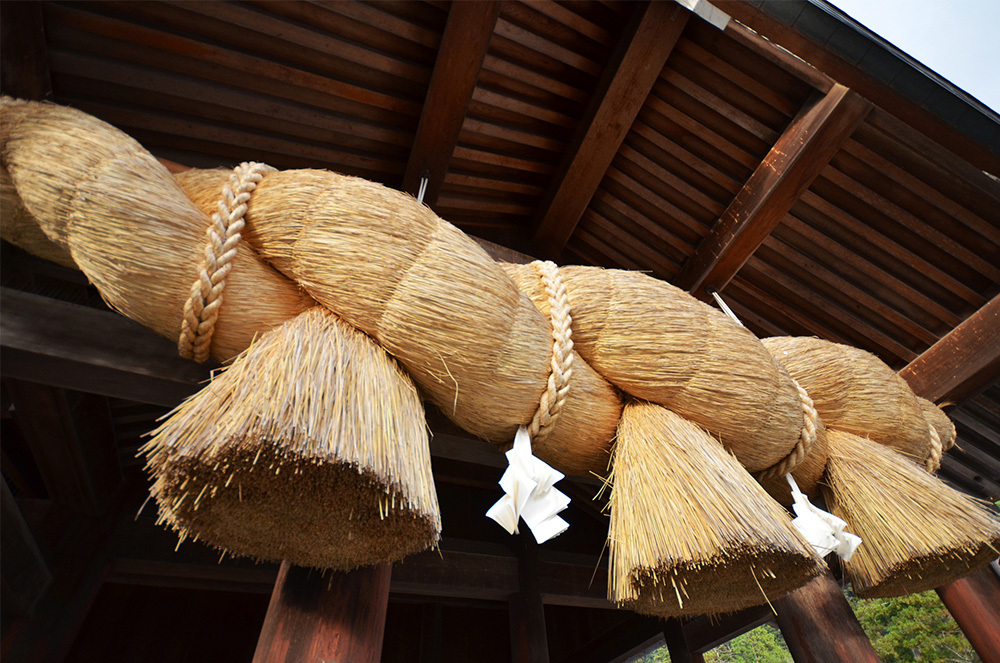
The reason I wanted to research theater was a simple "Why?"—Why am I doing this strange job of acting? At times like that, I delve into history. The kind of history rarely taught in school. That's when I discovered references in the Nihon Shoki. But why the Nihon Shoki? Digging deeper, I pondered, pondered, and pondered until I reached the conclusion: "Ah, I see. Theater is wisdom for living, a tool that aids daily life."
When I find an answer that satisfies me—like discovering that "in medieval England, theater was used as a curriculum to help people acquire language"—I find myself nodding deeply in agreement. At times like that, I can
was used as a curriculum for language acquisition." At such moments, I find myself nodding deeply in agreement. And that's when I can't help but grin to myself.
People change
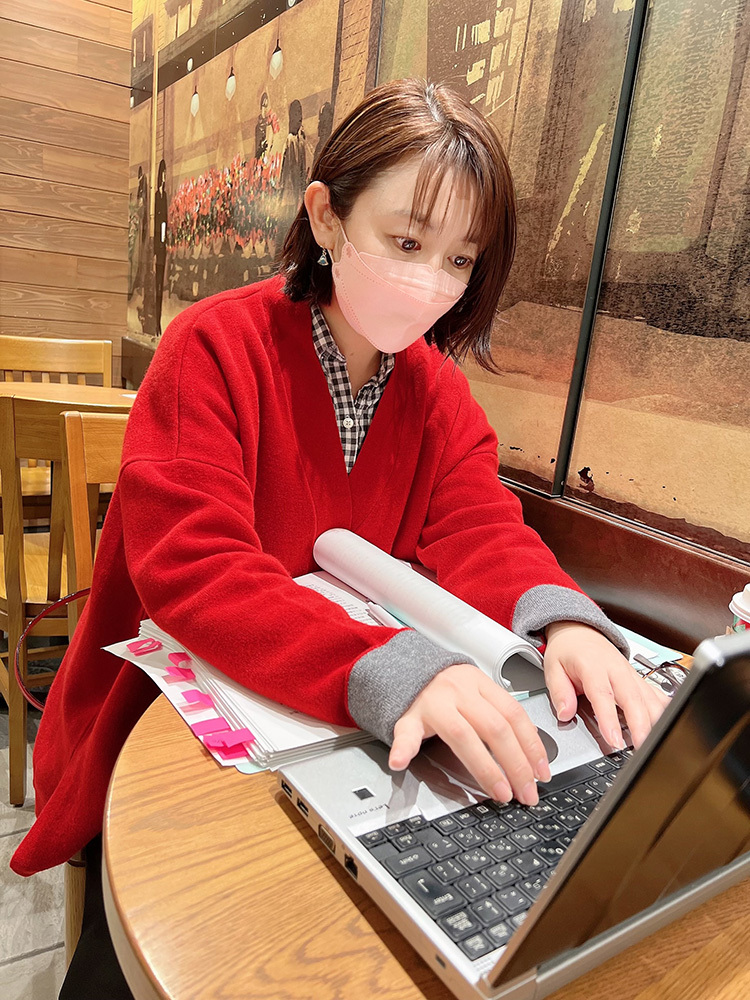
Being in the entertainment industry since age 13, I started thinking "Why am I here?" alongside "How long can I stay here?" What was lucky for me was that the drama "Shiro Sen Nagashi" became the catalyst for my transition from a "naturally pure type" (*1) idol to an actress. Idols can only be idols because of the public image fans create for them. But people change with age. For example, the 17-year-old Miki Sakai and the 18-year-old Miki Sakai are already different people. Yet, once a public image is established, it doesn't change. That gap widens day by day, to a point where I can't do anything about it.
※1 Miki Sakai's catchphrase during her idol days
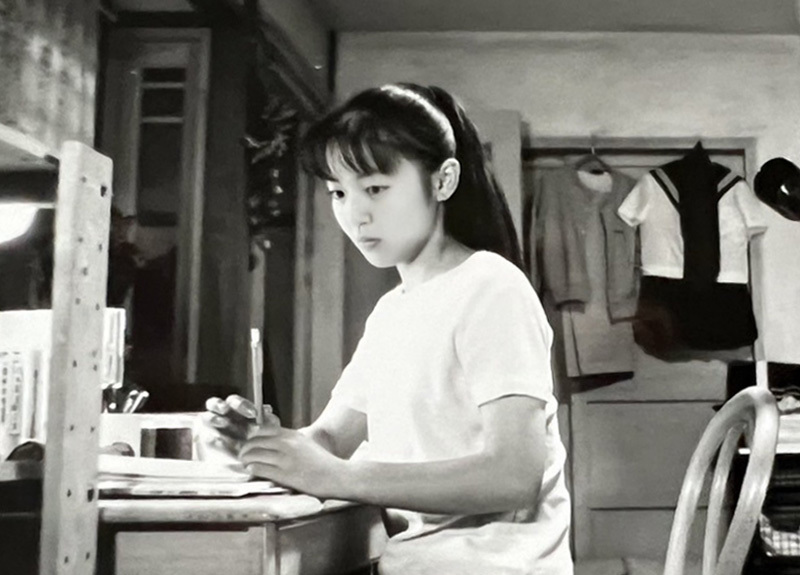
If it's this painful, wouldn't it be easier to just conform to that public image?
would be easier?" I sometimes thought. What made my encounter with "Shiro Sen Nagashi" so lucky for me was probably its setting, where the characters aged and gained experience at the same pace as their real-life counterparts. It was a drama that ran for nearly ten years, and Miki Sakai grew up at exactly the same pace as Sonoko Nanakura (*2).
※2 The character name Miki Sakai played in the drama "Shiroisen Nagashi"
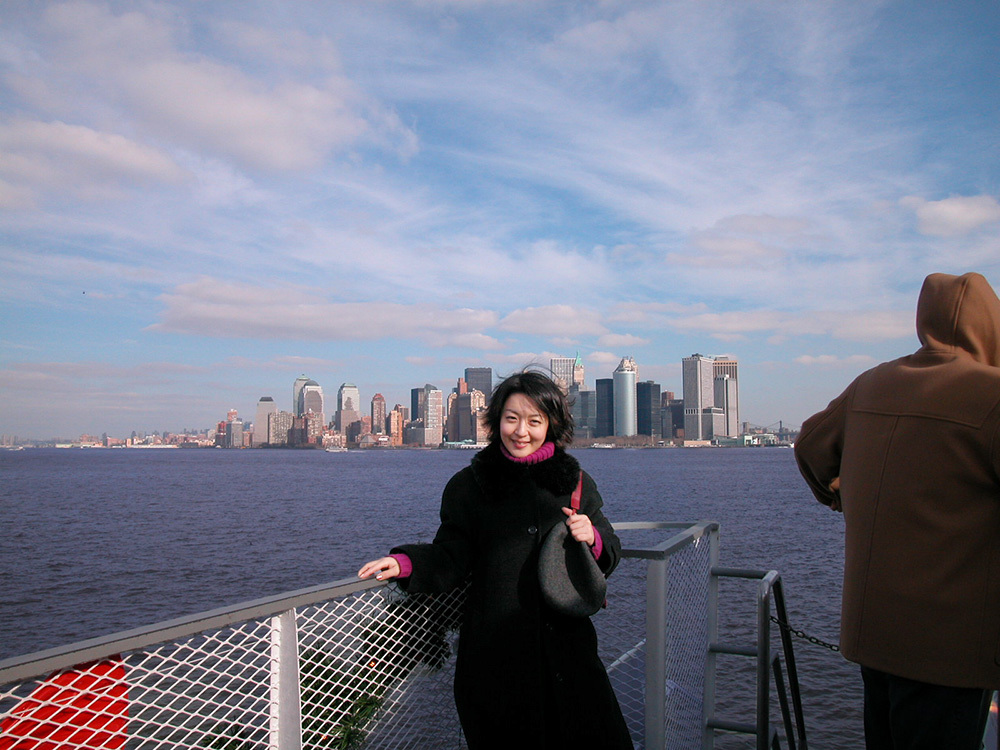
After that, at age 25, I decided to study abroad in New York. While the stated reason was to learn English and acting,
was the stated reason, but my real motivation was simply needing time to "transform" myself. More accurately, I needed time to face the self that had already changed. To get to the "why?" you need to stop, face yourself, and take that "time."
The actor's craft is a "part" of the performing arts
Whether on stage or on screen, theater is called a "comprehensive art form." Countless people come together—playwrights, directors, set designers, lighting technicians, stylists, hair and makeup artists—to create a single world. An actor is merely a part within that world. More than just being a part, I find the greatest joy in becoming that part. What depresses me most is hearing, "That was very Miki Sakai." Whether comedy or drama, whatever script or role, my role as a part is to blend myself into the world that unfolds from it.
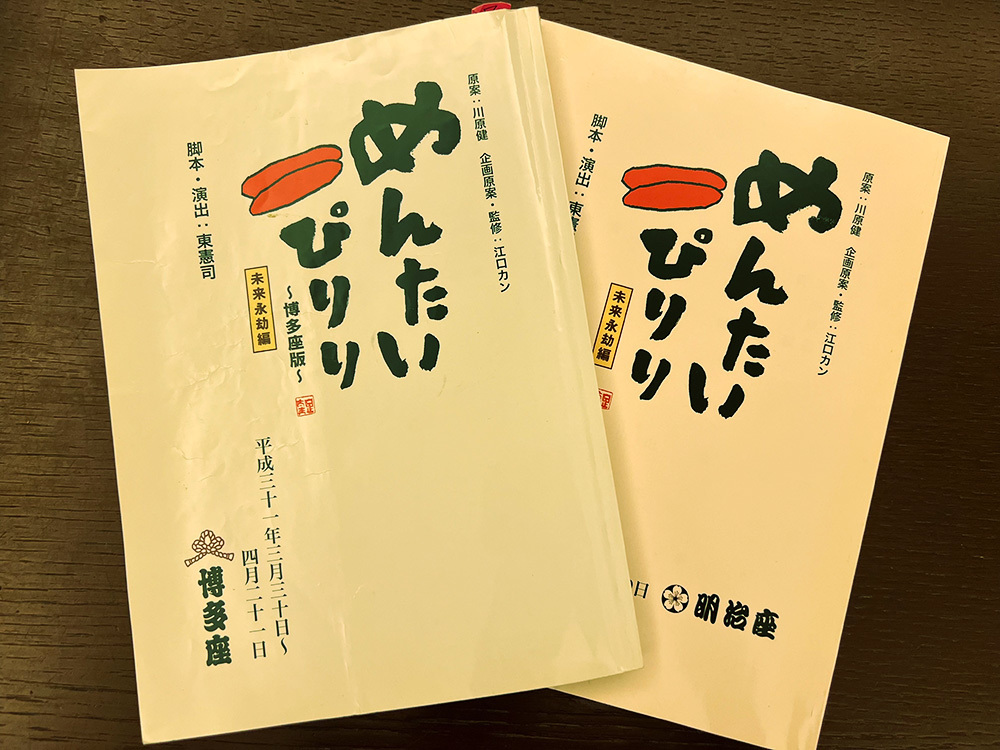
Every world has its human drama, and no matter how much you study the script's lines, the human part never has a written answer. So you just keep asking "Why?" "Why?" The most intense experience, I think, is stage work. For a month-long run, you rehearse eight hours a day for a month straight before opening night. The fascinating part is that despite all that preparation, the final result is different every single time. It's not just the actors. Even the breathing patterns of the audience members present that day can change it. Of course, on stage, there are no retakes or edits. There's an indescribable thrill in that LIVE feeling, creating a single world together with your fellow performers—your "comrades in arms" from rehearsals—and the audience. True to its name, LIVE, the stage is truly a "living thing."
When you find the "you who finds it interesting," you see "beyond the 'why?'"
For me, the real thrill of creating a work together ultimately boils down to "Why?". Of course, I ponder things alone too, but hints to solving that "Why?" often surface in casual chats with my colleagues.
When I find myself enjoying trivial, seemingly unrelated chatter—things not directly connected to acting—my thoughts start to organize. Scattered dots suddenly connect. It's not something I consciously do, but when curiosity or interest sparks a "Why?", I naturally dig deeper around it. Something always emerges. Because it's interesting, I keep digging further. And since casual conversation happens with multiple people, the fun just multiplies.
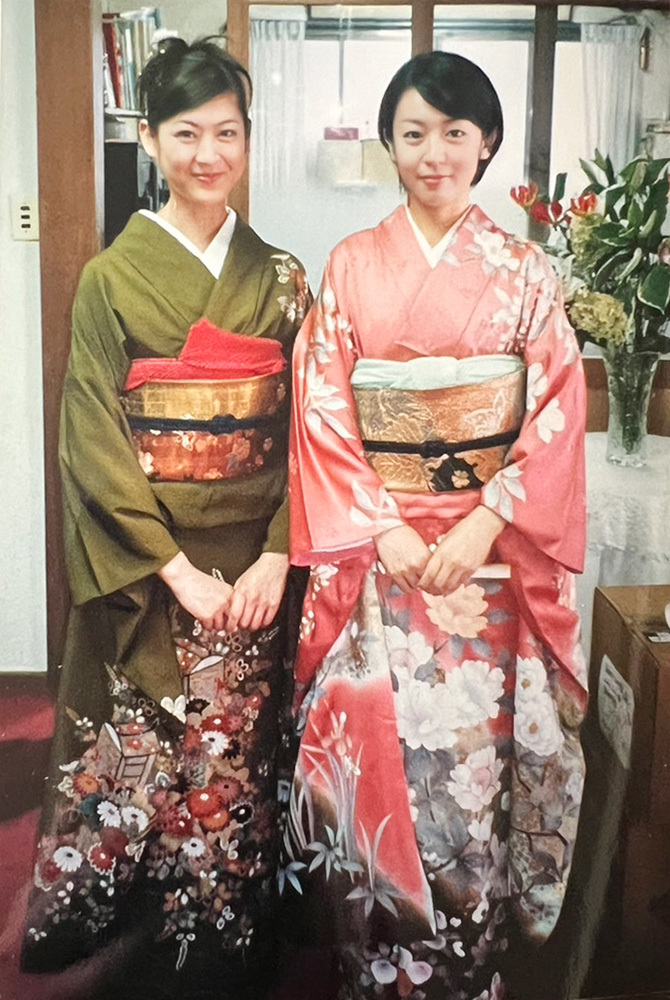
Off-shot photo with Eri Matsubuchi, my co-star in the drama "Shiro Sen Nagashi ~Tabidachi no Uta~" (This costume was actually used in the "Friend's Wedding" scene).
For me, the "why?"—especially for actress Miki Sakai—is about finding something interesting in everything. Life isn't just filled with happy and joyful things, right? But even when faced with painful or sad things, if you can find yourself finding it interesting, you can see the scenery beyond the "why?" and the version of yourself standing there. At least, that's what I believe.


Was this article helpful?
Share this article


Newsletter registration is here
We select and publish important news every day
For inquiries about this article
Back Numbers
Author
Miki Sakai
mua Productions
Actor/Talent