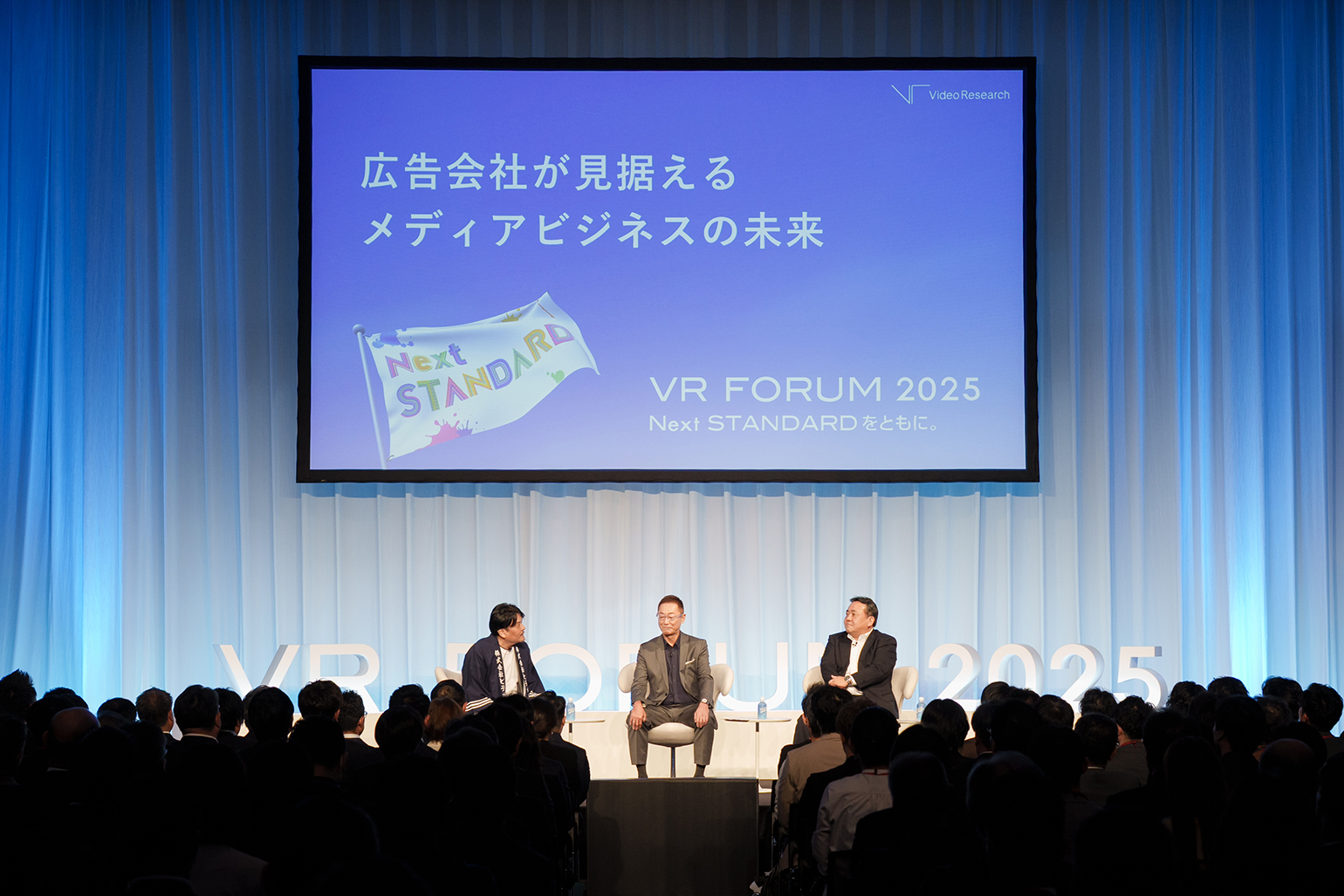
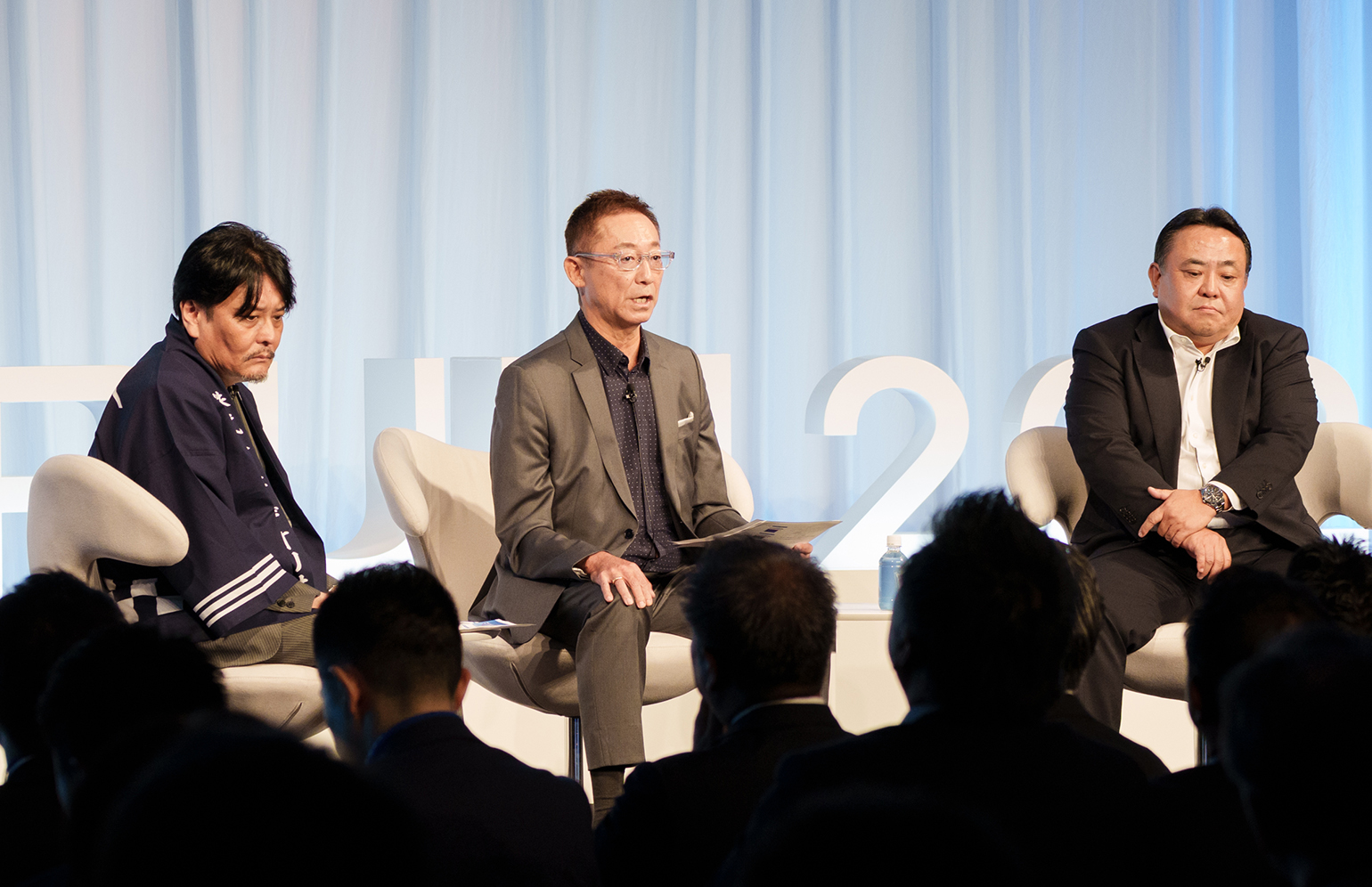
On Wednesday, October 8th and Thursday, October 9th, the forum "VR FORUM 2025 ~ Together Toward the Next STANDARD," hosted by Video Research Ltd., was held. Over 4,900 participants attended across the Tokyo Midtown Hall venue and online. From the 19 sessions held over the two days, we present the session titled "The Future of Media Business as Seen by Advertising Agencies."
■Panelists Mitsuyuki Nakamura, Dentsu Inc., Managing Executive Officer (Media / Sports & Entertainment) Hideaki Iwasaki, Hakuhodo, Managing Executive Officer, Head of Media Design Business Unit Koji Ozeki, Director and Senior Executive Officer, Video Research Ltd.
Ozeki: I'm Ozeki from Video Research Ltd. Today, as part of the opening day sessions at "VR FORUM 2025 ~ Together Toward the Next STANDARD," we'll be discussing "The Future of Media Business as Seen by Advertising Agencies."
The first theme of this session is "Media Content for Consumers." I'll start by discussing the current state and changes occurring, based on survey data regarding television. The first data point is "Changes in TV Device Usage Breakdown." The share of real-time broadcasts is gradually declining, while usage of other TV devices is increasing. Since real-time includes BS and CS satellite broadcasts, the reality is that terrestrial broadcasts' share has fallen to 66%.
Next, regarding the content share viewed on Netflix and Prime Video within Japan, content originating from broadcasters exceeds 40% on both platforms. This reflects the reality that TV stations are effectively leveraging the internet.
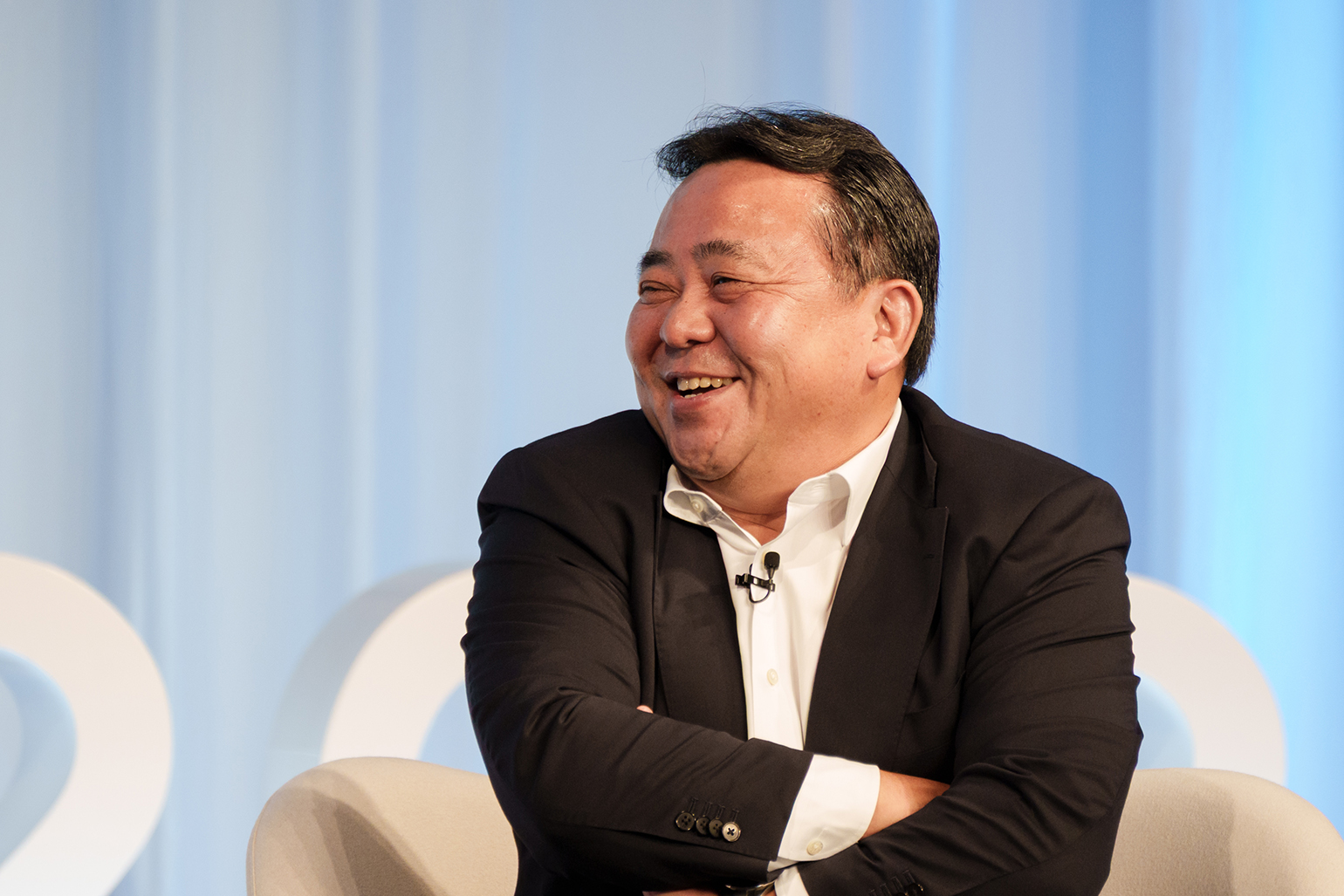
Koji Ozeki, Video Research Ltd ., Director and Senior Executive Officer. After joining Video Research Ltd., he handled media companies and advertising agencies in the sales department. In the staff department, he primarily supported planning and effectiveness verification for food/beverage and cosmetics/toiletries sectors. He also worked on data service planning for newspaper, magazine, and transit advertising.In 2002, he was appointed Head of a newly established department for planning and developing ratings surveys accompanying the digital transition. He served as Director of Digital Business Promotion in 2009, Director of Solution Promotion in 2013, Director of Sales in 2015, and was appointed Managing Director in 2017. He assumed his current position in April 2023.
Iwasaki: I'm Iwasaki from Hakuhodo. At Hakuhodo Media Environment Research Institute, we conduct media image surveys. For about 20 years since 2006, we've been tracking consumers' media contact data at fixed points. We survey 44 items, and I'll discuss several of them.
First, the item "Provides easy-to-understand information." While showing a slight downward trend in recent years, television has consistently maintained the top position for the past 20 years, far outpacing other media.
Next, the item "Provides information that evokes emotion or excitement." Despite the remarkable growth of the internet, television has consistently maintained the top position.
Furthermore, the "information is reliable" category. Newspapers have consistently held the top position, while television maintains a high level at second place.
Judging comprehensively from these three items, despite some decline in recent years, television broadcast content retains considerable strength. Even amid major shifts in the media environment, broadcast-originated content continues to maintain the trust of consumers.
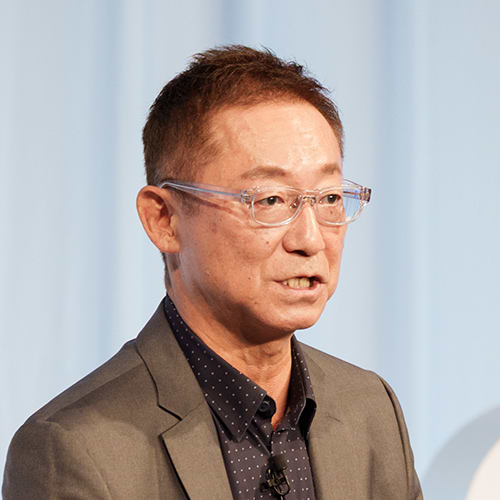
Hideaki Iwasaki, Director and Senior Managing Executive Officer, Head of Media Design Business Unit, Hakuhodo. After graduating from Waseda University, joined Hakuhodo. Assigned to sales, then became Sales Bureau Director in 2014.From 2017, he was in charge of the Content & Entertainment Business at Hakuhodo DY Media Partners, becoming an Executive Officer in 2019. From 2021, he served as Director and Executive Officer in charge of the Content Business Center and Head of the First Media Business Division. From 2023, he became Director and Senior Managing Executive Officer in charge of the Media Business Coordination Center and Senior Managing Executive Officer of Hakuhodo. He has held his current position since April 2025.
Nakamura: I'm Nakamura from Dentsu Inc. I'd like to discuss the content landscape by dividing it into three categories: "Mass Content," "Major Content," and "Community Content," and talk about the surrounding environment and challenges.
Mass Content refers to national sporting events. Examples include the World Athletics Championships, the FIFA World Cup, the World Baseball Classic (WBC), and soon the Winter Olympics.
Major Content refers to broadcasters' core offerings like dramas and variety shows. Beyond linear advertising revenue, this sector generates ad income through TVer streaming (known as total reach), while also monetizing via SVOD (Subscription Video on Demand), film adaptations, event spin-offs, and format sales.
※ Traditional ads aired during TV program broadcasts
Community content is an area I believe will become increasingly important. This includes content for fan activities, fandoms, e-sports, VTubers, short dramas, and more.I believe the media transformation of these specialized communities will accelerate. If this sector can transition from core fans to casual fans, it can elevate into mainstream content. Some broadcasters have already begun investing here. The key is how to discern, invest in, and elevate community content into mainstream offerings. Fans in this space are predominantly young, with abundant data, making it highly valuable for marketing. I'm eager to assist in this area.
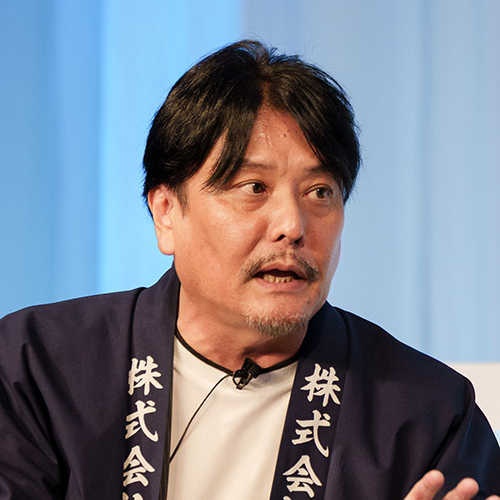
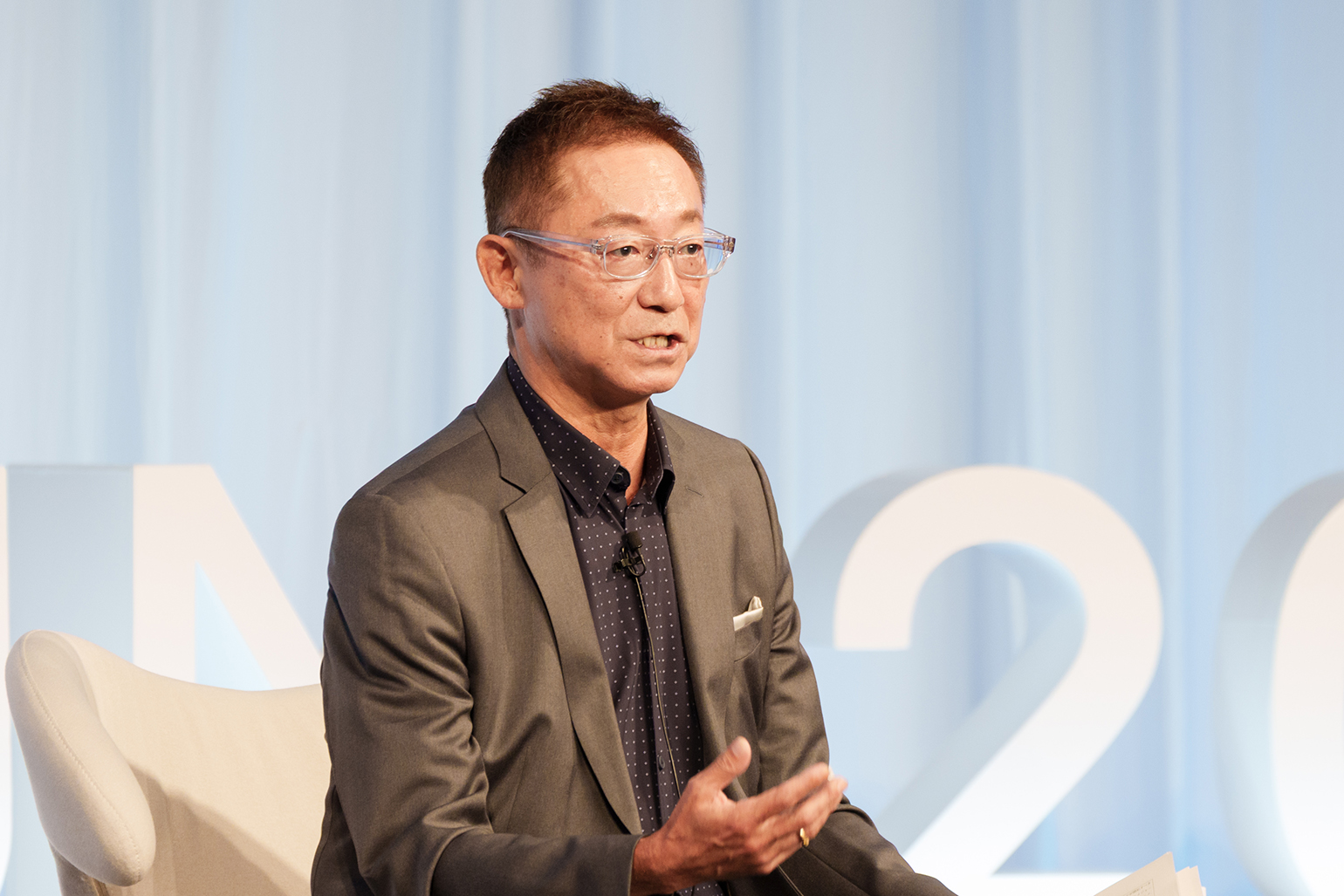
Mitsuyuki Nakamura Dentsu Inc., Managing Executive Officer (Media / Sports & Entertainment ) After joining Dentsu Inc., he began his career in the Local Business Department of a TV station and spent approximately 20 years engaged in TV and content-related business, primarily in the Time division. He was seconded to overseas offices starting in 2010. He served as CEO of Dentsu Media Thailand and Managing Director of Dentsu Media APAC.After serving as Head of the Global Business Center at the Tokyo headquarters in 2017, he became Global CEO of dentsu X in London in 2019. He was appointed Director of the Business Production Bureau in 2021 and became an Executive Officer of Dentsu Inc. in 2022. Since 2024, he has concurrently served as President of dentsu Japan Media, Sports & Entertainment and as Managing Executive Officer (Media & Content) of Dentsu Inc. (current position).
Changes in Marketing
Ozeki: We've discussed changes in consumers' lives so far. Our second theme is "Changes in Marketing." Mr. Iwasaki, could you explain how the marketing clients seek is evolving?
Iwasaki: Many clients are shifting their perspective, viewing advertising not as an "expense" but as an "investment," aiming for business growth through integrated marketing strategies. This requires both enhancing loyalty among existing customers and reaching out to potential audiences to acquire new customers. Effectively managing these two areas naturally drives business growth. Therefore, the concept of efficient marketing investment is critically important.Data analysis of existing customers is leveraged for targeting to generate new customers. Furthermore, analyzing new customer data allows us to identify those with potential to become loyal customers and take various actions to cultivate their LTV (Lifetime Value). Only by effectively managing this cycle can marketing truly contribute to business growth.
Hakuhodo Group has championed "AaaS (Advertising as a Service)" to provide solutions shifting focus from "ad space" to "effectiveness." We recognized that to contribute to corporate growth in the media domain, we must transform our business model—moving beyond traditional approaches to one that effectively sells results. AaaS is currently evolving, collaborating with platform providers and building data clean rooms to better visualize return on investment.
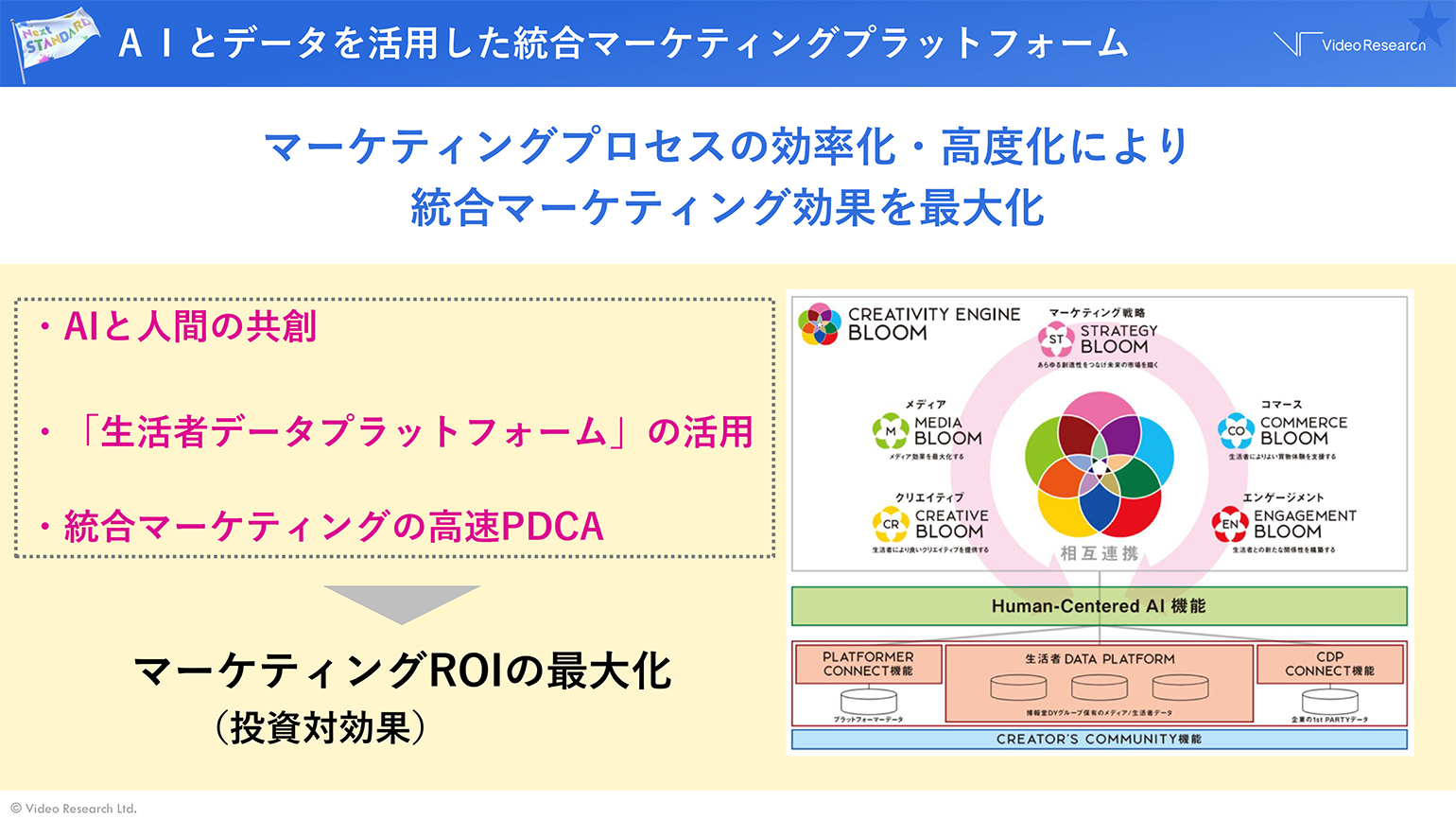
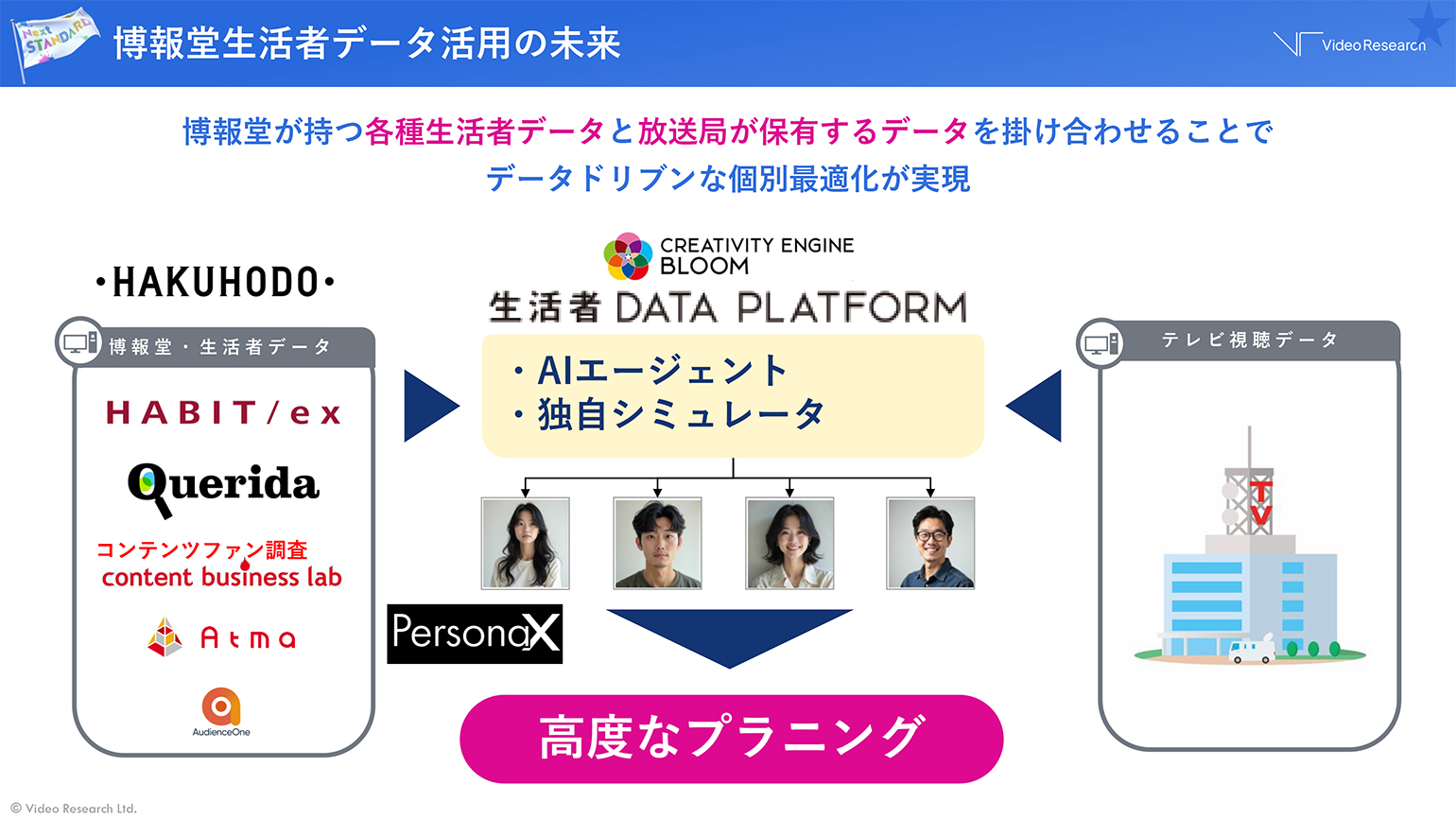
Furthermore, to maximize advertising effectiveness as an investment, we have begun offering the integrated marketing platform "CREATIVITY ENGINE BLOOM," aiming to evolve beyond the media domain into an AI×data integrated marketing platform.
Nakamura: I would like to mention two points. The first is the diversification and complexity of the marketing funnel. The funnel used to be a dual funnel consisting of awareness,interest, consideration, purchase, and repeat/loyal customer conversion. However, with the evolution of e-commerce and the fact that influencers and word-of-mouth have become major triggers for purchases, skips and jumps are occurring within the funnel. Furthermore, with the enrichment of distribution-side data, push-type approaches using apps, and the accumulation of data on the distribution side leading to the evolution of retail media, I believe the funnel is becoming more complex, or rather, collapsing.It is precisely because of this complex situation, from awareness to purchase, that I realize the need for data that can be used to implement a comprehensive PDCA cycle.
As AI advances, I expect we'll see direct purchases triggered by agent functions or recommendation features, or even direct purchases from Amazon Prime Video. Ultimately, data is crucial. Our daily challenge is how to ensure accountability and convince client companies to invest with confidence.
Regarding strengthening retail initiatives, we will integrate four group companies in January next year to establish a new promotion company. We have appointed an individual well-versed in both media and digital domains as the new company's president. This also underscores our emphasis on data consistency.
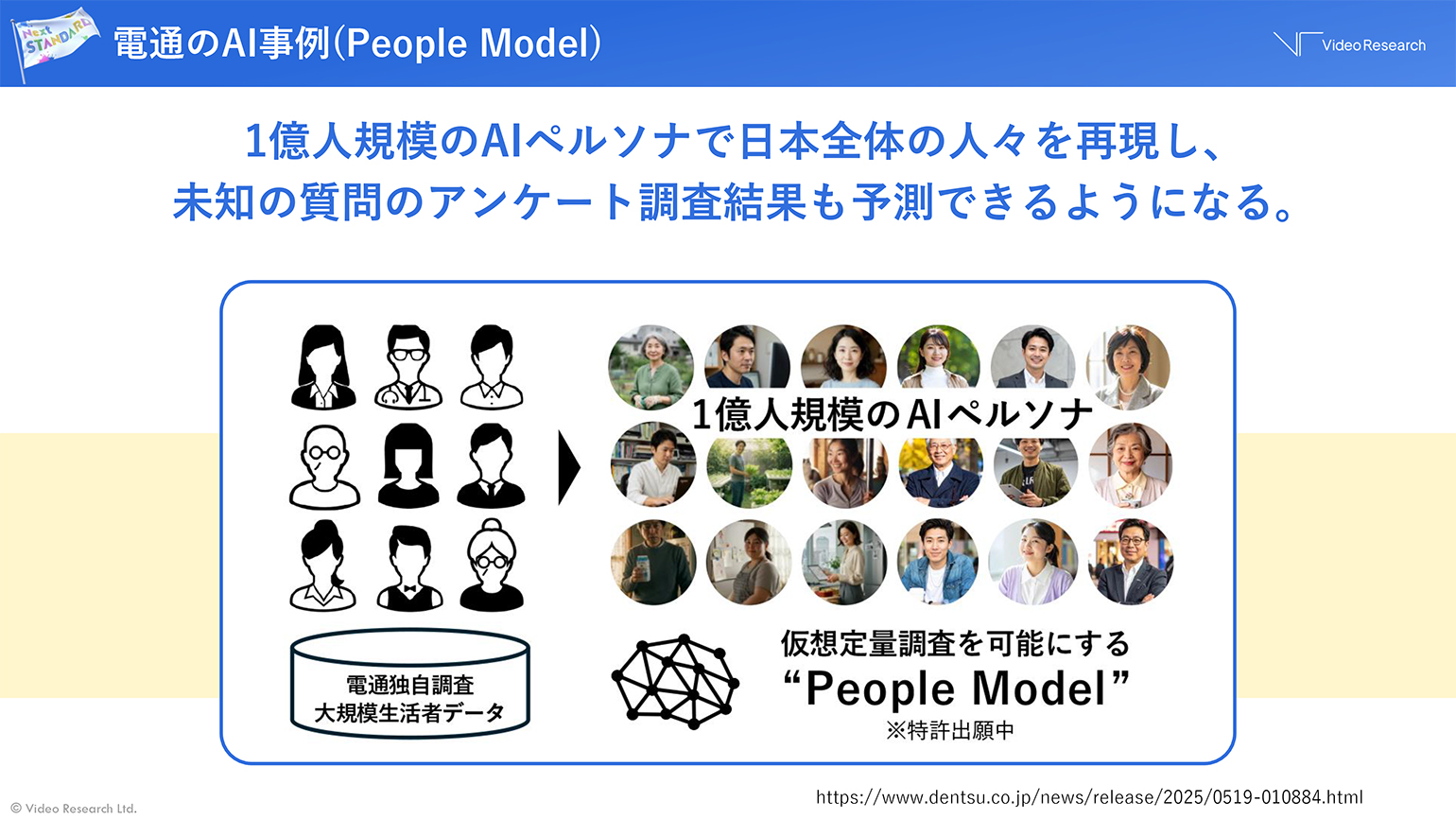
The second point is "the evolution of AI and data technology." Whereas we once discovered consumer insights through group interviews, we can now uncover them through dialogue with AI, significantly transforming clients' marketing processes. We've also begun creating personas for 100 million Japanese people based on large-scale surveys. What's interesting is that this could potentially be used in program production, potentially benefiting broadcasters and content creators.
What Data is Needed to Prove Media Value in Response to Marketing Changes
Ozeki: The third theme is "What data is needed to prove media value in response to marketing changes?" Mr. Nakamura, what are your thoughts?
Nakamura: As mentioned earlier, we need end-to-end data spanning the top funnel to retail. While some data remains unlinked due to privacy concerns, we're proving value by fusing and integrating data—including through AI and by leveraging data clean rooms developed in collaboration with platform providers. The importance of data in the top funnel, where mass media plays a key role, will only grow.
Regarding the top funnel, we're currently using TV receiver log data, such as Dentsu Inc.'s "STADIA360" and Hakuhodo's "Atma," to compensate for the lack of top-funnel data related to broadcasting.However, since this is receiver data, concerns remain about whether data collection can continue as more manufacturers, such as Chinese TV makers, fail to provide it.
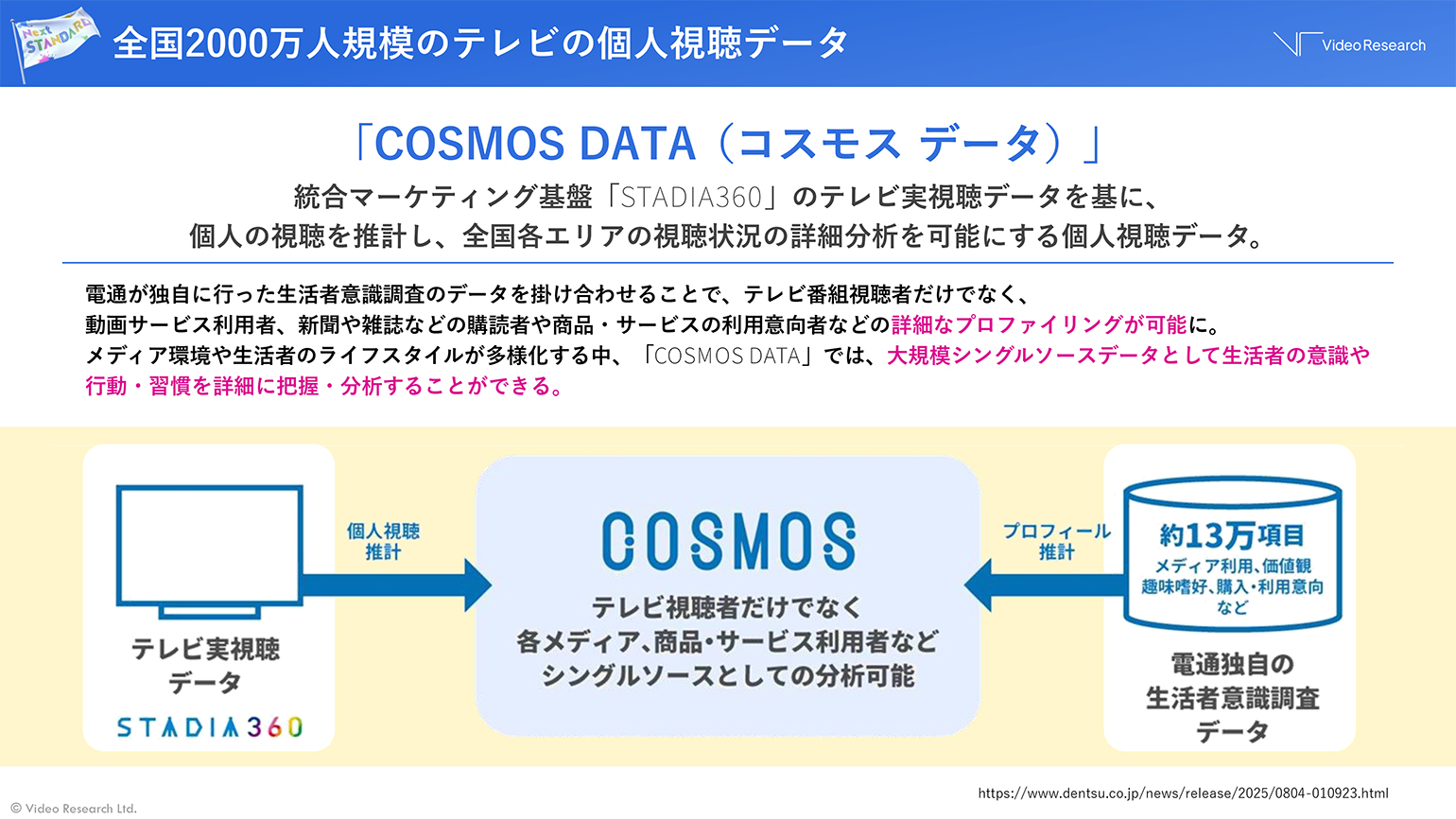
COSMOS DATA, announced in August, combines STADIA's TV verification data and device data with Dentsu Inc.'s proprietary consumer awareness survey data. This creates a comprehensive, large-scale database that profiles consumers, their media exposure, and their preferences for sports and entertainment content. This enables analysis of consumer awareness and behavioral habits using large-scale single-source data.
Furthermore, "Rasta!" utilizes COSMOS DATA to break down and visualize TV viewing patterns down to detailed profiles. Using this tool reveals user profiles beyond individual ratings. I believe it could be particularly useful for sales situations where individual ratings alone are challenging, such as for local stations, BS programs, or mini-slots.
On the other hand, it's regrettable that broadcaster first-party data is absent here. I believe it's time for the industry to recommit to developing and utilizing first-party data. In the US, the continued growth of linear advertising revenue and broadcast revenue from terrestrial sources stems from the availability of top-funnel broadcast and broadcast-derived OTT (Over-The-Top: media services delivered directly to viewers via the internet) first-party data.Additionally, retail data, exemplified by Walmart, is robust, and credit card usage data is also sold as a commodity. I believe that having comprehensive, end-to-end data further elevates the value of the top funnel. In Japan, I think there's a significant possibility that broadcasters' reach actually holds greater value, but they struggle to fully prove it precisely because the data isn't available.
Furthermore, I want to reaffirm that the so-called outside funnel—reach beyond the target audience—is actually crucial for potential and unconscious customer segments, which is why television remains effective. Data is essential to visualize this. Beyond that, I want to try visualizing enthusiasm, moments, and moods to more accurately express the marketing value created by content.
Recently, data utilization has significantly advanced in sports sponsorships and content tie-ups, enhancing accountability for corporate and brand purpose, vision, or marketing ROI. I reiterate that leveraging data and technology is crucial for visualizing content value.
Iwasaki: The TV business, while still possessing strong mass reach, will undoubtedly move toward data-driven individual optimization. To achieve this, expanding data capabilities is the most critical perspective. Beyond traditional ratings data, integrating individually managed data across organizations and platforms—such as ID-based viewing logs, web behavior data, and purchase data—to accurately grasp each viewer's attributes will advance targeted advertising.Furthermore, programmatic trading enables full automation from planning to purchasing, leading to greater efficiency and flexible, speedy operations. By introducing new metrics beyond ratings—such as attention rates and brand lift effects—we can also enhance the value of existing commercials themselves.
To achieve data-driven individual optimization, Hakuhodo possesses proprietary consumer data such as "HABIT," "Querida," and "Atma." Combining this with broadcasters' data could further enhance planning accuracy.Regarding purchasing, we've launched "Persona X," an AI-powered service based on Amazon purchase data. Utilizing this persona significantly shortens the traditional design, research, and analysis process.
Ozeki: Finally, regarding the forum's theme, "Next STANDARD," please share your thoughts.
Nakamura: Three things are crucial: "end-to-end data integration," "maximizing content value," and "distinguishing between what should be done at the group level and what should be done regionally." As Dentsu Inc., we aim to support both media coordination and enhancing advertiser convenience. While adopting first-party data immediately might be challenging, we encourage starting with what's feasible, like TVer ID, and we're here to support that effort.
Iwasaki: Our goal is the fusion of data and mass reach. Only with this can we achieve mutual growth alongside our clients' business expansion. That said, I firmly believe that content must be "interesting." It's precisely broadcasters who can offer diverse forms of "interesting" – not just laughter, but the fun of gaining knowledge, the fun of learning correctly, and the fun of experiencing excitement.
Ozeki: At Video Research Ltd., we believe the relationship between "reach" and "depth" is crucial.Here, "reach" means we must consider the overall expansion beyond just real-time TV and time-shifted TVer, encompassing impressions from retail media and OOH media. "Depth" also means we must adapt accordingly, handling diverse needs and KPIs of various advertisers. Video Research Ltd., while small, aims to contribute to advancing these efforts.
Senior Managing Executive Officer, Head of Media Design Business Unit
After graduating from Waseda University, joined Hakuhodo. Assigned to sales, then became Sales Bureau Director in 2014. From 2017, handled content and entertainment business at Hakuhodo DY Media Partners, becoming an Executive Officer in 2019. From 2021, served as Director and Executive Officer in charge of the Content Business Center and Head of the First Media Business Division.In 2023, he became Managing Executive Officer in charge of the Media Business Management Center and concurrently Managing Executive Officer of Hakuhodo. He has held his current position since April 2025.
Nakamura Mitsutaka
Dentsu Inc.
Executive Officer in Charge
After joining Dentsu Inc., he began his career in the Local Operations Department at a TV station, working primarily in the Time Department on TV and content-related operations for about 20 years. He was seconded to overseas offices starting in 2010. He served as CEO of Dentsu Media Thailand and Managing Director of Dentsu Media APAC.After serving as Head of the Global Business Center at the Tokyo headquarters in 2017, he assumed the role of Global CEO of dentsu X in London in 2019. He became Director of the Business Production Bureau in 2021 and was appointed Executive Officer of Dentsu Inc. in 2022. Since 2024, he has concurrently served as President of dentsu Japan Media, Sports & Entertainment and as Managing Executive Officer (Media & Content) of Dentsu Inc. (current position).
Koji Ozeki
Video Research Ltd.
Director, Senior Executive Officer
After joining Video Research Ltd., he handled media companies and advertising agencies in the sales department. In the staff department, he primarily supported planning and evaluated effectiveness for food/beverage and cosmetics/toiletries sectors. He also planned data services for newspaper, magazine, and transit advertising.In 2002, he was appointed head of a newly established department for planning and developing digital ratings surveys. He served as Director of Digital Business Promotion in 2009, Director of Solution Promotion in 2013, Director of Sales in 2015, and was appointed Managing Director in 2017. He has held his current position since April 2023.
Also read
The Future of Media Business as Seen by Advertising Agencies: VR FORUM 2025