How can Dentsu Inc.'s creative expertise contribute to the ever-evolving field of CX (Customer Experience)? "Monthly CX" is a series where members of Dentsu Inc.'s dedicated CX department, the CXCC (Customer Experience Creative Center), share insights ( For more on Monthly CX, click here ).
This time, we introduce "Atelier Banrai-ITABASHI-," a community hub for children opened in April 2025 by the Sumitomo Mitsui Financial Group (SMBC Group). Dentsu Inc. was involved in branding and creative direction.
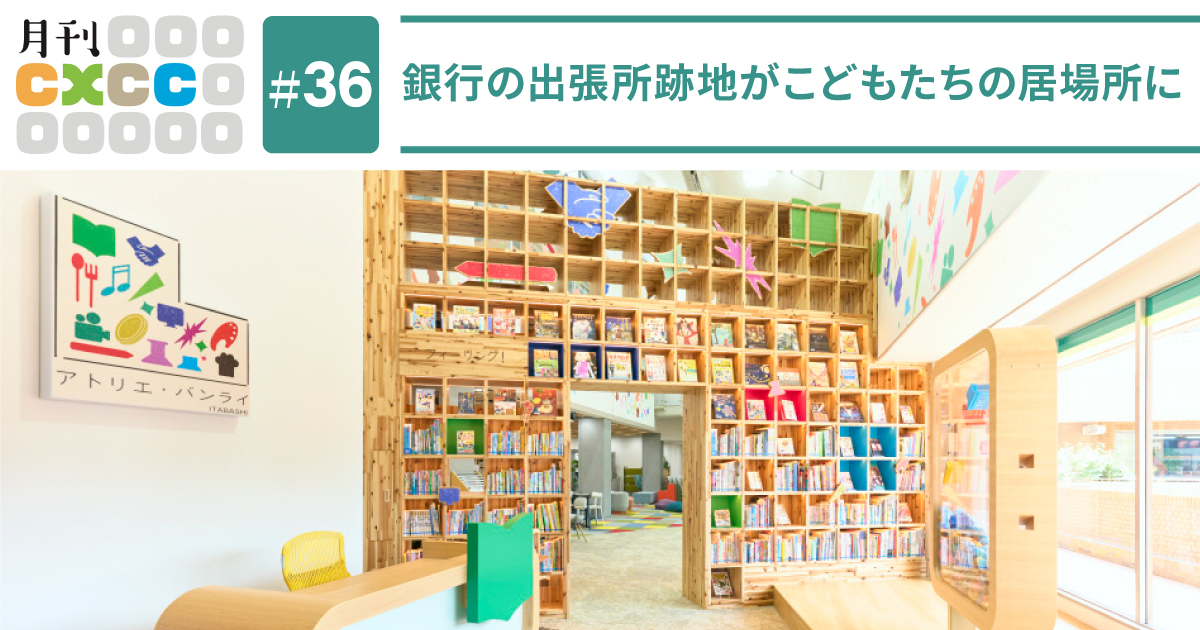
This facility features a library space housing approximately 4,000 books, alongside numerous experiential programs and events. Its initiatives and contributions to the community were recognized with the 19th Kids Design Award "Minister in Charge of Consumer Affairs Award."What sparked the creation of this facility, and what experiential design elements does it incorporate? Why did the SMBC Group establish such a children-focused facility? We spoke with Yuki Kumagai of Dentsu Inc., who handled the facility's concept design and art direction.
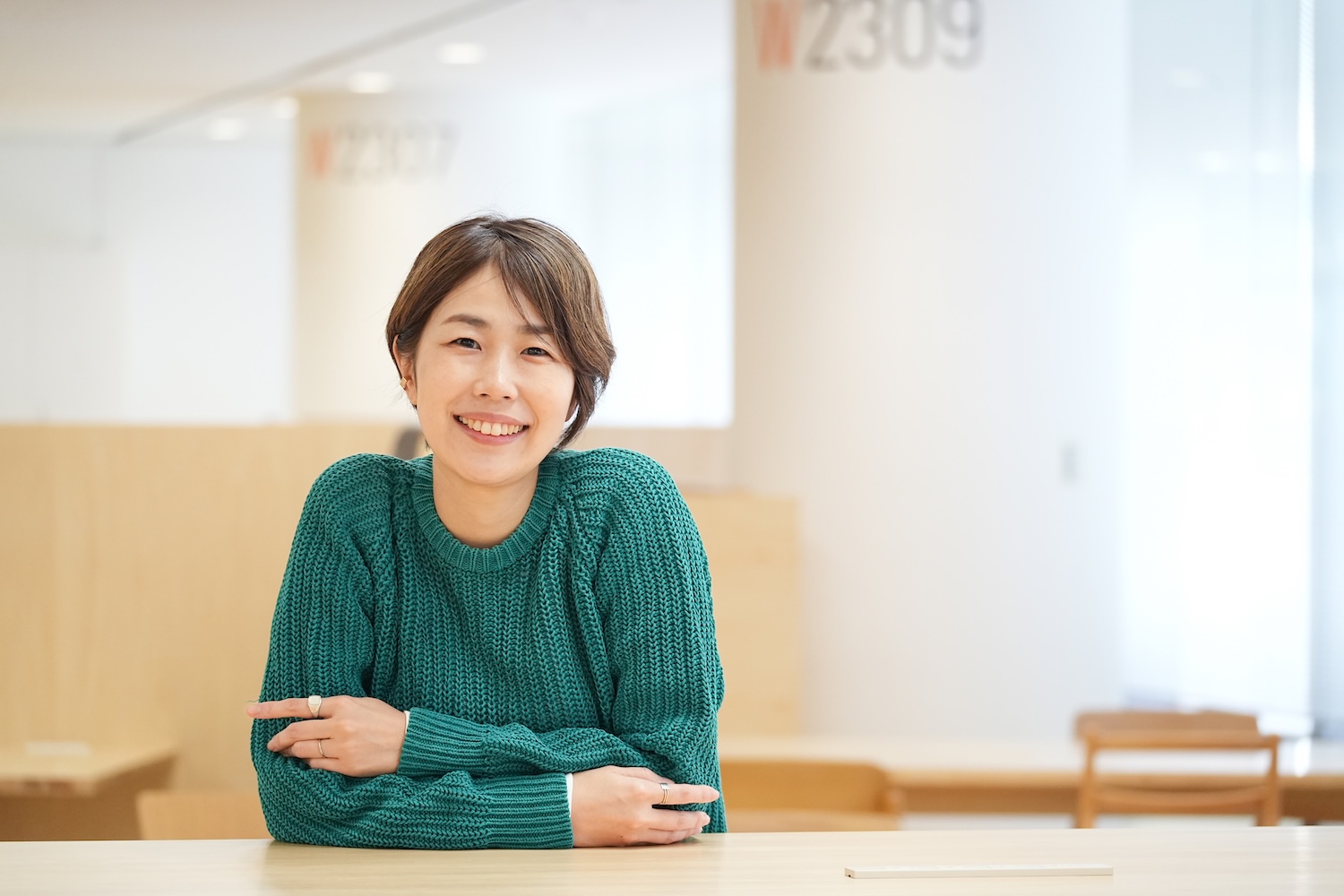
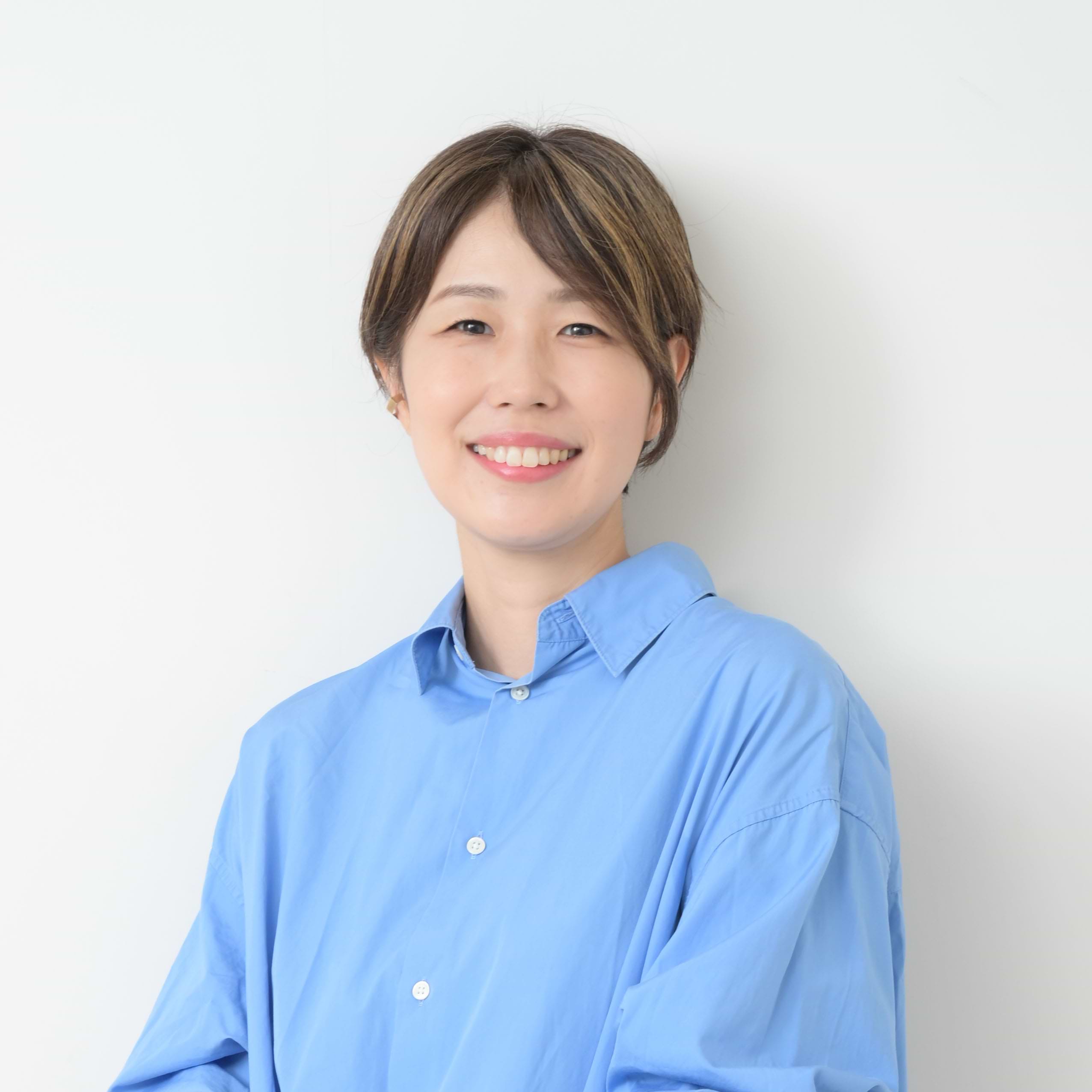
【Yuki Kumagai Profile】 Dentsu Inc. CX Creative Center / Art Director Works across advertising planning, branding, event planning, and customer experience design, starting from design. Has participated in numerous projects addressing regional challenges and recovery/disaster prevention. Awarded at Cannes, AdFest, Spikes, Dentsu Advertising Grand Prix, Good Design Award, etc. ※Affiliation and position are as of the time of the interview.
Providing "Curiosity as Capital" to Enrich Children's Lives
Monthly CX: What kind of facility is "Atelier Banrai"?
Atelier Banrai Opening Event Movie ※Click the image to watch the video
Kumagai: "Atelier Banrai" is a facility supporting after-school learning and experiences for elementary school students in grades 4 through 6.It was established by renovating the former Sumitomo Mitsui Banking Corporation Itabashi Nakadai Branch site. The facility includes a library space stocked with approximately 4,000 books, including manga and novels. Furthermore, it offers experience programs (covering money, food, music, programming, etc.) developed in collaboration with numerous companies and runs a weekly "Children's Cafeteria." We continuously provide children with a safe place to visit, broaden their interests, and gain exposure to the real world.
Use is registration-based, with over 300 children from nearby elementary schools registered as of October 2025. Three staff members are always present. A system ensures thorough safety management: QR code scanning upon entry and exit automatically sends notifications to parents via "Kodomon" (a business support tool for childcare and educational facilities).
Monthly CX: Could you describe specifically what kinds of spaces are available inside the building?
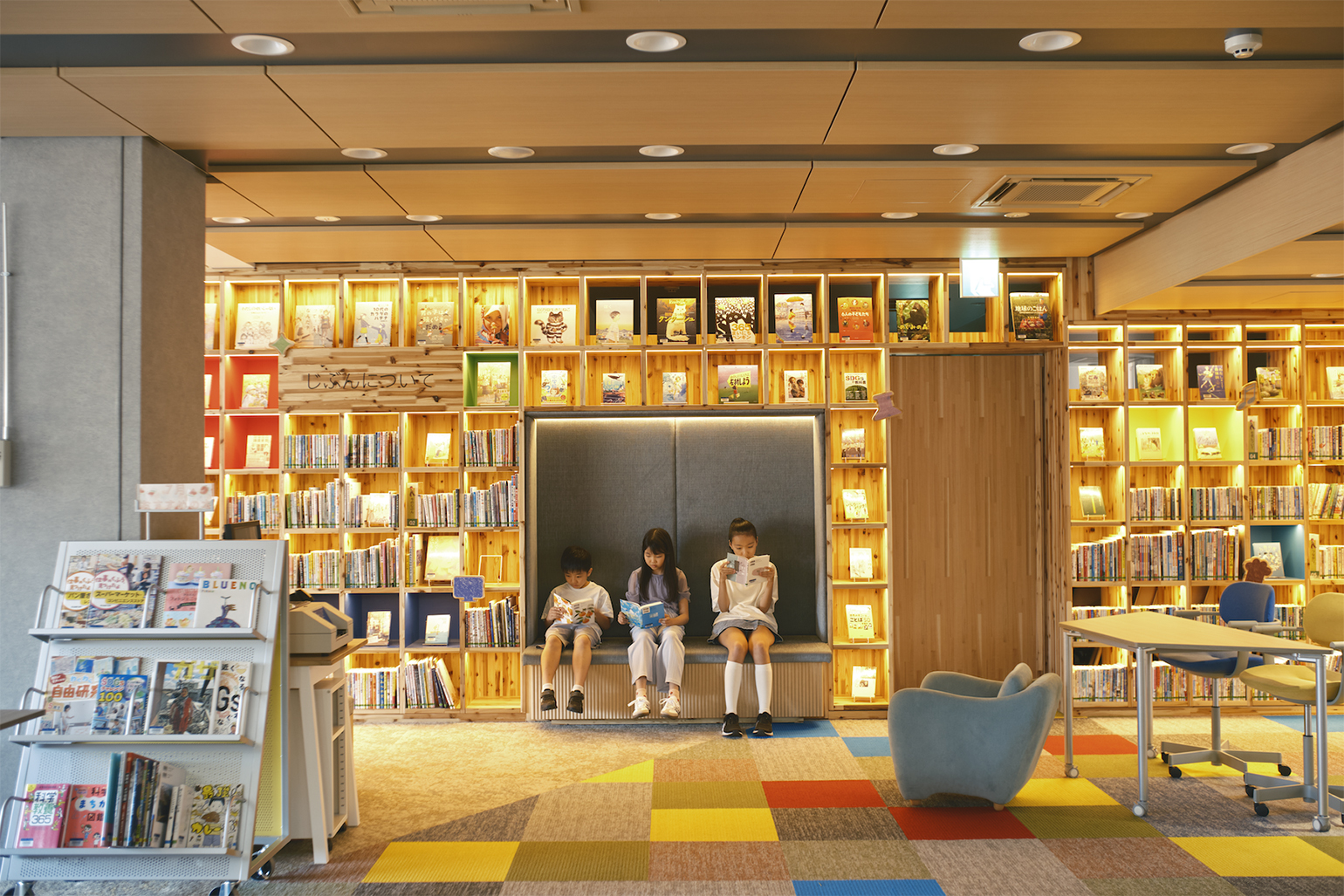
Kumagai: On the first floor, books selected by theme line the walls. We also have a main hall for events, study stations for self-study and work, and a relaxation zone for unwinding.
Books lining an entire wallStudying at the study station
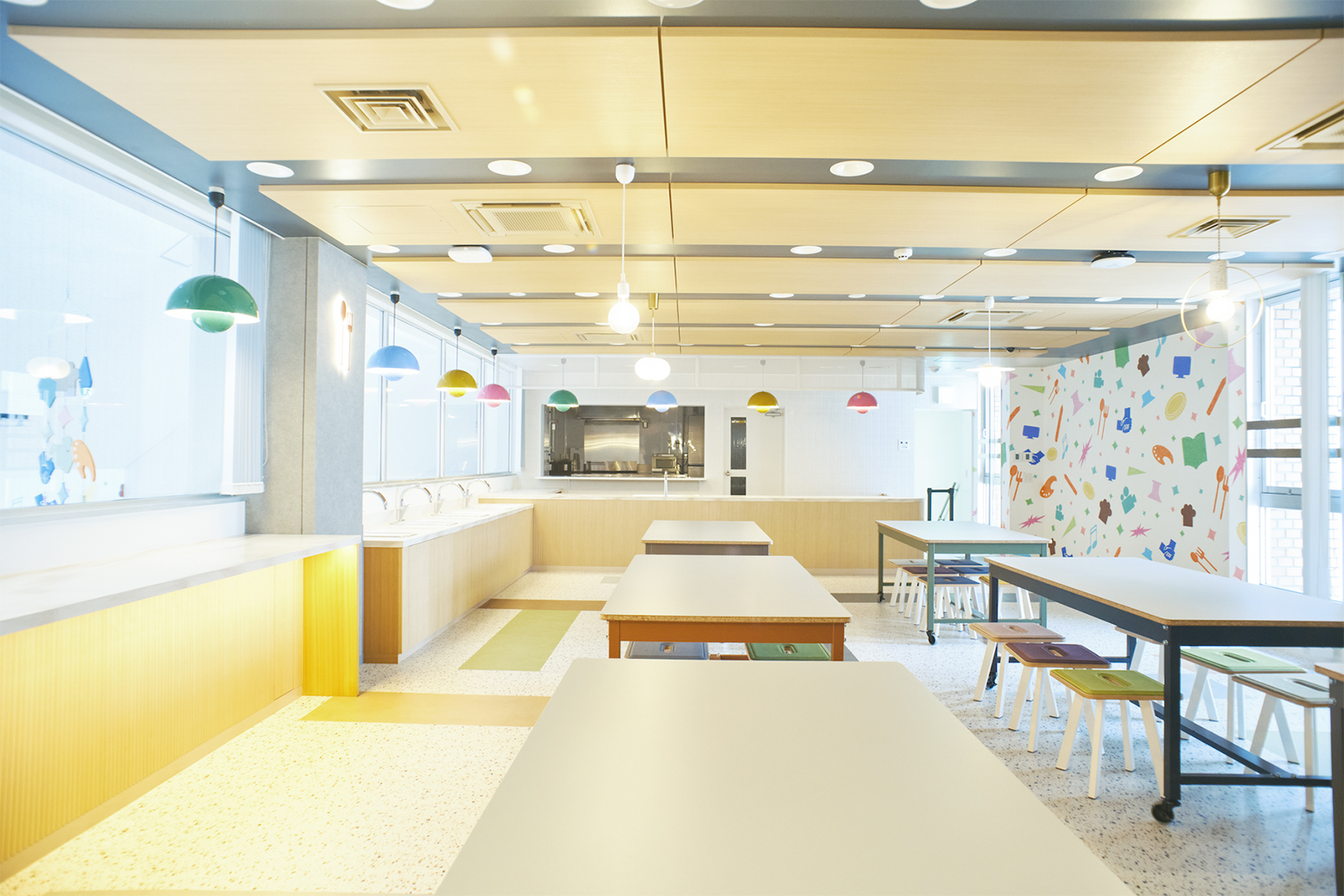
Kumagai: The second floor features a kitchen with cooking facilities, plus a dining space for programs like children's cafeterias and food education experiences. To preserve the site's history as a former bank, some areas still retain safe deposit boxes and vault doors.
Canteen Studio
Monthly CX: With so many different spaces, it seems like even adults could enjoy it.
Kumagai: Thank you. We focused on the logo and interior design to avoid a rigid, cookie-cutter learning facility, aiming for an immediate impression of "bright" and "fun." While prioritizing safety, we installed uniquely shaped furniture that's visually appealing and created small spaces between bookshelves. This creates a space where both active children and those who prefer solitude can relax.
Incidentally, the Dining Studio has also hosted events like "Adult Evening Gatherings," social gatherings for adults organized by Kagome, a major food manufacturer, featuring their corporate chef. It has also served as a networking venue for companies running experiential programs.
Monthly CX: What was the impetus for creating this facility?
Kumagai: The SMBC Group has long been committed to addressing disparities in children's education and experiences, and they expressed a desire to create a place that provides children with opportunities for hands-on learning. I myself was approached while involved in various space-creation projects at Dentsu Inc. Drawing on the expertise I had cultivated, I worked with the team to design the experience, discussing how to shape the space.
Monthly CX: While there are other facilities for children, what makes this one unique?
Kumagai: The facility's defining feature is its concept of "Enriching life through experiences and curiosity," providing what we call "the capital of curiosity." When children develop a sense of wonder and curiosity about things, they become interested in everything they see, and the possibilities in their lives expand greatly. We operate the facility with the hope that children will cultivate this curiosity that helps them forge their own paths, starting with the "Atelier Banrai," where we run various experiential programs.
The facility's name, "Atelier Banrai," combines "Banrai"—a portmanteau of "Banraku" (meaning "a place open to all children") and "Bank of Life" (a life bank where the wealth of experiences is stored)—with "Atelier," signifying a creative workshop.
Monthly CX: I'm curious about the reason for limiting the program to fourth through sixth graders.
Kumagai: This is largely due to the "fourth-grade wall" that children and parents face.
After-school programs and summer camps, which serve as places for children to go after school or during summer break, often only accept children up to the third grade. This means that fourth grade is a time when many children lose the after-school programs they previously took for granted, leaving them without a place to go. Simultaneously, club activities and extracurricular lessons become more active, leading to greater differentiation among children. This creates a problem where disparities in learning and experiential opportunities can easily widen.
Furthermore, the curriculum becomes more challenging starting in fourth grade, leading to an increase in children struggling academically. Emotionally, they mature, becoming more prone to stress from comparing themselves to others or beginning to enter a rebellious phase. Collectively, these environmental shifts are referred to as the "Fourth Grade Wall."
Parents also find it harder to manage every aspect of their child's life, including finding a place for them to belong. Our client and the Dentsu Inc. team shared the vision that it would be great if children in this sensitive period from fourth to sixth grade had a place where they could explore their own curiosity.
As a parent raising a six-year-old son myself, I paid meticulous attention to every detail to ensure the facility would be one I'd personally want to use when my child grew older. Since the client also had children, aligning our conceptual vision went smoothly.
Monthly CX: How have children and parents reacted when visiting the facility?
Kumagai: We've had a tremendous number of children visit, primarily 4th and 5th graders. It's truly wonderful to see them coexisting according to their own interests – some chatting excitedly with friends, others deeply engrossed in reading alone. We aimed to create a space that respects the freedom to be alone, not forcing experiences on them, so seeing them enjoy it as intended was deeply gratifying.
I hear that at one elementary school, nearly all the fourth graders are registered. Apparently, conversations like "Are you going to the atelier today?" are happening within the school. Children have also shared that even when they don't have plans with friends, they feel happy knowing that if they go to Atelier Banrai, someone will be there, and there are adults besides their teachers and friends who will listen to them.
Parents have shared that children who previously struggled with social activities are now enjoying time with friends through the programs. They also express confidence in sending their children, knowing the programs are operated by the SMBC Group.
Diverse program offerings and unique experiences made possible by SMBC
Monthly CX: I thought the experiential programs prepared in collaboration with about 35 organizations was also a unique initiative specific to this facility.
Kumagai: They cover a wide range, from food education to financial education, and each program offers truly unique experiences. For instance, Toridoll Holdings, which operates Marugame Seimen, runs a program where participants learn to make udon noodles, while Kagome offers a long-term program where kids experience everything from planting vegetable seeds to harvesting. Many diverse companies are involved. I believe this was only possible because the SMBC Group has strong connections with multiple companies.
Monthly CX: Kumagai-san, personally, is there a program that left a strong impression on you?
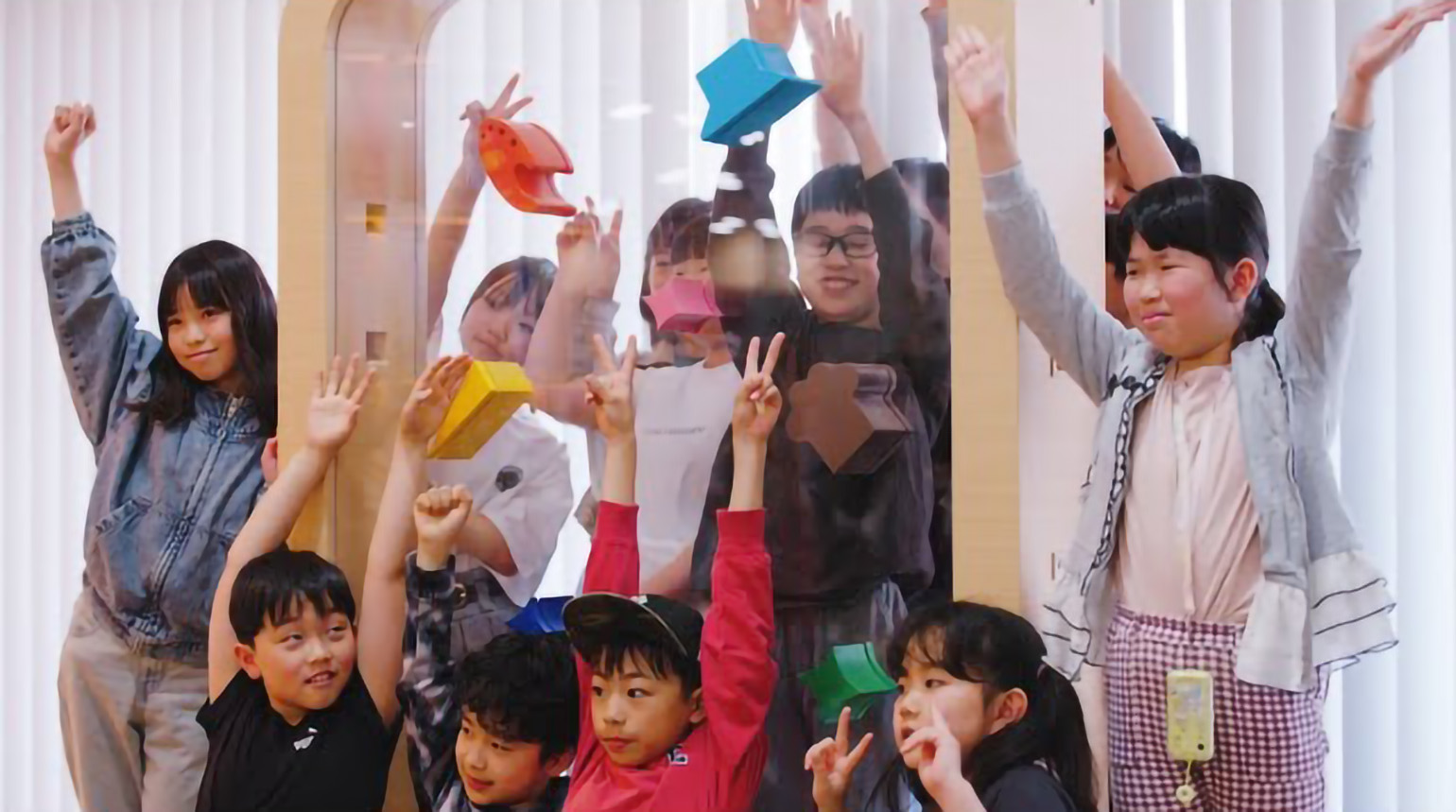
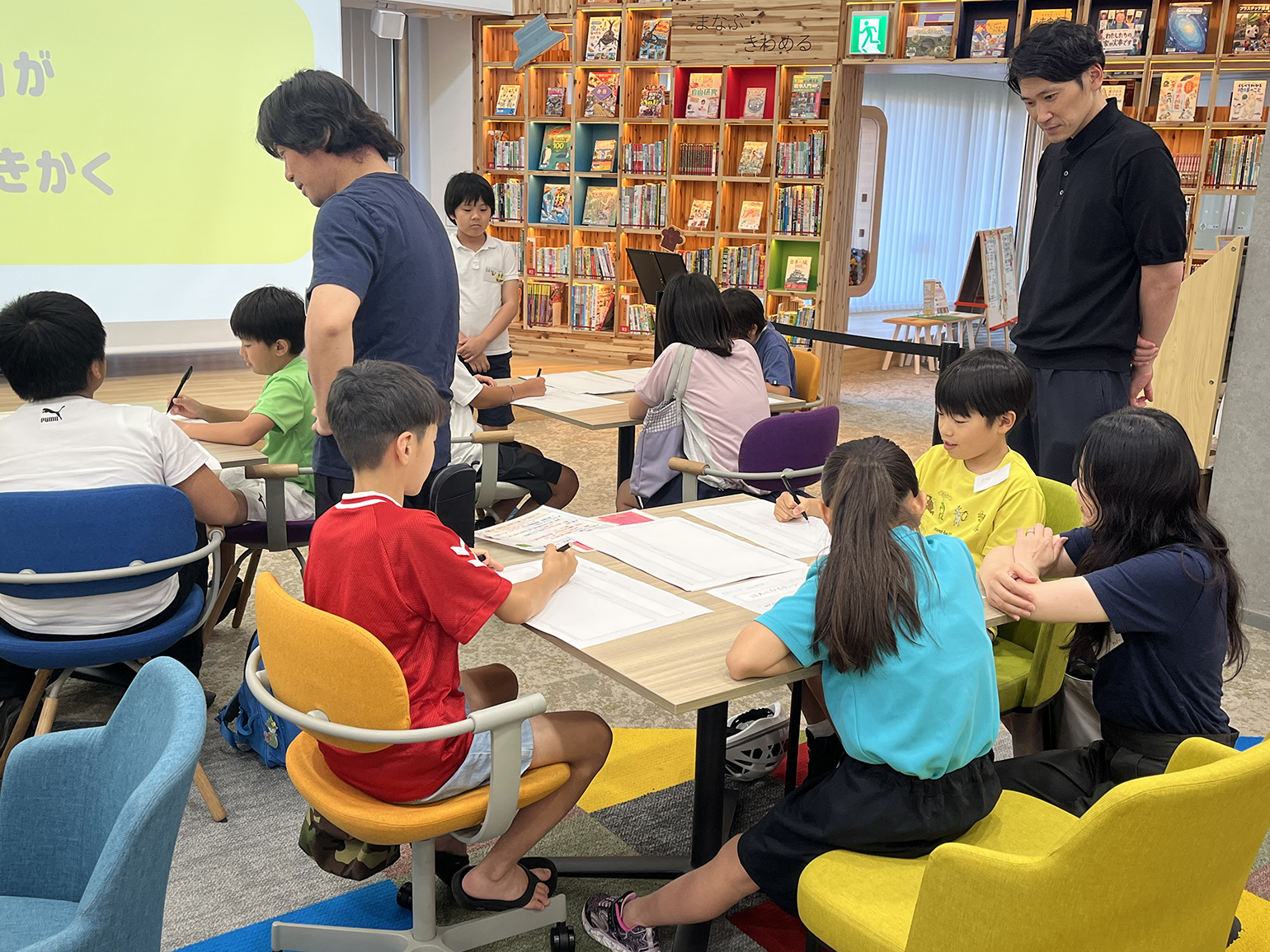
Kumagai: One program that stood out was one we've offered externally for some time now, where participants learn about finance in a game-like format. Another is "Kikaku no Gakko" (The School of Ideas), where copywriters and planners from Dentsu Inc. participate as instructors, allowing participants to experience planning and brainstorming. It was highly regarded as a very fruitful time, with children coming up with unexpectedly brilliant ideas.
Actual scene from "Kikaku no Gakko"
Monthly CX: When designing experiences for the bank-operated "safe space hub," what were your key points of focus?
Kumagai: First and foremost, we constantly considered what we could do to make it a safe and secure place for the children. Curiosity won't emerge unless it's a place where they can truly relax and feel at ease. Regarding the spatial design, we provided advice in consultation with SMBC Group personnel and representatives from other companies involved with the facility.
Book selection was also carefully curated. For example, placing rulebooks near soccer-themed novels creates experiences where children's interests and curiosity can naturally build upon each other. Another key point is offering books that are slightly more challenging than what you'd typically find in a school library.
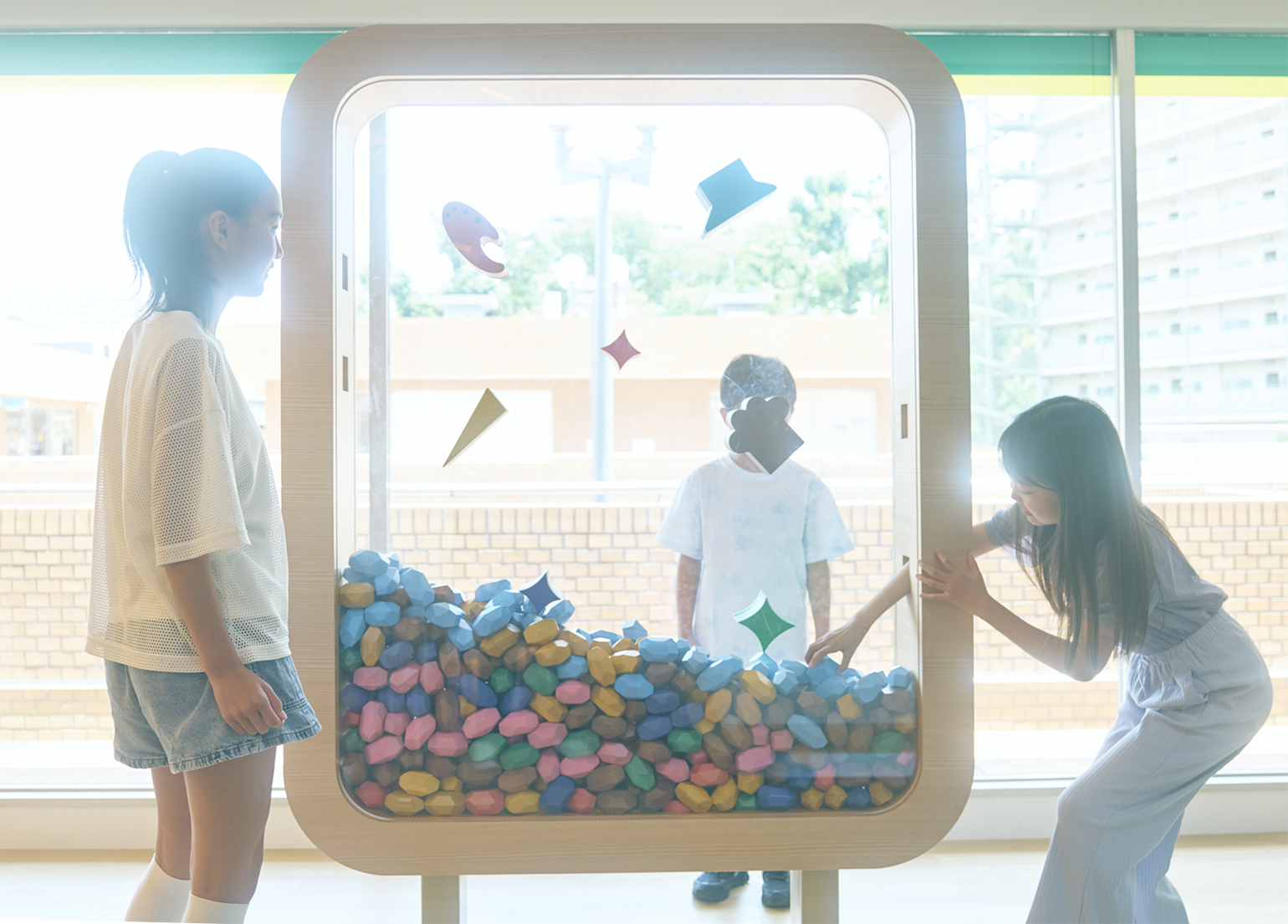
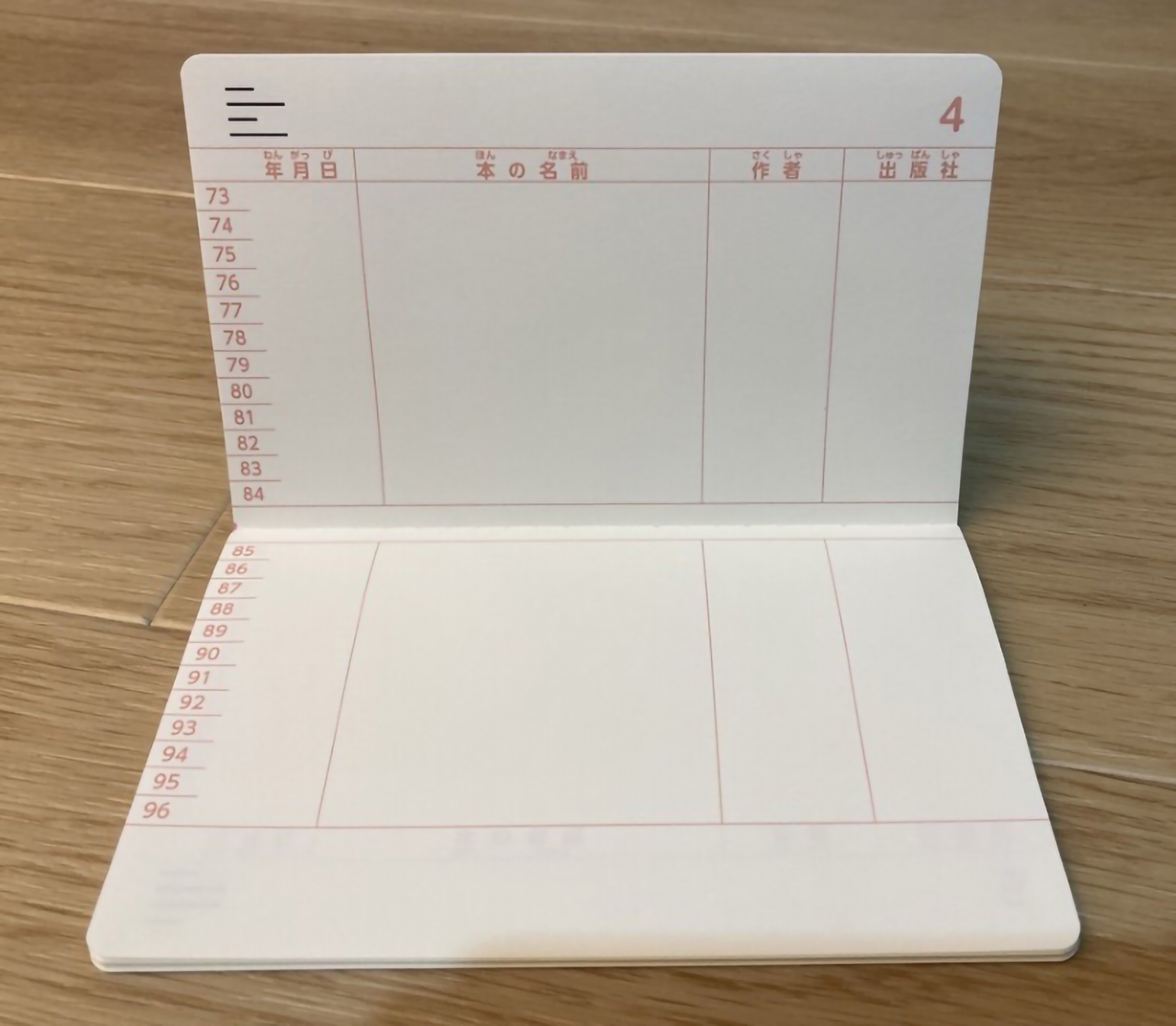
In terms of experiences leveraging the banking background, the "Token Post" is unique to this facility. After each weekly program, children insert a colored block (token) corresponding to the activity's theme.Visually storing their learning and experiences at Atelier Banrai as tangible assets boosts children's motivation and connects them to future experiences. The "Book Diary" is also unique. By swiping a passbook-style notebook through a dedicated machine, children can record the books they've read, just like making an entry in a bank passbook.
Token PostBook Diary
Monthly CX: So the essence of the banking experience is woven into the facility.
Kumagai: Exactly. Since we were repurposing a former bank site, I thought it would be best to offer experiences unique to a bank. That's why I proposed the Token Post and the Reading Memories Book. These mechanisms help eliminate any stuffiness, and the client seems pleased, saying, "In a good way, it's become a facility that doesn't feel like a bank."
Creating CX that preserves learned experiences in tangible form
Monthly CX: Could you share what you personally felt while interacting with the children during this project?
Kumagai: My child is only six years old, so we haven't faced the "fourth-grade wall" yet. But parenting involves various other challenges, like the "first-grade wall."
Working on this project made me realize that as children grow physically and mentally, the external educational support and places offering assistance decrease. Thinking about the future, it made me feel rather gloomy as a parent. However, precisely because of this, I felt that community hubs like Atelier Banrai are important not only for children but also for parents, and are places of significant social value.
Monthly CX: Mr. Kumagai, could you tell us what you were particularly particular about in designing the CX for "Atelier Banrai"?
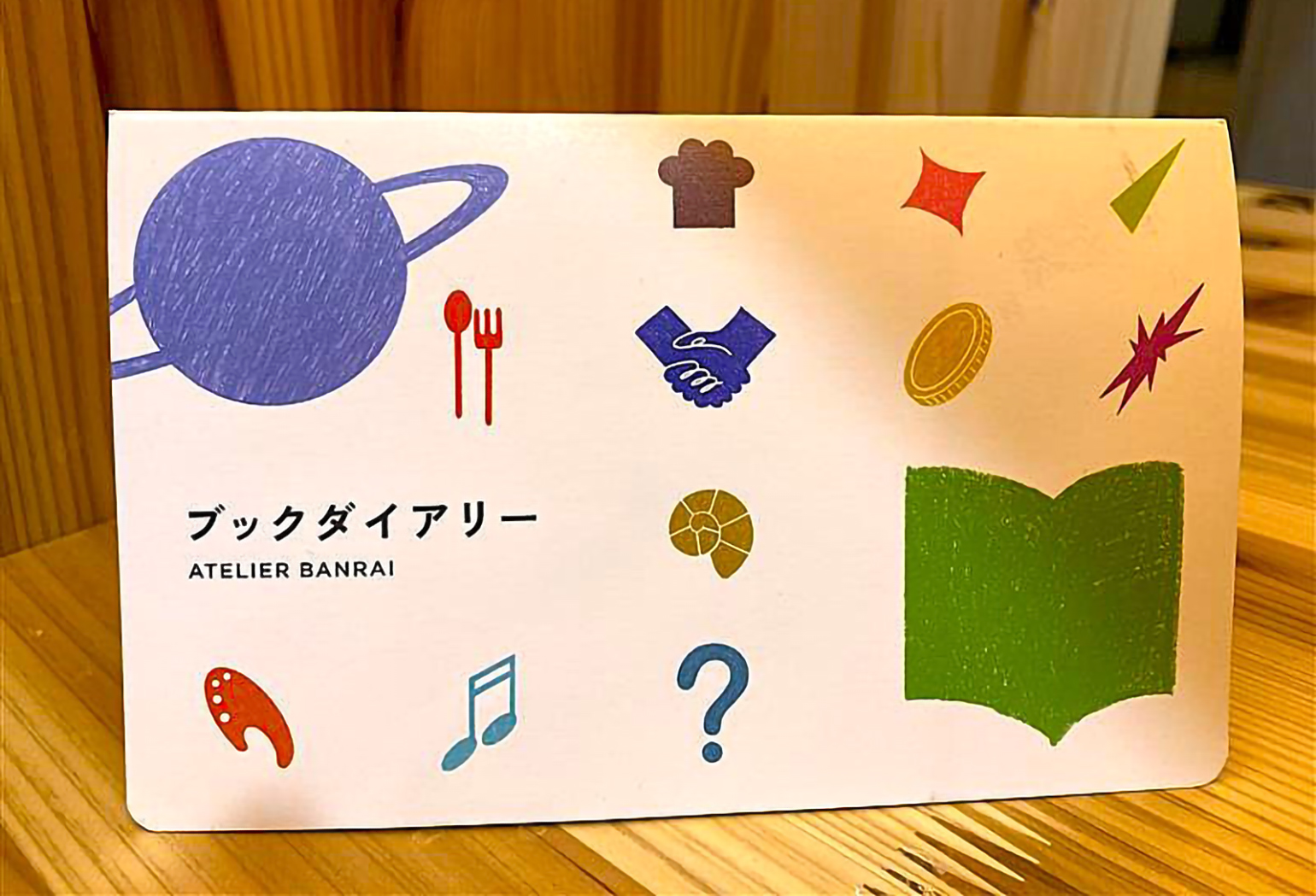
Kumagai: I focused intensely on how experiences are documented as tangible proof for the individual afterward, exemplified by the "Token Post." Even the Atelier Banrai logo incorporates the facility's shape with icons representing experiences, designed to convey the accumulation of these experiences. The crucial CX point was how to translate the experience into a tool that shows learning has become part of the individual – not just ending with the experience itself, but demonstrating that what was learned has become part of their very being.
Atelier Banrai Logo
Monthly CX: Finally, based on the insights you gained from this project, Kumagai-san, could you share any challenges you'd like to take on next?
Kumagai: I've been involved in projects addressing social issues like disaster prevention before, but most were short-term efforts launched and concluded within 3-4 months. This kind of long-term initiative, continuously improving over time, felt incredibly fresh and interesting. It was a truly rewarding project.
It would be wonderful if Dentsu Inc. could provide educational and experiential opportunities for children beyond this project. Personally, I've come to realize I want to be involved in long-term projects that solve social issues.
(Editor's Note)
This time, we heard about "Atelier Banrai-ITABASHI," a community hub for children opened by the SMBC Group in April 2025.
Centered on the theme "Curiosity as Capital," this facility provides children with diverse experiential opportunities. Leveraging the client's banking expertise, its key feature is CX that shapes and accumulates these experiences. The statement, "When a child's curiosity about something sparks, the possibilities in their life expand endlessly," is a golden rule applicable not just to children but to adults as well.
If you have requests for future topics or case studies like this, please send a message to the Monthly CX Editorial Department via the contact page below. Thank you for your continued readership.
Monthly CX Editorial Department Dentsu Inc. CXCC: Kibata, Koike, Otani, Okumura, Kosugi, Yi, Saito, Oda, Takakusagi, Kanasaka
The information published at this time is as follows.
Starting with design, I handle everything from advertising planning and branding to event planning and customer experience design. I've also participated in numerous projects addressing regional challenges and related to reconstruction/disaster prevention. Awards include Cannes Lions, AdFest, Spikes, the Grand Prix at the Dentsu Advertising Awards, and the Good Design Award.
The editorial team for "Monthly CX," a series where members of Dentsu Inc.'s CX-specialized division "CXCC" share insights on CX and creativity. By covering outstanding CX creative success stories within the agency or company, we unravel the essence and potential of CX creativity. Core members are Yoko Kibata, Hiroshi Koike, Nao Otani, Hirono Okumura, Yutaro Kosugi, Espin, Keisuke Saito, Kenji Oda, Hirozumi Takakusagi, and Motofumi Kanasaka, all belonging to CXCC.

 Monthly CX [36/39]