Dentsu Inc.'s Yutaka Miyakawa presents the serialized column "A Marketer Peeks into the World of Art."
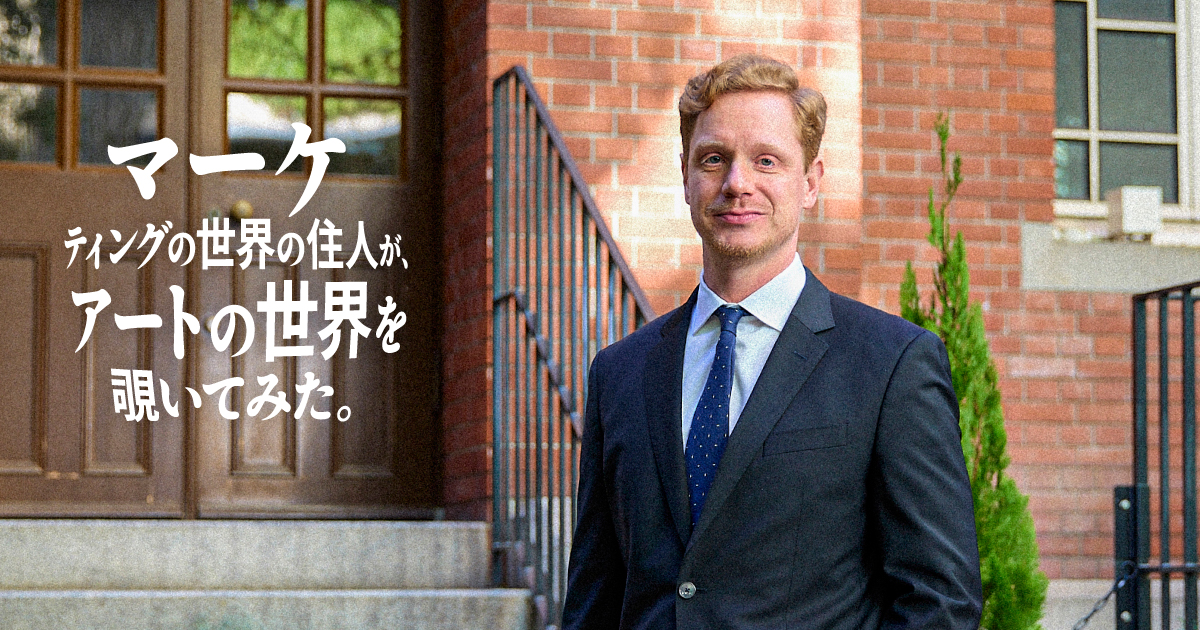
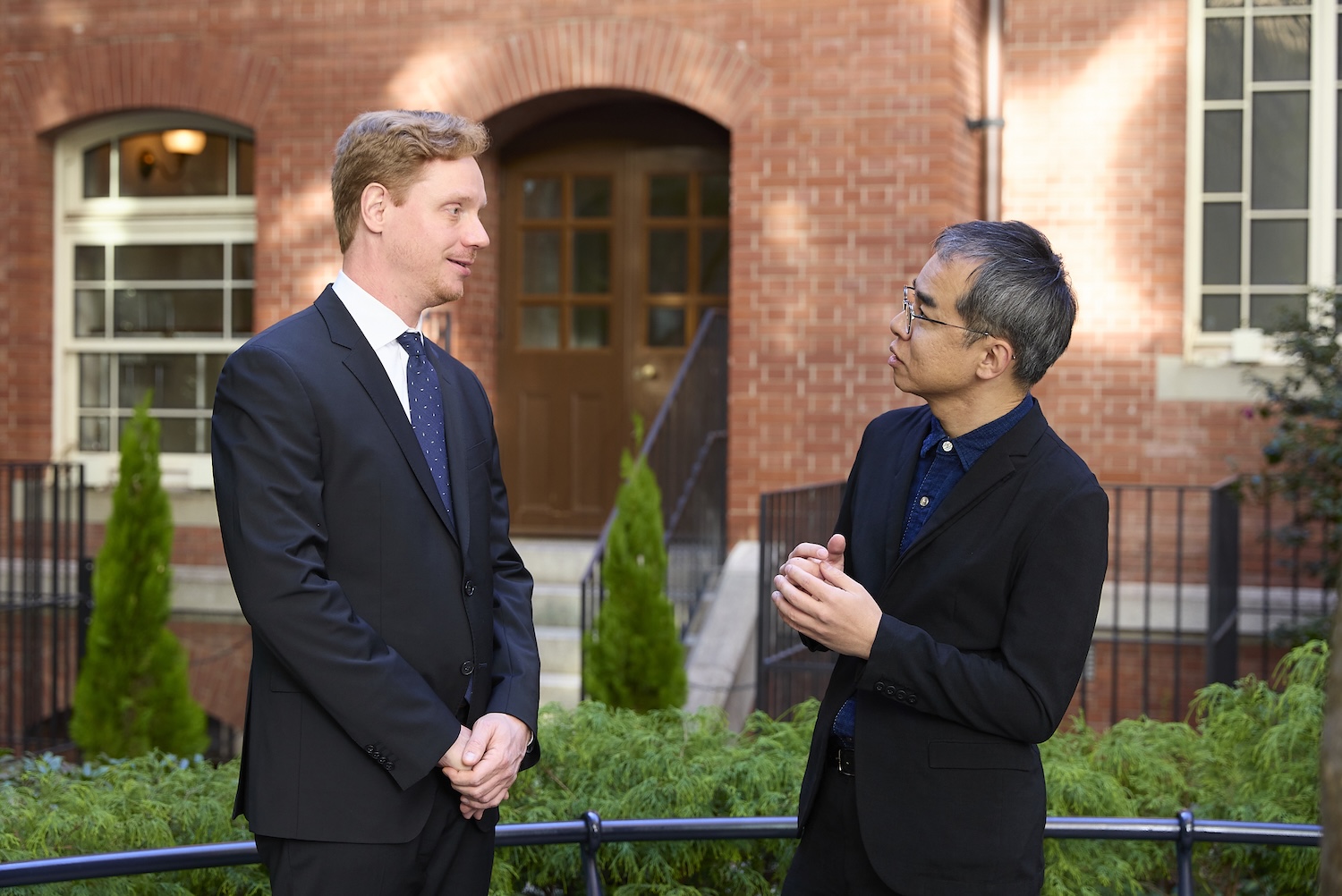
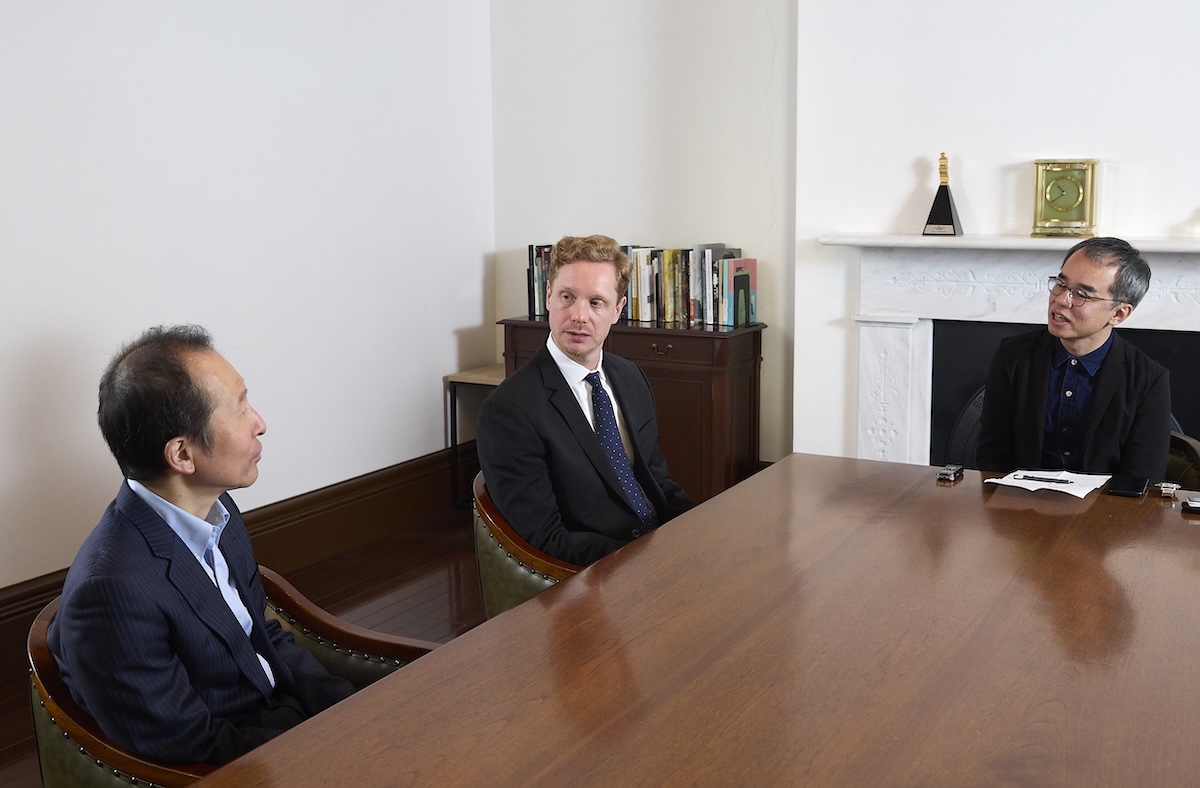
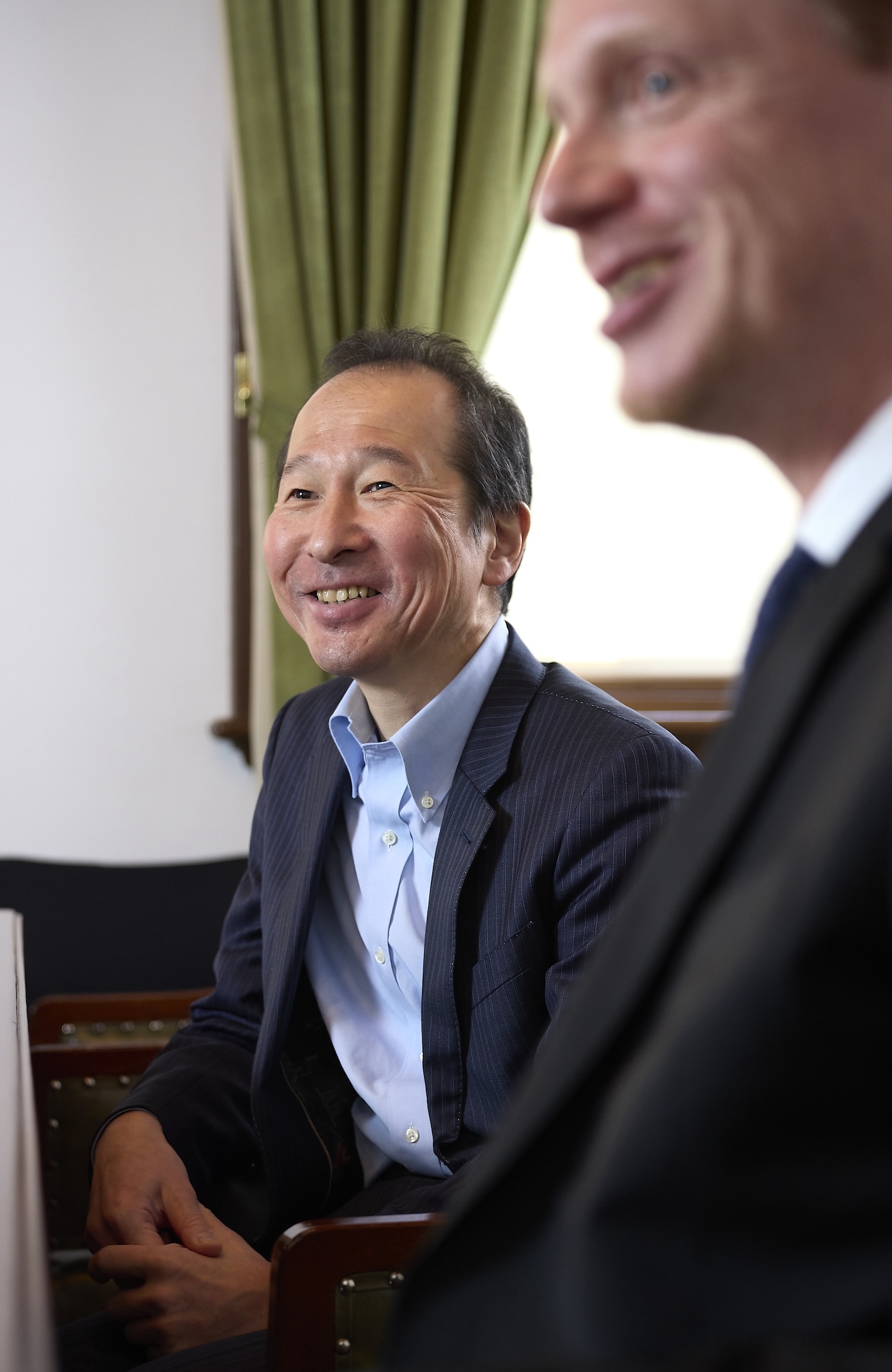
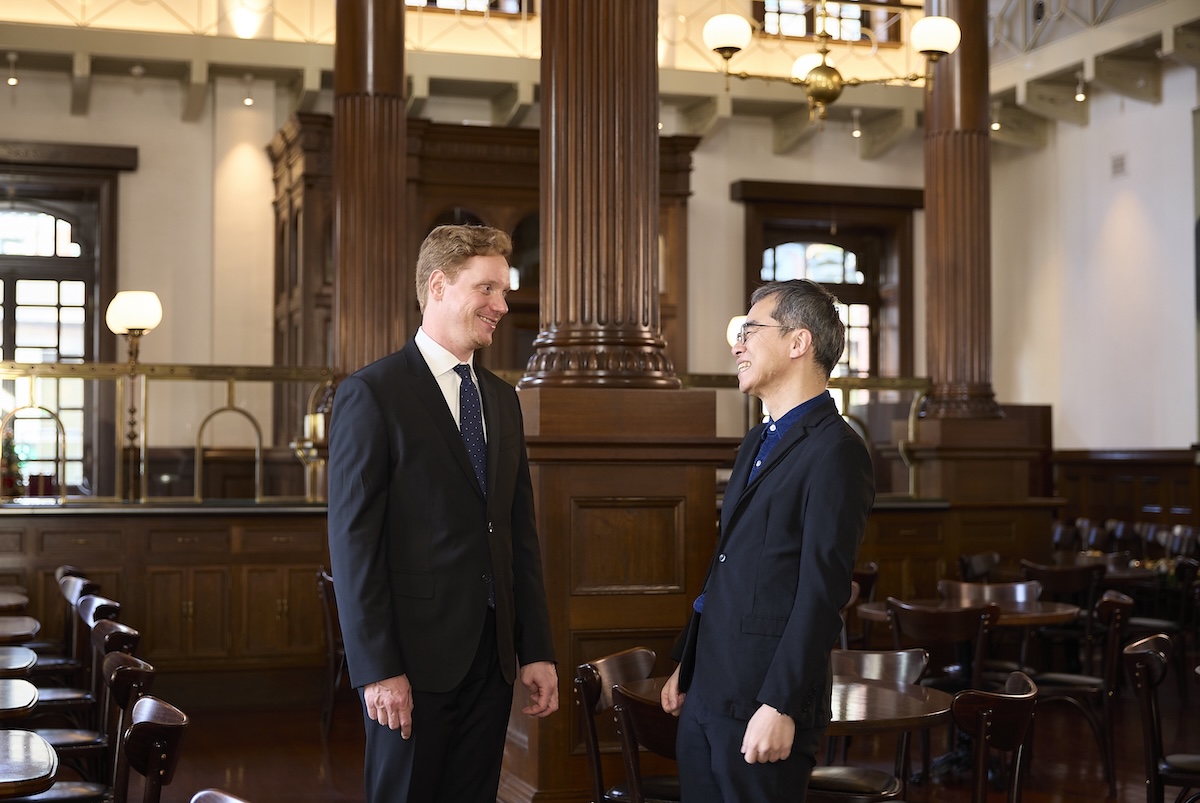
It had been a year and a half since my last meeting with Frank Feltens. In the interim, Mr. Feltens had been promoted to Chief Curator. I've worked alongside Mr. Feltens and others from the Smithsonian Institution's National Museum of Asian Art (hereafter, the National Museum of Asian Art) on their activities in Japan numerous times, and it's been nearly a decade now.I feel a strong sense of kinship with Mr. Feltens, and it's not just because we're close in age. While he is undoubtedly quite fluent in Japanese and a considerable Japanophile, phrases like "Your Japanese is quite fluent" or "You're quite the Japanophile" don't quite fit. It's more natural than that. I think a glimpse of this naturalness shines through in our conversation this time.
◆Did you want to become a diplomat?
Miyakawa: First, could you tell us about your specialty and introduce the National Museum of Asian Art?
Feltens: My specialty is Japanese painting, primarily from the 17th to 18th centuries. The National Museum of Asian Art has 17 curators in total. Among them, three, including myself, specialize in Japanese art, three in Chinese art, and the rest specialize in areas like Korea, the Middle East, and Southeast Asia. Among museums in the United States that handle Japanese art, the National Museum of Asian Art is undoubtedly one of the most well-equipped.
The National Museum of Asian Art's greatest strength is undoubtedly its collection. It began with Charles Lang Freer's collection a century ago and has steadily expanded since. In recent years, donations have dramatically increased the number of works. For Japanese art, the collection grew by about 3,500 pieces, now making up one-third of the entire museum's holdings and becoming the largest category.
Miyakawa: 3,500 pieces! That's enough to fill an entire museum on its own.
Feltens: While quantity is important, quality is paramount. Fortunately, the donated works are all of exceptional quality. In terms of genres, we have paintings, prints, photographs, and ceramics. Currently, I sense a significant "moment" for Japanese art within the United States. Behind this lies the presence of American private collectors as crucial stakeholders in Japanese art on a global scale.As these collectors age, they're reaching a pivotal moment: considering what to do with their collections, the meaning of their lives, and how they can give back to society. They're donating their collections, primarily to the National Museum of Asian Art. I believe this is a truly unique moment, perhaps unprecedented in history. It might not happen again in the future (laughs).
Miyakawa: Looking domestically in Japan, large-scale donations or bequests like these seem relatively rare. However, in terms of supporting culture, crowdfunding initiatives by museums and art galleries have made news.
Feltens: Achieving crowdfunding goals with large sums is truly wonderful news. On the other hand, I think it would be even more wonderful if a trend emerged where people support Japanese culture not just through one-time donations, but through regular contributions – nurturing museums together with a sense of affection. I believe Japan is gradually changing in this direction.
Miyakawa: Mr. Feltens, you often say, "To truly grasp sustainability, learning from art is the best way." Given that, could you tell us what initially drew you, a German, to Japanese art?
Feltens: Originally, I wanted to become a diplomat. I thought studying a difficult language like Japanese would be a shortcut to that career.I studied Japanese intensely at first. During my first year at a German university, I went to work in a tea field in Nara during summer break. It was my first time in Japan, and I experienced a huge culture shock. I made tons of mistakes. So many embarrassing memories. But I came back again during my second year, this time studying in Kyoto for a year. That year made me truly fall in love with Japan. Riding a mama-chari bike around the Kamogawa area. Kyoto back then wasn't as crowded as it is now; it was so comfortable (laughs).While experiencing traditional culture, I started thinking maybe being a diplomat was a bit too modern for me (laughs). I became completely hooked on Japanese art and culture. I took a ferry from Maizuru to Sapporo. I traveled to places like Aomori using the Seishun 18 Ticket. Seeing various regions of Japan very slowly by local train made me truly think this country is wonderful. That became the origin of my current career.
After graduating from a German university in 2008, I immediately entered a master's program at Columbia University in the US, where I met Sen Sōya of the Mushakoji Senke school. We interacted both academically and privately. I recall him hosting tea gatherings in my small apartment in New York's East Village.
After that, I studied abroad at Gakushuin University for four years starting in 2012. I was researching and writing for my doctoral thesis, and during that time, I thought about nothing but Ogata Kōrin. The person I interacted with most was someone from 300 years ago. Kōrin was my best friend (laughs).
Miyakawa: Like a timeless mentor, I see.
Feltens: Yes. And then I finally began working in Washington. Ten years have passed since then. It really feels like it flew by.
◆Quiet Soft Power
Miyakawa: Now, I'd like to delve into how you perceive the value of Japanese culture and Japanese art.
Feltens: Many people actually encounter Japan for the first time when they come to the National Museum of Asian Art. About 60% of our visitors are domestic American tourists. There are regions in the U.S. where people have absolutely no opportunity to experience so-called Japanese culture in their daily lives, so Washington becomes their first encounter. That's precisely why having a collection of high-quality works is so important.
Furthermore, since Washington is the political center of the United States, the Japanese art collection also serves a diplomatic function. American politicians and government officials come to the National Museum of Asian Art to learn about Japanese culture before traveling to Japan. Conversely, when hosting important visitors from Japan, we invite them to the museum to explain the role Japanese art has played.
Miyakawa: Around the time of the National Museum of Asian Art's 100th anniversary, Mrs. Yuko Kishida (then wife of Prime Minister Kishida) visited the museum. She viewed the "Pine Island Screen" by Tawaraya Sotatsu and observed the restoration of Japanese artworks. Mr. Feltens guided her, didn't he?
Feltens: To introduce American audiences to Japanese culture, to help visitors from Japan accurately understand the relationship and history between American and Japanese art, and to make Japanese art accessible to everyone—the presence of truly great works is indispensable. Otherwise, people might think, "So this is Japanese culture?"
Miyakawa: It seems you, who initially aspired to be a diplomat, have ended up practicing in a new form. That's wonderful.
Feltens: I might have become a little bit like a diplomat after all (laughs).
Miyakawa: The National Museum of Asian Art has a fantastic location, doesn't it? The National Mall in Washington is vast—I once walked its entire length out of curiosity, from the Lincoln Memorial to the Capitol, about 3 kilometers. The museum sits right in the middle of it.
Feltens: The National Museum of Asian Art opened in 1923, making it the very first national museum established in America. This was long before the National Gallery was founded. Objectively speaking, isn't that remarkable? America's first national museum dedicated not to European art, or even American art, but to Asian art. It seems to symbolize the very essence of America as a nation, its respect for diversity.
Miyakawa: The meaning and weight of Asian art having existed at the heart of the National Mall for over 100 years is immeasurable. How does Japanese culture compare from this perspective?
Feltens: Recently, there's been a global "Korean Wave," right? People enrolling in universities to study Korean, for instance. But Japan seems to have a more enduring popularity. Long before the term "Cool Japan" emerged, Japan's soft power has been deeply rooted and isn't easily diminished. This is also reflected in the visitor data for the National Museum of Asian Art.The largest group visiting the Japan Gallery is people in their 20s and 30s. That means new generations are definitely coming in. For young Americans, the perception that Japanese culture means anime and manga certainly exists. But using that as an entry point, they discover various other aspects of Japan. For example, at the National Museum of Asian Art, they might become interested in Katsushika Hokusai's original paintings or the unique art form of folding screens. Perhaps young people overseas show a stronger interest in Japan as a country than young Japanese do.
What captivates me is Japan's "Quiet Soft Power." In modern terms, it's the quiet power of "support." Isn't this a universal charm, an overwhelming appeal that many people recognize?
Miyakawa: "Quiet" here means something like serene, natural, unobtrusive, right?
Feltens: I don't think we need to demand a situation where Netflix is flooded with Japanese content. Japan's unique Quiet culture feels less novel and more like it's becoming part of European, American, and global culture. This Quiet charm extends beyond Zen and tea ceremonies to things like trains arriving punctually, or even popular cafes serving delicious food with a touch of dedication.
Miyakawa: As a Japanese person living in Japan, hearing perspectives like Mr. Feltens's makes me realize things I hadn't seen before, leading to rediscovery. Following this thread, I'd also like to hear about exhibitions where one might experience the value of Quiet firsthand.
◆ "Discovering a New Me at Mitsubishi Ichigokan Museum"
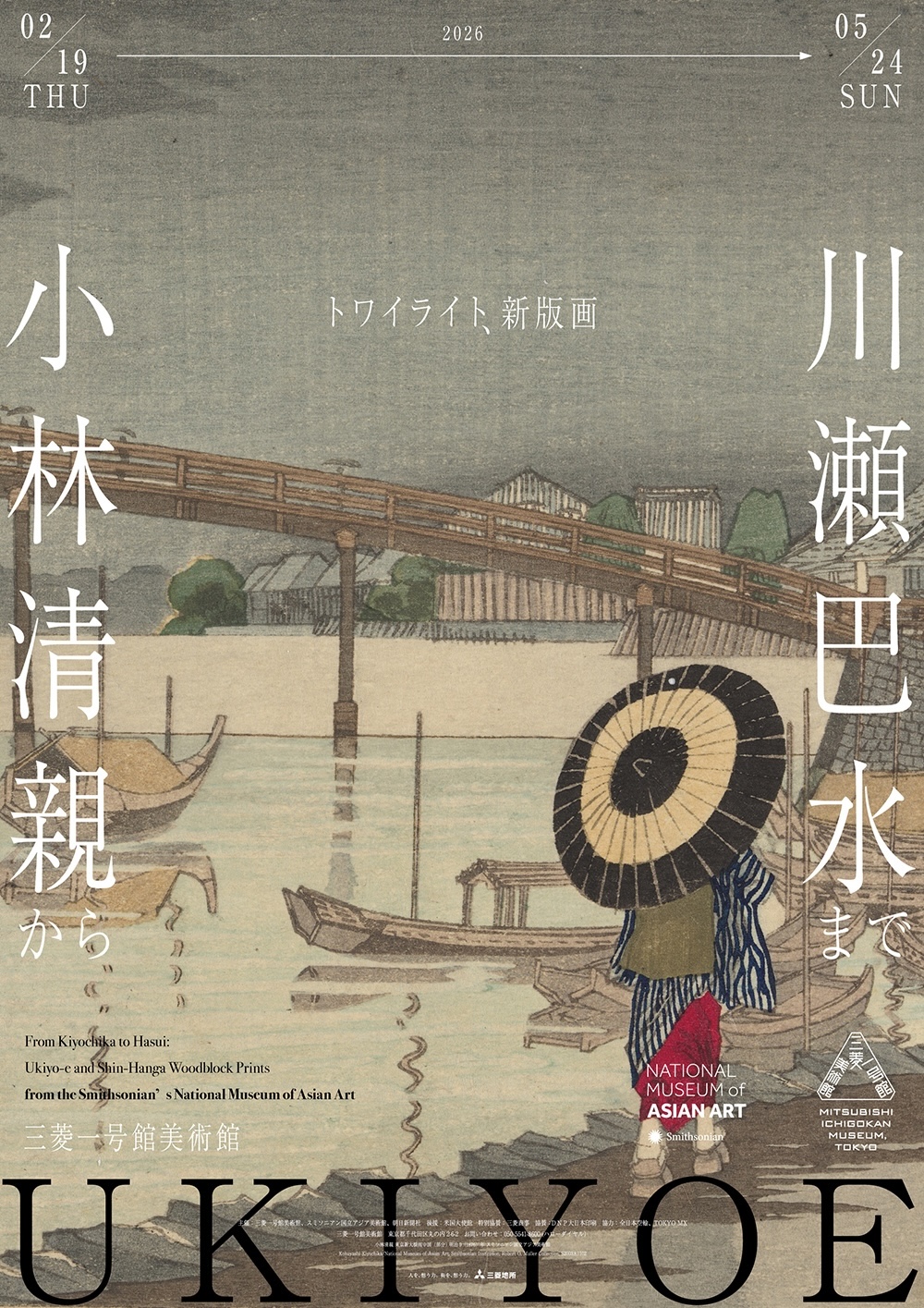
Miyakawa: Now, we'll also welcome Mr. Reiichi Noguchi, Senior Curator at the Mitsubishi Ichigokan Museum.Mitsubishi Ichigokan Museum, which carries the brand slogan "Discover a New Me," will host the exhibition 'Twilight: New Printmaking – From Kiyochika Kobayashi to Busui Kawase' from Thursday, February 19, 2026, to Sunday, May 24, 2026. This exhibition was made possible through loans of works from the National Museum of Asian Art. Mr. Noguchi, as the curator in charge, could you first tell us about the exhibition?
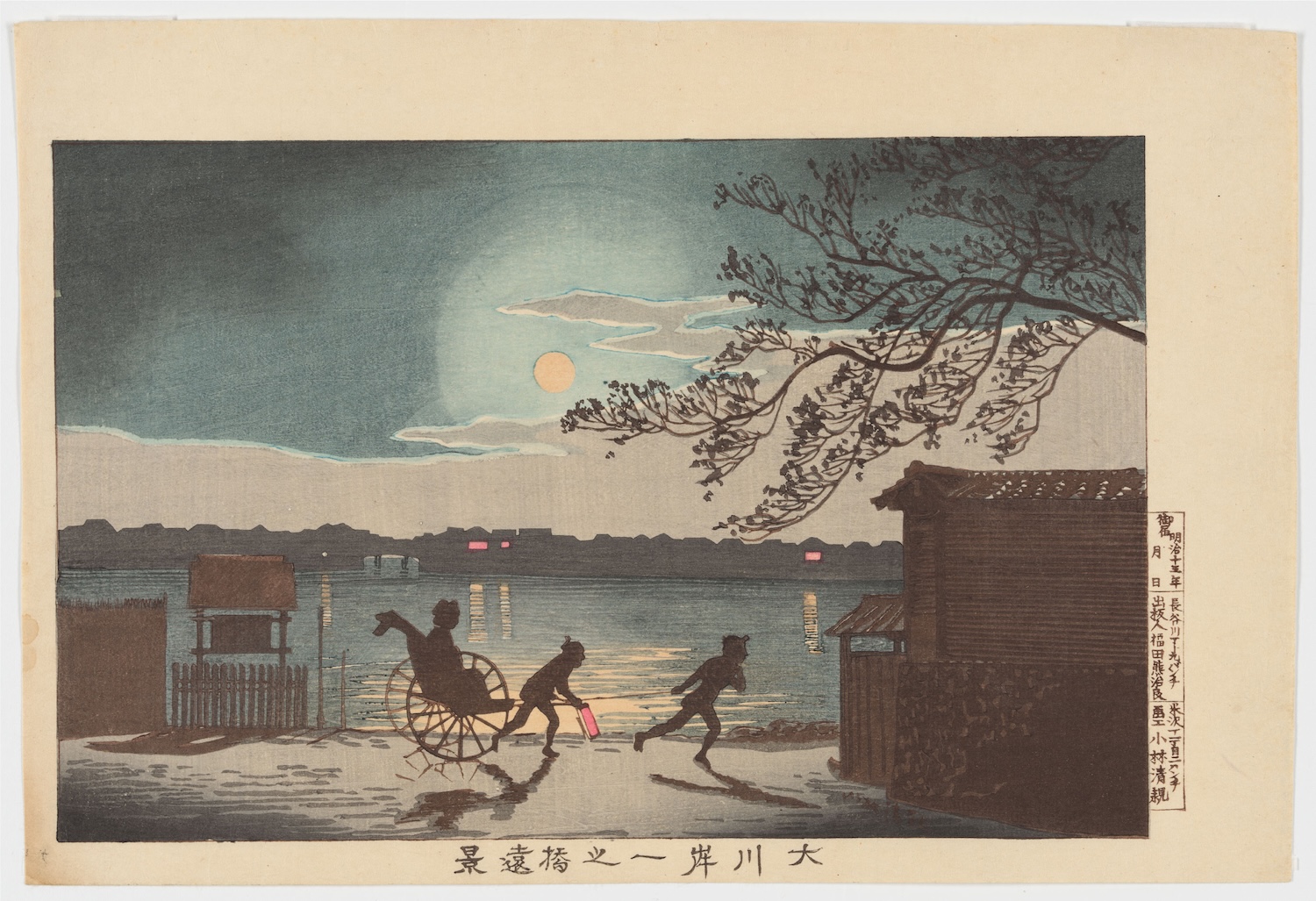
Noguchi: This exhibition focuses on prints depicting the landscapes of modern Japan, spanning from the late Edo period to the early Showa era. It features works from the transition period between ukiyo-e and Shin-hanga (New Prints). Our primary focus is on the ukiyo-e artist Kobayashi Kiyochika.As ukiyo-e underwent modernization during the Meiji era, a style known as "kaika-e" (Enlightenment-era prints) emerged. Kiyochika's style, however, was somewhat different. Kaika-e tends to be brighter, capturing the positive changes in society. In contrast, his works often feature subdued color tones and overcast skies. His style seems to rediscover the atmosphere of Edo within the changing landscape of Tokyo.Within ukiyo-e itself, he absorbed and reproduced techniques more akin to Western painting, such as the use of chiaroscuro. These new works came to be called "light-ray paintings" (kōsen-ga). However, Kiyochika's own production of light-ray paintings was brief, spanning only about five years starting in 1876 (Meiji 9). His disciple, Inoue Anji, later continued the style, but he too passed away soon after. Consequently, the period during which light-ray paintings were created was actually very short, making them all the more valuable.
By the time of the Russo-Japanese War, towards the end of the Meiji period, the spread of photography led to a decline in ukiyo-e as a medium. However, publishers like Watanabe Shōzaburō, who lamented this decline and sought to create new prints, referenced artists like Kobayashi Kiyochika. They produced prints that rediscovered the landscapes of Japan and Tokyo at that time. This is what is known as "Shin-hanga" (New Prints).Artists like Yoshida Hiroshi and Kawase Hasui are notable names, but ukiyo-e also held great interest for foreigners, who participated in its creation. This exhibition features the painter Charles Bartlett.
Kobayashi Kiyochika and the subsequent Shin-hanga artists. This exhibition traces the flow of modern landscape prints.
Kobayashi Kiyochika / Distant View of Ichinohashi Bridge on the Okawa River, Meiji 13 (1880), Smithsonian Institution, National Museum of Asian Art,
Miyakawa: Are the main works in this exhibition primarily from the National Museum of Asian Art's collection?
Feltens: Most of the works are from the National Museum of Asian Art. With about 120 pieces, this is the largest loan in the history of the National Museum of Asian Art. Earlier, I mentioned the significant "moment" for Japanese art in the United States. Robert O. Müller, who was both an art dealer and a collector of Shin-hanga prints, donated his collection to the National Museum of Asian Art. These works are now returning to Japan in the form of an exhibition.
Also, 2026 marks the 250th anniversary of the founding of the United States, so I strongly wanted to realize this collaboration with Japan at that time. I am very honored that this exhibition is being co-hosted with the Mitsubishi Ichigokan Museum.
Noguchi: The current Mitsubishi Ichigokan Museum building is a restoration, but it was originally designed at the end of the 19th century, when Japan opened its doors to the world, and one of the museum's major themes is East-West exchange. There is a large time difference between Washington and Tokyo, but we had many discussions.
Miyakawa: Without any arguments or anything (laughs)?
Feltens: It was incredibly easy to work together (laughs). We spent four to five years preparing, and I believe our first face-to-face meeting was also in this room. Mr. Noguchi even came to Washington and helped us consider various themes.
Noguchi: The exhibition period is about three months, which is quite long for a Japanese art exhibition. We are also deeply grateful to the National Museum of Asian Art for their special arrangement allowing us to avoid changing the display during that entire period.
Feltens: The design of the Mitsubishi Ichigokan Museum by Josiah Condor is from the same era as the works in this exhibition, so it feels perfectly suited. The room size and wood grain finish are wonderful.
Noguchi: Back then, Kawase Hasui painted the scenery and the Western-style buildings designed by Josiah Conder at the Fukagawa villa of the Iwasaki family, the founders of Mitsubishi—now known as Kiyosumi Garden. It's said that Mitsubishi used these paintings to create novelty prints distributed domestically and internationally, which became the catalyst for Hasui's recognition in Europe and America. The exhibition touches on this point as well.
Miyakawa: I also saw news that Mitsubishi Corporation is providing $1 million in support to the National Museum of Asian Art over five years. Mitsubishi Corporation is a special sponsor of this exhibition as well, right?
Feltens: Mitsubishi Corporation has been sponsoring us since 2015. I think it's truly wonderful that we've been able to realize this exhibition in Japan and further deepen the relationship between Japan and the United States.
◆Treat it with care, but please enjoy it casually!
Miyakawa: Finally, a message for our readers. First, Mr. Feltens, please.
Feltens: I believe Japanese businesspeople approach their work with genuine dedication and give it their all. For precisely such individuals, seeing something different from the business scene—that is, visual organization and the organization of thought—can be highly effective.Physical experiences outside the business world should positively impact performance as business professionals. In the U.S., museums are established as places for resetting, recharging, and gaining new energy. Japan also has many well-equipped museums and art galleries, so I think it's good to consider them as accessible places for refreshment. They also become places for new learning, so why not visit them casually?
Miyakawa: Mr. Noguchi, please share your thoughts.
Noguchi: Not really a message, but... In Mr. Felten's talk, he mentioned how Japanese culture has become part of Western culture. Thinking about it again, I realized that might be true. Elements like Japanese minimalism have influenced Apple products, while aspects like spirituality and spatial use have impacted Western architects, leading to attention on such buildings.To Japanese people, these might appear as new, fresh things emerging in the world. But looking more closely, perhaps they embody very ancient Japanese traditions that are still alive. Gaining this perspective makes our traditional culture feel less like something old and distant, and more like something continuous and close to our current culture. I feel Japanese people themselves often don't really notice this.
Feltens: Japanese culture and art are incredibly important. We must cherish them. To do that, I think enjoying Japanese culture is the way to go. It's not just a pastime for the wealthy. For example, buying a rice bowl and slowly enjoying tea at home. I think anyone can do that. Japanese art is full of these small pleasures. Please try various things. I believe that also supports the culture.
Image Production: Satoshi Iwashita
The information published at this time is as follows.
Smithsonian Institution National Museum of Asian Art
Curator, Head of Japanese Art
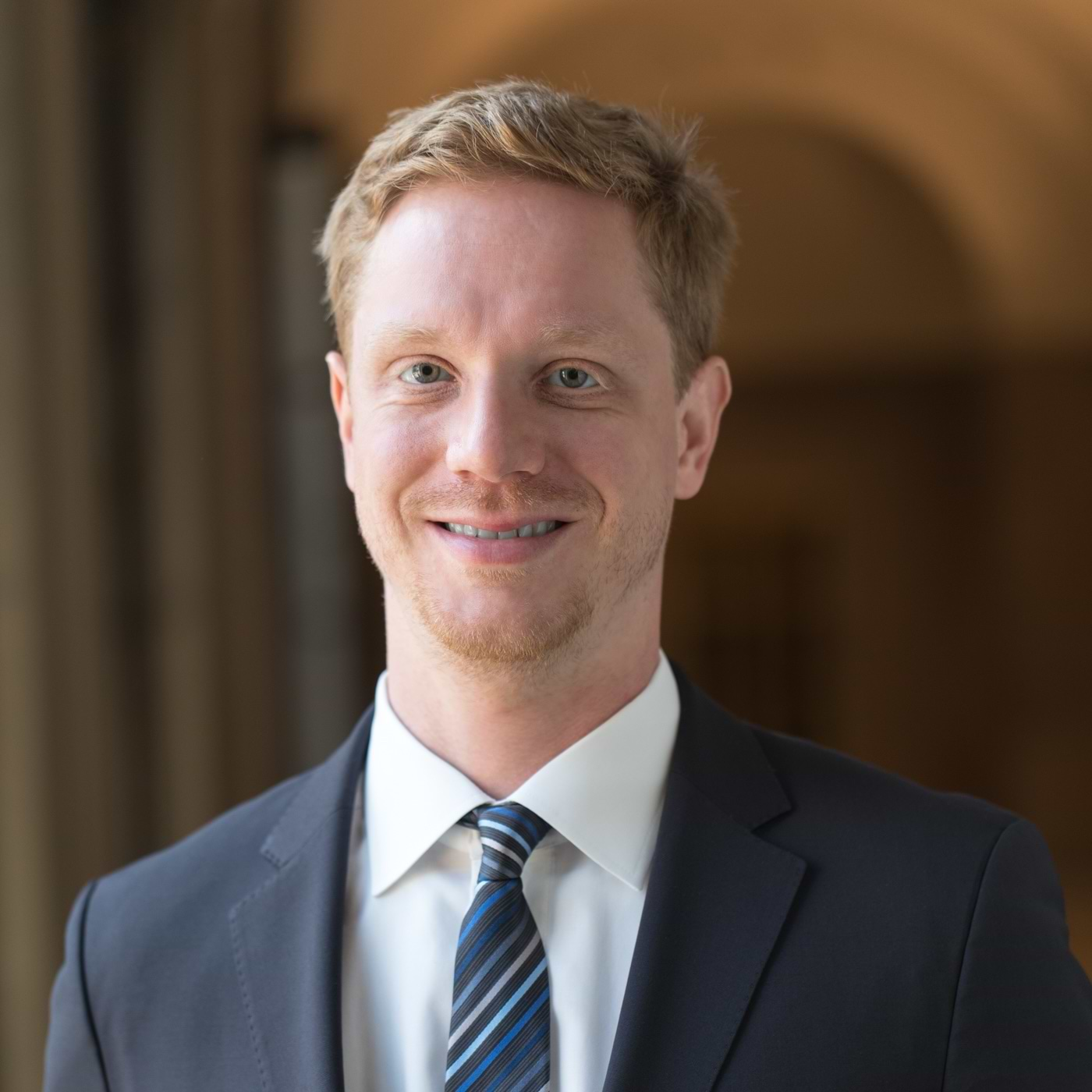
Specializes in late medieval, early modern, and modern Japanese painting. After studying at Gakushuin University, earned a Ph.D. in Japanese Art History from Columbia University in 2016. Following work and research at the Museum of Modern Art (MoMA), Berlin's National Museum of Asian Art, the Nezu Museum, and Sensoji Temple, has served as Curator and Head of Japanese Art at the Smithsonian Institution and the National Museum of Asian Art since 2017.Urasenke Tea Ceremony Master. (Photo: Robert Harrell)
Reiichi Noguchi
Mitsubishi Ichigokan Museum
Senior Curator
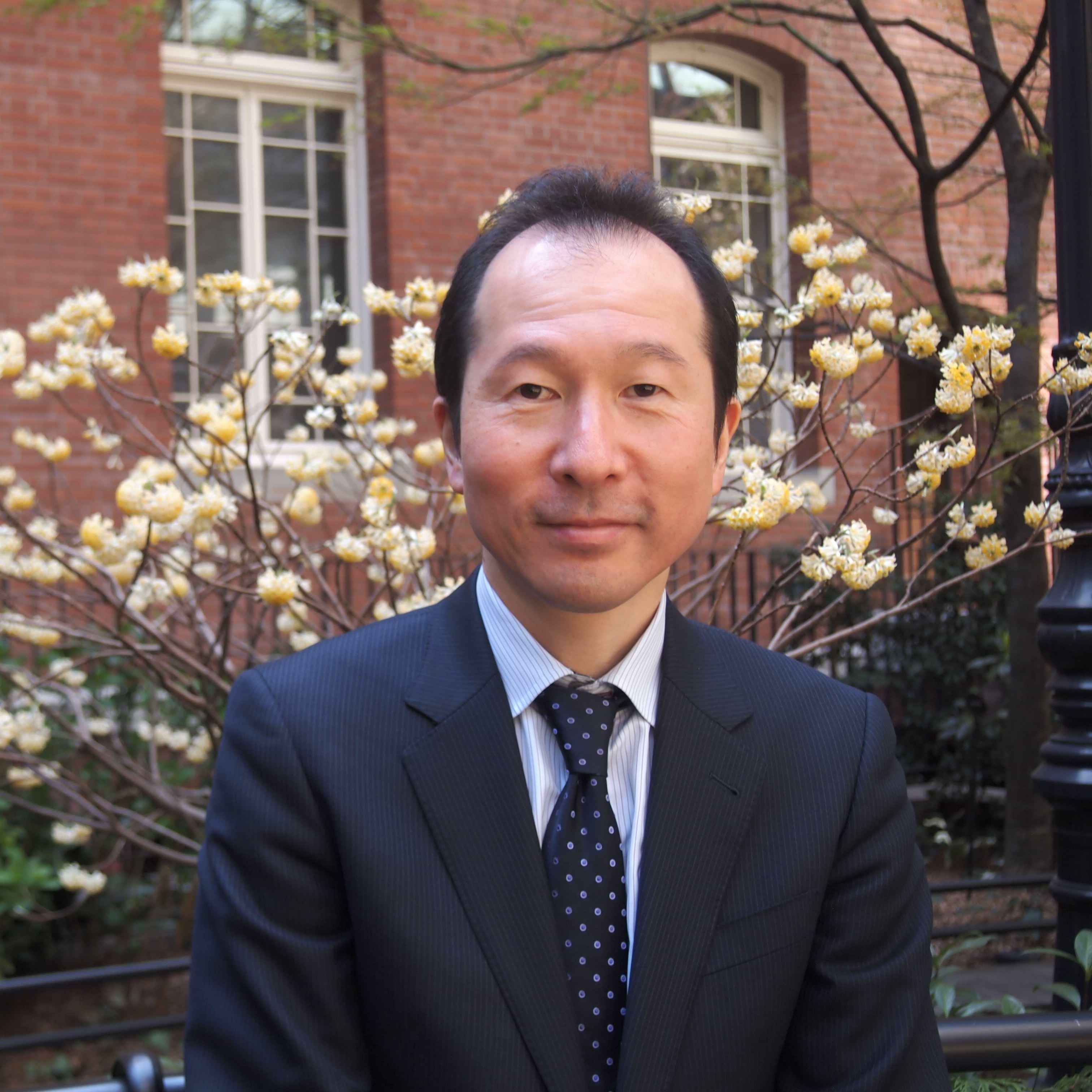
Graduated from the Graduate School of Tokyo University of the Arts. Served as a curator at the Museum of Contemporary Art Tokyo from 1993 and at the Tokyo University of the Arts Museum from 1996, organizing exhibitions of modern and contemporary Japanese art. Also involved in the operation of the ongoing regional art event "art-Link Ueno-Yanaka" since 1997.From 2004, served as an Arts and Culture Research Officer at the Agency for Cultural Affairs, working on the planning of the "DOMANI: The Art of Tomorrow" exhibition, overseas training programs, and the Japan Media Arts Festival. Assumed current position in 2011.Curated exhibitions include: Ukiyo-e Exhibition (2013), "The Painting Demon: Kyosai" Exhibition (2015), "Mitsubishi's Treasures" Exhibition (2021), and "Hōki and Hōnen" Exhibition (2023).
Yutaka Miyakawa
Dentsu Inc.
Marketing Division 5
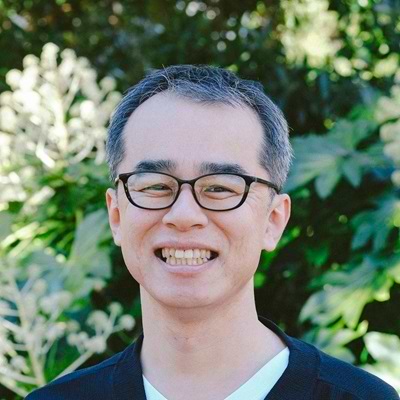
Consultant
After the Great East Japan Earthquake, I began to feel a desire to reflect on Japanese culture and future generations.

 A resident of the marketing world peeked into the world of art. [13/16]