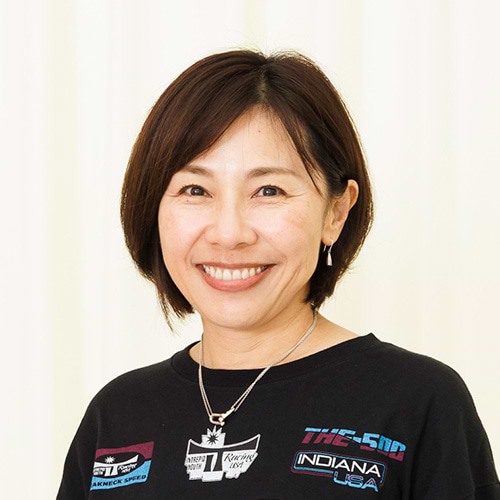
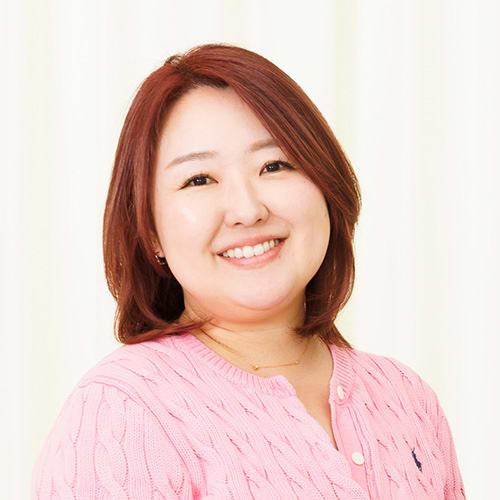
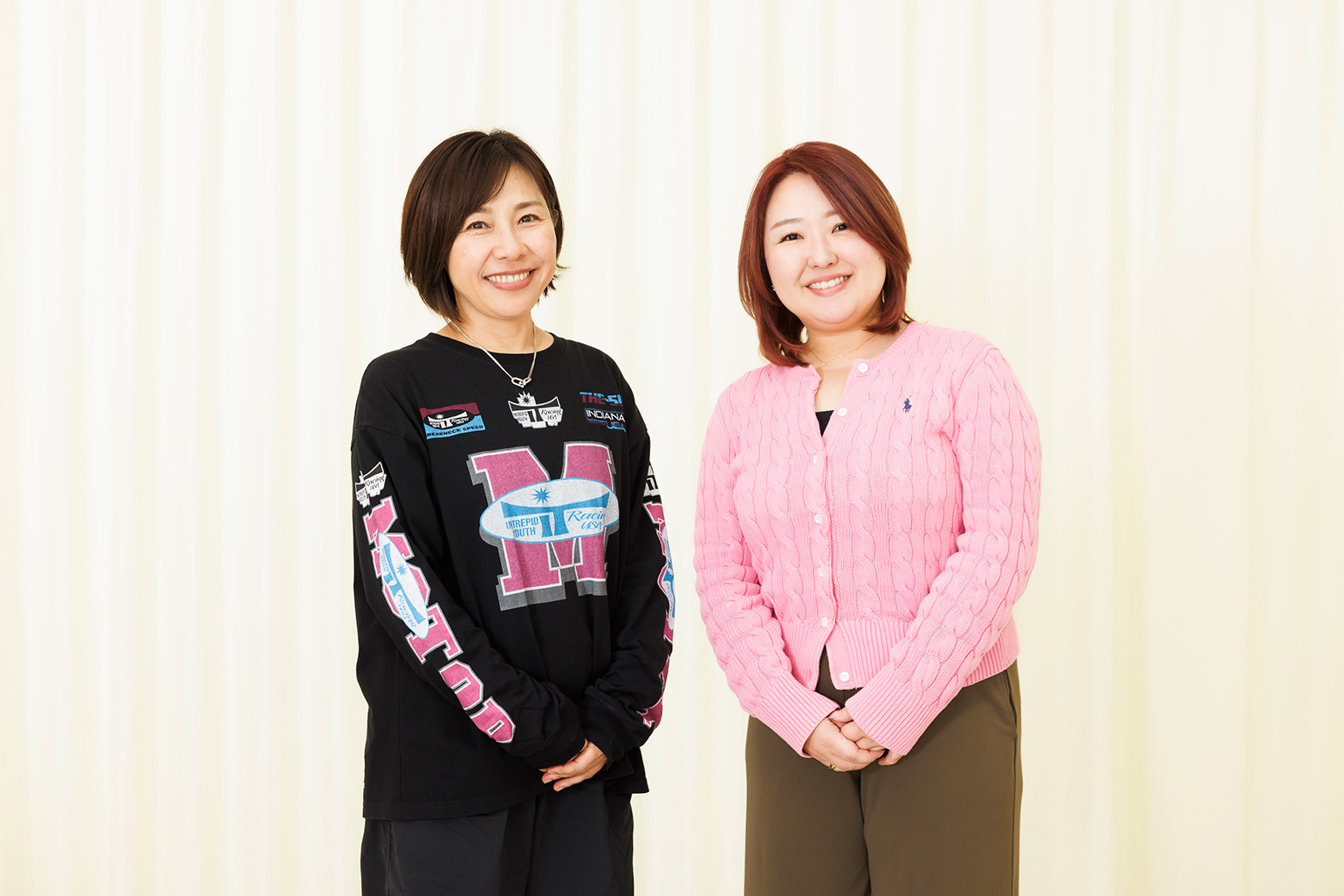
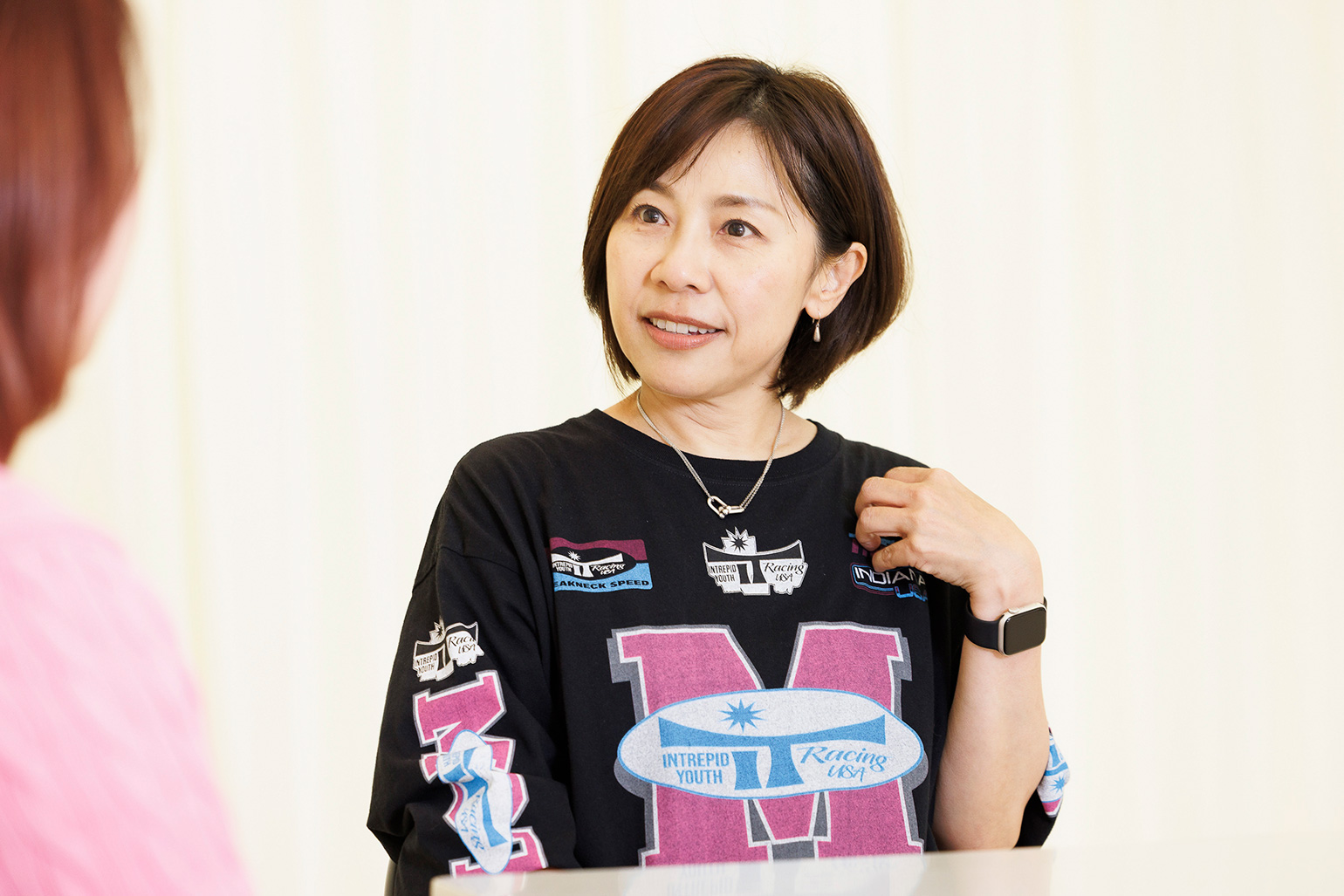
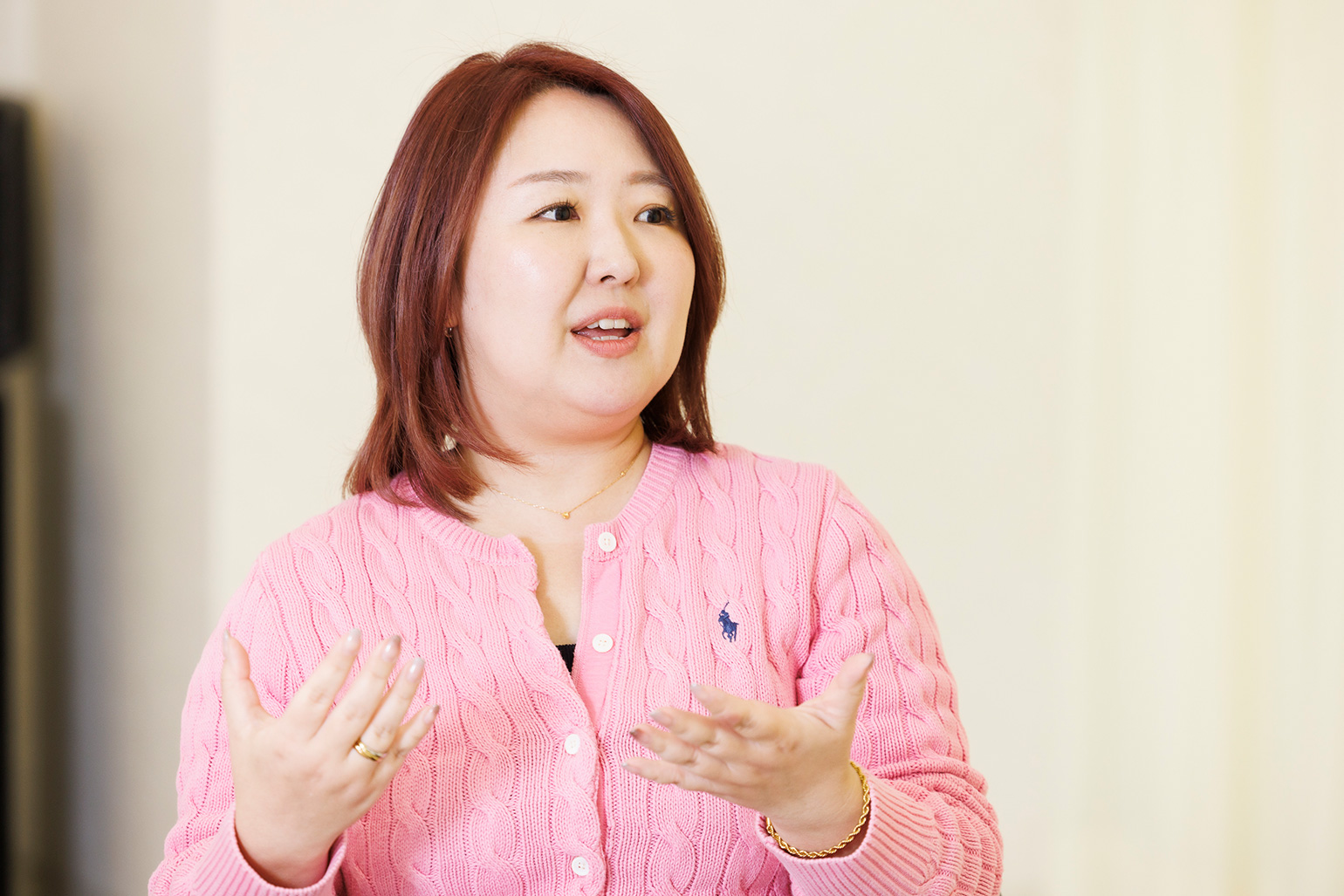
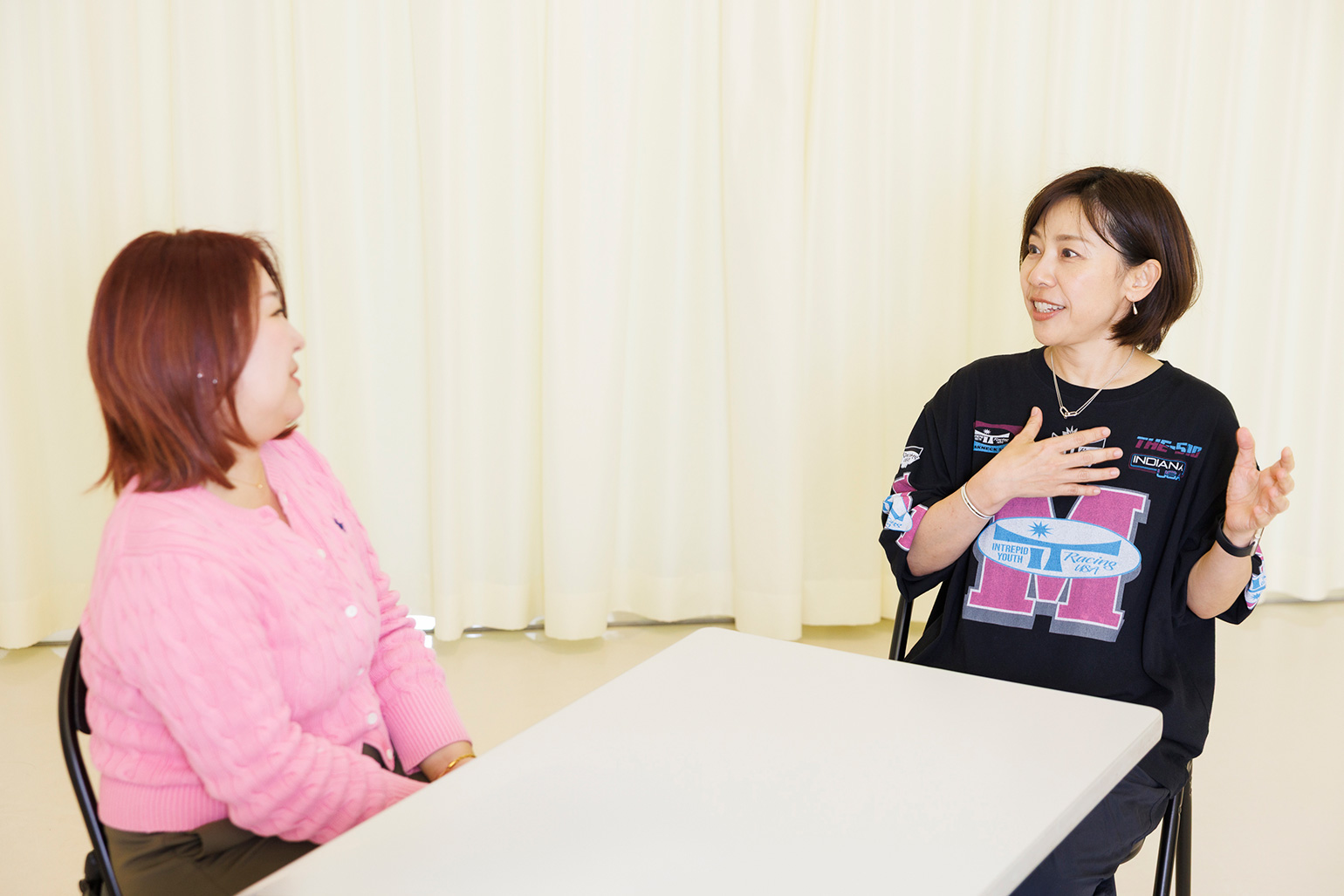
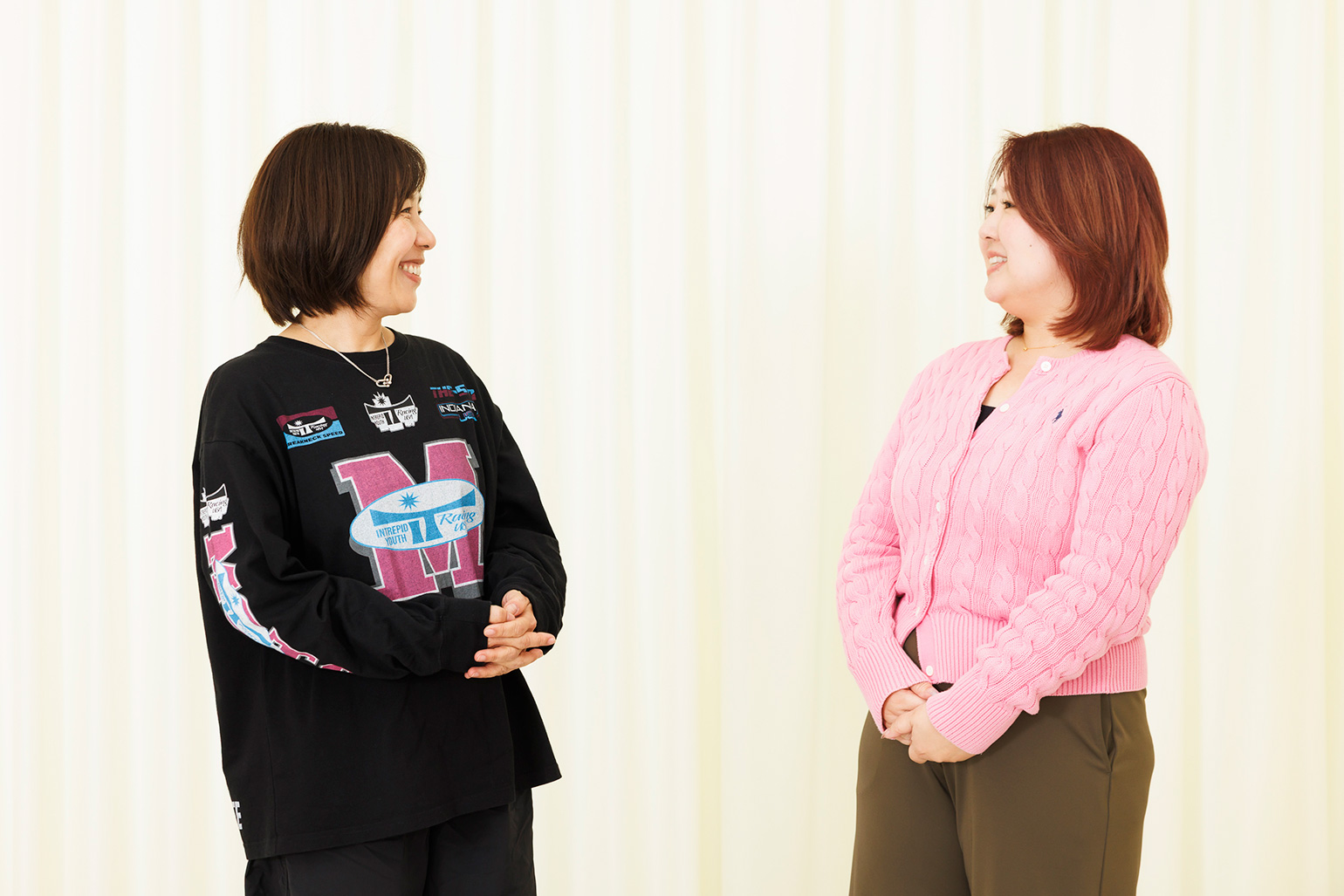
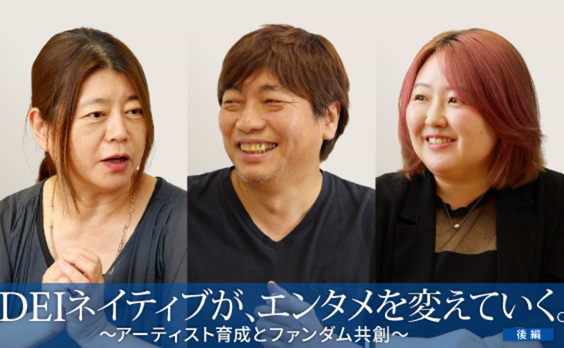
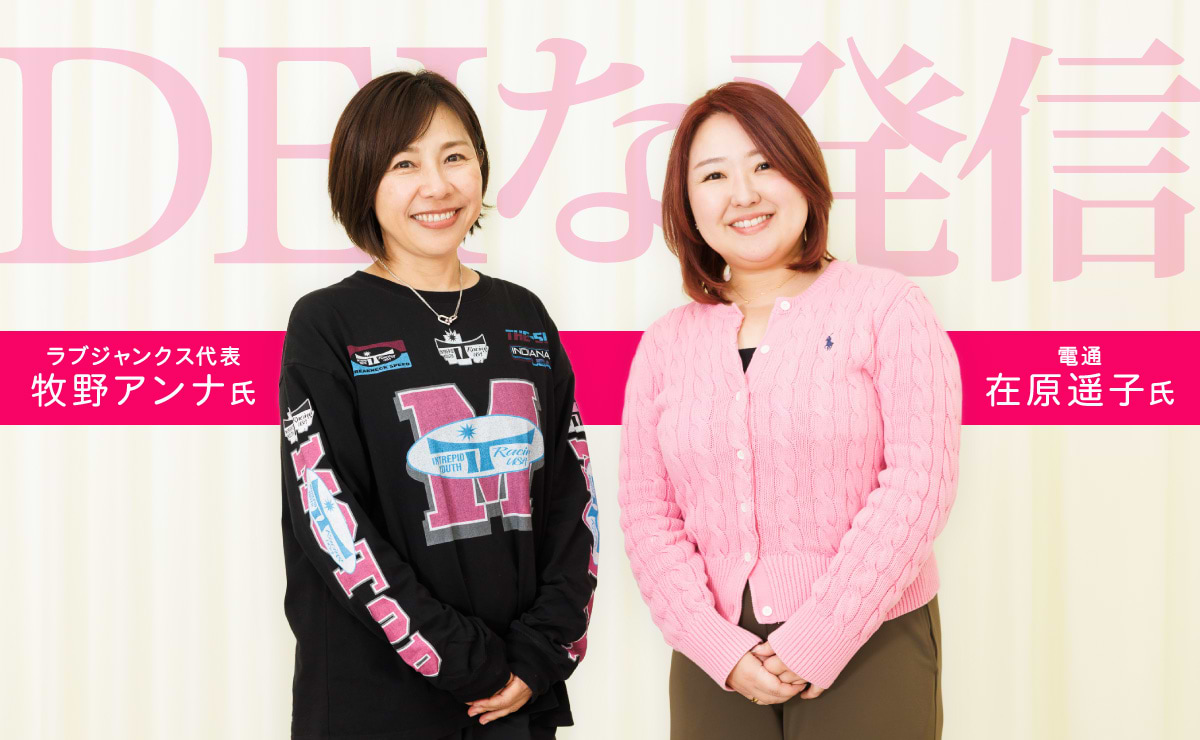
From left: Anna Makino, Representative of Love Junx; Haruko Arahara, Dentsu Inc.
This series interviews individuals and organizations practicing "DEI-conscious communication" to learn how they cultivate a DEI mindset with both literacy and action. This installment features the case of LOVE JUNX (hereafter, LoveJUNX), a dance school for individuals with Down syndrome.
Anna Makino, who had been training talents at an entertainment school, founded LOVE JUNX in 2002. Her vision was to let people with Down syndrome experience the joy of entertainment and the wonder of self-expression. She also wanted to eliminate societal misunderstandings and prejudice to expand their possibilities. We asked Makino about the values she prioritizes in running the school and the potential of DEI × Entertainment.
Interviewee: Anna Makino (Representative, LOVE JUNX) Interviewer: Haruko Arahara (Dentsu Inc. Entertainment Business Center)
The children's free-spirited dancing shattered preconceived notions
Anna Makino
──Please tell us how you started "Love Junkies."
Makino: It began when I was an instructor at Okinawa Actors School (hereafter Actors). The Japan Down Syndrome Association asked me, "Please give six months of lessons to children with Down syndrome and hold a dance event." I myself had had almost no contact with people with disabilities before, so I didn't know the characteristics of people with Down syndrome or how well they could dance, and I was anxious. But I decided to just give it a try and accepted the request.
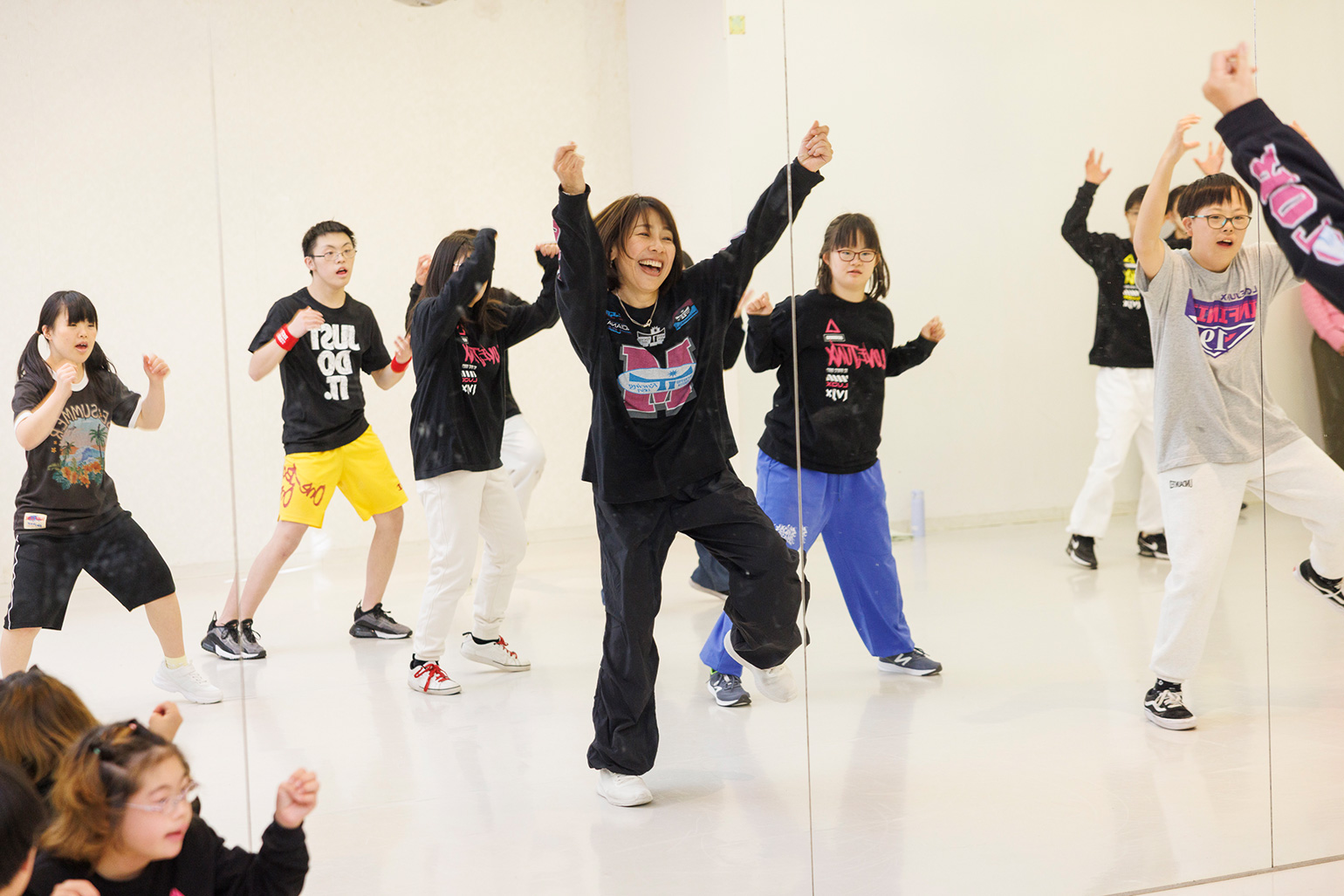
At the first lesson, 70 to 80 children with Down syndrome gathered. I decided to show them dance first, so I started dancing. Right then, the children stood up and began dancing along with me. That was truly shocking.
What I mean is, when teaching children normally, it usually takes time to get them to start dancing. At Actors, our approach is "We'll play the music, so dance freely." We value letting them dance as their hearts feel. Therefore, we don't teach them until we break down their mental barriers and they take that first step to "start dancing on their own."
But the children with Down syndrome took that first step in an instant. They moved their arms and legs as they felt, rolling around or running. They didn't care about looking awkward or whether they were dancing "properly." It felt like they were saying, "Just do what you want to do." As an instructor, they shattered my own notion of "it has to be this way," and I still remember the refreshing feeling that came over me.
──As an instructor, that must have been a scene you'd never seen before.
Makino: Yes. And at the same time, I wondered: Why do such joyful, bright, wonderful children carry this image of being "pitiful" or "having it tough" in society? Of course, there are things children with Down syndrome can't do, but conversely, there are many things they can do that I cannot.
I began thinking about creating opportunities for mutual understanding through entertainment, and for people to see just how wonderful these children are. That's why I started Love Junk's activities in 2002.
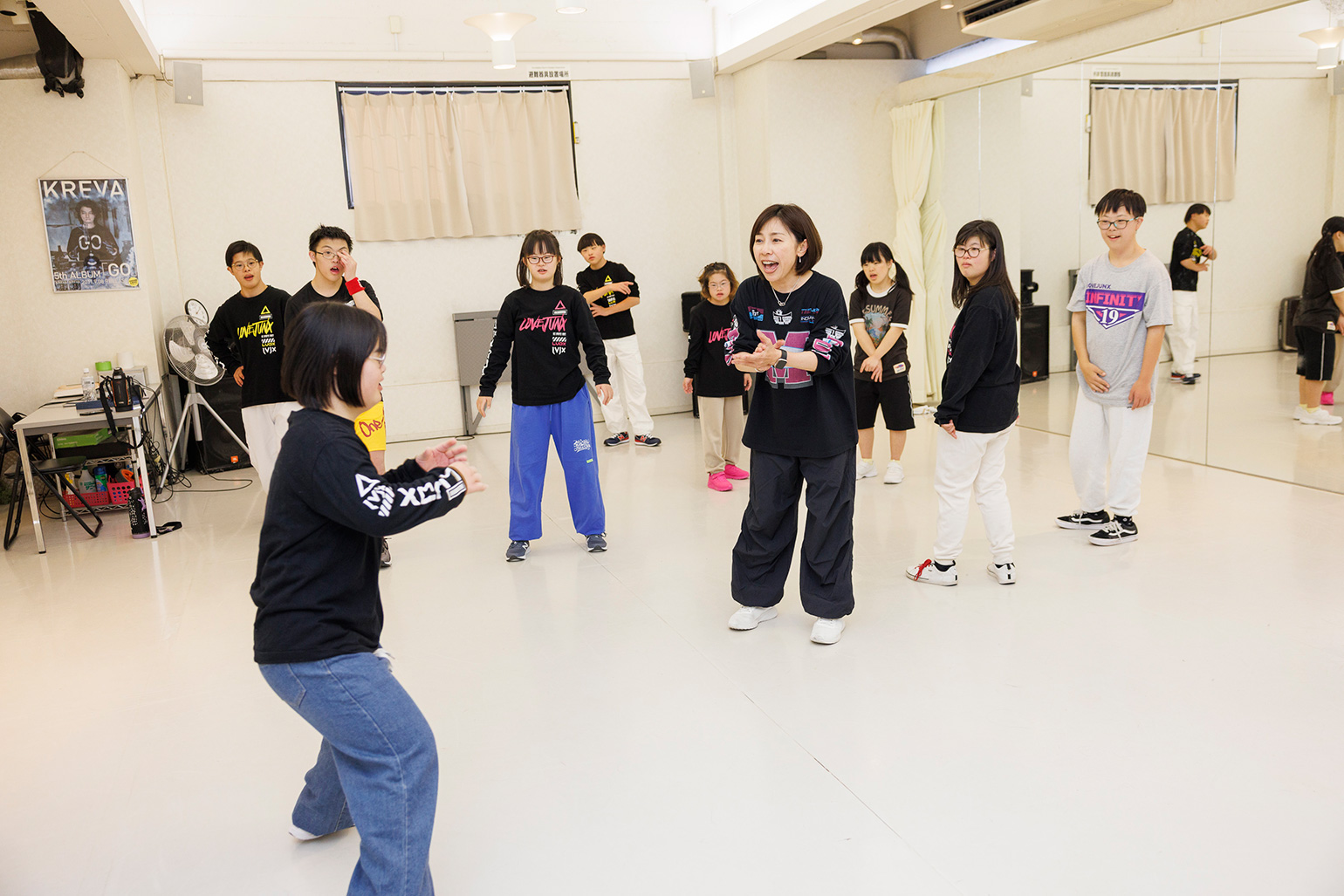
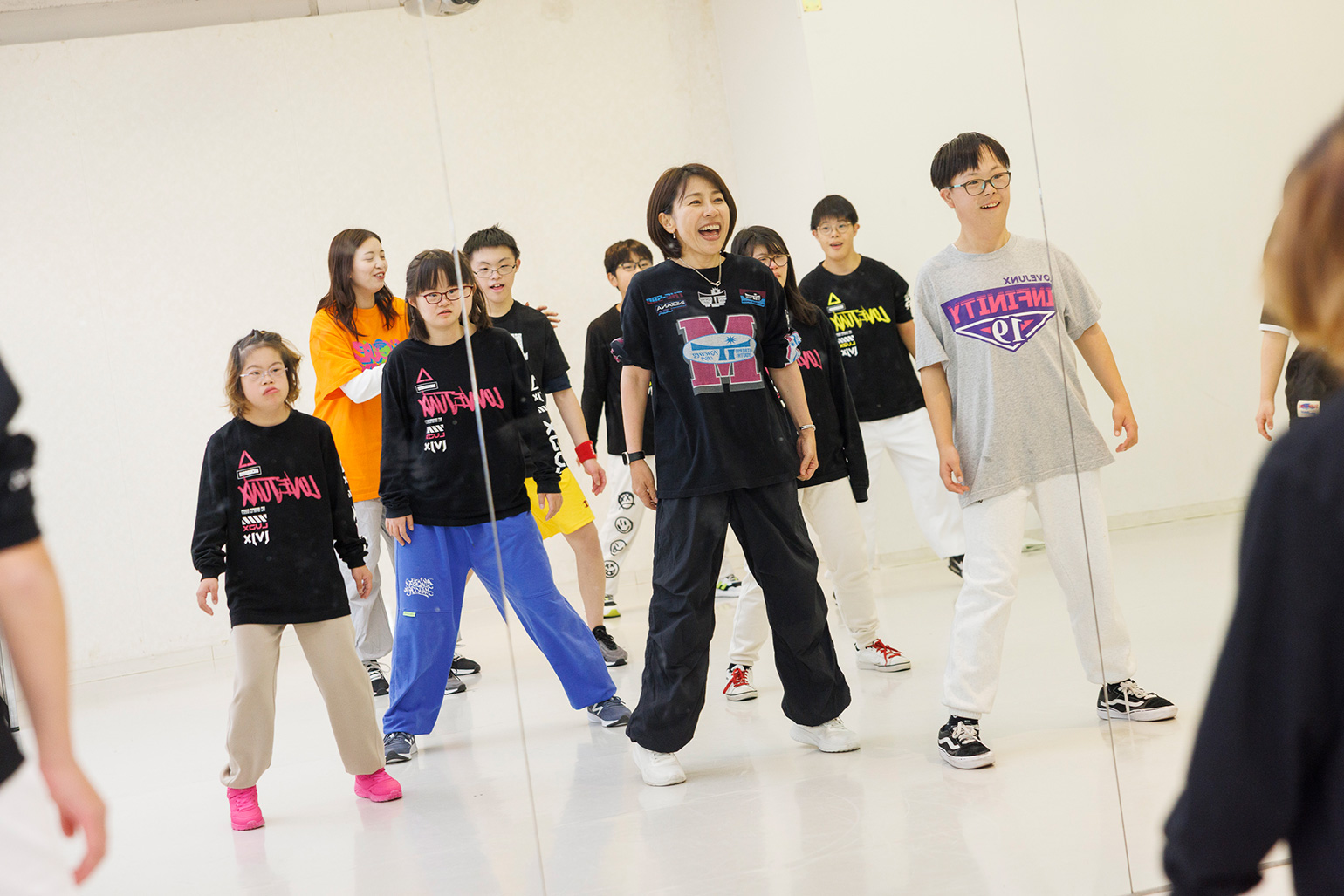
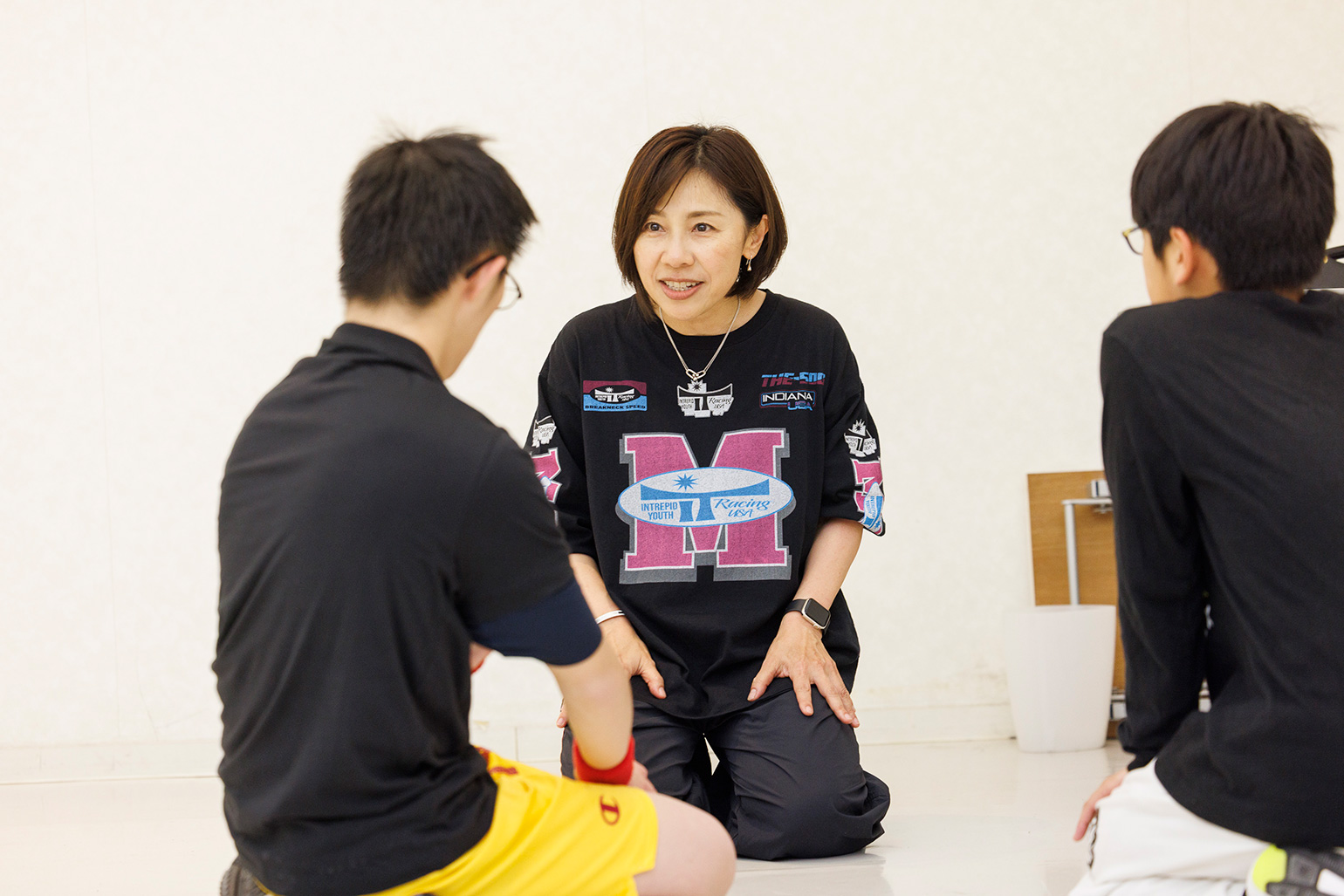
A scene from a lesson for the select team, which includes students from elementary to high school. They spend a whole year practicing the dance they will perform at the annual recital.
──I actually observed a lesson, and everyone was dancing with such joy and vitality. What have you focused on to create such an inclusive space?
Makino: From the very beginning, we've prioritized not treating children with Down syndrome as "children who can't do things" or "poor children." Before starting, experts told us intense dancing would be difficult and dangerous. But watching the children actually dance, some were moving intensely. Of course, safety comes first, but I wanted to focus on "how we could make it possible." So, we decided to try absolutely everything at least once.I told the children, "I'm going to do everything I can to make all your dreams come true, so let's build Love Junk together."
For example, if someone said, "I want to be a professional dancer," we created a professional class. If someone said, "I want to do breakdancing," we found an understanding teacher and practiced together. We've always encouraged them to try first. Now, we even have kids who can do headspins, and it really drives home the point that you shouldn't decide something is impossible.The moment an instructor decides it's impossible, the potential for success vanishes. Conversely, if even one person believes "these kids can do it," the possibility isn't zero. That spirit of believing in everyone's potential and continuing to challenge ourselves remains unchanged, even 23 years after founding Love Junkies.
Furthermore, the love for the children at Love Junk and the joy of being together have never faded since the very beginning. As long as I hold onto this feeling, I believe I can keep running forward.
To be a vital "anchor" for both parents and children
Haruko Arahara, Dentsu Inc.
──What changes do you see in children who start attending Love Junkies?
Makino: Some people might imagine children with Down syndrome walking around with their heads down, looking downcast. But the children who come to Love Junk are truly vibrant and seem to be having a great time.They're practically geniuses at enjoying life. Some students who were just 5 or 6 when we opened are still attending today, and we even have students over 40. They've surely all faced their share of societal challenges, yet their pure essence remains unchanged. During lesson breaks, they'll clink cups and drink tea together (laughs). I think they keep coming back to Love Junk's with a similar feeling to how working adults might go to an izakaya to unwind.
──What kind of feedback do you get from parents of children with Down syndrome?
Makino: Regarding the parents, I recall they frequently apologized in the early days. Even though we weren't bothered at all, they'd often say, "I'm sorry, did my child do something?" It made me realize they must be in an environment where they feel they constantly have to apologize.
Another common sentiment I hear from parents of children with Down syndrome is a vague anxiety about not knowing how their child will develop. But at Love Junk's, there are children with Down syndrome across a wide age range, and their parents are here too. So during lessons, parents communicate with each other, and they often consult with more experienced moms about their worries.We've also heard comments like, "It's so valuable to have a community where children with Down syndrome of such a wide range of ages can gather." We'd be delighted if Love Junkies could become a source of support for the parents as well.
──Have you personally experienced any changes since starting your activities with Love Junk?
Makino: I've come to enjoy teaching for the first time. I originally thought I could apply what I learned at Actors to Love Junkies, but instead, I've been profoundly influenced by the children I've met here.
I left Actors at age 30 and returned after turning 50. Students from back then who are now instructors tell me, "Anna-san's teaching style has changed." Back then, I was very set in my ways, thinking "it has to be done this way," and I was young and lacked perspective. There was also immense pressure to produce stars. But since teaching at Love Junk's, I realized it's okay for me to enjoy it too.I feel like the Love Junkies students gave me that mental breathing room.
I want them to challenge themselves with their own will to pursue what they want to try.
──Makino-san, what do you think is the appeal of music and dance in nurturing a child's individuality and sensitivity?
Makino: I think it's the ability to enjoy the process. People with Down syndrome often have weaker muscle tone, so parents naturally want them to exercise. But just doing strength training is tough and hard to stick with. With dance, though, I think they can get excited and really engage. And if they develop a love for it, they gain the experience of overcoming various challenges and unpleasant things that come with it.
For example, if a parent can't drive them to lessons but they really want to go, they learn how to take the train and go by themselves. On days their parent can't come to the lesson, they learn how to use money to buy their own drinks. In this way, pursuing something they love presents many hurdles they must overcome, but they take on these challenges of their own volition.
──I understand you also conduct "interviews" with the students during lessons.
Makino: Yes, at Love Junk's, to join the select team, we conduct interviews to confirm their commitment: "Do you truly want to join this team and dance?" For children with Down syndrome, it's extremely common for parents to speak on their behalf. Sometimes their speech isn't clear and can be hard to understand, so parents inevitably end up supporting them. But since they won't always have a parent by their side, we want them to learn how to communicate their own thoughts to others.
Makino: We've conducted interviews since the program's inception. Initially, many children would just look down and say "I don't know," essentially giving up on speaking altogether. But that approach won't get them into the select team. We want them to experience that once and realize, "I have to say it myself."We try to make it clear by asking things like, "Is it 'I really want to do this' or 'I don't care either way'? Which is it?" We work on how we communicate, but we persistently engage with them until they say "I want to do it" themselves, even if it's just one word.
We also have students hold meetings among themselves during lessons. When practice stalls, I ask the group, "What should we do?" and encourage them to share their opinions. Even within lessons, we value opportunities for communication—not just dancing, but expressing their thoughts and feelings verbally.
I want to keep challenging myself, believing in the power of entertainment to move people's hearts.
──Society still isn't an environment where people with disabilities can live easily. What do you think companies need to do to advance DEI?
Makino: I believe change can happen if even one person within a company can envision "places where people with disabilities can thrive."I believe anyone can become someone who can thrive with just a little adjustment in approach. I think this applies to people in any position. For example, if you identify someone's strengths and talents and assign them appropriate work, they can demonstrate incredible power. Otherwise, their potential goes unused. When considering "how to make the most of people," disability is irrelevant. I think it's crucial for companies to look at the person themselves, understand them, and think about them.
──Finally, could you share your future outlook, Mr. Makino?
Makino: I want to make Okinawa Actors School's "B.B.WAVES" a group that includes children with Down syndrome."B.B.WAVES" is a dance-vocal group that debuted from Okinawa Actors School under the concept of being a "one-of-a-kind youth ensemble entertainment crew." The group includes children with diverse talents—not just singing and dancing, but also playing instruments, songwriting, and composing. My vision is to eventually include children with Down syndrome, creating a group that "doesn't build walls around talent" and achieves global success.
Since society still struggles to accept such ideas, our first step is to establish the current "B.B.WAVES" as a globally recognized superstar group. Among children with Down syndrome, there are already those with talent and star potential. Moving forward, we will focus on developing strategies for their promotion and creating the right environment. Ultimately, we want to build a society where everyone sees stars with Down syndrome as completely normal.
I've lived in the entertainment world since childhood. That's precisely why I feel happy when I can use entertainment—something I love—to make waves in society or spark movements, and have people perceive that as "something valuable." I believe entertainment is a wonderful force that can move people's hearts, so I will continue to take on challenges.
In fact, Arahara himself studied at the Okinawa Actors School, making this reunion with Makino-san their first in over 20 years.
Representative of LOVE JUNX, COO and Producer of Okinawa Actors School. Began studying entertainment at Okinawa Actors School, founded by his father Masayuki in 1983. Debuted in 1987 with the Dragon Quest II message song "Love Song Searching."In 1992, he made his second debut as the first leader of Super Monkeys alongside Namie Amuro and MAX members in "Mr. U.S.A.". Subsequently, as Chief Instructor at Okinawa Actors School, he trained SPEED, Rina Chinen, DA PUMP, and Daichi Miura. In 2002, he established LOVE JUNX, a dance school for people with Down syndrome.In 2022, he received the Minister of Education, Culture, Sports, Science and Technology Award in recognition of his long-standing contributions. While continuing to nurture talent, he worked as a choreographer on AKB48's signature songs "Heavy Rotation" and "Flying Get," as well as songs for SKE48 and others. In May 2023, he relaunched the Okinawa Actors School as its producer.
Haruko Arahara
Dentsu Inc.
Entertainment Business Center
Producer
With extensive experience in entertainment, he has been involved in developing new businesses such as film and program production and event planning, and has a proven track record in producing numerous projects. Currently, he focuses primarily on artists, films, and characters, handling corporate tie-ups utilizing IP.

 #DEI Communication [4/5]