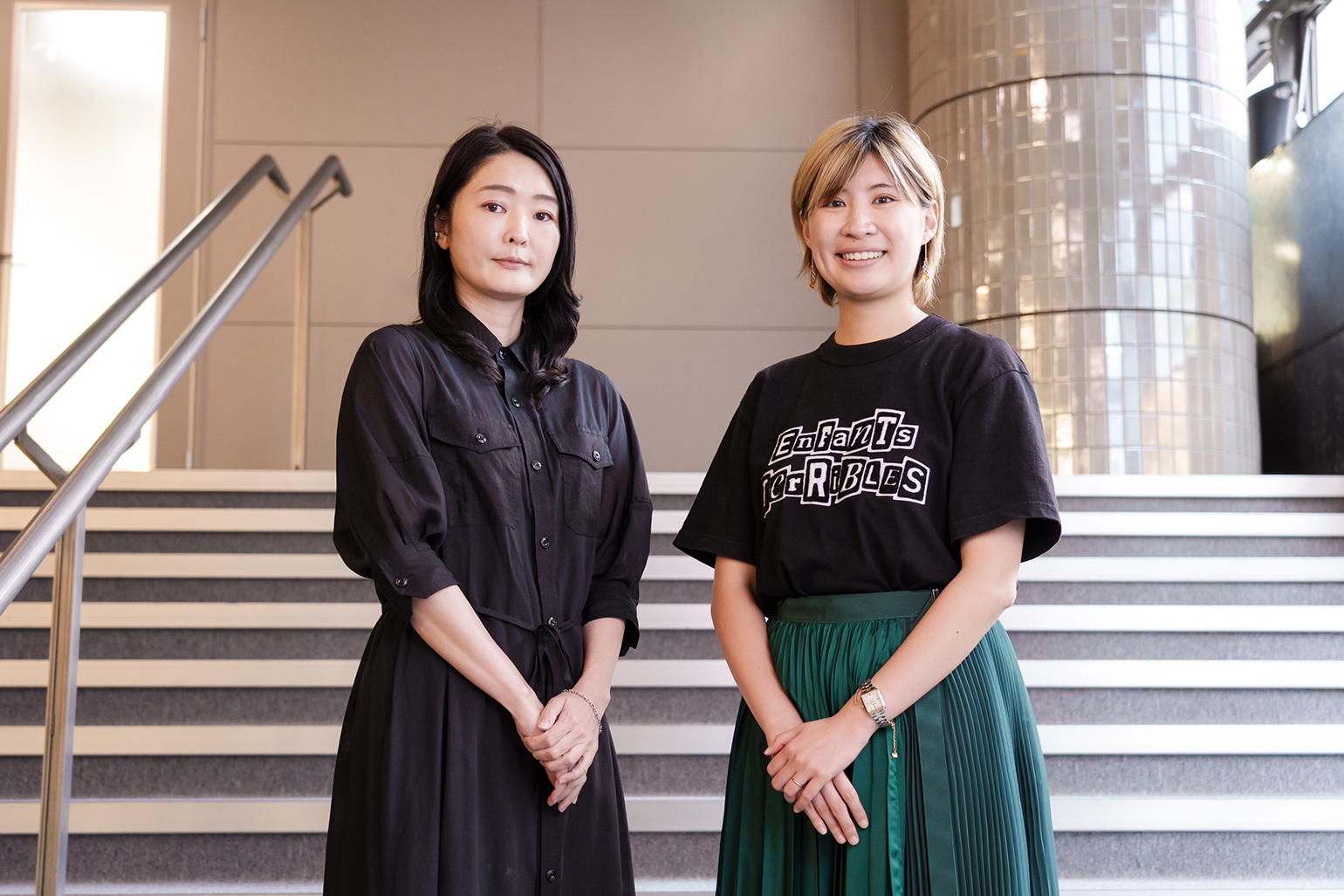
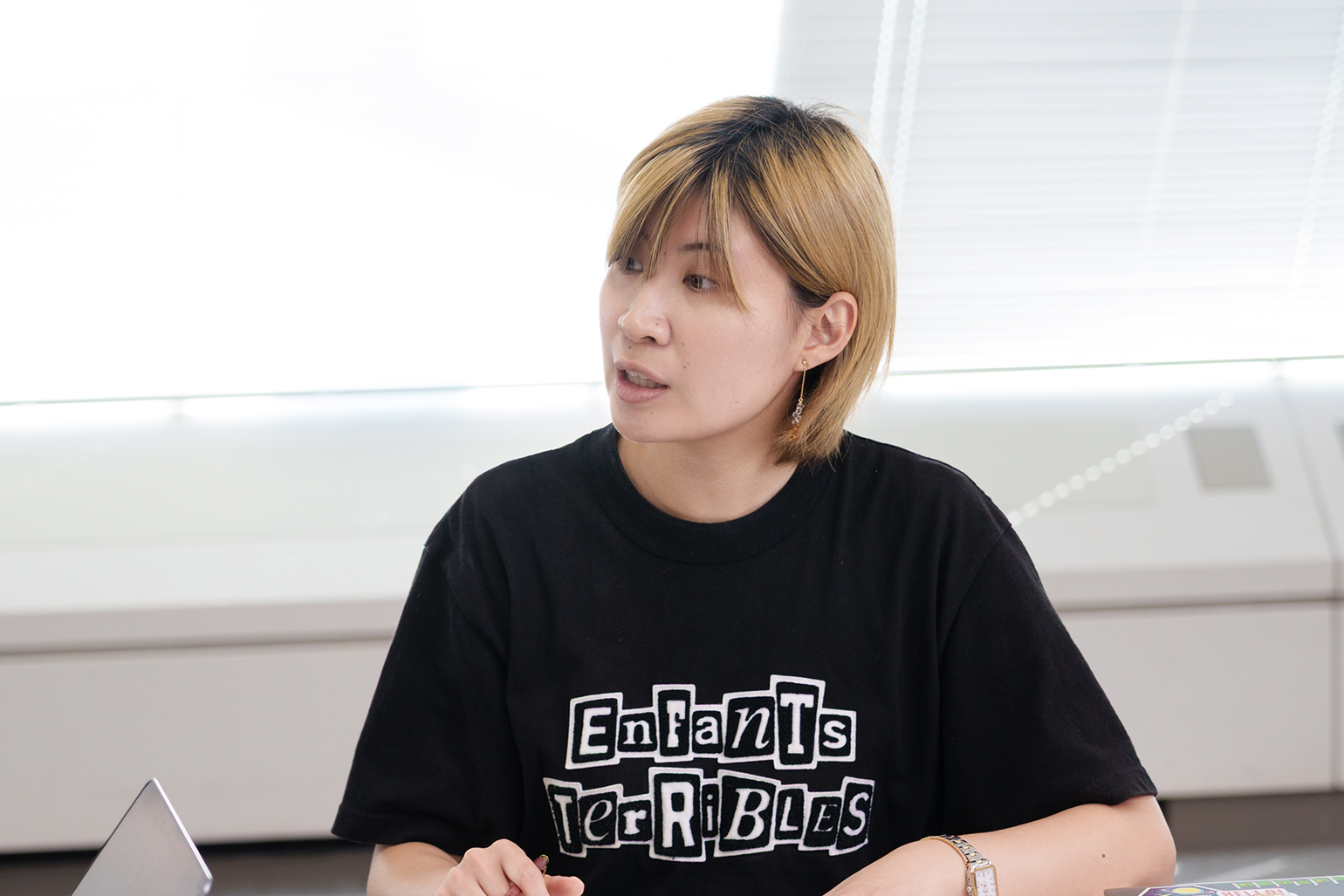
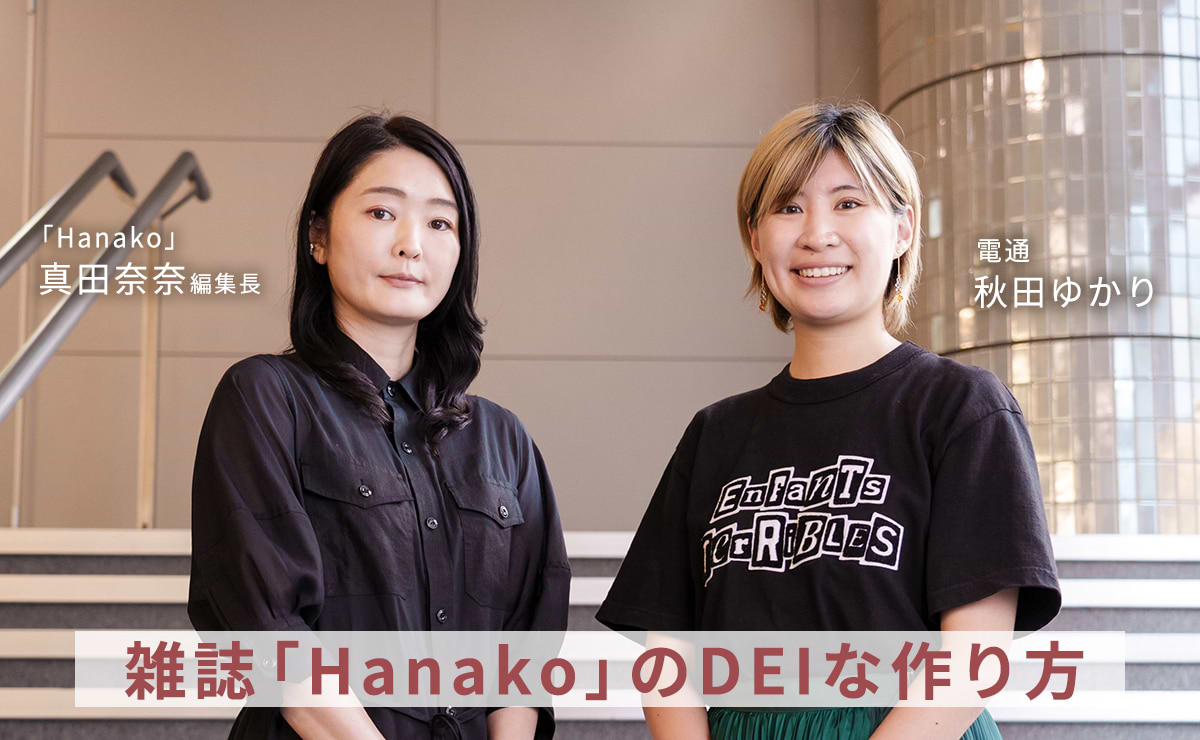
From left: Hanako Editor-in-Chief Nana Sanada, Dentsu Inc. Yukari Akita
This series interviews individuals and organizations practicing "DEI-focused communication" to learn how they cultivate a DEI mindset accompanied by literacy and action. This installment features the case of "Hanako," a magazine published by Magazine House.
While readers' values are diversifying, magazines also have the aspect that the more focused they are, the stronger their content becomes. At a time when the balance between consideration for diversity and the magazine's own strength is being questioned, we hear about "Hanako's" approach to "DEI-conscious communication."
Interviewee: Nana Sanada (Editor-in-Chief, Hanako Editorial Department, Magazine House) Interviewer: Yukari Akita (Business Producer, Dentsu Inc. Business Producers Division 2)
Hanako aims to be a companion, not a leader who guides
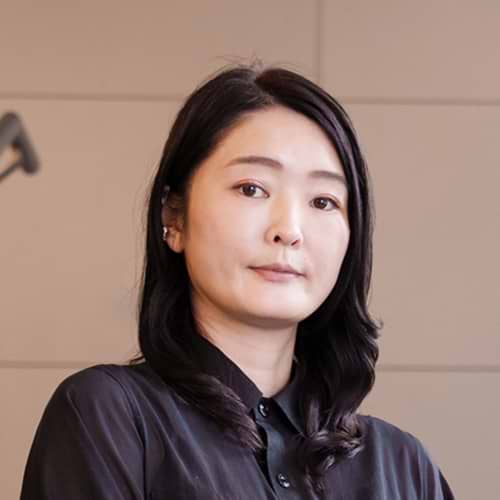
Nana Sanada, Editor-in-Chief of "Hanako"
──As a reader myself, I sense Hanako's awareness of DEI—diversity, equity, and inclusion. In your approach to readers, are there specific DEI considerations you prioritize?
Sanada: While magazine planning often suggests that narrowing the focus creates "stronger content" than targeting a broad audience, we deliberately avoid limiting readers' lifestyles. Hanako's core target is working women in their 30s and 40s, but there are many different ways of living—whether they have children or not, are married or single, working or not. So, we're extremely careful not to write in a way that assumes "this is the norm."
──Indeed, Hanako's pages give the impression of being attuned to diverse readers.
Sanada: Yes, we want to be there for them! We share a common mindset in the editorial department: we don't want to be a leader guiding readers, but rather a companion walking alongside them. Traditionally, magazines often took a stance of "This is what's popular now, so follow along!" But our approach is more like, "There's this trend happening now, and Hanako thinks this aspect is wonderful. What do you think?"
Of course, the excitement of sharing "what the editors find interesting" is important too. So while there's a "come along" aspect, we also structure the content to present choices. It's less about trying to make everyone think it's great, and more about consciously considering how to express things to minimize unintentionally excluding people.
──I was reminded that this underlying sense of closeness permeating the pages is what defines "Hanako." Are there specific ways this perspective of closeness is reflected in the magazine?
Sanada: We pay careful attention to our word choices. For example, in a past cat feature, we used "gohan" (rice) instead of "e-sa" (feed), and "welcome as family" instead of "keep" when referring to cats. This came from considering how cat-loving readers might feel.
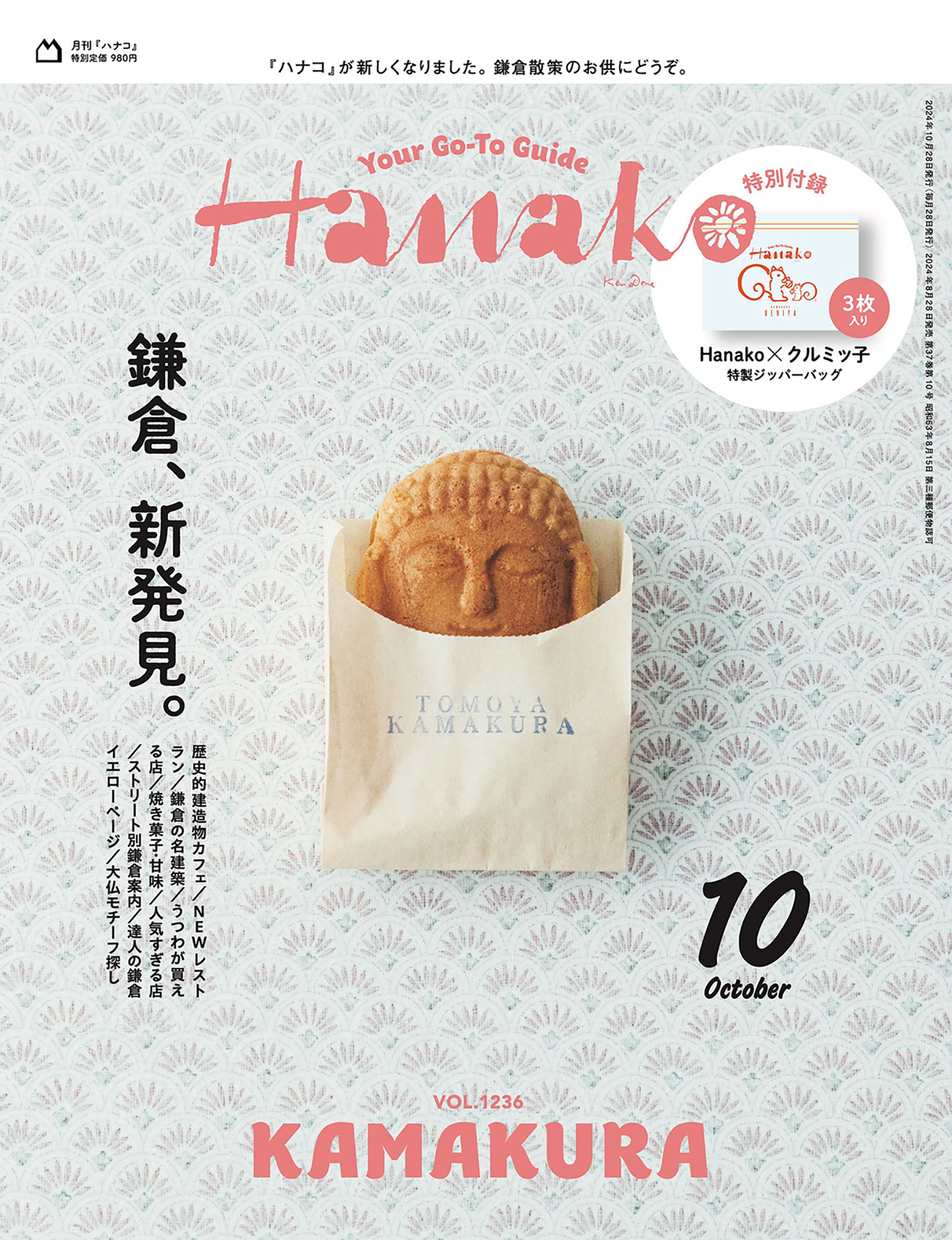
Another thing I consciously avoid since becoming editor-in-chief is phrasing like "you should know this" or "it would be good to know this." Actually, I create all of Hanako's covers myself, and the text at the top often uses phrasing that leaves it up to the reader—like "Please take this along on your stroll through Kamakura" for a Kamakura feature, "Why not find your own favorite cafe?" for a cafe feature, or "Why not choose your year-end/New Year restaurants and gifts together?" for a restaurant feature.
──That's true...! That choice of phrasing really captures your style, Sanada-san.
Sanada: These days, the stronger the words you use, the more attention you get—especially on social media. But our goal isn't to go viral, so we're careful not to exclude or limit our readers.
By the way, I mentioned I design the covers, but I also handle almost all the styling. Compared to typical women's magazines, "Hanako" has a much higher male readership. For features like "Kyoto" or "Kamakura," nearly 40% of readers were men. So, we aim for covers that are universally appealing—not overly feminine or masculine—so men can pick them up and tuck them under their arm without feeling self-conscious.
──I was surprised to hear about the high male readership. When you go to a bookstore, "Hanako" covers really catch your eye, don't they?
Sanada: I really enjoy creating quirky covers with elements that make you chuckle (laughs).
Many readers seek shared values and empathy
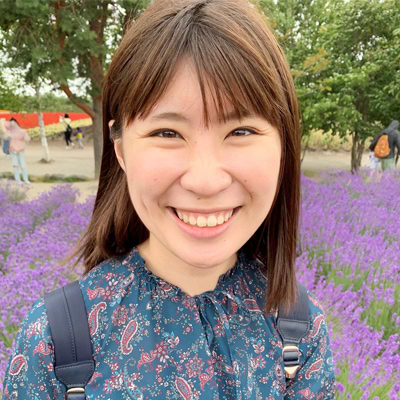
Dentsu Inc., Yukari Akita
──The International Women's Day article was really impactful. You also frequently feature themes related to women and society. How do readers respond to those articles?
Sanada: I think International Women's Day is about re-examining women's rights and ways of life. Articles addressing the fundamental difficulties women face in society tend to be read more deeply and for longer periods. While it's hard to gauge reactions in print, online it's clear from page view numbers.
Earlier, I mentioned aiming to support readers without limiting their lifestyles. Actually, we consciously adjust our approach between print and web. Online, we deliberately challenge ourselves with articles that target very specific reader segments.
For example, we recently started a web series called "My Favorite Restaurants to Visit with Kids." It stems from the idea that women with children don't have to stick to family restaurants all the time. The series introduces eateries that are welcoming to women dining with kids.
Other popular articles include our series "Our Unfiltered Stories of 'Going Independent,'" where we interview people who chose self-employment; pieces on balancing work and childcare; and discussions about films related to women's empowerment. Articles sharing how pioneers navigated these challenges seem to resonate strongly.
I've been pondering why this is. I suspect many readers seek not just consumption, but also shared values and empathy. That's probably why essays complaining about husbands get so much readership too – it's an interesting trend.
──Web content tends to be more actively searched for, so perhaps readers prefer "narrower themes that resonate more deeply with them."
Sanada: That's right. As editor-in-chief for both web and print, I feel readers approach them with different perspectives.
──How do you research readers' concerns and topics they care about?
Sanada: We have a reader community called "Hanako Lab," with women of various generations and professions participating. We rely on their input through surveys and regular meetings.
──In terms of diversity, "Hanako" features individuals with diverse genders and values, and they're all truly wonderful. I see that as one of "Hanako's" strengths. What criteria do you use when selecting people to feature?
Sanada: We deliberately choose people in a flat manner. We primarily select individuals who fit the theme of each issue, often paying little attention to gender or age. From the candidates, we look at their works and social media, and reach out to those we think, "For this theme, we'd like to interview this person." Perhaps it's precisely because we try to think flatly, without being bound by strange constraints, that we get to meet such wonderful people.
──So the theme truly comes first. Lately, I often see cases where casting prioritizes gender balance first, but your approach feels more fundamental and reader-focused.
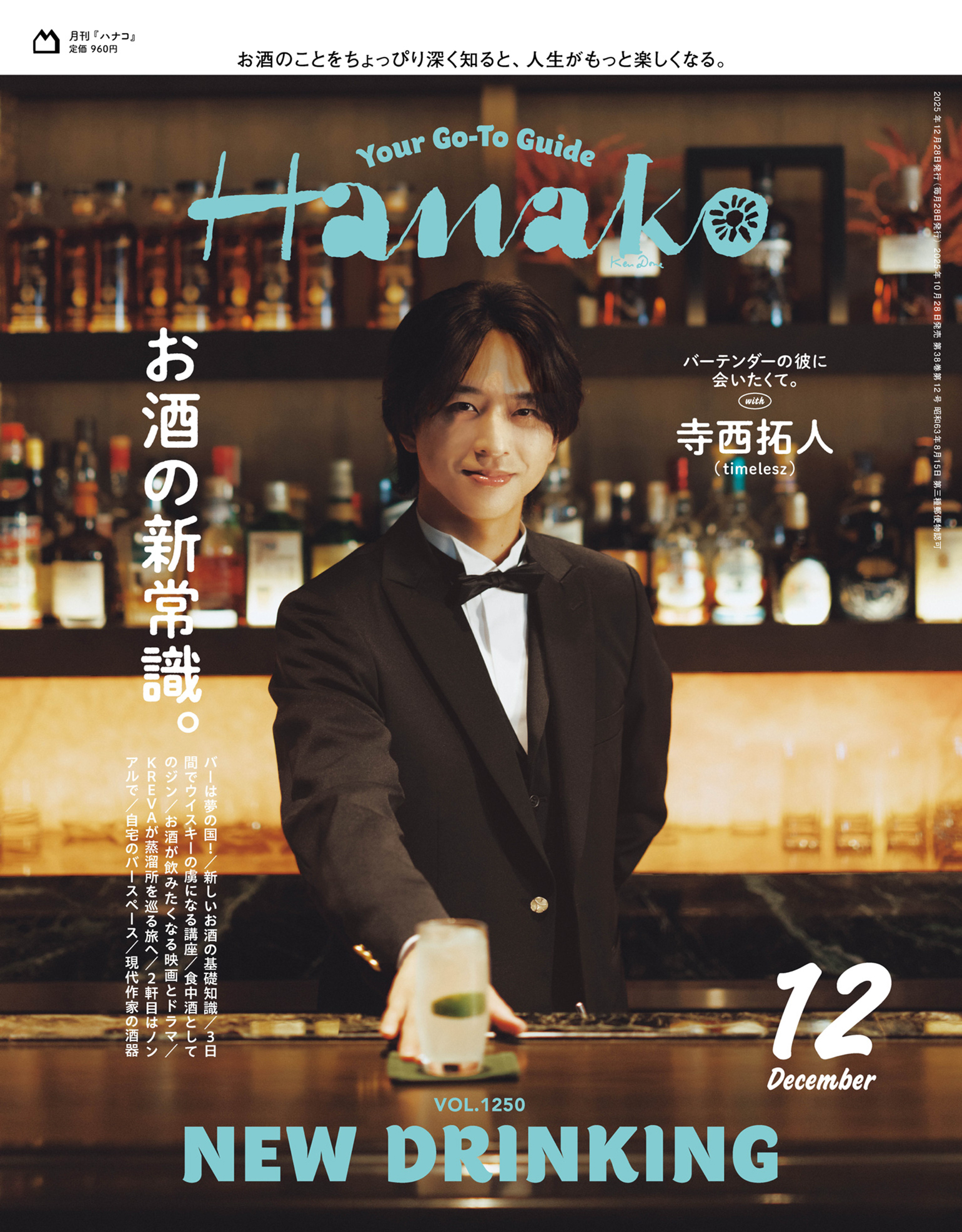
Sanada: That said, we do avoid extreme gender imbalance. For example, in a feature focusing on bartenders—a profession dominated by men—choosing purely based on the angle could result in an all-male lineup. But some readers might want to hear from women who've pioneered paths in bartending, so in those cases, we intentionally include women.
We want to delve deeper into preparing readers for potential risks
──What themes would you like to tackle in future issues of "Hanako"?
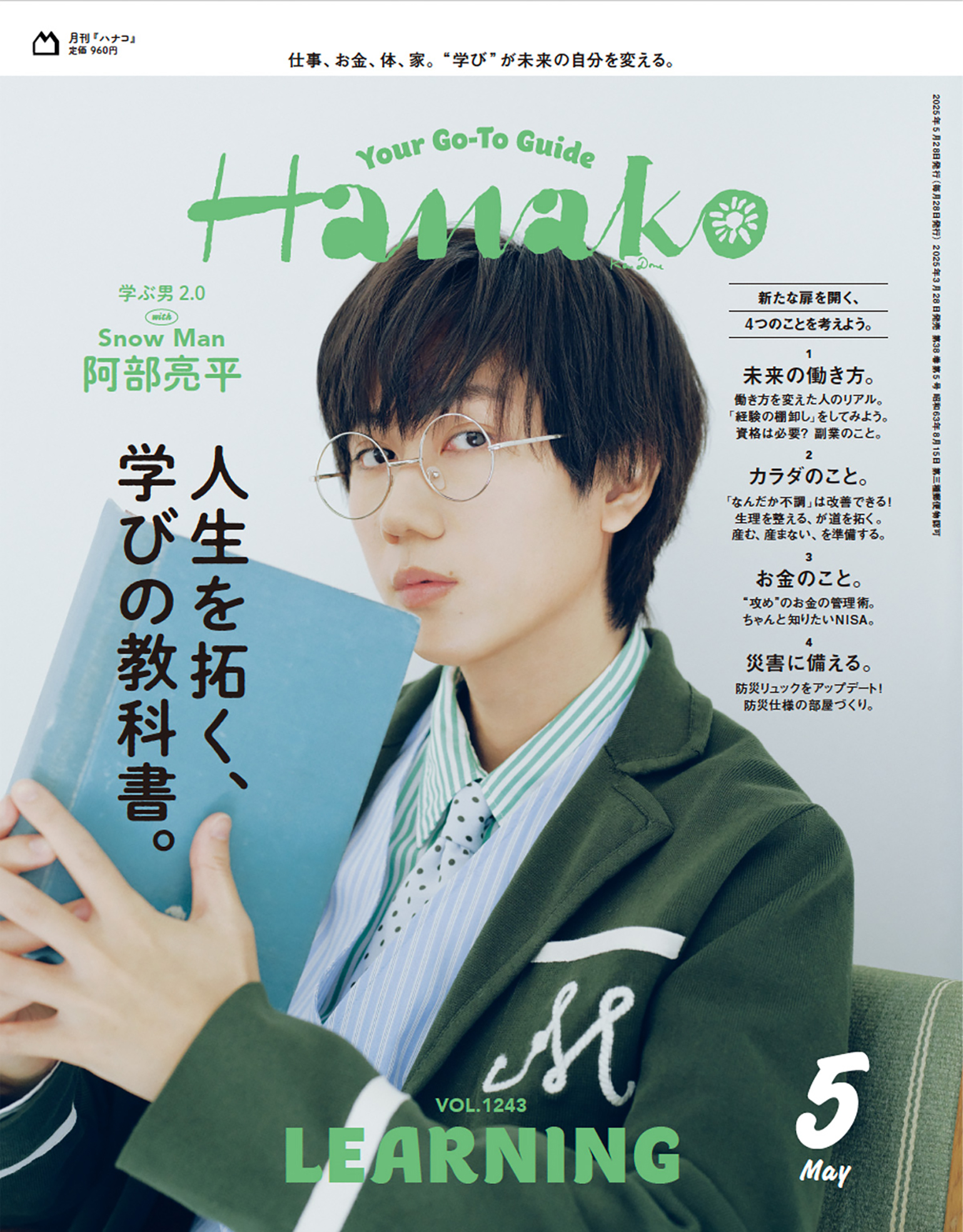
Sanada: We want to delve deeper into how readers can prepare for risks they may face in their lives. A recent example of this was the May 2025 issue, "A Textbook for Learning to Open Up Your Life." Using "learning" as the keyword, it was a feature exploring challenges readers are likely to face from four perspectives: work, body, money, and disaster preparedness.
Sanada: For example, regardless of whether women choose to have children, their hormonal balance constantly shifts, often leading to physical discomfort. We aimed to provide articles that offer insights into understanding one's own body and its state, guiding readers toward stability. We also included content prompting readers to consider topics like reskilling, insurance, and investment.
Societally accepted norms can be communicated as "what you should do." However, if we do that, some readers might feel annoyed when trying to internalize it as their own issue (laughs). Instead, I think it's better to skillfully convey, "Doing this will surely enrich your life going forward."
──I also read the "Learning Feature" and really appreciated how it avoids being pushy. It truly felt like Hanako is walking alongside its readers, supporting them. Thank you so much for sharing all these wonderful insights today!
(Postscript) While rooted in its core identity as a "lifestyle magazine for working women in their 30s and 40s," Hanako ensures it doesn't leave diverse readers behind when it comes to gender and ways of living. This is achieved through the editorial team's "accompanying" spirit, evident in every detail—from the magazine's visuals down to the smallest text. Rather than aiming for universal approval, their focus on reducing—even unintentionally—the number of people who might feel excluded is an approach that could be applied across industries.
"Hanako" Published monthly on the 28th. Core value: "YOUR go-to guide." Monthly issues feature special topics like travel and food. Multi-platform presence includes the website "Hanako Web ( https://hanako.tokyo/ )", social media, and the reader organization "Hanacobo".
Joined Magazine House in 2008. After seven years on the Hanako editorial team, moved to the Casa BRUTUS editorial department. Appointed as Casa BRUTUS Editor-in-Chief in 2015. Has handled a wide range of features primarily related to food and travel, covering topics like "cafes," "bread," "hotels," "hot springs," and "cats." Assumed current position in 2024.
Yukari Akita
Dentsu Inc.
Business Producers Division 2
Business Producer
Focusing on solving issues surrounding LGBT individuals, we are working to realize a society where everyone can live authentically and vibrantly. Writer for the diversity web magazine cococolor. Also affiliated with GIRL'S GOOD LAB (formerly Gal Lab), conducting research and planning targeting women.

 #DEI Communication [3/5]