ITOCHU Fashion System established the general incorporated association Re-Creation in May 2024 to "visualize" sustainability in the fashion industry and present it to society as a trustworthy framework.This project aims to develop a certification scheme that visualizes companies' sustainable initiatives. By creating opportunities for consumers to consider not only price and design but also whether their choices "take into account the environment and production sites" when selecting products, it seeks to re-create the value chain together with consumers, as well as the industry as a whole.
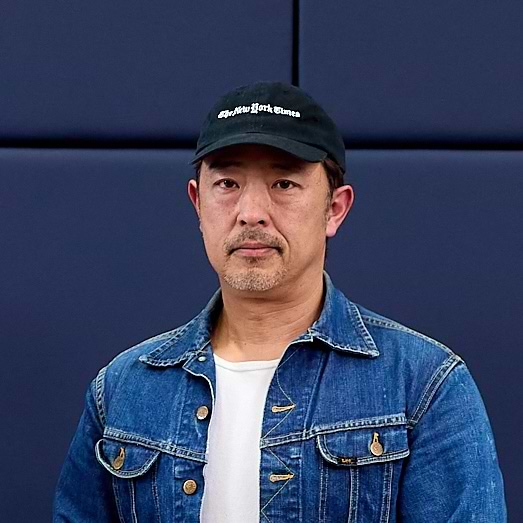
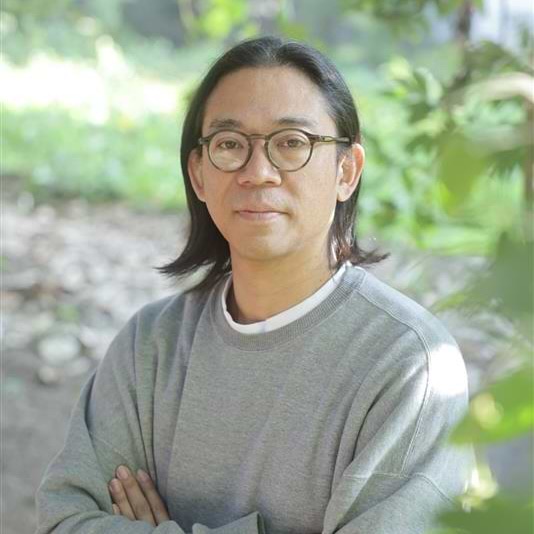
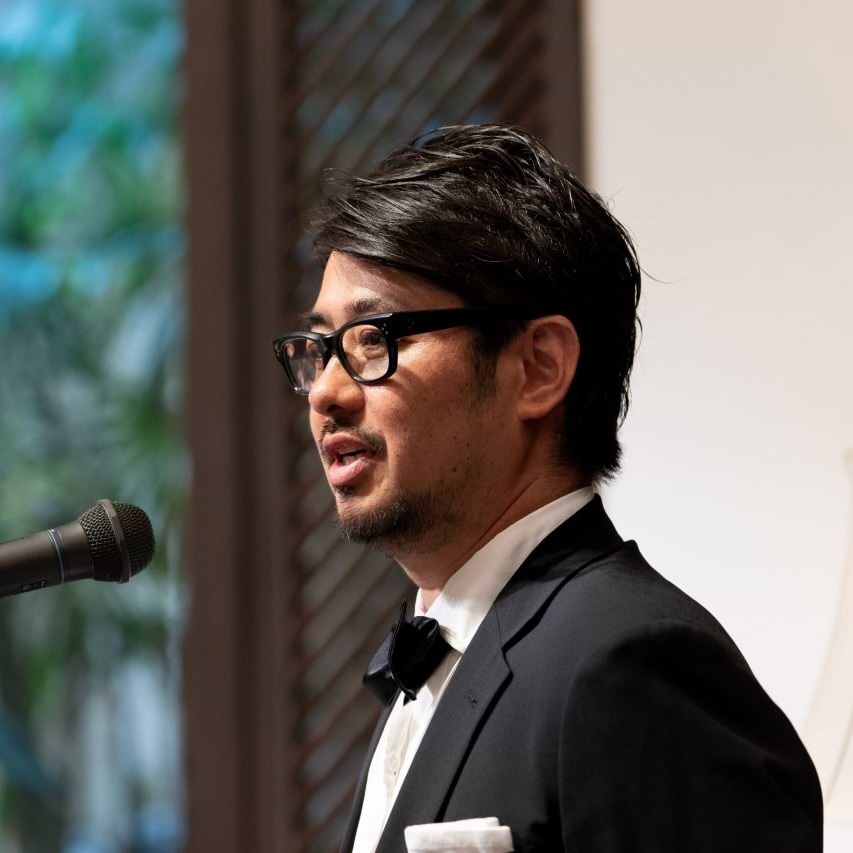
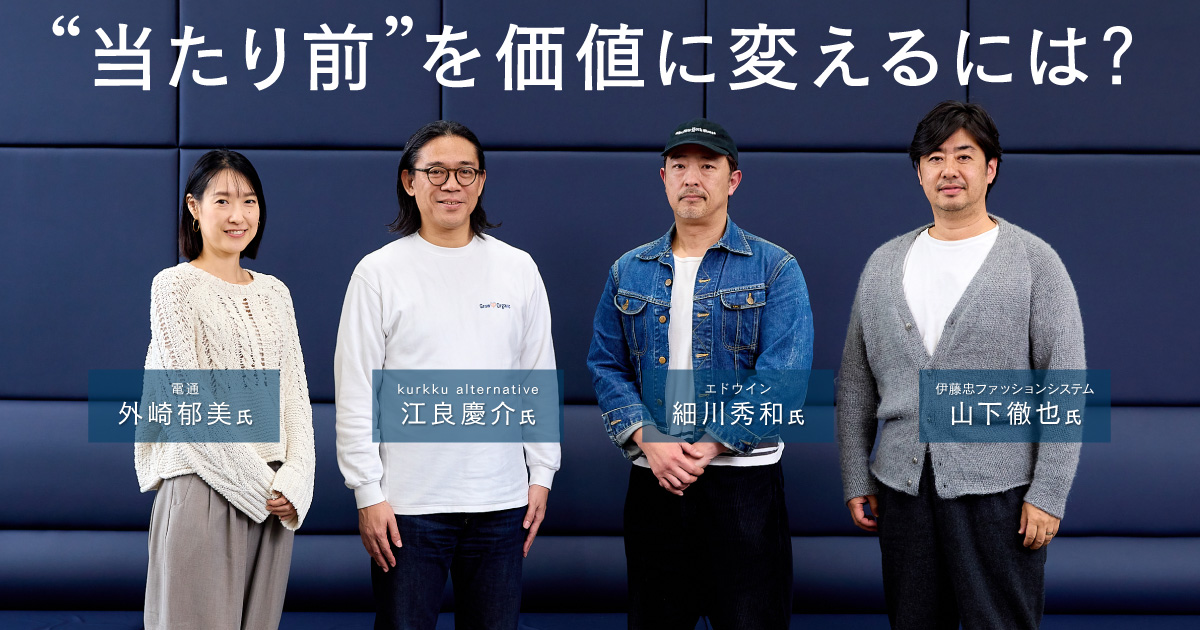
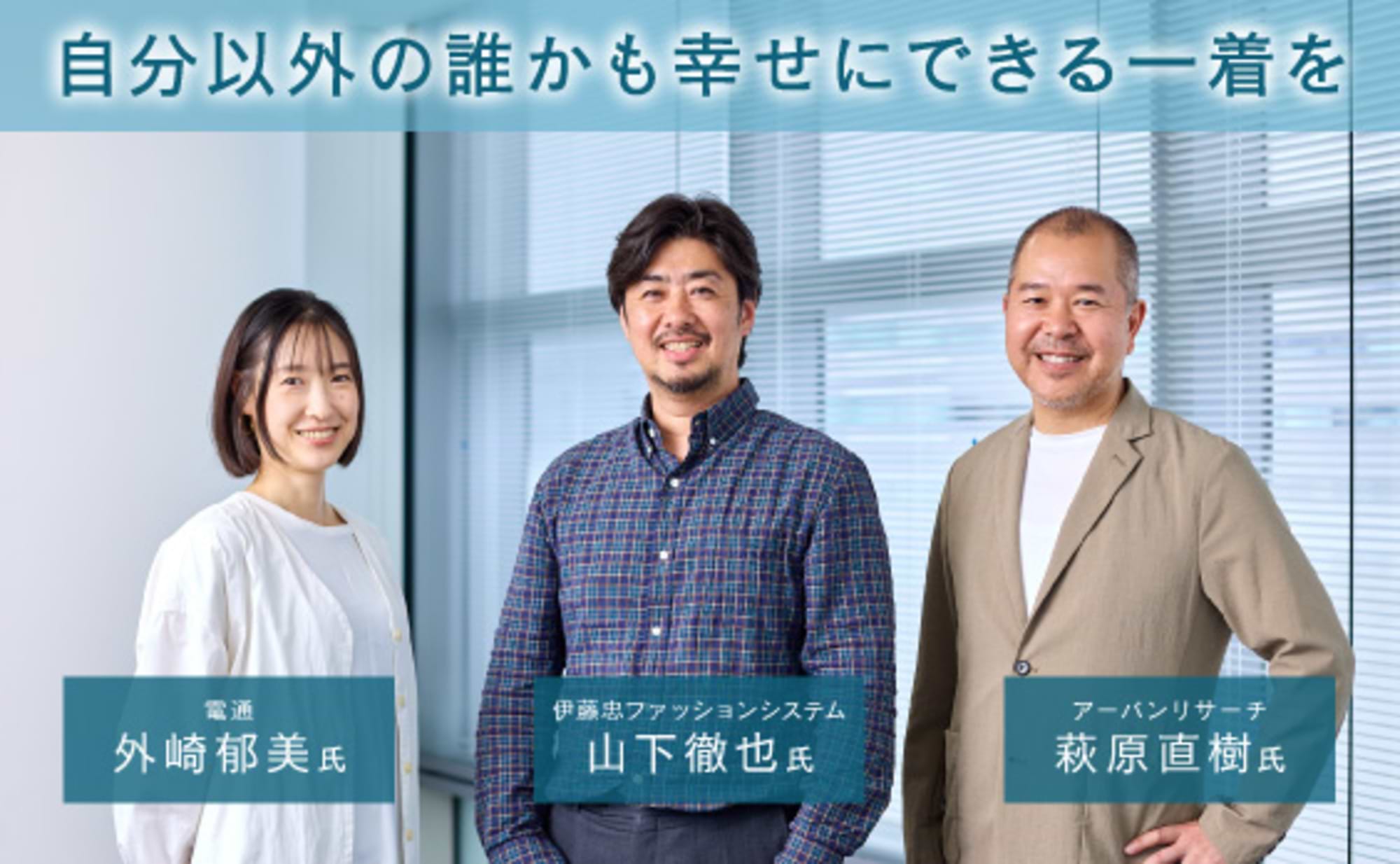
This time, we welcomed guests Mr. Hidekazu Hosokawa, Creative Director of Edwin (a Re-Creation certified brand), and Mr. Keisuke Era, President and CEO of kurkku alternative (operator of Grow Organic). They were joined by Mr. Tetsuya Yamashita, Managing Director of ITOCHU Fashion System ifs Future Research Institute / Re-Creation, and Ms. Ikumi Togasaki, Creative Director at Dentsu Inc., who supports Re-Creation's communications.
The "Responsibility to Change" That Emerged on the Jeans Production Floor
Tozaki: First, I'd like to ask Mr. Hosokawa, who has long championed sustainable initiatives in the fashion industry, about what sparked his sustainability awareness and Edwin's specific activities.
Hosokawa: I joined Edwin in 1990 because I love denim. During my training, I worked at our Akita factory washing jeans. The conditions there were truly shocking. It was the peak of chemical washing, where jeans were stonewashed using pumice stones soaked in chlorine-based chemicals (sodium hypochlorite).During the work, my eyes would hurt, and the taste of food would change. There was a lack of consideration for what we now call working conditions and environmental impact. That feeling – "There must be a better way" – was the starting point.
Jeans are one of the few items where fading and aging, like vintage clothing, hold value. Precisely because of this, the processing burden is greater than for other garments, and the responsibility on us jeans manufacturers is significant. We began exploring natural alternatives, wondering if we could replace these harsh chemicals with something else.
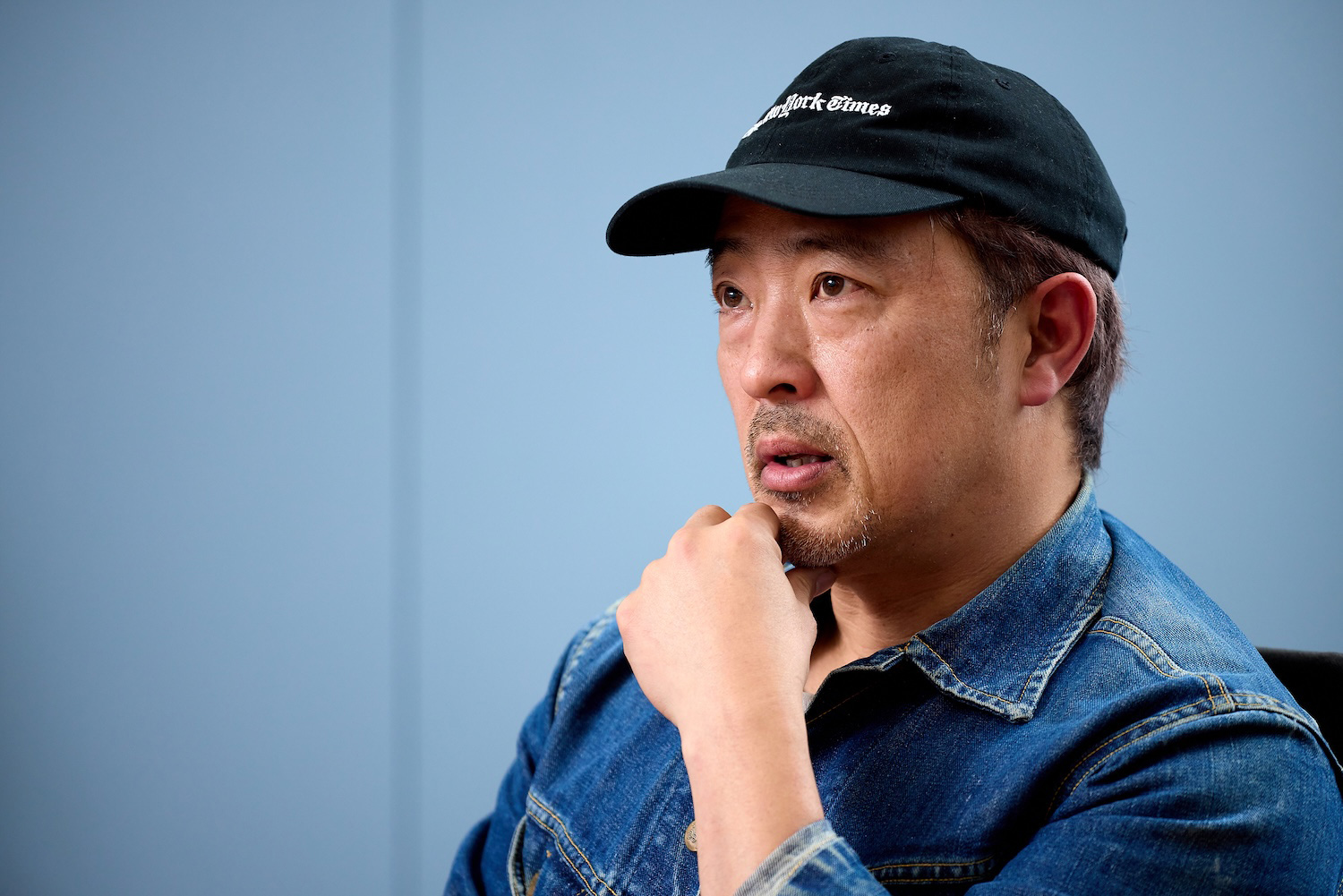
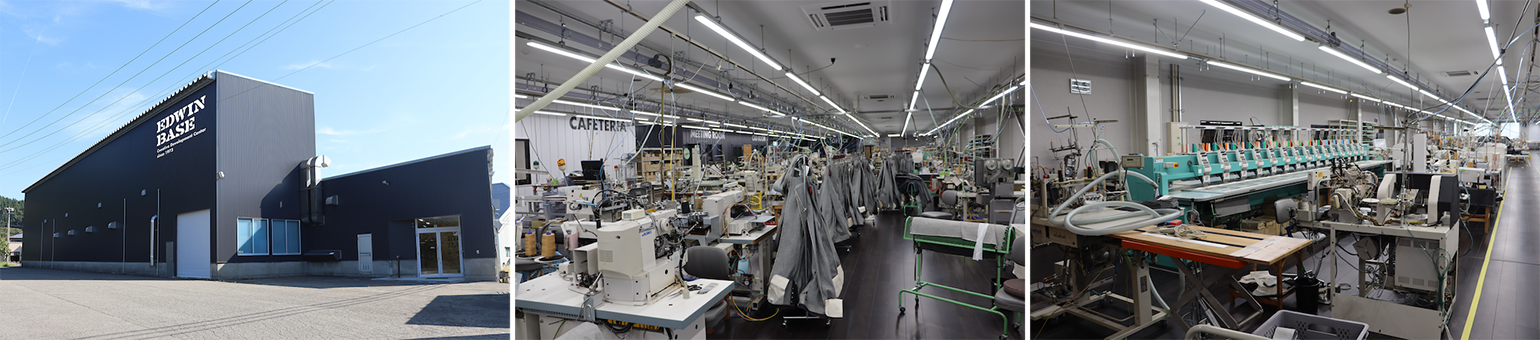
Hidekazu Hosokawa, EDWINEDWIN BASE in Akita, our longest-standing in-house factory
Tozaki: I imagine the term "sustainable" wasn't common back then. So your own experience was the motivation?
Hosokawa: Yes. It started less from a grand cause and more from a simple question: "Can't we do something about this?" Since then, through various trials and errors within the industry, we've transitioned to cleaner processing methods. For example, ozone bleaching achieves color fading without chemicals, and recirculating jet washing significantly reduces water usage.Used processing, too, has seen labor burdens reduced by replacing manual work with lasers. Precisely because jeans involve lengthy processes and high environmental impact, the progress in alternatives could be seen as a success story.
Yamashita: In the late 90s, as environmental awareness grew, global brands began setting strict standards. Among them, jeans brands seemed particularly forward-thinking.
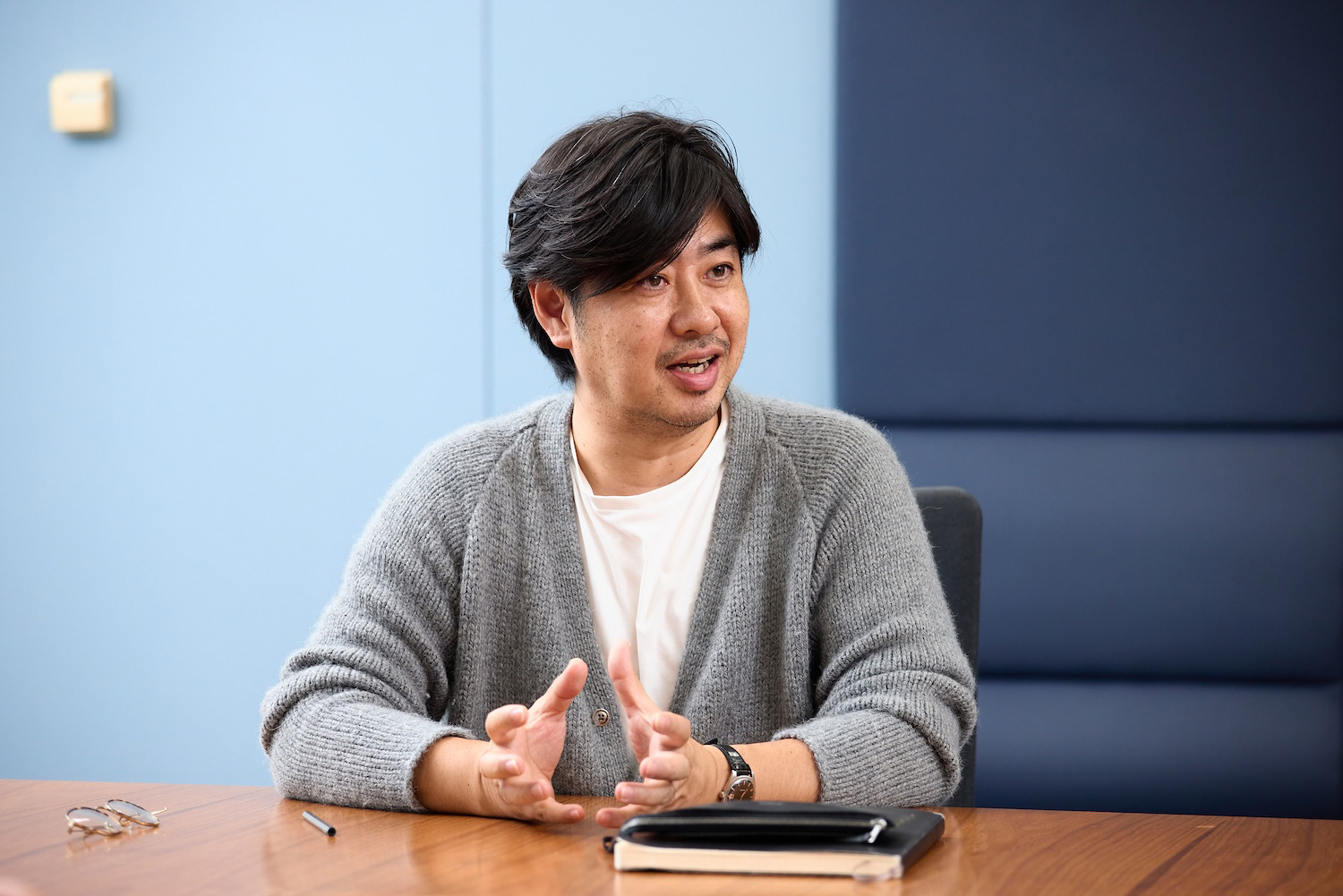
Tetsuya Yamashita, ITOCHU Fashion System ifs Future Research Institute / Re-Creation
Tozaki: What do you think were the reasons for that?
Hosokawa: The jeans supply chain is exceptionally long with numerous processing steps, making its environmental and labor impacts highly visible. For instance, potassium permanganate is used for jeans bleaching due to its powerful oxidizing properties. In hot countries like Bangladesh, workers sometimes handle it barefoot and barehanded, exposing their skin directly to the purple chemical. When captured in video or photos, the sheer stress of this situation is immediately apparent.I believe jeans, precisely because such "unnecessary elements" stand out, necessitated imposing stricter standards on themselves.
Era: Mr. Hosokawa, I recall you were among the earliest in the industry to challenge sustainable initiatives. Around 2005, you were involved in organic cotton projects in Uganda, right?
Hosokawa: Yes. Back then, while experimenting with reducing jeans' environmental impact, I realized the importance of cotton—the upstream material. It was said to involve very high pesticide use, and I felt it was an issue we had to confront. While searching for cotton suitable for jeans, I ended up in Uganda with Osaka's Taisho Spinning.My only impression of Uganda was its civil war, but by gathering local information through personal connections, we partnered with the NGO Hunger Free World, the NPO ACE tackling child labor issues, and local factory workers to launch the "BORN in UGANDA ORGANIC COTTON" project. It was around that time that someone introduced me to Mr. Era – our first meeting.
Also, even back then, we were actively working company-wide to improve working conditions in our own factories and introduce LED lighting, primarily to reduce running costs. These very natural efforts to solve employee challenges ended up leading to sustainability. In that sense, it was just the obvious thing for us to do.
Tozaki: So, you were naturally moving in a sustainable direction.
Hosokawa: Exactly. It feels like we've just been accumulating the improvements any company should make. However, looking at global standards, Japan's manufacturing sites still sometimes retain unique, factory-specific customs. These are operational practices formed over many years and aren't necessarily bad. But it's also true that cases arise where they don't align with global standards. Examples include procedures lacking formal agreements or practices that have continued based on tacit understanding.While our own factories have been advancing improvements in working conditions and equipment reviews from an early stage, we feel it's necessary for the entire industry to now update its standards and ensure alignment with an international perspective.
Don't just stop at "buying" organic cotton. Building relationships where you can see the faces behind it.
Sotozaki: Next, I'd like to ask Mr. Era about what sparked his interest in sustainability and the background leading to his current business.
Era: After graduating from a university strong in information processing, I joined a foreign IT company. By chance, it was right when the global IT bubble was happening. I thought I'd use the money earned in that bubble to enjoy things I loved, like music and travel. However, it was a highly competitive world, and I ended up working non-stop, with absolutely no time for myself. Realizing I couldn't balance money and happiness, I decided to quit and started backpacking around the world.
During that time, I had a child, which meant I needed to work again to support my family. But I knew returning to the same industry would lead me back into the same dilemma. So, I decided, "Next time, I'll turn what I love into my work." Around that time, a friend from my student days happened to be doing volunteer cleanup activities for an NPO. When I helped out, I had a revelation: my actions brought joy to others. I realized that acting for someone else's benefit, rather than solely pursuing my own gain, led to greater happiness and satisfaction in work. That was a major turning point.After that, I began exploring ways to contribute in the fields of education and art. That's when I was approached about kurkku, a company just starting up. I joined in 2005.
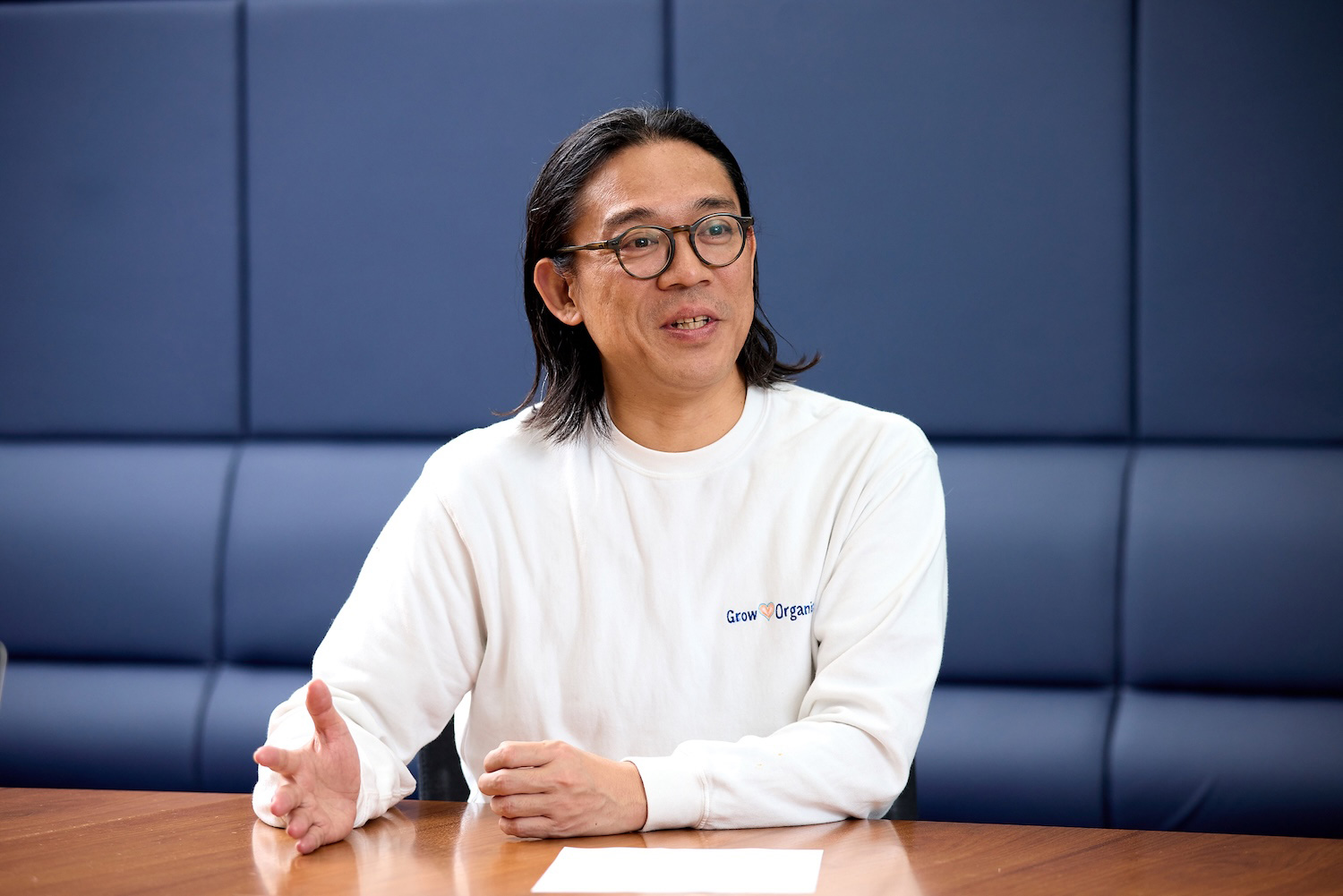
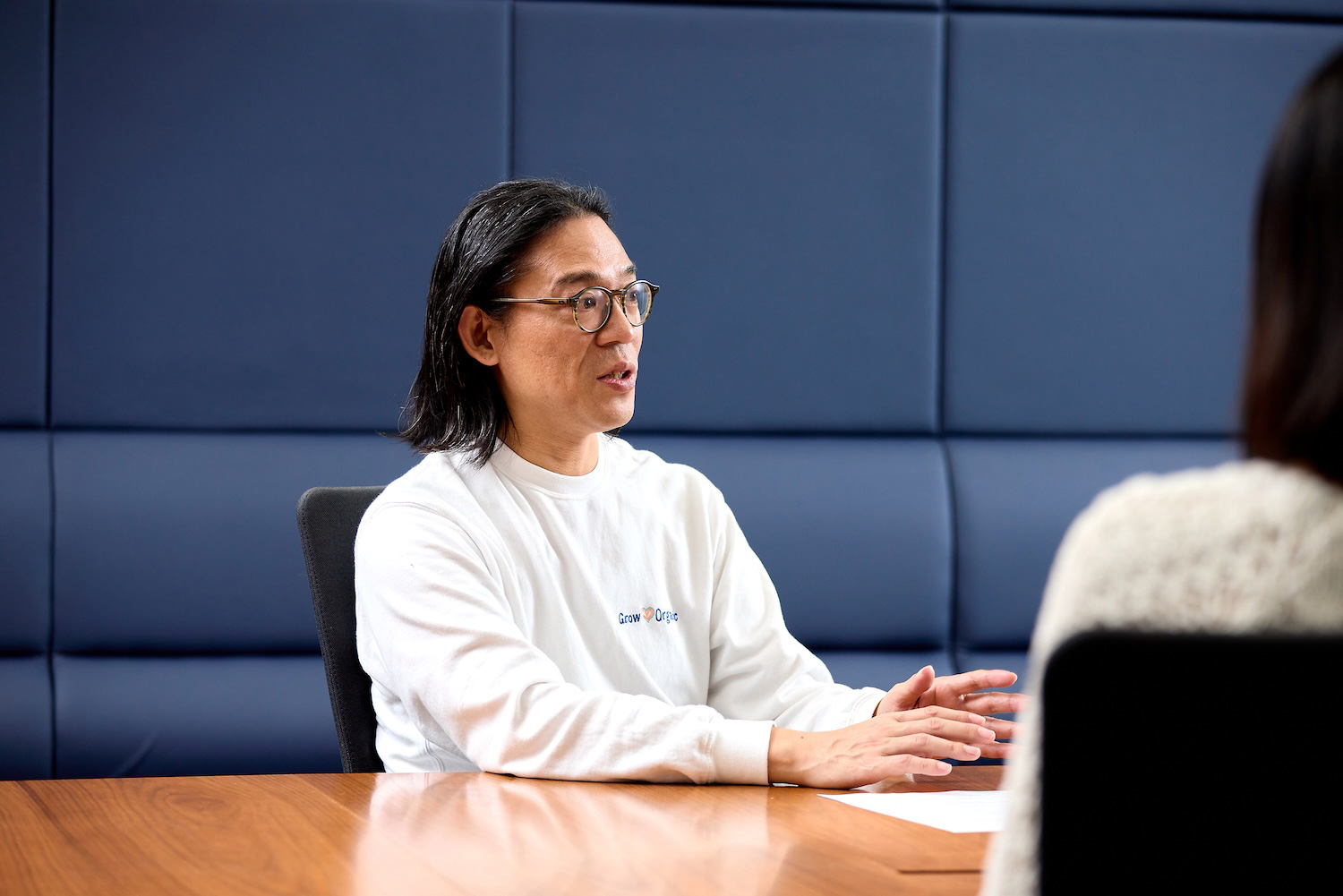
kurkku alternative Keisuke Era
Tozaki: I have the impression that kurkku elevated "sustainability" to a "culture."
Era: kurkku was launched by musician Takeshi Kobayashi as a practical space for "sustainability," with ap bank—which provided non-profit financing for environmental projects—handling the concept production. It started with the goal of comfortably integrating consideration for the global environment and society into lifestyle aspects like clothing, food, and housing.
Within that, I was tasked with making concert merchandise environmentally friendly, working on the production of organic cotton T-shirts and towels. At that time, we needed to source large quantities of organic cotton, which is how we came to work with ITOCHU Corporation. Back when Japan's annual organic cotton distribution volume was around 300 tons, we sourced approximately 100 tons of that.
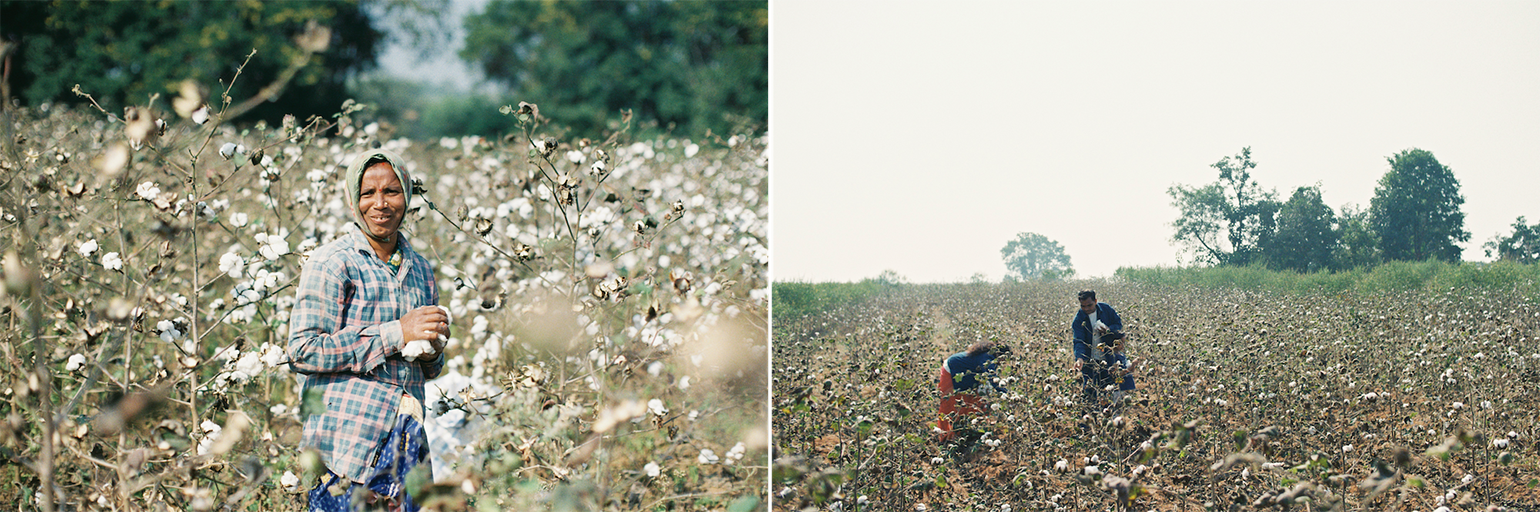
Grow Organic: Cotton Fields in Semera Village, India (Photo: Haruki Anami)
We traveled to India ourselves, visiting local farmers and factories. While transitioning from pesticide-based cotton farming to organic offered benefits for both the environment and working conditions, the switch itself takes three years. At the time, there was almost no support system in place for how farmers would bear this switching cost. So, we started a program where we named cotton in transition to organic "Pre-Organic Cotton." Purchasing this cotton directly supported the farmers during their transition.But we alone had limitations. While searching for like-minded partners, Mr. Hosokawa was the first to say, "Let's do this together." Thus, the program that began in 2008 continues today, evolving into the Grow Organic initiative. It connects consumers with farmers whose faces we can see, tracking their environmental and economic conditions as producers and consumers collaborate to build an organic lifestyle.
How do we turn the ordinary into value? Third-party certification as a "translation device"
Tozaki: Next, I'd like to hear about your encounter with Re-Creation and what resonated with you. First, Mr. Hosokawa, what led you to become interested in Re-Creation?
Ms. Ikumi Totsuki, Dentsu Inc.
Hosokawa: At Edwin, we conduct rigorous audits not only at our own factories but also at partner factories, based on our own standards and the audit criteria of licensed brands like Lee and Wrangler. Since manufacturing approval is only granted if these standards are met, it requires significant effort each time.
Many factories aren't designed with audits in mind, and such facilities often struggle to meet international audit standards. While it's "common sense" for us to only produce goods at factories that pass audits, we realize daily how much effort this actually demands. Amidst this, we faced the challenge of how to communicate the value of these "common sense" practices we've sincerely upheld. It was precisely at this time that we received a presentation from the Re-Creation secretariat.
Tozaki: So there was a challenge in transforming the obvious into value.
Hosokawa: Yes. Precisely because safety and health management, labor management, and employment ethics are things we naturally undertake as a company, communicating them as value is difficult. While we can articulate them in CSR reports, visualizing them as brand value is extremely challenging. We felt Re-Creation, as a framework offering third-party evaluation, held the potential to connect our activities with society.
Tozaki: Mr. Era, what led you to take notice of Re-Creation?
Era: I first learned about it through the Ministry of the Environment's Fashion Task Force, I believe. There were gatherings where we all discussed sustainability, and I had been vaguely following this concept since around that time.
We've built face-to-face relationships with farmers in India and provided customers with meticulously traced information, including pre-organic cotton during the transition period. In some cases, our management is so transparent we could sell without third-party certification. But we wrestled with whether simply communicating this ourselves was enough.
For example, even if Mr. Hosokawa resonated with what we were communicating and collaborated with us on clothing production, without a trigger for customers to notice that background in stores, the value wouldn't reach consumers. That's precisely why we felt the potential for a third-party certification system and its mark to broaden that "entry point for awareness" across society.
Tozaki: So you also saw potential in the functionality of the certification mark.
Era: Exactly. Compared to 20 years ago, I feel society as a whole is becoming more concerned about the environment and human rights, and the number of people actively seeking information is gradually increasing. That's precisely why a common mark visible to everyone could spark curiosity: "What is this?" It could become a starting point for inquiry. I believed participating in Re-Creation was meaningful both as a way to raise awareness about our project and as a way to play a part in this societal shift.
Tozaki: Could you tell us about products that have actually received Re-Creation certification?
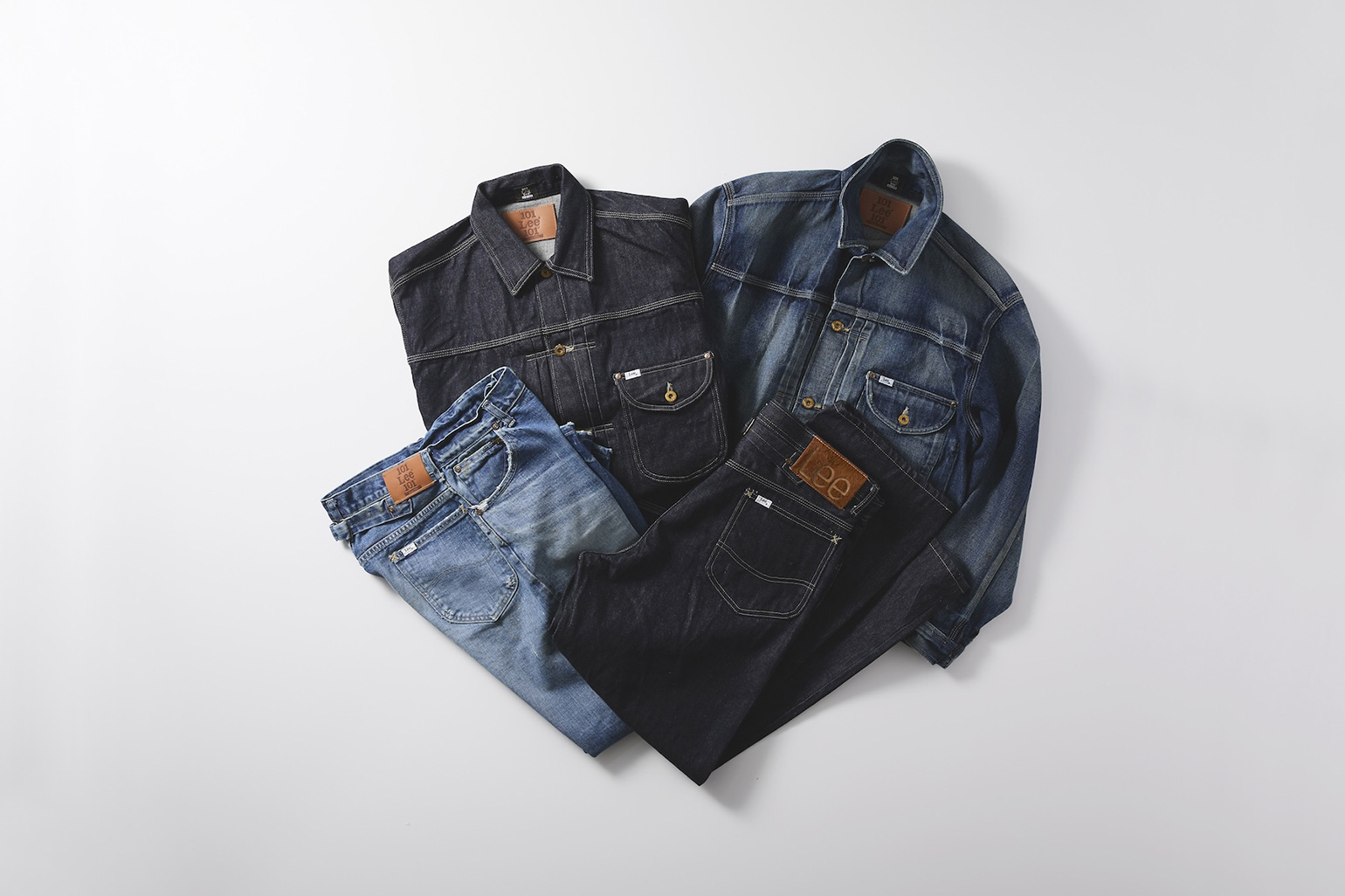
Hosokawa: Our company obtained certification for the employment ethics category on our jeans product with the model number 20.This coincided with our development of the world's first product using "recycled indigo." We partnered with Nagase Sangyo to recover indigo-dyed yarn leftover from Kaihara's manufacturing process—a leading Japanese denim manufacturer—re-extract the indigo from it, and reuse it. This project successfully commercialized this process for the first time. We consider it a fitting first initiative for our participation in Re-Creation.
Togazaki: Just hearing about extracting indigo from leftover yarn and re-dyeing it makes me excited.
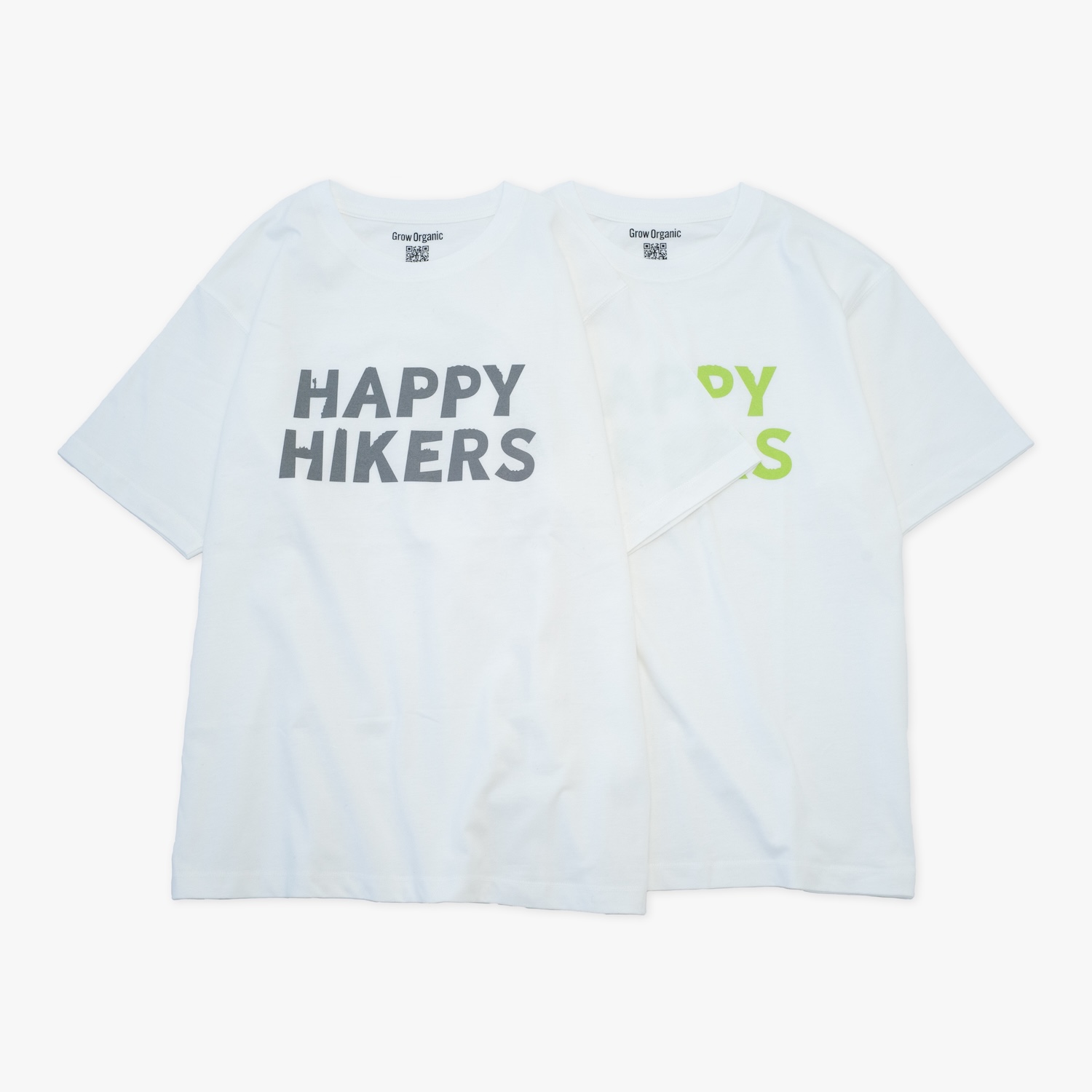
Era: We've obtained T-shirt certification in two areas: employment ethics and transparency. Specifically, we trace every step—from Indian farmers through ginning, yarn production, fabric, sewing, to printing in Japan. Beyond online and event sales, this T-shirt is also used as uniforms by a company we know. Having Re-Creation certification lets us confidently share the story behind it.
Overcoming the cost barrier requires trust and storytelling
Tozaki: Hearing all this, I feel that while sustainable initiatives are challenging to implement, communicating their value is even harder. What challenges do you face in conveying your ongoing efforts to consumers?
Era: I believe the biggest challenge is that "it's not fully getting through." No matter how good the work is, if it's not known, it's as if it doesn't exist. That's why I think Re-Creation should become a "space where we all communicate together," including promotion. The ideal is for it to become a community-like entity that conveys the meaning and background of the certification to society, not just individual brands speaking alone, but as a shared platform.
Yamashita: That's precisely one reason we launched Re-Creation. We needed a system to accurately convey the long-term efforts of people like Hosokawa-san and Era-san to consumers.
For example, organic cotton is often misunderstood, with its value misrepresented as "gentle on a baby's skin." The true essence of organic cotton's value lies not with consumers, but with producers. By avoiding pesticides, it protects water sources, reduces harmful effects on human health, and alters impacts on ecosystems. I firmly believe that if we communicate these true values in the right context, they will resonate with people.
Togaki: Few people might know that "organic cotton is a system designed to protect producers." And on the ground, balancing cost and value seems to be a constant challenge. I've heard that for some companies, sustainability initiatives can be halted due to management decisions.
Yamashita: Exactly. Even when the business side wants to advance sustainable initiatives, management might halt them based on short-term profitability concerns. The challenge now is how to visualize not just financial value but also non-financial value – trust and empathy – from a medium-to-long-term perspective.
I still strongly remember Mr. Hosokawa saying before that "obtaining certification isn't the goal." The real challenge is communicating "why we pursued it" after certification. We want to be a resource that helps create opportunities for that communication. We believe we need to evolve the system itself through dialogue with diverse stakeholders: producers, those close to consumers, experts in international certifications, and others.
Hosokawa: That's right. When communicating value, it's crucial to translate it into consumers' "reasons to buy." Raising internal sustainability awareness isn't about obligation; it's about business results. The reality is, if sales don't follow, it's unsustainable.
Yamashita: I personally relate to the importance of "reasons to buy." I actually tend to buy organic cotton whenever I see it. At first, I just thought, "It's good because it's gentle on the skin." But when I learned about the background and understood that the real essence lies in the care for producers and the environment, my conviction deepened, and I grew to like organic cotton even more.
A symbolic moment was two years ago when an intern student consulted me. They were struggling to sell organic cotton sweatshirts at their part-time job. When I asked, "What do you think organic cotton is?" they replied, "It's gentle on the skin, right?"First, I explained that residual pesticide levels are actually comparable to conventional cotton. Then, building on that foundation, I suggested framing the conversation around the producers' stories and environmental considerations to convey its true value. The next week, that student reported, "We sold a lot!" It felt like proof that communicating value correctly drives action.
Tozaki: So how you communicate it really changes how consumers react.
Yamashita: I think what consumers, especially younger generations, are seeking has changed recently.What struck me while listening to students' discussions at a Ministry of the Environment event was their sentiment: "We don't want sustainable choices reduced to economic incentives like point programs. We want psychological incentives instead." What they seek isn't the "gold" of an RPG, but "experience points." In other words, value that accumulates as empathy and tangible feeling, not something fleeting like money or points.
How do we connect this shift in consciousness to business? That's the current turning point, and we hope Re-Creation can become that point of connection.
Era: Even if they aren't the majority, I definitely feel the number of people holding these values is growing. Once people understand the background, they want to make meaningful choices. That's precisely why we want to create a platform together to communicate this.
We want to make Re-Creation certification a "reason to choose."
Tozaki: Re-Creation is still in its early stages, but if you have any expectations for our future initiatives or ideas for collaboration, please share them.
Hosokawa: We sometimes get asked, "What does this mark mean?" But these questions come more from buyers and sales professionals than from consumers. Some immediately show empathy, while others remain uninterested. Still, we find it meaningful that these questions are being asked at all.
Amidst this, I hope the products we create can serve as a "hub," encouraging more companies to think, "Maybe we can do something too," and join us, thereby expanding the community circle. I feel Re-Creation shouldn't be something only the secretariat strives for; it should be a system nurtured by all participants. It would be interesting to hold events too, wouldn't it?
Era: Events sound great. Ultimately, it would be ideal if the meaning and value embodied in the Re-Creation logo permeated society, leading people to say, "Oh, I've seen that mark before." To achieve that, creating opportunities for people to become interested in the background and story behind the logo is also crucial. I have high hopes for Re-Creation to serve as that "standard-bearer" in this regard.
Tozaki: Mr. Yamashita, as the flag-bearer, how do you envision nurturing Re-Creation moving forward?
Yamashita: I'm truly delighted we could have a conversation like today's. When we launched Re-Creation, our vision was to "create a market where sustainable choices become the norm." Ultimately, we're working toward a world where the Re-Creation certification itself becomes unnecessary.
Furthermore, I believe "search-and-select" consumption will become increasingly common. I want to create something that fits this new way of consuming, leading to actions like "I'll choose from brands that have obtained Re-Creation." To that end, I also hope to enhance the value of our platform as a place where certified products can be searched and viewed anytime, anywhere.
Tozaki: So the vision is for Re-Creation to become the "reason for being chosen."
Yamashita: Yes. And in the future, we aim for certification that is globally recognized. In the fashion industry, without international credibility, it won't gain traction. That's precisely why Re-Creation was launched with international standards in mind from the very beginning.
Personally, I've experienced establishing a general incorporated association while working at a trading company, so I deeply understand the challenges of launching a non-profit entity. It took repeatedly presenting proposals to the President's meeting to gain internal consensus before we finally realized this structure. But I'm incredibly excited that this collective, Re-Creation, is gradually growing alongside members like those here today.
Tozaki: Your passion and conviction really came through in your story. I look forward to seeing the network continue to expand through the shared platform of Re-Creation.
The information published at this time is as follows.
Fascinated by jeans and vintage clothing since his student days, he joined EDWIN Co., Ltd. in 1990. Since then, he has dedicated 36 years solely to denim.
From the following year, 1991, he took charge of the Lee brand, overseeing numerous creative projects including the Archives series and the 101 series. He also promoted sustainable initiatives such as supporting organic cotton in Uganda and the Pre-Organic Cotton Project.
Currently, he focuses primarily on the EDWIN brand, working on branding, creative direction, and activities to enhance the value of the company's domestic factories.
Keisuke Era
kurkku alternative Inc.
Representative Director
After working at a foreign IT company since 1999, he joined KURKKU in 2005. In 2007, he co-founded the "Pre-Organic Cotton Program" with ITOCHU Corporation to support Indian cotton farmers transitioning away from pesticide dependency. After the earthquake, he launched the "Tohoku Cotton Project." In 2016, he established the Reborn-Art Festival.He has consistently practiced creating systems that maintain connections between producers, regions, nature, consumers, and cities, avoiding fragmentation. Since 2020, he has served as President and CEO of KURKKU and KURKKU FIELDS. He established kurkku alternative in 2022 and launched Grow Organic in 2023.
Tetsuya Yamashita
ITOCHU Fashion System Corporation
ifs Future Research Institute
Acting Director
Born in 1974. Joined World Co., Ltd. Served as Head of Corporate Strategy and New Business Development.
From 2017, served as Head of Marketing at ITOCHU Fashion System Corporation before establishing a think tank organization. Research specialization is SX; in consulting, handles strategy domains. Sectors covered range from consumer goods to automobiles. In 2024, established the General Incorporated Association Re-Creation with the goal of achieving reproducible SX, concurrently serving as Executive Managing Director.
Ikumi Toga
Dentsu Inc.
Second CR Planning Bureau
クリエイティブディレクター/コピーライター
Creative direction and copywriting form the core of my work, which also encompasses branding, business development support from a creative perspective, communication development, product development, and project management. Served as Representative of Dentsu Inc. Gal Lab from 2016 to 2020.

 The "New Standard" for Sustainable Fashion [2/2]