
Note: This website was automatically translated, so some terms or nuances may not be completely accurate.
“GCNJ Summit 2026” to Be Held, Where Corporate Leaders Discuss Fairness in the Workplace. dentsu Japan to Present Case Studies of Its Initiatives
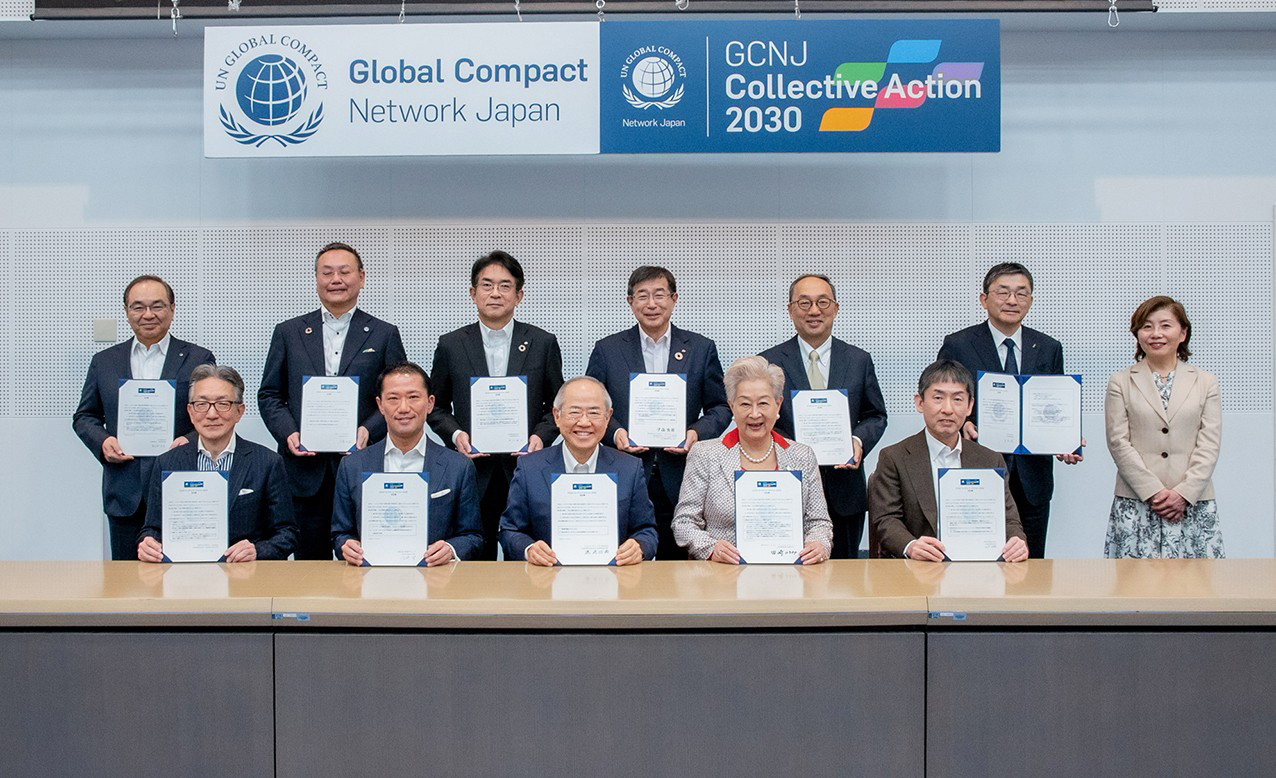
On Tuesday, January 27, 2026, the “GCNJ Summit 2026—Fairness at Work and Home” (hereinafter “GCNJ Summit 2026”) was held at the United Nations University Headquarters Building.
The organizer, the Global Compact Network Japan (hereinafter “GCNJ”), was established in December 2003 as the country network for the “United Nations Global Compact,” a global framework designed to help the international community achieve sustainable growth.At this summit, top executives from 11 of the 41 companies that support GCNJ’s vision of “fair working practices” attended in person to discuss “constraints on working hours and locations” and “gender role division within the household”—factors that hinder fairness in the workplace.Furthermore, as the summit is highly aligned with the Ministry of Health, Labour and Welfare’s “Tomoiku Project” for promoting dual-income households and shared parenting, it was held with the ministry’s support.
Reducing long working hours starts with revising organizational design
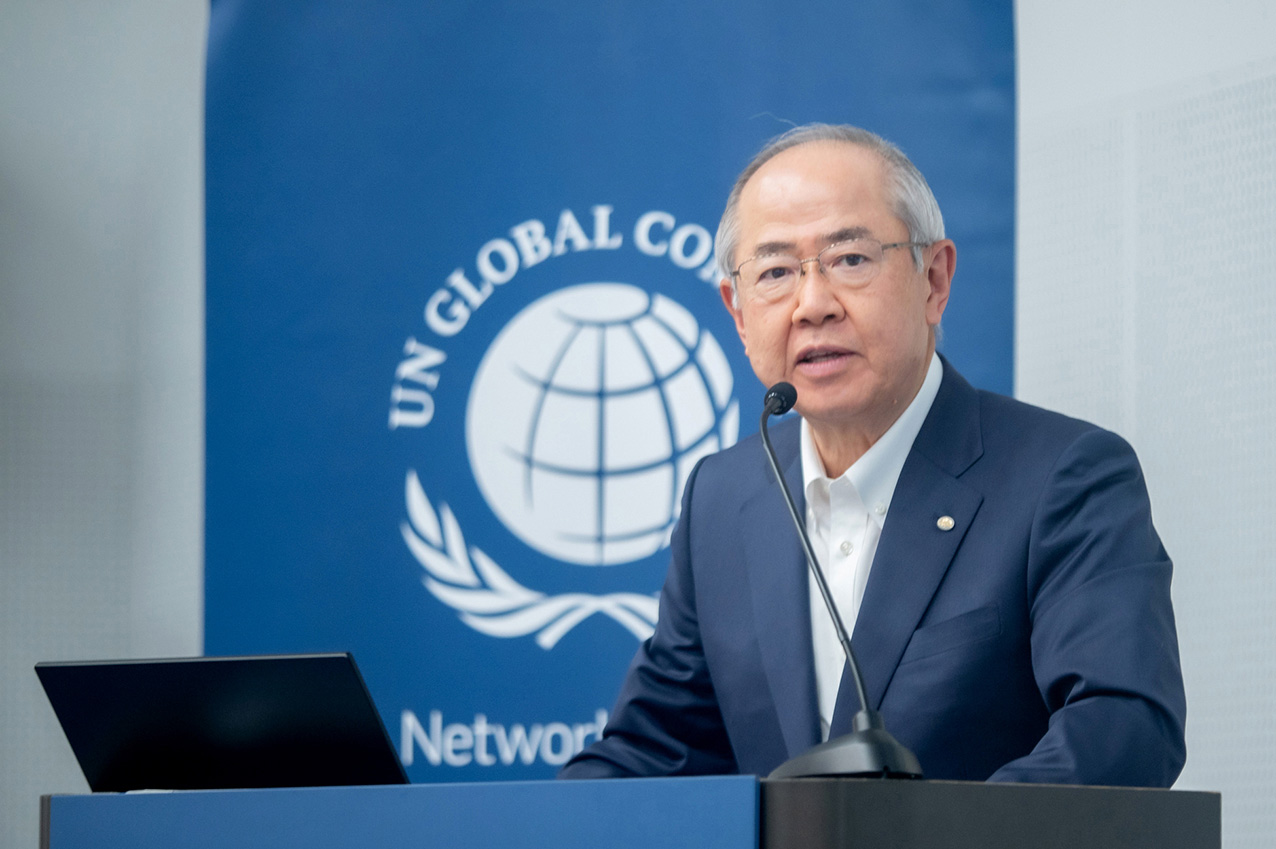
The summit opened with an opening address by Mr. Katsunori Isozaki (Representative Director of GCNJ and Representative Director, Chairman, and CEO of Kirin Holdings).
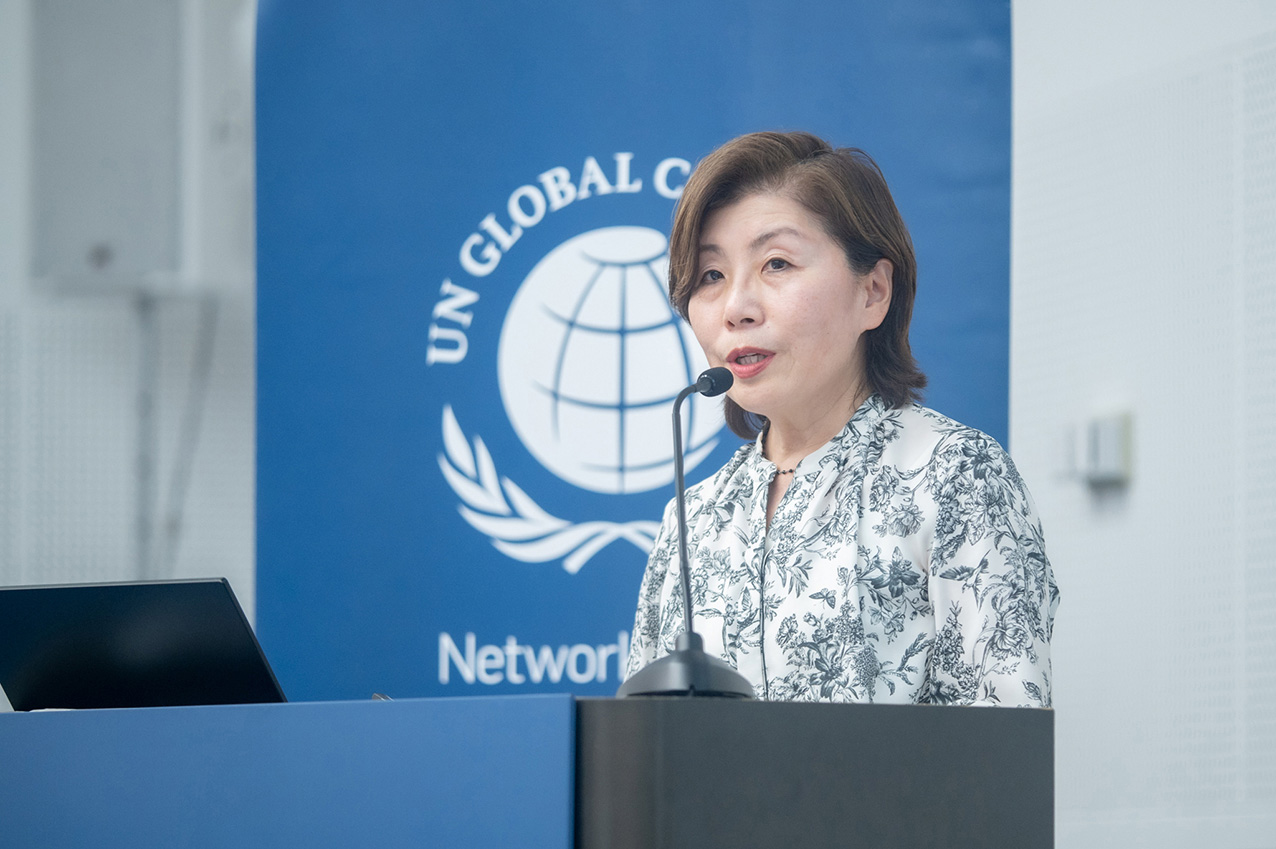
Part 1 featured an annual activity report by Director Naomi Motoshima, Chair of the Fair Working Practices Subcommittee, followed by a keynote speech by Professor Shintaro Yamaguchi of the Graduate School of Economics at the University of Tokyo titled “Why Organizations Dependent on Long Working Hours Lose Competitiveness: Organizational Design That Does Not Assume ‘People Who Can Work Long Hours.’”
The keynote address, delivered directly to top executives, was given by Professor Shintaro Yamaguchi of the Graduate School of Economics at the University of Tokyo, who specializes in labor economics and the economics of the family. Professor Yamaguchi argued that creating an environment that does not rely on long working hours enhances corporate competitiveness. He expressed strong expectations for the commitment of top executives to review traditional staffing and evaluation systems that currently act as barriers to this change.
dentsu Japan’s Initiatives to Explore Flexible Work Styles
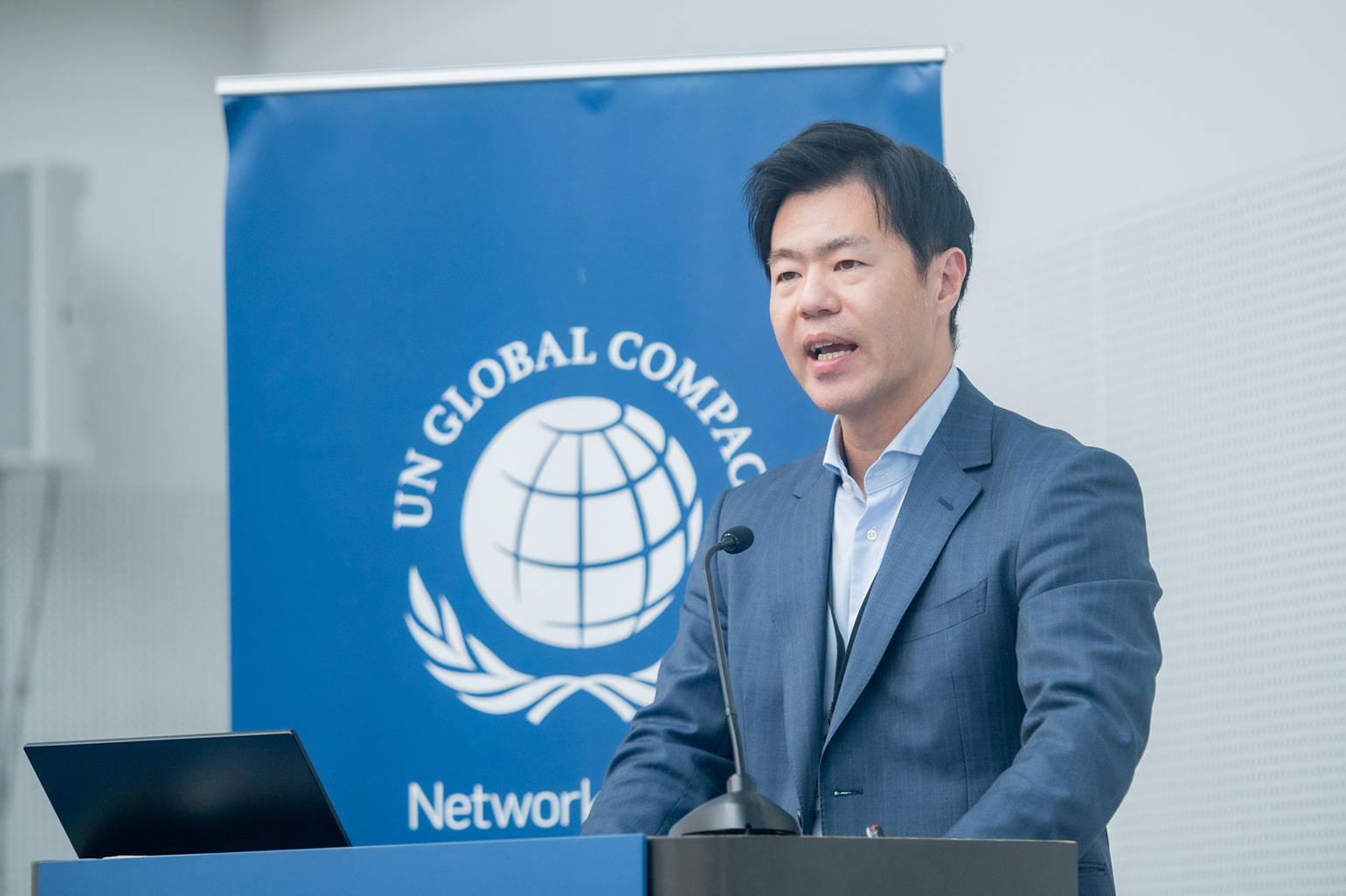
Part 2 began with a case study presentation titled “dentsu Japan’s ‘Everyone Thrives’ Initiative” by Mr. Suguru Sano, CEO of dentsu Japan and Representative Director, President and Executive Officer of Dentsu Inc.
Aiming to be a “True Integrated Growth Partner,” dentsu Japan creates value by enabling its approximately 23,000 domestic employees to maximize their individual capabilities and multiply that power as a team. For this reason, Sano stated that the company has established individual growth and team growth as its HR mission.
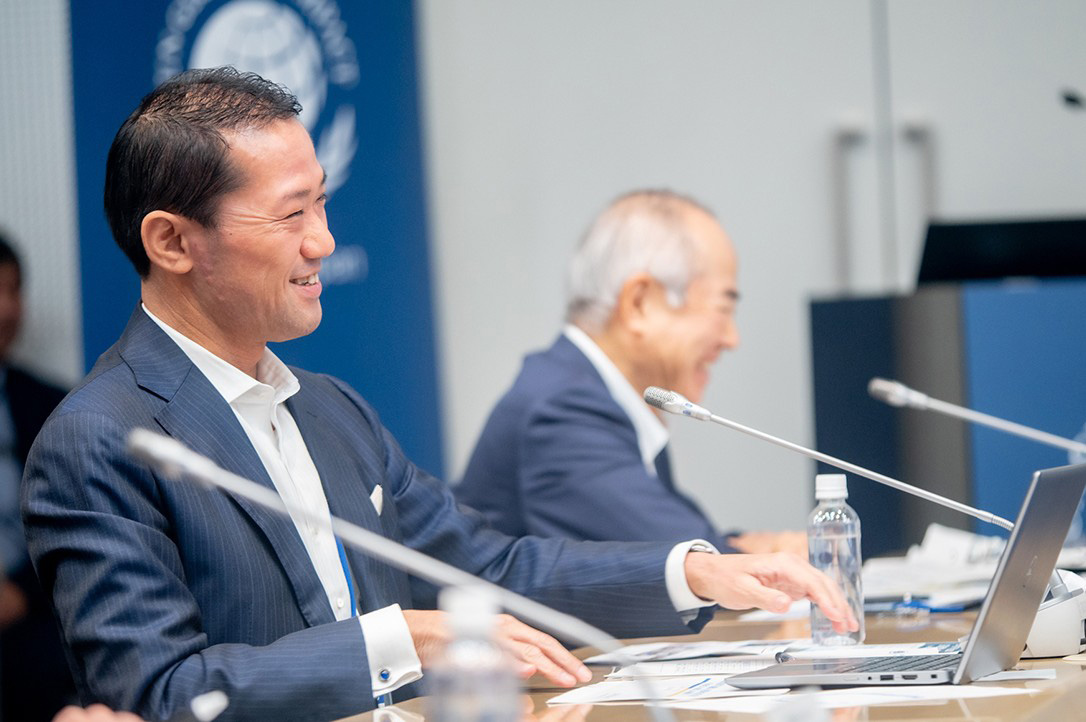
When it comes to individual growth, the company places a strong emphasis on leadership. However, Dentsu’s definition of leadership extends beyond the qualities required to stand at the forefront of a team and strongly lead staff. He revealed that the company defines leadership as having a positive influence on others or bringing out the best in those around them, and that performance evaluations prioritize both performance (results) and leadership (behavior).
Furthermore, to maintain high team competitiveness, the company is promoting DEI and creating an environment where everyone can thrive. To break away from a culture that condones long overtime hours, he explained that they are driving reforms—such as promoting a unique program to generate DEI initiatives and fostering diversity in career paths—led by two key figures: the Chief Diversity Officer and the Chief Branding/Culture Officer.
The company is also focusing on creating a work environment that improves quality without relying on long hours, promoting flexible work arrangements that allow employees to choose their own hours and locations, and building a foundation that enables employees to thrive while balancing work and childcare. As a result, the company revealed that by 2024, it had reduced non-statutory overtime hours by approximately 65% compared to 2016, while operating profit per employee had increased by 1.29 times, highlighting the positive impact of these workplace reforms.
Fostering a culture that accelerates flexible work styles is another key focus for the company. It has implemented various initiatives, including “Office Coming Day,” where employees invite their “loved ones”—such as family members and partners—to the office; designating the first day of every month as a paid leave encouragement day or a special “Refresh Holiday”; and the cross-company “Work-Life Balance NEXT Project,” which discusses challenges faced by female sales staff across six companies.
To embed this corporate culture, a shift in management mindset is essential. To this end, dentsu Japan conducts ongoing training for executives and middle managers across group companies.The company noted that highly effective initiatives are being implemented across various organizations, including the “DEI Park”—a platform for generating DEI-related actions; the “Future GM System,” where current General Managers (GMs) and future GMs (Deputy General Managers) of different genders and age groups work in pairs to manage the organization and develop leaders; and the “Fuku-Sapo” program, which supports employees returning from maternity and childcare leave.
These initiatives have borne fruit: on OpenWork, a job search and recruitment platform operated by OpenWork Inc., Dentsu Inc. ranked first and DENTSU SOKEN INC. ranked fourth in the 2025 “Most Rewarding Companies to Work For” ranking. In 2024, Dentsu Inc. ranked third in the “Companies Most Highly Rated by Managers” ranking, demonstrating high recognition from external organizations.
This shift in corporate culture is also reflected in the numbers: in 2025, women accounted for 52.0% of Dentsu Inc.’s new hires (full-time employees), surpassing the proportion of men. The number of female managers has also increased, reaching 15.0% of the total workforce as of 2025. Furthermore, the rate of male employees taking parental leave reached 103.1% in 2024, with the average number of days taken by men standing at 67.1 days.He emphasized that understanding of female employees taking parental leave has deepened, and opportunities for both men and women to thrive are expanding.
Further Actions Toward the 2030 Goal
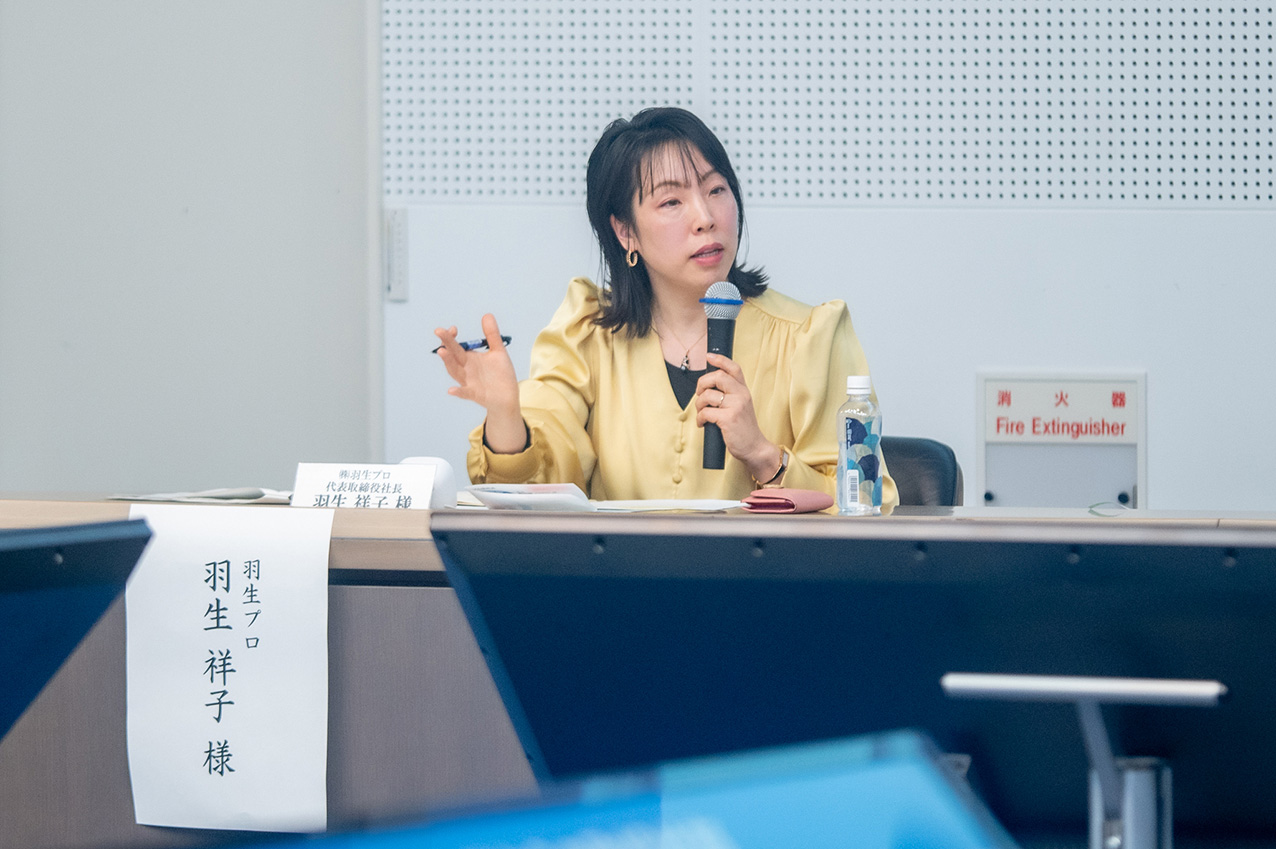
In the second half of Part 2, a roundtable discussion was held where top executives from 11 companies discussed best practices, methods for fostering internal adoption, and dilemmas related to equitable work practices.The moderator was Ms. Shoko Hanyu, Representative Director of Hanyu Pro Co., Ltd., a leading advocate for women’s work-life balance. Drawing on her experience working with many working parents, Ms. Hanyu spoke about the significant impact of top management commitment, and the participating executives reaffirmed their pledge to take swift action toward realizing “equitable working practices.”
Companies Represented by Top Executives at the “GCNJ Summit 2026” (11 companies, listed in alphabetical order)
Iwase Cosfa Co., Ltd., Kao Corporation, Kirin Holdings Co., Ltd., KDDI Corporation, JAC Recruitment Co., Ltd., Shimizu Corporation, Sumitomo Chemical Co., Ltd., Seven & i Holdings Co., Ltd., dentsu Japan (Dentsu Group Inc.), BREXA Holdings Co., Ltd., Mitsubishi Electric Corporation
Event Overview
Title: GCNJ Summit 2026 – Fairness at Work and Home –
Organizer: Global Compact Network Japan (General Incorporated Association)
Date and Time: Tuesday, January 27, 2026
Venue: United Nations University Headquarters Building
Was this article helpful?
Share this article


