With the evolution of digital technology, the relationship between companies and consumers is undergoing a significant transformation. How can we understand the experiences generated at every touchpoint—whether online or offline—and how can we connect them to the next experience?
The key to this lies in blockchain and AI.
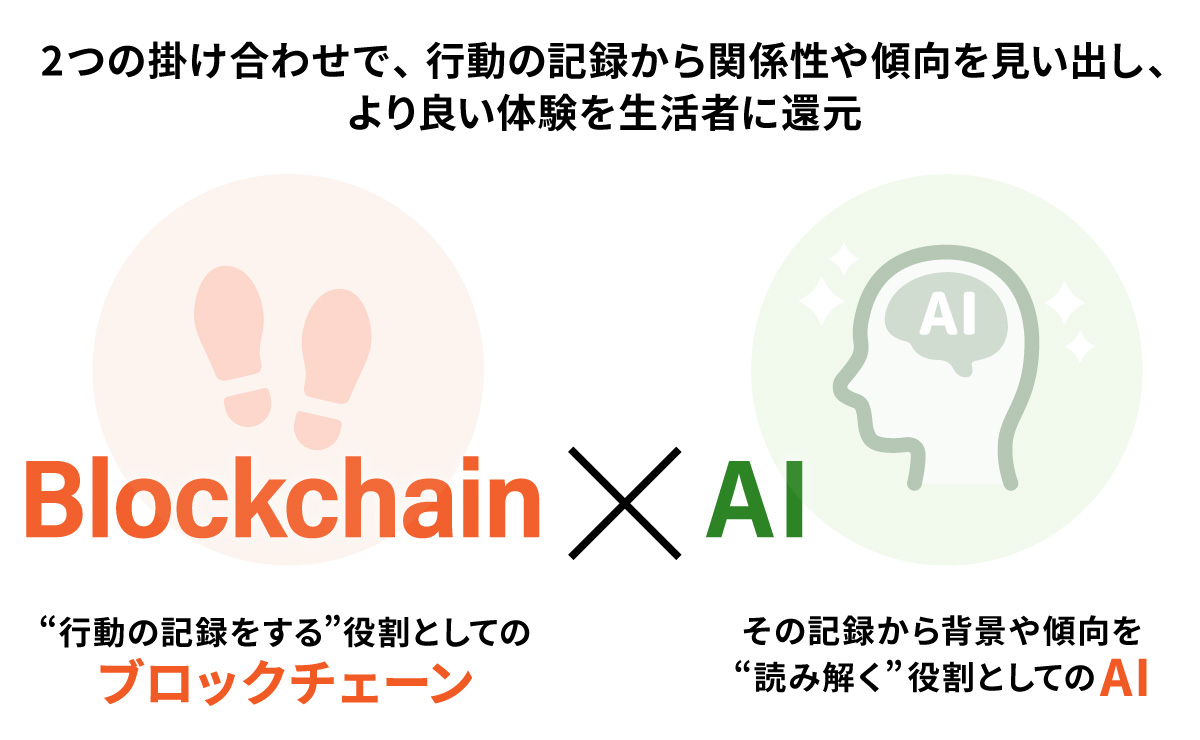
Blockchain “records” behavior, and AI “interprets” those records. By combining these two technologies, we can view previously scattered customer touchpoints as a “seamless flow of experiences” and use that flow to create even better experiences next time.
In this article, following up on our previous piece, we focus on “Minna no Ashito,” a consumer behavior analysis service jointly developed and deployed by Dentsu Inc. and SUSHI TOP MARKETING. We spoke with four individuals involved in the project to learn exactly how this service is being utilized in marketing initiatives.
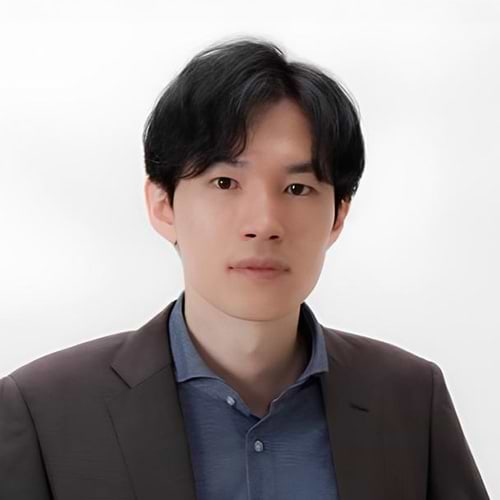
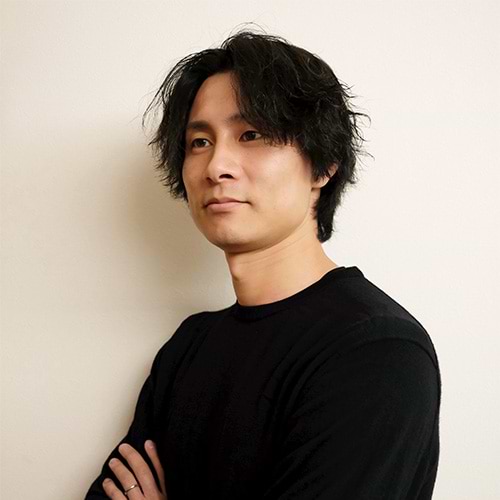
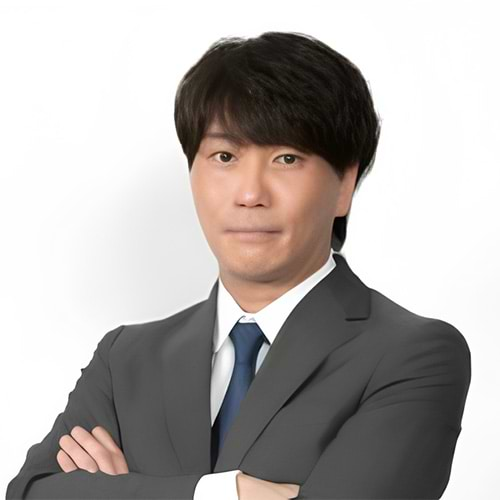
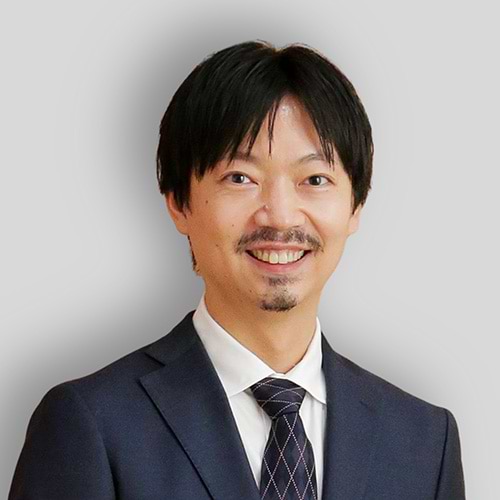
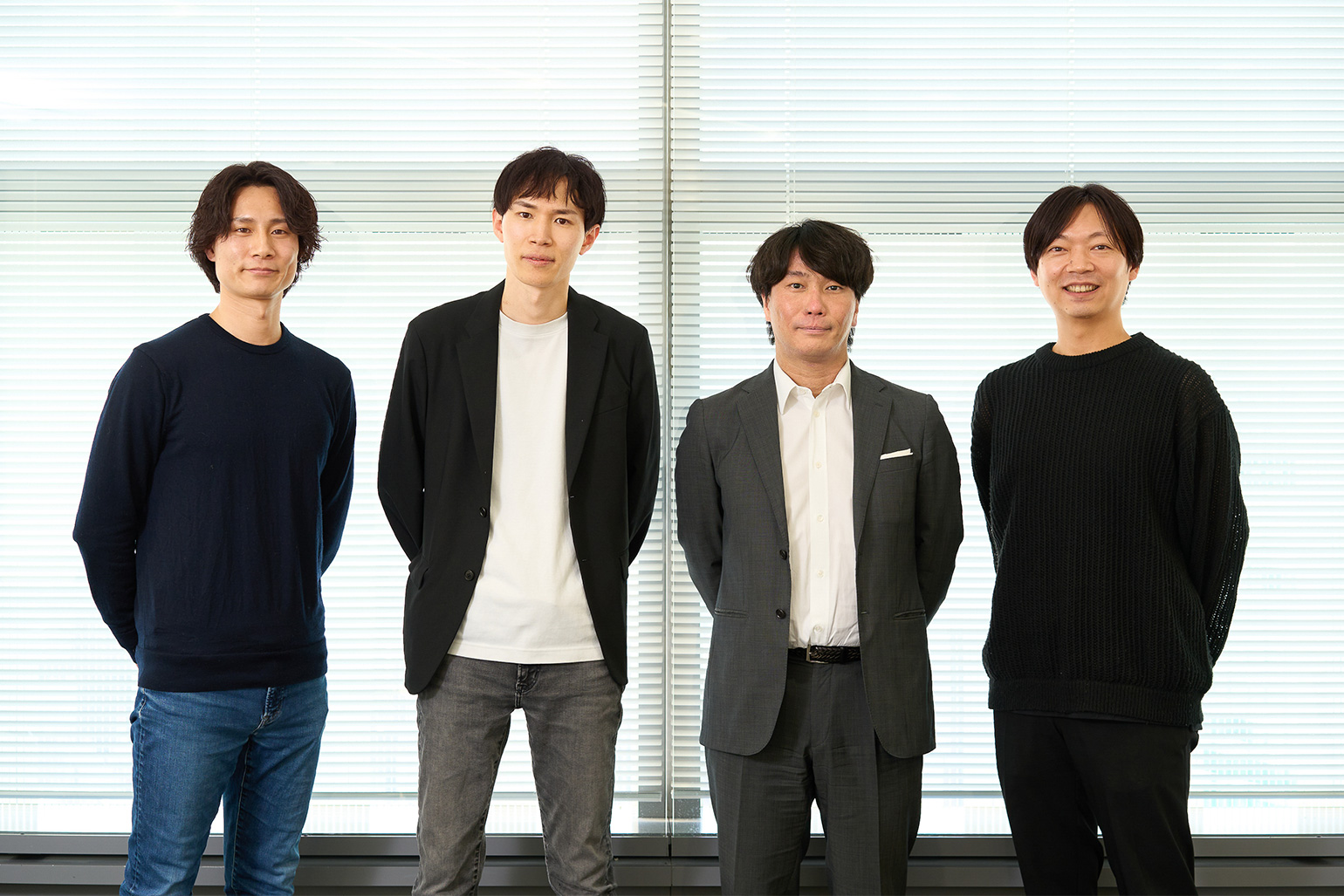
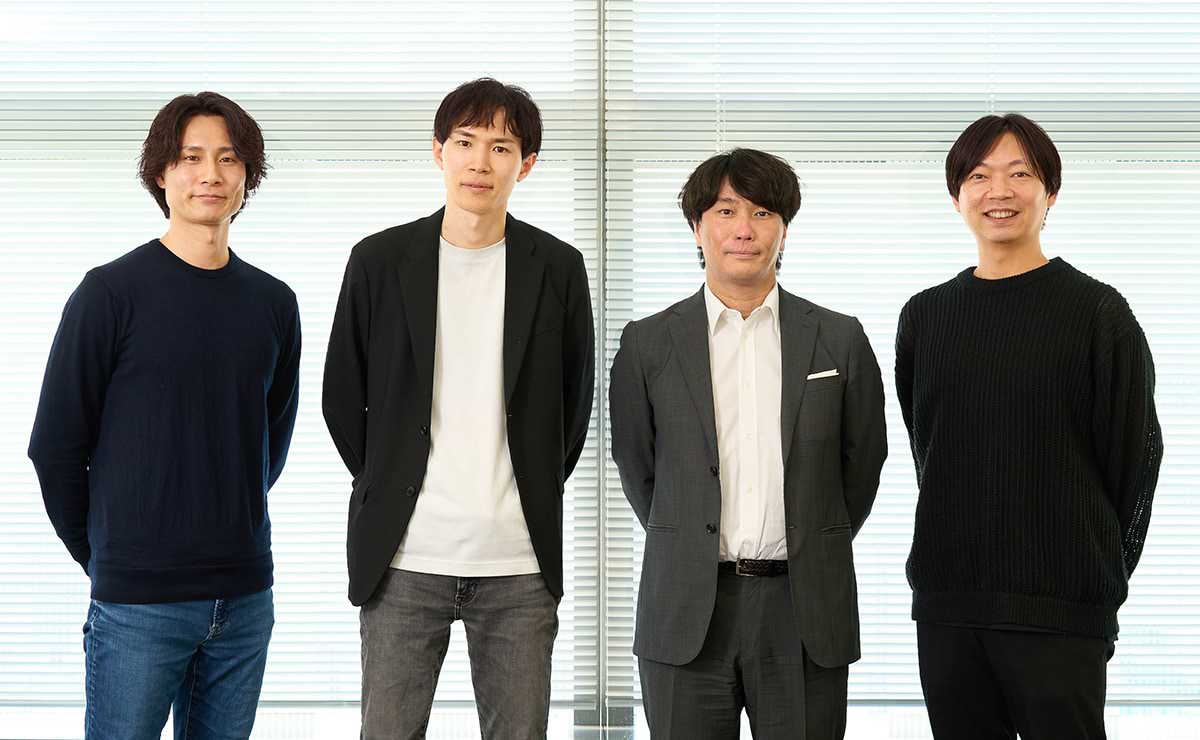
From left: Shoma Morishita (Dentsu Group), Daisuke Tokunaga (SUSHI TOP MARKETING), Hirokazu Ito (Dentsu Inc.), and Kohei Katagiri
What Is "Minna no Ashito," the Blockchain × AI Solution That Captures Connected Behavior?
──First, please introduce yourselves.
Ito: I serve as General Manager of the Business Transformation Production Division 2 within Dentsu Inc.’s Media & Content Transformation Division (MCx Bureau). Under the mission of creating next-generation media businesses, I launched the “Minna no Ashito” project in collaboration with SUSHI TOP MARKETING—a company with a proven track record in solutions utilizing NFTs (Non-Fungible Tokens)—and oversee the project as a whole.
Katagiri: I’m in the same department as Mr. Ito and serve as the Project Manager for “Minna no Ashito,” responsible for driving the business forward.
Tokunaga: In 2021, I founded SUSHI TOP MARKETING, where I serve as CEO. We developed the “Minna no Ashito” solution in collaboration with Dentsu Inc. and provide overall support for the project.
Morishita: As the CPO (Chief Product Officer) of SUSHI TOP MARKETING, I serve as the technical lead for solution development on this project.
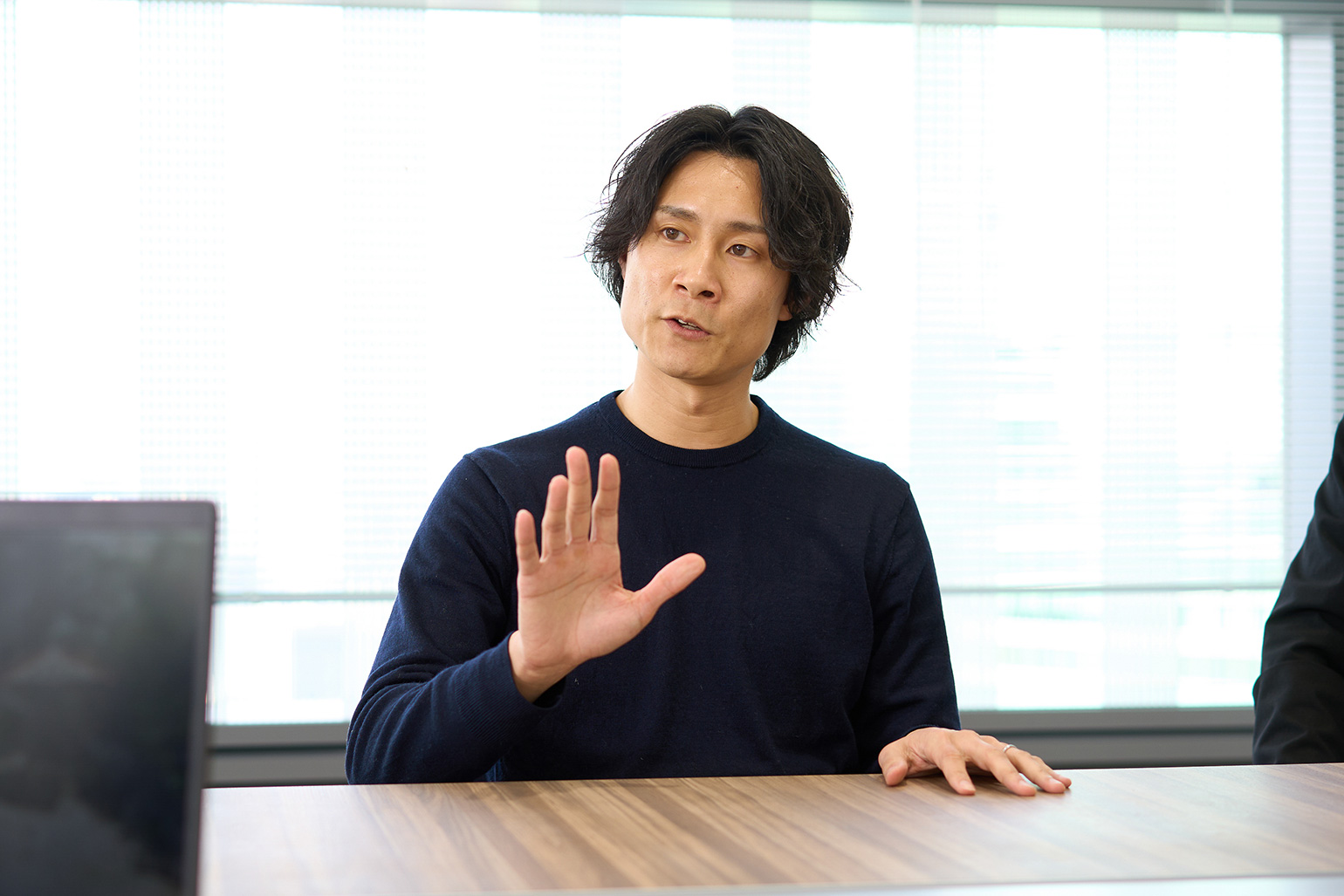
Dentsu Group / SUSHI TOP MARKETING: Shoma Morishita
──What kind of service is “Minna no Ashito”?
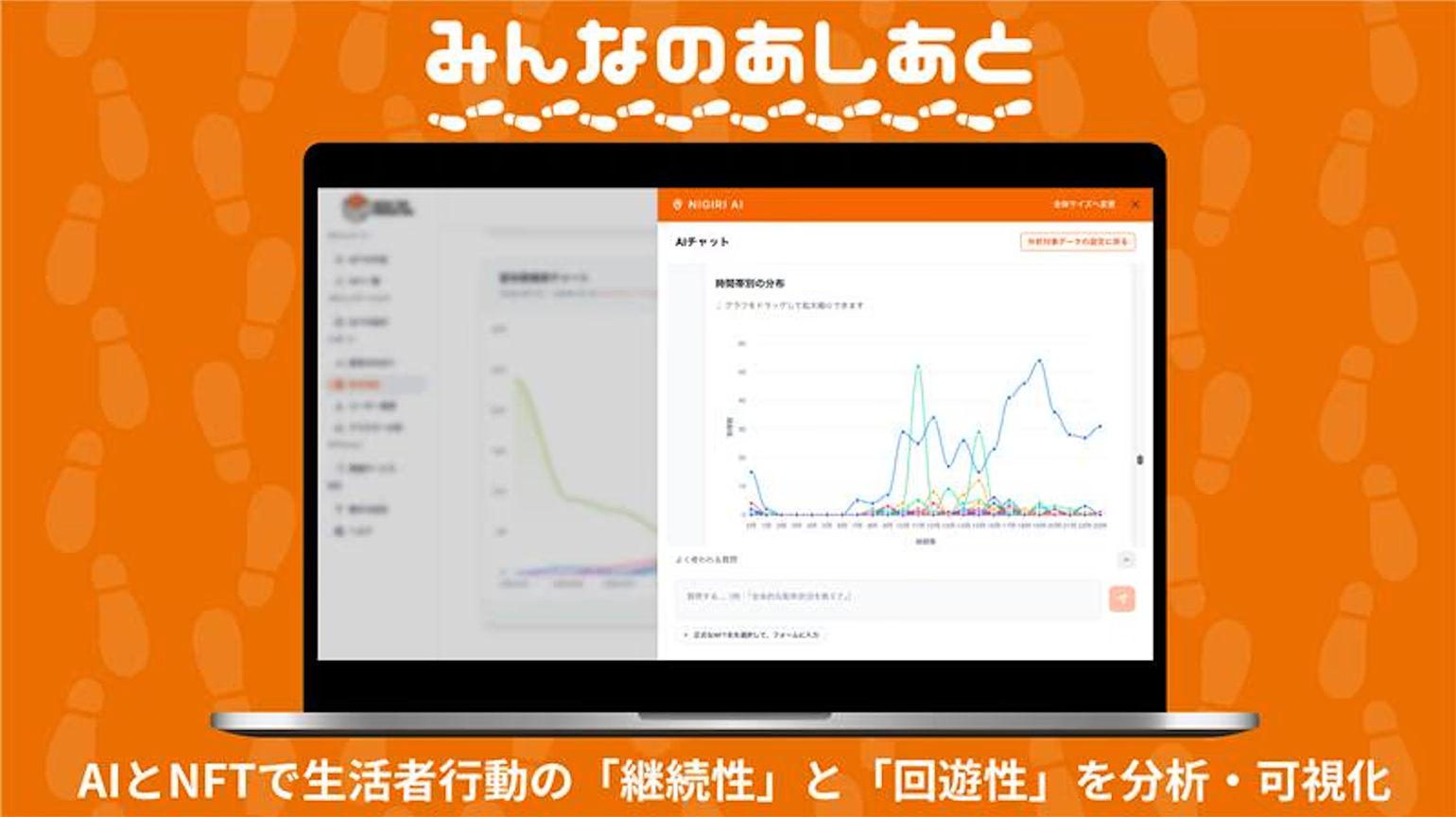
Katagiri: In a nutshell, it’s a service that accumulates consumer experiences and uses AI to visualize and analyze that data flow.
When consumers take actions such as participating, viewing, or purchasing, that data is stored on the blockchain as verifiable records. The key point is that these experiences aren’t fragmented by individual campaigns; instead, they are connected across multiple campaigns and channels as a continuous flow for the same consumer.
For example, we can visualize the “flow of behavior” and “likely next actions”—such as which initiatives a person who participated in a campaign subsequently responded to, or at which touchpoint they dropped off; or what common traits people who participate consistently share.
A key feature is that it goes beyond mere aggregation of results to capture “signs of causality rooted in behavior.” Based on these analysis results, we can then make decisions regarding the next initiatives to implement.
──How are consumer experiences visualized?
Morishita: It’s a system where we issue an NFT as a “digital stamp” when a consumer takes a specific action, and the number of stamps increases with each action.
For example, we issue NFTs to people who watch TV programs or attend events by having them scan a QR code. The acquired NFTs are linked to a common ID called a “wallet,” and experiences accumulate like a stamp rally.
An NFT is unique digital data managed on a blockchain. We utilize this not as a speculative asset, but as a “digital stamp indicating the experiences a person has had.”
The wallet does not contain any personal information. This allows companies to track the flow of consumers’ experiences while maintaining anonymity. Meanwhile, consumers can receive benefits such as exclusive videos and coupons based on the NFTs they have acquired.
In this way, NFTs accumulate based on user actions, connecting experiences into a continuous flow.
Katagiri: “Minna no Ashito” launched in 2024 and was updated to a SaaS model as “Minna no Ashito 2.0” in August 2025.
With this update, on-site staff at client companies can now issue NFTs themselves. A major improvement is that tasks that previously required support on a case-by-case basis can now be executed quickly and independently by the on-site team.
Furthermore, we’ve integrated a dedicated AI dashboard that allows users to intuitively grasp the acquisition status, retention trends, and user navigation patterns of distributed NFTs—even without specialized data analysis expertise. This makes it easier for staff members to assess the situation and determine which initiatives are generating engagement. It has evolved from a simple tool for issuing NFTs into a decision-making platform that accumulates engagement data and connects it to the next action. That is “Minna no Ashito 2.0.”
Visualizing the experience “after” watching a program to clarify campaign results
Hirokazu Ito, Dentsu Inc.
—What challenges were media companies and client firms facing that led to the development of “Minna no Ashito”?
Ito: For media companies, the challenge was that they couldn’t track what actions consumers took after engaging with their media. For example, TV stations have always been able to gauge the size of the audience that watched a program through metrics like viewership ratings. However, it was difficult to grasp the flow of events—whether watching the program actually led to actions such as store visits, purchases, or campaign participation.
Meanwhile, companies sponsoring media outlets faced similar challenges. While they could measure “results of individual initiatives”—such as purchase volume or campaign entry numbers—it was difficult to verify which specific experience served as the starting point for these actions, especially when analyzing multiple initiatives and channels.
As a result, the relationship between media content and the customer experience that followed had to be assessed based on experience and intuition rather than quantitative verification. “We could see the touchpoints, but not the chain of actions”—this disconnect was precisely the challenge we wanted to solve.
Tokunaga: This challenge is also deeply intertwined with the costs and risks associated with managing consumer data collected through campaigns over the medium to long term. In typical digital campaigns, it’s common to collect email addresses and encourage users to register as members. However, securely storing and managing that data requires robust system design and maintenance of server infrastructure, which incurs ongoing costs.
Furthermore, the very act of retaining personal information poses a risk to companies. Operational burdens—such as measures against data breaches, compliance with laws and regulations, and the establishment of management systems—are increasing year by year.
In short, while there is a need to “utilize data,” the “burden and risks of retaining data” are increasing year by year. We recognize that this dilemma is a challenge for both media companies and businesses.
Daisuke Tokunaga, SUSHI TOP MARKETING
──How does “Minna no Ashito” contribute to addressing these challenges?
Tokunaga: We are building a system that allows companies to capture the flow of consumer experiences without having to retain personal information themselves. NFTs can be issued without collecting personal information such as email addresses, and the acquired NFTs are linked to wallets, allowing experiences to accumulate across initiatives and channels.
As a result, companies can understand, over the medium to long term, which touchpoints led to a consumer’s next action, while preserving the consumer’s anonymity.
From the consumer’s perspective, this means they can participate in various campaigns and receive benefits without having to register personal information. The fact that there is an increase in enjoyable content without any burden is a clear benefit for consumers.
──What are the strengths of SUSHI TOP MARKETING, and how are they being leveraged in this project?
Tokunaga: Our greatest strength is our ability to deliver a user experience (UX) that makes consumers “unaware of the blockchain.”
Many NFT initiatives require the hassle of opening accounts or installing apps. However, we have built a system where users can receive NFTs simply by scanning a QR code. It’s even possible to complete the entire process within LINE.
In other words, consumers can receive NFTs as a natural extension of their everyday experience, without needing any special knowledge or preparation. Not making a big deal about the technology—that is the essential strength of our blockchain technology.
Morishita: The methods for distributing NFTs aren’t limited to scanning QR codes. We can issue them through stamp rallies, AR experiences, or survey responses, and even distribute them via GPS to people who visit specific locations. In other words, a major strength is that we can issue NFTs in diverse forms triggered by the moment a user has some kind of “experience,” meaning there are no limits to how we create touchpoints.
Furthermore, we view NFTs as “keys to experiential value.” For example: exclusive videos viewable only by event attendees; sweepstakes open only to those who purchase specific products; or special content unlocked only for those who collect three stamps.
In this way, we can design “experiences available only to those who hold the NFT,” allowing NFTs to function not merely as digital data, but as “keys that unlock the next experience.”
While previous NFTs have focused on “ownership value” in the form of digital art and collectibles, we do not believe that the NFT itself holds value. What matters is what becomes possible by holding that NFT and what kind of experiences it unlocks.
By designing NFTs as gateways to experiences, we believe we can create a “continuous customer experience” that goes beyond one-off initiatives, expanding based on acquisition history.
From watching TV shows to attending events! A success story connecting experiential value
In collaboration with Fukushima Central Television’s “KICK OFF! FUKUSHIMA,” we distributed fortune-teller-style NFTs to viewers
──Could you share an example of how you utilized “Minna no Ashito” in a media partnership?
Katagiri: As part of a regional sports promotion initiative, we collaborated with Fukushima Central Television’s soccer information program “KICK OFF! FUKUSHIMA” in 2024. We distributed fortune-teller-style NFTs to viewers during the program and established a system where they could win tickets to watch the local soccer team “Fukushima United FC” or original merchandise through a lottery.
Furthermore, we distributed NFTs to encourage program viewers to attend in-person events, and issued additional NFTs at the event venues. This allowed us to visualize the sequence of experiences, such as “how many of the people who watched the program actually made their way to the venue.”
The major achievement was not merely tracking viewership or application numbers, but understanding the “flow from media exposure to real-world action.”
Kohei Katagiri, Dentsu Inc.
In 2025, as part of a campaign for Nagoya TV’s outdoor program “Hapican,” we distributed NFTs through the show, its website, and social media, and designed the event so that participants could earn NFTs by taking part in a stamp rally. This allowed us to comprehensively track the flow of behavior—such as how many viewers actually attended the event and which attractions they participated in at the venue.
Furthermore, we partnered with nearby outdoor gear stores to distribute coupons usable in-store to participants. We were able to confirm cases where participants went on to purchase related products after attending the event. This can be seen as a case study that connects the “power to move people” held by media with the “visualization of behavior” sought by companies.
Morishita: What impressed me most about the "Hapican" case was that we could track the routes taken during the stamp rally and even the length of time spent at each activity. Since an NFT was issued every time a participant collected a stamp, we could see how long it took them to reach the next stamp. This allowed us to observe not only "where they stopped" but also "how long they stayed."
Looking at the actual data, many participants were collecting stamps at a fairly consistent pace. However, there was one section where, for some reason, they tended to stay longer. When we checked with the on-site staff later, we learned there was a spot in that area with a beautiful view of the cherry blossoms. We hypothesized that participants were likely stopping to take photos or enjoy the scenery.
While this doesn’t directly translate to sales, I felt there was potential in going beyond simply tracking whether someone “participated in the event” to delving into the details of their experience and building a narrative from there.
──In terms of applications beyond media, what kind of developments do you foresee in the future?
Ito: We are also advancing collaborations with financial infrastructure as a “point of origin for actions.” One example is our initiative with Seven Bank.
There are over 28,000 Seven Bank ATMs installed nationwide, making them a social infrastructure that many people use on a daily basis. By using these points of contact in daily life as a starting point, we have the potential to expand into new experiences.
Tokunaga: As a concrete example, we collaborated with Tokyu Corporation, Seven Bank, and SUSHI TOP to launch a stamp rally campaign at the end of 2025.
The condition for earning a stamp (NFT) was to top up a transit e-money card at a Seven Bank ATM. We designed the campaign so that users could earn additional stamps by scanning QR codes installed at Tokyu Corporation stations and commercial facilities along the line.
Starting with a top-up at an ATM, the journey expands to stations and commercial facilities. A key feature is the ability to design and visualize this “chain of actions.” What’s important is not just looking at individual metrics like the number of top-ups or store visits, but being able to comprehensively grasp the flow of “which touchpoint led to the next experience.” We can visualize how experiences are linked across different sectors—finance, transportation, and commerce.
If this model can be deployed on a regional basis, it will enable the design of circulation patterns involving collaboration among multiple companies and facilities. We believe there is significant room for future development as a platform where different players can coordinate their efforts centered on consumer experiences.
Media: From “Advertising Medium” to “Co-creation Partner”
──Please tell us about the future outlook for “Minna no Ashito.”
Katagiri: Right now, we’re still in the stage of exploring what possibilities might emerge while utilizing “Minna no Ashito” as a solution for analyzing and designing marketing strategies. Going forward, we aim to more deeply connect the media’s ability to attract customers and disseminate information with the challenges faced by client companies, thereby contributing to the creation of new markets. We want to evolve it from a mere campaign tool into a foundation for designing business strategies starting from customer touchpoints.
Ito: I feel that “Minna no Ashito” has the potential to transform the very nature of the relationship between TV stations and their client companies.
Until now, what viewers did after watching a program remained purely speculative. However, through interactive initiatives utilizing NFTs, we can now visualize the flow of consumers’ experiences.
As a result, we can now see more clearly “what kind of viewers a program attracts” and “what behavioral tendencies the audience members have.” If this continues, the relationship between media and clients will likely shift from one based on buying and selling ad slots to a partnership where we work together to engage with consumers and design their experiences.
In the future, we aim to build on this technology to develop consortium-style initiatives involving multiple companies and media outlets, working together to co-create a more sustainable media business.
Tokunaga: Such developments can only be realized through points of contact with consumers. Going forward, we expect even more diverse touchpoints with consumers to emerge, and each of these experiences will accumulate as “footprints.” By leveraging NFTs as the foundation, we want to expand solutions that deliver value not only to media companies and clients but, above all, to consumers themselves.
Graduated from Ritsumeikan University and joined "Yama to Keikoku" as a new graduate. After working in advertising sales and as a book producer at a group company, he started his own media business and later sold it. In 2021, he founded "SUSHI TOP MARKETING," which aims to create a culture of talking-graph marketing.
Shoma Morishita
Dentsu Group Inc.
Dentsu Inc. Innovation Initiative
Senior Manager
While engaged in research and development at Dentsu Inc. Innovation Initiative, he supports the creation of customer experiences utilizing blockchain as a marketing tech company. At SUSHI TOP MARKETING, he serves as CPO/Product Engineer, consistently overseeing product experience design through implementation. He is also active in both designing and developing new experiences using cutting-edge technology, having won multiple awards at hackathons.
Media & Content Transformation Division, Media and Content Business Transformation Production Division 2
GM
In the media business sector, he has spearheaded the launch of Japan’s largest-scale live entertainment streaming services and diverse content ventures. Since 2006, he has adopted an innovative approach to IP business, creating over 40 media business ventures and leading the market. Currently, he is driving the development of synergistic businesses and solutions that contribute to IP business expansion, as well as collaborations with startups. As a leader in new business development through co-creation with the media and content industries, he is working to create new markets through novel content experiences.
Media & Content Transformation Division, Media and Content Business Transformation Production Division 2
After working as a project manager for spatial design at Nomura Kogei and in business development for video and cutting-edge technology at NHK Enterprises, he joined Dentsu Inc. MC’s Transformation Bureau in March 2024. Currently, he is working to create new markets and maximize value in the IP business through expanding IP touchpoints and developing new content experiences.

 Blockchain × AI: Transforming Marketing [2/2]