
Note: This website was automatically translated, so some terms or nuances may not be completely accurate.
Can AI Expand Creativity? — Report on the Joint Research Presentation (The University of Tokyo AI Center and Dentsu Group)
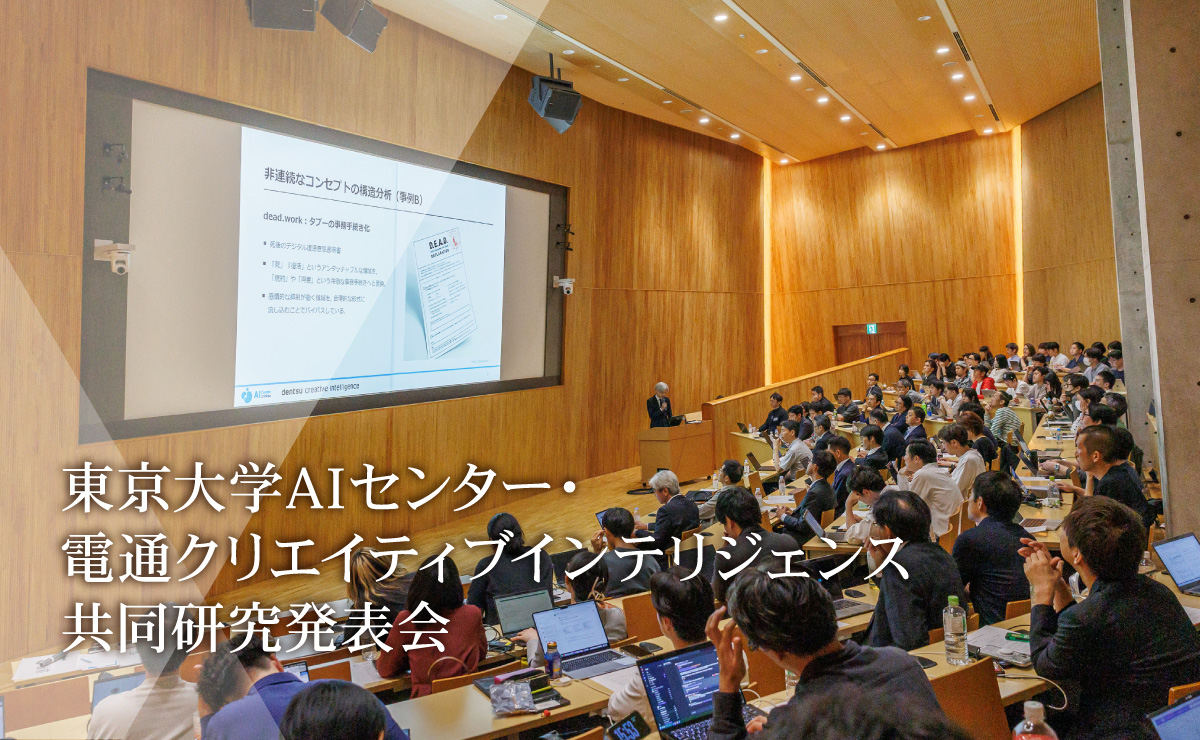
On May 27, 2026, the “3rd University of Tokyo AI Center and Dentsu Inc. Creative Intelligence Joint Research Presentation” was held at the University of Tokyo.
In 2022, Dentsu Inc. and Dentsu Digital Inc. launched “Dentsu Creative Intelligence (DCI),” a cross-functional organization dedicated to advancing research and development in the fields of AI-powered advertising and customer experience. Through joint research with the University of Tokyo AI Center (*1), they have been conducting research on AI-driven creativity support and the evaluation and improvement of advertising creatives (*2).
At this presentation event, six research findings were unveiled, followed by a panel discussion. This article reports on the content of the presentation and the discussions that took place at the venue.
*1 The University of Tokyo AI Center = Officially known as the “Center for Next-Generation Intelligence Science, Organization for Collaborative Research, The University of Tokyo.” This research organization is dedicated to building and applying a new, next-generation intelligence science framework that transcends the current boundaries and limitations of artificial intelligence technology, one that truly benefits humanity and drives future society, industry, the economy, culture, and academia. ( https://www.ai.u-tokyo.ac.jp/ja/ )
*2 Joint Research Agreement Titles: “Exploratory Research Toward the Science of Creativity,” “Ibid. (2024, 2025, 2026),” “Pilot Research on the Science of Creativity,” “AI Research on Creativity and Persuasiveness in Advertising 1–4,” and “Creative AI Research 1: ‘Moving People’s Hearts’”
“What Is a Human?”—Current Status in the Fifth Year of Joint Research
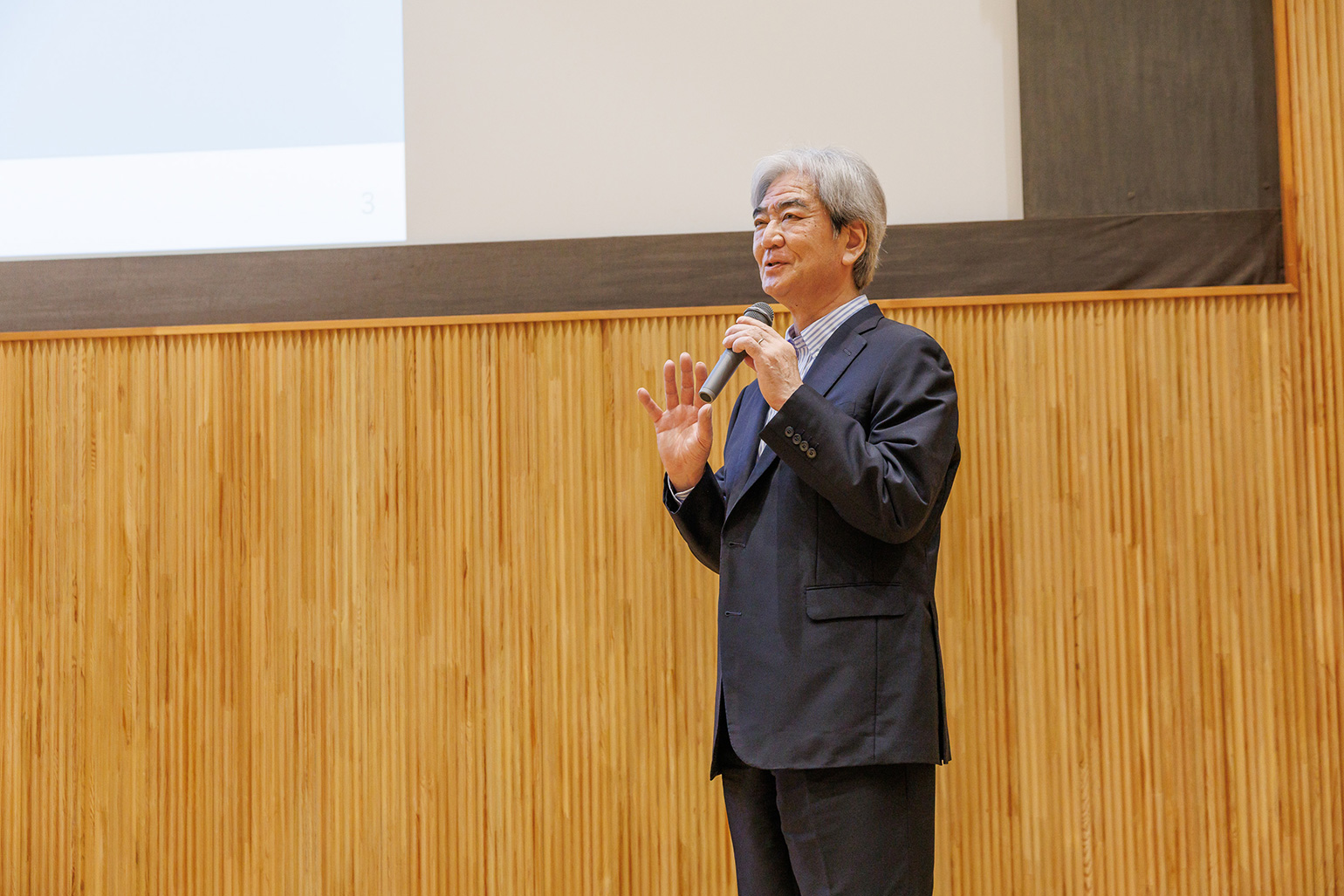
At the outset, Professor Yasuo Kuniyoshi, Director of the University of Tokyo AI Center, remarked on this collaborative research, stating, “It is rare for an initiative of this scale to continue for five years.” AI is no longer merely a technological trend; it has become a force that significantly impacts society and industry. Against this backdrop, he explained that this research cluster is addressing the fundamental question: “What characteristics remain uniquely human?”
“This research delves deeply into areas such as creativity, sensibility, and the moments when people’s hearts are moved. I believe it is a highly cutting-edge endeavor.”
Those words served as a symbol for the entire presentation that followed.
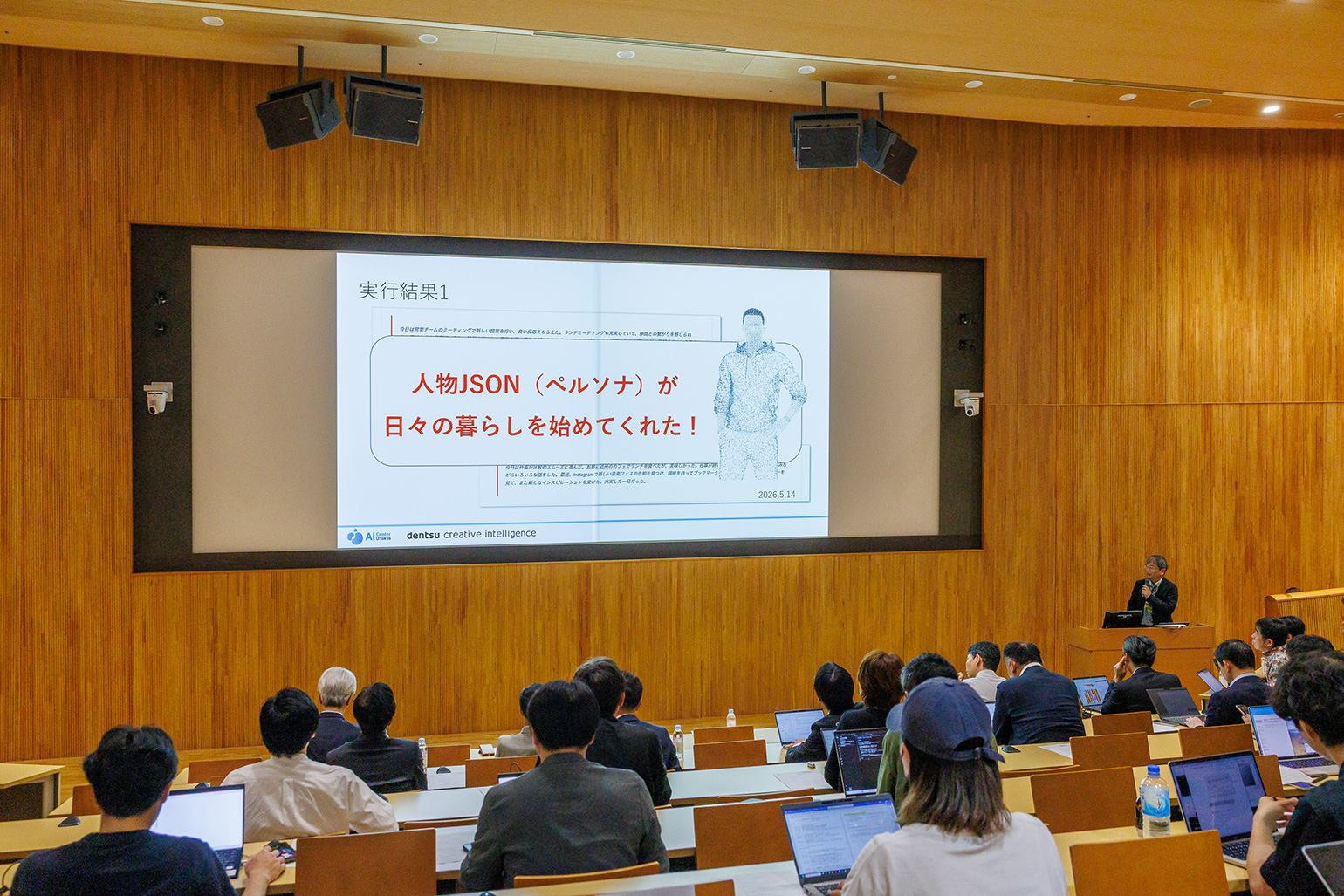
Presentation 1: Living Daily Life with Memories—Can AI Personalities Be Made More Human-Like?
The first presentation introduced research aimed at evolving virtual personas (AI personalities).
Conventional personas are constructed solely from information provided at the time of creation, making it difficult for them to react to new news or changes in their environment. Therefore, this research aims to build a “memory-based consumer model” by having the AI continuously experience daily life, consumption behaviors, hobbies, goals, and spontaneous events.
The experiment reportedly confirmed human-like behavioral changes, such as participating in an event after seeing a poster at a train station or developing a heightened awareness of disaster preparedness following news reports of an earthquake. Moving forward, the team plans to tackle challenges such as replicating the sensation of “getting bored” and addressing the homogenization of personalities when generating a large number of personas.
During the Q&A session, the breadth of potential applications was highlighted, including evaluation metrics for marketing use and the future potential of a business centered on “nurturing personas.”
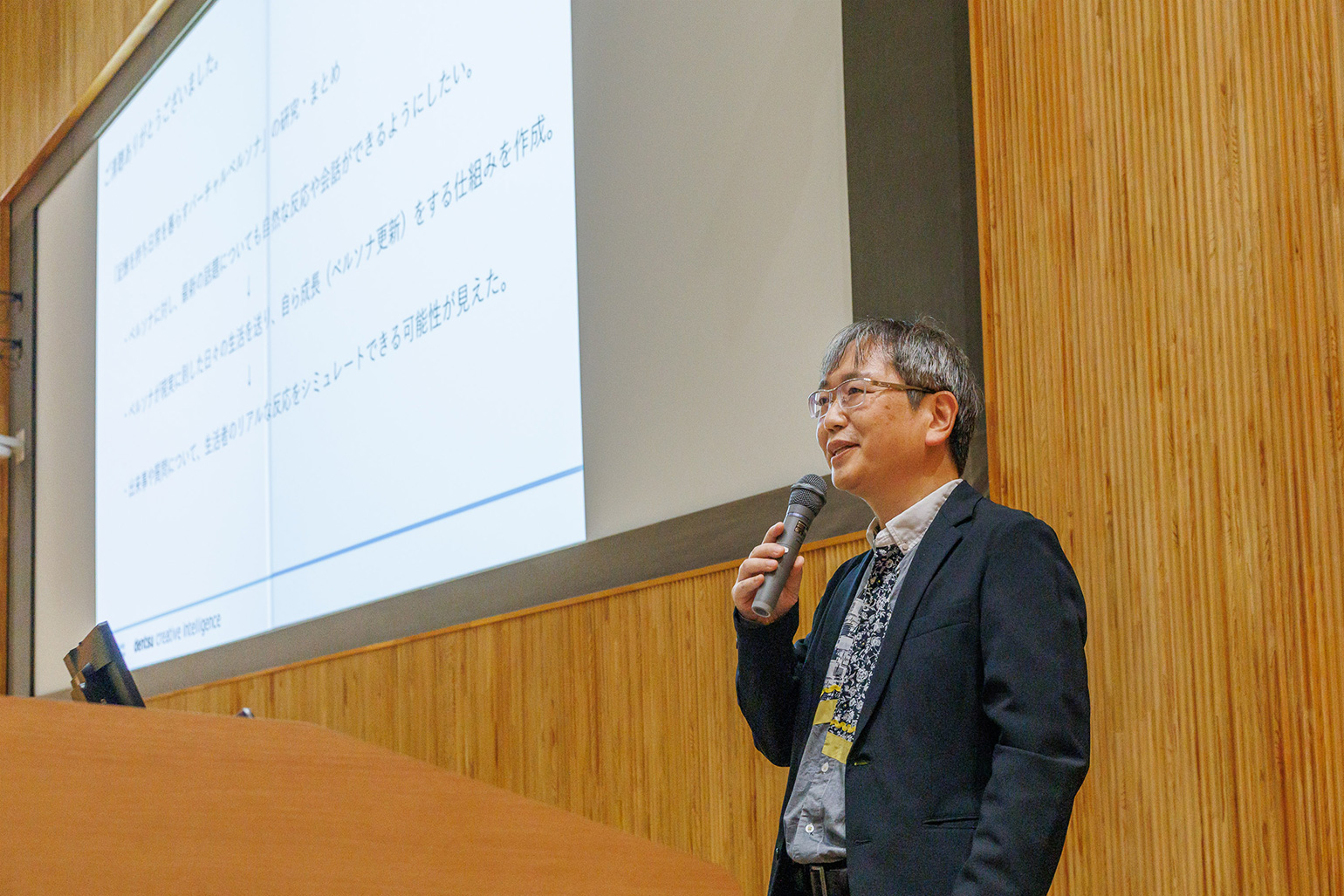
Presentation 2: The Creative Process in the AI Era—Can AI Support “Inspiration”?
Next, research aimed at supporting creative thinking was introduced.
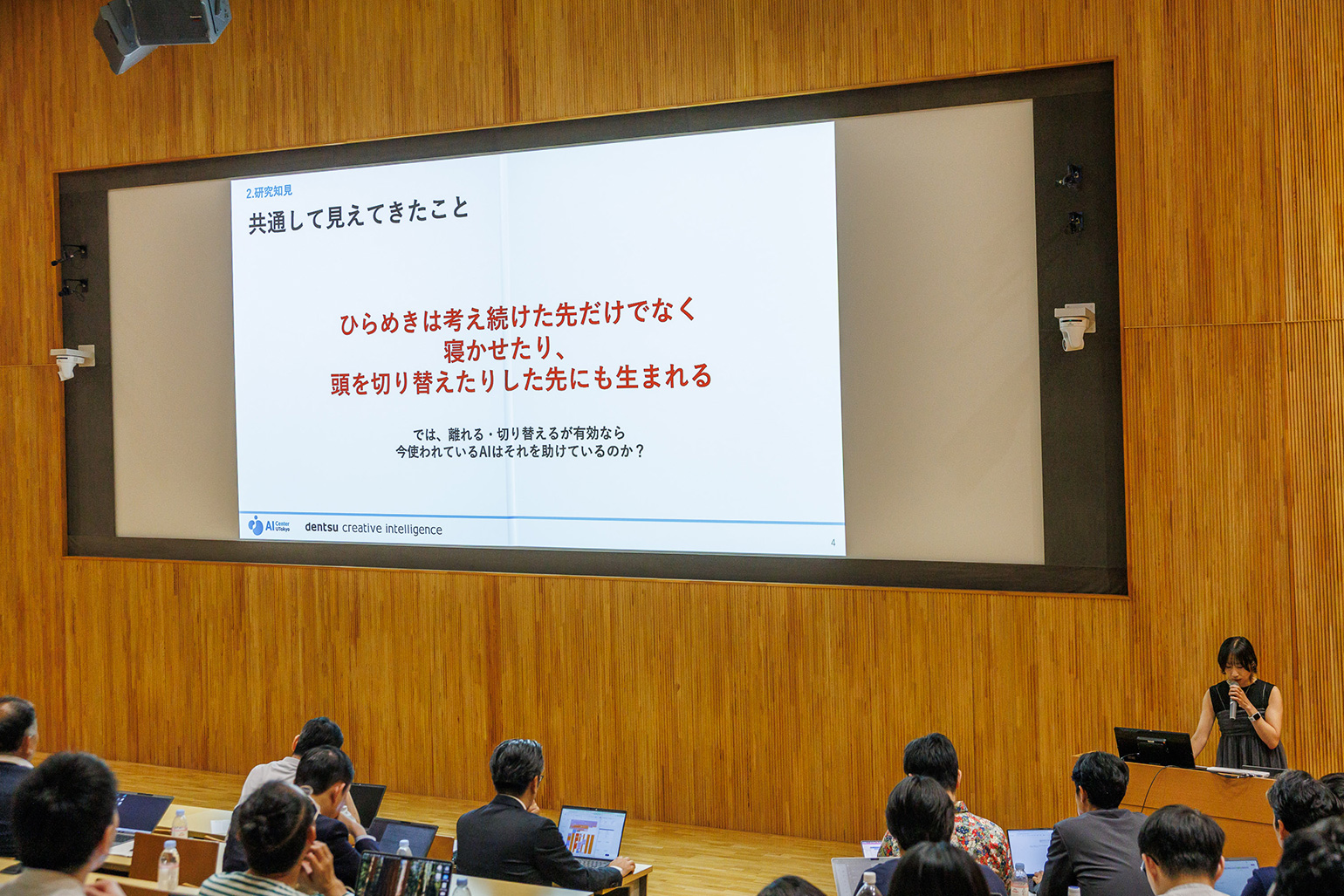
While the proliferation of generative AI has increased the volume of ideas, the starting point for this research was the question of whether it is actually capable of producing “truly high-quality ideas.”The research team focused on the phenomenon of idea generation that occurs when one’s consciousness drifts slightly away from the task at hand. This led to the proposal of a method called “Creative Wandering.” By combining mechanisms to keep the task in the back of one’s mind, serendipitous encounters with information one does not normally encounter, and a user interface that prevents the gaze from becoming too fixed, the team prototyped an AI tool that quickly guides the mind into a state of wandering.
Creativity arises not only from concentration but also from moderate digressions. This initiative, in which AI supports such human thinking characteristics, attracted significant attention. During the Q&A session, comments were raised suggesting that audio and multimodal stimuli, in addition to visual ones, might also be effective, leading to a broader discussion on the direction of creativity support tools.
Presentation 3: A Predictive Model for “Engaging Videos” — How Accurately Can AI Estimate Human Reactions?
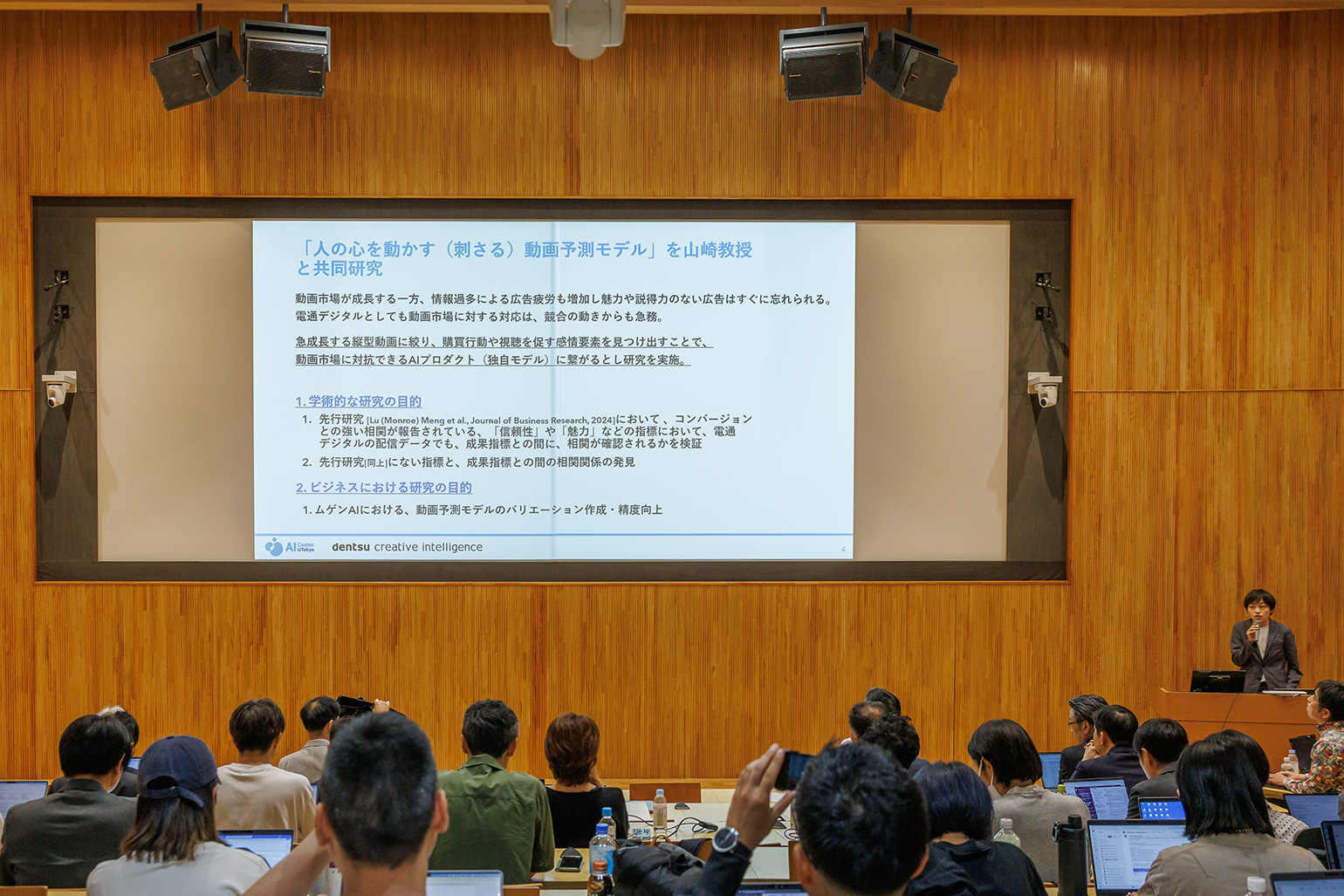
As video marketing expands, particularly on social media, research was presented on evaluating the impact of video content on viewer reactions prior to production and distribution.
Initially, the research was conducted using metrics such as credibility and appeal—commonly employed in existing studies—but no sufficient correlation with brand lift or viewership ratings was confirmed. Consequently, the analytical methodology was revised; for example, “appeal” was “segmented” into multiple elements such as characters, movement, and texture, and the analysis was re-examined. As a result, significant correlations were observed for certain elements.
Efforts to predict outcomes during the video production stage are already underway, and the presentation outlined a future direction aimed at enhancing the accuracy and versatility of these predictive models as guidelines for creative improvement by further expanding their depth, richness, and breadth. During the Q&A session, discussions focused on balancing contextual factors—such as the presence of talent—and setting targets for predictive accuracy, suggesting that AI-driven decision support for creative production is poised for further development.
Presentation 4: Image Generation Technology That Transforms the Production Workflow—To What Extent Can AI Become an Extension of the Human Hand?
Research with the potential to transform the advertising production process was also introduced.
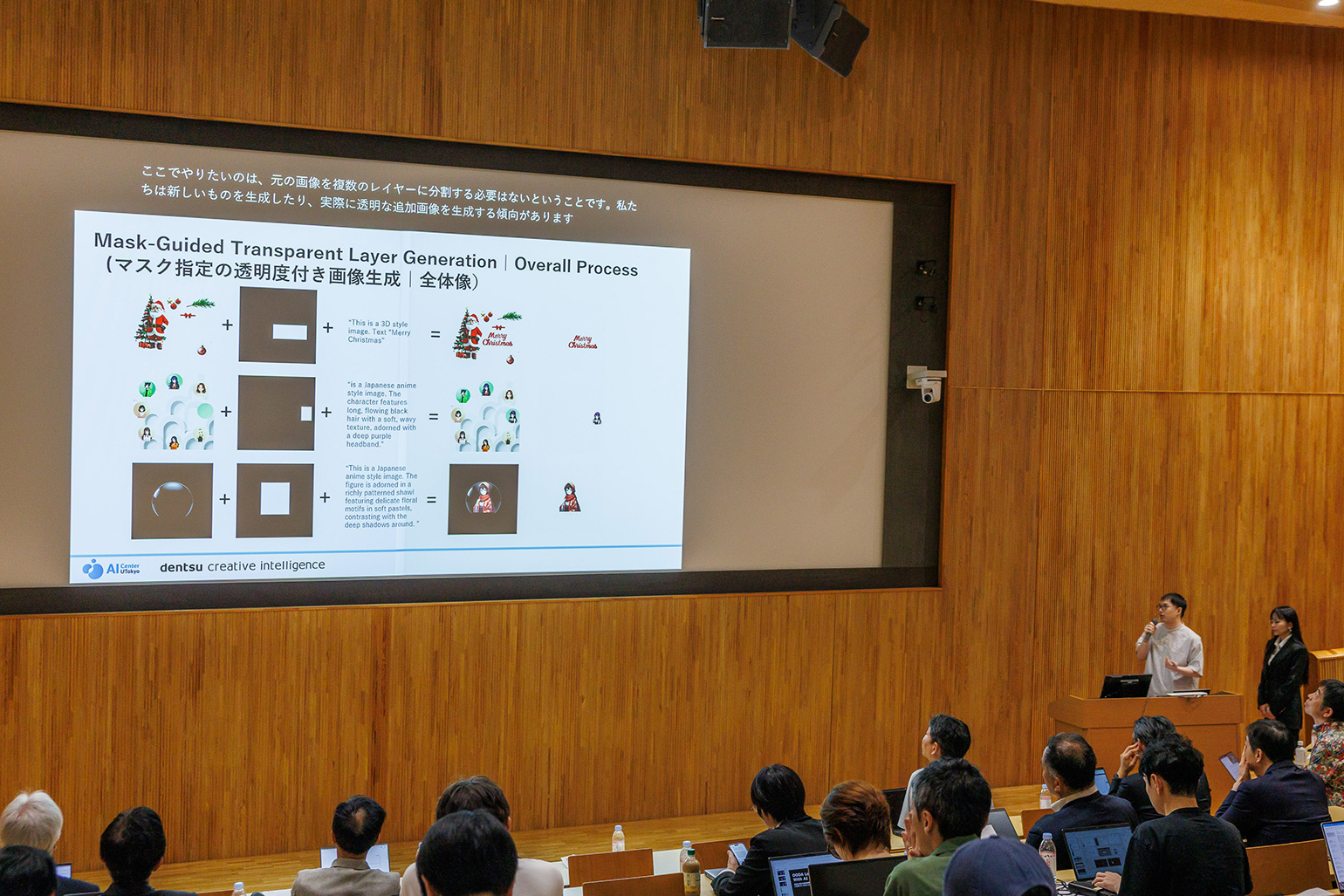
While current generative AI excels at creating images, manual intervention is still required for fine-tuning and layout adjustments. In this research, the team is developing a system that handles images on a layer-by-layer basis, enabling the generation and modification of specific objects at targeted locations.
Furthermore, research is underway to reduce the computational load of image generation models while maintaining quality. It was demonstrated that this approach could not only improve production efficiency but also enhance the accuracy of advertising effectiveness verification by generating and analyzing large volumes of creative content.
Presentation 5: Fostering Unconventional Perspectives—What Happens When We Set Aside AI’s “Common Sense”?
The fifth study focused on creativity itself.
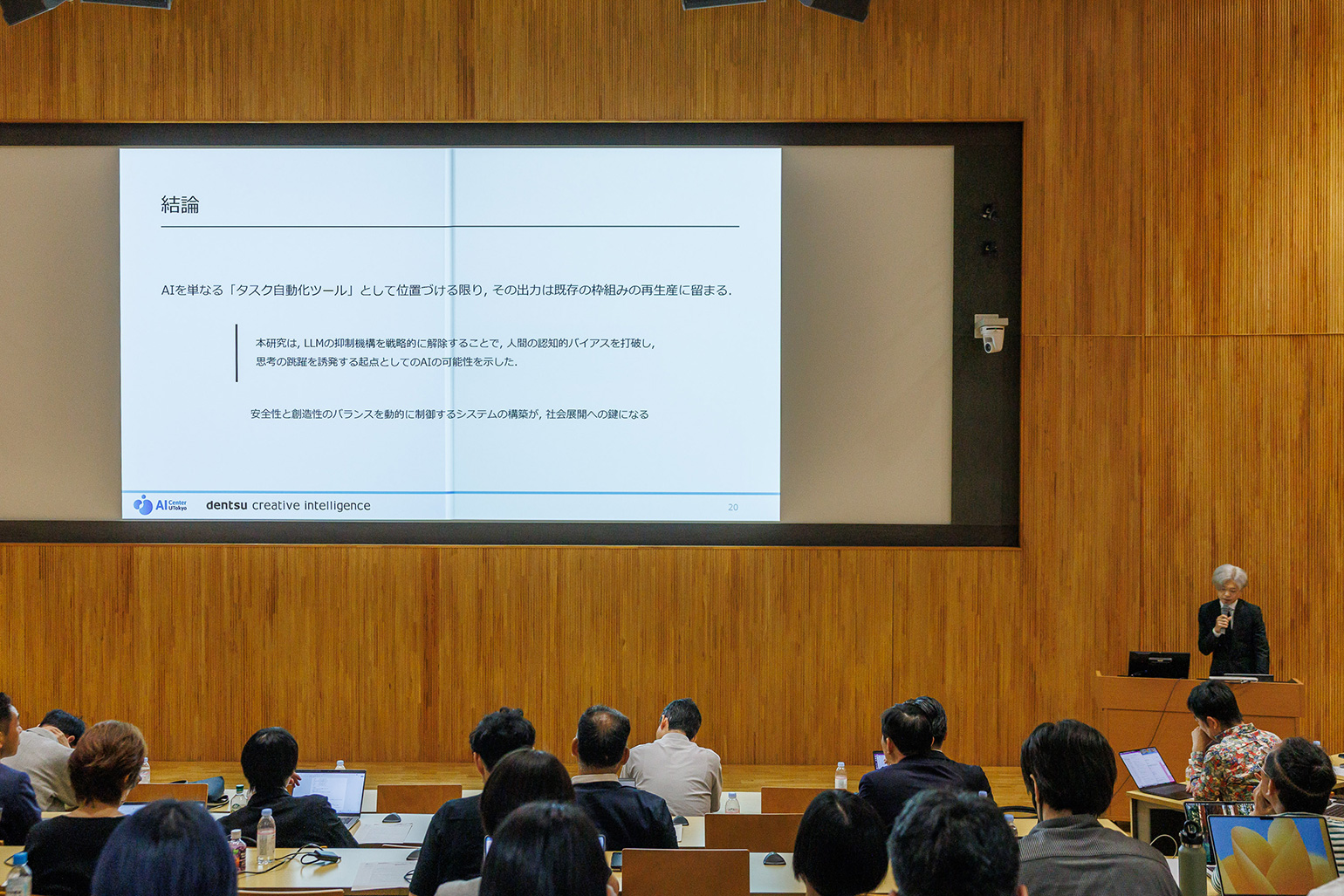
Current generative AI tends to prioritize safety and consistency, resulting in average and safe responses. Therefore, the research team investigated whether intentionally relaxing the AI’s common-sense constraints could lead to groundbreaking ideas. In the experiment, ideas such as “Subscription Weddings” for the wedding industry and “Smartphone Physical Destruction Funerals” for the funeral industry were generated. These bold concepts spontaneously drew laughter from the audience.
The researchers noted that the emergence of ideas that challenge human preconceptions was an interesting outcome, and stated that building a system that balances safety and creativity will be key to future societal implementation.
Presentation 6: The Science of Excitement—Can AI Capture “Excitement”?
The final presentation focused on research aimed at scientifically capturing human “butterflies in the stomach.”
The research team recreated a capsule toy vending area within a VR space and measured participants’ gaze patterns, pupil diameter, and distance from the objects. Analysis revealed that objects ultimately rated as “favorite” tended to hold participants’ gaze longer from the very first glance and were observed up close. Additionally, pupil dilation was observed as a characteristic reaction.
These findings suggest that reactions related to emotions such as “liking” and “butterflies in the stomach” can be captured through gaze and behavioral indicators, raising expectations for applications not only in marketing but also in the broader field of understanding human behavior.
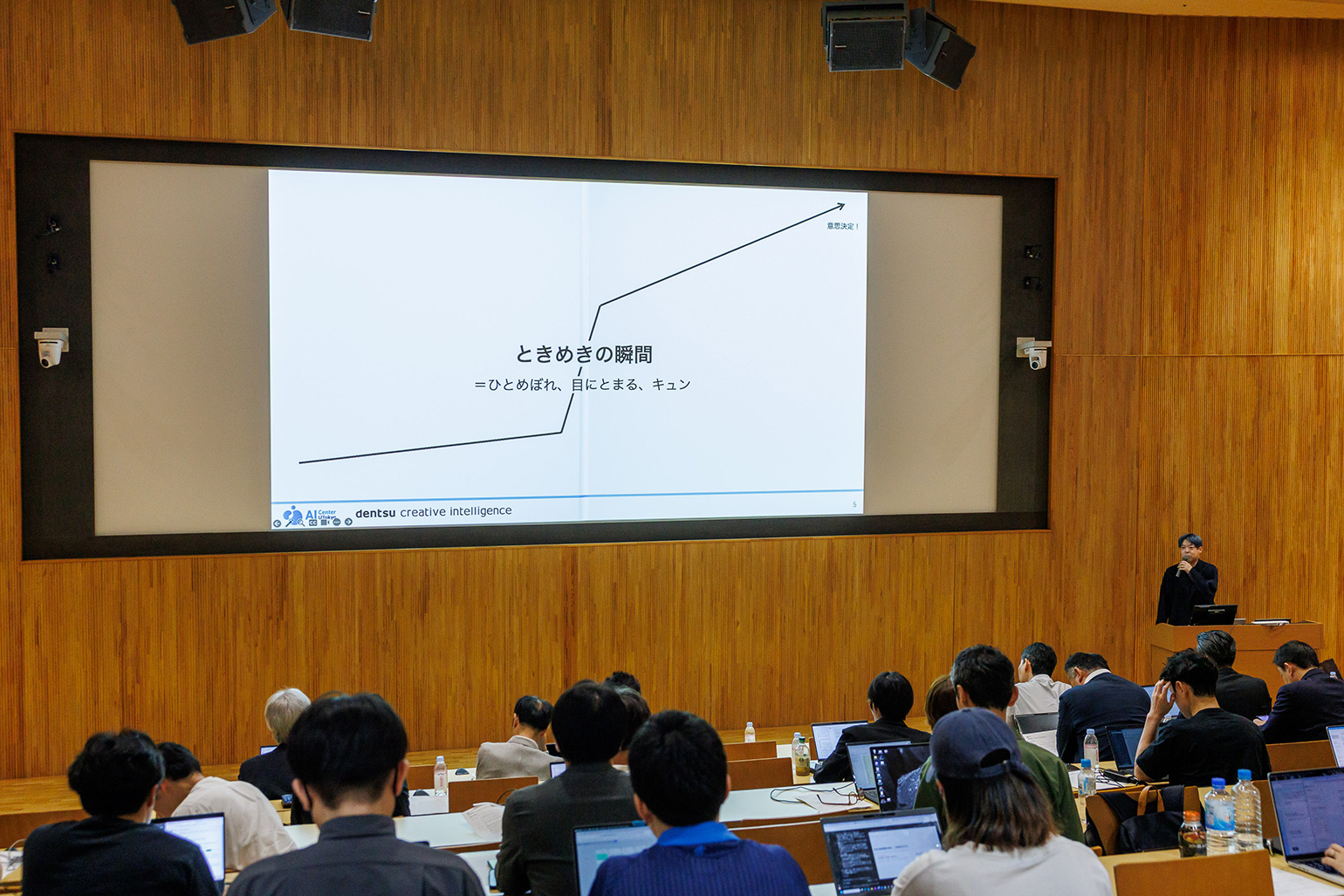
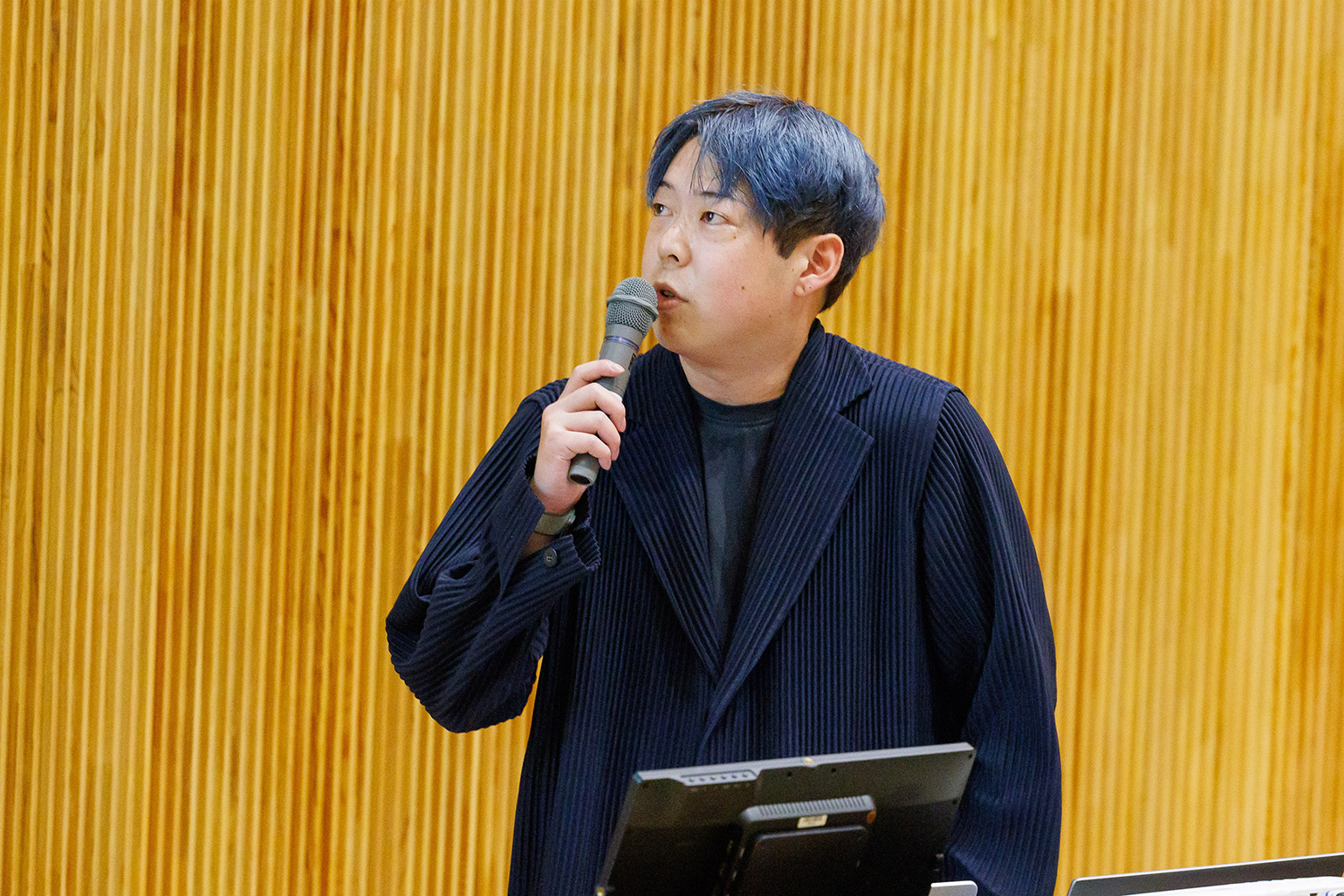
As special bonus sessions at the presentation event, Satoru Yamamoto of dentsu Japan spoke on “AI for Creating the Future,” and Takuma Kawata of Dentsu Inc. spoke on “Developing the Ultimate AI for Catchy Taglines.”
A common theme throughout was the perspective of “a new relationship between humans and AI.”
During the panel discussion following the research presentations, a lively debate took place regarding the relationship between AI and humans. The question of what humans value beyond the efficiency and automation brought about by AI was raised repeatedly.
Referring to the presentation’s message that “the future is not something to be predicted, but something to be created,” Professor Kuniyoshi stated that what is important is for humans to make conscious choices from among multiple possible futures. He then presented the perspective of “whether it makes humans happy” regarding the future relationship between AI and humans.
Additionally, Mr. Fukada of Dentsu Inc. pointed out that the role of marketing is expanding from the pursuit of efficiency aimed at driving purchases toward entertaining people and making them happy. He stated that this series of studies, which seeks to understand human emotions and psychological processes, is highly valuable from a marketing perspective as well.
The discussion also touched on Japan’s competitiveness in AI. While Japan may lag behind international players in certain areas involving large-scale data, it possesses a unique culture, content, and a passion for creativity that cannot be explained by efficiency alone. The view was shared that this very uniqueness could be the key to Japan’s international competitiveness.
Furthermore, Professor Yamazaki of the University of Tokyo remarked, “It’s important to let people take even a single bite of real mochi, rather than just showing them a picture of it,” highlighting the importance of translating research findings into practical social applications. In that regard, he praised the presentation of several functioning mockups during the event as a major step forward.
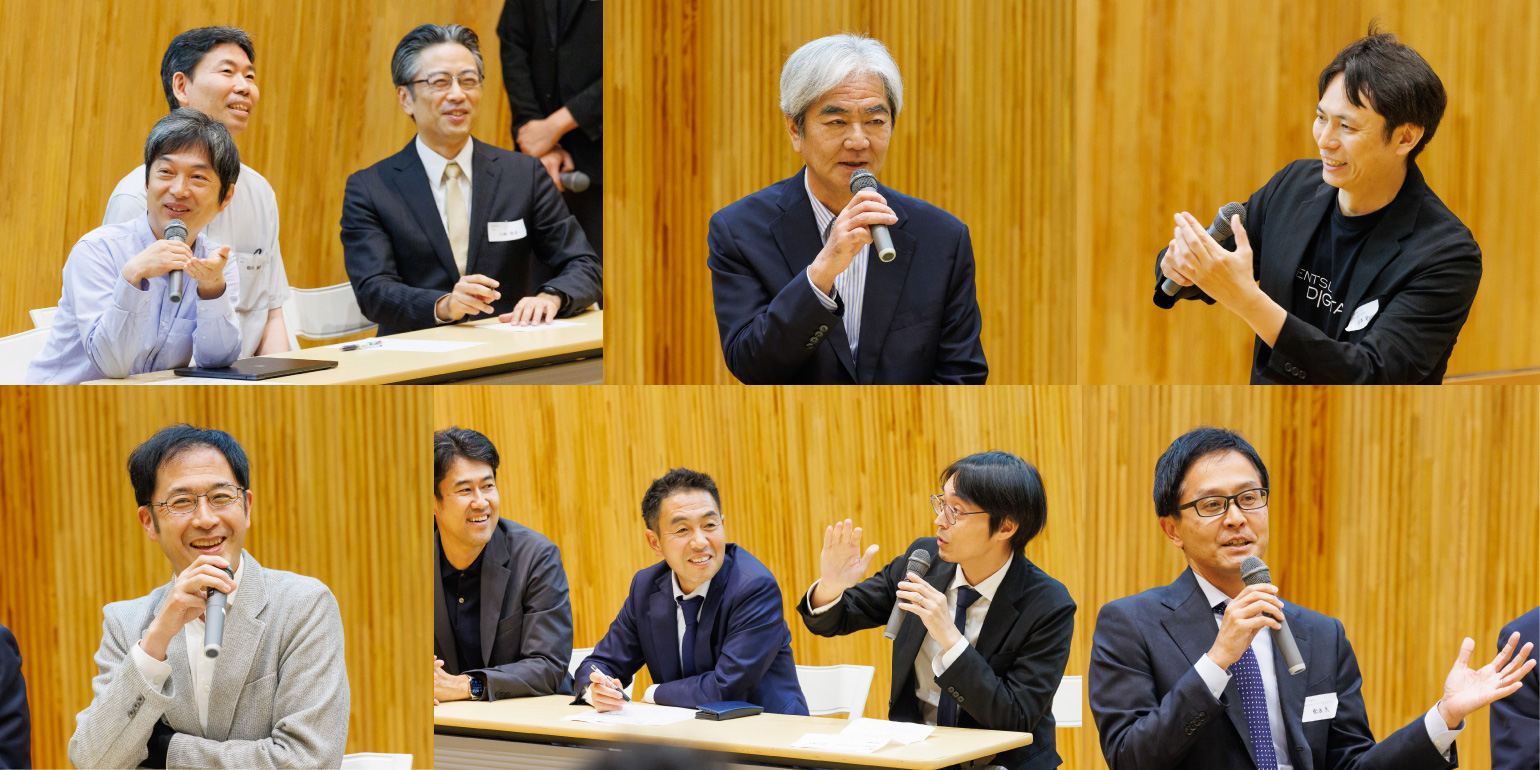
The Next Theme in AI Research Is “Emotions”
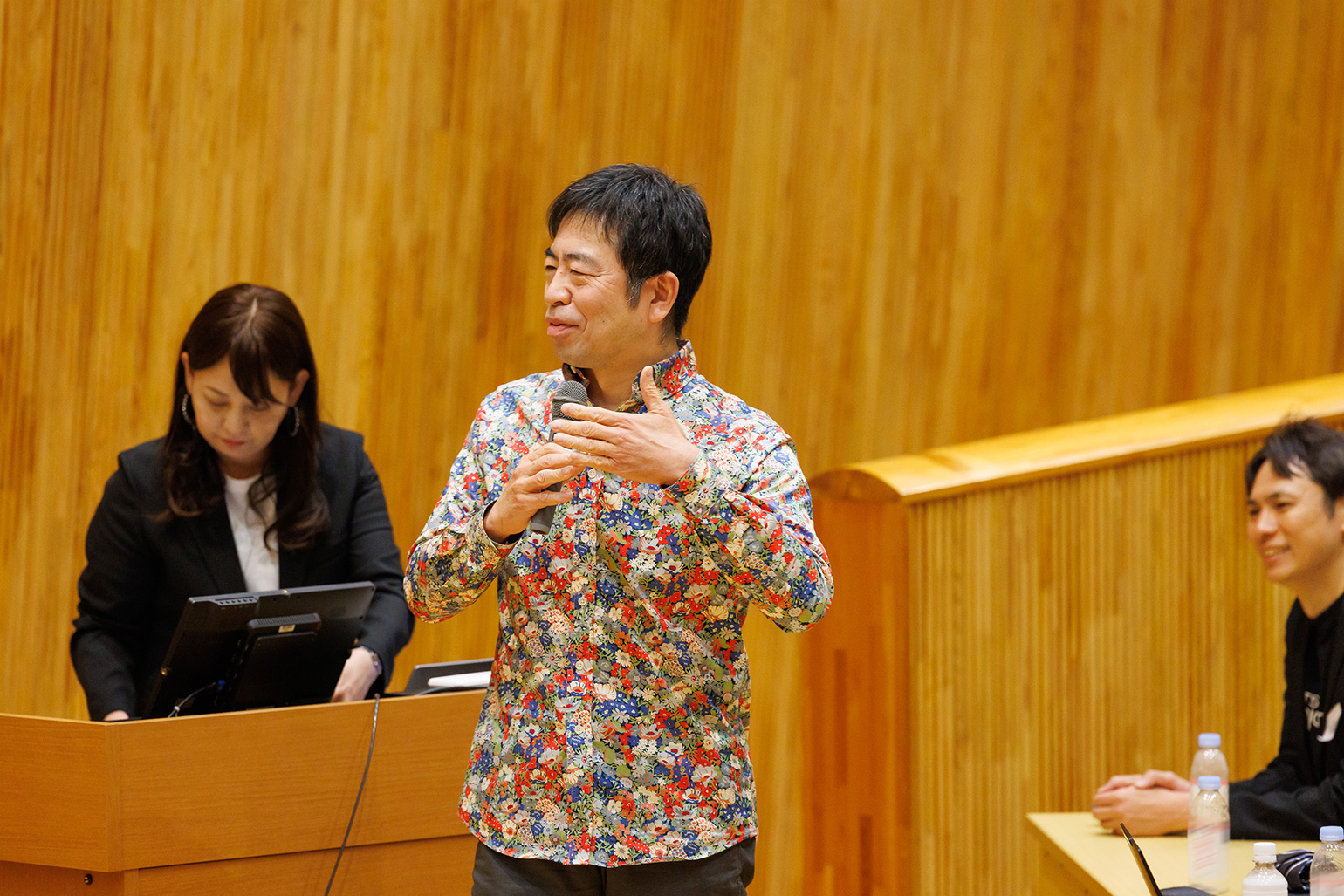
At the conclusion of the presentation, Yasuharu Sasaki of dentsu Japan summarized that the focus of AI research is shifting from “accuracy” and “efficiency” to “ethics,” and then to “emotionality,” “liking,” and “surprise.”
At first glance, the research presented this time may seem to cover disparate themes. However, what they had in common was an approach aimed at understanding human emotions, creativity, and the mechanisms of decision-making. AI is often discussed as a replacement for human work. However, this joint research demonstrated the potential for AI to become a partner that extends human creativity.
What is the value that lies beyond efficiency? Why are people moved, what makes their hearts race, and how do they create? Research at the intersection of “creativity and science” that addresses these questions has already begun.
Was this article helpful?
Share this article


