
Note: This website was automatically translated, so some terms or nuances may not be completely accurate.
Reflecting on the contributions of RD workers living with intractable diseases. “RD Worker Forum 2026” Held
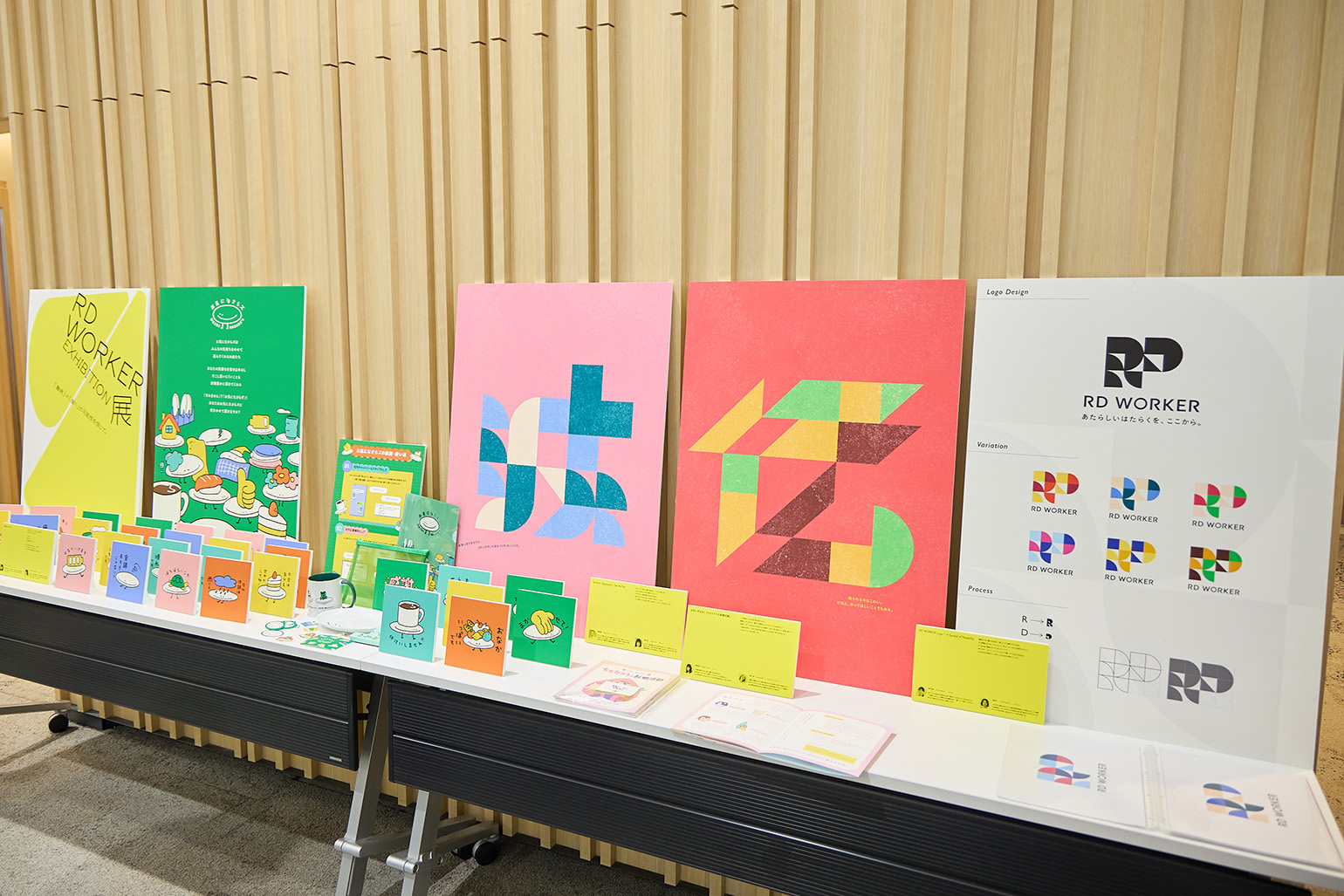
On July 14, 2026, the “RD Worker Forum 2026” was held at Juntendo University. “RD Workers” are people who, while living with rare diseases, “want to work, are able to work, or are currently working.” Under the theme “Opening Up Work for People with Rare Diseases—Toward a Society Where Everyone Can Work Easily,” speakers from diverse backgrounds—including individuals living with rare diseases and corporate HR representatives—gathered for lively sessions.
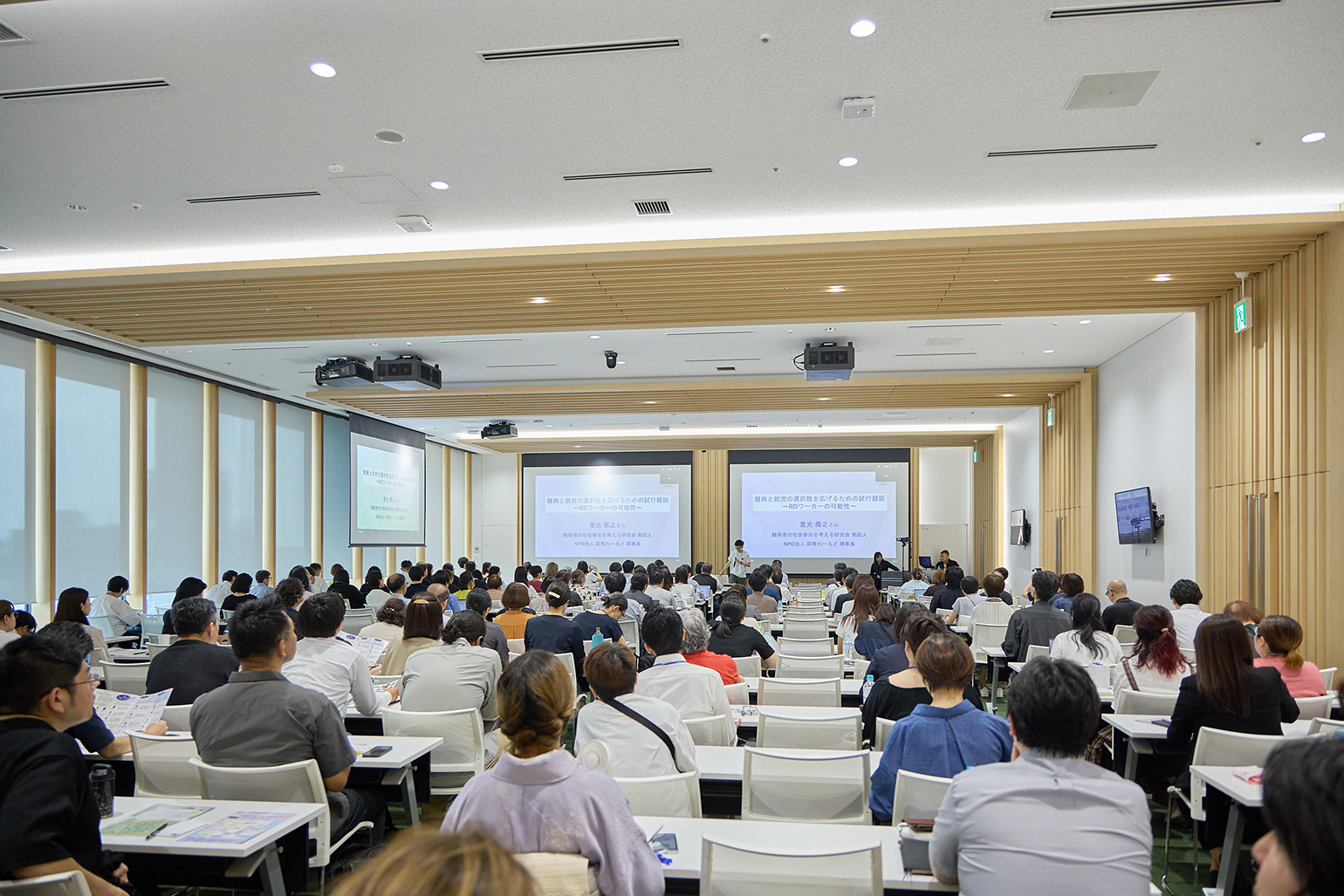
*In this article, the term “intractable diseases” is used comprehensively to include not only those defined under national systems—such as “intractable diseases,” “designated intractable diseases,” “intractable diseases under the Comprehensive Support Act for Persons with Disabilities,” and “rare diseases”—but also “intractable chronic diseases,” as independently defined by the NPO Ryōiku World.
Spreading the Knowledge of RD Workers to Create a Society Where Everyone Can Work Comfortably
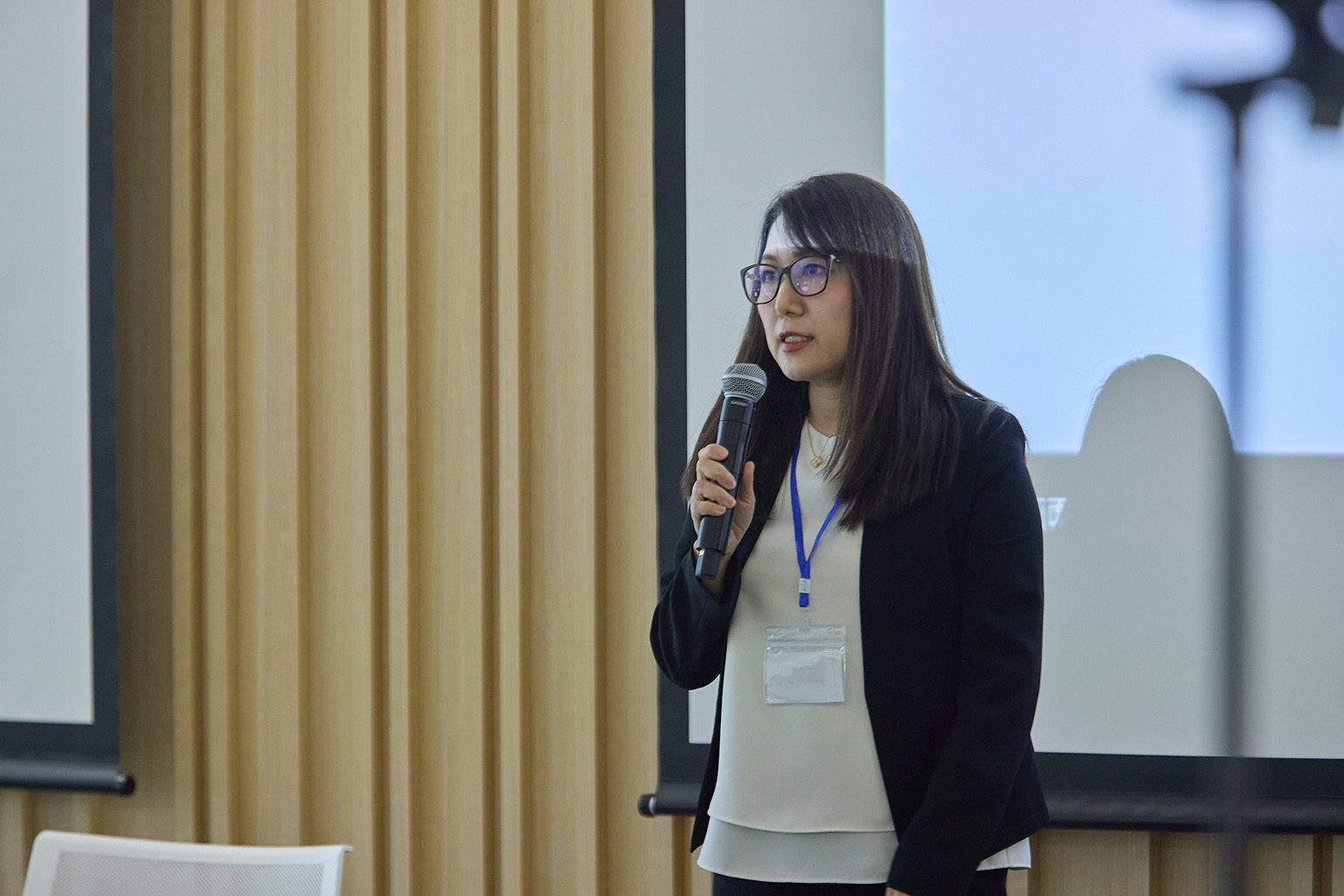
The forum was opened by Ms. Chikako Kijima, Executive Director of the Healthcare-Related Organizations Networking Association, who served as the general moderator. Following this, Ms. Chie Usui, a board member of the Foundation for Research on Intractable Diseases, delivered the opening remarks.
Speaking from her dual perspective as a member of the Department of Psychiatry at Juntendo University and an occupational physician, Ms. Usui stated, “In clinical practice, I hear patients’ concerns about difficulties in the workplace, while at the same time, I hear companies say, ‘We don’t know how to work alongside people with intractable diseases.’ I keenly feel the current reality of this mismatch between the two sides,” and expressed her hope that this forum would provide a starting point for a solution.
Next, Takayuki Shigemitsu, Chairman of Ryōiku World and the initiator of this forum, explained the purpose and background of the event.Mr. Shigemitsu is the founder of the project that coined the term and concept of “RD Worker.” He himself developed “cerebrospinal fluid hypovolemia” (a rare disease in which a decrease in cerebrospinal fluid causes headaches and dizziness) in his mid-20s and continues to battle the chronic pain associated with the condition to this day.
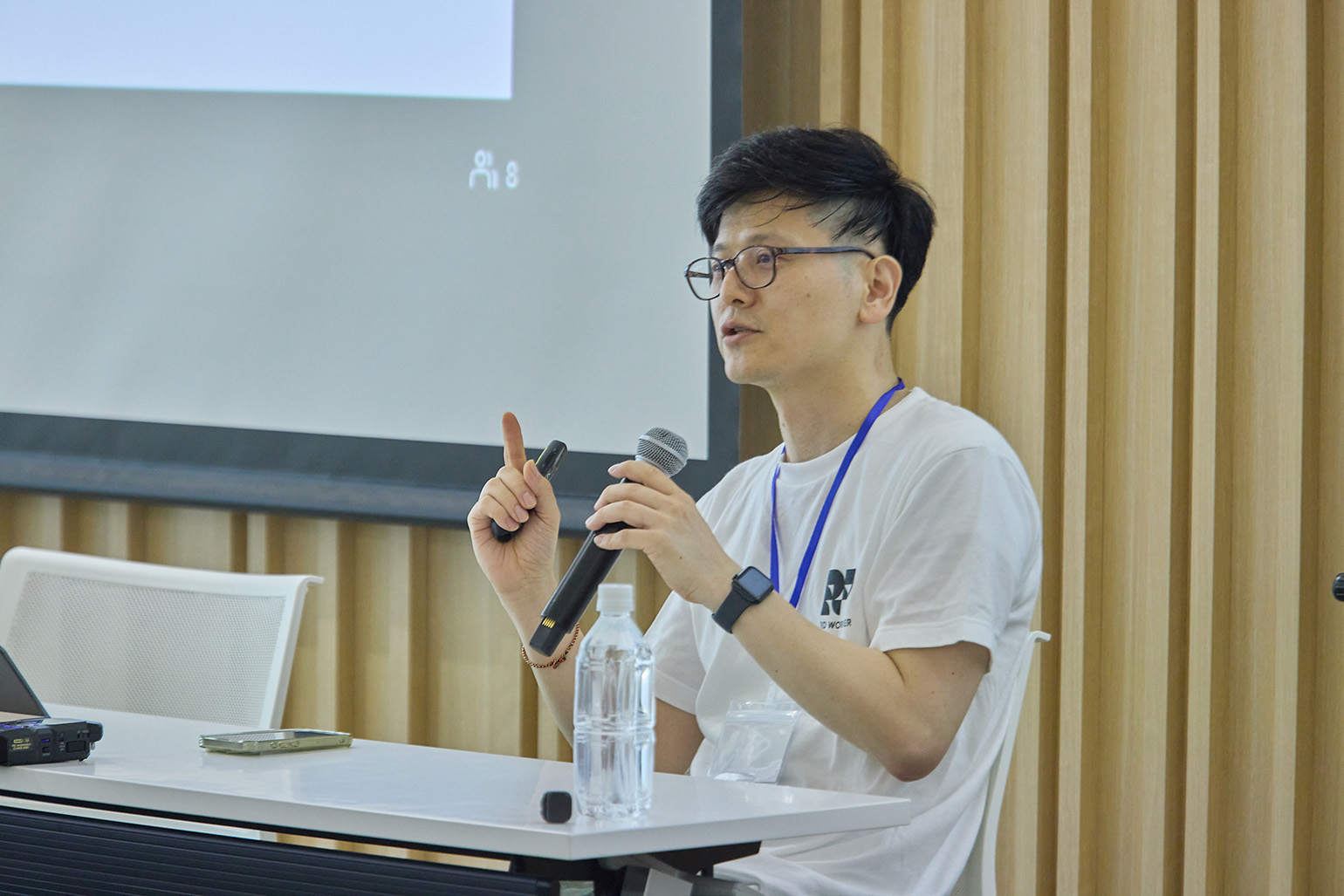
“Current challenges include the fact that the public is not sufficiently aware of what constitutes an intractable disease, and that social systems have not kept pace. Driven by a desire to break through this status quo, we developed the term ‘RD Worker’ with a group of like-minded members, taking the initials from ‘Rare Disease’ and ‘Rare Disease Day’ (World Rare and Intractable Diseases Day).Our goal is to raise public awareness and have the term nominated for the Buzzword of the Year Award,” said Mr. Shigemitsu.
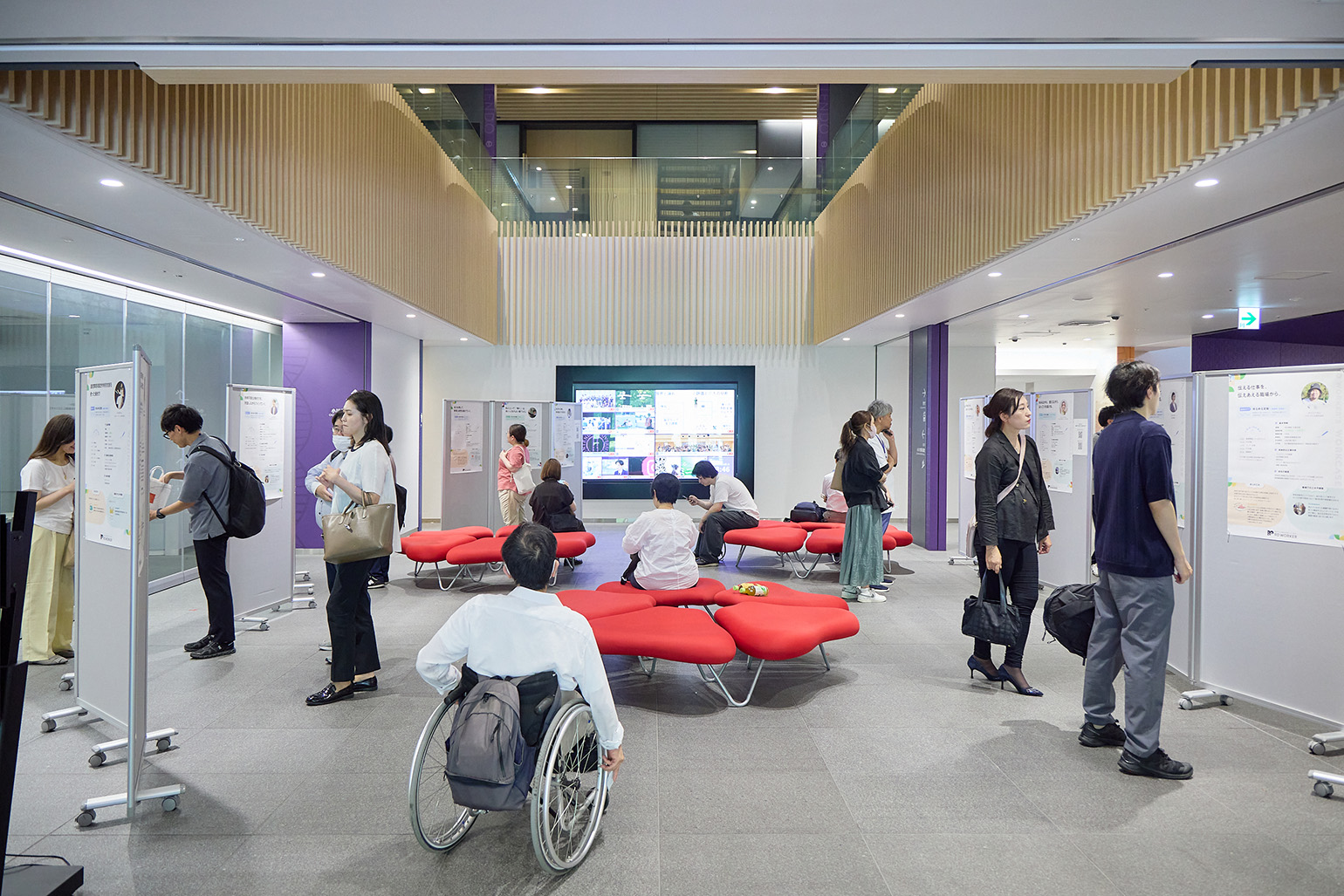
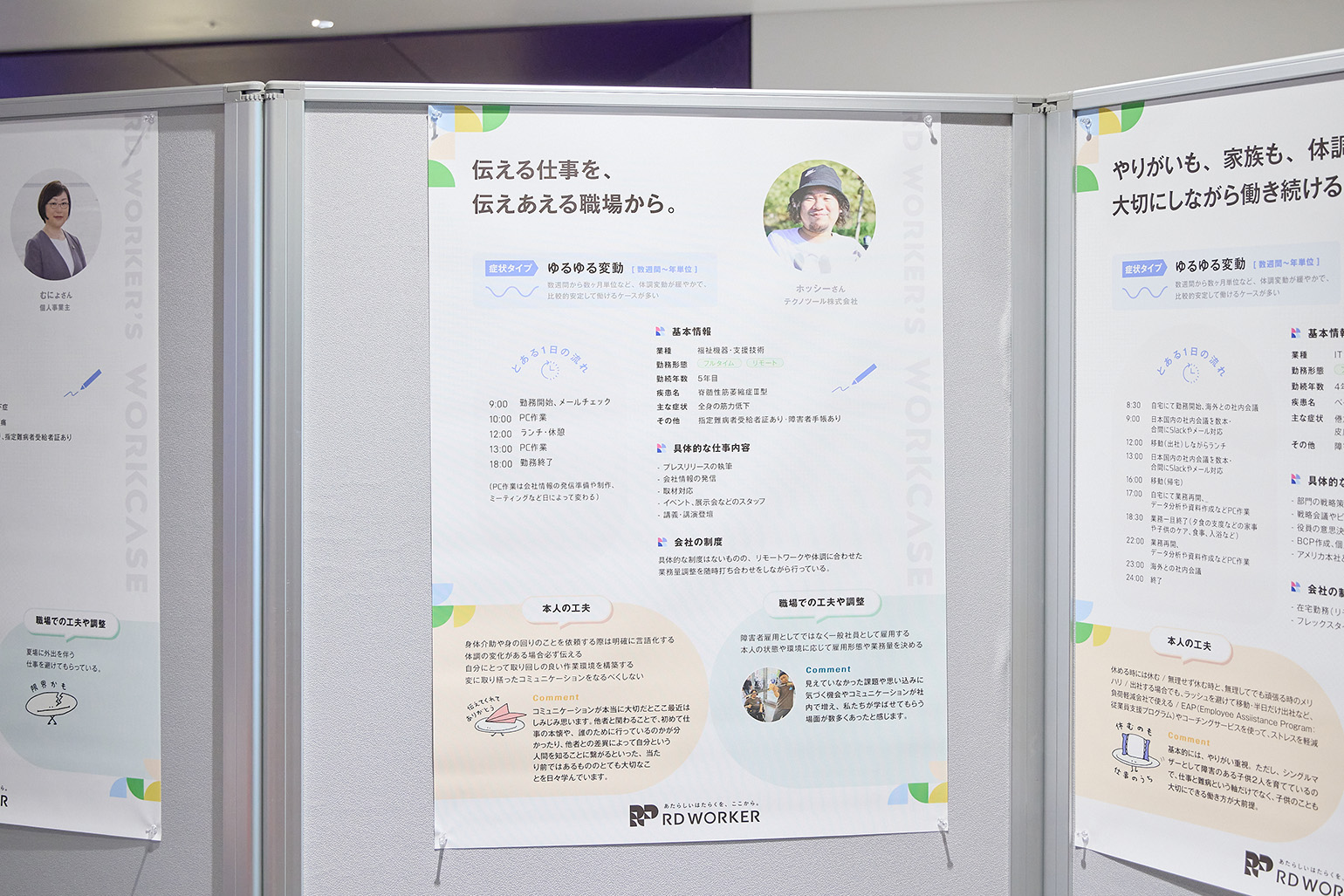
Realizing work styles that leverage individual strengths through diverse systems tailored to personal circumstances
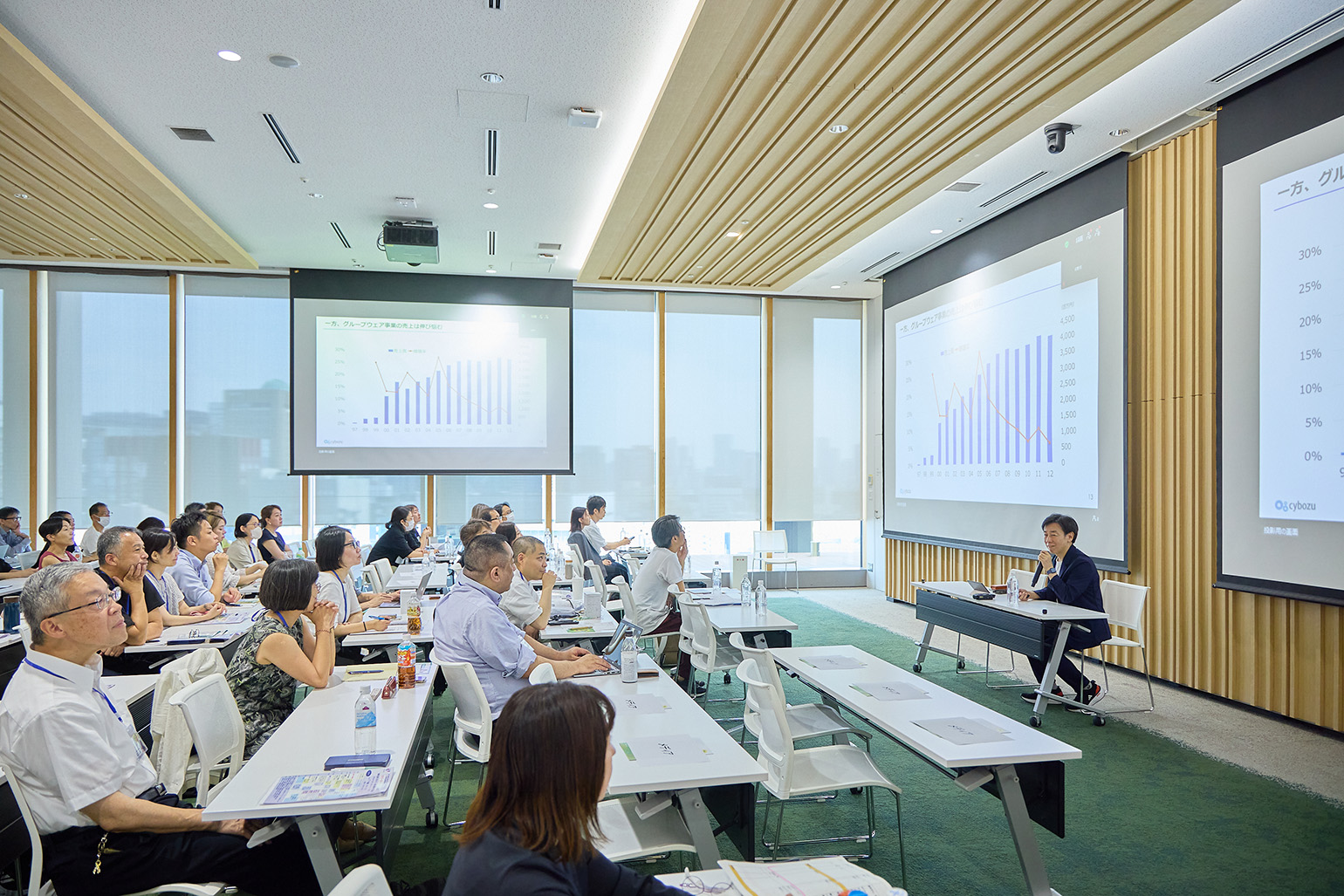
The keynote speaker was Yoshihisa Aono, President and CEO of Cybozu. Mr. Aono began by reflecting on the high company-wide turnover rate during the early days of the company’s founding. He noted that in 2005, the turnover rate had reached 28%.
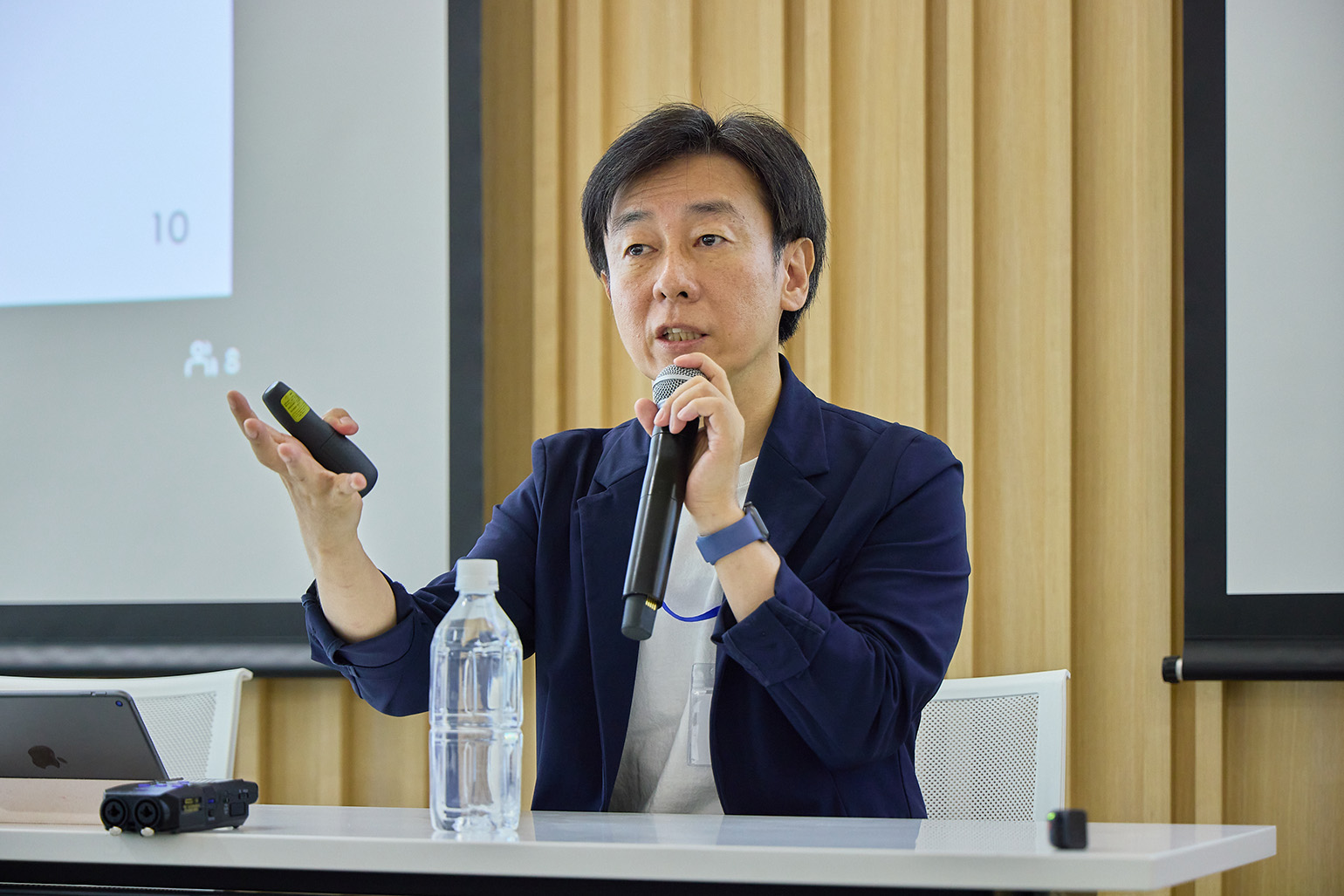
“Even when we raised salaries, the turnover didn’t stop. When we asked why, the reasons varied widely—from interpersonal relationships and working hours to personal circumstances,” said Mr. Aono.
This led to the concept of “100 people, 100 ways to match,” and the company established systems—such as reduced working hours, a three-day workweek, and fully remote work—that could be adapted to individual circumstances. As a result, the annual turnover rate fell below 10% three years later and eventually reached 5%.
Speaking about work styles that bring out individual strengths, Mr. Aono said, “Each employee is like a ‘stone in a stone wall’—a unique stone with its own shape. Because each shape is different, it’s difficult to fit them together, but when they fit perfectly, they form a strong stone wall.”
A Stage for RD Workers to Shine: Prioritizing “Consideration” That Enables Everyone to Work, Rather Than “Restraint”
In the session “Case Studies on RD Worker Employment by Companies in Practice,” representatives from three companies—Salesforce Japan, General Partners, and Dentsu Kyushu Inc.—took the stage. The session was moderated by Sayuki Ito of Ryōiku World.
Representing Salesforce Japan were Mr. Yukari Shirai, Accessibility Office Manager, and Mr. M (anonymous), who works as a Lead Strategy Manager despite living with Behçet’s disease, an autoimmune disorder. “Rather than lumping us together as a single group of people with intractable diseases, I hope companies will respect us as individuals, taking into account our individual careers and sense of fulfillment at work,” said Mr. M.“Rather than providing special systems or accommodations just because someone has a rare disease, I believe creating systems that everyone can use will make the company a better place for everyone to work,” said Ms. M.
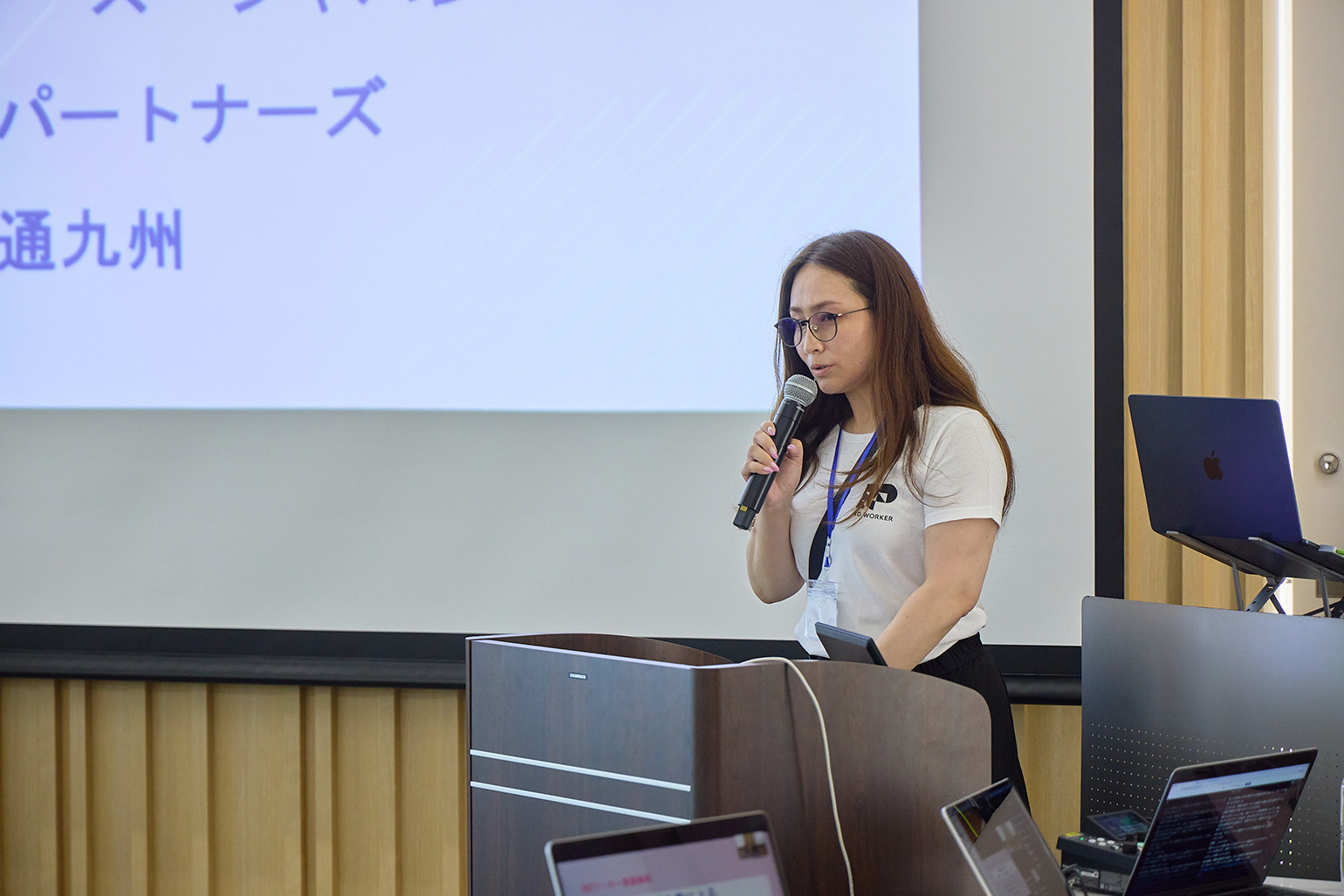
From General Partners, Tomomi Tanaka—who serves as Group Leader of the New Graduate Career Design team despite having “nephrotic syndrome,” a kidney disease that causes proteinuria and edema—and Group Manager Ayaka Nishihara took the stage. They explained that while the company primarily operates on a remote work model, it regularly reviews its accommodations, such as exempting employees from the weekly mandatory in-office day.
Regarding workplace communication, Ms. Tanaka said, “It can sometimes be scary to talk to people about my illness, but I don’t feel that way when I talk to Ms. Nishihara. I think it’s because she sees me as a person, not just as someone with a serious illness.” She emphasized that it is not just the policies but the relationship itself—one in which she feels safe to speak openly—that provides her with support.
Regarding efforts to make it easier for employees to use the system, Ms. Nishihara said, “As her supervisor, I make a point of taking the lead in using the system myself.” Speaking about her colleague Ms. Tanaka, she added, “She embodies the fact that, even with a rare disease, people can thrive if those around them have the right knowledge and provide the necessary accommodations.”
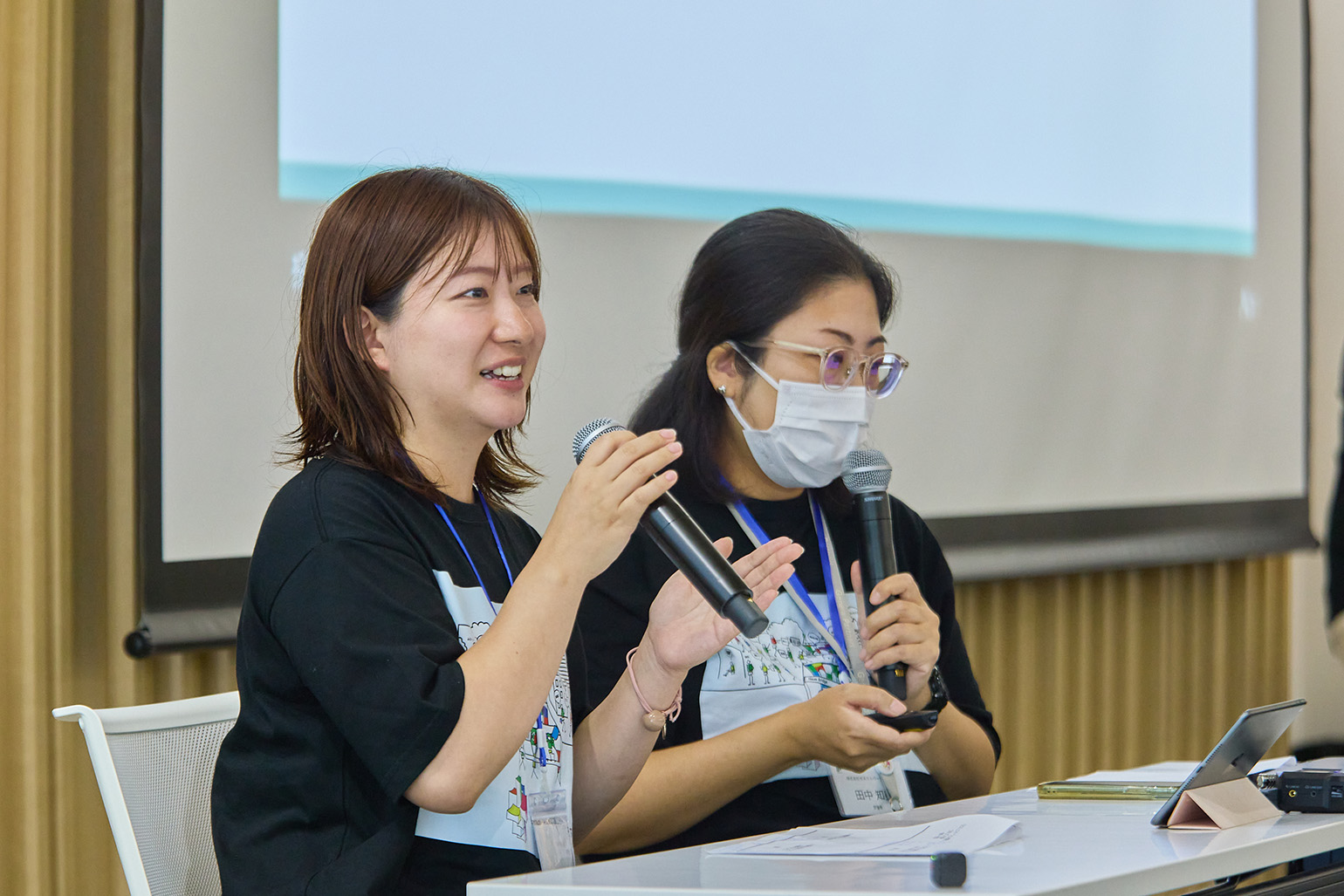
Additionally, from Dentsu Kyushu Inc., Chiaki Ogi, who has macular dystrophy—a retinal disease that causes blurred vision and vision loss—and Takafumi Kure, Director of Human Resources, took the stage. While specific accommodations were introduced—such as using a magnifying glass to read text, receiving verbal explanations, and double-checking tasks—Ms. Ogi shared her perspective: “Through my work, I realized I can’t just keep relying on others’ consideration.“Rather than feeling apologetic, I work with a sense of gratitude for the environment that allows me to work, and with the desire to contribute to the company,” she said, sharing her perspective.
Mr. Wu also stated, “To ensure that hiring people with intractable diseases does not become a one-sided charitable activity, it is important for the company to adopt an attitude of ‘we’ll make accommodations, but don’t hold back,’ and to establish a system that allows them to fully contribute.”
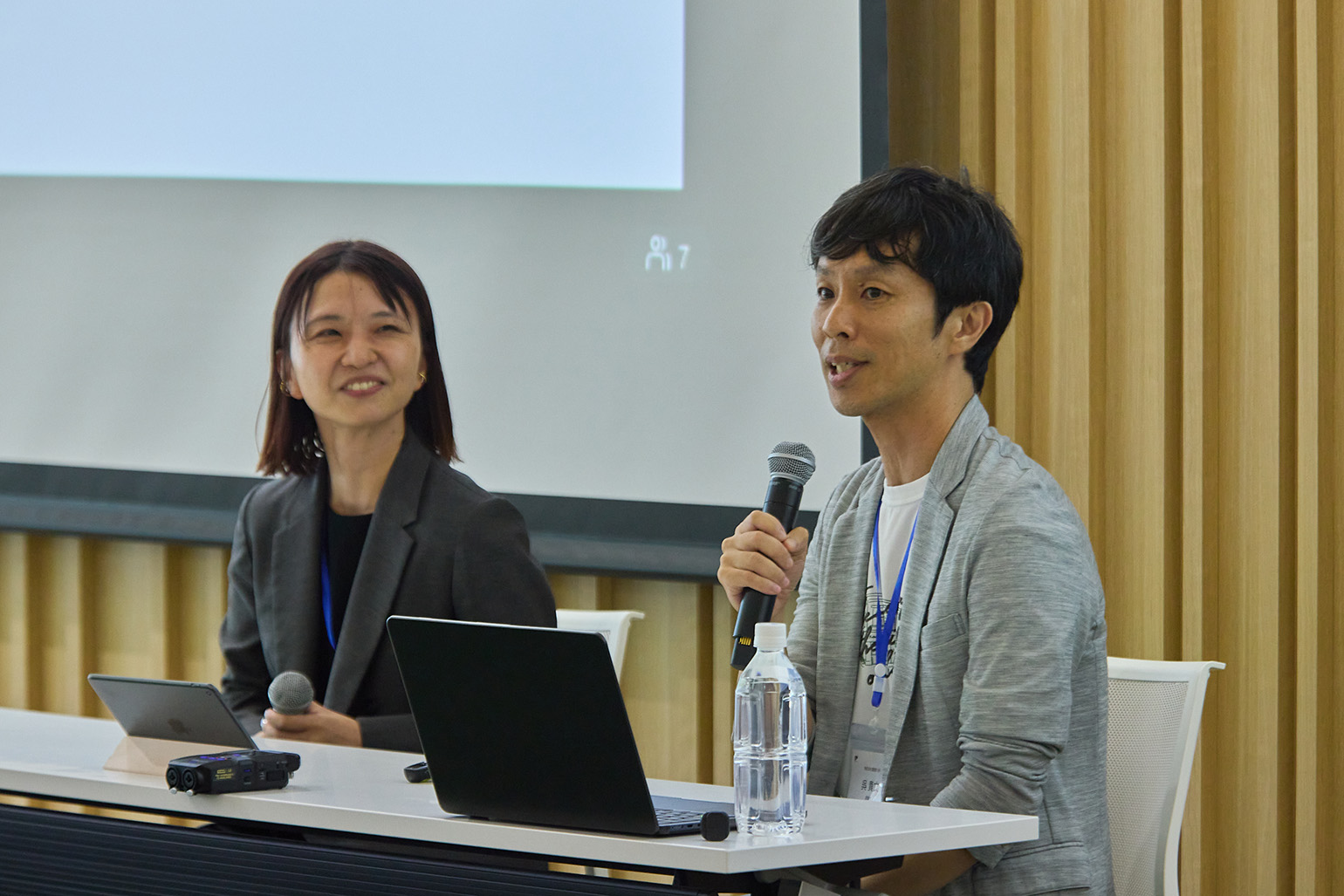
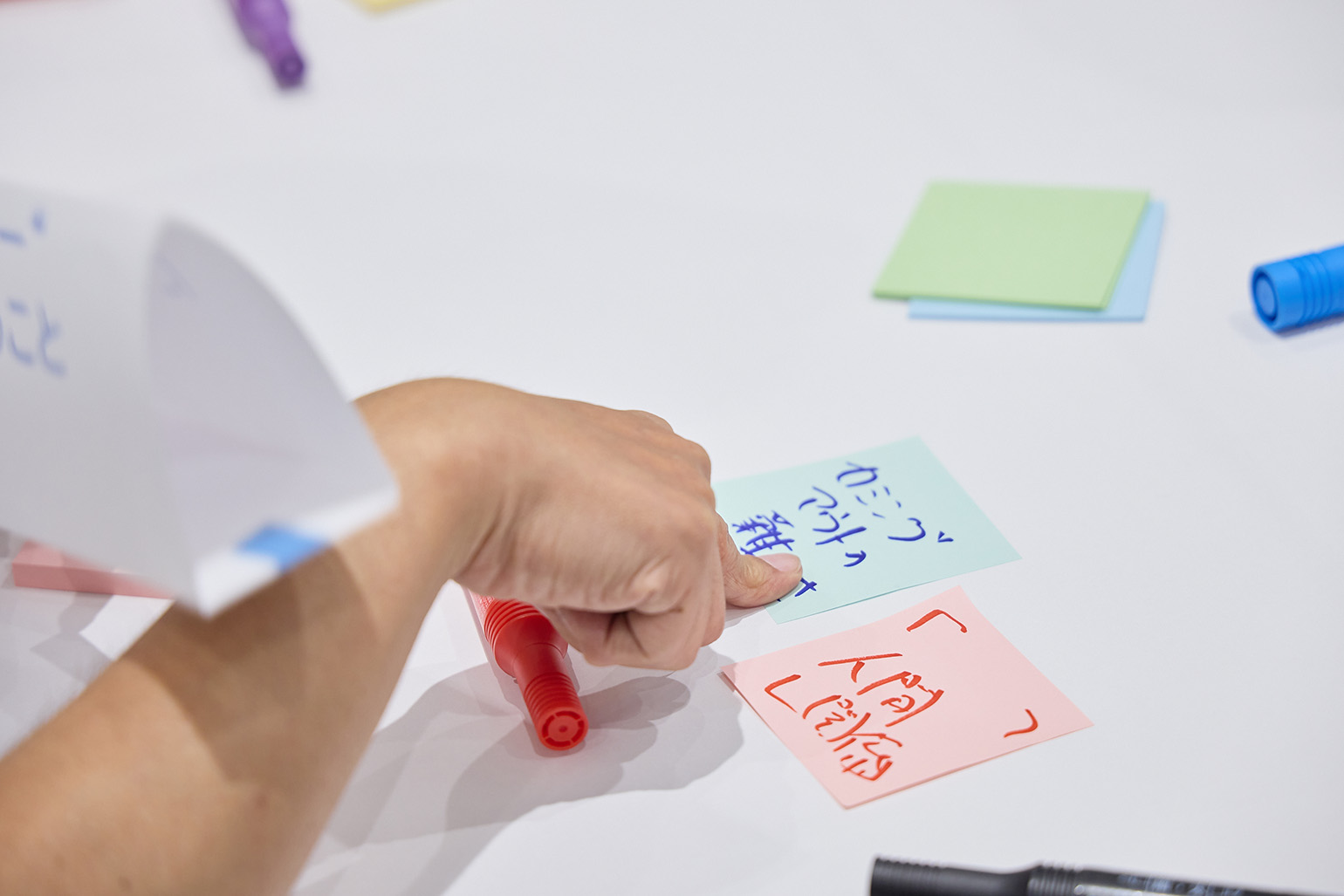
Company initiatives for diverse work styles. The theme was “Learn. Discuss. Change.”
In the second half of the forum, during the Business Leaders’ Talk titled “What Kind of Organization Is Needed in an Era of Change? — How to Turn Diverse Work Styles into Strength,” Mr. Shigemitsu and Ms. Atsuko Kuchiba, Chief Diversity Officer at Dentsu Japan, took the stage. Moderated by Mr. Yasutomo Hayashi, President and CEO of Knock on the Door, they discussed organizational and environmental development.
Ms. Kuchiba explained dentsu Japan’s DEI (*) promotion activities, which are guided by the slogan “Learn. Discuss. Change.” As initiatives to “Learn. Discuss,” she highlighted “DEI Park”—a program designed to help each employee take ownership of DEI and translate that into action within their respective organizations—as well as group-wide Employee Resource Groups (ERGs).Regarding “Change,” he introduced the “Neuro-Workdesign Project,” a collaborative effort between dentsu Japan, Tohoku University, and the City of Sendai. He explained that development is underway on a platform designed to transform organizations and work environments with a focus on people, rather than forcing people to conform to organizational rules.
*DEI stands for “Diversity,” “Equity,” and “Inclusion,” and refers to a philosophy aimed at realizing organizations and societies where diverse talent can thrive equitably.
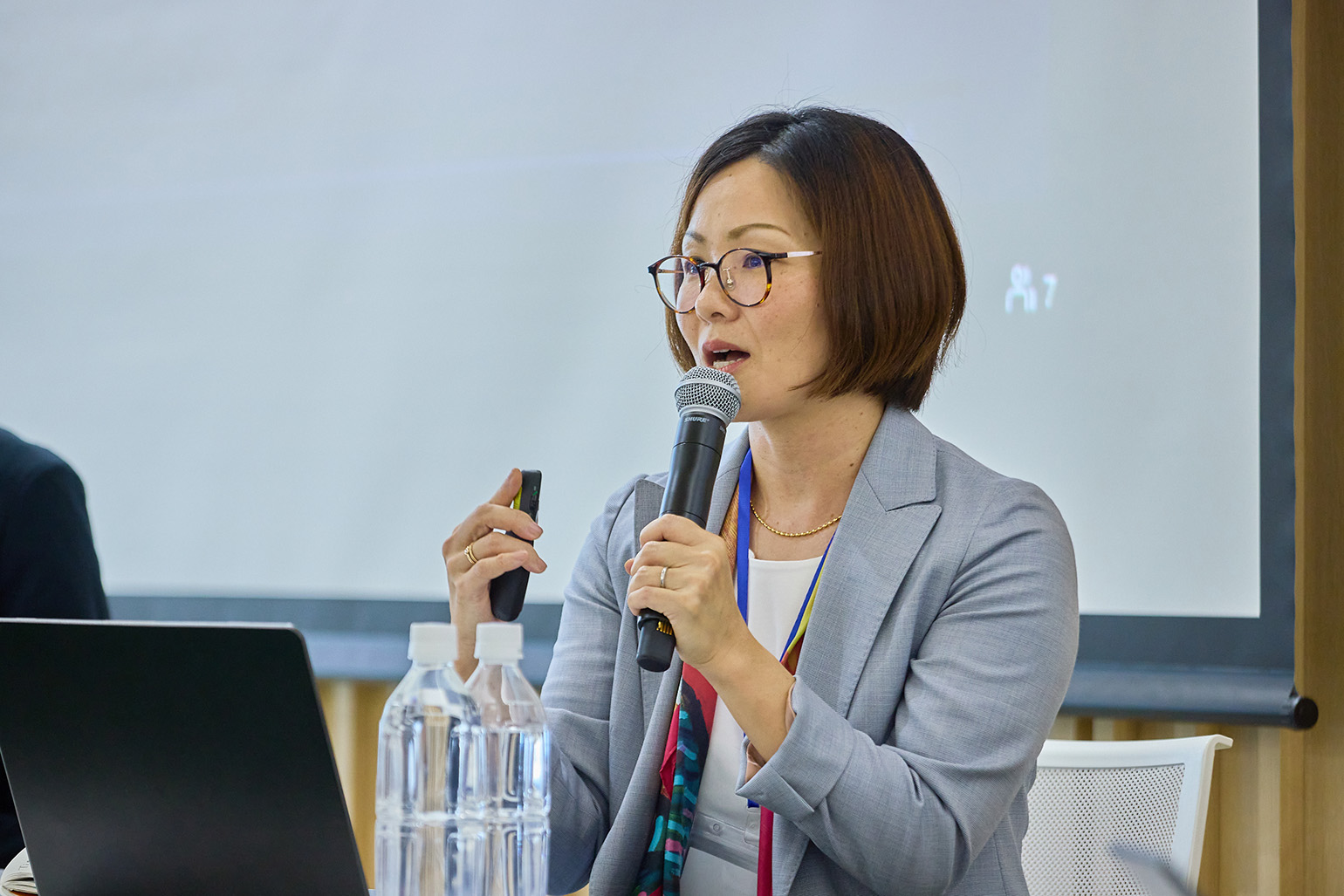
Mr. Shigemitsu also revealed that, based on actual conditions on the ground, the staff utilization rate at Ryōiku World is about 60%, with 40% taking time off due to health issues.
“The problem of the burden falling on those who are healthy and able to work without taking time off is an eternal challenge,” she noted, adding, “The most important thing is for people to enjoy their work and not push themselves too hard, so it’s crucial to create an environment where everyone can work with peace of mind.”
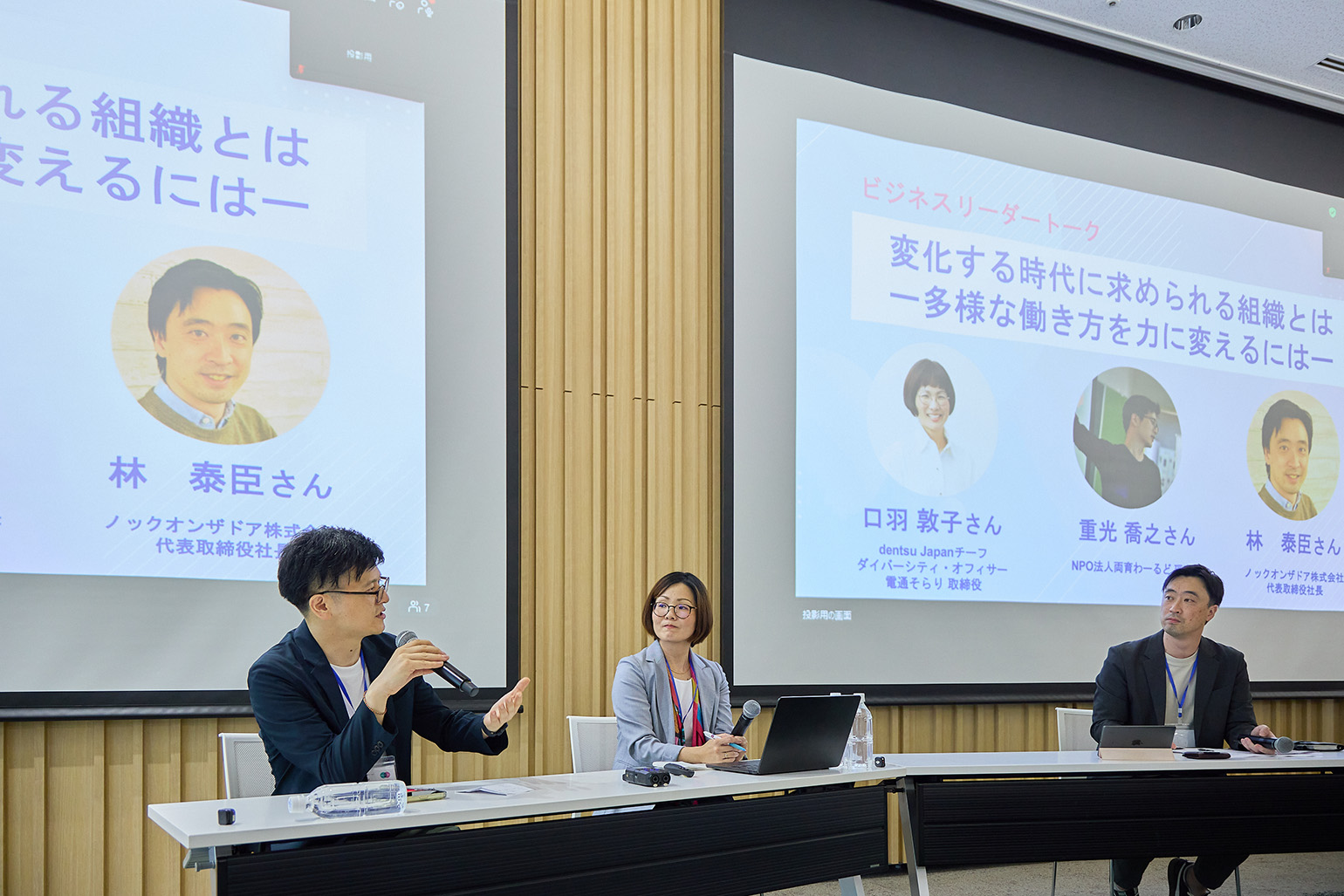
Consideration for RD workers isn’t something you set once and forget; it’s important to review it regularly
In the final session, “Creating a Workplace Where RD Workers Can Thrive: A Dialogue Session for HR Professionals,” Mr. Shira and Mr. Nobuhiro Hamazaki, Director of the HR Office at DENTSU CORPORATE ONE INC., took the stage. Moderated by Ms. Kyoko Nawa of Ryōiku World—who is herself an RD worker—they discussed issues that often concern HR professionals, such as “disclosing the onset of a condition,” “the scope of reasonable accommodations,” and “how to approach recruitment.”
In response to the question of how to create a workplace environment that accommodates employees even without them disclosing their specific diagnosis, Mr. Hamazaki stated, “An effective approach is to encourage supervisors to foster an atmosphere where the entire workplace naturally provides accommodations.”
Regarding reasonable accommodations, Mr. Shiro remarked, “Even for the same intractable disease, the necessary accommodations vary from person to person, and even for the same person, they can change depending on fluctuations in physical condition. It’s not over once a course of action is decided; it’s important to review it periodically.” Mr. Hamazaki’s follow-up comment—that “a company isn’t a hospital, so rather than focusing on the illness itself, we should consider what needs to be put in place to enable employees to do their jobs. Even small, flexible adjustments to employment rules or work practices are sufficient”—also resonated with the audience.
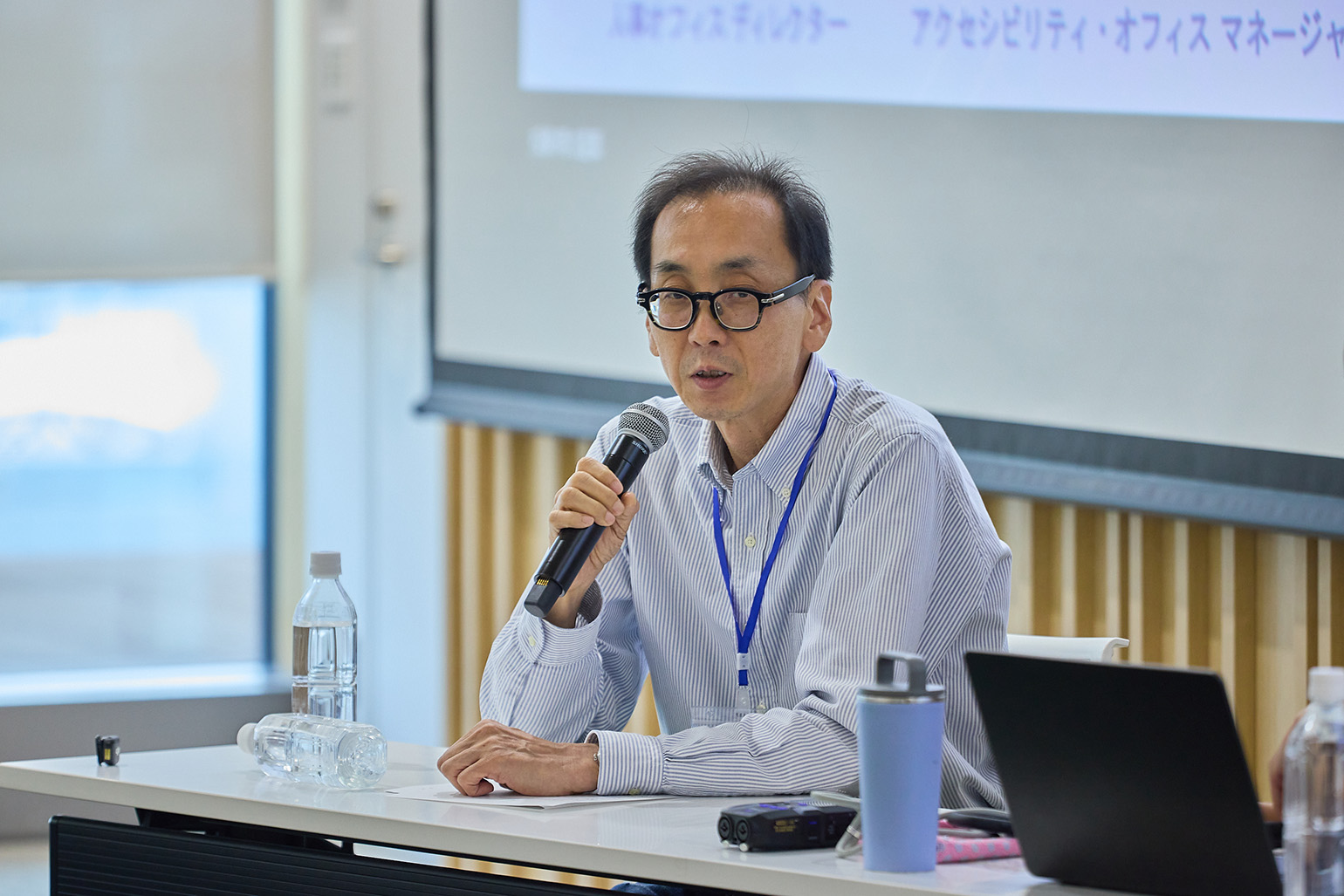
While noting that asking about medical conditions during the hiring process is generally off-limits, Mr. Shira said, “By clearly outlining the role and work arrangements in advance and creating a situation where candidates can determine for themselves whether they can work under those conditions, I believe we can also address issues related to medical conditions that may come to light after hiring.”
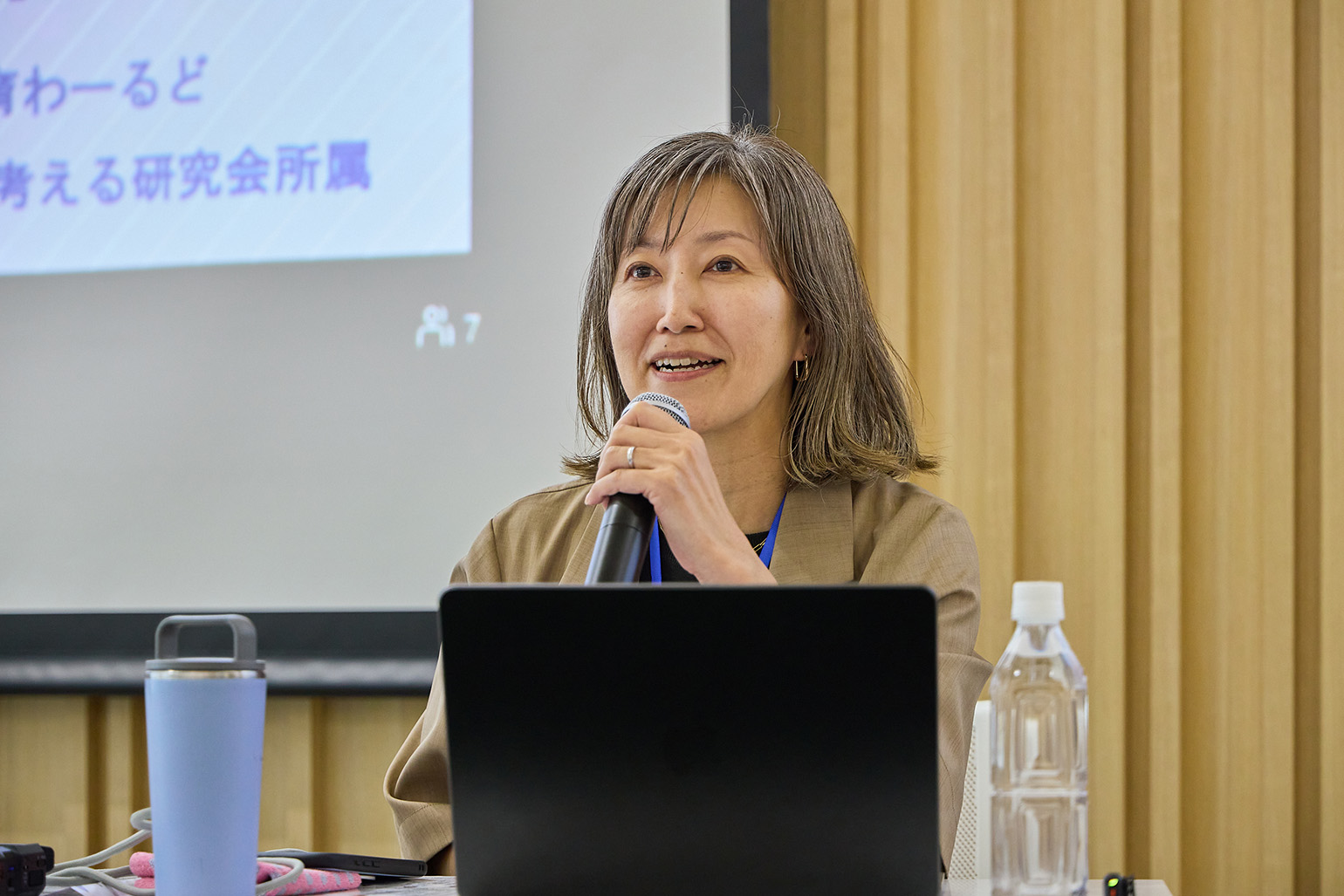
Ms. Yukie Saito of Ryōiku World delivered the closing remarks. “This effort shouldn’t be limited to this forum alone,” she said. “By each of us spreading the word about RD workers to those around us, this knowledge will spread throughout Japan. That will become the driving force to transform not only how people with intractable diseases work, but also the very way employees work in general.” She positioned this forum as the starting point for broadening understanding of RD workers.
Rather than large-scale institutional reform, the first steps are to learn, to engage in dialogue, and to sincerely connect with the individual right in front of us—it is this cumulative effort that paves the way toward a society where not only RD workers but everyone can work comfortably. The forum left attendees with a strong sense of this potential.
Was this article helpful?
Share this article


