
Note: This website was automatically translated, so some terms or nuances may not be completely accurate.
Report on the Second Waseda × Dentsu Inc. “Futurology” Creative Session: Grasping the Future Through Sensibility
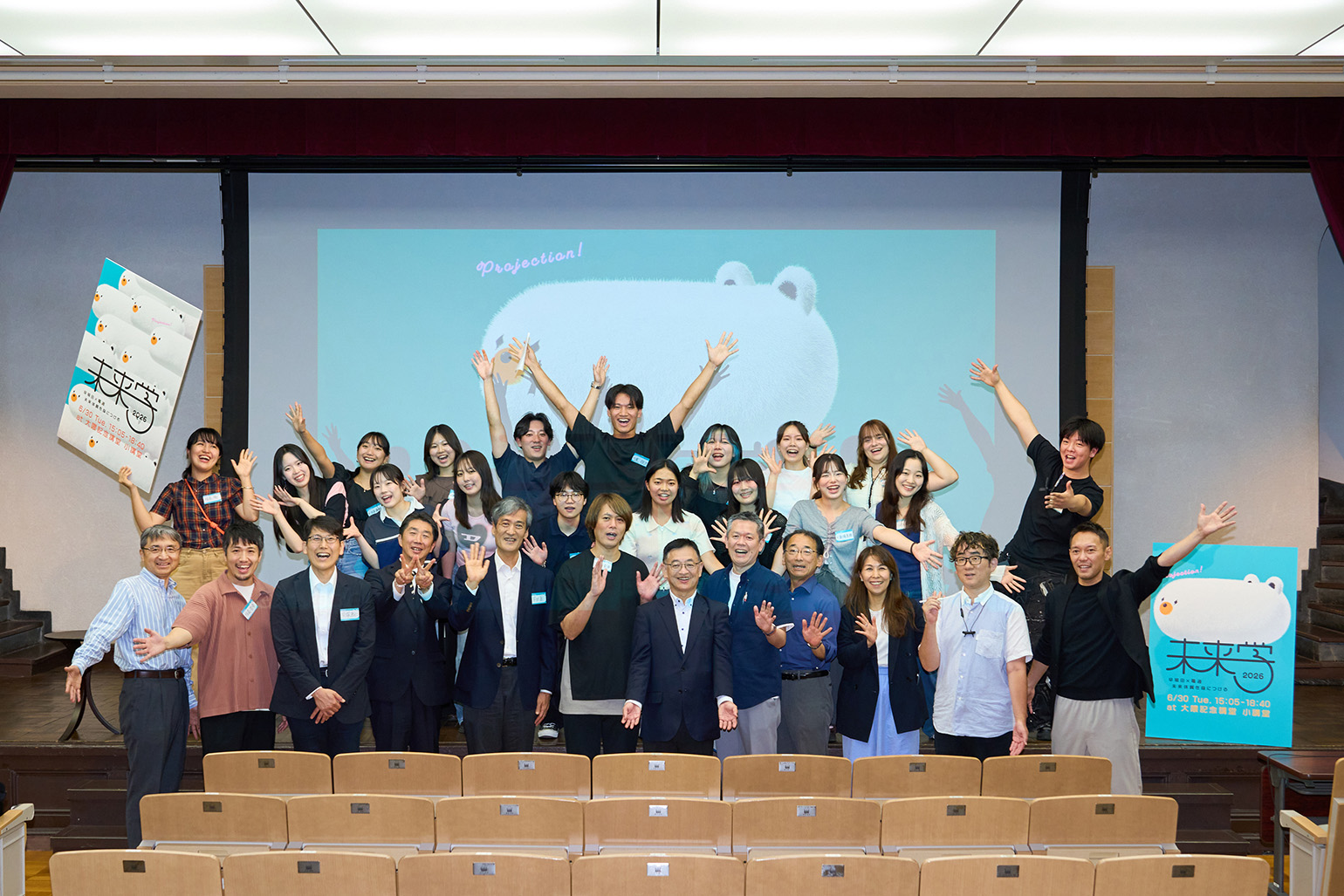
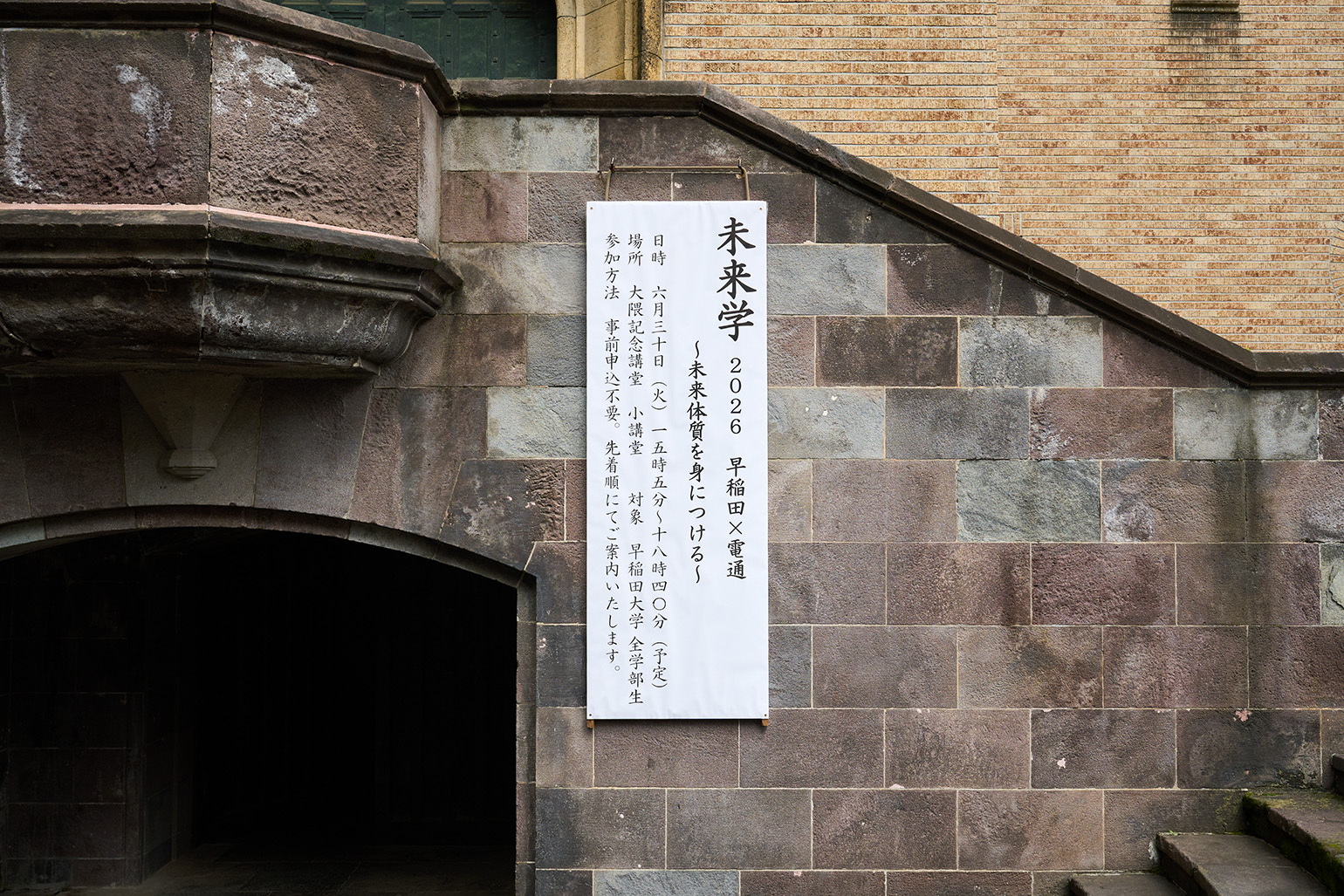
On Tuesday, June 30, 2026, a special joint lecture titled “Futurology 2026: Waseda × Dentsu Inc.—Developing a Future-Ready Mindset,” presented by Dentsu Inc. and Waseda University’s School of Commerce, was held at Waseda University’s Okuma Memorial Hall.“Futurology” is a special session organized as part of the “Global Management Program (hereinafter referred to as GMP),” which the Waseda University School of Commerce runs with the aim of fostering “business leaders who contribute to the international community.” This marks the second time the session has been held, following last year’s event.
The lecture consisted of two parts: “Futurology I,” which focused on input through a lecture themed “Sensibilities for Seizing the Future,” and “Futurology II,” which focused on output through a hands-on creative session led by Dentsu Inc.
At the outset, Professor Tetsu Nakade of the School of Commerce, who serves as the director of Waseda University’s GMP, delivered opening remarks, reflecting on the positive response to the previous “Futurology” session while explaining the intent behind this lecture.
“Even when we are busy with our daily activities, there are times when we suddenly realize that we may not be moving forward,” he said. “I believe what is important is to look at the future from a slight distance and to cultivate the sensibility to sense the future through various phenomena.” He added, “I hope this lecture will serve as an opportunity for all of you to hone that sensibility.”
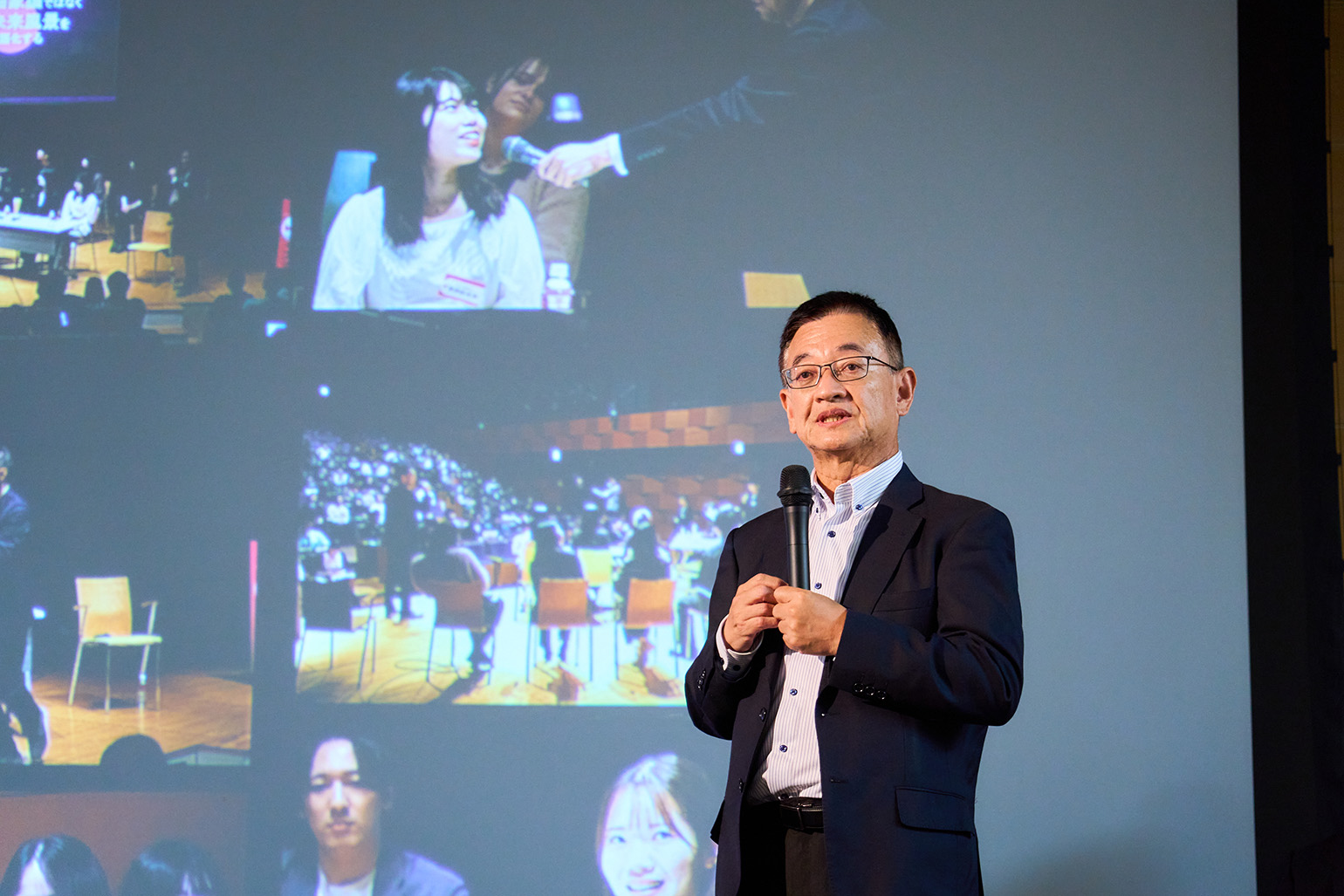
Next, Makoto Hayata, Director and Senior Executive Officer at Dentsu Inc., explained the company’s commitment to creativity. “Dentsu Inc. is a company with a long history, celebrating its 125th anniversary this year. We have inherited three core strengths: the power to move people’s hearts through creativity, the power to envision the future, and the power to connect people and organizations across boundaries. I hope this session will serve as an opportunity for you to cultivate your own ‘power to envision the future,’” he said.
Futurology I: Learning the “Sensibility” to Shape the Future
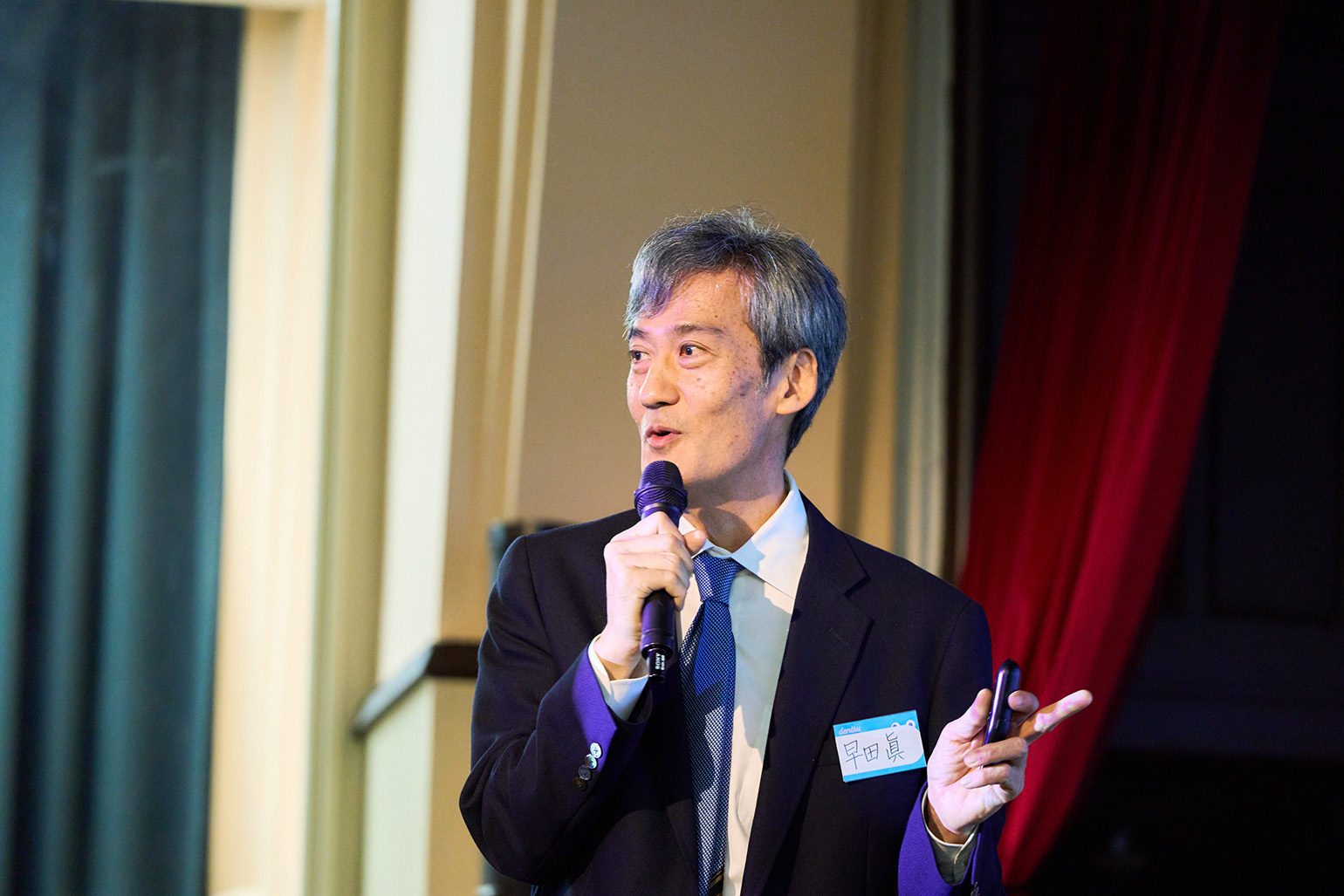
Seiichi Masuhara of Dentsu Inc. FUTURE CREATIVE LEAD Office kicked off Futurology I.
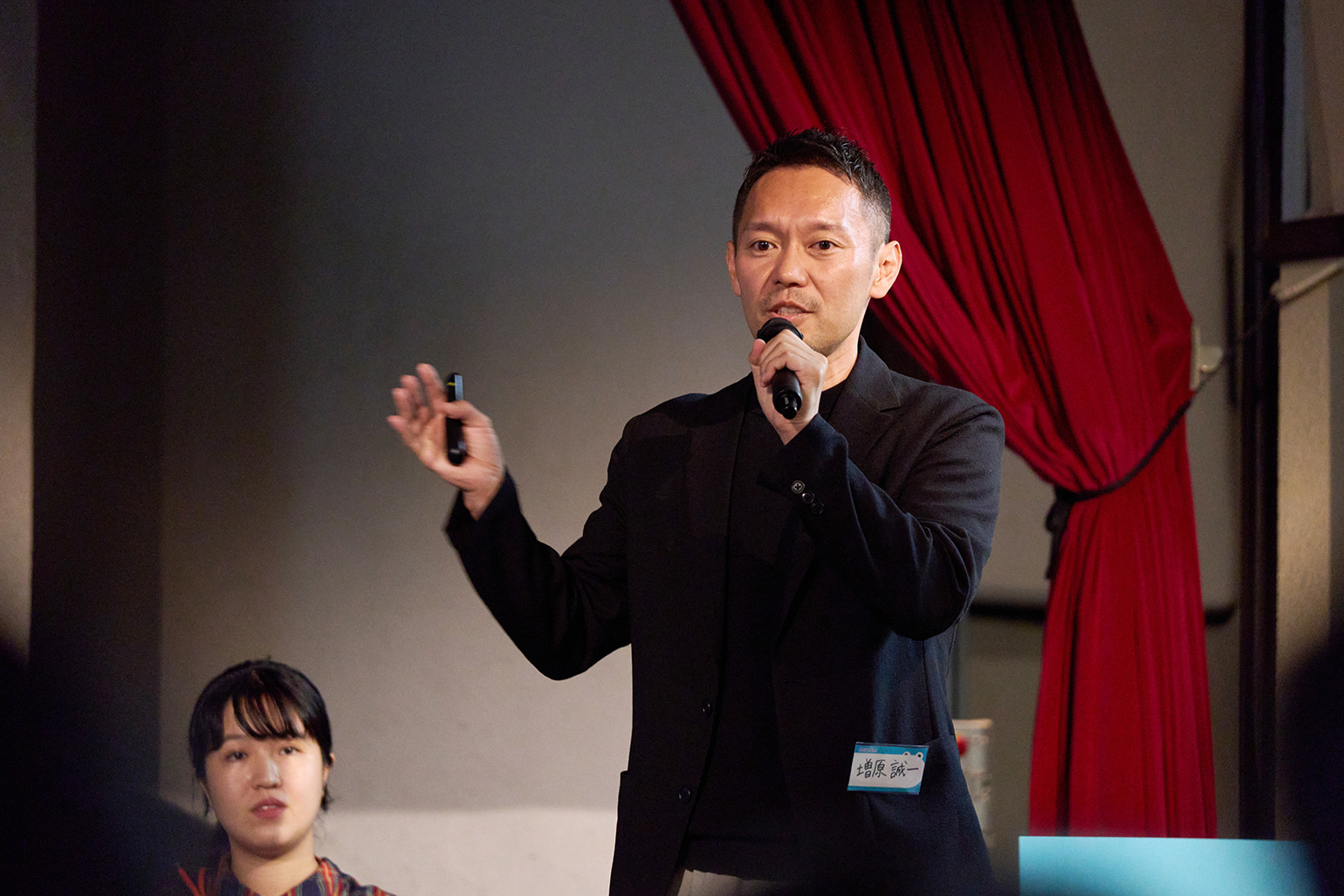
Regarding Japan’s demographic trends, Mr. Masuhara pointed out, “The population has been growing continuously since the Kamakura period but has been declining since peaking in 2004. Since the business models we have built were designed during a period of hyper-growth, we will need a completely different way of thinking for the upcoming period of hyper-maturity.” He emphasized that a shift is required from problem-solving to co-creating the future, and the key to this is “thinking from possibilities” rather than “thinking from causes.”
“If the problem-solving approach is about bringing a negative—a problem—back to zero, then the future co-creation approach needed going forward is about turning zero into a positive. I hope that through this lecture, you will master the ‘ability to co-create the future,’” said Mr. Masuhara.
He also introduced the concept of “social sculpture” advocated by the German contemporary artist Joseph Beuys. Describing it as an approach that connects one’s personal aspirations to society, he remarked, “People who can think from the perspective of ‘sculpting society’ will thrive in the future.”
Next, Mr. Yasuhito Kaizuka, Executive Officer at Dentsu Inc., introduced a cutting-edge initiative called “AI Market Twin.” By creating personas for individual consumers and training AI on them, the system can simulate market reactions to various hypotheses and new products still in the idea stage. He noted that its range of applications is currently expanding, from visualizing the purchase journey of individual buyers to supporting decision-making. However, Mr. Kaizuka remarked as follows:
“Even with such improvements in prediction accuracy, we cannot deduce from data a future that lies beyond the extension of past data—a future that no one has ever chosen. Only human sensibility can create such an unknown future. Sensibility is not mere intuition; it is the power to deeply perceive the essence of things from the phenomena before our eyes and the words of others—in other words, it is insight,” said Mr. Kaizuka.
He further explained that sensibility and passion are distinct functions. He described sensibility as a compass that points the way, while passion is the fuel that allows one to continue moving forward in that direction, overcoming opposition from those around them.
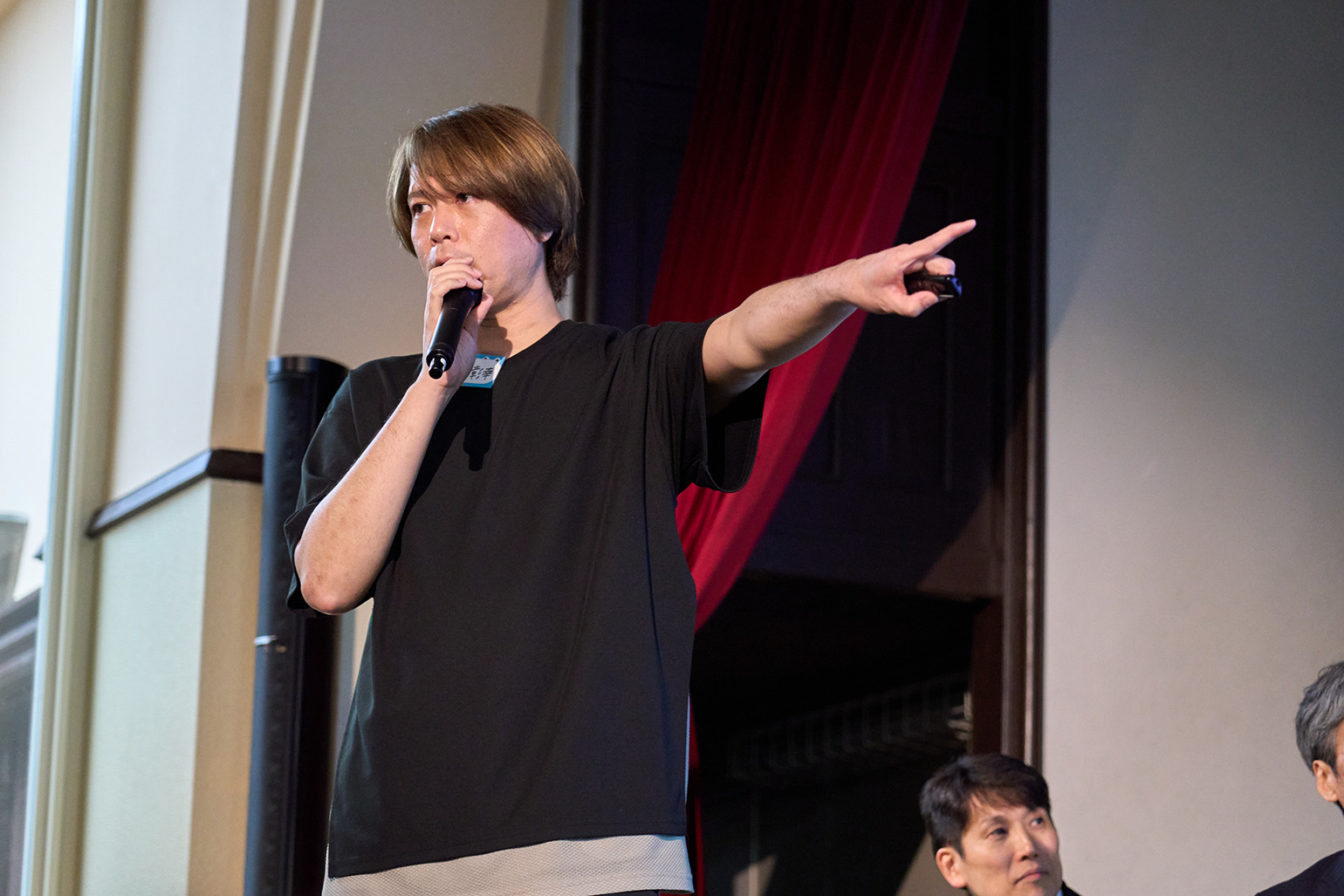
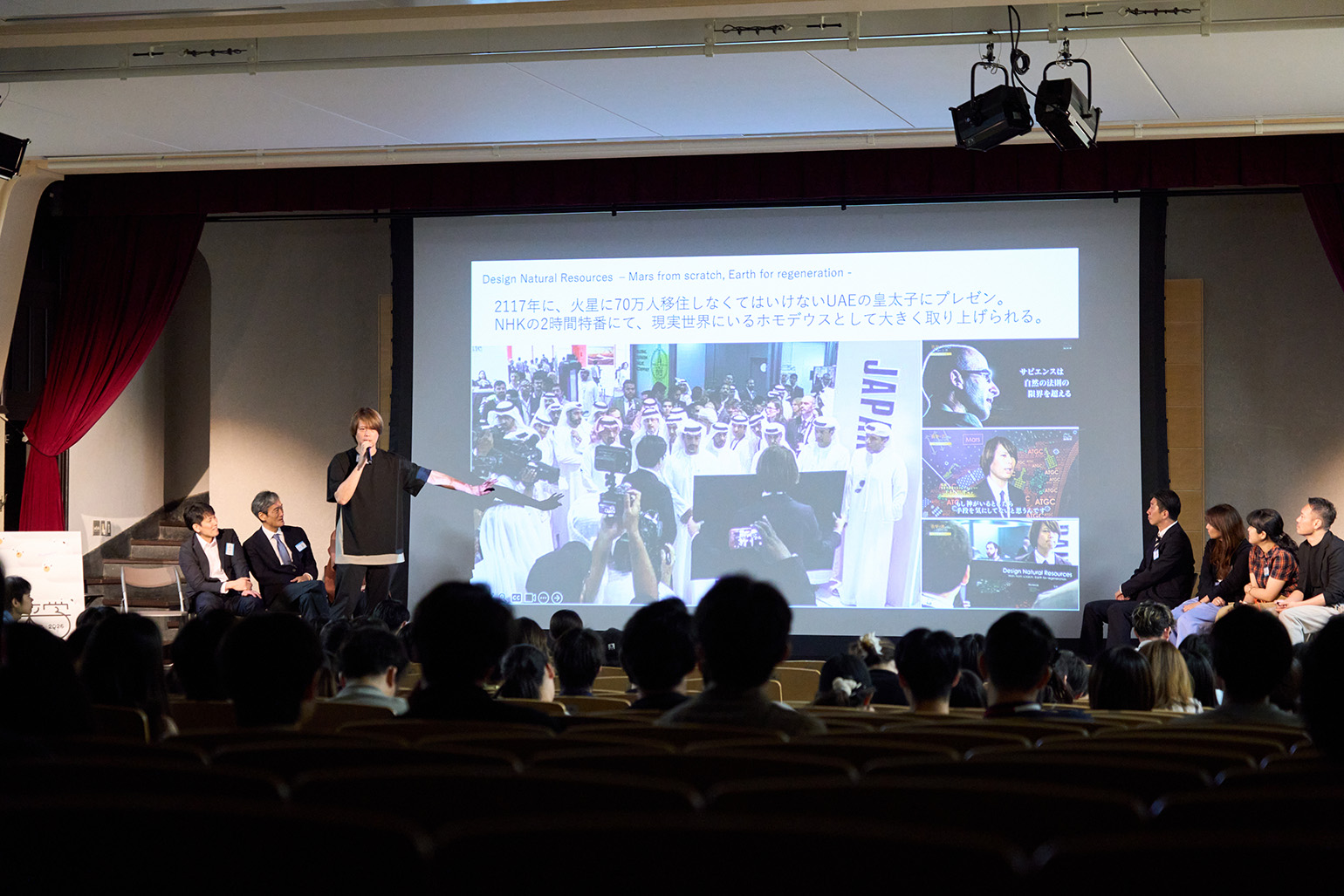
Akihiro Shimura of Dentsu Inc.’s Marketing Division 7 delivered a presentation showcasing large-scale project case studies that left the audience in awe.
First, he mentioned an episode involving Li-Fi (a light-based communication technology), which the government had predicted would be realized in 2025; through extensive research, they achieved it 17 years ahead of the government’s forecast. “We create a future that transcends limits through sensitivity and passion. And the greatest thrill of shaping the future is seeing with your own eyes how the future we predicted actually turned out,” he said.
He also introduced numerous other projects, including a case where his team was consulted by the United Arab Emirates to help fulfill its national pledge to “send 700,000 of its citizens to Mars by 2117,” as well as research on aging control that applies the rejuvenation mechanisms of the red jellyfish.
“At the core of these initiatives for the future lies the perspective of what we will leave behind and what we will establish—not just for our children’s generation, but for our grandchildren’s generation and even the generation after that. I encourage all of you to think not in terms of ‘short-term gains and losses,’ but in terms of ‘long-term benefits for our grandchildren,’” he said, concluding the input session.
Futurology II: Ideating an Exciting Future—“Future Creative Session”
In Futurology II, students experienced the “Future Creative Session,” a process Dentsu Inc. uses to generate ideas with clients. This session was facilitated by Mr. Masuhara and Mr. Takayuki Fukushima of Dentsu Inc.’s Sustainability Consulting Office.
The session began with an in-depth talk about Waseda University by Mr. Akira Fukushima of Dentsu Inc., a Waseda University alumna.
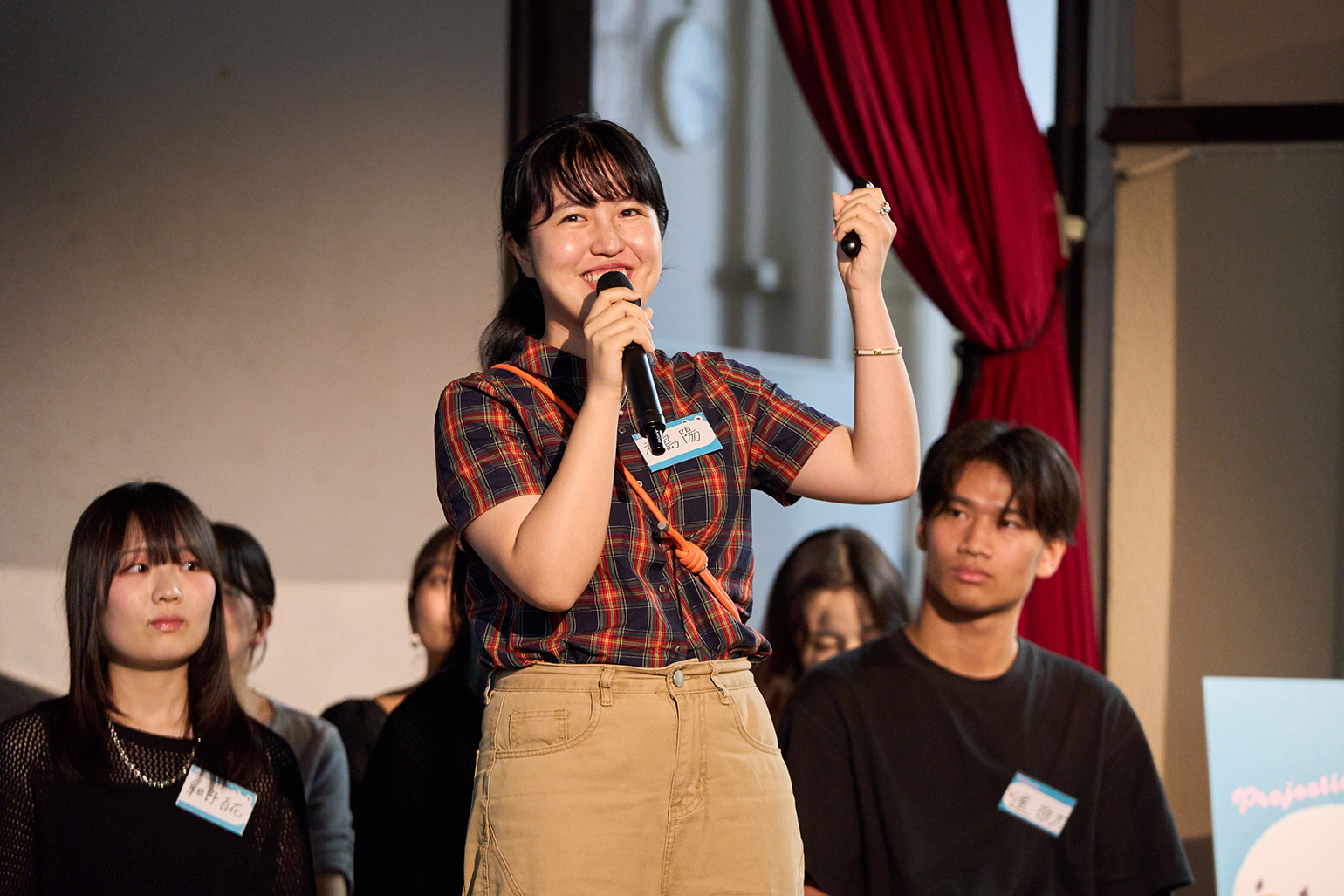
While sharing anecdotes from her job-hunting days, she said, “The future isn’t something far off—it’s right at your feet. Just like Steve Jobs’ concept of ‘connecting the dots,’ the dots you place today will connect when you look back on them in the future. That’s why I want you to cherish what you love, what you struggle with, and what excites you right now.”
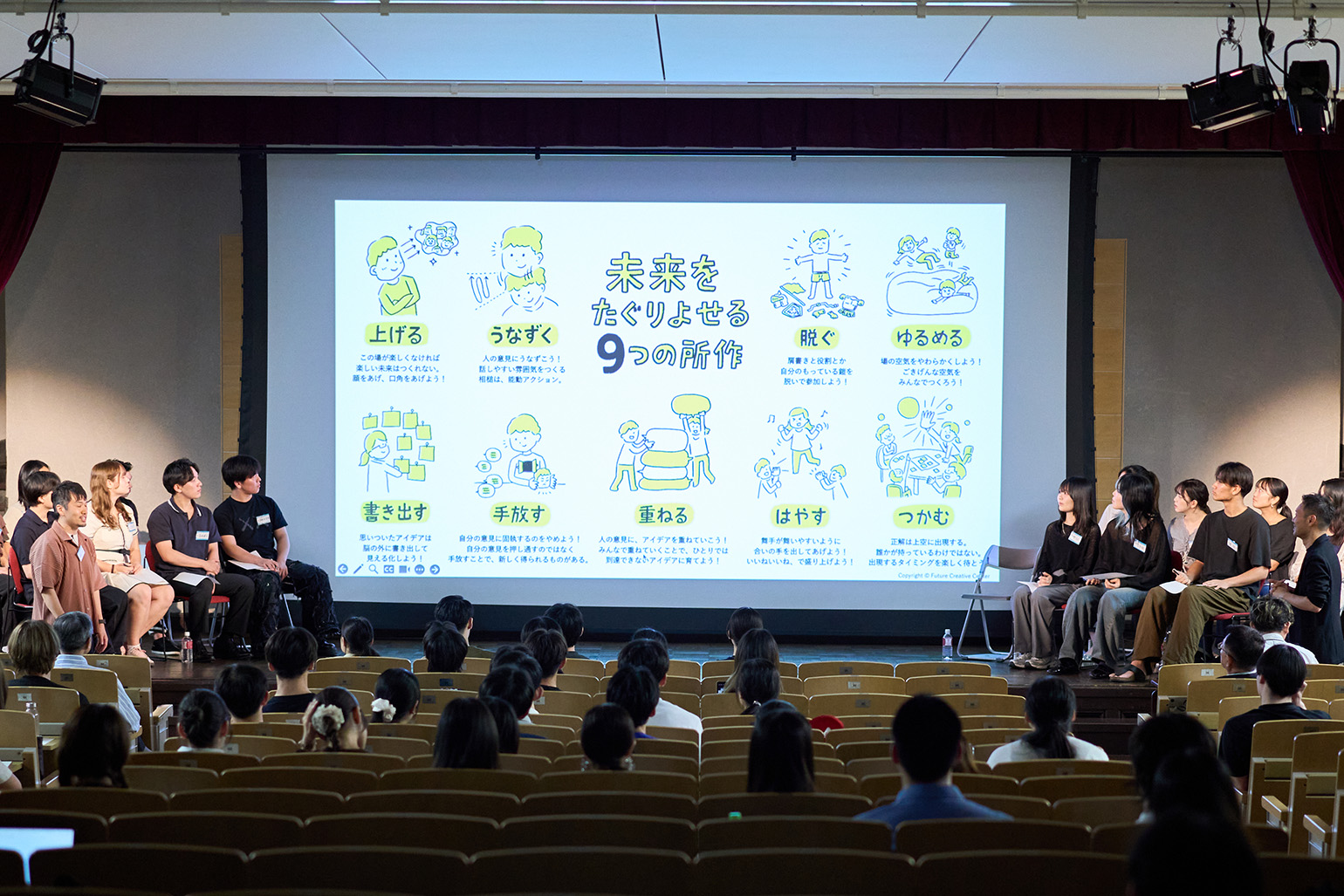
Next, Mr. Masuhara and Mr. Takashi Fukushima explained the “Nine Practices for Drawing the Future Closer.” To further strengthen the sense of unity among the audience, everyone participated in an improvisational song-and-dance exercise that emphasized physicality. As everyone in the venue simultaneously uttered the sound “Ah,” and then each person freely varied their pitch, natural overtones spread throughout the room. This phenomenon—where harmony with those around them emerged unconsciously—brought smiles and expressions of surprise to the audience’s faces.
“Just as a naturally pleasant resonance was created, it’s important to layer ideas rather than search for a single ‘correct’ answer. Rather than insisting on your own individuality, I hope you’ll approach this with the mindset of bringing your sensibilities together to collectively grasp the essence,” said Mr. Masuhara.
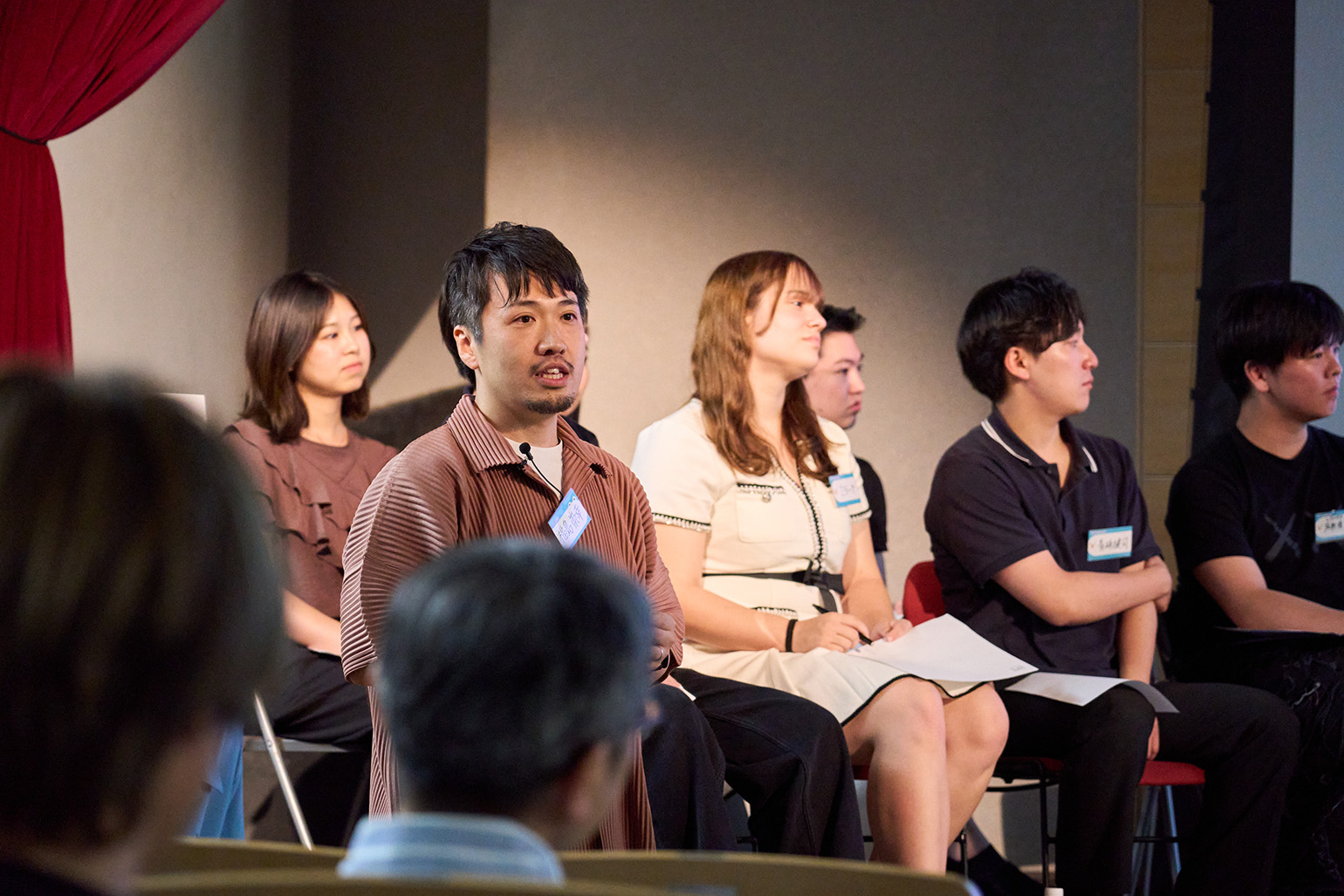
In the brainstorming session, participants first held group discussions on the question, “What are the vague concerns that hinder excitement?” “If you say you want to be a musical star, people overseas will cheer you on, but in Japan, you’re asked things like, ‘How are you going to find a job?’It’s a society where it’s hard to pursue dreams that differ from those around you.” “People lack self-confidence, get caught up in comparing themselves to others, and become paralyzed.” “Society has become so fixated on concepts like ‘time efficiency’ and ‘cost-effectiveness’ that it can’t tolerate breathing room or ‘meaningless’ time.” The “frustrations” that emerged covered a wide range of issues.
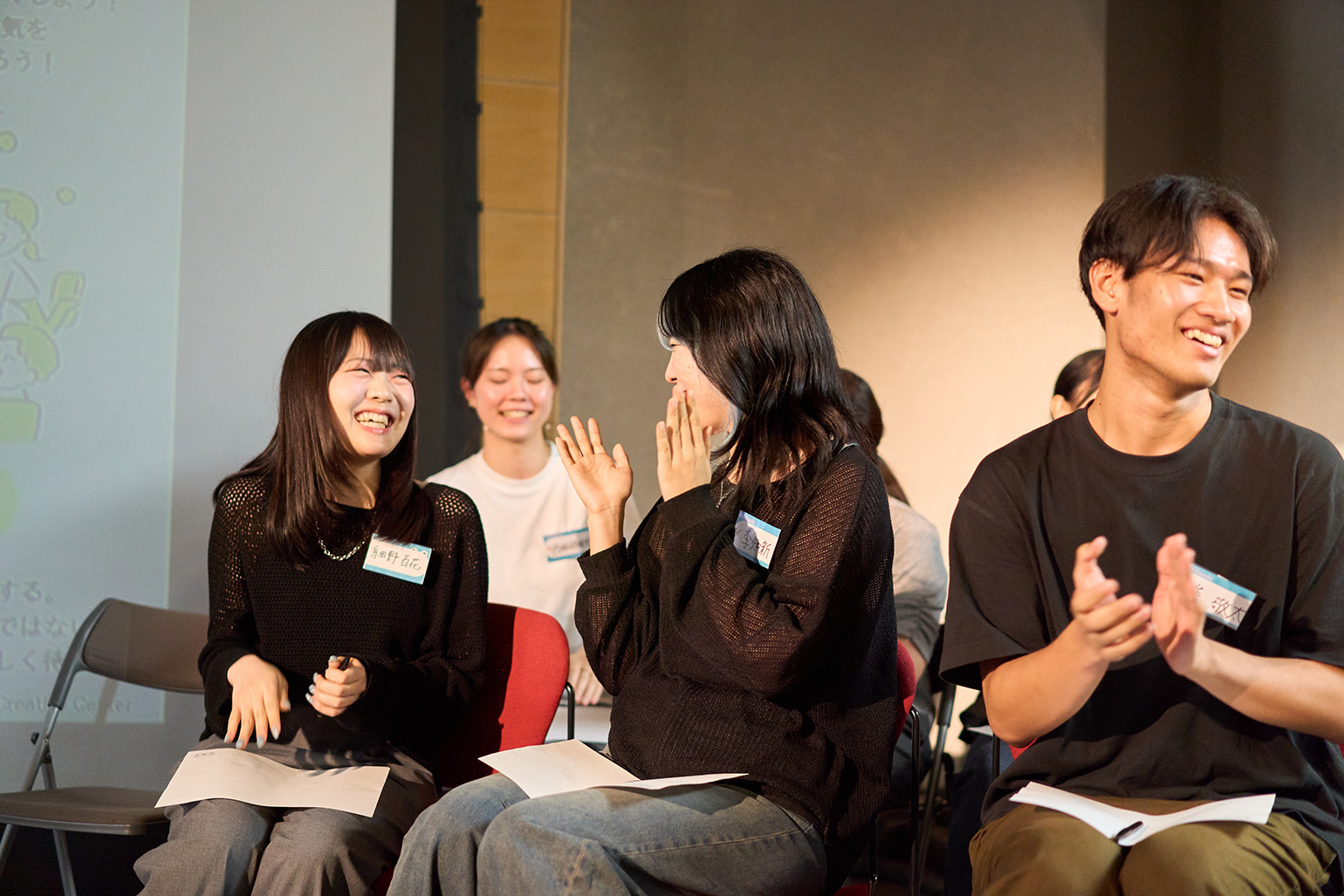
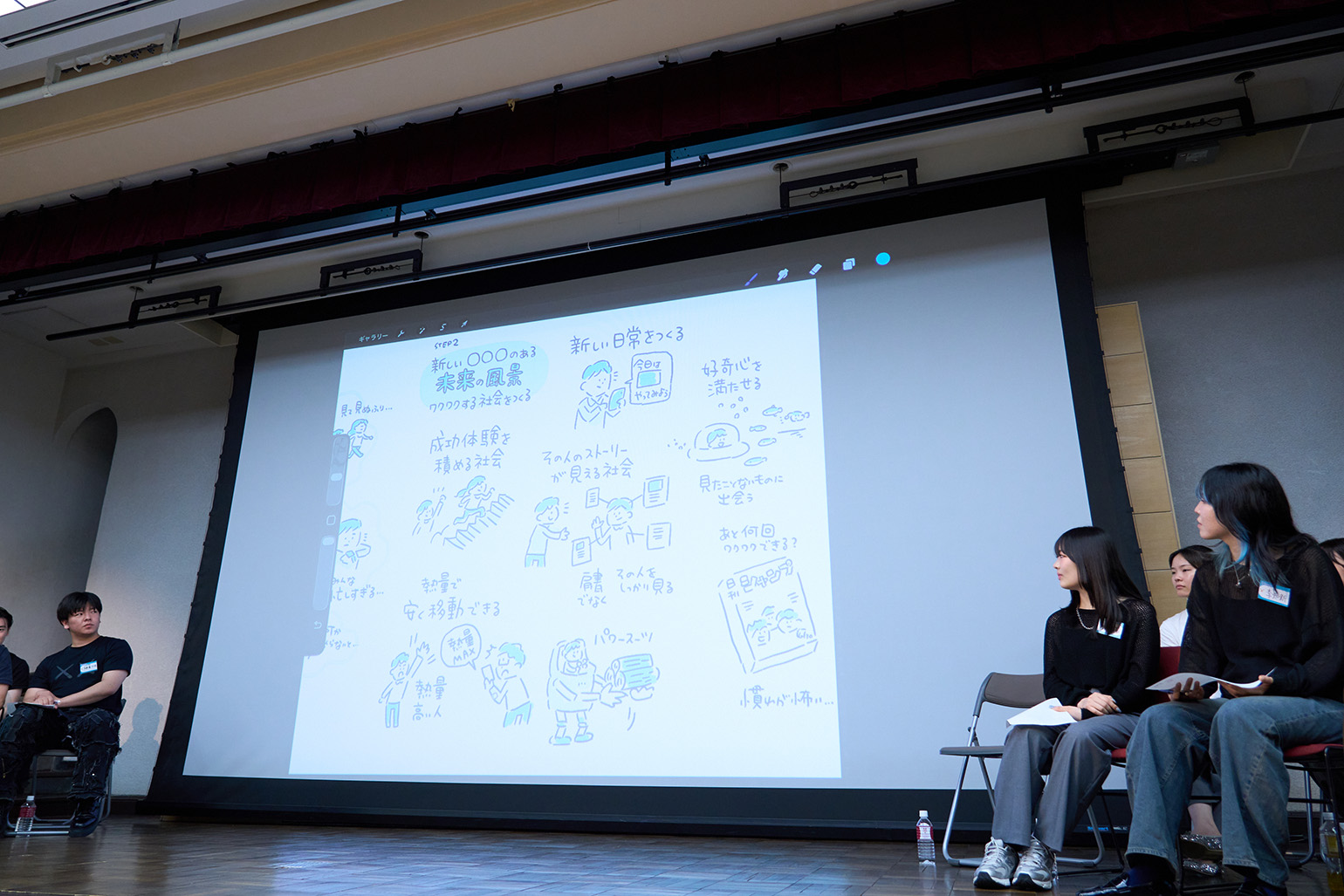
Next, based on these feelings of unease, the group engaged in an ideation session to “envision the future landscape they want to create.” The students exchanged a wide variety of innovative ideas, such as the following.
[Examples of Ideas Proposed by Students]
・An environment where students can accumulate experiences of success, and a system to promote behaviors that lead to success
・An app that suggests, “Let’s try this today,” allowing users to randomly take on new challenges
・A society where people are recognized not by their job titles but by their “Life Novels” (stories of their lives)
・A system that prioritizes people with high levels of passion
・Developing power suits that expand the possibilities of what humans want to do, rather than having robots replace human labor
Addressing the students who will “spark excitement in society,” Mr. Masuhara introduced “The Three Steps to Success in Society.” In Step 1, the “Apprenticeship Phase,” what matters most is humility and a sense of greatness; in Step 2, the “Growth Phase,” experience and expertise are required; and in Step 3, the “Achievement Phase,” what is most essential is ambition. “The higher your initial ambition, the greater the results you will achieve,” said Mr. Masuhara.
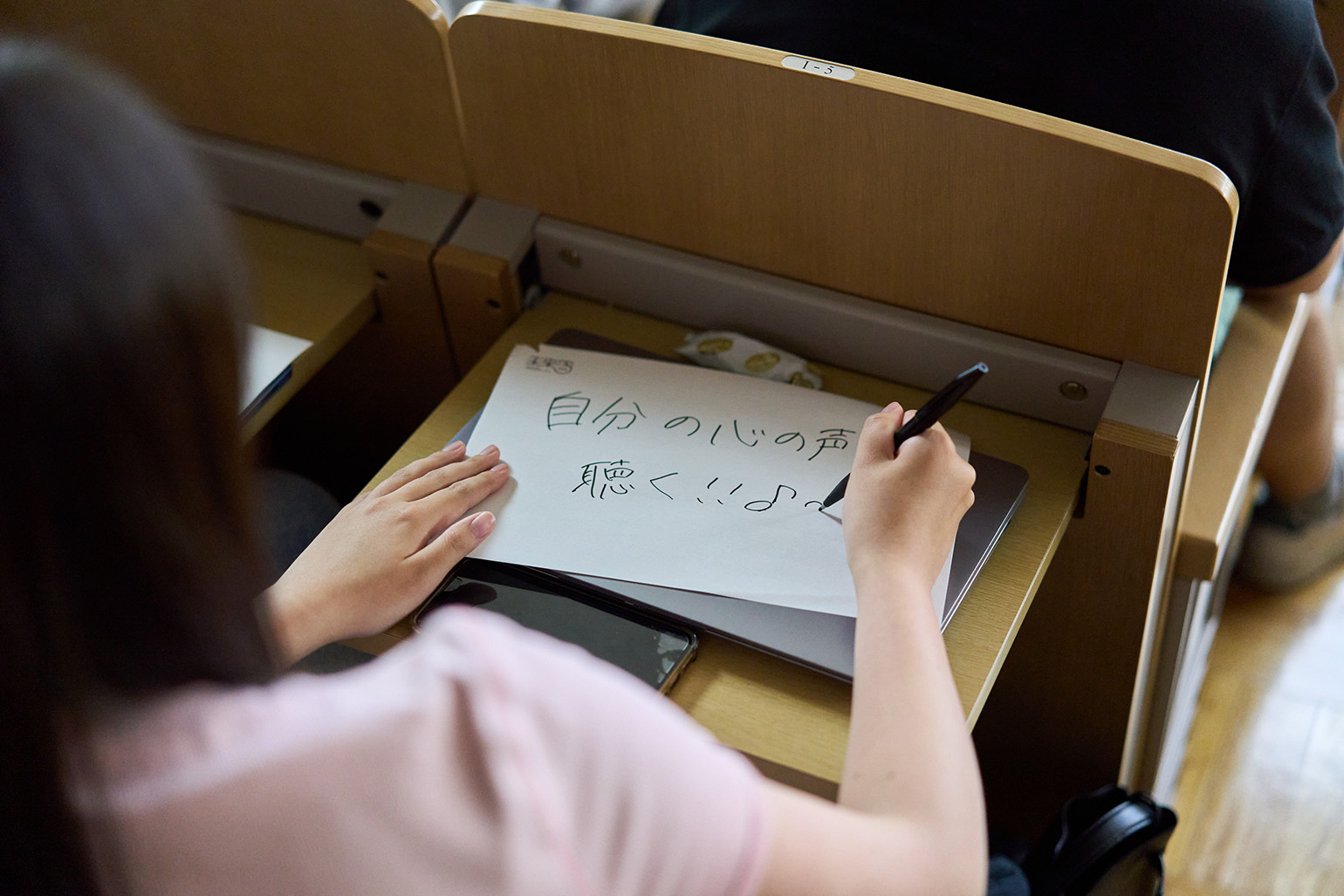
As an expression of that “initial aspiration,” each participant wrote “one step I want to take starting tomorrow” on a piece of paper and held it up all at once. “Write a diary,” “Be of service to others,” “Speak up on my own,” “Always smile,” “Find a new hobby”—a variety of phrases filled the space, and the venue was enveloped in a gentle sense of excitement.
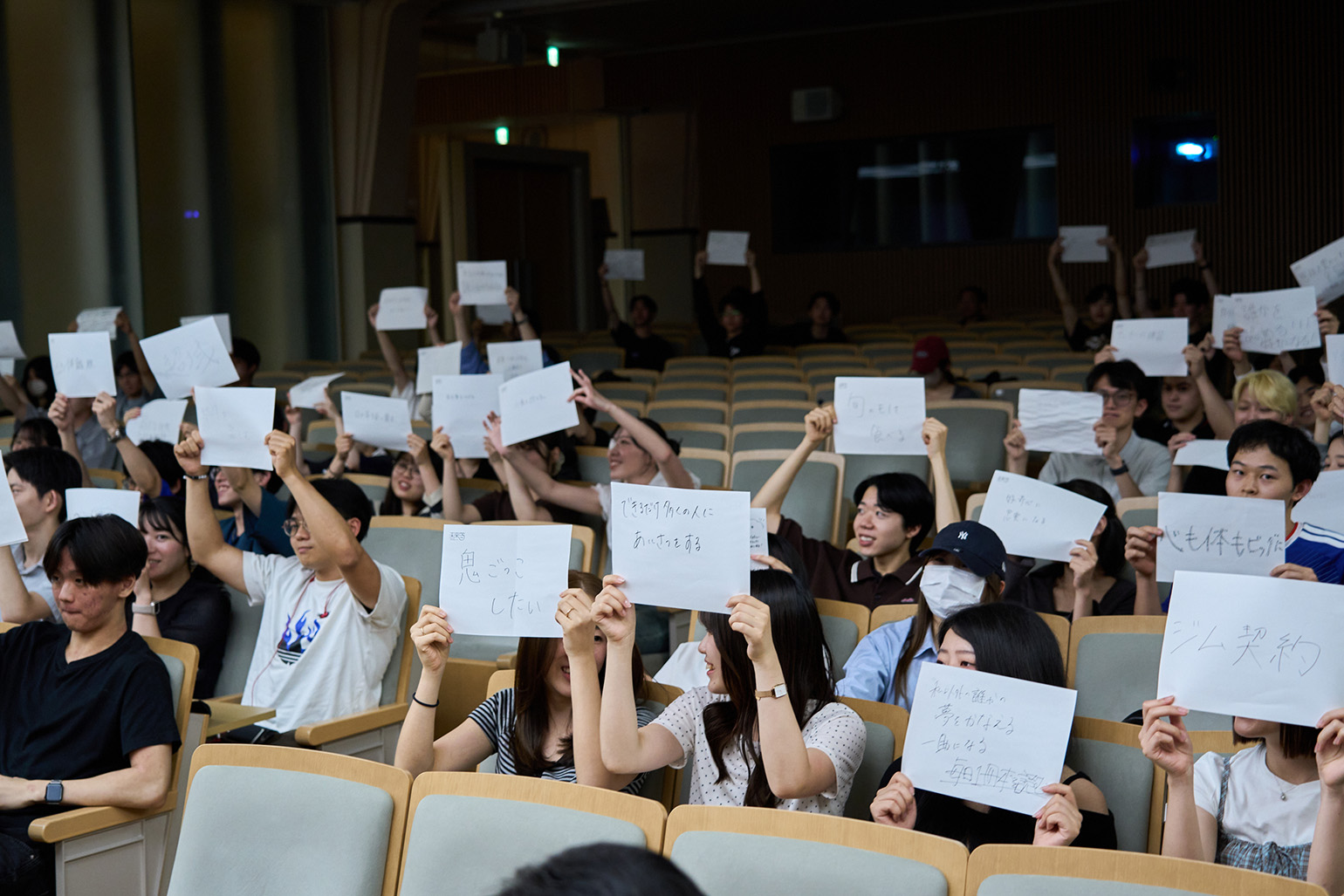
After the session
Mr. Masuhara concluded his lecture by stating, “It is precisely because you students possess flexible mindsets that you will be able to realize an exciting future. As the future accelerates, let’s sculpt society with the countless unique personalities of everyone here, everyone we will meet in the future, and even those we may never meet.”
This marked the second installment of “Futurology,” an event held in collaboration with Waseda University students to envision the future together. Plans for a third session within this academic year are under consideration, and further developments are anticipated.

Was this article helpful?
Share this article


