While the term “well-being” has become widely accepted today, the WHO’s definition—a “state of physical, mental, and social fulfillment”—varies from person to person. Many people likely find themselves wondering, “What exactly is well-being, anyway?”
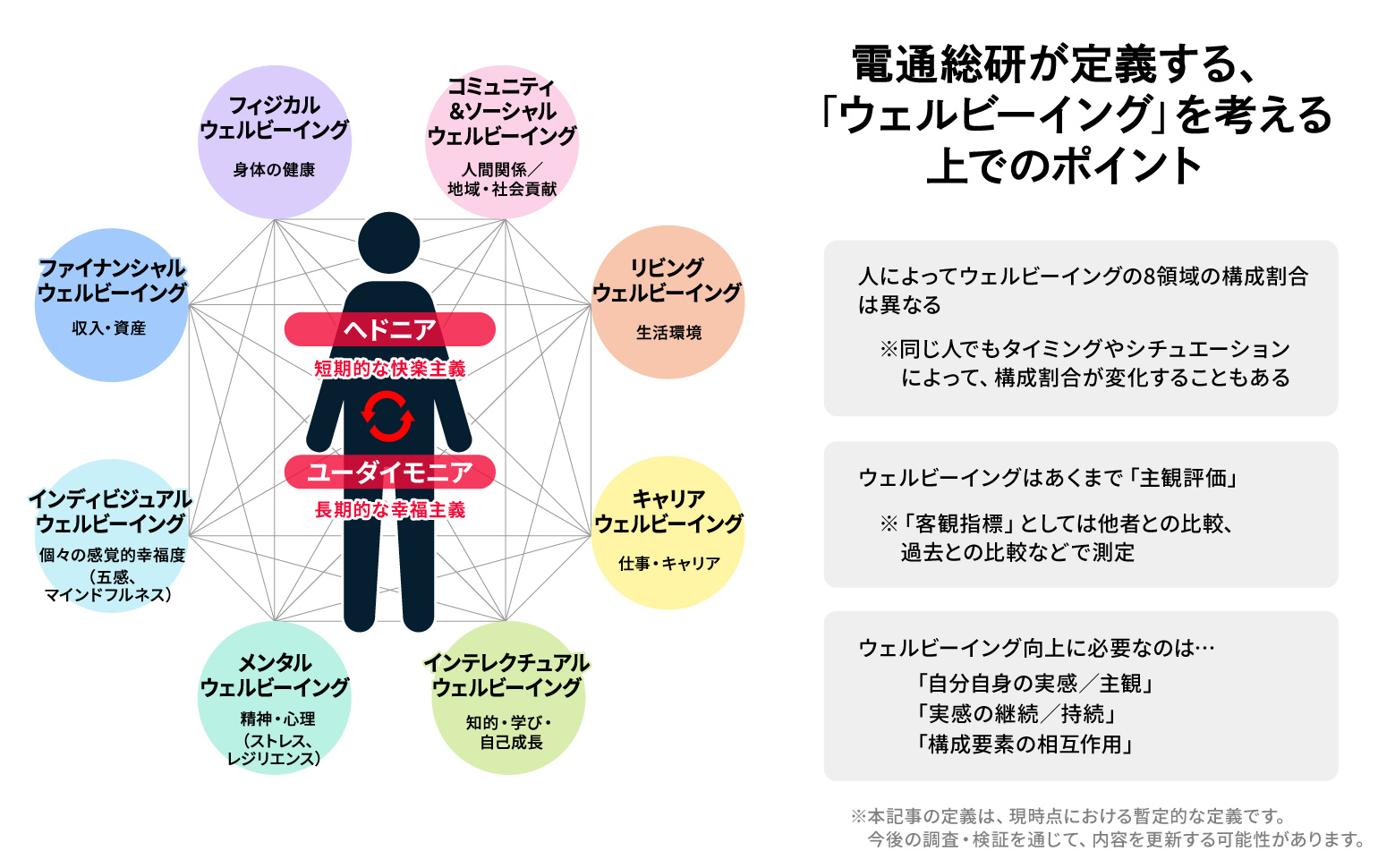
Therefore, DENTSU SOKEN INC. has defined the components of well-being by categorizing them into eight types (*1). Through discussions with experts in each field and DENTSU SOKEN INC. staff, we will explore the nature of well-being in a six-part series.
*1: The definitions used in this article are provisional as of this writing. The content may be updated based on future research and verification.
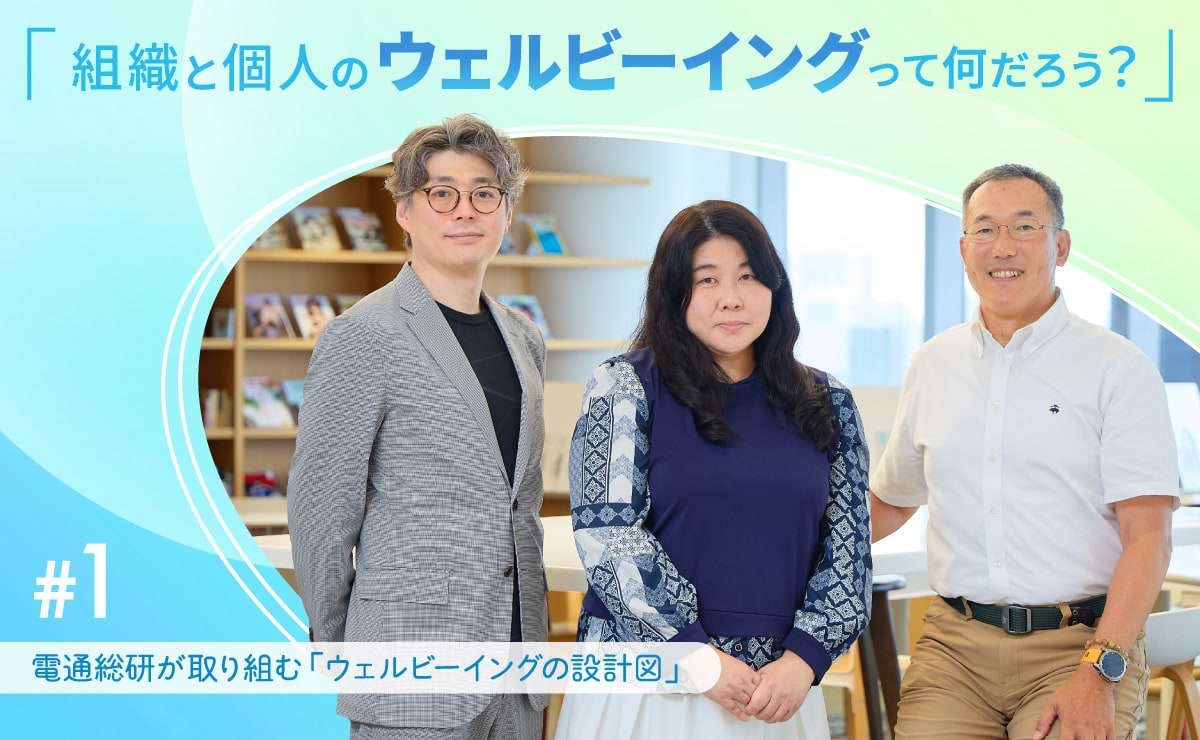
The first installment focuses on the areas of “Community & Social Well-being” and “Living Well-being.” In recent years, an increasing number of local governments and companies have made improving well-being their top priority. To explore this topic, we welcomed Mr. Kenichiro Asano, Representative Director of the Institute for Social Health Strategy, and Mr. Tomohiro Hirayama, Director of DENTSU SOKEN INC.’s “Well Lab,” as guests to discuss organizational and individual well-being.The interviewer is Mayuko Watanabe of DENTSU SOKEN INC., who has long been engaged in well-being research, particularly in the healthcare business sector.
DENTSU SOKEN INC.’s “Well Lab” and the Institute for Social Health Strategy: Supporting Well-being
Watanabe: In my daily work, I often receive consultations regarding well-being, and I frequently sense a disconnect between how organizations perceive it and how individuals perceive it. So, I’d like to explore with you both how organizational interventions can lead to well-being for both the organization and its members.
First, could Mr. Hirayama, who serves as the director of DENTSU SOKEN INC.’s “Well Lab,” please introduce the organization?
Hirayama: Well Lab is an organization that supports the creation of products and services attuned to human sensibilities and conducts research and development on technologies related to well-being and enhancing human happiness.
Our main projects fall within the field of sensibility engineering, where we support the planning and design of products and services—such as automotive ride comfort and the comfort of transportation spaces—where people’s “perceptions” are crucial. We also conduct research and development aimed at enhancing enjoyment and well-being. As part of these efforts, Well Lab obtained ISO 25554 (※2) guideline certification this year. We aim to give back to society through practical initiatives that promote the well-being of both the organization and its members.
*2 ISO 25554: Guidelines published in 2024 for promoting well-being in aging societies—including communities and businesses
Watanabe: We are pleased to have Mr. Asano, Representative Director of the Institute for Social Health Strategy, join us today. Mr. Asano was involved in the development of the ISO 25554 standard that Well Lab has obtained. First, could you please give us an overview of the Institute for Social Health Strategy?
Asano: Our incorporated association was established in 2019 by a group of like-minded individuals, in collaboration with the Ministry of Economy, Trade and Industry (METI), to implement “true health management” in society. The distinction between what constitutes “true health management” and what does not lies in the definition of the word “health.” We adopt the WHO’s definition of “health” and have been working to determine how to implement health management based on this definition in society, as well as how to spread it not only in Japan but throughout the world.
At the time of our foundation, the prevailing perception of health management was strongly associated with “disease prevention activities aimed at avoiding illness.” In other words, “health” was understood as “the absence of disease.” The WHO’s definition of “health” is actually composed of three dimensions of well-being—physical, mental, and social—but the term “well-being” itself had not yet taken root in Japan. Even when people spoke of “social well-being,” no one truly understood what it meant.
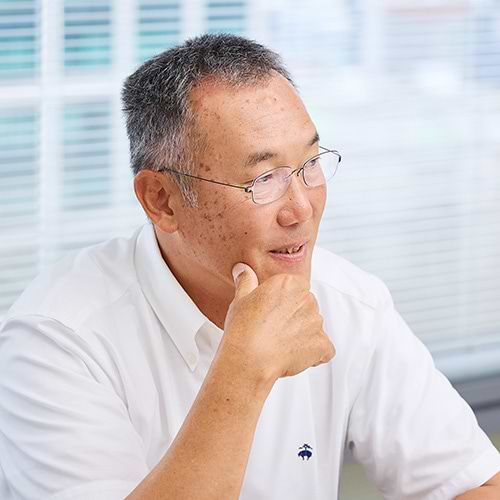
Kenichiro Asano of the Institute for Social Health Strategy
Watanabe: I’ve also been involved in well-being projects for over a decade, but since “health” carries such strong medical connotations, I once conducted a survey to see if there were any terms more closely tied to everyday life. When I measured recognition rates for terms like “well-being,” “wellness,” and “healthcare,” “well-being” had overwhelmingly low recognition at the time.
Asano: That’s true. However, I feel that the term “well-being” is now recognized in society, and our activities have also become widely known.
Why Was Japan Able to Lead the Development of “ISO 25554,” the World’s First International Standard Defining Well-being?
Watanabe: Regarding ISO 25554, which Mr. Hirayama mentioned earlier, could you please explain this standard, Mr. Asano?
Asano: ISO 25554 is the world’s first international standard to define well-being. When we say it defines well-being, people often assume we’ve decided, “This is what well-being is,” but ISO 25554 actually defines the “process for success” when organizations, countries, local governments, and others undertake activities to improve well-being.
At the time we were working on developing ISO 25554, the term “health management” had already gained recognition in Japan and was being practiced by many companies throughout society. To help companies strategically assess their employees’ health, there was a “Health Management Assessment Questionnaire” listing about 100 items; companies would have their employees answer each one individually to measure their status.
However, while the Health Management Survey listed “what to do,” it did not specify “how to do it,” resulting in many companies struggling to implement the practices effectively. Therefore, to outline a successful process and enable the sustainable implementation of initiatives to improve both individual and organizational well-being, we began working on the development of this ISO standard around 2019.
Watanabe: I understand that Japan took the lead in developing this standard. Why was Japan able to take the lead rather than another country?
Asano: In 2018, I attended a roundtable at the World Economic Forum and a conference on aging societies hosted by the OECD (Organization for Economic Cooperation and Development) as a representative of the Ministry of Economy, Trade and Industry (METI). At those events, participants from other countries were primarily university professors, and the discussion remained largely in the realm of research—it hadn’t yet moved into the practical implementation phase. That’s when I sensed that Japan could take the lead.
This ISO 25554 standard was developed by Technical Committee 314 (TC314) within the ISO, which focuses on addressing the needs of aging societies. While other countries will soon face social challenges associated with “aging societies,” in Japan these have already become real-world social issues, and we were already at the stage of addressing them in practice. That is why I believe Japan was able to take the lead in establishing this international standard for the first time. At the international conferences I mentioned earlier, I heard many voices from other countries expressing a desire to hear Japan’s views and learn from our experiences.
Watanabe: This standard provides guidelines for promoting the well-being of all organizations—including local governments and businesses—as well as the individuals who belong to them. Is “promoting well-being at the community level” a mainstream approach overseas?
Asano: Most local governments are likely focused primarily on solving local issues and have not yet extended their efforts to encompass well-being beyond that. However, at the national government level, there is a growing movement to incorporate well-being into policy.
Since Japan’s population is aging, there is a growing trend among local governments to prioritize well-being as they work to transform society into one where older adults can live vibrant lives. Furthermore, as the proportion of older adults among voters has increased, focusing on well-being helps local governments enhance their public standing. This is a very healthy trend for society as a whole.
Watanabe: So, overseas, it’s still largely limited to the upper echelons. Earlier, you mentioned that WellLab obtained ISO 25554 certification. Mr. Hirayama, how do you plan to evolve your initiatives through this standard?
Hirayama: Until now, WellLab’s efforts have mainly focused on supporting product development that prioritizes “comfort and enjoyment,” but I’d like to create a framework that takes into account the realm of “eudaimonia”—considering the long-term happiness of users beyond that. As an organization, I feel it’s essential to support an environment where each individual can work with excitement and vitality toward self-actualization.
How can we provide support that leads to organizational revitalization and encourages employees to stay with the company for the long term? I’d like to create a situation where a company’s purpose isn’t just about sustainability and growth, but also includes the happiness of its employees.
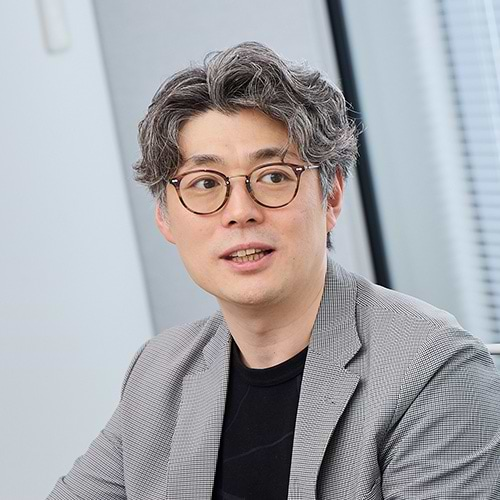
Tomohiro Hirayama of DENTSU SOKEN INC.
Watanabe: On the other hand, as the director, when you consider the well-being of your team members, are there any concerns you have?
Hirayama: As expected, there are individual differences in how people perceive well-being. In fact, even within the Well Lab, some members have expressed concerns, asking, “Won’t this lead to excessive interference? Won’t it encroach on our private lives?” Naturally, individual values differ, but I find it challenging to align the team’s understanding—while accounting for those individual differences—and determine the extent to which we should provide organizational support.
Asano: We do need to draw clear boundaries regarding the areas where the organization gets involved, don’t we? If we don’t clarify exactly what the organization controls, I’m sure some people will naturally feel anxious. So, it’s important to make it clear that our focus is strictly on work—that the organization is committed to supporting employees by creating an environment where they can work effectively and take pride in their work. We also need to make it clear that we won’t intrude on private matters, such as personal hobbies.
Hirayama: We need to design those boundaries and communicate them carefully, don’t we? However, don’t you think these boundaries will become increasingly blurred going forward?
Asano: That’s true. I think the boundaries will become more blurred—in a positive sense—as employees come to trust the organization’s well-being initiatives. Ultimately, shouldn’t our goal be a state where colleagues can easily consult with one another while working together and help each other create a positive environment?
ISO-Certified Consultants Are Not Analysts
Watanabe: By the way, on a personal note, I recently obtained my certification as an ISO Well-being Certified Consultant. So, I’d like to ask Mr. Asano what he expects from consultants.
Asano: There are two main things. The first is providing support in the process of making well-being concrete. While awareness of the term has increased compared to the past, its meaning and practical methods have not yet been sufficiently defined. When implementing anything, it’s necessary to first break it down into concrete steps, so if consultants can provide support in that area, I believe a correct understanding of well-being and its practical application will spread.
Second, it’s about providing hands-on, side-by-side support to improve well-being in a way that fits the organization. Unlike activities where individuals work to improve their own well-being, the ISO standards are written to be applicable to any organization worldwide, so they focus primarily on key points. As a result, I think it’s difficult to perfectly implement activities tailored to your own organization just by reading them. Just as a doctor proposes a treatment plan tailored to an individual when treating an illness, finding an approach that suits the specific characteristics of the organization is what leads to sustainable initiatives.
Watanabe: However, since organizations vary in size, this can be challenging. Is there anything we should be careful about when providing support?
Asano: I’d like you to avoid acting like an analyst. Leave the decisions about what the organization wants to do and what it’s seeking to management and employee input, and instead, support them in solving the challenges that arise through the PDCA cycle.
Hirayama: I see. As mentioned earlier, in the case of doctors, there’s generally a “correct answer” regarding how people should live their lives, and there are established theories regarding well-being as well. The challenge is that the more you try to explain these concepts to help others understand them, the more you risk becoming an analyst.
Asano: I think that depends on how you frame the questions—not on “how things should be,” but on what makes it easier to work and what obstacles are in the way. So, your role might be closer to that of a facilitator. As you go through the PDCA cycle, you’ll likely face difficult situations, but eventually, a path to a solution will become clear.
If I had to mention one concern, it would be people giving up halfway through, saying, “It’s too hard—I can’t do it,” when it comes to the vision we’re aiming for. Even if it’s “just one small step forward,” if you keep repeating it, you’ll eventually make significant progress, and things will gradually improve, so please just keep at it for now.
Watanabe: That’s exactly what well-being is all about—living “even one step better than you do now,” isn’t it?
Asano: Exactly. By solving challenges one by one, the work environment becomes more comfortable, which leads to improved well-being.
Well-being Is a “Subjective Assessment”: DENTSU SOKEN INC.’s 8 Categories
In addition to “community” and “social”—the focus of this discussion—we have classified well-being into eight domains: career, intellectual (self-growth), mental (stress, resilience, etc.), individual (personal sensory aspects), financial (income and assets), and physical (physical health).We believe that human well-being is primarily composed of these eight domains, but we also believe that the relative weight of each (particularly the factors that contribute most strongly to a sense of well-being) varies from person to person and changes depending on the time and situation. Furthermore, we have defined “subjective evaluation”—the process of moving closer to the ideal self—as a key factor in improving well-being.
First, Mr. Asano, what are your thoughts after reviewing this?
Asano: It’s very easy to understand. While “well-being” is often equated with “happiness,” I see it as a matter of considering the overall quality of life. For example, even when looking at just the “assets” category, some people are satisfied with having an average amount, while others aim for much higher goals. Although the desired levels vary from person to person, I think these eight domains generally cover the essential elements needed to enhance the quality of life.
On the other hand, I believe these domains are subject to change depending on the values of society and one’s life circumstances. In short, they are constructed based on the assumptions of our current society and environment. For example, if the widespread adoption of AI were to render labor unnecessary, categories such as career and income might change. However, within the current social environment, I think framing things through these eight categories allows us to think about well-being more clearly.
Watanabe: Thank you. Next, Mr. Hirayama, could you share your perspective based on your experience with clients?
Hirayama: What I consider important is, first and foremost, that this is strictly a “subjective” matter, and that the components of well-being vary and change depending on an individual’s circumstances and values. Generally, when designing the development of a client’s products or services, we often create a user journey as part of the planning process. However, I believe that by incorporating these perspectives on well-being into the experience design—for example, during that planning phase—we can create even better proposals.
Watanabe: In your field, Mr. Hirayama, I imagine you place a strong emphasis on “sensory well-being”—such as the five senses—among the eight categories. Are there any other related areas?
Hirayama: As you say, in simple areas like “fun” or “excitement,” the experience is “sensory” because it originates from the five senses. However, products and services today are becoming increasingly sophisticated, aiming to deliver more complex experiential value. Therefore, it’s necessary to design by integrating all these areas in a comprehensive way, rather than focusing solely on the “sensory” aspect.For example, my team also provides learning, practical training, and organizational culture reform initiatives for organizations seeking to generate new concepts and innovations. These efforts are linked to the domains of “intellectual development and learning” and “living environment and interpersonal relationships.”
Furthermore, in traditional work environments, the emphasis has been on generating maximum output from available resources—with the mindset that “as long as it sells, it’s fine, even if it’s grueling”—and I believe the emotions of the people working there were insufficiently considered in the design of their work. As the importance of intrinsic motivation and psychological safety has become widely recognized, it’s only natural that good results won’t emerge when people are reluctantly carrying out tasks that have been forced upon them.
Does that mean the absence of stress or pressure is ideal? Not at all. I believe that great products are born from the emotional ups and downs—including both joy and hardship. Therefore, I believe incorporating a well-being perspective—specifically, “how employees feel through their work”—from the very beginning of the job design process is essential for creating excellent products.
Asano: As you said, “whether it’s enjoyable or painful,” joy and a sense of accomplishment often emerge after going through difficult times. We tend to view “negative” things as inherently bad, but since growth and joy lie beyond overcoming those challenges, we mustn’t eliminate negativity.
Why Well-Being Is Prioritized in Today’s World of Social Challenges
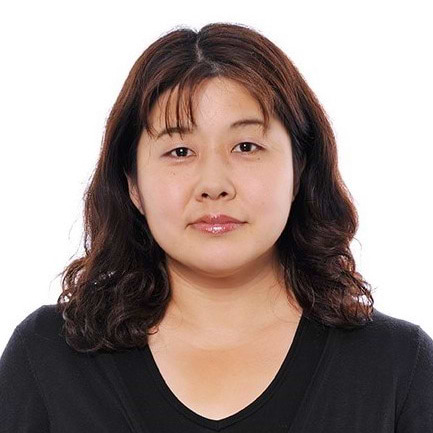
Mayuko Watanabe of DENTSU SOKEN INC.
Watanabe: From here on, I’d like to summarize the question, “What is well-being, after all?” Please tell us about the essence of well-being and the key concepts you have in mind, Mr. Asano.
Asano: First, I want to clarify that “well-being” is not the same as “happiness.” While they are linked in the sense that moments of happiness can arise as an emotion within a state of well-being, they are not equivalent.Well-being inherently involves reflecting on how you want to live your life, considering what would bring you satisfaction, and engaging in self-reflection to improve your life. From there, you translate these insights into concrete actions. I believe this is the true meaning behind the term “Well-Being.”
Currently, there is a call to improve well-being not only for individuals but for society as a whole. This is because, as the population declines, human resources have become a precious asset. Given this, the greatest benefit for an organization in addressing well-being is that the accumulation of small, incremental steps will, in ten years’ time, lead to improved well-being for many employees and transform the organization for the better in the future. I believe that “the ability to build value beyond the individual” is the greatest benefit of sustainably practicing this as an organization.
Hirayama: You just mentioned the labor shortage as a reason why well-being is in demand right now, but are there any other factors behind this growing emphasis on well-being?
Asano: I think the shift in values—from “things” to “experiences”—is also a key factor behind the growing focus on well-being. In the past, it was believed that acquiring material possessions and money enriched one’s life. However, people have come to realize that this does not equate to a truly fulfilling life, and so they’ve begun to place greater importance on “experiences”—such as memories and moments—that nourish life.
Hirayama: That’s very interesting. So, in addition to a shortage of business resources, the shift in people’s values is why well-being is now in demand.
Watanabe: That’s true; well-being does involve an element of “satisfying desires,” doesn’t it? Moving on, Mr. Hirayama, how do you view the essence of well-being?
Hirayama: As I mentioned earlier, well-being is based on subjectivity, and I believe the essence of that subjectivity is the “sense of living a good life.” Humans are social beings; we possess the ability to understand and empathize with the emotions of others. Therefore, isn’t it natural to want to share happiness with others and live joyfully alongside those around us, rather than seeking happiness solely for ourselves? With that in mind, I define well-being as the sense that one is living a good life, including the activities that enhance the quality of that life.
However, I’d like to reiterate that “well-being is not merely a sense of happiness.”What’s important is to embrace and maintain a balance between “hedonia”—the pursuit of short-term pleasure—and “eudaimonia”—the pursuit of long-term fulfillment. For example, imagine a situation where you experience stress in the moment, but by putting in the effort to overcome that difficulty, you ultimately gain joy and a sense of accomplishment. There’s no doubt that hardship sometimes creates an opportunity for self-reflection, which leads to learning and growth, so I think it’s important not to dismiss that burden.
Watanabe: Finally, could you both share your thoughts on the future of well-being and what lies ahead?
Hirayama: I’d like to help spread a proper understanding of well-being. I believe it’s important to manage our emotions with an understanding that even negative events are part of a cycle, and to create an environment that allows us to live better lives. I also hope we can build a society where people within organizations share this mindset and can discuss questions like, “What makes a good organization?” and “What kind of management is desirable?”
Asano: Well-being is essential, especially in the era ahead. When we look at the world today, we see that self-serving behavior is becoming more prominent, rather than the social cooperation and globalization we once saw. Underlying this is a shortage of resources caused by population growth.
Furthermore, given the potential for global instability, Japan must take the lead in conceptualizing and solidifying a vision of well-being centered on coexistence. It is precisely this effort that will pave the way for the post-SDGs era. As a first step, I believe we should start by expanding our focus from individual well-being and organizational well-being outward.
Representative Director, Institute for Social Health Strategy (General Incorporated Association)
Visiting Researcher, Center for Well-being Implementation Research, Research Strategy Headquarters, National Institute of Advanced Industrial Science and Technology (AIST)
Niigata University, Organization for the Promotion of Social Collaboration, Specially Appointed Professor
After joining Fujikura Electric Wire Co., Ltd. (now Fujikura, Ltd.), he engaged in research on optical communication systems and the planning of current health management initiatives. In June 2019, he assumed the position of Representative Director of the Fujikura Institute for Health and Society. Since October 2019, he has also served as Representative Director of the Institute for Social Health Strategy, a general incorporated association.Since retiring from Fujikura, in addition to serving as a visiting researcher and professor by special appointment, he has concurrently served as an expert member of the Health Investment Working Group of the Ministry of Economy, Trade and Industry’s Council for New Health and Medical Industries; a member of the Working Group on the Detailed Design of Health Scoring for the Ministry of Health, Labor and Welfare’s Japan Health Conference; and a member of the Executive Committee for the Ministry of Health, Labor and Welfare’s “Know Hepatitis Project.”
Tomohiro Hirayama
DENTSU SOKEN INC.
Director, Well Lab, Social Co-creation Strategy Unit, Consulting Division
As Director of WellLab, whose mission is “Contributing to the well-being of people around the world through human sciences and technology,” he oversees the planning, development, and R&D of human-centered products and services to realize a society where everyone can live better lives. He consistently drives the process—from conception to implementation—of value creation based on human characteristics by integrating traditional knowledge in fields such as affective engineering, psychology, and physiology with cutting-edge digital technologies.
Consulting Division, Future Business Development Unit
Executive Professional (on secondment from Dentsu Inc.)
Joined Dentsu Inc. as a new graduate. After working in the Marketing and Research & Development divisions, he spent many years in the Business Development division focusing on the health and medical sectors. His work has included health management initiatives, government-sponsored public awareness campaigns and public relations projects, new business development in healthcare, medicine, and well-being, and consulting for various clients.At DENTSU SOKEN INC., he continues to be involved in healthcare and medical business development while aiming to build a “well-being ecosystem.” His areas of expertise include public health, behavioral economics, and consumer behavior. He is a researcher in the Department of Health Informatics at the Graduate School of Medicine, Kyoto University, and a visiting researcher at the Center for Future Knowledge Verification, Kanazawa University. He is a member of the Japanese Society of Public Health.
Certified Support Consultant for the Well-being ISO Guidelines Certification System

 DENTSU SOKEN INC.’s “Blueprint for Well-being” [1/1]