
Note: This website was automatically translated, so some terms or nuances may not be completely accurate.
The Future of Media and Marketing: Pioneered by the Passion for Content and AI
As consumers’ media consumption becomes increasingly diverse and AI permeates daily life, how will broadcasters and advertising agencies create new value?
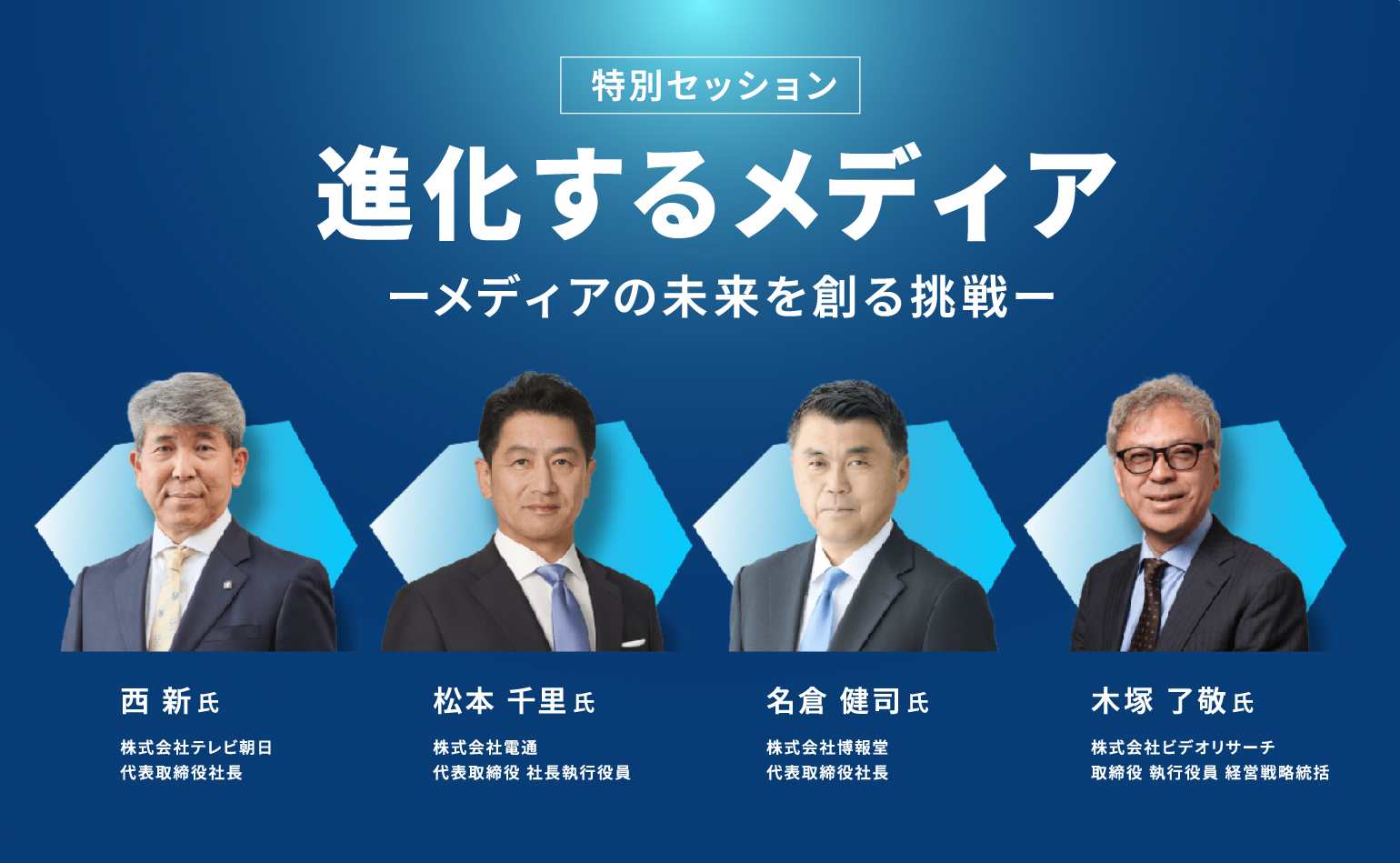
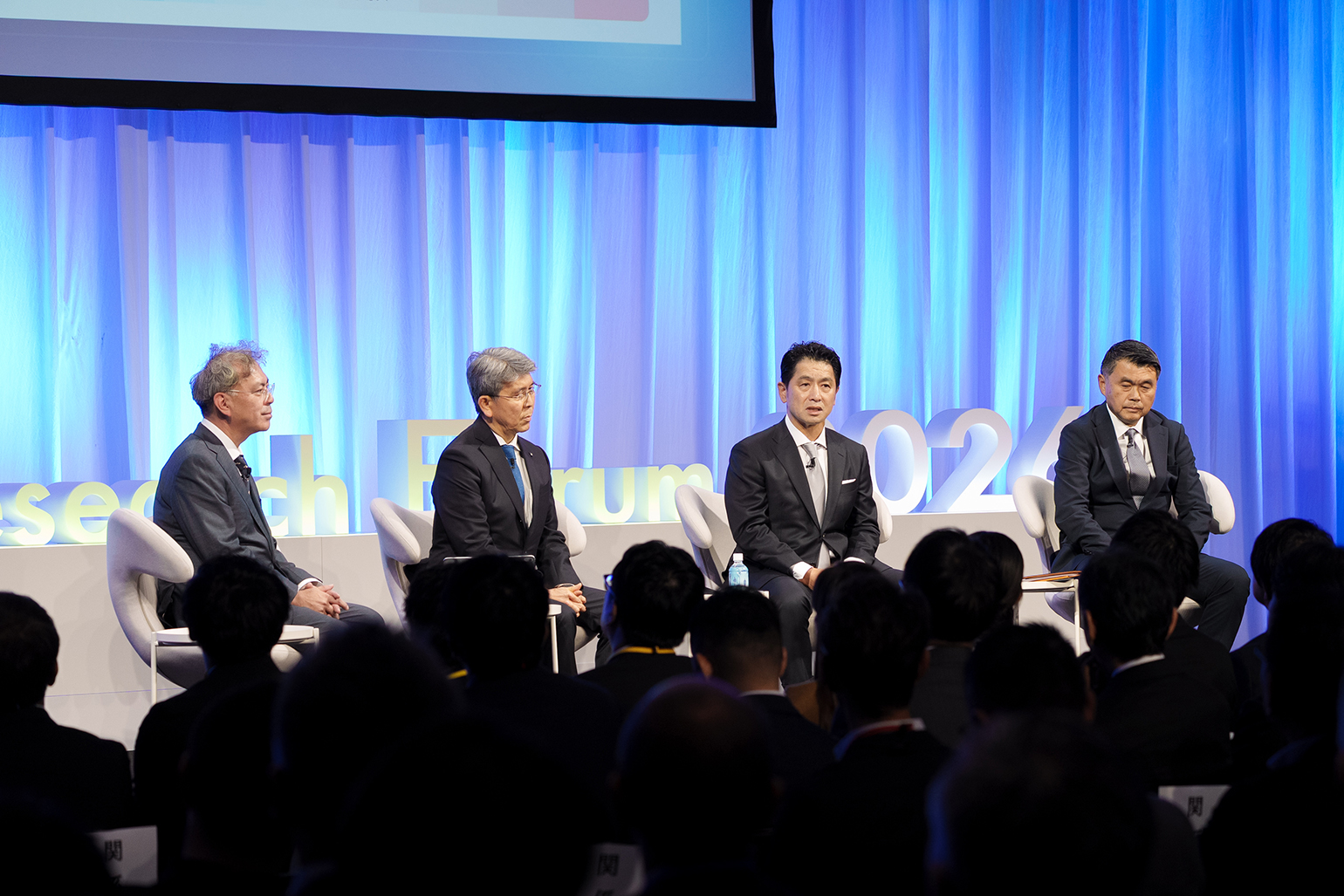
The “Video Research Forum 2026 ~Next STANDARD in Action~,” organized by Video Research Ltd., was held on Wednesday, October 7, 2026.The special session, “Evolving Media: The Challenge of Shaping the Future of Media,” featured Mr. Nishishin, President and Representative Director of TV Asahi; Ms. Chisato Matsumoto, Representative Director, President, and Executive Officer of Dentsu Inc.; and Mr. Kenji Nakura, President and Representative Director of Hakuhodo. With Mr. Ryokei Kizuka, Director, Executive Officer, and Head of Corporate Strategy at Video Research Ltd., serving as moderator, the panel discussed the potential of content IP and marketing in the AI era.
The Challenge of Value Creation: A Common Thread in Each Company’s Strategy
At the outset, the themes each company is focusing on were introduced.
Mr. Nishishin of TV Asahi stated that the company aims to create a new revenue structure based on five key strategies: “creation of compelling IP,” “Tokyo Dream Park,” “CVC as a strategic investment,” “strengthening collaboration with ABEMA,” and “AI.”
Mr. Matsumoto of Dentsu Inc. introduced Dentsu Inc.’s “Integrated Growth Partner (IGP)” initiative. He spoke about the company’s approach of going beyond advertising and marketing to engage directly with clients’ core businesses and foster growth together. He also highlighted three key focus areas—marketing, business transformation, and sports & entertainment—and explained that by combining human intelligence with AI, the company provides integrated support for business growth.
Mr. Nakura of Hakuhodo explained that the company aims to become a “Consumer Value Design Company,” with “consumer-centric thinking” as its starting point. This approach centers on designing value by resonating with consumers at every stage—from a product’s creation to its purchase and use. Mr. Nakura noted that as AI becomes smarter, the value of understanding what people find interesting and what moves them will only increase.
From Broadcasting to Experiences: Nurturing IP Together with Fans
Mr. Kizuka of Video Research Ltd. explained that, in addition to population decline and changes in work styles, the use of generative AI is expanding in media consumption at home. Points of contact with content are also broadening to include before, during, and after viewing. On the other hand, he noted that trust in the content creator has become crucial when deciding what to choose from the vast amount of information available.
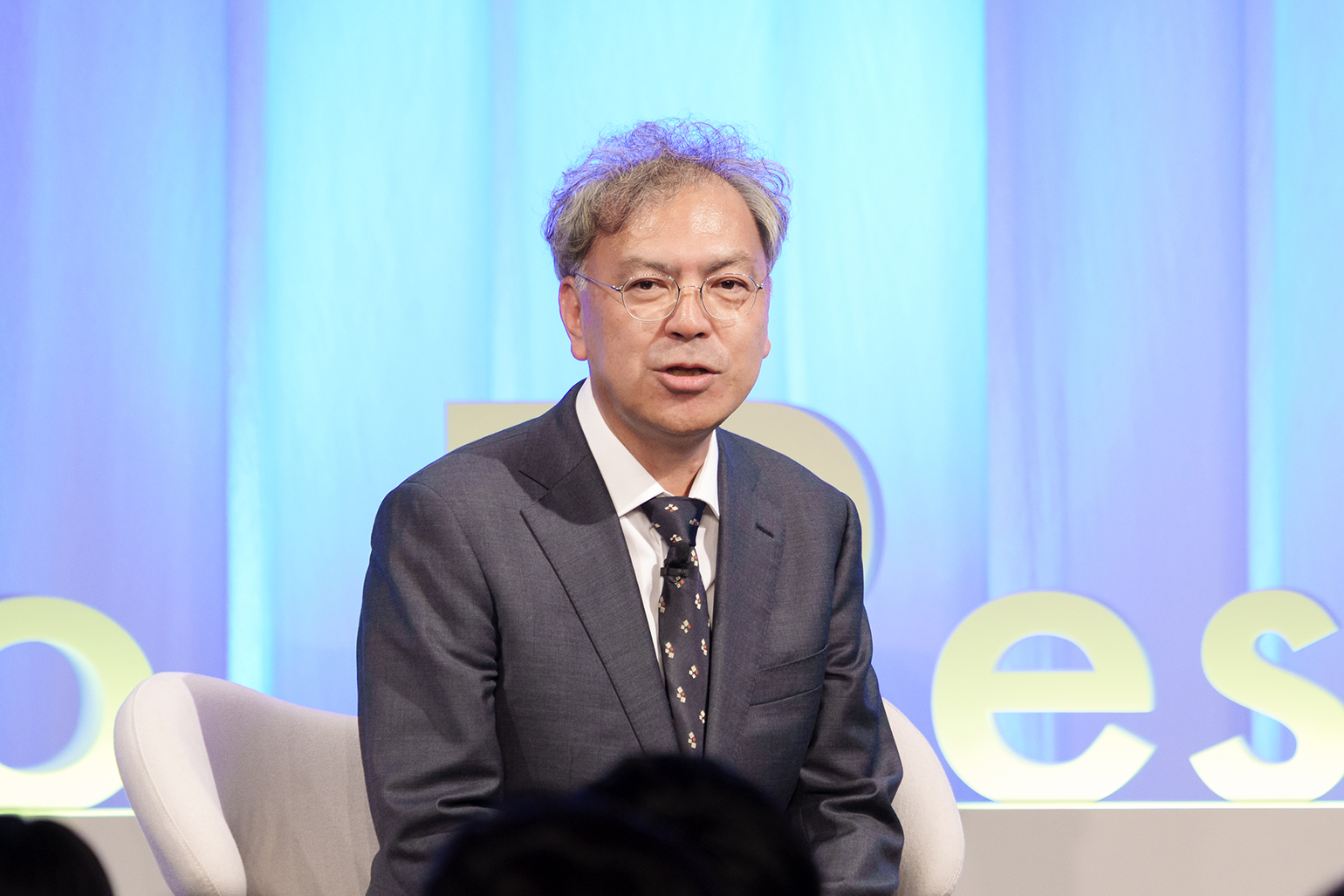
In light of these changes, the first topic discussed was initiatives related to content IP.
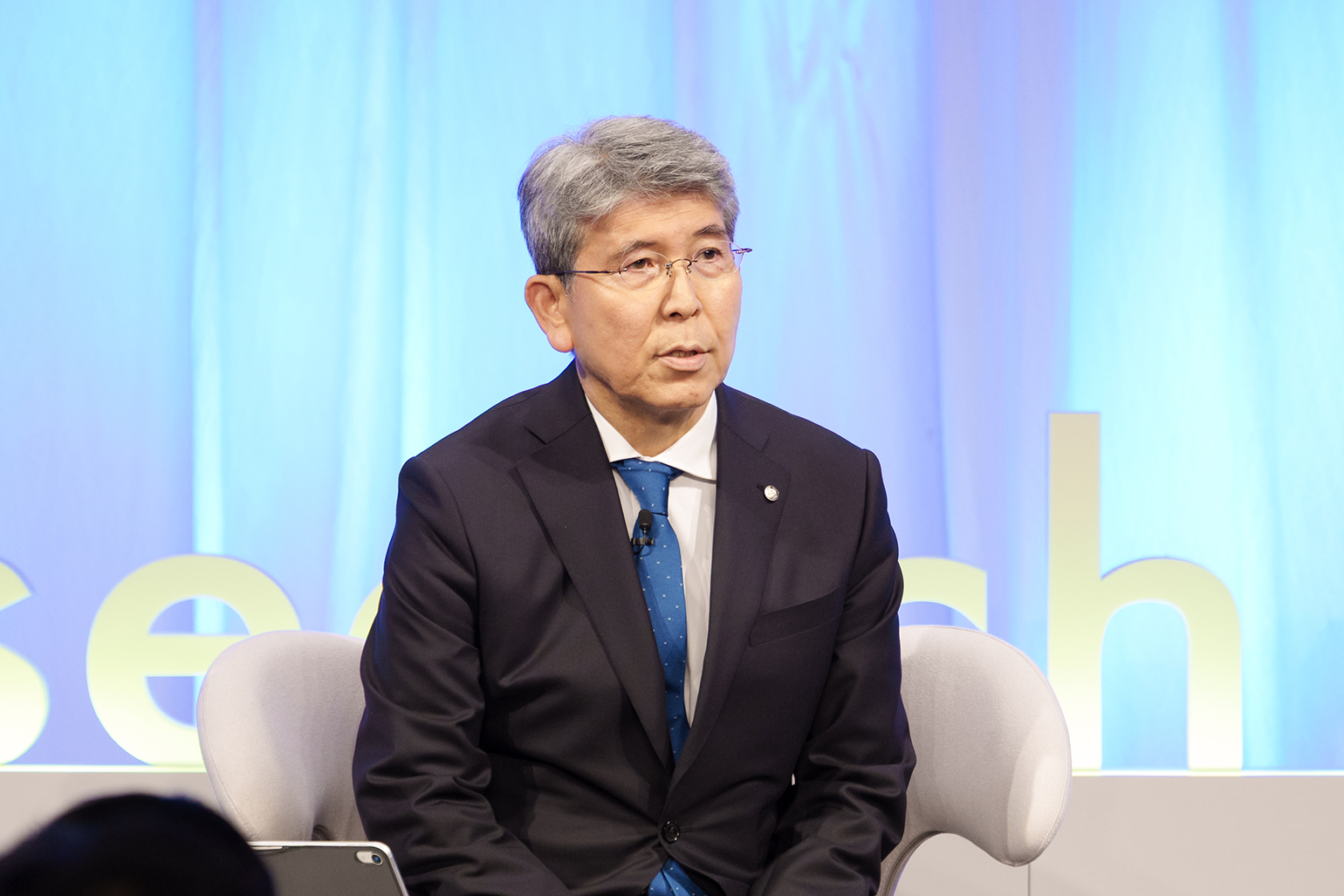
Mr. Nishi explained that for broadcasters, there are “things that should be changed” and “things that must not be changed.” The “things that must not be changed” refer to their social mission as news organizations under the Broadcasting Act; on the other hand, he highlighted the need to flexibly “change” by developing entertainment and IP in a multifaceted and rapid manner.
The strategic hub for this is “Tokyo Dream Park” in Ariake, Tokyo. Equipped with a multipurpose hall, a theater, and an immersive digital art facility, it expands the potential of IP by fusing entertainment with digital technology.
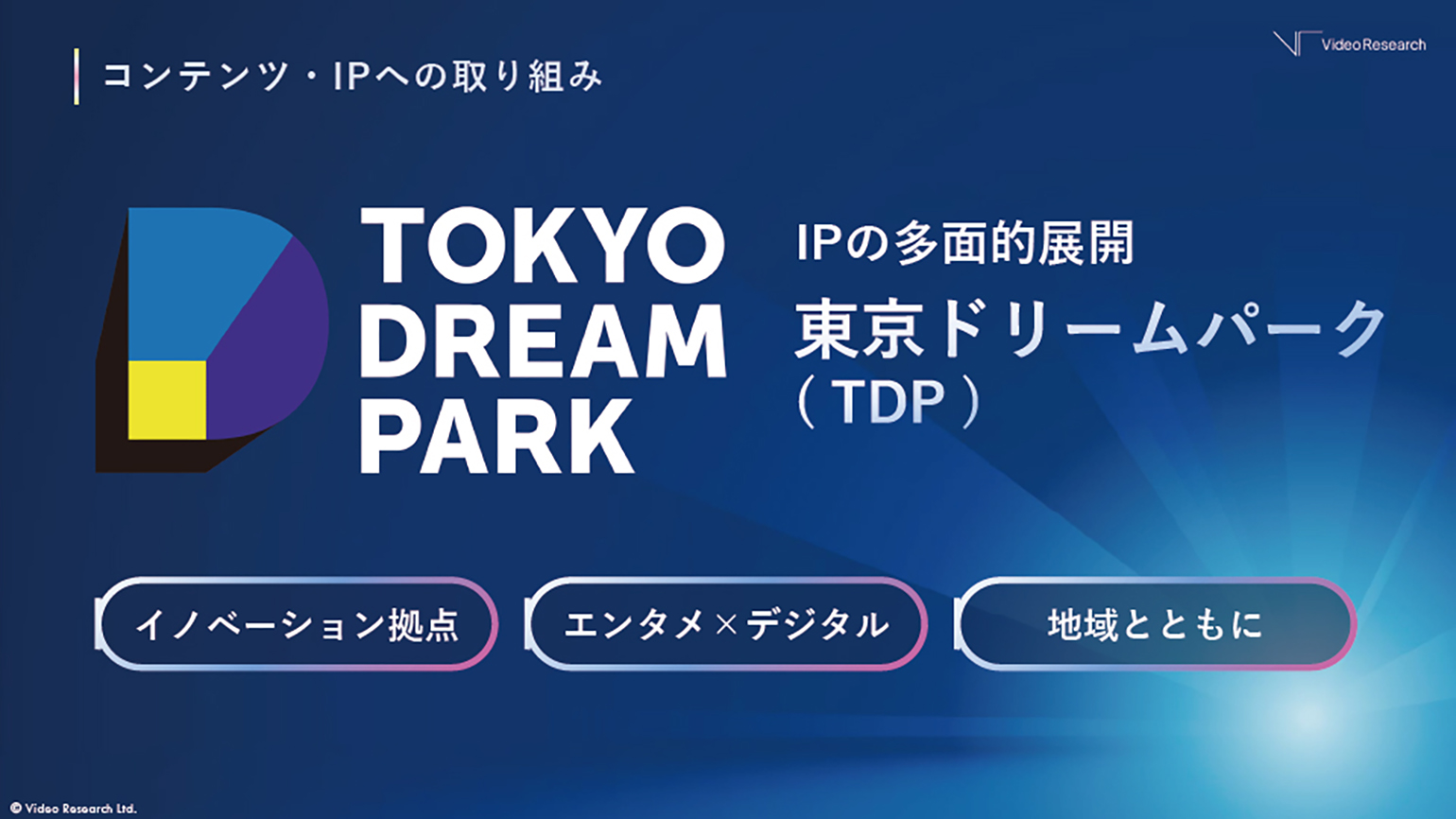
In terms of programming, the company has designated the time slot after 11:00 PM as a strategic zone for IP development. He introduced initiatives that span the group’s assets, such as period dramas designed with overseas expansion in mind from the planning stage, and music projects that combine affiliate stations, ABEMA, and Tokyo Dream Park—from regional preliminaries to the final competition.
Furthermore, the company touched on a concept for a new fandom platform that will centrally manage fan clubs for its programs. Through exclusive content, merchandise, and events, the company aims to nurture IPs together with viewers.
“We will centrally manage fan clubs and enhance fan services—such as exclusive content and event invitations—that can only be found here. We believe this fandom will serve as a major pillar for maximizing the value of our IPs across anime, games, live events, and overseas expansion,” said Mr. Nishishin.
Capturing Consumer Behavior Beyond Viewer Numbers
How can the enthusiasm generated by content be linked to corporate business growth? Mr. Matsumoto emphasized the importance of capturing not only how many people watched but also how consumers’ sentiments and behaviors actually changed.
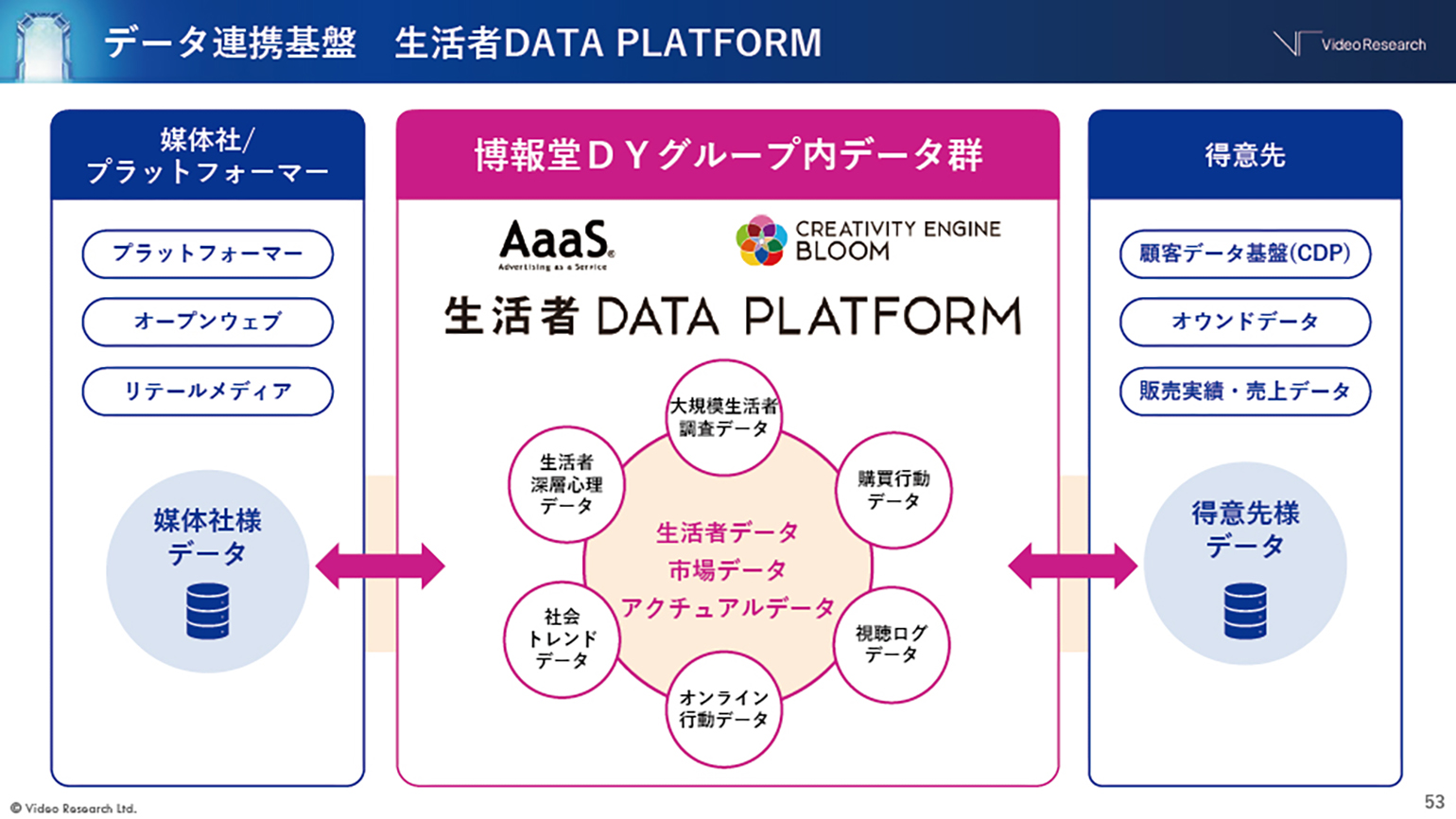
He presented an analysis of Japan’s matches in the FIFA World Cup. By cross-referencing TV viewership data with consumer surveys, behavioral logs, and purchase data, he noted that different viewing behaviors emerged depending on the time of day, even within the same tournament.
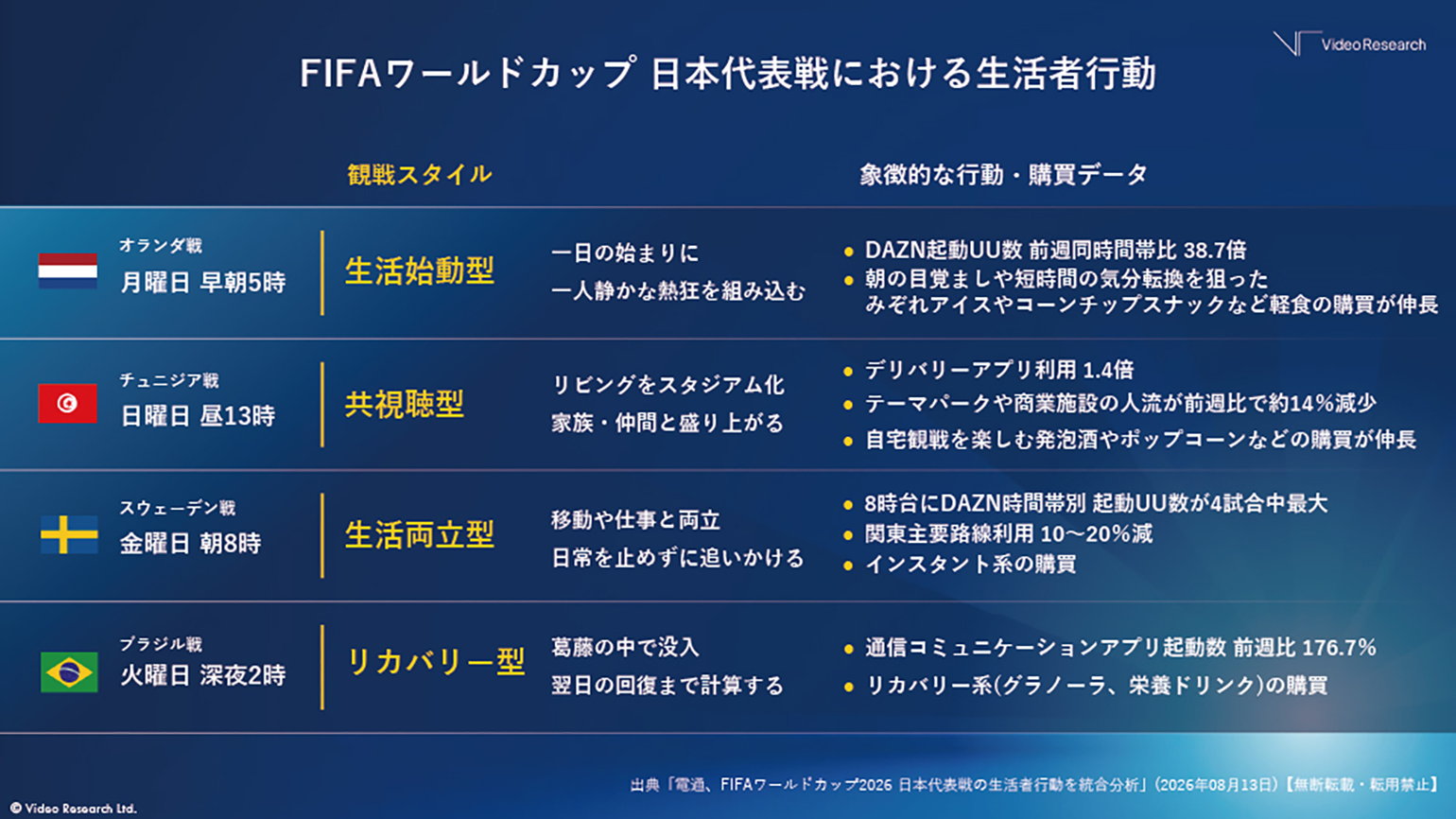
For early-morning matches, viewers were often watching alone before heading to work. For Sunday afternoon matches, families and friends gathered at home, leading to an increase in purchases of low-alcohol beer and popcorn the day before, as well as higher usage of food delivery apps on the day of the match. For matches during rush hour, viewers adjusted their routines to fit their lifestyles—such as working from home, staggered work schedules, or watching while commuting.
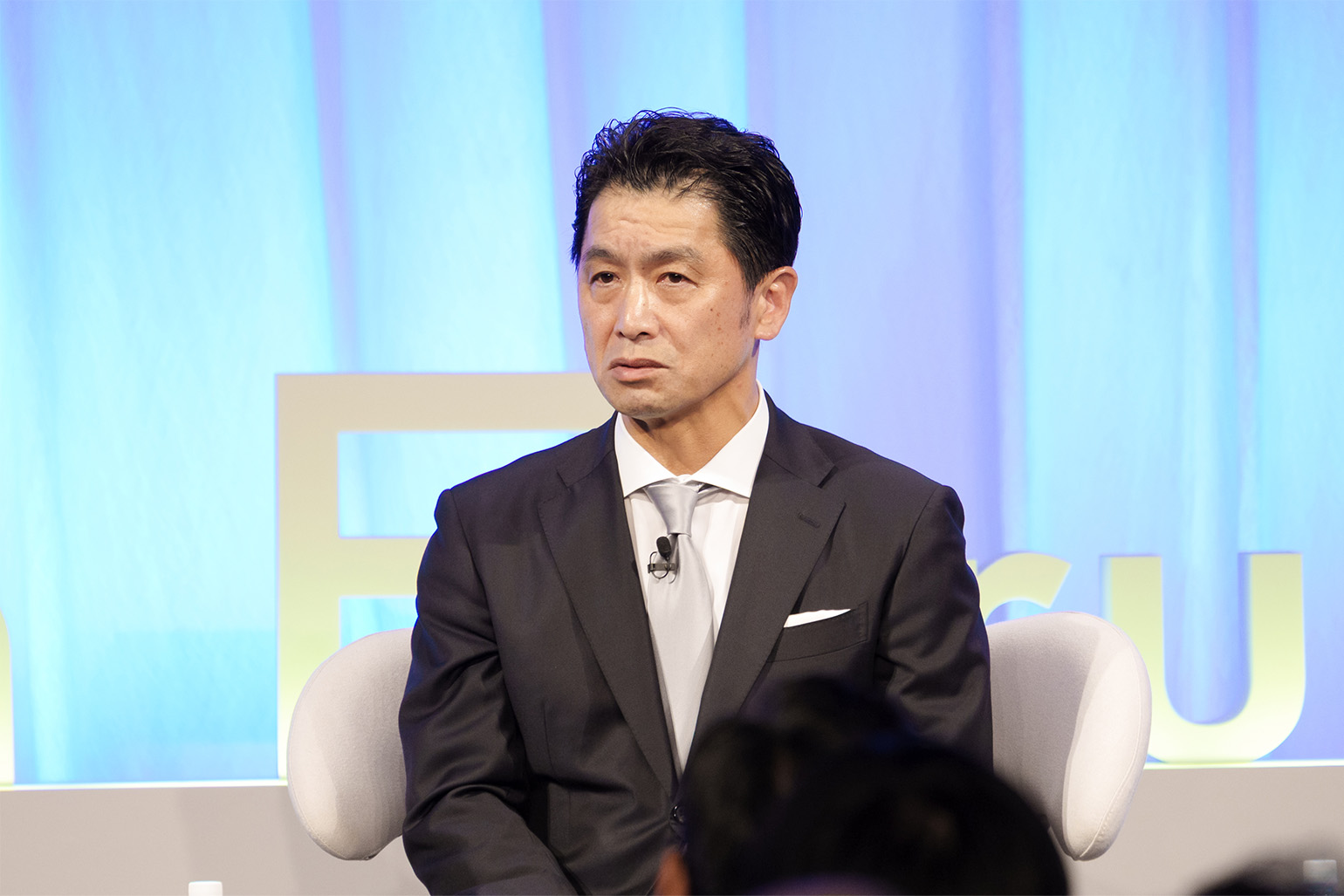
“When we overlay data in this way, we can see that content influences not only people’s emotions but also their mobility, work styles, and purchasing behavior. Our role is to generate ideas from these insights derived from the data and translate them into business results for our clients,” said Mr. Matsumoto.
Mr. Nagura explained that Hakuhodo proposes viewing all touchpoints between consumers, companies, and society as “consumer interfaces.” He further emphasized the need to continuously track not only the number of times consumers are exposed to information disseminated by companies but also the resulting conversations, empathy, participation, experiences, and spending.
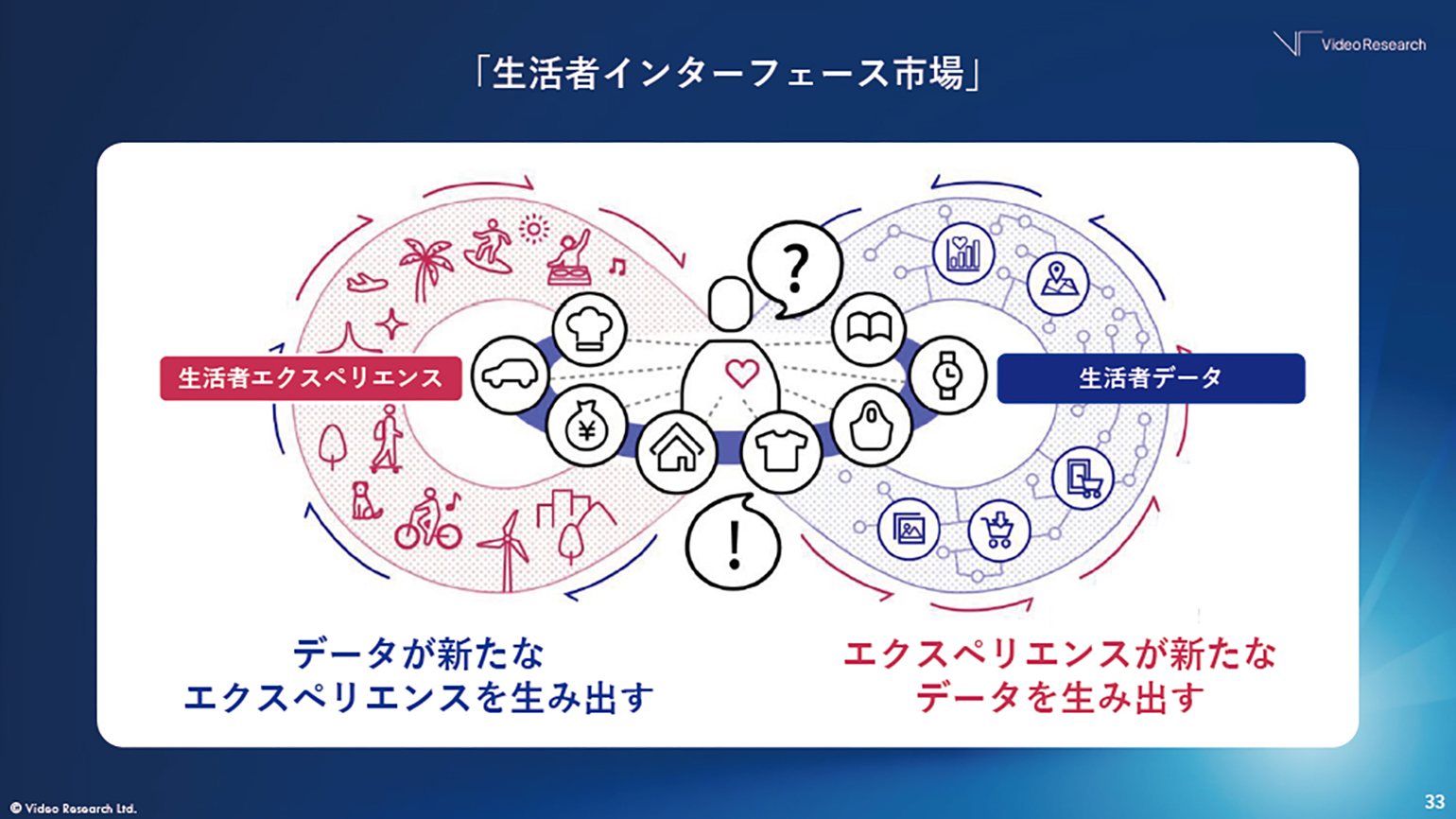
A key factor in this is understanding the “communities” connected by shared interests. Values and the sense of comfortable distance vary from one community to another.At Hakuhodo, we analyze social media posts based on their meaning and context and utilize this data for target audience definition and planning. As an example, in a collaboration with DAZN, we quantified the emotional trends of consumers while watching J1 League soccer matches. Based on that analysis, we posted specific match scenes on social media, which led to users sharing the content widely.
“Content, including television, still holds a great deal of value that hasn’t yet been quantified. We believe it is our role to uncover that value,” said Mr. Nakura.
Creating a Cycle Between Short-Term Acquisition and Medium- to Long-Term Brand Growth
The discussion then shifted to marketing in the AI era.
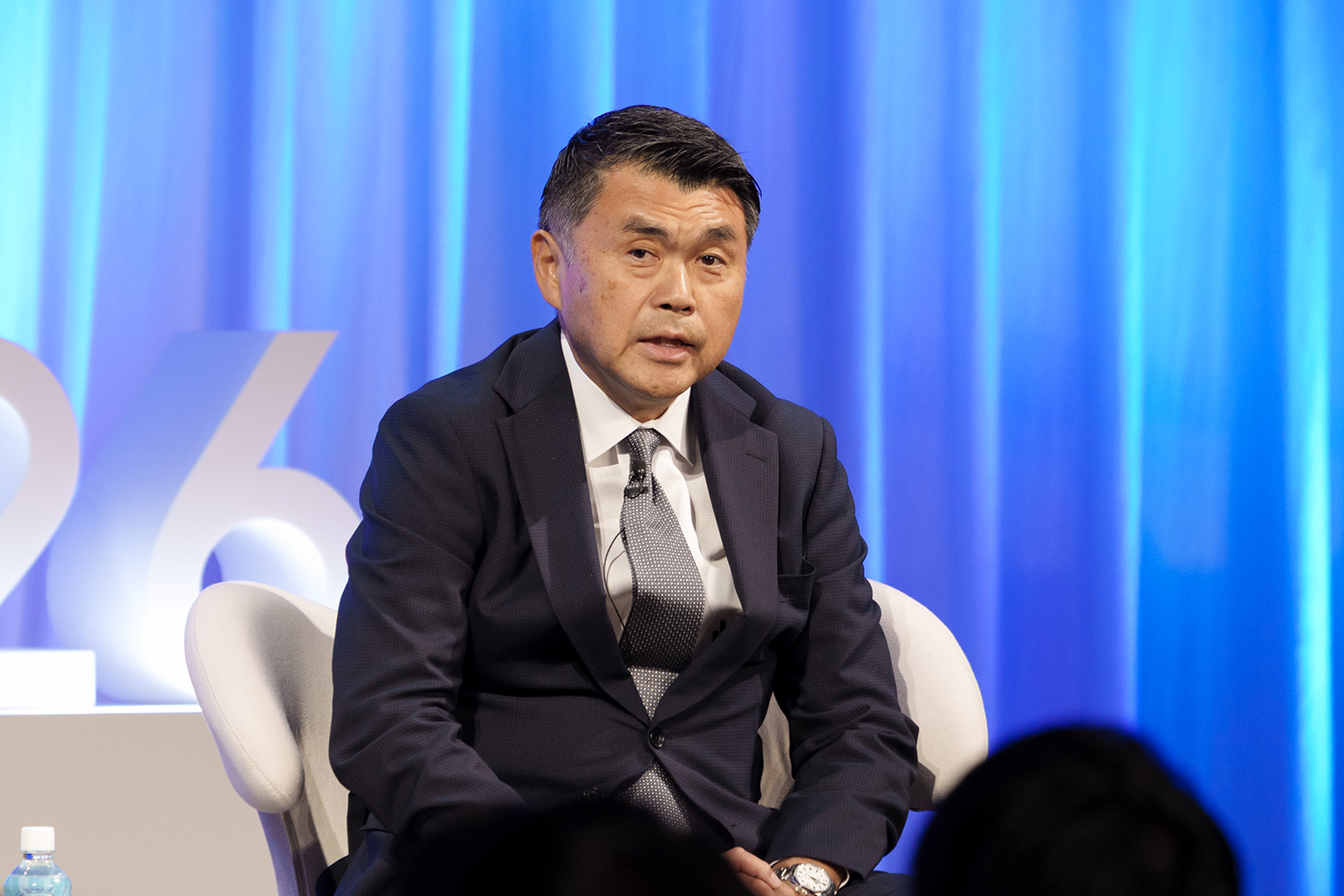
Mr. Nagura explained that the visualization of results and the pursuit of acquisition efficiency—which have progressed primarily through digital channels—have been major advancements. At the same time, he pointed out the challenge that the more one narrows down the target audience, the more one concentrates on existing interest groups, making it harder for additional investments to yield results.
As AI-driven information discovery advances, the traditional purchase funnel is also changing. He noted that it has become crucial to create information and messaging that appeal not only to consumers but also to AI, and that the value of activities designed to generate new demand is increasing.
What is needed, therefore, is the integration of short-term “flow” and medium- to long-term “stock.” This involves driving two key pillars in tandem: the ability to efficiently acquire existing customers and the ability to build awareness, trust, and brand affinity. The approach involves expanding reach through television, generating buzz and fostering attachment through content and intellectual property (IP), and then linking these efforts to digital targeting and operations.
He also touched on the possibility that, as AI-driven automation and optimization advance, expressions and experiences may become increasingly similar. He stated that the key to creating meaningful differentiation lies in the quality of the data fed into the AI and the human ability to interpret its meaning from the consumer’s perspective.
Using AI to Learn Before Execution and Track Results Through to Purchase
Mr. Matsumoto stated that in an environment where the future is difficult to predict, it is crucial to support clients’ decision-making and improve the accuracy of those decisions.
The initiative behind this is the “AI Market Twin.” By cross-referencing consumer data, purchase data, and client-owned data, it recreates customers in a digital environment. This provides a setting where reactions to new products and communications can be simulated before committing significant budgets.
Mr. Matsumoto introduced “PSDCA,” which adds simulation to the traditional PDCA cycle. He explained that by verifying hypotheses after planning but before execution, it becomes possible to “learn before executing.”
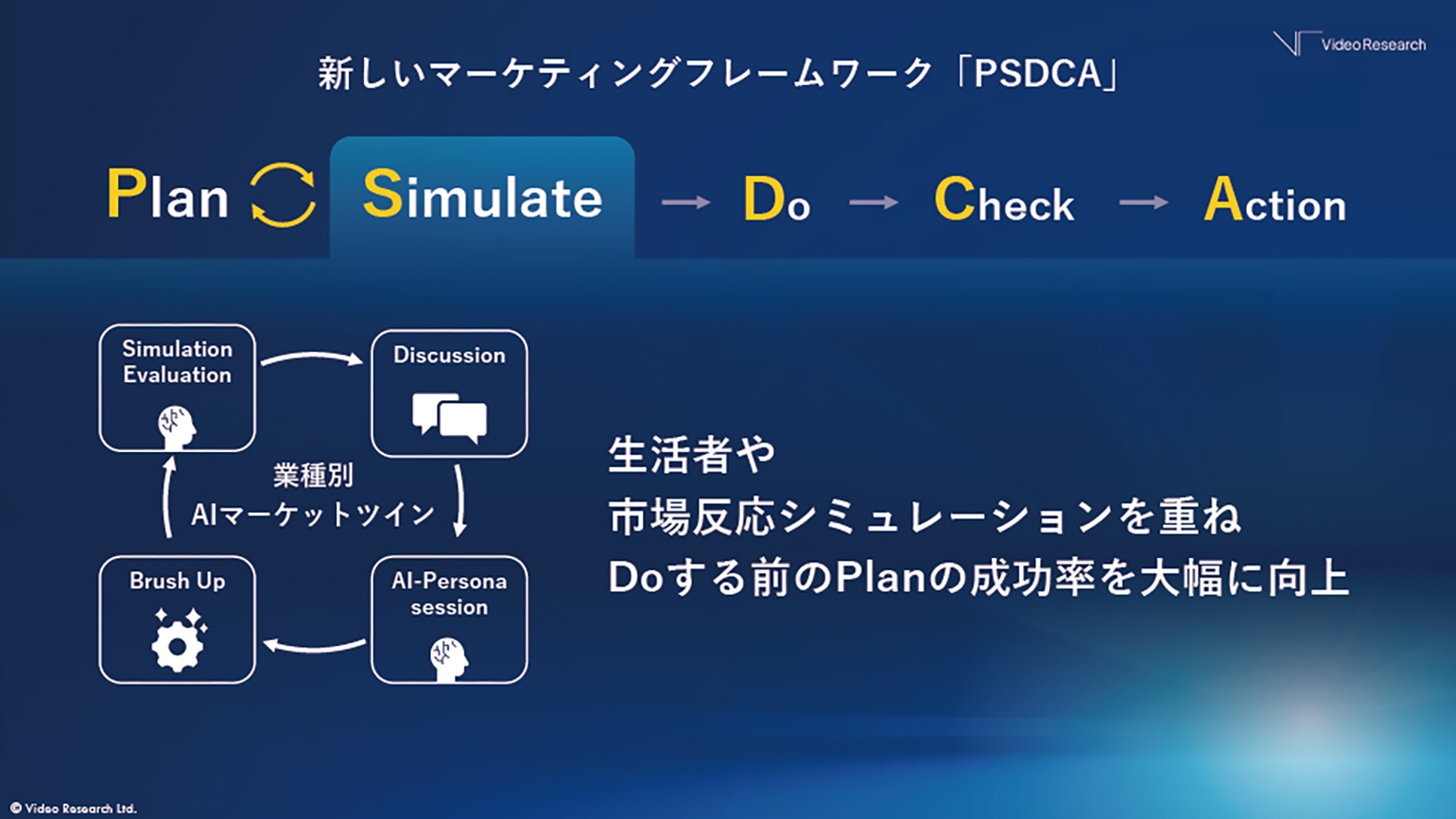
Post-execution evaluation is also evolving. As retail companies continue to refine their purchase data, an environment is taking shape where the entire journey—from exposure to media and content to the final purchase—can be viewed as a single, continuous flow.
He outlined a concept of working with clients to create a cycle in which reactions are simulated before implementing initiatives, and marketing ROI—including purchases—is visualized after execution. The results are then utilized in the next simulation.
Building the Industry’s Foundation Together, Based on Trust
Toward the end of the session, the discussion turned to data collaboration between broadcasters and advertising agencies. Mr. Nishi introduced initiatives such as the visualization of viewership data and efforts to create advertising expressions that combine data, AI, and creative expertise. He also touched on the importance of governance in establishing a data infrastructure.
Mr. Matsumoto emphasized that the trust television has built with viewers over many years is a major asset, and that the data entrusted to them must be handled with care. He noted that it is crucial to gain insights into consumers’ lives from the data and translate those insights into ideas.
Mr. Nagura also stated that while companies should engage in healthy competition, they should work together to build and nurture the foundational infrastructure. He expressed a desire to accelerate these efforts across the entire industry.
Looking toward the future of media, there is the power of content to move people’s hearts and the potential offered by AI and data. What can broadcasters and advertising agencies do to leverage this synergy to create value for consumers and drive corporate growth? The session concluded with a sharing of each company’s challenges and collaborative spirit, all grounded in trust.
Was this article helpful?
Share this article


Newsletter registration and delivery are temporarily suspended
For inquiries about this article