
Note: This website was automatically translated, so some terms or nuances may not be completely accurate.
 Communication technology connecting individuals and businesses [1/4]
Bluetooth Low Energy

Tsuyoshi Mizukawa
Smartphones and apps are now indispensable for consumer communication. Various technologies underpin their functionality. Understanding communication technologies can offer insights for considering communication between individuals and companies, as well as service development.
This series, "Communication Technologies Connecting Individuals and Businesses," will introduce the foundational technologies one by one. #1 focuses on Bluetooth Low Energy.
Enables communication with consumers' smartphone apps via Wi-Fi
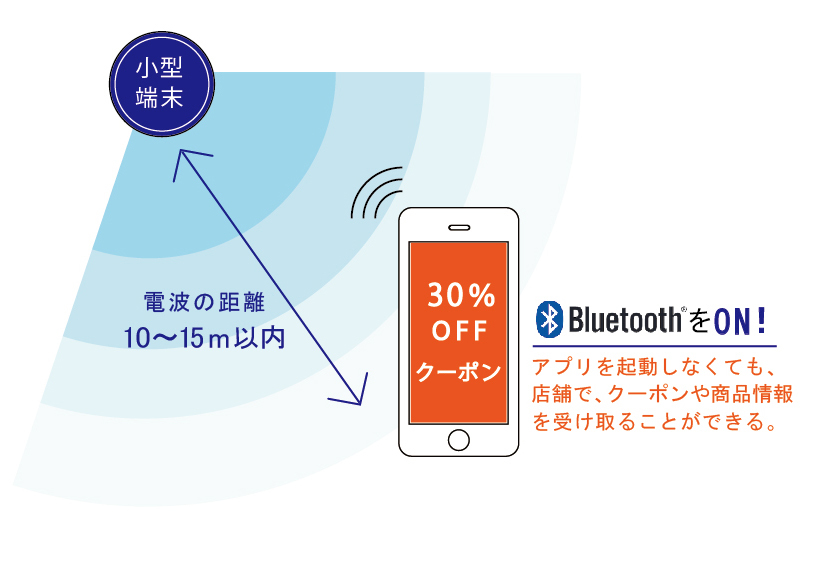 |
Bluetooth Low Energy (BLE) enables communication with consumer smartphone apps by placing small terminals that transmit Wi-Fi signals in locations like stores. It is utilized in retail, electronics stores, event venues, transit advertising, and OOH (Out-of-Home) advertising. The range of the Wi-Fi signal transmitted from the terminal varies depending on the environment but is generally considered to be 10 to 15 meters.
When implementing BLE initiatives, consumers can receive product information, coupons, and time-sale offers simply by entering a store (or even approaching it) with Bluetooth enabled, without needing to launch an app.
As the unit cost of these small signal-emitting terminals decreases and their accuracy improves, BLE is expected to see widespread adoption from proof-of-concept trials to practical implementation within the next year or two.
Three Ways BLE Leads Other Technologies
While solutions already exist where users can obtain product information or coupons by launching a dedicated app when approaching a store, BLE is considered more advanced than these in the following three aspects:
● Communication can occur automatically if the user keeps Wi-Fi enabled, even without launching the app.
● Its low-power design means users won't need to worry about battery consumption as much as before. Similarly, the small transmitting devices are also low-power, enabling operation for over a year on a small battery.
● Technological advances have reduced the unit cost of these small terminals while improving their performance, making it feasible to progress from in-store pilot tests to full-scale implementation.
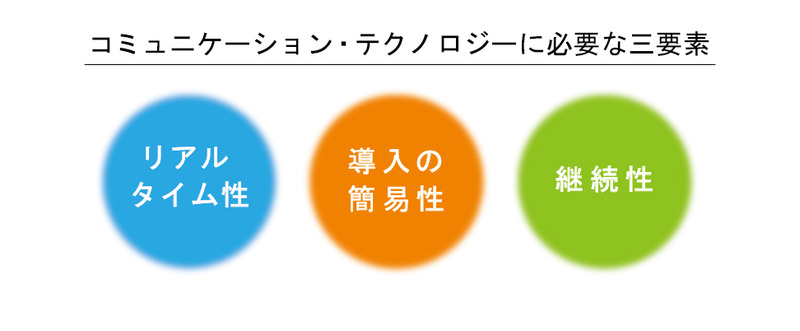
The above represents technology delivering features crucial for user experience (UX). In other words, the essential elements for communication technology that will become commonplace in the future are "real-time capability," "ease of implementation," and "sustainability."
These conditions apply to both users who incorporate apps into their daily lives and businesses that adopt them as communication tools.
For businesses, user adoption of the app generates data, enabling them to update the technology and enhance convenience further, thereby increasing the user base. Communication technology not only provides meaningful UX but also represents the business's experience of sustaining and evolving that UX.
New Communication via BLE
The following are examples of new communication methods likely to emerge soon using BLE.
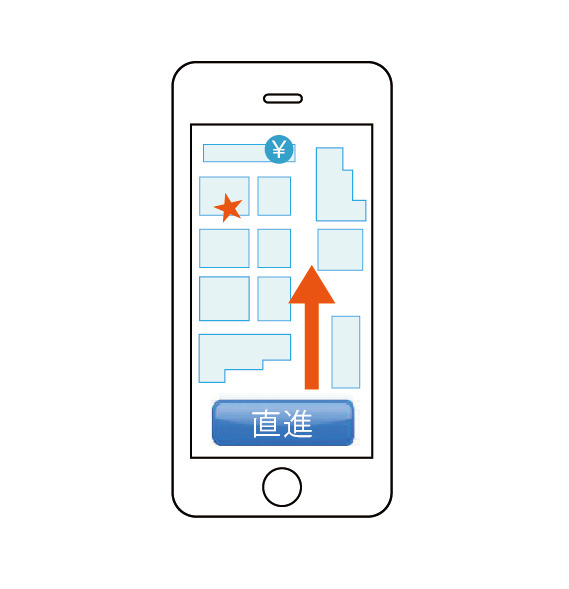 |
In-Store Navigation
It's a given that product information will appear when you approach items via BLE signals. It will also be possible to navigate users to the shelves of desired products. Furthermore, it will be possible to track users' in-store movement history.
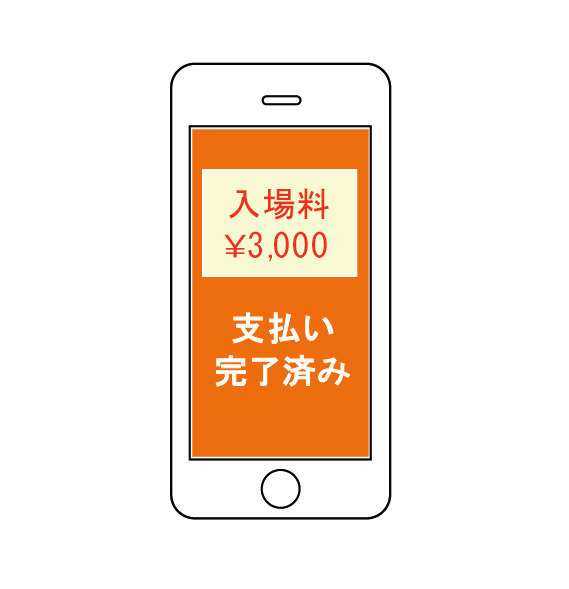 |
Automatic Payment Without Presenting Your Smartphone
For example, when users enter or exit locations like event venues, automatic payment can be processed without needing to tap a smartphone or credit card. In such cases, the venue doesn't need to prepare infrastructure like credit card readers or dedicated payment lines.
 |
Automatic Feedback Box
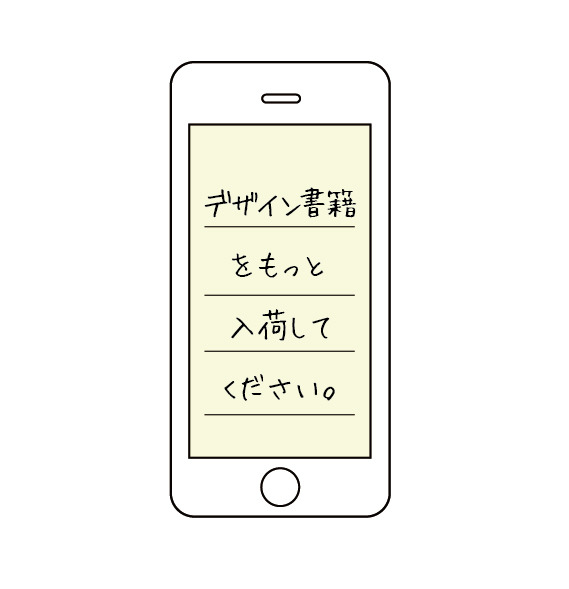
Write feedback in the app, and it will be automatically collected when you visit the store. You can also receive responses from store staff.
While building a new corporate app from scratch is an option, companies that already have their own app downloaded by many users could consider adding BLE functionality during an app update. Alternatively, they could leverage popular apps that already have BLE capabilities, such as "tab" (which notifies users when they approach places or events they've registered) or "SmaPo" (which automatically gives coupons upon entering a store).
Whether building from scratch or leveraging existing apps, the key is to determine the most effective development approach for the user experience (UX).
Was this article helpful?
Share this article


Newsletter registration is here
We select and publish important news every day
For inquiries about this article
Author