Note: This website was automatically translated, so some terms or nuances may not be completely accurate.
 Move forward, thirty-year-old man. [7/9]
Thirty-something men, let's go with "Matsutake."
Men in their 30s stand at the crossroads of various life stages—marriage, child-rearing, career changes—feeling a gap between their "ideal self" and "current self," caught between youth and middle age. How do these men in their 30s specifically think about "work" and "how they work"? Do they even have a vision? And what is the key to men in their 30s working with a positive outlook—"Matsutake"?
Are men in their 30s lacking role models?
"Is career development your current anxiety?" When asked, 43.3% of 1,000 employed men aged 28-32 answered YES. In contrast, only 31.8% of working men overall (aged 20-59) felt this way. This shows men in their 30s feel more anxiety about work compared to other generations. Facing prolonged recession-induced job insecurity and uncertainty about the future, they're at a critical juncture in life—choosing between dedicating themselves to work or marriage. Given this context, it's understandable they feel anxious, wondering, "Is my current job path really okay?"
We asked these men in their 30s another question: "Do you look to older generations for guidance?" Only 23.5% of men in their 30s answered YES. This means only about one in four men in their 30s look to older generations for guidance in their careers...
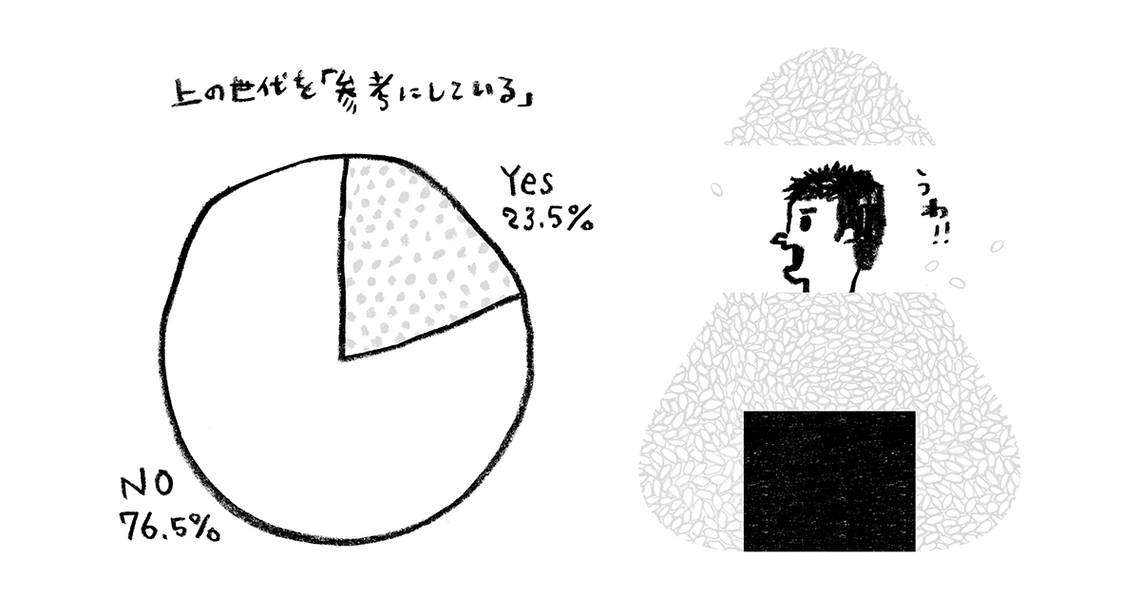
What lies behind this? We interviewed men in their 30s working across various industries, not just advertising. Responses included: "Hearing my boss talk about past glories is completely useless. Times have changed," and "Just following in the footsteps of the senior generation won't create new work." THINK30 concluded this reflects an era where the backs to follow are invisible – an era lacking role models.
Men in their 30s might be the "matsutake" mushrooms.
Still, nothing changes if we just retreat inward. At such times, the words of Kazuo Yano from Hitachi's Central Research Laboratory resonate: The Invisible Hand of Data ." This book uses data to demonstrate the importance of action, stating that "the bodies of happy people work well." Mr. Yano says:
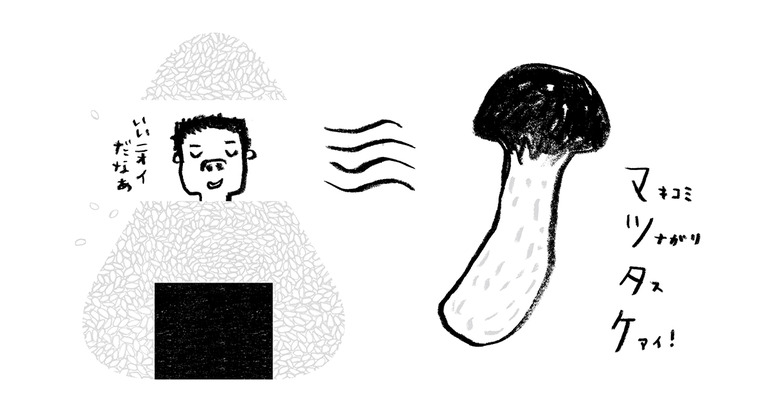
"We were taught that 'Hōrensō' (reporting, communicating, consulting) is essential common sense for collaboration across organizational levels. However, going forward, we need to add 'Matsutake' (involvement, connection, mutual support) to this."
This is it! I thought. While finding role models among older generations is important, stepping outside to broaden your horizons and building lateral connections are key hints for working proactively. If we could create a way of working that involves our peers across industries, builds connections, and fosters mutual support—new work would surely emerge, naturally bringing vitality.
Especially now, when work boundaries are disappearing.
Looking back, as society undergoes major shifts, work boundaries are rapidly dissolving. Instead, we feel we're being asked to break existing frameworks, transcend organizational walls, and then ask what we can achieve. That's precisely why lateral connections become the key to breakthroughs. If we could create a space where the generation carrying Japan's future can engage in "Matsutake" regardless of companies or organizations. Driven by this challenge, THINK30 created " Making a Living Through Planning," held at BUKATSUDO in Yokohama's Minato Mirai. This is just one initiative; THINK30 can certainly do more. We'll continue supporting men in their 30s through various approaches. We'd be thrilled if you could become even slightly more aware of these "horizontal connections" that might spark something.
<Survey Overview>
Survey Areas: Kanto (Tokyo/Kanagawa/Chiba/Saitama), Kansai (Osaka/Hyogo/Kyoto/Nara), Chubu (Aichi/Gifu/Mie)
Analysis Target: Employed men aged 23 to 59 (2,400 respondents)
Survey Period: Thursday, November 28, 2013 - Monday, December 2, 2013
Survey Method: Internet survey
Survey Conducted By: Macromill
Was this article helpful?
Share this article


Newsletter registration is here
We select and publish important news every day
For inquiries about this article
Back Numbers
Author
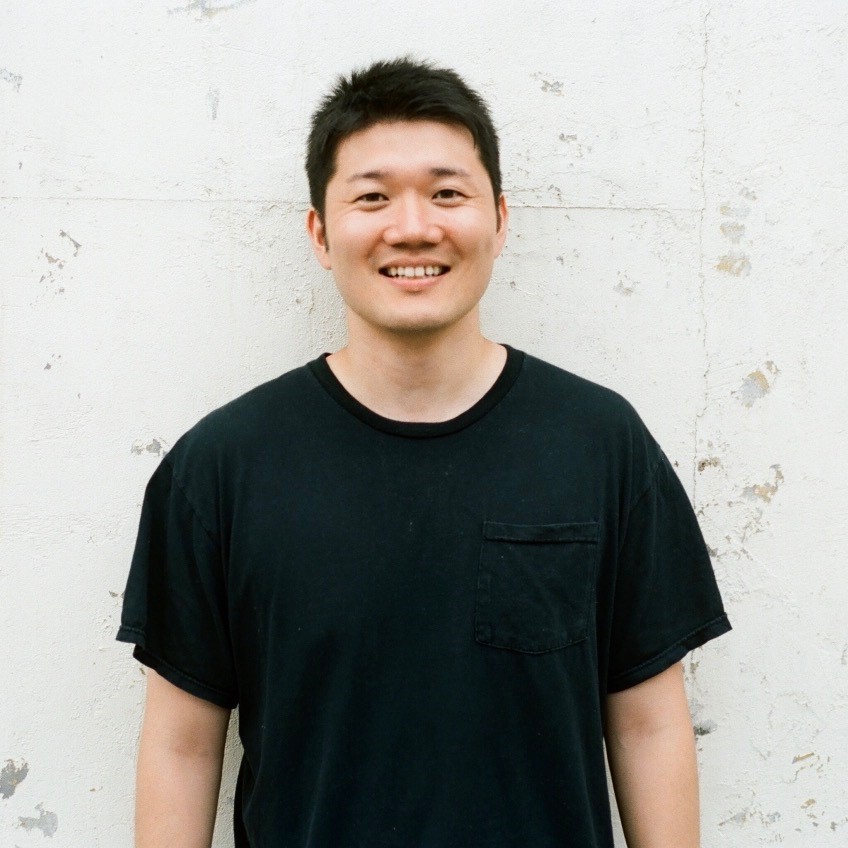
Kotaro Abe
Dentsu Inc.
Customer Experience Creative Center
Creative Director
Move forward, thirty-year-old man.Waiting won't get you anywhere. — Move forward with resolve.Content business is exciting right now!The Ultimate Art of Words to Capture Hearts in the Remote EraThat might just be your own arbitrary assumption, you know? Practice interpreting things without being bound by someone else's "correct answer."Advertising bannerMonthly CX