Note: This website was automatically translated, so some terms or nuances may not be completely accurate.
As women's advancement progresses, the entire societal system will undergo significant change.
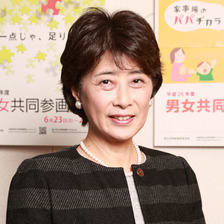
Keiko Takekawa
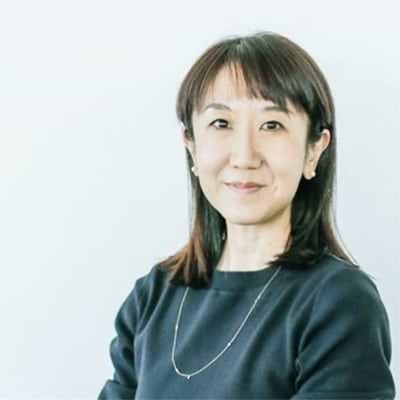
Yoko Furudaira
Dentsu Inc.
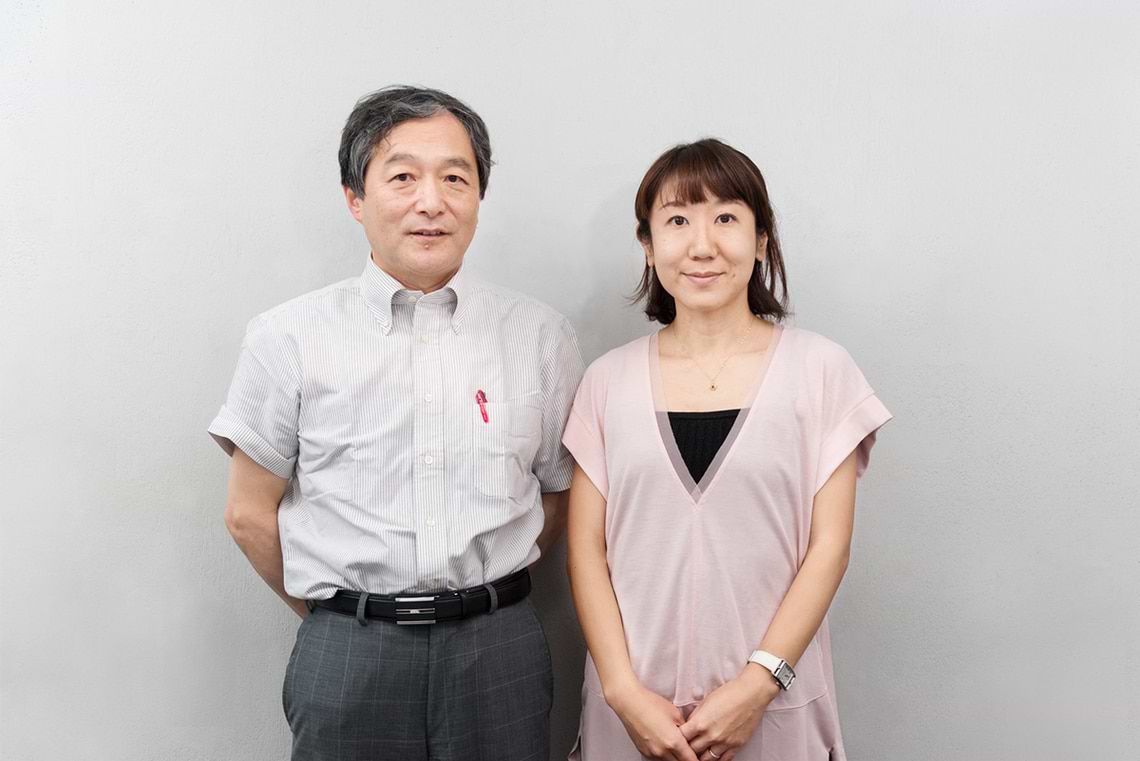
Keiko Takekawa, Director-General of the Gender Equality Bureau at the Cabinet Office, promoting women's advancement, was interviewed by Yoko Kodaira of DENTSU SOKEN INC. Human Studies Group.
Beyond social mood, we need effective plans
Kodaira: While promoting women's advancement is gaining attention, how do you perceive the social and economic benefits of women's active participation?
Takekawa: Considering the rapidly advancing aging population and declining birthrate, the primary concern is securing both the quantity and quality of the workforce. The female labor force participation rate tends to follow a so-called M-shaped curve, dropping during childbearing and childcare years and rising again once childcare responsibilities ease. However, over 3 million women express a desire to work if the environment is supportive. It's a waste that many highly capable individuals who could excel in the workplace are either not working or, if employed, aren't being promoted and thus unable to fully utilize their abilities. Furthermore, financial burden is cited as a reason for not having children. Therefore, it's hoped that increasing the number of breadwinners to two and improving support environments like childcare could actually boost the birth rate.
Kodaira: Are there other significant benefits?
Takekawa: Particularly noteworthy is the potential for women's contributions to drive changes in business models, as well as the expectation of product development and new service creation from a female perspective. Research data also shows that companies where women are more actively involved tend to perform better. Furthermore, the increasing number of women starting community-based businesses is another point worth noting. Some have even created new business models in the care and welfare sector, overcoming regulatory barriers and mobilizing cities, prefectures, and even the national government to secure public support.
Kodaira: The government has set a target of achieving 30% representation of women in leadership positions across all sectors of society by 2020. What is essential to realize this goal?
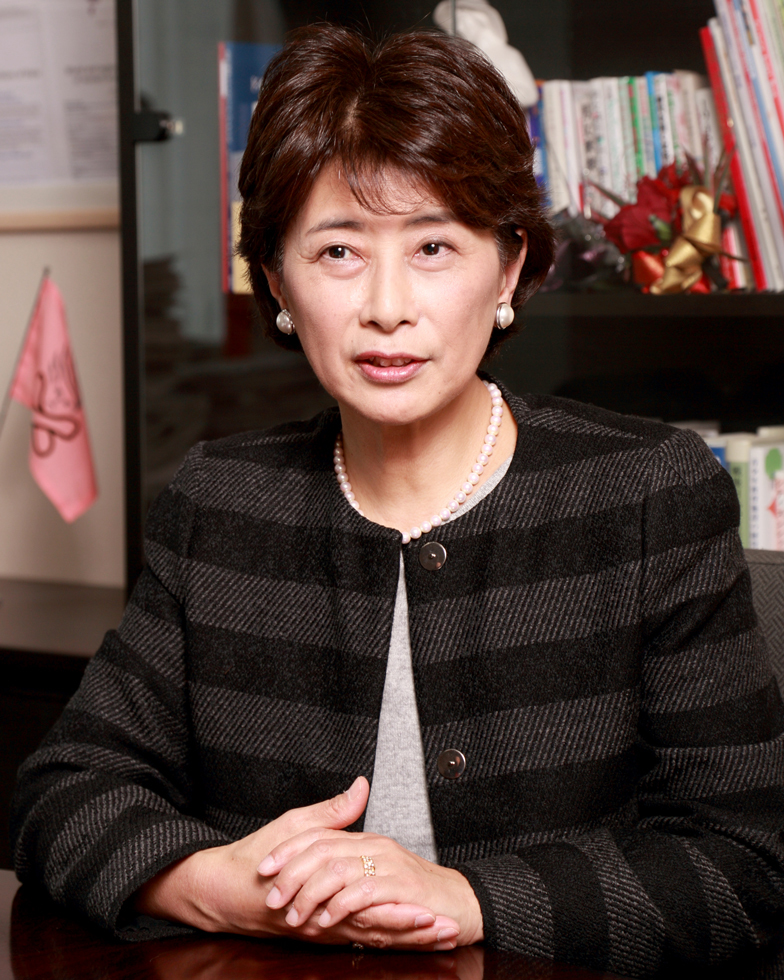
Takekawa: Cultivating women who can become future managers and leaders, and creating environments that enable their continued employment, are indispensable. While a social mood encouraging the promotion of women is spreading, simply leaving it to natural forces will likely not achieve the "30%" target. Ultimately, each company and organization must set concrete numerical goals, formulate effective plans, and drive their implementation. The government is also currently moving toward enacting legislation. The reality is that Japan lags behind other countries, so it needs to decisively change course.
The starting point is: What can be done to achieve work-life balance?
Kodaira: I believe there's also an issue with the mindset of the workforce. In the "Women and Work" survey* conducted by DENTSU SOKEN INC. targeting women aged 20 to 50, 93% of employed women (excluding executives and managers) responded that they "don't need to become managers/don't want to become managers."
Takekawa: I often hear, "I don't want to advance because being a manager seems too difficult." However, higher positions come with greater decision-making authority, allowing you to manage your work approach at your discretion. Your superiors and subordinates will likely support you, so it might not be as difficult as imagined. While promotion certainly brings responsibility, shouldn't it also allow you to change how you work?
Kodaira: In reality, there are companies where managers work late, and seeing that, many women seem to think, "Balancing childcare and work is difficult."
Takekawa: To dispel that perception, we need a company-wide effort, including men. We must shift towards more efficient time use and rational work methods. For example, Japanese companies often force employees to prepare numerous polished documents right from the initial stage of setting direction. I believe we should decide the direction first and then create only the truly necessary materials. We must systematically reform this kind of "excessive quality in work." To create workplaces where women thrive, enhancing work-life balance is essential. If we seriously explore what can be done to achieve this, there are undoubtedly many possibilities.
Beyond institutional environmental improvements, family support is also necessary.
Kodaira: Beyond just work styles, it seems we also need to significantly change societal frameworks.
Takekawa: The "30%" figure was originally proposed in the UN Nairobi Future Strategy Recommendations. The underlying idea is that reaching 30% representation can become a force for societal transformation. In other words, once women make up 30% of management positions, it will be an era where the societal system itself must be restructured. I believe this will inevitably lead to a better system not just for women, but for society as a whole.
Kodaira: To achieve that, changing men's mindsets is just as important as changing women's, isn't it?
Takekawa: That's right. I gave birth to my first child in the US, and observing at the hospital, one in three parents bringing children to the pediatrician was the father. It's quite different from the scene in Japan. I hope the day comes soon when men in Japan also actively engage in childcare like that. Last April, the childcare leave allowance system was revised. Taking into account the non-taxable portion and exemptions from social insurance premiums, it now guarantees about 80% of one's salary as take-home pay even during childcare leave. This can also be seen as a measure to make it easier for men to take childcare leave. Family understanding and support are indispensable for women's advancement. I believe men taking childcare leave is a major first step toward achieving that.
Kodaira: When we think about "promoting women's participation" as a societal effort involving men too, it seems like many new things could emerge. Thank you very much.
*Survey conducted in December 2014 targeting women aged 20-59 with work experience (3,700 respondents in Tokyo, Osaka, and Nagoya).
Was this article helpful?
Share this article


Newsletter registration is here
We select and publish important news every day
For inquiries about this article
Author
Keiko Takekawa
Director-General, Gender Equality Bureau, Cabinet Office
Yoko Furudaira
Dentsu Inc.
Director, Business Transformation Division
Director