
Note: This website was automatically translated, so some terms or nuances may not be completely accurate.
 Stylus Global Trends [1/1]
Today's innovation shapes tomorrow's lifestyles.

Stylus
Shusaku Hirota
Henge Inc.
Stylus, a UK-based marketing consultancy, researches innovation cases across diverse industries on a global scale to support corporate future strategies. We present their noteworthy report.
How will today's innovations shape the lifestyles of tomorrow's consumers? Stylus envisions the next 15 years for three consumer generations—Generation Z, Millennials, and Baby Boomers—focusing primarily on the luxury market.
Age in 2030: 21–35 (born 1995–2009)
As the generation following Millennials, Generation Z is gaining increasing attention. They possess strong playfulness and curiosity, tending to value unique experiences over consumption aimed at material possessions. This is also reflected in their fashion, which can be described as unique and eccentric. Consumers from emerging major economies like Mexico and India are likely to form a significant consumer segment within this generation.
Keyword 1: Sensory Spaces

As the Snapchat generation—users of image-based chat apps where photos and videos disappear after a set time—Generation Z places high value on "limited-time moments." To engage them, approaches that create a sense of exclusivity and time-limited campaigns that heighten anticipation are effective. For example, VR (virtual reality), which enables immersive, on-demand, all-around experiences, is perfect for providing sensory brand experiences to this nomadic-minded generation that dislikes being tied to one place.
Keyword 2: The Changing Definition of Luxury
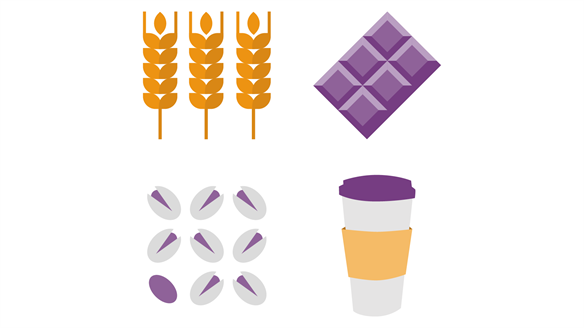
Authenticity and pure quality are now considered luxury, rather than brand names or high prices. The obsession with single-origin coffee is one example.
Keyword 3: Bite-Sized Luxury

Sharing and rental systems will become widespread, enabling more people to enjoy high-end lifestyles. From club memberships to cars and sunglasses, many luxury items will be shared, allowing consumers to savor "bite-sized" luxury. Sharing of privileged services, once enjoyed by only a select few—such as hotel concierge or expert on-demand support—will also advance.
Keyword 4: Converging Disciplines

Divergent fields like technology and fashion will converge, with new value created by technology shaping luxury culture. Retail spaces will stock diverse selections catering to varied tastes and preferences.
Millennials: Non-Brand-Obsessed Enthusiasts
Age in 2030: 36–49 (born 1981–1994)
The well-known "Millennial Generation," regarded as the most important demographic, particularly in Europe and the US. They prefer products that align with their identity over items that merely appear luxurious. Though their economic power is lower than their parents', they are willing to save to acquire high-end goods that fit their lifestyle. They show a stronger tendency to purchase high-end products than their parents' generation.
Keyword 1: Functional Simplicity
They intuitively and effortlessly choose niche brands that evoke luxury through stripped-down functionality, rather than traditional luxury brands emphasizing opulence.
Keyword 2: "Ultra" Personal

What matters isn't brand logos, but the ability to express their individuality. They are drawn to "ultra" personalized services and products that leverage cutting-edge technology, such as custom-made fashion that perfectly fits their body type or goods customized to meet their specific personal needs.
Keyword 3: Health is Wealth

For millennials, health and style are the new status symbols. Especially for city dwellers, fresh air and unpolluted environments hold immense value.
Keyword 4: Instant Gratification
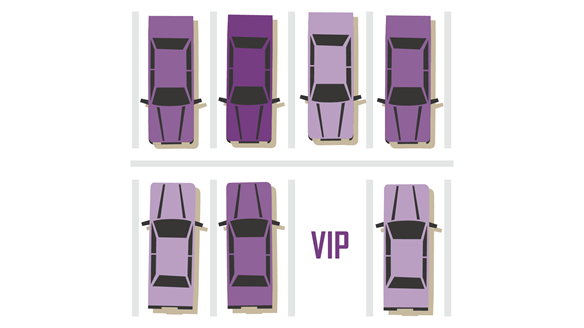
Technological advances enable more personalized and rapid services, such as instant delivery of goods anytime, anywhere. They also tend to seek VIP treatment from favorite brands, including exclusive information and "experiences money can't buy."
"Baby Boomers" - Status Seekers Who Know Life Inside Out
Age in 2030: 66–84 (born 1946–1964)
Baby Boomers, who will form the senior consumer demographic in their late 60s to mid-80s in about 15 years, value luxury but exhibit more conservative consumption habits than younger generations. The reassurance associated with brand names and social status drives their purchasing decisions. They also prioritize the "heritage value" they can pass on to their children's generation.
Keyword 1: Knowledgeis Power
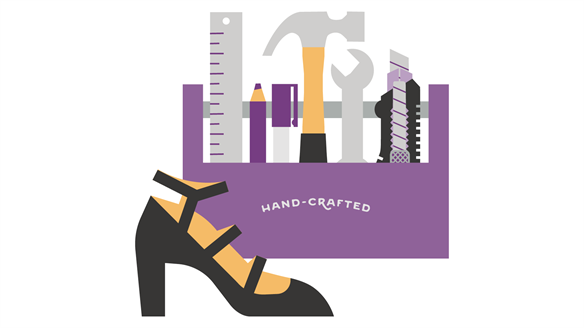
Stories about craftsmanship and manufacturing processes elevate the value of luxury brands. In boutiques and other retail spaces, sales staff are expected to act as guides who share their passion for the brand and products with customers, making the shopping experience special.
Keyword 2: Thirst for Authenticity
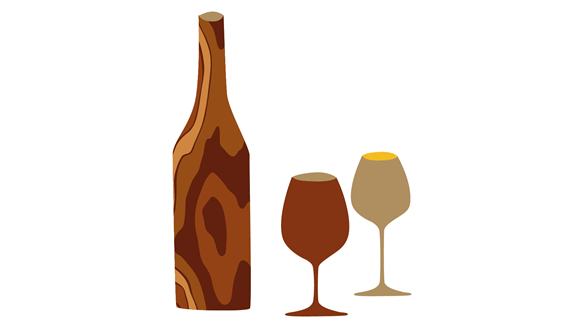
Luxury natural material packaging, made possible by advances in manufacturing technology, will also satisfy this generation's thirst for "authenticity." While the prestige of superlative craftsmanship increases, the deliberately retained simplicity of the material itself becomes an element that fosters a special attachment.
Keyword 3: Comfortable Mobility

To support this generation, who wish to remain active adventurers even in old age, comfortable means of transportation become crucial. Hospitality services might emerge that provide a personal, relaxing luxury environment during travel, such as ordering catering from a high-end restaurant while in an autonomous vehicle.
Keyword 4: New Archives

New opportunities to engage with traditional brands through digital technology will emerge. Using VR (Virtual Reality), it will become possible to view personally customized brand archives at home, tailored to interests and preferences.
▶︎For inquiries regarding the Stylus report: ご相談はstylus@dentsu.co.jpまで.
Was this article helpful?
Share this article


Newsletter registration is here
We select and publish important news every day
For inquiries about this article
Author
Stylus
Shusaku Hirota
Henge Inc.
CEO / Director