Note: This website was automatically translated, so some terms or nuances may not be completely accurate.
 Girl Meets Girl Project Relay Column [3/3]
Sexuality is about life. Reproductive health and rights protect both yourself and others.
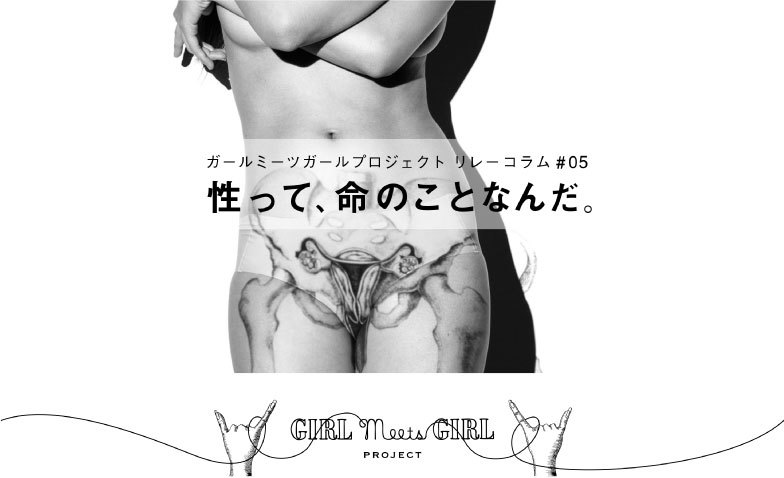
Part 5 of the series continues our look at the "I LADY." campaign, launched in March 2016 by the international cooperation NGO JOICFP (Japan Organization for International Cooperation in Family Planning and Reproductive Health) and Dentsu Inc. Gal Lab, who have jointly run the Girl Meets Girl Project since 2011.
The theme I LADY. addresses is "Reproductive Health/Rights." As explained in the previous installment, this term encompasses "all processes related to reproduction," meaning it includes "romance," "sex," "contraception," "pregnancy," "abortion," "childbirth," "sexually transmitted infections," "infertility," and "child-rearing." What can we do to help women protect their health and rights and live as freely as possible?
What you can do right now to protect your life
To protect your reproductive health and rights—the health and rights granted to each individual—and live freely in both body and mind, there are essential things you should know. Here, we'll introduce several risks you may want to prevent to protect yourself.
●STIs (sexually transmitted infections) aren't someone else's problem...?
STIs. Hearing that term, many might think, "That doesn't apply to me." However, STIs are a risk for everyone who has sex. And unfortunately, Japan is actually a country with a high incidence of STIs. The number of HIV infections continues to increase by about 1,000 people annually ( ※Overview of AIDS Trends in 2015 / Ministry of Health, Labour and Welfare AIDS Trends Committee), and news of a sharp increase in syphilis infections among women is also fresh in our memory ( ※National Institute of Infectious Diseases).
Chlamydia is particularly prevalent. Shocking data shows that one in seven sexually active Japanese high school girls is infected. Its defining characteristic is the absence of noticeable symptoms. This means infections can go unnoticed and untreated, potentially leading to infertility later in life. For instance, if you had unprotected sex with a first-time partner, or if that partner was promiscuous... testing is especially necessary. Back in the day, there was an HIV prevention commercial that went, "Your boyfriend's ex-girlfriend's ex-boyfriend..." Well, chlamydia is the same. It passes from person to person, and you can get infected in unexpected places.
● How a skewed sense of "shame" backfires!? The tragedies caused by sexuality
Behind this rise in infections lies the Japanese people's skewed sense of "shame" regarding sex. There seems to be a prevailing attitude where conversations about sex are rare, and especially for women, thinking and acting proactively about sex is seen as "shameful" or "indecent."
For example, many are influenced by adult video narratives where men dominate women to satisfy their conquest desires, internalizing this as "the way it should be." This can also lead to rigid definitions of "masculinity" for men, and I hear men themselves suffer from these gender expectations.
Men not using condoms, women unable to ask men to use them, and even incorrect usage... STIs that could be prevented with proper measures continue to rise. Yet, we can avoid this risk through knowledge and action.
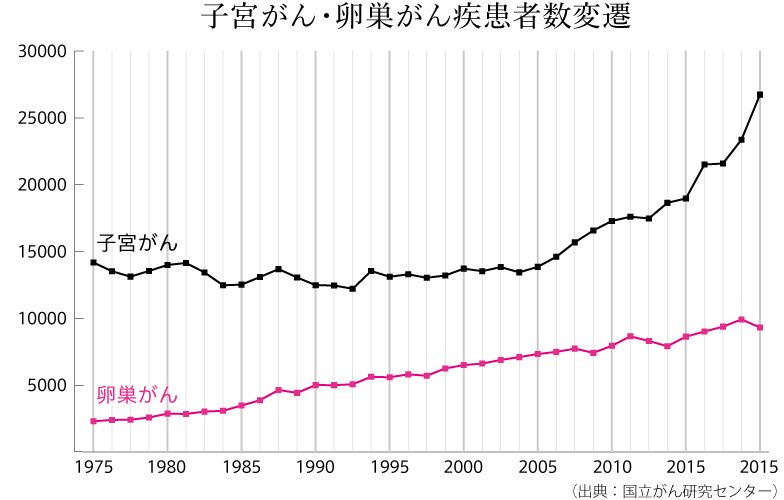
STIs are actually linked to gynecological diseases. For example, cervical cancer, which is said to have the highest increase in cases among women in their 20s, claims the lives of approximately 8 women every day in Japan ( based on 2014 data from the Cancer Information Service ).
This cervical cancer is caused by the human papillomavirus (HPV), which is transmitted through sexual contact. This connects back to the earlier discussion on STIs: condom use is crucial for preventing HPV infection. Unfortunately, it's not 100% effective. Vaccination is another preventive measure, but it has sparked significant debate in Japan, and no clear consensus has yet been reached.
Although the absolute numbers are low, penile cancer in men and genital warts (condyloma acuminata) are also caused by HPV. Since men infected with the virus can transmit it to women, potentially causing cervical cancer, some countries, like Australia, recommend HPV vaccination for men as well.
In other words, this is not solely a women's issue. At the very least, it's essential for both men and women to use condoms consistently.
● Gynecological Conditions to Address Regardless of Pregnancy Status
Furthermore, with the rising age of pregnancy, gynecological diseases cannot be overlooked. The risk of conditions like endometriosis and uterine fibroids tends to increase as menstruation continues uninterrupted, prolonging exposure to the female hormone estrogen.
These conditions pose health risks regardless of future pregnancy plans. Yet Japan's gynecological screening rate ranks among the lowest in developed nations. This means we may be missing opportunities for disease prevention and early treatment. It's essential for each individual to find a regular gynecologist and make annual checkups standard practice after reaching a certain age.
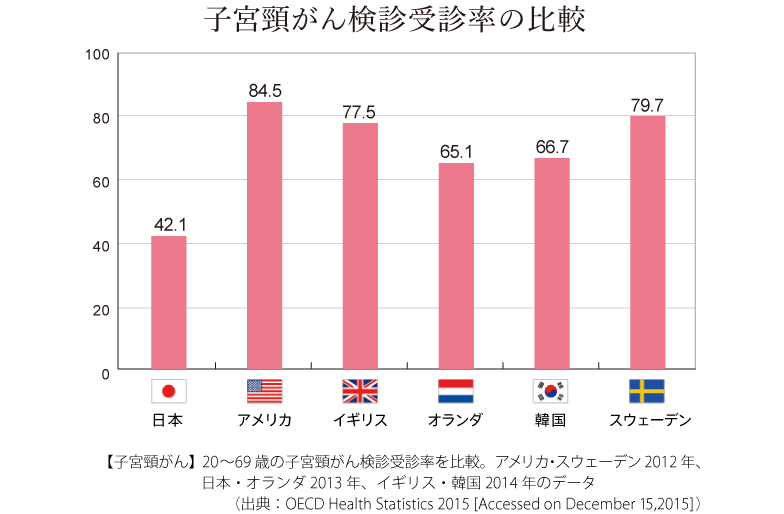
Circumstances regarding pregnancy vary for each person, and both paths—having children or choosing not to—deserve respect. No one should feel blamed or made to feel uncomfortable.
But whichever path you choose, "preparation" is essential. For example, if you want to get pregnant in the future. As a preparatory step before pregnancy, you need to prevent and treat sexually transmitted infections (STIs). As mentioned earlier, leaving chlamydia untreated can sometimes cause infertility. Preventing STIs is also crucial for a healthy pregnancy and childbirth.
Can you know your egg count!? Can you observe sperm!?
Even beyond disease prevention, it's now possible to understand your body's natural state in advance. Take the AMH test, for example. AMH stands for Anti-Müllerian Hormone, a hormone secreted by developing follicles—the precursors to eggs. By measuring this hormone level, the AMH test estimates the approximate number of eggs remaining in your ovaries (ovarian reserve).
In fact, even among healthy individuals without disease, the number of these follicles (egg precursors) varies significantly from person to person. This means the age at which a woman can stop releasing eggs varies greatly. For example, a woman in her 20s and one in her 40s could have the same number of remaining follicles. Regardless of disease status, this factor contributes to individual differences in fertility (*Note: AMH levels ≠ pregnancy rate, so "low AMH ≠ low chance of pregnancy." A low AMH level indicates that the period during which pregnancy is possible is limited).
The same applies to men. The number and motility of sperm in semen vary from person to person. While motility tends to decline with age, both count and motility show individual variation regardless of age.
Recently, a simple way to learn about these aspects of sperm health, which are not apparent in daily life, has become available at home. This is the "TENGA Men's Loupe," a home sperm observation kit developed primarily by urologist Dr. Yoshitomo Kobori. It's a very convenient and excellent observation kit that allows you to easily photograph your own sperm at home using your smartphone and compare the observation results to WHO standards. It's definitely worth trying at least once to better understand yourself.
Knowing your true self takes a little courage. But knowing beforehand can help cure or prevent illness, allowing you to maximize your potential. How do you want to live your life? What should you do? By first knowing yourself, you can surely build some preparation and resolve.
Unwanted pregnancy is a cause of abuse.
Protecting reproductive health and rights can save lives. Take child abuse, for example—tragic news stories about it never seem to end. In cases of abuse resulting in death within the first month of life, many involve the biological mother abusing the child due to an unwanted pregnancy. Many of these biological mothers are teenage girls who never received prenatal care, and some even gave birth in places like bathrooms or toilets instead of medical facilities. In such severe circumstances, not only the newborn child but also the teenage mother herself can be considered a victim.
Furthermore, in Japan, abortions remain common not only among teenagers but also among women in their 40s. While the limited contraceptive options, largely relying on condoms, may be one factor, another contributing reason is likely Japan's still relatively closed attitude towards openly discussing and choosing one's own approach to sexuality.
For example, compared to other developed countries, Japan heavily relies on condoms for contraception. Perhaps influenced by its conservative attitudes toward sex, Japan conversely has a very low contraceptive use rate.
In fact, all of these issues are connected to reproductive health and rights. I feel that we adults, more than anyone, need to learn and talk about sex, and pass this knowledge on to the younger generation. By knowing more beforehand, and by sharing and spreading knowledge and methods, there are still so many lives and futures that can be protected.
You can make more decisions about your own life.
So that more people can understand and practice reproductive health/rights. And so we can expand this movement and create a real change. This "I LADY." campaign, advanced by the international cooperation NGO JOICFP and Dentsu Inc. Gal Lab, is moving forward thanks to the many activists who share this same passion and empathy.
Just last weekend (June 5th), following the Ise-Shima Summit, we held "I LADY. in Mie." Activists including yoga instructor Mika Nihira, model Atsuko Douchin, OB/GYN Mi-Hyun Song, and current university student and Torch for girls representative Ayano Sakurai took the stage to share their I LADY. actions.
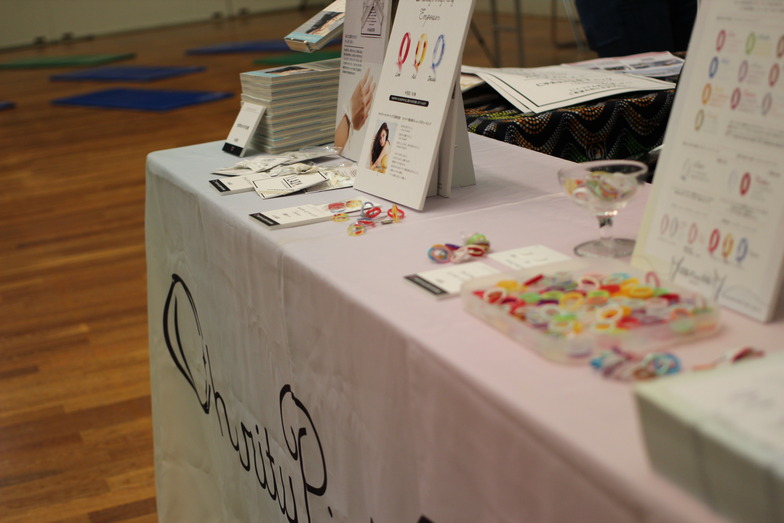
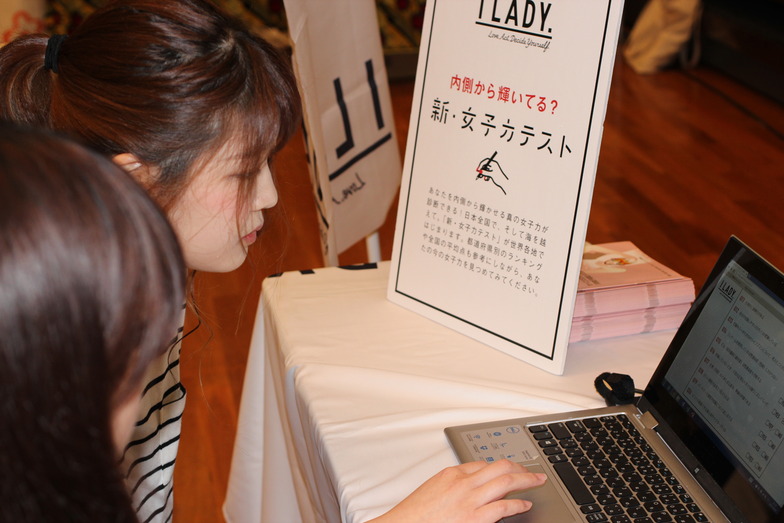
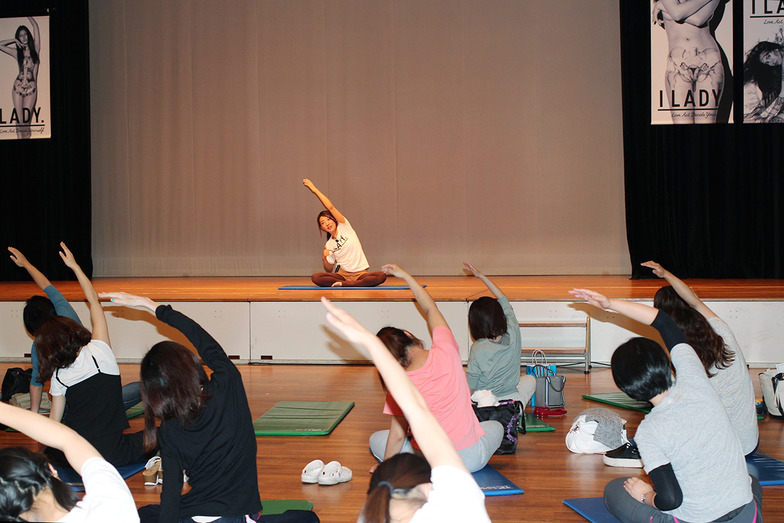
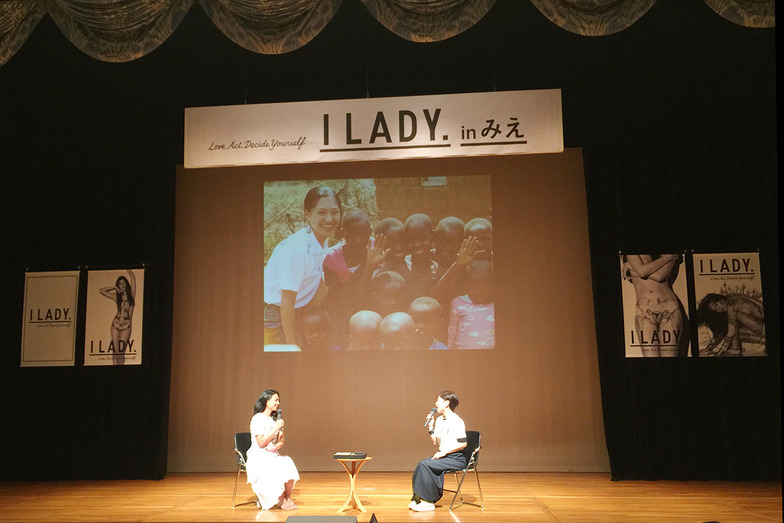
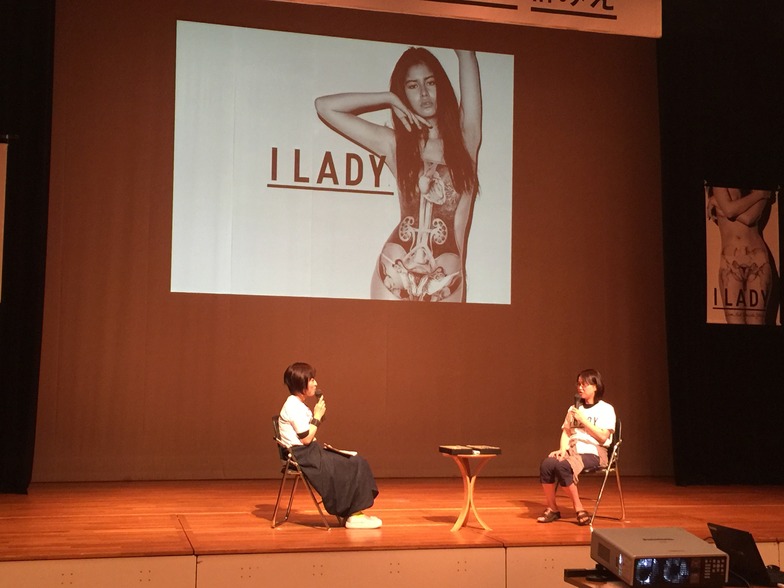
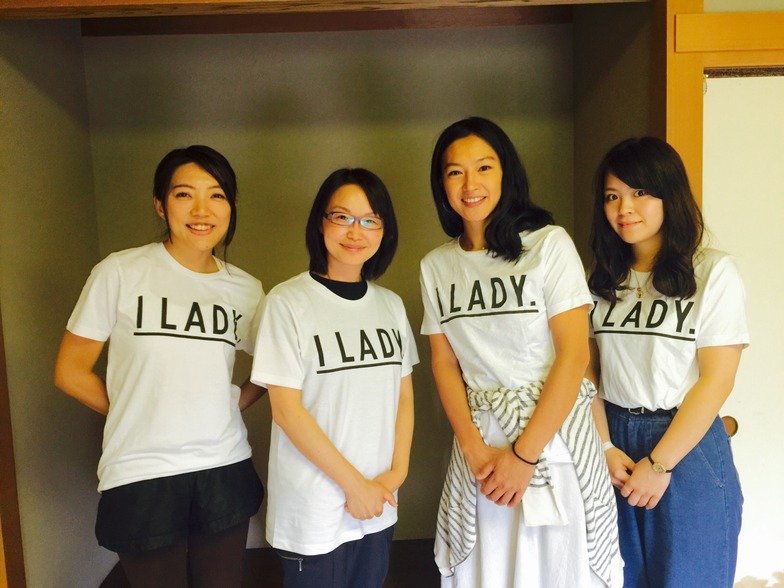
What exactly is "reproductive health/rights" that allows each of us to live happily? The more we learn about this profoundly complex theme, the more strongly we feel the necessity for society as a whole—women, men, and people of all sexualities—to unite, confront our respective challenges, and take action.
The I LADY. campaign has only just begun. We believe the real work starts now. We would be delighted to hear from experts, celebrities, companies, and anyone with even a slight interest.
As the representative of Dentsu Inc. Gal Lab and as a creative professional in an advertising agency, I ask myself: What can I do? I myself want to further open up this new field and think about it together with everyone.
Was this article helpful?
Share this article


Newsletter registration is here
We select and publish important news every day
For inquiries about this article
Back Numbers
2016/02/25
What girls need now is "empowerment." The shock felt during an inspection of disaster-stricken Nepal. What kind of social action can be achieved through fashion?

2016/02/23
What girls need now is "empowerment." The shock felt during an inspection of disaster-stricken Nepal. What kind of social action can be achieved through fashion?
Author
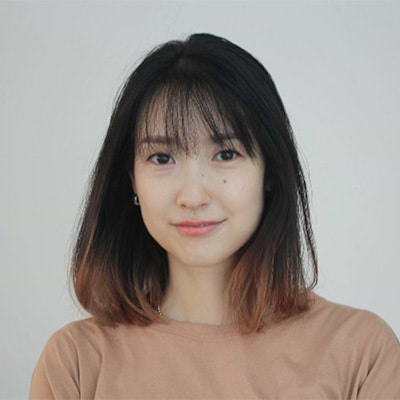
Ikumi Toga
Dentsu Inc.
Second CR Planning Bureau
クリエイティブディレクター/コピーライター
GIRL meets GIRL Project Beyond Advertising: What We Can Do for GirlsMOM meets MOM ProjectMOM meets MOM projectGirl Meets Girl Project Relay ColumnLearn business development from Finland!Signs of Reiwa GirlsCreating a Sustainable Era: Insights on Collaboration—Sustainable d Actions—The "New Standard" for Sustainable FashionTaking on the Challenge of "Intractable Diseases × Work" Through Creativity