
Note: This website was automatically translated, so some terms or nuances may not be completely accurate.
 The "Moment of Truth" Created by Dentsu Live Inc. [6/6]
Food Leads the World's Cultures! (Part 2)
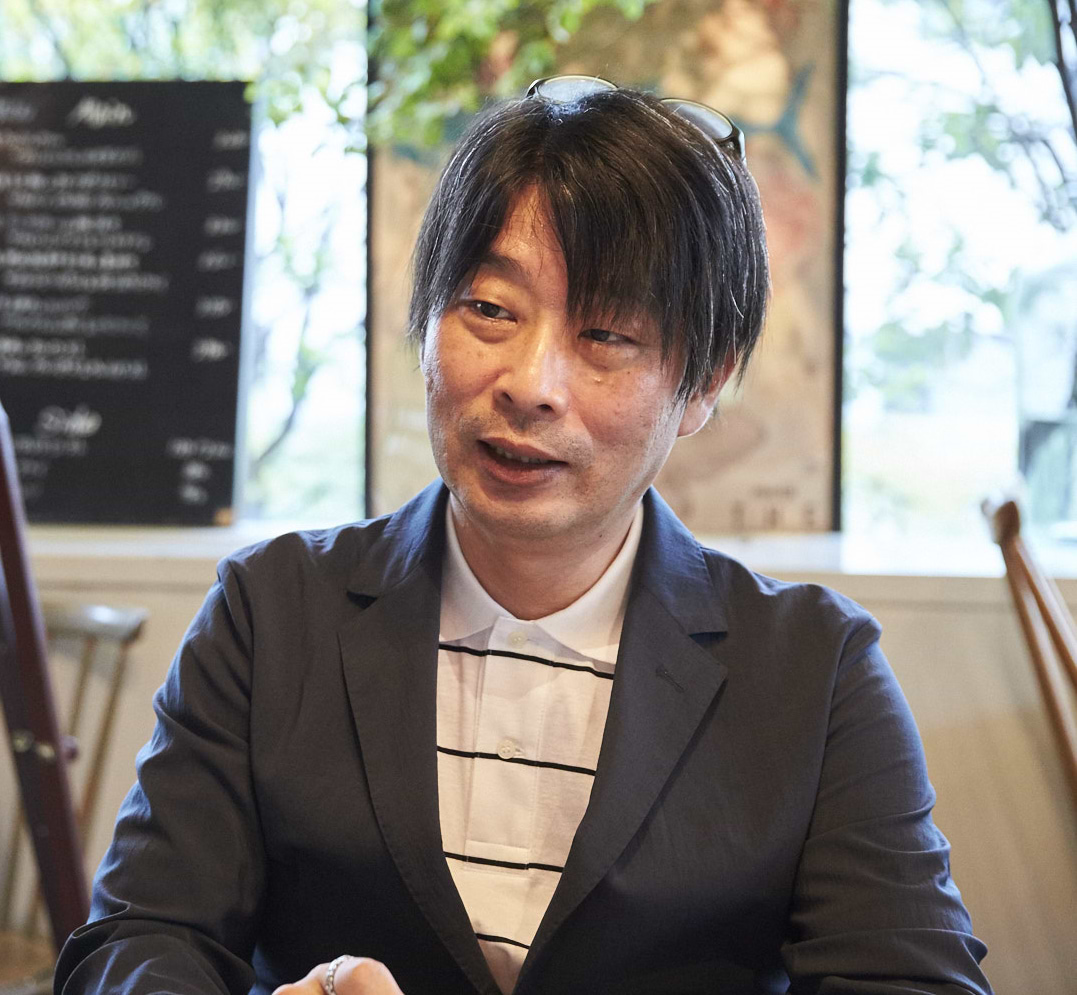
Tsuyoshi Kaminami
Dentsu Live Inc.
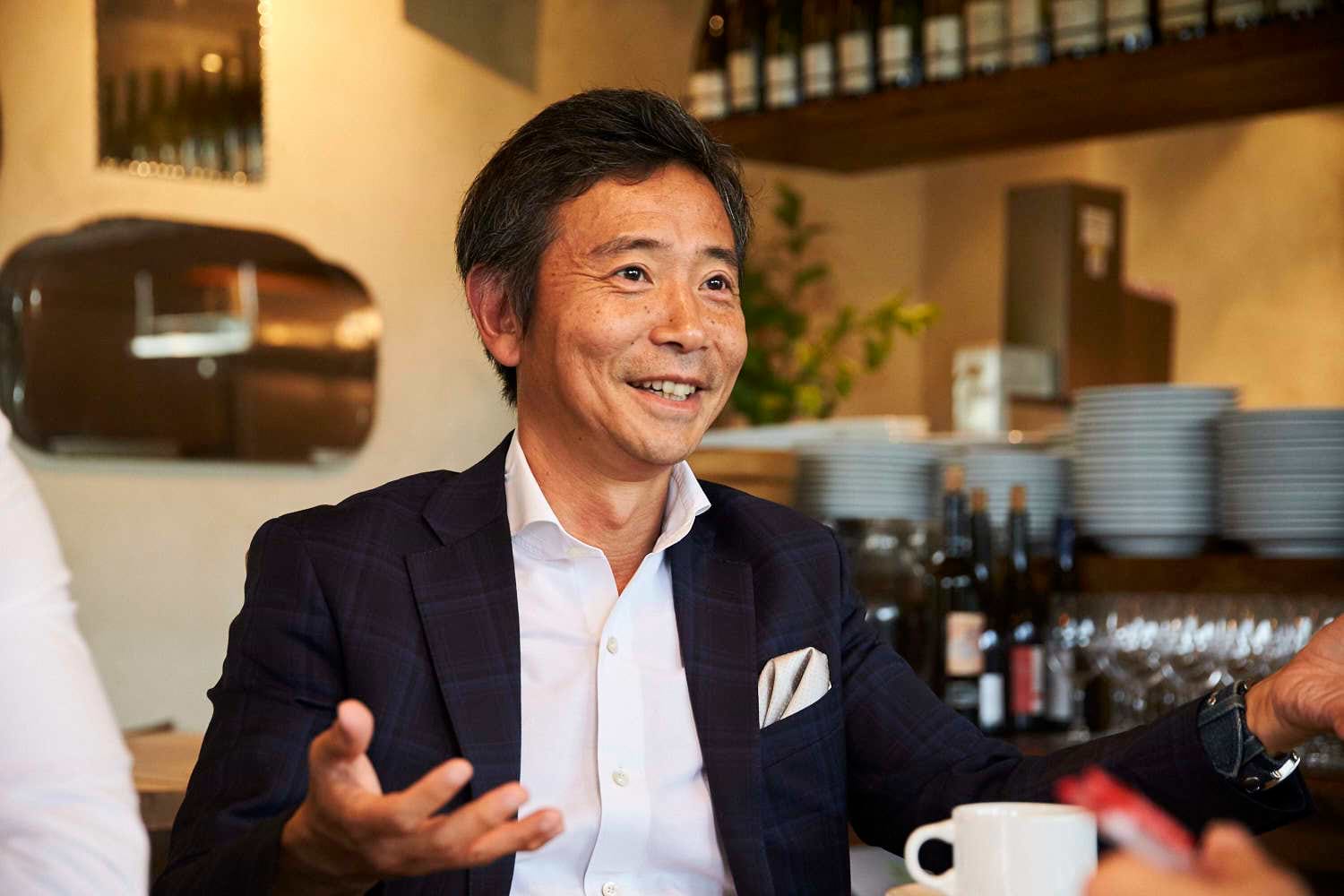
Shujiro Kusumoto
Cafe Company
Nakamura Sadahiro
Transit General Office
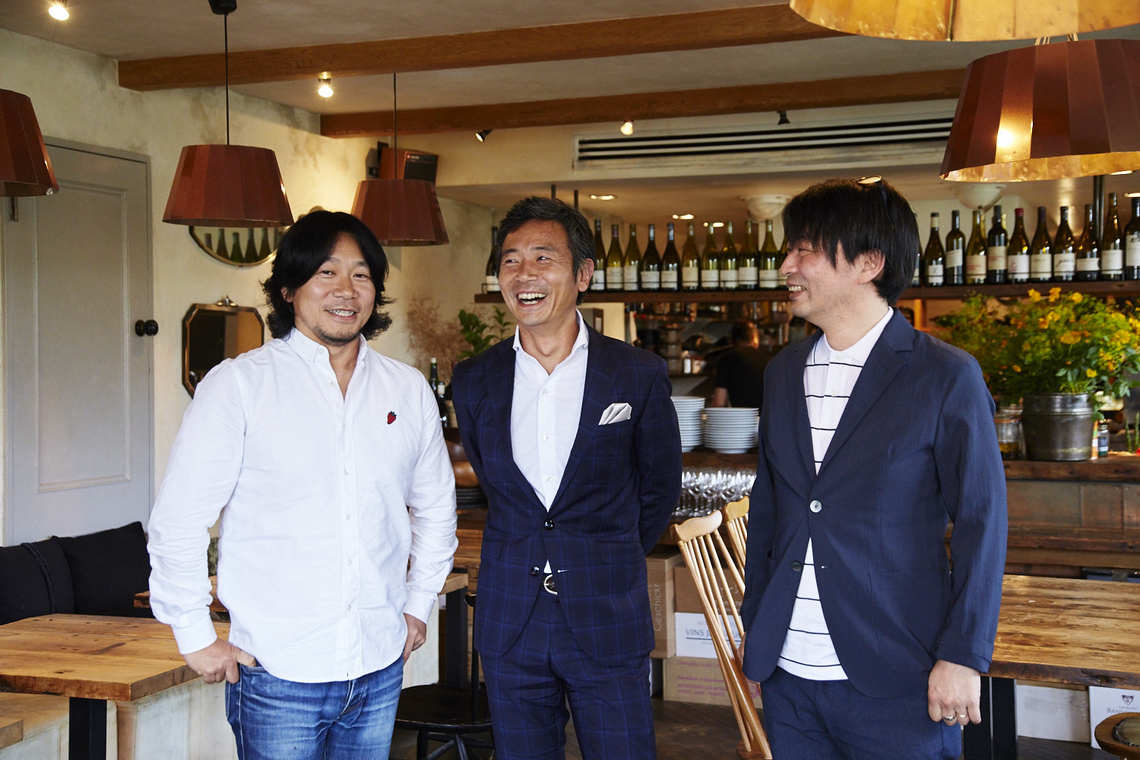
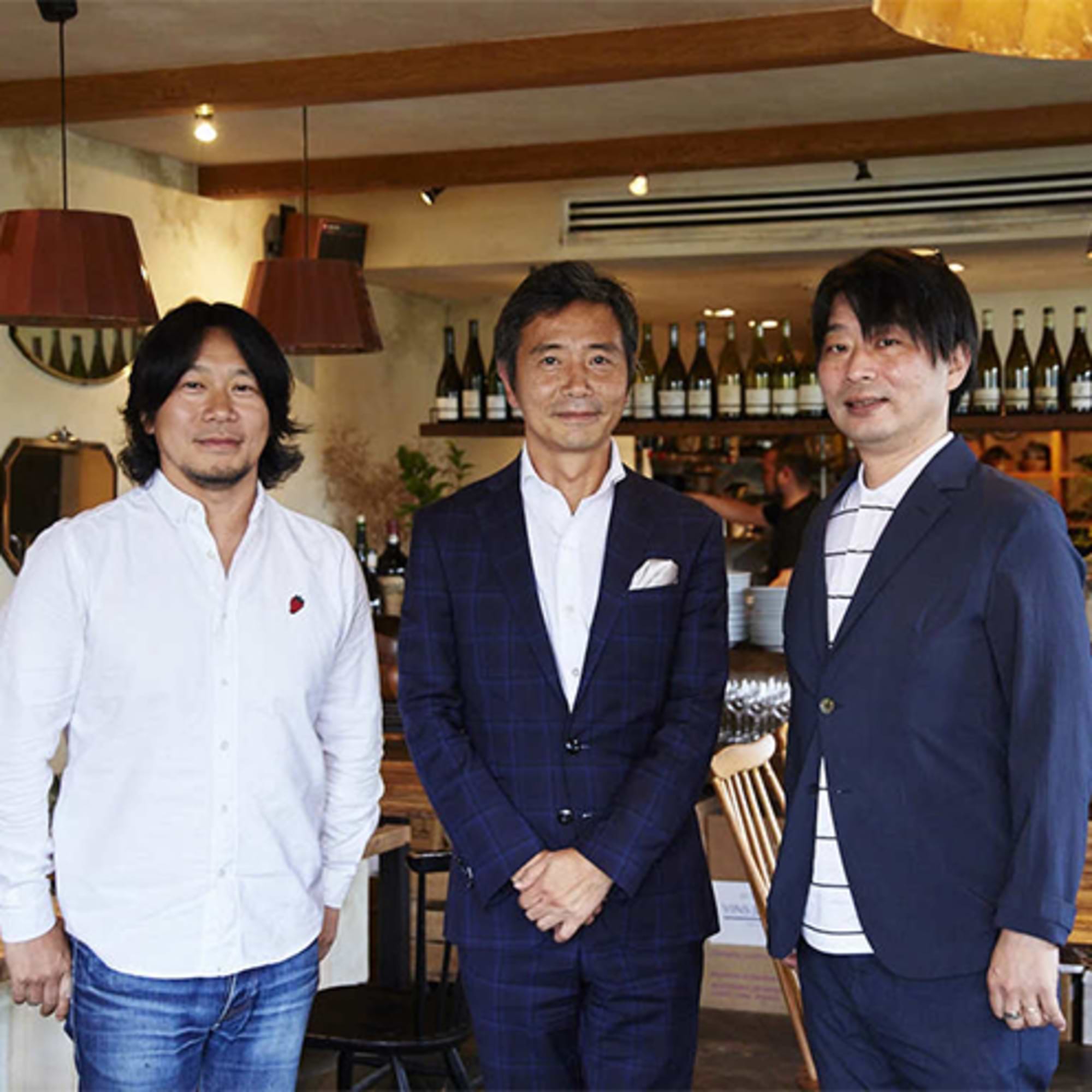
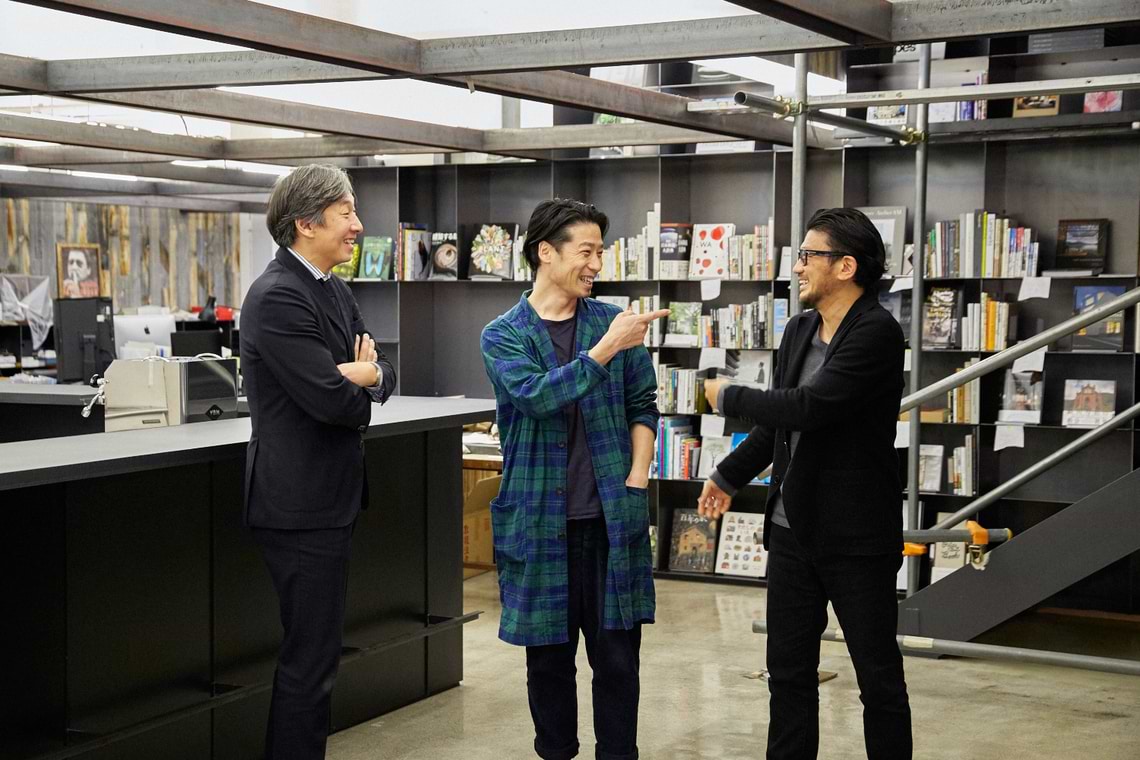
Dentsu Live Inc. creates "Moments of Truth." Whether in spatial development or events, producing food and beverage content is crucial. Especially since entering the SNS era, the viral power of "food" has gained significant attention. This time, Creative Unit Leader Tsuyoshi Kishina hosted a discussion with Shujiro Kusumoto, President of Café Company—a valued ally and steadfast partner for Dentsu Live Inc.—and Sadahiro Nakamura, President of Transit General Office.
Interview & Editing: Aki Kanahara, Dentsu Live Inc., Creative Unit, Creative Room 2
Japanese hotels and restaurants still lag behind global standards
Shinomiya: What's Tokyo's biggest weakness right now? Hotels in advanced cities overseas seem to offer more diverse formats.
Nakamura: From a global perspective, small Japanese restaurants are fine, but I feel the overall global standard level is completely missing. For example, if you open a restaurant that could easily compete in New York, it gets packed with foreigners in no time.
Even at "Apollo," a Greek restaurant, 70-80% of the customers are foreigners on weekends. That makes me think Japan lacks the atmosphere, music, and staff level expected at a globally competitive establishment. So, I see this as a business opportunity.
Kusumoto: Because so many renowned restaurants are small-scale establishments, they don't make it into Asia's Top 50. Essentially, the votes get split.
Kaminami: So, do Japan's renowned restaurants not make it into the Top 50 in the first place?
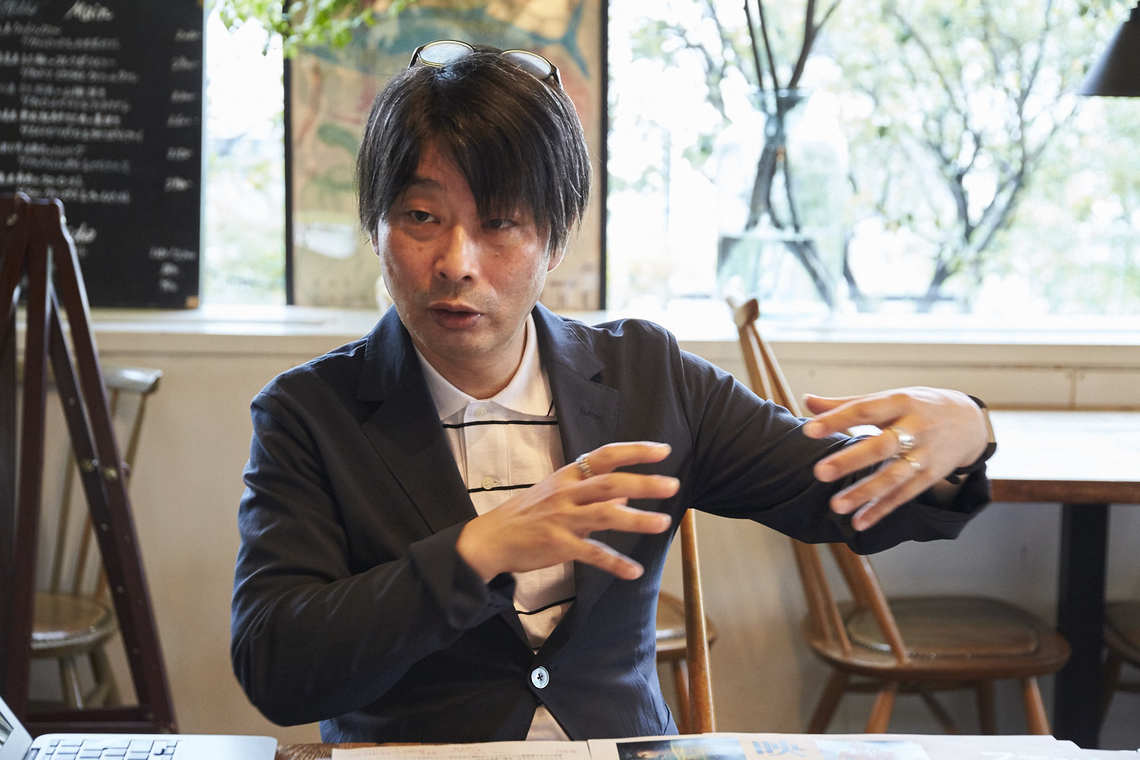
Mr. Kishina
Kusunoki: They do make it, but near the bottom. While I think there are still overwhelmingly many top-tier hotels in the US that Japan lacks, on the other hand, I believe Japan possesses its own unique charm—something foreign visitors specifically seek—in considerable measure.
The fact that Airbnb users accounted for over 15% is symbolic, right? That means over 15% of the 25 million inbound tourists stayed in private lodgings. No other country has that. When regulations ease next year, it'll accelerate even more.
Until now, Japan was considered a society of universal middle class, so there are few ultra-high-end restaurants or hotels meeting global standards. Yet, there are plenty of reasonably nice business hotels. But there aren't many decent options for backpackers either.
Look down at the average income, and it keeps falling. In this global situation where only the Japanese seem to think everyone is middle class, there's a huge divergence in needs emerging. And the facilities don't match. So, as inbound tourists keep increasing, Tokyo and Japan right now lack the capacity to handle the diverse crowd that comes with it.
Meanwhile, old houses are multiplying—essentially, vacant homes are proliferating. The question is how to utilize them. Unique Japanese ways of traveling or enjoying food are probably being discovered more and more by foreigners. When that happens, I think a trend will emerge where Japanese people themselves start to delight in rediscovering these things.
For example, a rice ball made by a farmer's wife in Tottori might get two Michelin stars. I think we're probably heading into that kind of era.
"Culture" doesn't emerge without plenty of competitors
Kaminami: In Japan, revenue models based on legal regulations and formulaic marketing are still deeply entrenched. Often, this automatically determines what gets created. Moving forward, I hope we see diverse styles and values emerge—like bookstores you can stay in, or a single building housing backpacker lodging and penthouses.
Kusumoto: Expressions are increasingly shifting towards "from things to experiences" or "experience-based business," right? What that means is there's something like "I can't take it anymore, this moment!" – so there should be some kind of surprise for the participants.
If you lean too far into marketing, it becomes the complete opposite of surprise—maybe there's a sense of security, but no surprise.
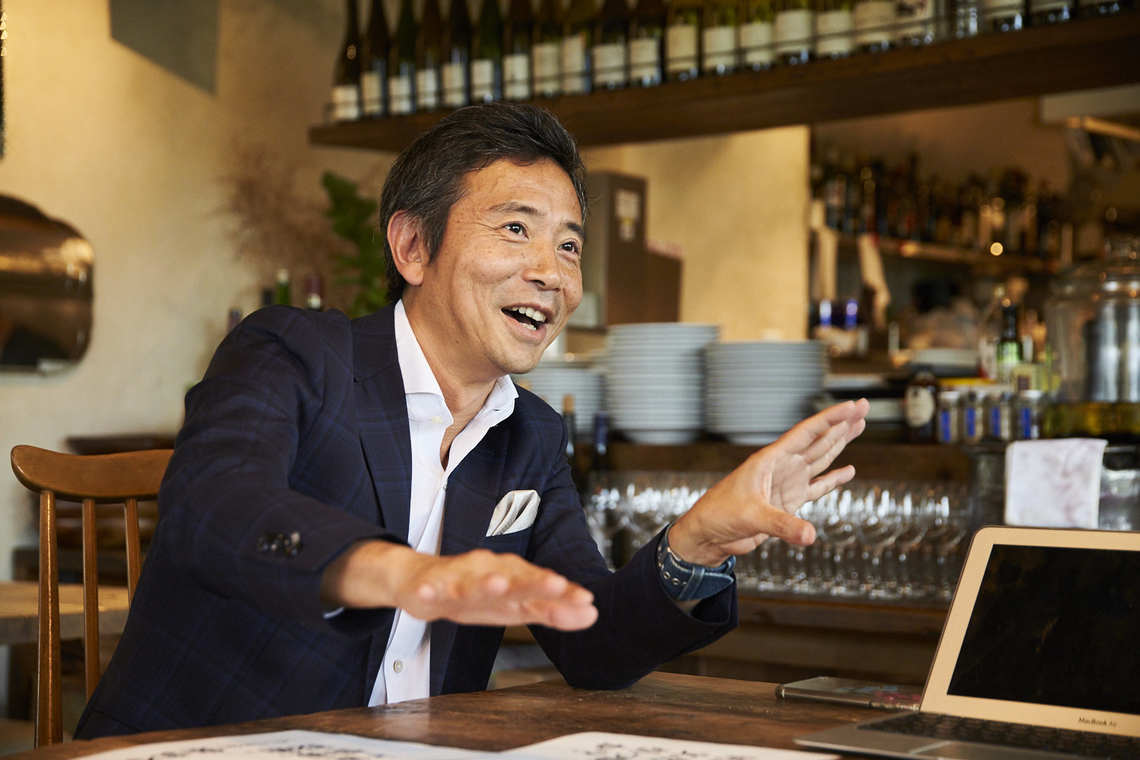
Nakamura: Fundamentally, culture can't be created by just one person or one company; you need lots of competitors. For example, when "Gold" opened in Shibaura, a new night scene culture was born.
All kinds of people gathered there and partied every night. It opened when I was a freshman in college, so I went there constantly. People from the film industry, musicians, fashion industry folks—everyone gathered there. I really felt the culture.
The first time I went to Gold, I thought, "Ah, this is just like New York." I'd experienced that shocking nightlife scene in New York, and I was moved to realize I could experience it in Tokyo too.
Kusumoto: What Nakamura-kun is describing—that intense foreign vibe, that sense of excitement—I think it's difficult for Japan to achieve unless we aggressively bring in foreigners and create special zones that function as entertainment outposts for them.
For example, they built this artificial island at the end of the canal in Istanbul. It's basically like a floating Dejima, and it's all clubs.
Kaminami: Is that really a thing?
Kusumoto: It exists. 2020 might be the perfect time to pull off something that big.
Tokyo is too vast, lacking navigation?
Kusumoto: Sushi became globally popular partly because of its logical appeal – it's raw food, gluten-free, low-fat.
When showcasing Japanese cuisine—not just for overseas expansion, but also involving gastronomes and celebrities gathering from abroad—there's that refined, one-on-one battle between the sushi chef and the customer, like with sushi. But I think Japan as a whole could really come alive if people from other fields—those who've been doing fashion or film—start producing more opportunities for people to experience the whole dining scene.
As Nakamura-kun mentioned earlier, from an overwhelmingly global perspective, when viewed through the eyes of those people, there are only small individual shops. There are very few mechanisms that make you think, "When you come to Tokyo, let's all gather right here!"
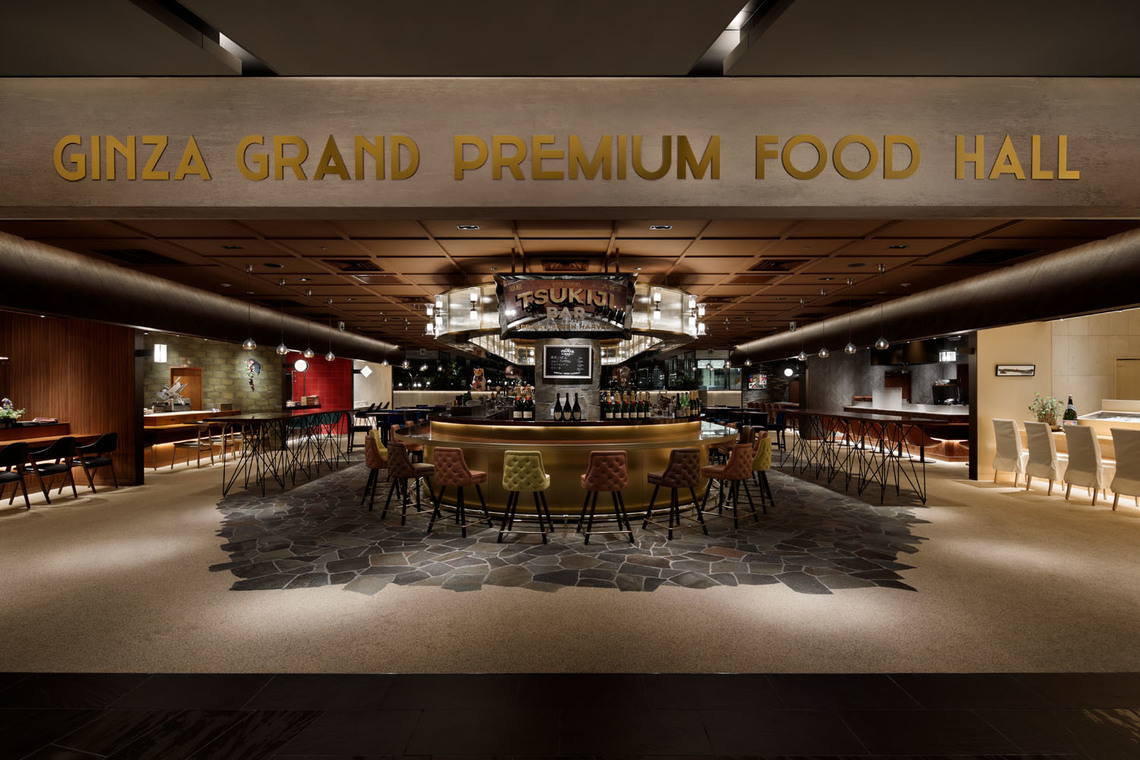
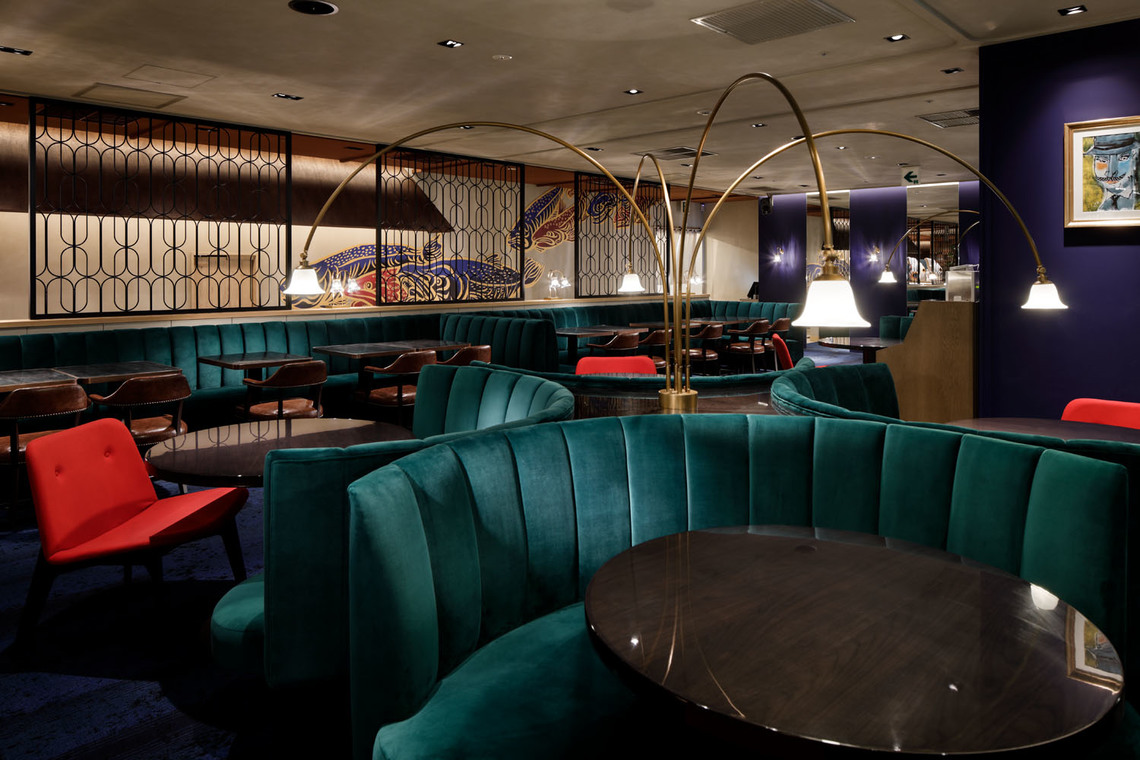
That's why we created the Ginza Grand Dining Hall at GINZA SIX. We aimed to build a Japanese version of Eataly. We need to truly grasp why Japanese food resonates globally, and then aim to reach that level on a higher plane. I think the entire food industry should strive towards that.
Kaminami: Looking at old Tokyo Olympics materials, you see that ordinary Tokyoites actually had a really strong desire to welcome the world.
Kusumoto: I think the excitement will build up this time too. What I feel is overwhelmingly lacking is navigation. Tokyo has this labyrinthine charm, but still, it wouldn't hurt to give visitors a little more guidance.
The city is vast, and each area has its own distinct character. It would be great if those areas were characterized a bit more.
Kaminami: I'd like to explore various tour business ideas. Not just venues, but when people come to Tokyo, they could choose from different stories, each offering a unique perspective.
Kusumoto: Carefully designing those combinations and permutations, then proposing them in various forms, would be incredibly interesting.
Nakamura: When you go overseas, you can't survive without Uber, right? It's tough when Uber isn't available.
Kusumoto: A common complaint is the secondary transportation sector. Getting to the Shinkansen station is fine, and airports are good, but this isn't just Tokyo—Japan's secondary transportation is poor. There are tons of destinations all over Japan. Like wanting to go to Hida Takayama or Furano.
But once you get off the Shinkansen, what then? Calling a taxi costs 30,000 to 40,000 yen. We need a system that turns secondary transportation into entertainment, guiding you enjoyably to your destination. Uber could be one solution, but the lack of competition makes this area the weakest link.
Aiming for a global standard that's both international and distinctly Japanese!
Kaminami: Finally, could you share what you're currently interested in or want to do? What kind of welcoming spaces or experiences are you envisioning for when people come from all over the world in 2020?
Nakamura: I'm opening international food spots—last year it was Greek cuisine, this year Thai. Next, I'm aiming for Spanish and Vietnamese.
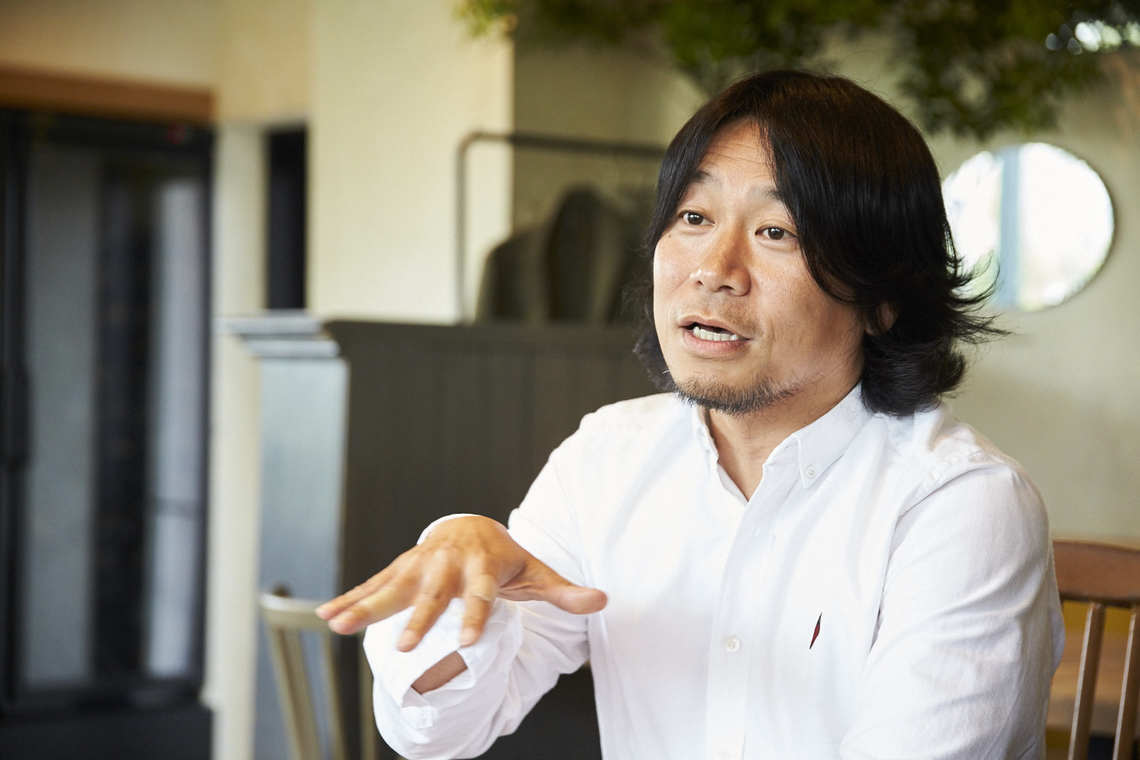
I want to open several international restaurants, each around 150-200 tsubo (approx. 500-660 sq ft), with a slightly dim atmosphere, loud music, and truly delicious food. The interior, staff level, and ambiance should all meet global standards – places you could take straight to New York. Beyond that, I want a restaurant that ranks among the World's Best Restaurants. Asia's Best Restaurants would be fine too, but I want a restaurant representing Japan that makes the top ten.
Furthermore, in the sense that more competitors are better, there are still far too few hotels. We want to get into that too. Rather than targeting backpackers, I think we need about ten more small luxury hotels meeting global standards, including our own. We want to build one of those ourselves.
I also want to invigorate the night scene, though I'm not really a night owl myself (laughs), so maybe a lounge. I want to create the world's best music lounge with a 360-degree night view.
So, a small luxury hotel, a massive lounge, and a huge restaurant. Plus, if we have the capacity, an incredibly stylish hot spring. Like a spa hotel. I've seen many overseas, and I want a hot spring-based resort near Tokyo.
Kusumoto: I find regional areas fascinating. Precisely because it's a town of around 50,000 people, figuring out what kind of character to establish, what kind of sacred place to make it, is really interesting.
Instead of thinking like a foreign invasion, the foreigner's perspective is interesting. When I travel abroad, I find it fun to compare places to "this is like ○○, right?" and locals get a kick out of it. So, I also travel around regional areas with them, and the starting point for that is always the hotel.
There aren't any hotels with a well-designed lounge function. In that sense, snack bars are great. I wonder how we could liven up the snack bars.
Kaminami: When you say a town of about 50,000 people, what scale should I imagine?
Kusumoto: I'm not fixated on 50,000 specifically. A town of 50,000 has its own dynamics, and one of 300,000 has its own. When you translate that into economic terms, there are still many hurdles. I'm thinking about how society might change over a span of about ten years.
I want to do work with social impact that responds to how society changes, so I'm thinking about getting a head start, even in regional areas. Things like glamping, which is popular now, or food trucks, restaurant buses – approaches like that. It'd be great if mobility kept getting more and more interesting.
I think this trend will become the norm. For community spaces unique to regional areas, snack bars are the best. Take foreigners to a snack bar, and they'll have a blast 100% of the time.
Nakamura: There's a snack bar in Ebisu called Mickey. It's always the final stop for entertaining our friends.
Kishina: What exactly draws people to snack bars?
Kusumoto: Foreigners really like karaoke, and I think they feel the unique atmosphere too. Places like Asakusa have lots of snack bars, right? Take them there, and they'll be thrilled. Ideally, the owner has a day job on the side (laughs).
Then the conversation turns to that side of things, and it gets really interesting. Like when a geisha boss runs a bar – taking people there gets the party really going. Maybe I should turn Cafe Company into Snack Company (laughs).
Kaminami: You two really have no shortage of things you want to do! Today, we got all sorts of hints from these two giants of the food and beverage industry. I'd love to become partners in bringing Dentsu Live Inc. to life together. Looking forward to working with you both going forward.
<End>
Was this article helpful?
Share this article


Newsletter registration is here
We select and publish important news every day
For inquiries about this article
Back Numbers
Author
Tsuyoshi Kaminami
Dentsu Live Inc.
Executive Officer / Executive Creative Director

Shujiro Kusumoto
Cafe Company
President and CEO
Nakamura Sadahiro
Transit General Office
President and CEO