
Note: This website was automatically translated, so some terms or nuances may not be completely accurate.
 Top 10 Digital Trends of 2018 [9/10]
Smart cities utilize all kinds of data.
Carat's TOP 10 TRENDS
Continuing from last time, we introduce the top 10 digital trends for 2018 from Dentsu Inc. Aegis Network's "TOP 10 TRENDS" report.
Today, people move around various locations using apps like Uber, CityMapper, Waze, and Strava, and cities are incorporating this data. The next step will likely involve utilizing data from all network-connected objects, such as cars and traffic lights. Here are some examples of how this acquired data is being used.
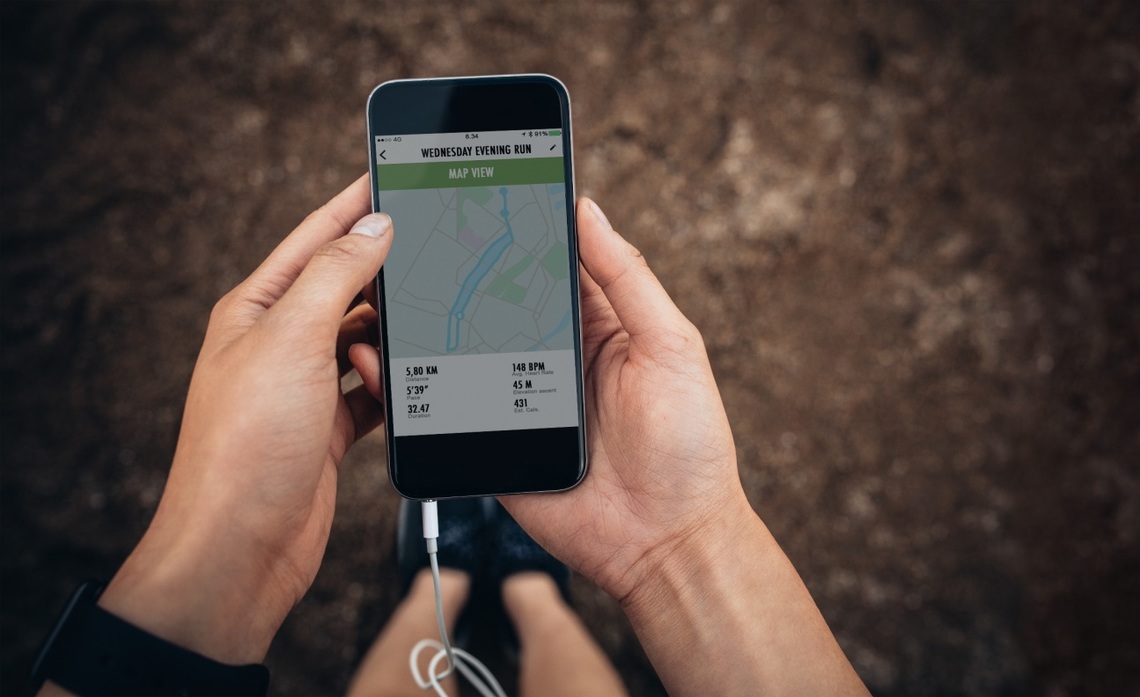
The running and cycling app Strava discovered that urban planners were using its data to gather insights. To help them utilize this data more effectively, Strava established a consulting division.
Google's navigation app Waze shares data with urban planners and transit agencies, enabling them to monitor real-time traffic flow and plan future projects.
The navigation app CityMapper gains various insights from its proprietary data and uses them to develop services like new night bus routes.
Strawberry Energy, which develops solar power systems for urban infrastructure, created a smart bench that provides free Wi-Fi and charging capabilities while also monitoring pollen counts, air pollution levels, and temperature.
In Australia, a sensor-based smart power network is being built to help accurately predict energy demand. South Korea's Goyang City has established a sensor network to support fire and sandstorm detection while also monitoring the locations of elderly residents. Meanwhile, China's Alibaba has signed a contract with Macau City to provide technology for its smart city transformation.

Smart cities are already using vast amounts of data for targeting outdoor advertising. Opportunities to provide new technologies, such as smart street furniture and smart transportation, will likely increase significantly. Some of these initiatives may even be privately funded.
Was this article helpful?
Share this article


Newsletter registration is here
We select and publish important news every day
For inquiries about this article
Back Numbers

Author
Carat's TOP 10 TRENDS
https://www.slideshare.net/NextGenerationMedia/carats-10-trends-for-2018