
Note: This website was automatically translated, so some terms or nuances may not be completely accurate.
 Business Solutions for an Ultra-Aged Society [4/4]
What is needed to solve the challenges of a super-aged society? Considering from the perspectives of psychology and business.

Yukiko Kurokawa
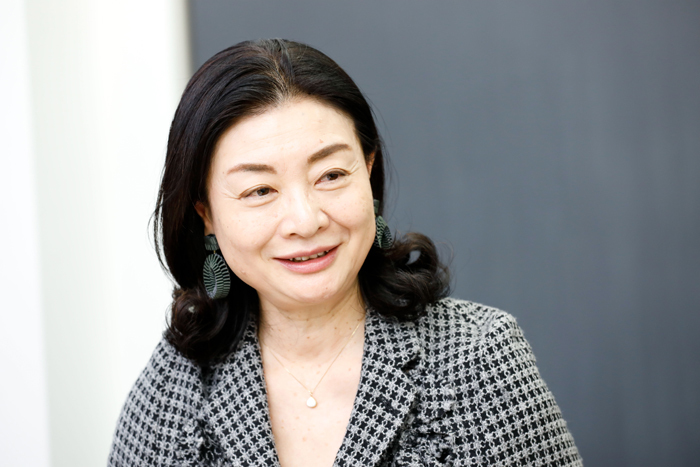
Yukiko Kurokawa, Director of the Gerontology Research Institute
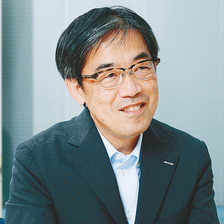
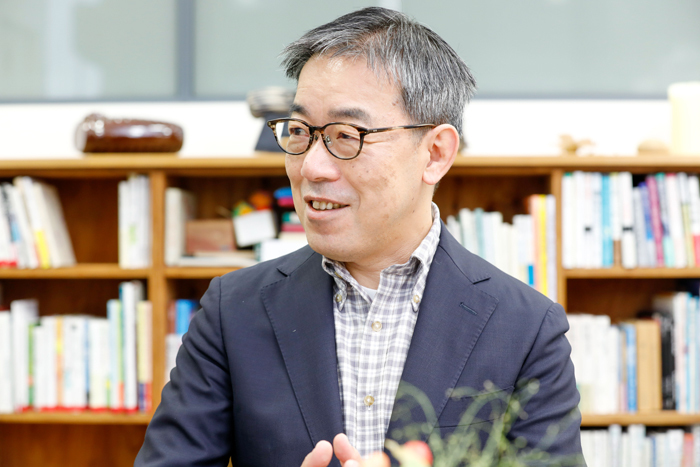
Tetsu Saito
This series has explored the significance, importance, and methods of solving the challenges of a super-aged society from a business perspective over three installments. This time, clinical psychologist and geriatric psychology expert Dr. Yukiko Kurokawa and Dentsu Inc. Senior Project Representative Toru Saito exchange views from their respective positions.
Creating an Interactive Relationship Between the Voices of the Elderly and the Business Perspective
Saito: My connection with you began after reading The Idea Book for the Future, which you gave me when we first met. I was deeply impressed. That was in 2016. What was the background for creating that book?
Kurokawa: Decades ago, when I first became interested in seniors, the elderly were not considered subjects for psychology and were largely ignored by society. As society aged, the senior demographic gained attention, and recently I've received more consultations from policy and business perspectives.
However, many people don't truly understand the realities of older adults and have had little contact with them. Above all, I felt a sense of urgency that "the voices of the older adults themselves, who are directly affected, aren't being heard!" This led to the publication.
Saito: It's common for stereotypical images of the elderly to prevail when people don't really know them.
Kurokawa: In the singing club I run for seniors, until recently, military songs and pre-Showa era pop tunes were the main requests. Now, however, songs by Chanson and The Beatles are flying around. Needs change with each generation, so those involved must upgrade to keep up.
Saito: In ten years, we'll likely see more elderly otaku. The reality of the senior demographic is constantly evolving.
Kurokawa: Even within a generation, individuals differ, and the same person can be different yesterday and today, morning and night. Assuming that seniors particularly keenly feel the inconveniences, difficulties, and shortcomings everyone faces in daily life, I thought, "Couldn't listening to these micro, real voices spark various ideas?"
Saito: So, the book 'The Most Future-Oriented Idea Book' compiles ideas derived from the personal concerns of everyday people.
In contrast to your book, mine, *Creating Problem-Solving Businesses to Reduce "Troubles" in a Super-Aged Society*, gathers attempts by companies and ventures to solve the troubles of the elderly from a business perspective.

Kurokawa: If the micro-level voices we emphasize and the business perspective Mr. Saito mentions can interact, it might lead to solving these challenges.
What kind of society should we aim for? Considering super-aging with a philosophy
Saito: As aging accelerates, the immediate focus is on the 2025 problem—when the baby boom generation enters the late elderly stage (75+). Challenges pile up: lifestyle and care issues due to health changes, rising social security costs, and more.
Kurokawa: This institute has also started receiving many consultations from those involved in business succession. Roughly half of small and medium-sized enterprises (SMEs) with owners over 70 have not secured a successor.
Saito: That will inevitably impact the economy. Until now, challenges related to the elderly were considered the domain of government and social welfare organizations. However, going forward, government and private sector collaboration is essential to keep pace. Globally, there's also growing momentum for businesses to tackle social themes like the SDGs.
What's crucial is that young people in Japan are now stepping up to take action. That said, commercializing ideas that address super-aging challenges is no easy feat. There are simply no precedents globally.
Kurokawa: Precisely because of that, we're standing at a stage that's incredibly challenging and exciting right now, aren't we?
Furthermore, we cannot consider the challenges of the elderly in isolation; we must also understand how the younger generations want to live their lives going forward. Super-aging is a particularly pressing issue for those in their 20s to 40s today. All challenges are interconnected, and it is vital to consider them holistically, including our philosophy of life.
Saito: We must consider super-aging based on what kind of society we ideally want to pursue.
Kurokawa: I recognize that an attitude of mutual respect and learning across generations and positions is crucial.
The origin lies in the N=1 mindset: listening intently to the voice of just one person.
Saito: I believe active listening is one essential element for businesses tackling the challenges of a super-aged society.
Kurokawa: Our livelihood as clinical psychologists is to continuously listen to the voice of the single person right in front of us. What is spoken there are personal struggles occurring in the micro world. The challenges manifesting in the macro society are the collective sum of each individual's constraints, inefficiencies, and shortcomings.
Every single person has their everyday life and naturally desires happiness. If we haven't cultivated the sense to truly feel another person's life and feelings, things can go terribly wrong.
Saito: Yet, it's difficult to truly internalize these issues as our own; they often feel like someone else's problem. I'm frequently asked, "Will this product sell to the elderly?" My usual response is, "Do you think your own grandparents or parents would buy this service?" It's about the importance of N=1.
Kurokawa: There are many examples where products conceived from the perspective of "How can I help this person?" later gained widespread support.
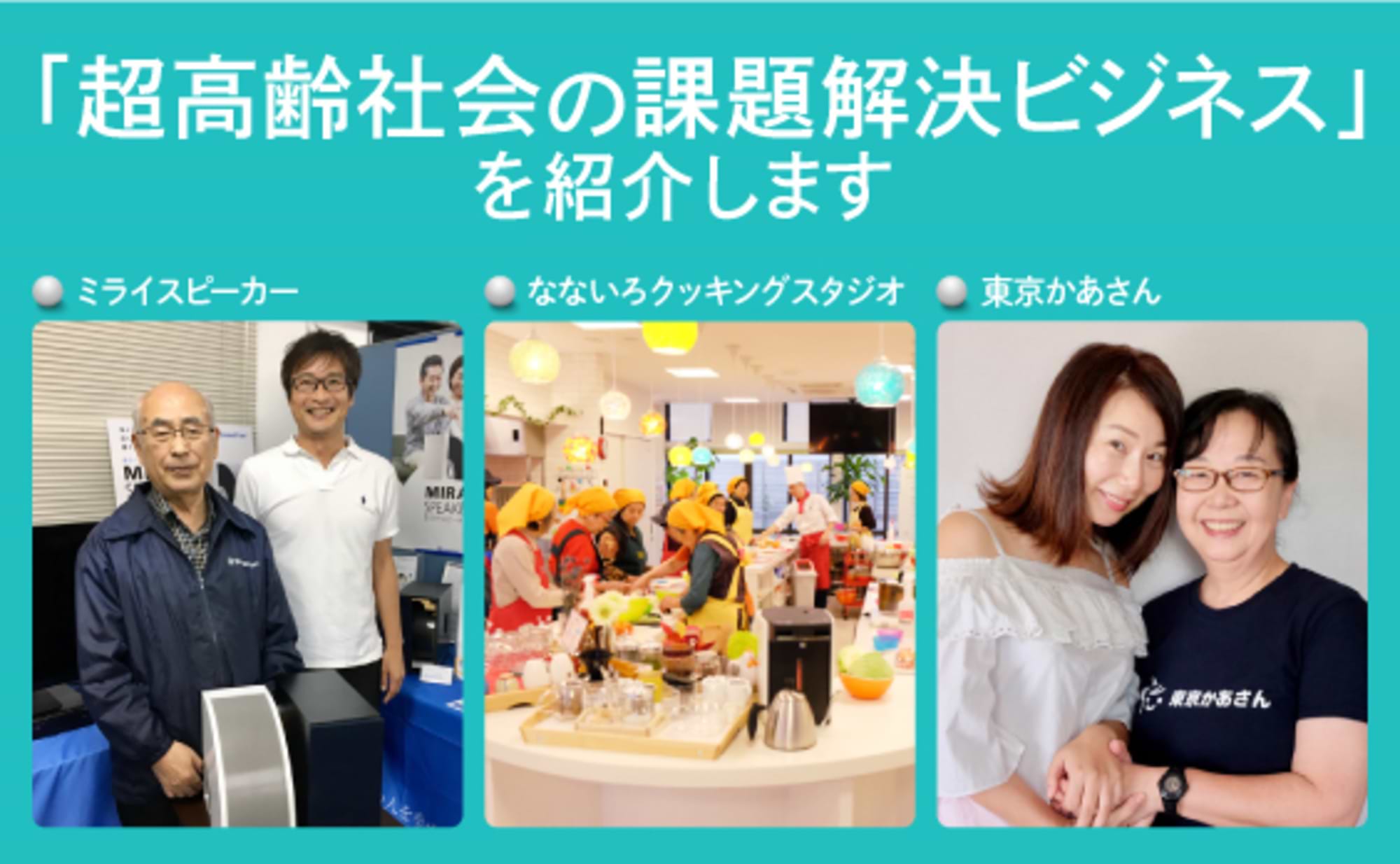
Saito: Most of the products and services introduced in 'Creating Problem-Solving Businesses to Reduce the "Troubles" of a Super-Aged Society' are also based on strong personal convictions rooted in individual experiences. Consequently, the examples tend to center on startups. Within large corporate systems, it's often difficult to realize individual visions. Therefore, we can also consider the idea of dividing roles based on attributes – supporting startups, investing in development, and so on.
Take a medium-to-long-term perspective and persistently iterate through trial and error
Kurokawa: You can't create a good service unless everyone involved takes ownership, deeply understands the needs, and builds it meticulously.
Saito: Doesn't that require investing significant time? Even the startups featured in the book rarely saw their ideas take off smoothly. Pioneering new paths demands time to accumulate knowledge.
Kurokawa: We've truly reached a time to reevaluate the value of taking time. Rather than churning out and scattering many things within a set timeframe, shouldn't we return to the artisanal value of taking time to work carefully?
Saito: It's true that cases where they took a medium-to-long-term approach often succeeded better. It's crucial to keep retuning while listening to the other party's voice.
Kurokawa: I want to convey to young people that slowly accumulating learning and work in this way holds meaning for both themselves and others in the long run.
Saito: We want to support efforts to solve societal challenges and create opportunities for those who wish to join these initiatives in the future.
Was this article helpful?
Share this article


Newsletter registration is here
We select and publish important news every day
For inquiries about this article
Back Numbers

Author
Yukiko Kurokawa
Yukiko Kurokawa, Director of the Gerontology Research Institute
Doctor of Public Health, Clinical Psychologist.