
Note: This website was automatically translated, so some terms or nuances may not be completely accurate.
 Flip the Switch to "Excitement." —The Essence and Potential of Online Education— [4/5]
An educator is a navigator of excitement.

Shugo Yanaka
BBT University School of Business Administration Department of Global Management Department Chair and Professor
 Floor space: 0 square meters. BBT University, Japan's first institution offering 100% online business education. Current students residing in 110 countries gather in cyberspace. We spoke with Professor Shugo Tanaka, Head of the Global Management Department, who stands at the forefront of this initiative, about the essence and potential of online education. (Part 4)
In the articles so far in this series, I've shared perspectives I particularly value, gained from my firsthand experience at BBT University. Education is "a place to rediscover excitement and flip that switch." That excitement lies hidden within each individual's life story. Understanding that background facilitates smoother communication in online education. This time, I'd like to discuss the unique role of educators in an online setting.
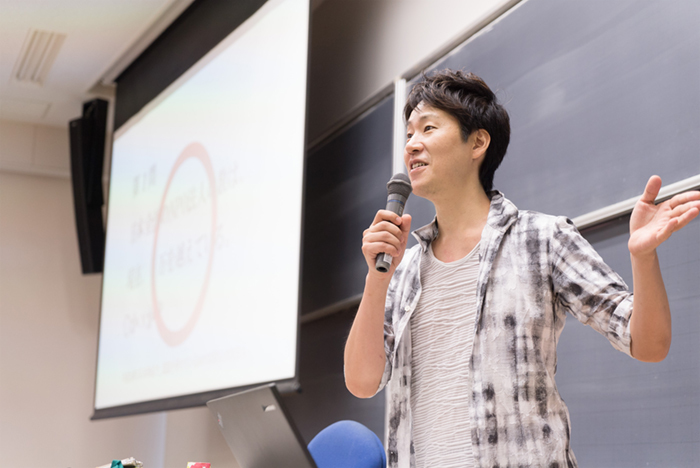
As has been clear throughout our discussion, for me, the educator's greatest role is flipping the "excitement switch." Excitement is that feeling of "getting completely absorbed" or "liking something without needing a reason." It's an impulse to do something simply because you want to, not because of social expectations, societal rules, or common sense. When people remember their own excitement and that switch flips, they start moving on their own. So, in a way, an educator only needs to fulfill the role of flipping that excitement switch.
Of course, educators themselves must deeply understand excitement to flip that switch. Are they living an exciting life as individuals? Essentially, it's about how they live. Whether in person or online, this naturally resonates with others. It's a simple principle: being around excited people makes you excited too.
Fortunately, I've personally spent my life pursuing excitement in my own way, so I can speak from experience. Otherwise, I wouldn't be writing this article (laugh). When you really think about it, excitement drives spontaneous action—it's not something you deliberate over.
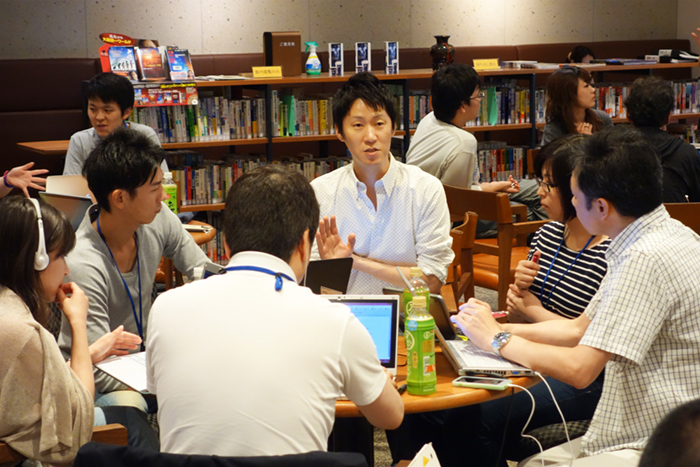
If I had to put it into words, maintaining a stance of finding everything interesting is effective. By finding joy in and actively engaging with all sorts of things in the world, you inevitably accumulate a vast reservoir of experiences. Society often refers to this as "cultivation." In other words, excitement adds depth to your lived cultivation, and it becomes evident in every nuance of your conversation. And this excitement spreads to the people you interact with.
This mechanism is particularly crucial in online environments. Compared to real-world settings, the quantity and quality of information conveyed online are relatively diminished. Consequently, online settings demand that an educator's authenticity be genuine. Educators who possess genuine passion, have accumulated hands-on experience in their field, and hold specialized knowledge will convey that authenticity online. Conversely, educators lacking substance will have their shallowness exposed even more starkly online. Therefore, before focusing on methodology, one must firmly commit to embodying genuine authenticity.
Beyond that, educators need specific online teaching techniques. One is the "presentation" that makes online classes and discussions enjoyable. This includes: - Clear and engaging explanations - Slides shared on screen that are visually appealing - Videos or photos that draw viewers in - A comfortable pacing Fun little anecdotes. Essentially, keeping things engaging means preventing boredom. This awareness and skill are essential. While these qualities are also valued in real-world education, they require greater refinement in online settings due to varying viewing environments.
The other is "online facilitation" – masterfully handling one-to-many interactions with deep knowledge of the online environment. If educators don't thoroughly understand the characteristics of online tools, they'll get stuck at the crucial technical stage before even getting to the main content. For instance, they must be able to act as an operator, immediately adjusting settings themselves—like unmuting a student's microphone or fixing poor audio quality—when needed. Beyond that, they must skillfully weave in questions at key moments, incorporate chat interactions, and naturally engage the audience throughout the session. Think of it as the role of an MC and operator combined, akin to a variety show host.
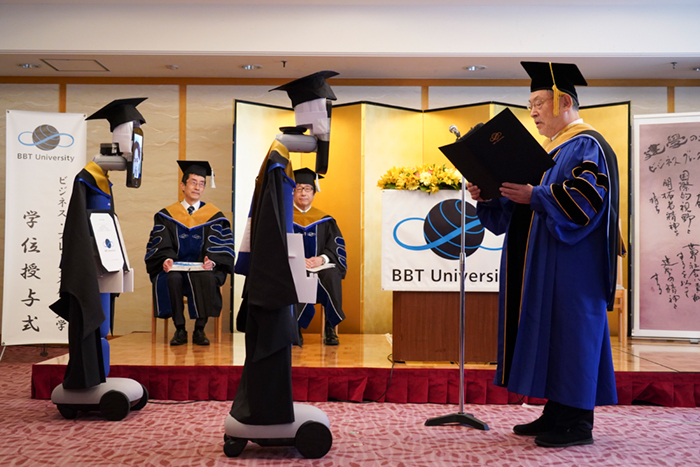
Viewed this way, educators can be defined as navigators of excitement. At BBT University, where I work in online education, we have a team of practitioner-faculty members, led by President Kenichi Ohmae, who are carving out their own paths in life driven by excitement. Our students, studying business from 110 countries worldwide, also share this passionate desire to forge their futures based on excitement. I firmly believe that when Japanese educators begin to take on the role of excitement navigators, not just instructors, society will undergo significant change.
Was this article helpful?
Share this article


Newsletter registration is here
We select and publish important news every day
For inquiries about this article
Back Numbers
Author
Shugo Yanaka
BBT University School of Business Administration Department of Global Management Department Chair and Professor