Note: This website was automatically translated, so some terms or nuances may not be completely accurate.
 Food Lab Researcher Visits! A Preview of the Future Experience Report [4/4]
Reducing Food Loss: Lessons from Craft Beer Made with Surplus Ingredients.
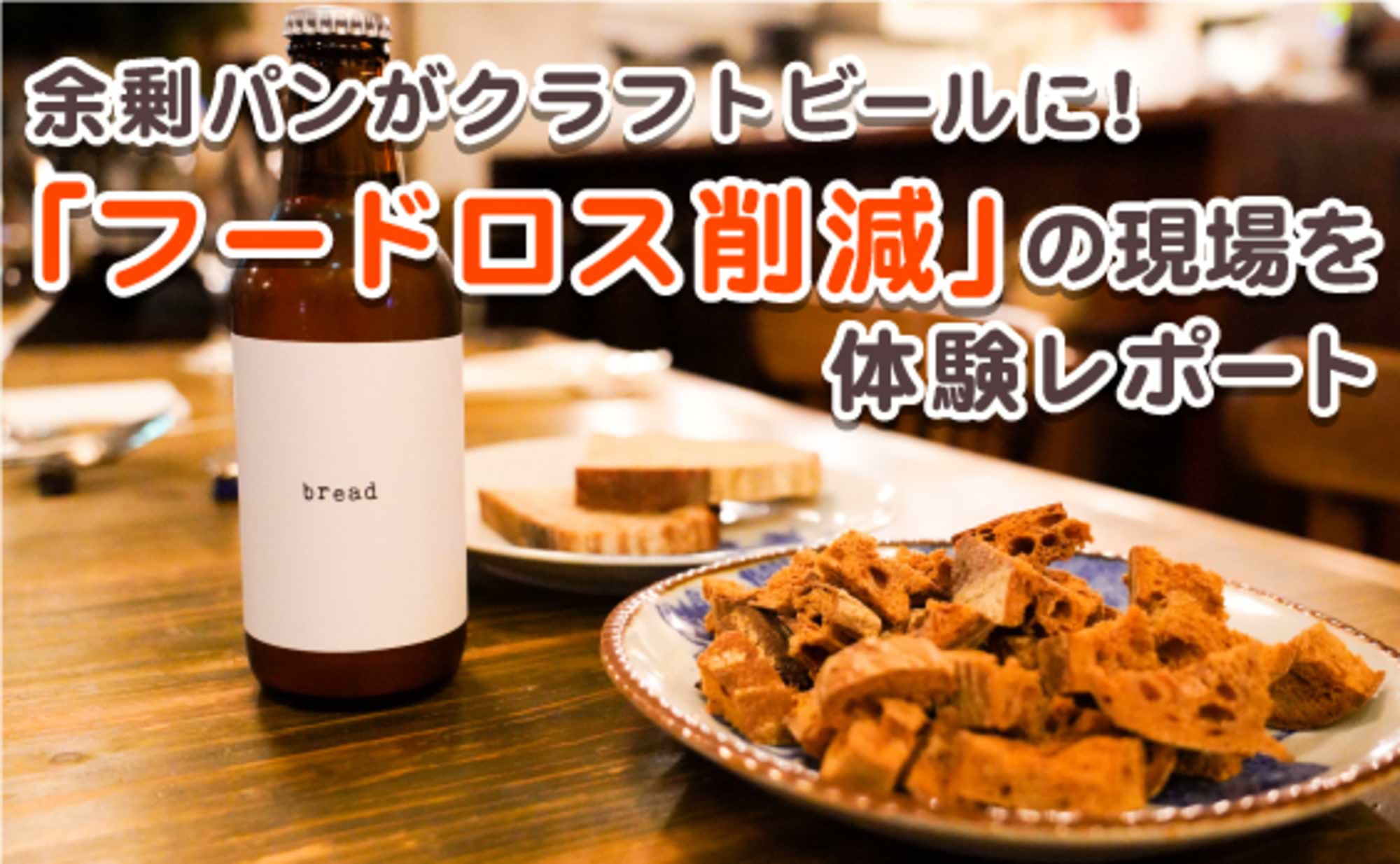
The third installment of the Food Lab Future Food Project series, "Food Lab Researchers Go There! Future Trends Experience Report," focuses on "Reducing Food Loss." The Food Lab Upcycle Team will introduce key points and approaches for eliminating food loss through two initiatives.
Now, suddenly, but do you know the origin of beer? (If you do, you're quite the beer connoisseur!)
Beer and bread are a perfect match
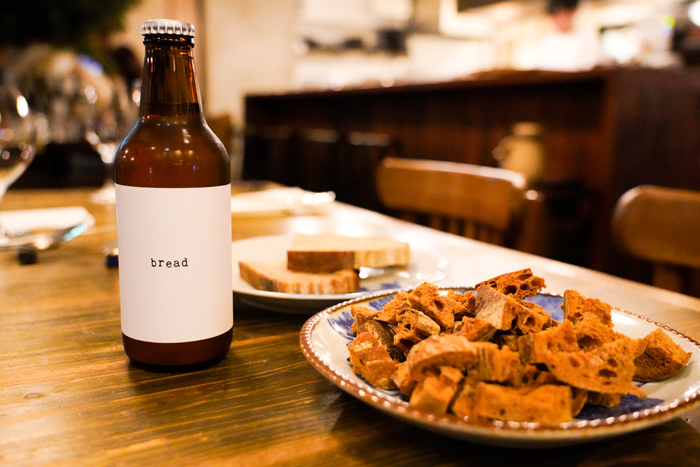
It's said beer originated in the Neolithic era when bread made from barley got soaked by rain and accidentally fermented. That's why beer is sometimes called "liquid bread," and these two actually pair incredibly well together. Now, after thousands of years, beer has reunited with bread in the modern era. And not just any bread—bread that would otherwise be sadly discarded.
Craft Beer Made from Surplus Bread
Craft beer is currently booming worldwide. One reason for its popularity is the freedom in recipes. Breweries that create unique flavors using unexpected ingredients like pepper or peaches, alongside malt and hops, are gaining traction.
Belgium's small brewery, Brussels Beer Project, pioneered using discarded bread as a craft beer ingredient. Inspired by Britain's Toast Ale—which uses surplus bread from sandwich production—this initiative to reduce food waste has spread globally. And now, to Japan.
A shared philosophy of valuing sustainability resonates
First, we spoke with Fuminobu Nukie of Roppongi's "Bricolage Bread & Company," who created "bread beer" in 2019. Then, we spoke with Thomas Livsey, Emiko, and Takahiro Sato of the "Anglo-Japanese Brewing Company" (AJB Brewery) in Nagano.
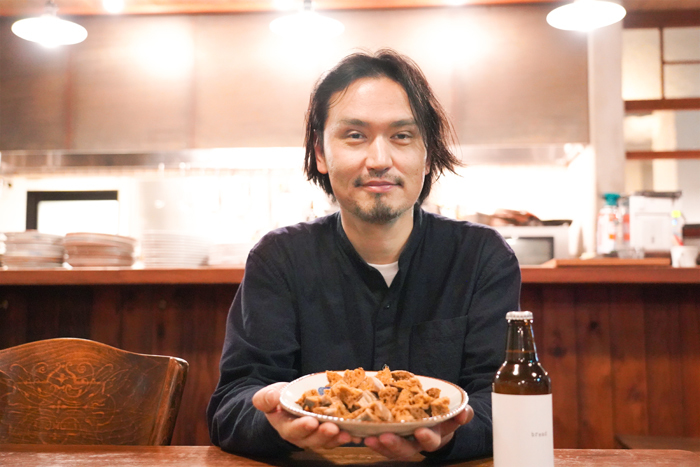
"Wouldn't anyone think it's a waste to throw away chocolate? That's because chocolate is delicious," says Mr. Ikue.
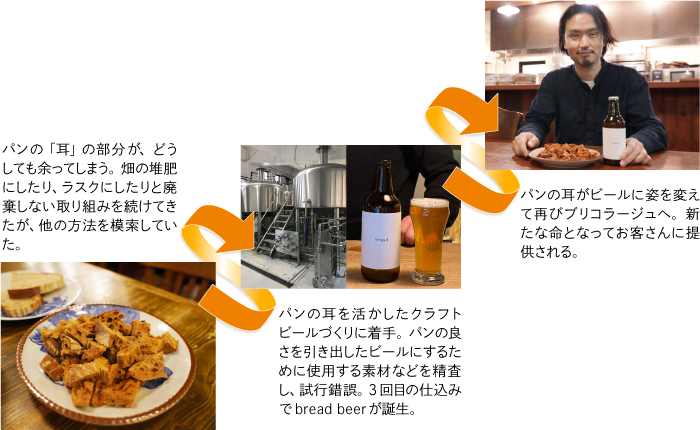
Mr. Namie explains that Bricolage Bread & Company prioritizes eliminating unsold bread above all else. In fact, nearly all their bread sells out daily. On top of that, since opening, they've consistently worked to get close to zero waste, like turning leftover bread into compost for their fields. Even so, there were inevitably leftover "bread crusts" that needed a use. While searching for ways to utilize them, they met Livsey and her husband from AJB Brewery through Genki Nakamura of "530week," an initiative promoting a "0 waste" lifestyle.
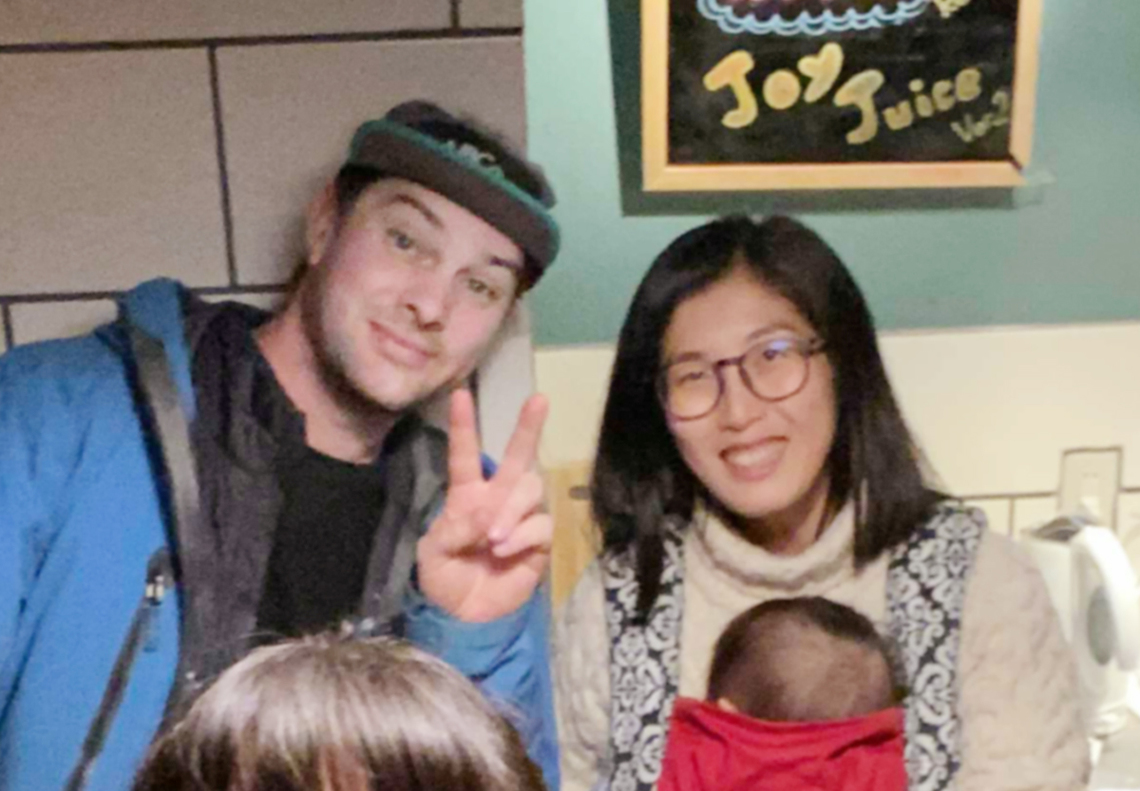
"If it doesn't taste good, using surplus ingredients is pointless" (Thomas & Emiko)
AJB Brewery was also committed to brewing beer with nearly 100% zero waste, reusing spent grain from beer brewing as fertilizer for their fields or providing it as cattle feed to nearby farms.
The idea of brewing beer using leftover bread quickly moved toward realization. The point where both parties agreed was "focusing on deliciousness." Mr. Namie says: "Wouldn't anyone think it's a waste to throw away chocolate? That's because chocolate is delicious. So if we can make something just as delicious using surplus ingredients, we should be able to reduce food loss." The Livsey couple also shared, "If the beer doesn't taste good, using surplus ingredients is pointless."
The bread used for bread beer comes from the leftover parts of Bricolage Bread. It arrives at AJB Brewery baked crispy in the oven. According to Mr. Sato, they initially tried using it fresh for the first batch. Starting with the second batch, they decided to bake it first to better bring out its roasted aroma. This also extends its shelf life, killing two birds with one stone.
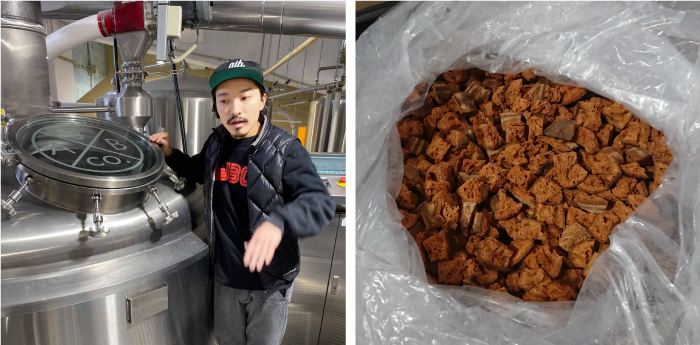
Malt and hops are selected to complement this bread. "We crafted the recipe by considering how to bring out the bread's inherent character," says Thomas. The only request from Mr. Nukie was "to create a taste as many people as possible can enjoy." After a second trial, the beer brewed in the third batch became the commercial product. This happened in about five months from the first batch.
Being beer made from bread, the first sip reveals a remarkably gentle mouthfeel. The rye used in the Bricolage Bread imparts a distinctive spiciness, and since the bread is roasted during the brewing process, you also sense its toasty aroma. In short, it's a very delicious beer that combines easy drinkability with unique character.
The Meaning of "Delicious"
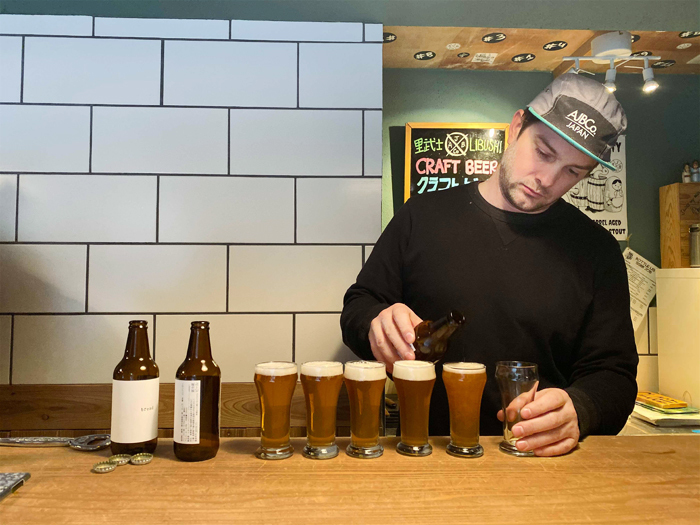
What impressed me most this time was their relentless focus on "deliciousness." Communicating the message of reducing food waste is important. But people can't sustain good deeds based on ideals alone. Their approach is to create delicious craft beer that everyone will love long-term, making food waste reduction sustainable. I felt their desire for many people to enjoy bread beer, even without knowing it was created to reduce food waste.
From Recycle to Upcycle
As with this bread beer, "Upcycle" means breathing new life into leftover ingredients by transforming them into something entirely new, rather than simply recycling them. During our interview, Emiko taught me this, and I felt the concept of "Upcycle" will be crucial for establishing food loss reduction in a sustainable way going forward. Furthermore, bread beer allocates 1% of its sales to fund 530week's activities, and I learned a great deal from the system they've built to expand this positive spiral.
Kamikatsu Town's "Zero Waste Declaration" and Craft Beer
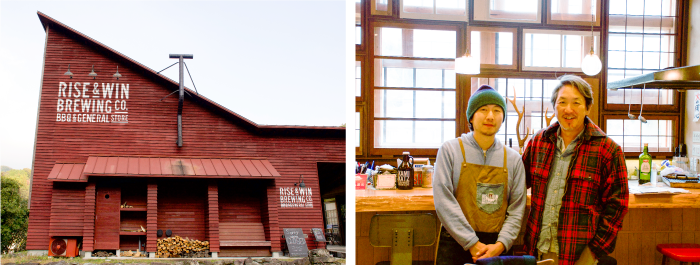
Another person I spoke with this time was Tatsuya Tanaka, founder of Rise and Win Brewing Company. Tanaka's brewery is located in Kamikatsu Town, Tokushima Prefecture.
Kamikatsu Town is notable for being the first municipality in Japan to issue a "Zero Waste Declaration" in 2003, pledging to achieve zero waste by 2020. The town has only one "waste station," where brought-in waste is sorted into 45 different categories (!). By 2019, it had achieved a recycling rate of over 80%. The town is now attracting global attention for its sustainable living initiatives, even drawing volunteers from abroad. Notably, the chairperson of the NPO "Zero Waste Academy" was selected as a co-chair for the Davos Conference.
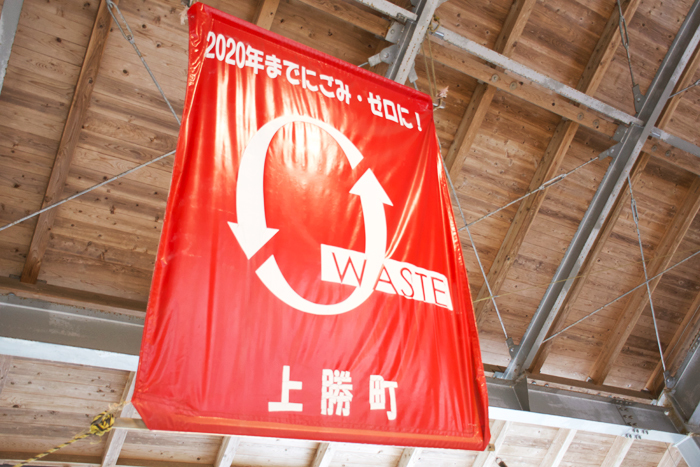
"To sustain good initiatives, generating profit is essential" (Mr. Tanaka)
Mr. Tanaka is involved as a business to drive Kamikatsu Town's "Zero Waste Declaration." Believing that "to sustain good initiatives, it's necessary to generate profit," he created Kamikatsu's unique craft beer—a tangible form that conveys the zero-waste concept without needing explanation.
Initially, they started Kamikatsu Department Store, a packaging-free bulk store, but it proved unsustainable as a business, forcing a change in plans. Learning that ideals alone cannot sustain a business, Tanaka was contemplating the next concept when he discovered craft beer. Two reasons led him to focus on craft beer.
Rise and Win's Upcycle
First, he saw potential to utilize Kaminokatsu's specialty ingredient, Yukō (a natural hybrid of yuzu and daidai citrus). Noticing the massive annual waste of peels left after juicing, he developed a craft beer recipe using Yukō. This is truly "Upcycle" – breathing new life into discarded ingredients.
The beer itself became an embodiment of Kamikatsu Town's zero-waste philosophy. As its deliciousness gained a reputation, the business began to gain traction starting in its third year.
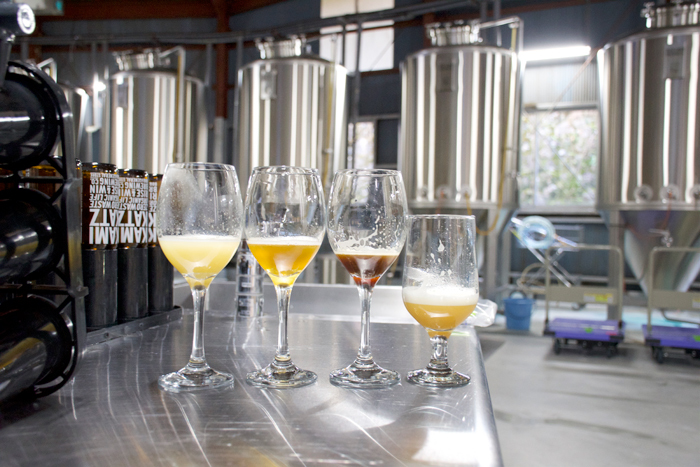
Another reason was the belief that craft beer could actively communicate Kamikatsu's initiatives. Indeed, Tanaka opened a shop in Tokyo where people can enjoy Kamikatsu beer. He says many customers first learn about zero waste while drinking the beer, so he's particularly focused on "deliciousness" to expand that cycle.
Furthermore, he considers "attractive design" crucial, collaborating with design and architecture professionals to advance the business. True to his words, everything you see at Rise and Win—starting with the products—is cool. The architecture of the shops and brewery is also captivating, making you excited to visit. When expanding the brewery in 2017, he even made a surprise visit to a renowned British architecture studio, won them over with his philosophy, and realized the project.
Tanaka's challenge continues, accelerating the zero-waste initiative with the opening of the new Zero Waste Center WHY in June 2020.
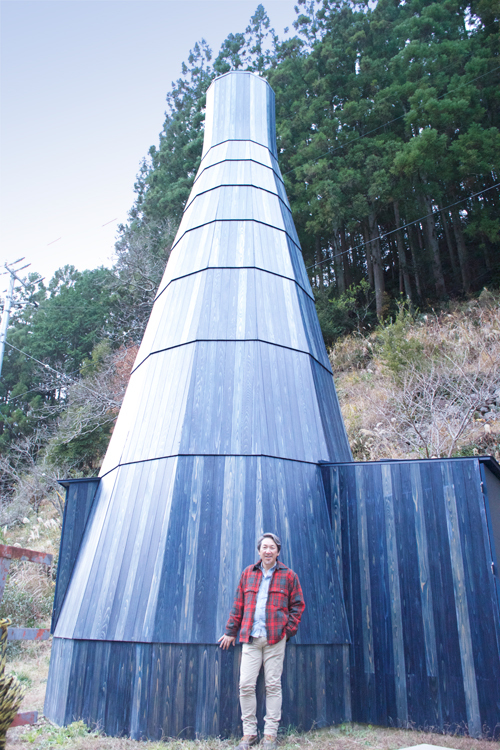
Expanding Upcycle
This time, we explored the approach of craft beer Upcycle with the theme of reducing food loss. Since this method can be applied to many more ingredients, I believe it could become one form of sustainable food loss reduction. The Food Lab Upcycle team will continue to explore new ways of creating value.
※This series was originally planned to start in March and has been in preparation since last year.
We hope you'll read it while imagining the "beyond" that lies after overcoming the huge wall of COVID-19 standing before us.
Was this article helpful?
Share this article


Newsletter registration is here
We select and publish important news every day
For inquiries about this article
Back Numbers
Author
Upcycle Team
Dentsu Inc. Food Lifestyle Lab