
Note: This website was automatically translated, so some terms or nuances may not be completely accurate.
 The Accelerating Digital Transformation of TV Advertising [3/3]
Programmatic TV advertising expands. What can PORTO tv do?

Ken Doi
VOYAGE GROUP, Inc.
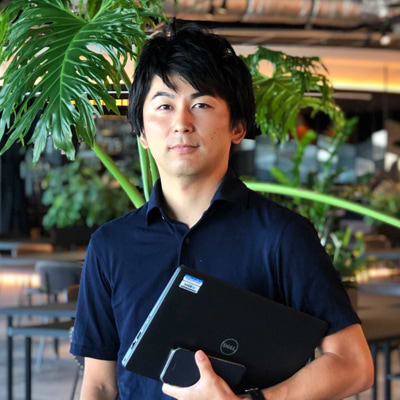
Tomohiro Kawase
VOYAGE GROUP, Inc.
Services for "programmatic TV advertising" are expanding, targeting companies like startups that have previously hesitated to place TV ads. Amid this trend, CARTA HOLDINGS, INC (hereafter CARTA ※1) and Dentsu Inc. jointly launched the TV advertising platform "PORTO tv" this past May.
What are PORTO tv's strengths? What lies ahead for programmatic TV advertising?
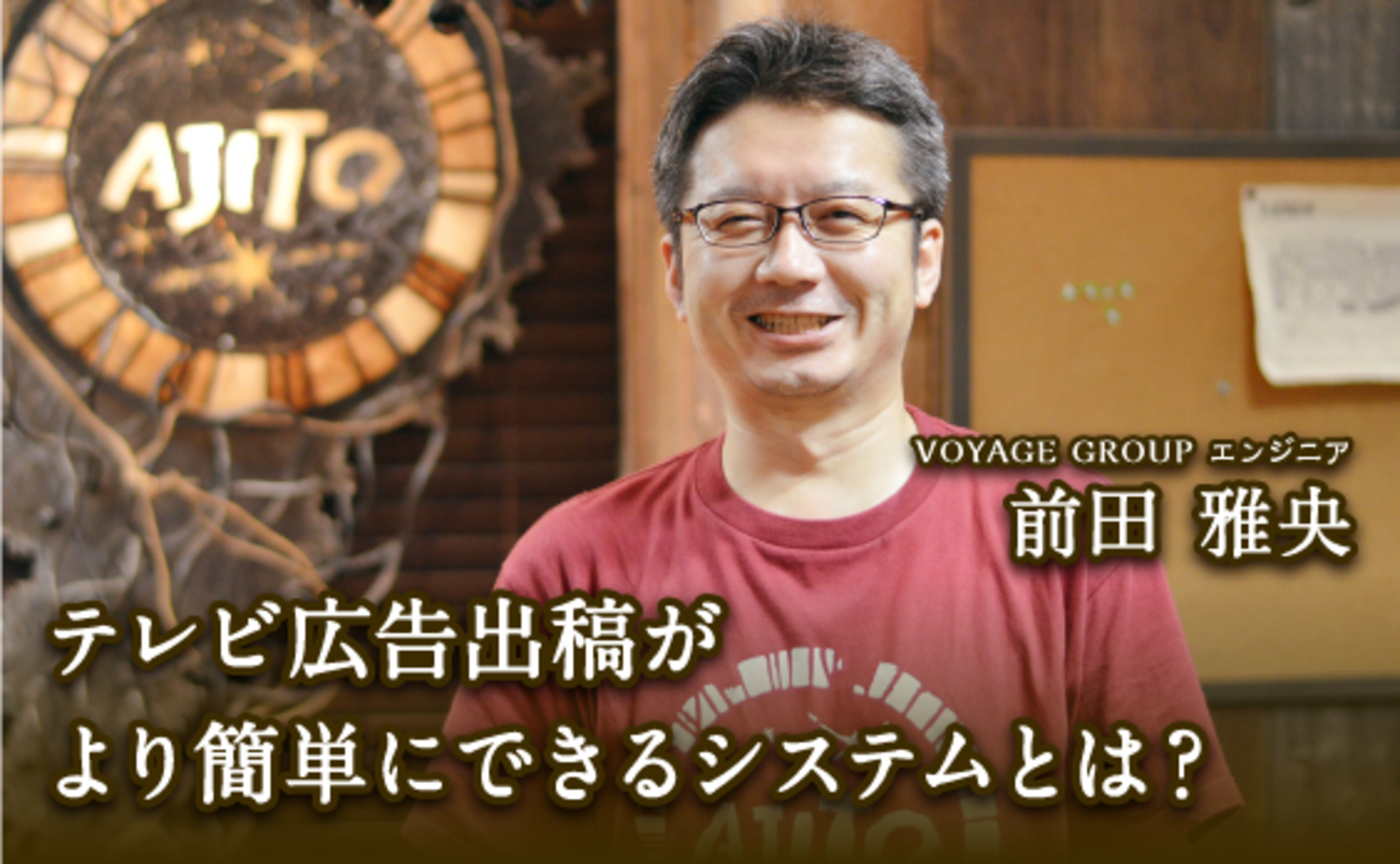
Ken Doi, who has worked with startups at VOYAGE GROUP (a CARTA group company and the entity operating "PORTO tv"), and Tomohiro Kawase, who has worked with TV stations at Dentsu Inc., discussed what advertisers truly need.
※1 CARTA HOLDINGS, INC: A holding company formed in 2019 through the management integration of VOYAGE GROUP, which broadly handles internet advertising platforms and media operations, and Cyber Communications Inc. (CCI), part of the Dentsu Group.
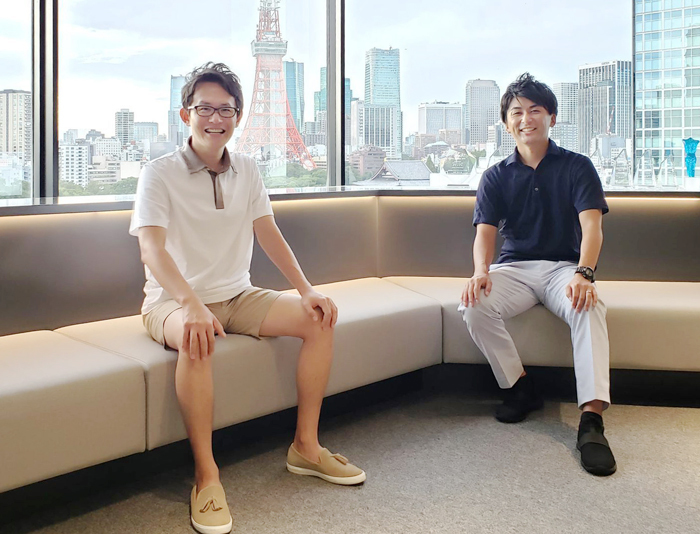
Enables TV ad placement and effectiveness measurement with the same ease as digital advertising
──PORTO tv is a service that allows advertisers to place TV ads via a dedicated dashboard. A major feature is the ability to quickly run simulations before placing ads and perform "effectiveness verification" afterward.
Doi: When advertisers input their budget, area, and target audience (age/gender) into the dashboard screen, it automatically simulates metrics like how much airtime the ad will get and its estimated viewership, based on data such as ratings.
Kawase: The "PORTO tv" dashboard displays various metrics. However, metrics commonly used in TV ad effectiveness measurement, like GRP (※2), might be unfamiliar to companies without TV advertising experience.
Therefore, for companies with extensive digital advertising knowledge but unfamiliar with TV advertising, we've included familiar digital metrics like CPA, CPI, IMP, and CPM (※3) on the dashboard. Reviewing these metrics makes it easier to understand the expected advertising effectiveness relative to the budget, allowing faster progression to the next phase of placing the ad.
Doi: Advertisers review the simulation results and place TV ad orders directly through "PORTO tv." Dentsu Inc.'s Media Services / Radio,TV Division receives these orders, negotiates with TV stations based on the advertiser's specifications, and secures ad slots. Additionally, creative assets can be ordered directly through "PORTO tv." After the ads air, performance can be measured by comparing the actual values of each metric against the simulation.
Kawase: This provides data that was difficult to capture with traditional TV ad measurement, such as "how many app installs resulted from the campaign," "which ad slots were effective," and "how effective the campaign was relative to its cost." Furthermore, the speed is compelling—using AI and other tools to automate measurement allows results to be understood as early as the day after airing, enabling rapid PDCA cycles.
CARTA supports PDCA based on this effectiveness measurement. CARTA is an organization formed by the integration of VOYAGE GROUP, which has an outstanding track record in the ad tech field, and Cyber Communications Inc. (CCI), part of the Dentsu Group. For example, if the CPI (Cost Per Install) isn't quite right, CARTA helps lower the ad space purchase cost. Conversely, it can search for areas where you can run ads at a slightly lower CPI than the current one, supporting efforts to maximize advertising effectiveness.
※2 GRP (Gross Rating Point): The sum of the audience reach per ad impression. For example, airing a commercial 4 times during a 10% audience share time slot results in 40 GRP.
※3 CPA (Cost per Action): Cost per conversion. CPI (Cost per Install): Advertising cost per installation. IMP (Impression): Number of times an ad was displayed. CPM (Cost per mille): Cost per 1,000 ad impressions.
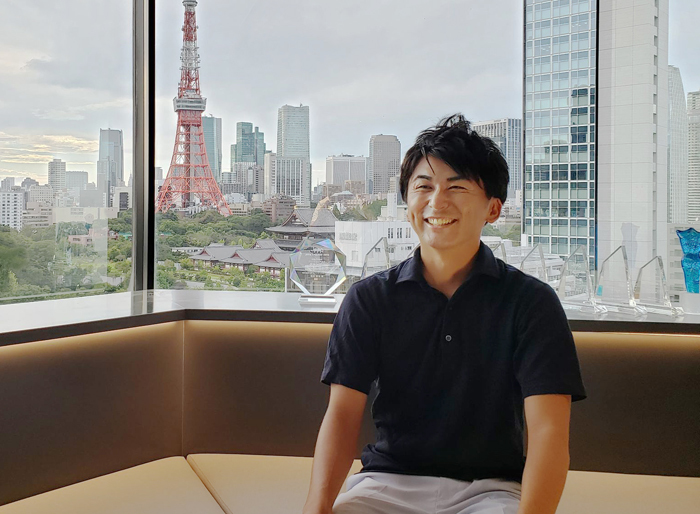
Combining extensive expertise in TV and digital advertising
──Services like "PORTO tv," which offer easy-to-use "programmatic TV advertising," are increasing now. What are PORTO tv's strengths within this landscape?
Kawase: One key factor is Dentsu Inc.'s unique expertise, built through years of experience in television advertising. We take pride in this being something no other company possesses. Companies unfamiliar with placing TV ads often struggle with how to interpret simulation results and post-airing reports to inform their next campaign.
Dentsu Inc. possesses vast amounts of accumulated data, including historical TV advertising performance records and awareness surveys. We also have diverse analytical tools and staff expertise. By effectively combining these resources, we can profile the audience persona for each program. Our strength lies in providing reporting plus additional, actionable advice.
Furthermore, Dentsu Inc. possesses decades of expertise in television advertising buying. Unlike online, TV advertising slots are limited in number. We must secure the most effective slots based on advertiser preferences—such as target regions and demographics—to maximize impact. This buying process differs from automated online transactions; it requires negotiation with TV stations and cannot be left to machines.
Doi: In addition to the TV advertising expertise Mr. Kawase mentioned, our proficiency in digital advertising is another strength. This year, Japan's internet advertising expenditure surpassed TV media advertising, becoming the largest share of Japan's total advertising spend. However, having worked in digital advertising for many years and now engaging in TV, I feel that the value of TV advertising isn't fully understood by companies.
Television advertising can actually be surprisingly cost-effective when converted to digital metrics like CPM. The format of commercials airing between programs is highly acceptable to consumers. If its effectiveness can be properly visualized and analyzed, it should be able to play a much more significant role in media planning. Precisely because we are well-versed in digital advertising, we understand the distinct value of television advertising.
Kawase: Exactly. "PORTO tv" combines Dentsu Inc.'s accumulated expertise in TV advertising with VOYAGE GROUP's digital advertising know-how. This allows us to seamlessly propose TV advertising to companies that invest heavily in digital but have never advertised on TV, or to those whose digital advertising effectiveness is waning and who are considering the next step.
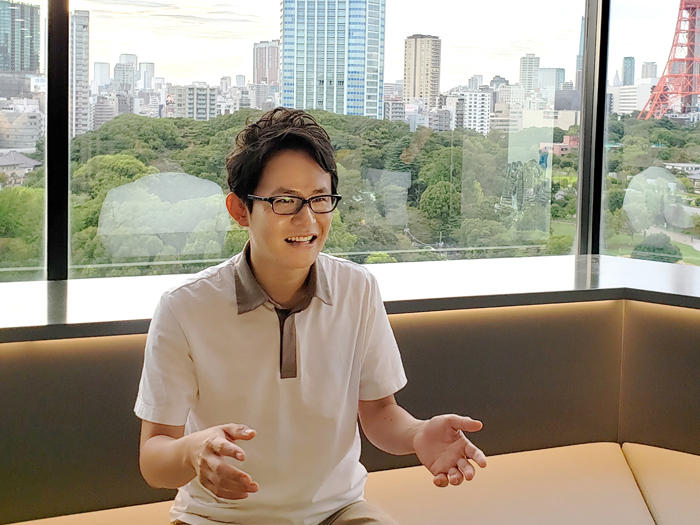
The market for programmatic TV advertising will continue to expand
──Please share your outlook for "PORTO tv" and programmatic TV advertising going forward.
Doi: The programmatic TV advertising market will continue to expand significantly. First, it's crucial that all players, including competitors, work together to grow this market and help stakeholders rediscover the value of TV advertising. We see this as a market formation phase.
I've been involved in the internet advertising business for over 10 years. I often speak with startup executives, and startups don't have preconceived notions like "this is the only way" when considering various advertising media—TV, internet, audio, DOOH (Digital Out Of Home), etc. They conduct marketing activities by considering which media is most effective for advertising at that moment to grow their business and company.
To get such companies to use TV advertising, lowering the barrier to trying it is key. As the TV programmatic advertising market expands, including "PORTO tv," it seems the perception that "it appears possible to run ads at lower costs than before" has taken hold. And starting this year, I feel a service market has truly begun to emerge that visualizes the effectiveness of TV advertising and enables the same kind of PDCA cycle as online programmatic advertising.
Kawase: I agree. To accelerate this trend, we want to further evolve "PORTO tv" to make it even easier to use. Simultaneously, it's necessary to share challenges with TV stations and consider how to make TV advertising more accessible for companies.
Doi: Exactly. "PORTO tv" isn't a finished product; there's still plenty of room to enhance the service. For example, "PORTO" already offers an integrated platform for digital media like radiko and DOOH. In the future, adding "PORTO tv" to this platform will enable seamless verification of advertising effectiveness across media, cross-media planning, and enhanced campaign impact. Of course, while exploring other directions, we want to make "PORTO tv" something that contributes to corporate growth.
Kawase: One final point. Even with a digital platform like "PORTO tv," we can't simply hand everything over to AI for automated ad placement. While the platform enhances client convenience, truly satisfying advertisers ultimately relies heavily on human effort. That's why, even within the "PORTO tv" team, our sales staff prioritize being approachable and providing quick responses. We also consider it a major mission to sincerely communicate the specific value television advertising holds for each individual company.
Was this article helpful?
Share this article


Newsletter registration is here
We select and publish important news every day
For inquiries about this article
Back Numbers

Author
Ken Doi
VOYAGE GROUP, Inc.
Director
Tomohiro Kawase
VOYAGE GROUP, Inc.
PORTO tv Business Division
Director, Product Growth Department