
Note: This website was automatically translated, so some terms or nuances may not be completely accurate.
 What exactly is "career design"? [4/4]
The path is never just one.
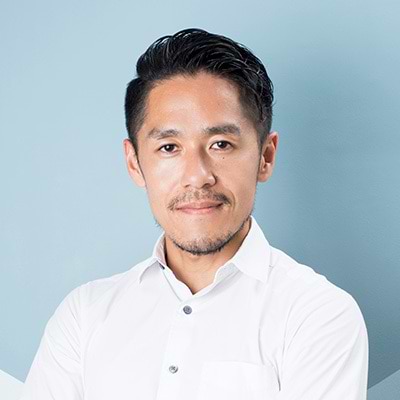
Hitoshi Suzuki
Hakkazook
Are you familiar with the concept (system) of "alumni"? Originally meaning "graduates/classmates/former students," the term evolved to signify "a gathering of former employees of a company." Overseas, effectively utilizing alumni who have left a company as valuable human resources is commonplace. This series introduces the trend of positioning such "alumni" as a core system for future business strategy. We aim to explore the essence of "career design." Our guest for this #04 installment is Mr. Hitoshi Suzuki, CEO of Hackazook.
Distinguishing "Means" from "Ends" is Crucial
After graduating from university in Canada, I worked in Guam, Singapore, and China. With this background, I consciously focus on how to combine "international experience" and "technology" with my core work in "human resources" and "recruitment." I chose "HR," "international," and "technology" as my pillars. However, even if you become fluent in a foreign language or master social media, you've merely acquired "means" to advance your career. That alone doesn't mean your career has actually progressed.
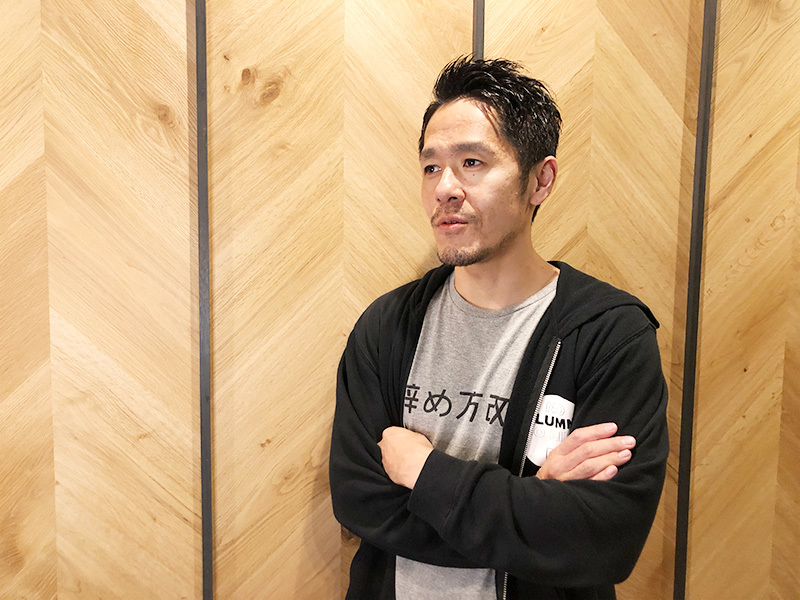
What truly matters is the purpose of "what you yourself want to become." HR, global operations, and technology are merely means to achieve that purpose. If there are 100 people, there should naturally be 100 different purposes. To achieve that purpose, connect with the world, harness IT. I think that's where we should start. Yet, it feels like people, companies, and society are all moving towards "standardization," thinking "we must be conscious of global and technology." I don't think it's right for that to become the goal itself.

What does a life true to oneself mean?
Work-style reform is the same. It's fundamentally just a means, yet for many companies and people, it's become the end goal itself. The attempt to relax work styles even spawned new terms like "relaxed labor," and the phrase "work-style reform" itself feels tarnished now.
My view is that the most important thing is that "life's options are expanding." By using various means, you can decide your own life. I think that's wonderful. Of course, we're only halfway there, but I believe the true essence of work-style reform is about everyone moving forward together toward their own ideals.
If this mindset takes root in society, individuals will find it easier to choose the means to achieve their goals and to chart their own life paths. I believe that, in turn, will lead to greater prosperity for companies as well. Isn't that the true essence of what we call work-style reform?
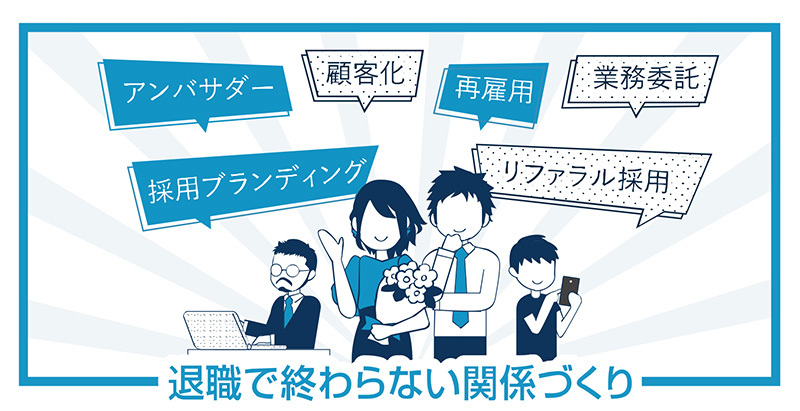
The Value of Being Drawn In
My father often asked me about my own will. He didn't say, "Do this." He asked, "What do you want to become?" But that is precisely the hardest thing. Only a handful of people can have clear goals. That's why everyone struggles. But at some point, I thought maybe I should interpret my father's words this way: "You're responsible for your own life, aren't you?" What this really meant was that I was being given time to think, a grace period. It made me feel a little lighter, but also anxious. A straight path like becoming a Major League Baseball player isn't visible to ordinary people. I didn't have that kind of talent either. That's when I thought, "Well then, maybe I should get swept up in something."
It's not just about gathering people and saying, "Let's go down this path," but also about being swept up in the idea of "Let's go down this path together." While "involve others" is a common business adage, this is the opposite approach. And to become someone who gets swept up, it's crucial to work hard on what's right in front of you while also sharing what you're doing.
Getting swept up in something means you're being granted a "simulated experience," and I realized that's actually a tremendous luxury. It's like being shown, each time, "Oh, so this is another way to do it." I came to think that using these simulated experiences as references is how I should decide the path of my own life.
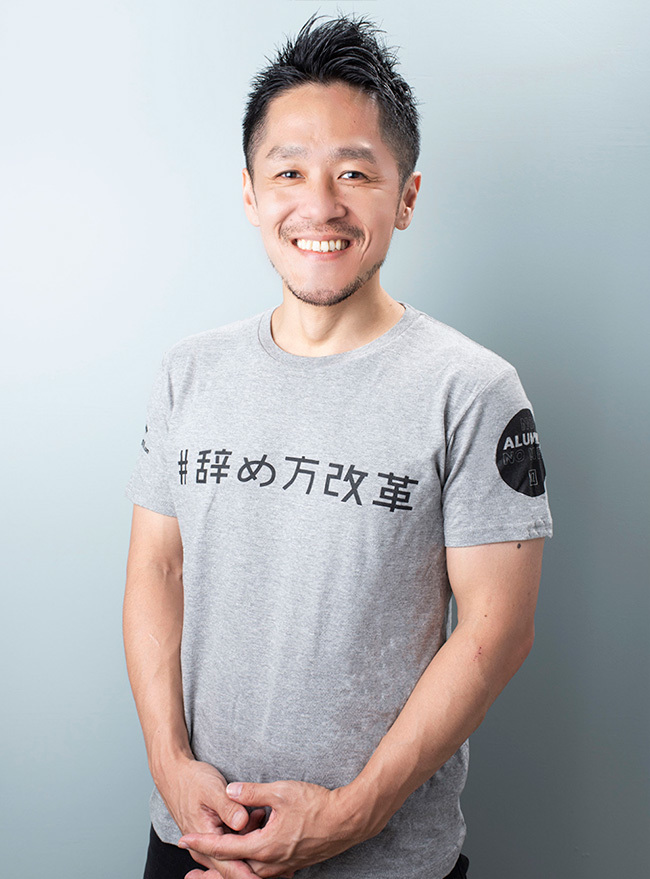
Analog is a luxury
While everything is becoming digital these days, I believe "analog is a luxury." Even if people have no resistance to placing digital orders in stores, I think a certain number of people still prefer to receive their goods from a person, not a robot. In that sense, analog has value.
The same applies to work. Lately, everything from work methods to performance evaluations has been digitized, and society as a whole has grown accustomed to it. Take HR, for example: suppose employee evaluations are completed entirely by AI. AI makes decisions by combining data and algorithms, and some argue this is fairer than human subjective judgment. However, some people would feel emotionally uncomfortable if HR simply said, "We evaluated you using AI," without understanding the algorithm themselves. That's precisely why it's important for people like supervisors to explain, "We evaluated you using this logic, and here's my perspective." That, I believe, is the luxury of analog.
The pandemic has fostered a mindset that remote meetings can handle a lot of work. But conversely, I feel COVID-19 has made me appreciate the importance of analog interactions anew. Human connection isn't something that can be replaced by simply exchanging digital data.
Alumni is a system designed to create the "just right distance"
I've built my career around "HR," "Global," and "Technology," and now I'm working on a business centered around "Alumni." What I aim to achieve there is creating "connections" that enrich people's lives. It's not about a zero-one dichotomy of connection or disconnection. It's an analog relationship where we maintain a weak connection in everyday life to strengthen it when we think, "I'd like to hear that person's opinion." I believe comfortable relationships between people exist at just the right "distance." Whether it's between spouses, lovers, parents and children, or relationships with companies, "just the right distance" and "just the right level of mindshare" are crucial.
Alumni isn't about maintaining an ever-strong bond, but about adjusting the strength of the relationship as needed. It's neither "0" nor "1" – it's a balanced relationship, a balanced connection. If it were just "Goodbye after retirement. You and I are no longer connected," that would be lonely, wouldn't it? After all, an individual's career path is never just one. How to cultivate that "just right distance" between a company and its people—I believe that is the essence of alumni.
Hackazook HP is here.
Service page is here.
Alumnavi, the alumni-focused media, is here.
The dialogue article featuring Mr. Daimon (then of Dentsu Inc. Career Design Bureau) and Mr. Akira Sakai (Dentsu alumnus, President of Creative Journey) on Alumnavi is here.
Was this article helpful?
Share this article


Newsletter registration is here
We select and publish important news every day
For inquiries about this article
Back Numbers


Author
Hitoshi Suzuki
Hakkazook
Chief Executive Officer