
Note: This website was automatically translated, so some terms or nuances may not be completely accurate.
 The Potential for New Urban Development Driven by Live Entertainment [1/2]
The Community Comes Together for the Grand Finale! A Look Behind the Scenes of Nakano's Large-Scale Music Festival
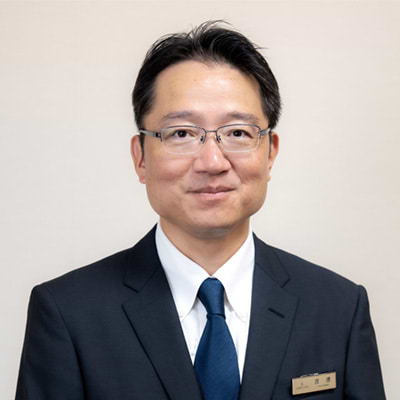
Takeo Watanabe
Nakano Sunplaza Co., Ltd.

Goka Kōjin
Nomura Real Estate Development Co., Ltd.
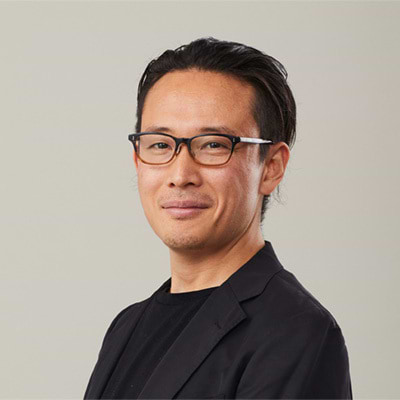
Shinjiro Kawai
Dentsu Inc.

Kitagawa Kimiya
Dentsu Inc.
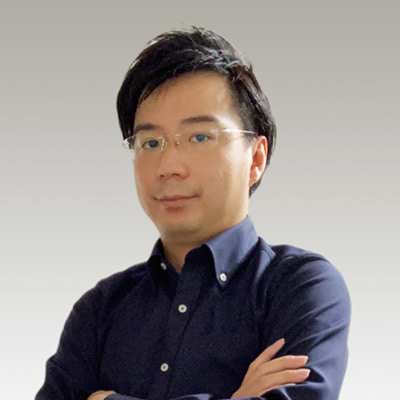
Masuo Benimura
Dentsu Inc.
"This Finale is a Fanfare for the Future"
In July 2023, Nakano Sunplaza, beloved as an icon of Nakano Ward for 50 years and hosting countless performances by artists from Japan and abroad, closed its doors. Starting in May of the same year, the large-scale music event "Farewell Nakano Sunplaza Music Festival," bearing the opening catchphrase, ran for approximately two months.
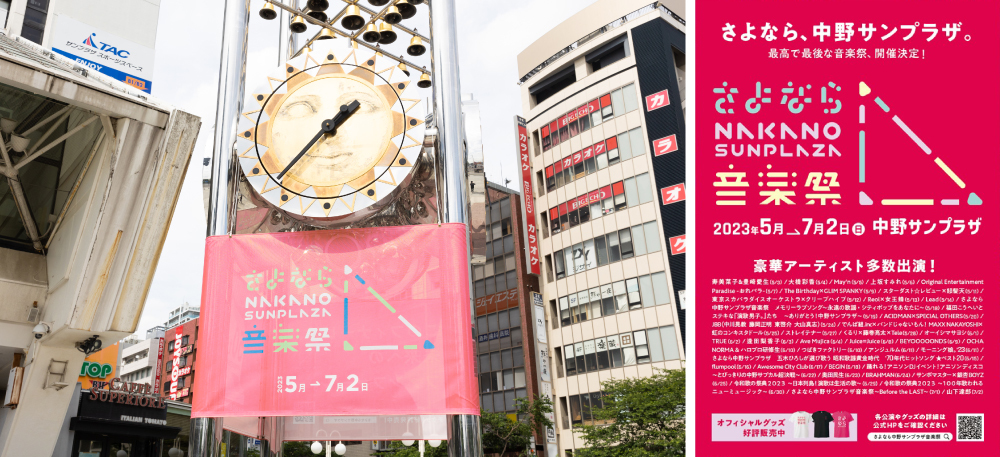
Over 200 artists participated, performing a total of 37 shows. During the event, extensive PR campaigns were conducted in collaboration with Nakano Ward Office and the four shopping districts surrounding the station. It was a "finale" that united not only artists and music fans but the entire community, bringing together all who cherished Nakano Sunplaza to create a vibrant celebration that connects to Nakano's future community development.
How was this event, which blended entertainment and community development and drew approximately 60,000 visitors, planned and realized?
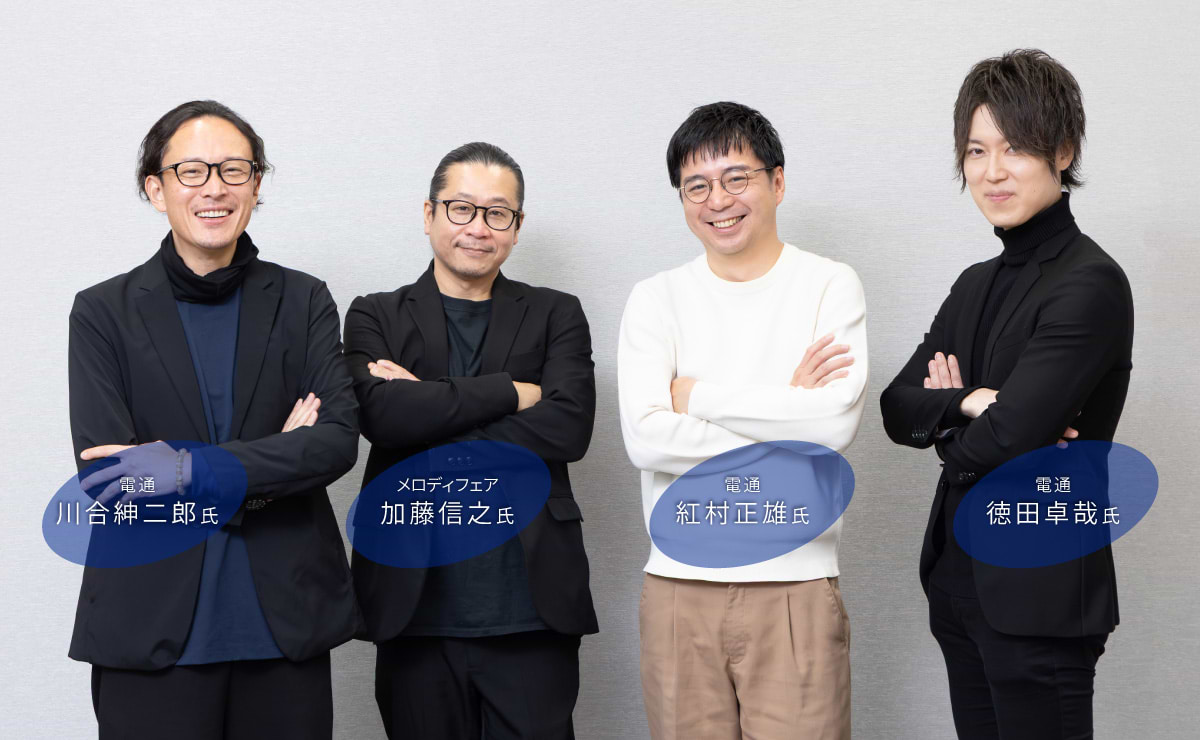
We spoke with Shinjiro Kawai and Tomoya Kitagawa of Dentsu Inc., who planned the music festival and handled overall production including artist negotiations and shopping district coordination; Masuo Benimura from Dentsu, who planned the music festival, negotiated with artists, and handled overall production; Takeo Watanabe, Executive Officer and Head of Administration at Nakano Sunplaza Co., Ltd.; and Takanoori Goka from Nomura Real Estate Development Co., Ltd.'s Nakano Project Promotion Department, the lead company for the redevelopment project "(Provisional Name) NAKANO Sunplaza City" scheduled to open in 2029, held a roundtable discussion. This first part of the article reveals the behind-the-scenes story of realizing this large-scale music festival.
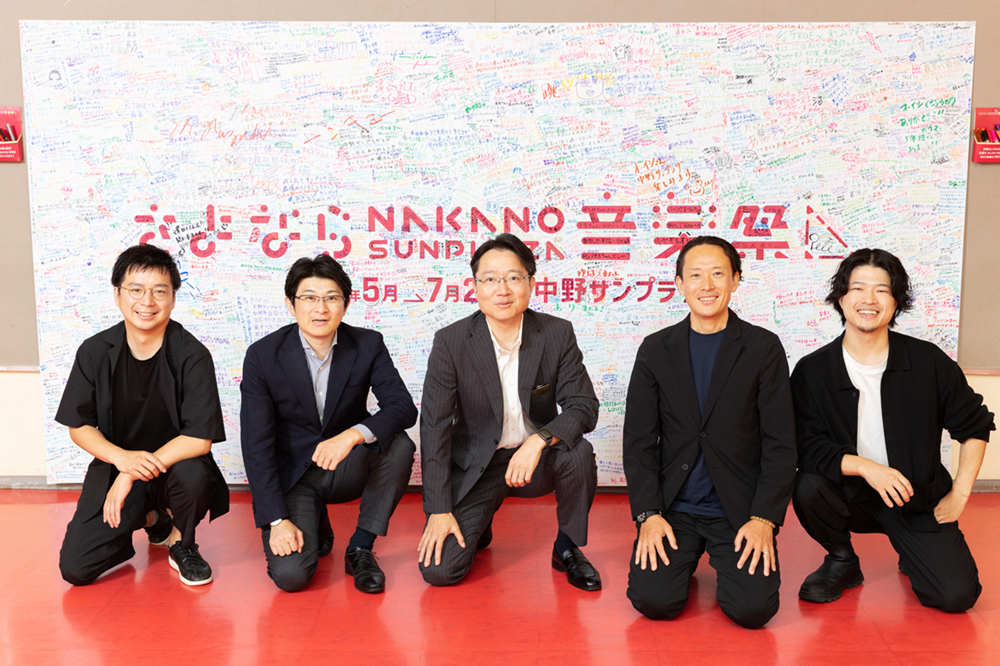
An "Icon of Nakano" Beloved by the Community, Artists, and Fans
Kitagawa: Holding a music event for two months in an indoor hall, rather than an outdoor festival, might be a first in Japan. What made this possible was that Nakano Sunplaza was a venue beloved by artists, and I believe its history and origins also played a role. First, could you, Watanabe-san, tell us again what kind of facility this was?

Watanabe: Nakano Sunplaza opened in 1973 as the "National Hall for Working Youth," a welfare facility for workers, initially operated by the government. Its nickname, "Sunplaza," was decided through a public contest back then. It was privatized in November 2004, and we, Nakano Sunplaza Co., Ltd., took over.
The main hall can accommodate up to 2,222 people. Since opening, it has hosted pop and enka singers, foreign artists, rock bands, enka performers, K-pop acts, idols, and even voice actor live events, truly reflecting the music scene of each era. It's also famous for hosting Nakano Ward's Coming-of-Age Ceremony. The facility includes a wedding hall, restaurants, a hotel, and banquet halls, making it easily accessible for local residents. Everyone has a fond attachment to it, and it's a facility that simply couldn't function without the local community.
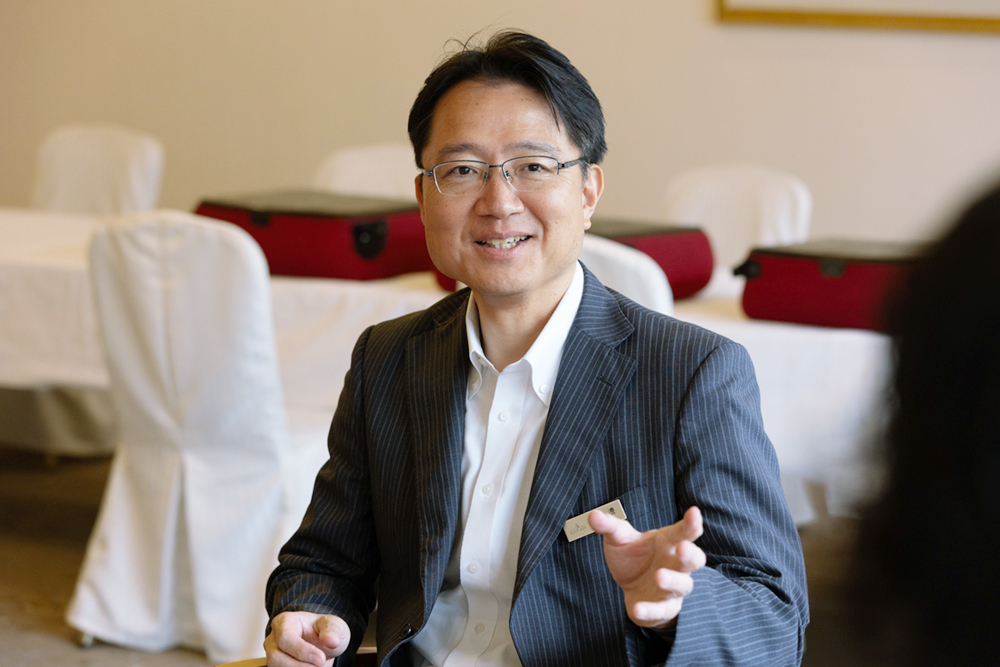
Kawai: Among the artists performing at this music festival, several actually held their Coming-of-Age Ceremony at Nakano Sunplaza. It's not just about entertainment; it's a facility deeply intertwined with the local community, isn't it?
Goka: I believe the reason Nakano has this chaotic atmosphere where diverse cultures can coexist and thrive is because of the National Youth Center. People coming to Tokyo from all over the country to work would first visit this facility or live nearby. Music lovers also came specifically for the hall. I feel that because Nakano had such a facility with this visitor function right in front of the station, it attracted diverse people. This allowed various cultures like music and subculture to flourish alongside the town itself and the people living there.
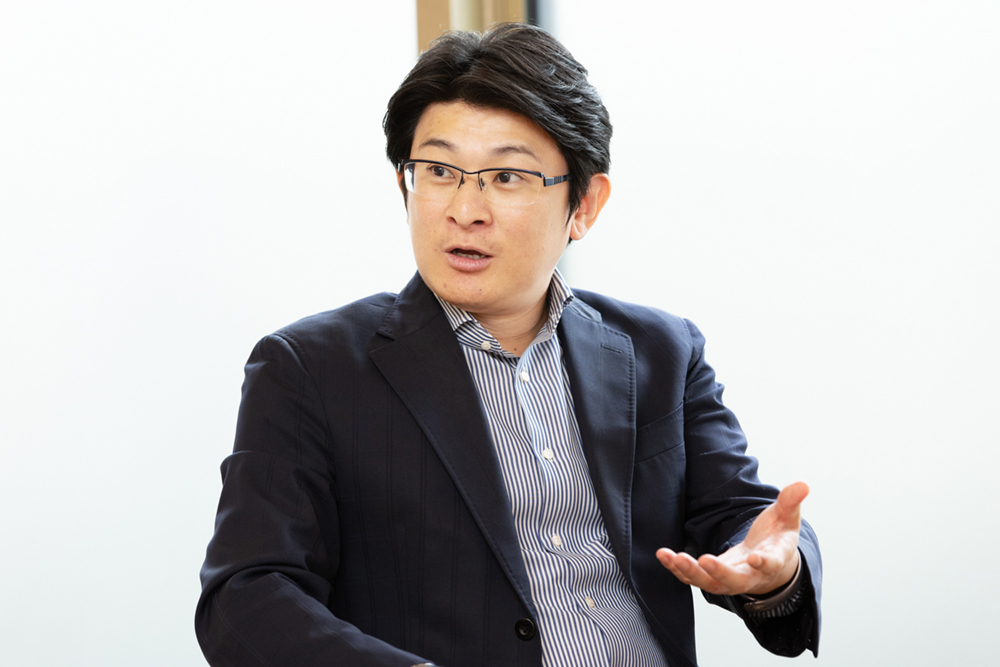
A project initiated from an urban development perspective, envisioning "Nakano's Future"
Kitagawa: As the final event for Nakano Sunplaza, a facility cherished by so many, the "Farewell Nakano Sunplaza Music Festival" was held. I'd like to ask Mr. Kawai, the initiator of this music festival, to tell us about the background and the intent behind the project.
Kawai: While large-scale redevelopment is currently underway in front of the station, Nakano Sunplaza, a symbol of Nakano, has been cherished for 50 years. Consequently, many voices expressed regret over its demolition. The challenge was how to design this renewal event – encompassing both the facility itself and the entire town – and what kind of finale would be fitting for Sunplaza, keeping the future in mind.
We are engaged in arena operations and venue development. By transforming gathering places into entities that offer a wide range of content, like media, we can enhance the customer experience. This, in turn, increases the value of the venue, the value of the city, and the value of the live content held there. In fact, we believed that Nakano itself and Nakano Sunplaza already possessed this potential.
Based on this thinking, we requested cooperation from various internal sections, formed a team with comprehensive expertise, and first began considering the future town development of "Nakano." Reflecting on Nakano's history over the past 50 years and envisioning the next 50, we discussed what the city should become with Mr. Goka and his team, who are developing the (tentative name) NAKANO Sunplaza City (※The "NAKANO" designation refers to the new facility opening in 2029. The same applies below). From there, we contemplated what the "ideal final form" of Nakano Sunplaza should be as it reaches a milestone in July.
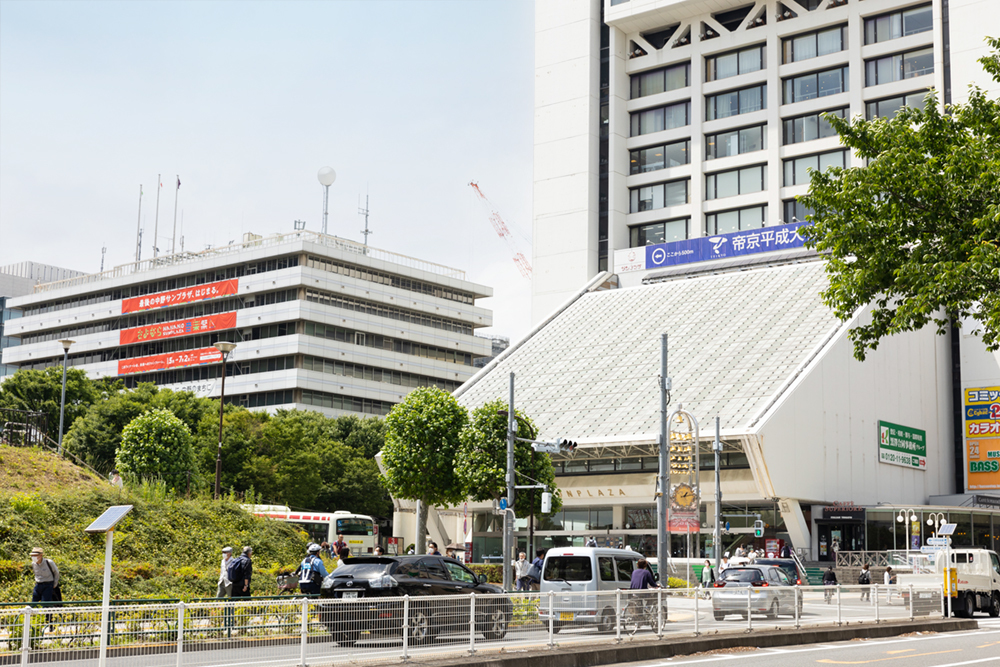
To connect to the "pride" of Nakano's future, local unity was essential
Kawai: Sunplaza is an icon of Nakano, beloved by the city, artists, and fans alike. As mentioned earlier, many people have supported this facility with deep affection. Whatever we do, it was crucial that these people could unite around the same theme, ideally for the long term.
Not just ending it, but creating a finale where the local community unites, bringing together artists, audiences, and townspeople alike. That should connect to the "pride" of Nakano's future after redevelopment. That's how we came up with this large-scale event, the "Farewell Nakano Sunplaza Music Festival." It's a way for all three groups to bid farewell to the facility while also expressing its brand value with an eye toward the future. We approached it with a "let's just throw it out there!" kind of feeling (laughs), and together with Mr. Goka, we consulted with Mr. Watanabe.
Watanabe: When I first heard the proposal, I thought it was outrageous and practically turned it down on the spot. 'I'm sorry, but please leave,' I said (laughs). But looking back now, maybe somewhere deep down, I felt it could be interesting if we pulled it off. If we could really pull off something like inviting over 200 artists and doing massive PR involving the entire town for a long period, it would be fitting for Nakano Sunplaza's final chapter. Above all, it would generate buzz and be exciting, right?
Kawai: Since it was an entirely unprecedented approach, when we first conceived the plan, we ourselves felt the chances of pulling it off were about 40%. However, as Mr. Watanabe, Mr. Goka, and others involved with Sunplaza showed positive reactions, that possibility gradually increased, and we decided to go ahead with the team.
The facility has been managed all this time by the staff of Nakano Sunplaza Co., Ltd. We knew it would be difficult for them to accept our proposal – us suddenly appearing while the hall's closure was already decided, suggesting, "Since it's the last time, let's do a music event that looks toward the future in cooperation with the city."
Nevertheless, to make this music festival happen, it was crucial not just to rent the venue, but to work "together" with the people at Nakano Sunplaza Co., Ltd., who had supported it most closely all along. This wasn't a project that could succeed with just the artists, or just us alone. I believe the key to making it happen was Mr. Watanabe bringing everyone together and motivating us.
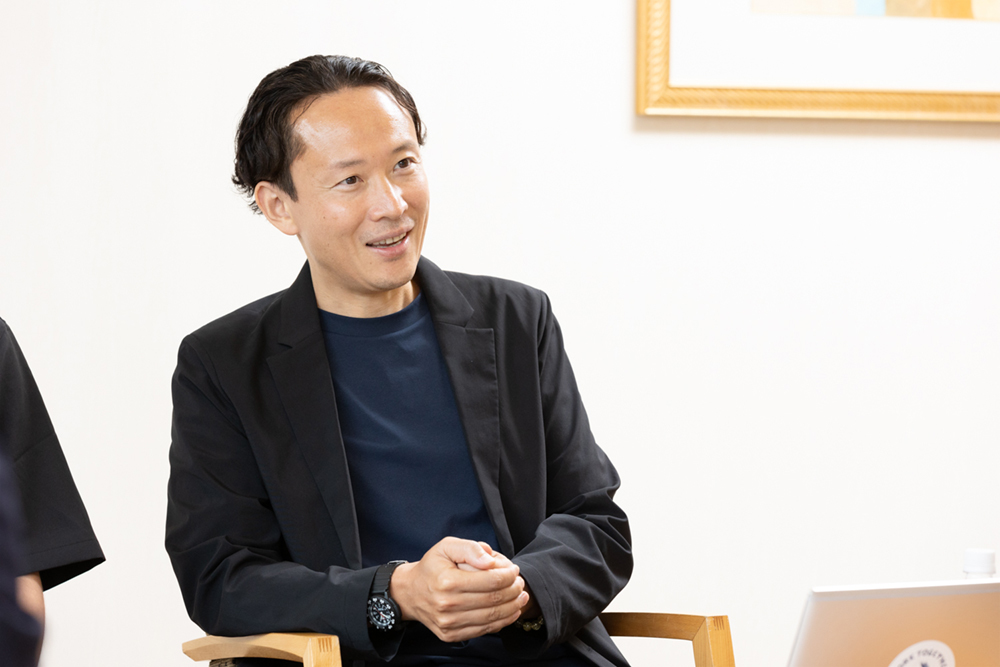
Watanabe: When I first heard about it, those words and feelings just didn't resonate at all. Our stance was to handle the venue rental as usual and wrap things up "business as usual." While the ward and city officials had very high expectations for the new town to be redeveloped after the closure, we were just the people on the side where the building would disappear. So, the significance of this event didn't click for me right away. It meant a lot that Mr. Kawai kept empathizing with our feelings. As planning progressed, other staff members besides me became supportive of this music festival and started voluntarily contributing various ideas.
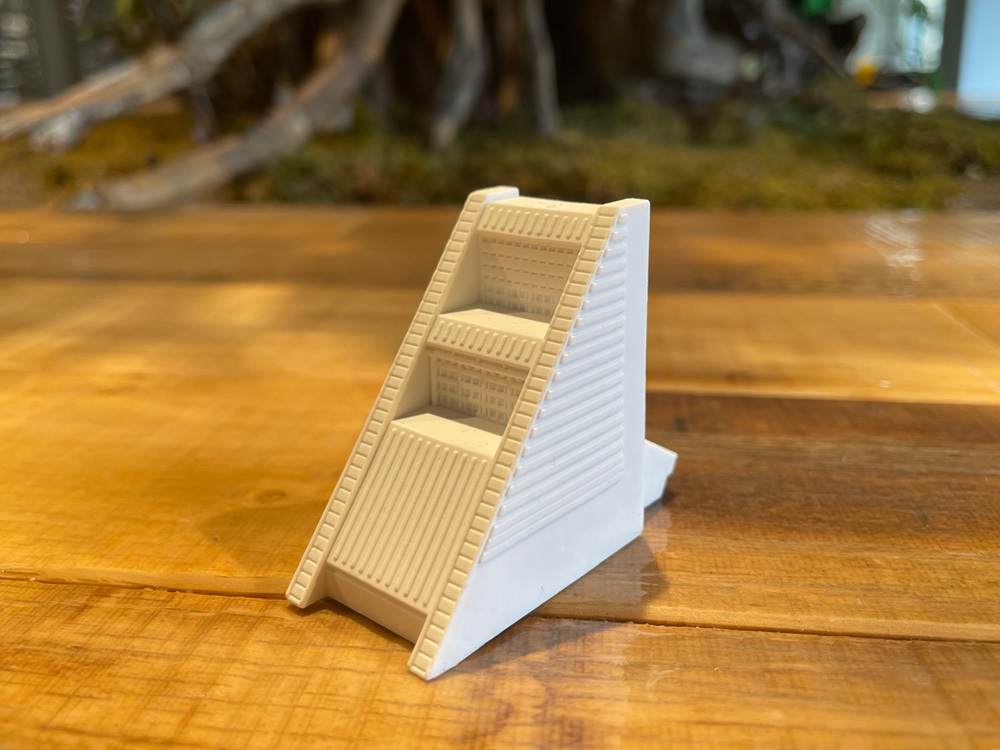
Watanabe: During preparations, I often worried, "Can we really pull this off?" But once the music festival started, it became incredibly enjoyable. With this festival team, I could speak honestly and openly say "no" to things I disliked. As we talked, a conviction that "we can do this" grew, and I think we became a really great team with our company staff.
Benimura: It was great that we could communicate openly and act quickly within our respective roles. I think we were able to discuss things with a shared direction: when a good idea came up, we all actively moved forward together.
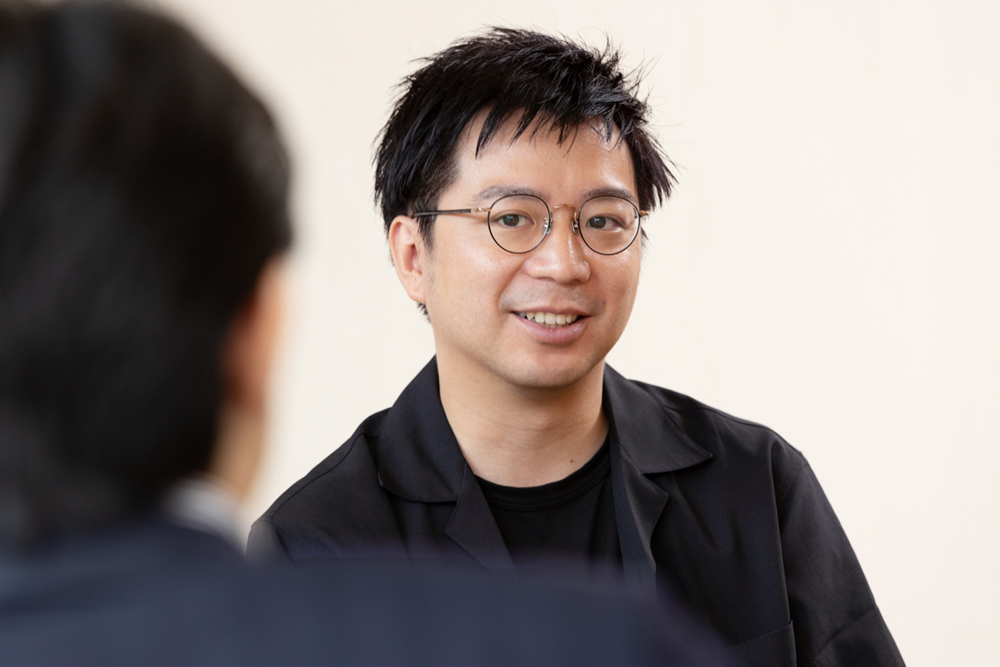
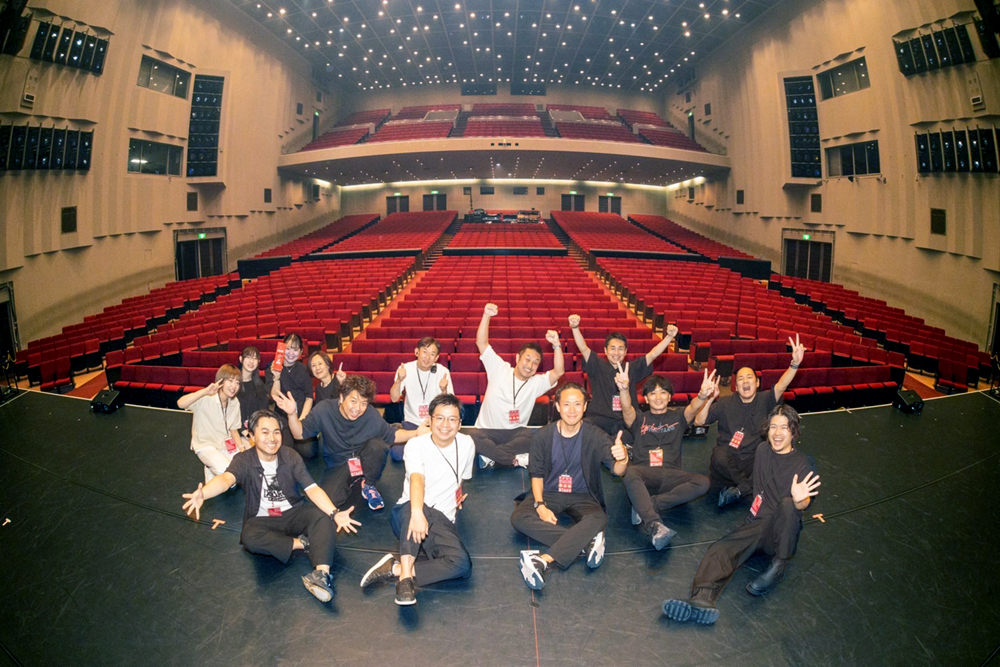
Kawai: Although they didn't participate in this roundtable, many team members from various companies worked together to create this event. It was great that we could move forward as one team, regardless of company or organization, toward the goal of making the music festival a success. It felt like we were clubmates.
Next time, we'll cover the PR activities conducted in collaboration with four shopping districts in Nakano and explore the potential for future town development centered around entertainment.

Was this article helpful?
Share this article


Newsletter registration is here
We select and publish important news every day
For inquiries about this article
Author
Takeo Watanabe
Nakano Sunplaza Co., Ltd.
Executive Officer, Head of Administration Division
Goka Kōjin
Nomura Real Estate Development Co., Ltd.
Business Creation Headquarters Nakano Project Promotion Department
Deputy Director and Business Division Manager
Shinjiro Kawai
Dentsu Inc.
エンターテインメントビジネス・センター IP・事業開発部
ゼネラル・マネージャー / 部長

Kitagawa Kimiya
Dentsu Inc.
Content Business Design Center
Producer

Masuo Benimura
Dentsu Inc.
エンターテインメントビジネス・センター アリーナ事業部
Producer