
Note: This website was automatically translated, so some terms or nuances may not be completely accurate.
 The Cutting Edge of Data Marketing for Entertainment Content [2/2]
Data Analysis × Unrestrained Creativity. Why "Salaryman Thomas" Went Viral

Seigo Asakura
Sony Creative Products Inc.

Hiroyasu Ito
Sony Creative Products Inc.

Yuuta Sawada
Dentsu Inc.

Masuda Shuto
Dentsu Inc.
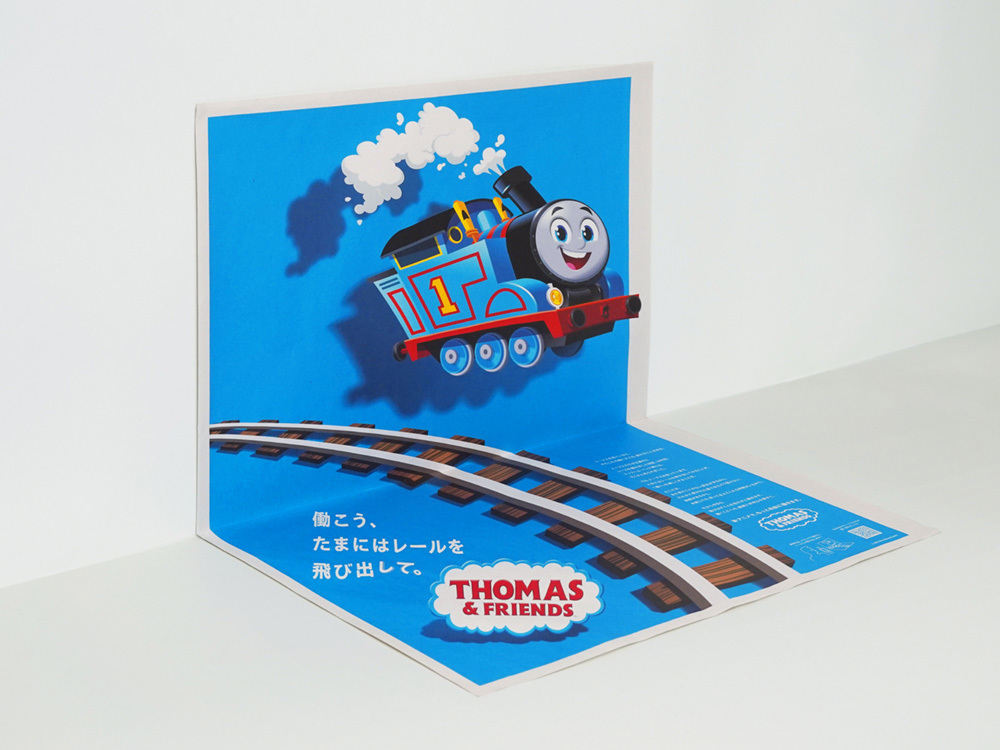
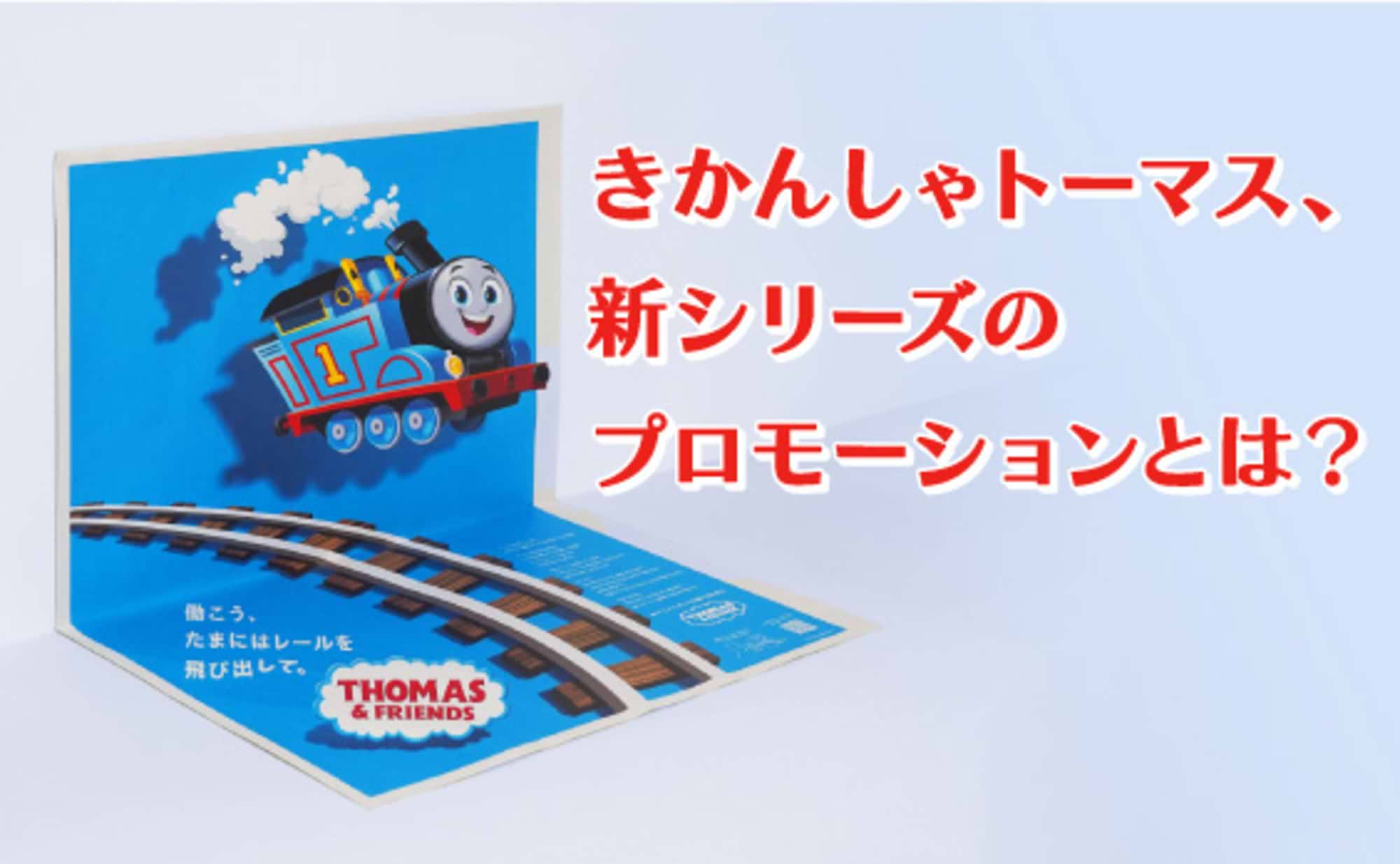
In December 2022, the "Thomas the Tank Engine" animated series underwent its first full renewal in 12 years, transitioning from 3D CG to 2D-style animation.
To promote the new series, the "Salaryman Thomas" ad-free drama was released on YouTube. It garnered significant attention, exceeding 2 million total views.
Click the image to watch the video.
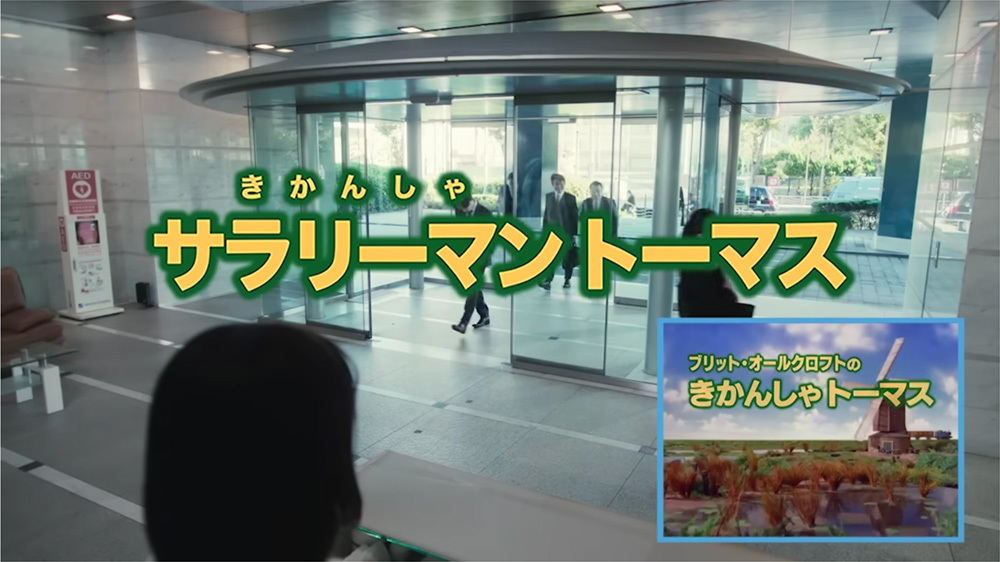
The planning for this initiative utilized Dentsu Inc.'s "Data-Driven Content Growth Method (D2CGM)" (*1).
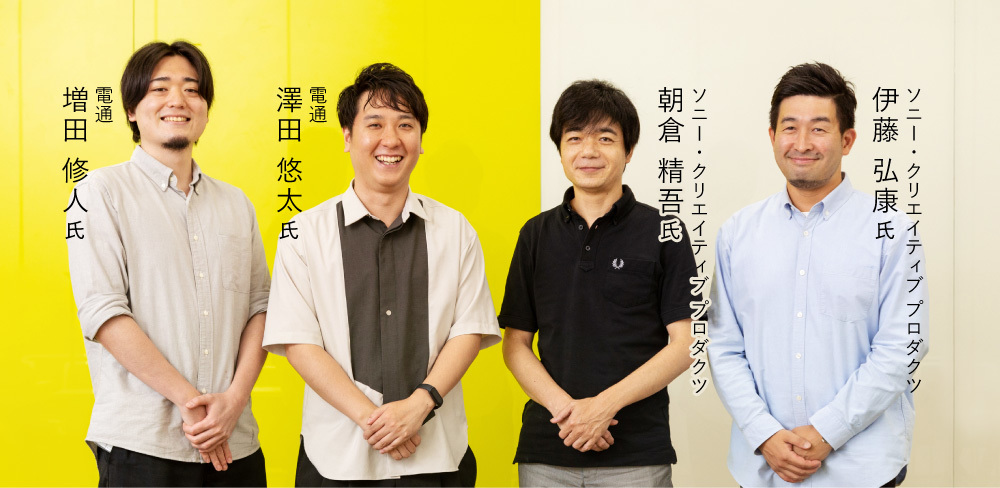
This time, we invited Mr. Seigo Asakura and Mr. Hiroyasu Ito from the Marketing Department of Sony Creative Products Inc., who hold the Japanese master license rights for "Thomas the Tank Engine," as guests. They were interviewed by Mr. Yuta Sawada and Mr. Osamu Masuda from Dentsu Data & Technology Center, who were in charge of the initiative. We asked about the challenges they felt during the renewal and the response after the release of "Salaryman Thomas."
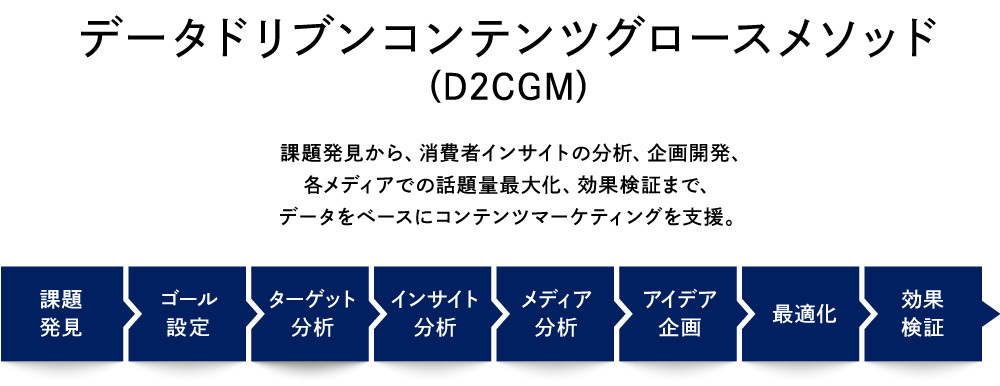
*1 Data-Driven Content Growth Method (D2CGM): A comprehensive approach centered on data, covering everything from identifying content challenges and analyzing consumer insights to planning initiatives (generating buzz across media) and verifying effectiveness. It supports the growth of content.
From 3D to 2D. How did you approach this major transition?
Sawada: "Salaryman Thomas" was proposed by Dentsu Inc. as a promotion for the full renewal of "Thomas the Tank Engine." Could you share again the challenges you faced during this major turning point?
Asakura: Actually, there was a previous renewal from puppet shows using model trains to 3D CG animation. This time, the renewal involved shifting to a 2D look, resulting in a clearly different appearance. Furthermore, the voice actors were also new members, so I personally felt it was a major change.
Amidst this, the biggest challenge was how to get fans, of course, but also our licensees responsible for animation broadcasts, event operations, and merchandising, to accept the new Thomas and build trust in it. We felt bold promotional measures were necessary to match the scale of the change.
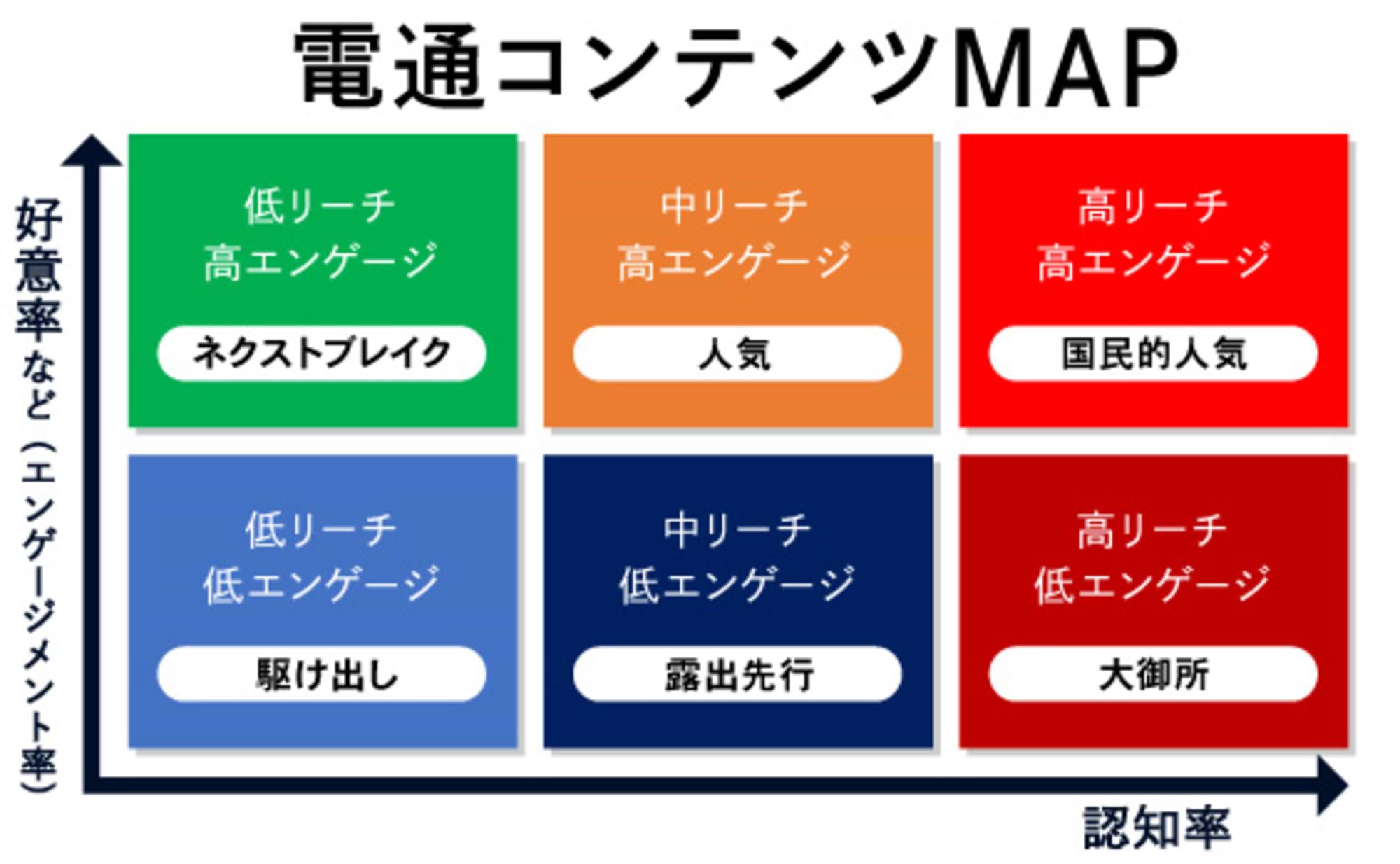
Sawada: When we heard this and began strategizing internally, we first analyzed Thomas the Tank Engine's challenges using Dentsu Inc. original anime and character survey data. Comparing its position against over 500 other anime works and characters revealed that "while Thomas is a highly recognized character, its 'really love it' favorability rate is lower compared to others."
This result led us to conclude that we needed to raise the overall favorability rate for Thomas the Tank Engine, not just among children but also by targeting adults. This became the starting point for planning "Salaryman Thomas."
Asakura: Thomas is unique in that its core target audience is limited to preschoolers. Boys around ages 2 to 4 are the core demographic, and they gradually outgrow it after age 5. However, during the 2 to 4-year-old period, it holds a special position where it garners exceptionally strong affection.
Furthermore, it has been over 30 years since the series first aired in Japan. Adults who were children 30 years ago have inevitably experienced it. By evoking childhood memories and rekindling that fondness, it's content that can also broaden its target audience.

Masuda: I myself was a huge fan of Thomas. I loved it beyond just being hooked; I always had merchandise around me.
Ito: "Thomas the Tank Engine" itself is a beloved content franchise celebrating its 80th anniversary in 2025. We believe it's ideal to leverage the fact that parents and guardians who were fans themselves can now share it with their children. This hypothesis aligns with the current trends revealed by our data analysis. We also aim to broaden the target audience among children themselves. With characters like girls and diverse personalities, we want to increase female fans. The new series features characters navigating autism, reflecting our focus on diversity, so we hope many children will watch.

The "Data-Driven Content Growth Method (D2CGM)" identifies challenges through data analysis and guides us toward our goals.
Sawada: Hearing about these challenges, we proposed measures using the "Data-Driven Content Growth Method (D2CGM)" this time. Our team conducts large-scale entertainment surveys using People Driven DMP® (※2), Dentsu Group's proprietary integrated marketing platform, which combines consumer behavior data with data on fans of various content.
For example, we gather various fan engagement metrics—including awareness and favorability—for approximately 500 domestic anime titles. By cross-referencing this with consumer behavior data, we can generate detailed insights into individuals who have made actual purchases and potential audiences likely to become fans. We can also assess Thomas's competitive positioning relative to other anime, as in this case.
This is D2C Inc. GM: using data as the starting point to identify content challenges and determine the path to solving them. Furthermore, when planning initiatives, we consciously focus on leveraging data.
※2 People Driven DMP®: A platform that integrates various audience data (managed and structured to prevent identification of specific individuals), media exposure data obtained with user consent, purchase data, location data, etc., enabling analysis centered on people (People).
Sawada: In this project, I felt that identifying challenges and sharing them within the team was crucial. When we saw issues like "high awareness but low favorability" and "low intent to spread the word," we discussed them with the planners and set the goal: "Make people like Thomas. Make them want to spread the word. Make them want to show it to their kids more."
Target analysis also revealed a segment of about 25 million people who "know Thomas but don't like him." We proposed targeting men and women in their 30s—an audience previously untapped but who had seen Thomas as children and thus had latent potential to reconnect with it.
Masuda: In insight analysis, we utilize methods like N=1 interviews to clarify the appeal points that move the target audience emotionally and physically. This time, I myself, a huge Thomas fan, served as the N=1. I consciously provided information that could spark brainstorming ideas, such as memes famous among fans and the positioning of key characters.
From there, we developed ideas together with the creative team. We shared the analysis results, establishing the target analysis and insights as a common understanding. The data analysis team also contributed ideas like, "Let's try delivering a social message on Labor Thanksgiving Day," or "How about something like a 'Thomas' izakaya where salarymen gather?"
Through repeated discussions centered on the core concept of "Thomas that resonates especially with adults," we ultimately proposed "Salaryman Thomas."
Asakura: It's interesting that the data analysis team also contributed ideas. I feel like many organizations have a siloed structure where they just hand over the results and leave it to the creative team.
Masuda: Honestly, I was hesitant at first too. But while I felt the challenge, I enjoyed coming up with ideas.
Sawada: To create better projects, we consciously work without barriers between data analysis and creative.

Even with a 2D look, what Thomas the Tank Engine wants to convey remains unchanged.
Sawada: What were your impressions when you received the "Salaryman Thomas" proposal?
Asakura: I felt the proposal stood out for both its interesting content and its data backing. First, the idea itself is simply fun. And in our case, we need permission from the overseas rights holder. I also appreciated how the numbers were tied to the logic needed to overcome that hurdle.
Ito: Logical explanations are increasingly valued in Japan too, but overseas standards are still stricter. Especially for a long-established property like Thomas the Tank Engine, we've never attempted such an aggressive initiative before. We believe we succeeded because the logic behind "Why do this?" was rock-solid.
Sawada: How did you convince the rights holders?
Asakura: Cultural differences made explaining why this was interesting a challenging task. Ultimately, I believed showing them the rough draft would best convey the project intent. When we showed them the rough draft, even the creative team in the home country found it interesting.
Sawada: That's great to hear. When I use data for planning, I always focus on laying the groundwork with data while leaving room for creative expression at the end. I believe data serves to show everyone that the path to interesting creative expression is the right one.
Ito: While "Thomas the Tank Engine" changed from 3DCG to a 2D look, the core essence and message remained unchanged. What I appreciated about "Salaryman Thomas" was that it wasn't just about being funny; it approached the story without altering that underlying foundation. With over 500 episodes, selecting just three to adapt into dramas must have been quite challenging, right?
Sawada: We were very conscious of the fact that "many of the stories contain lessons even adults can learn," and we shared this focus with the creators during production. Regarding which stories to adapt into dramas, Masuda narrowed it down from 500 episodes to 30, and then the creators responsible for video production selected 3 episodes from that list.
Ito: That must have been tough! It's a process even the rights holders hadn't done before.
Masuda: I think my experience and knowledge of Thomas really came in handy (laughs). How was the response after "Salaryman Thomas" was released?
Asakura: While it's difficult to intentionally make something go viral, we surpassed our goal of 1 million views, and the videos collectively exceeded 2 million views. Additionally, this time we created promotional videos for "Plarail Thomas," a spin-off series from the drama produced by Takara Tomy. In their purchaser survey, approximately 60% of respondents cited the promotional videos as their primary source of learning about the product, making it the most significant factor.

Ito: The new "Thomas the Tank Engine" also achieved excellent viewership results. Since the 2D look changed the visuals themselves, I wonder if children who previously found it too realistic are now watching. Kids themselves don't distinguish between 3DCG and 2D looks, right?
Masuda: We hoped that even those who were resistant to the 2D look would see the edgier initiatives like this "Salaryman Thomas" and think, "The team is doing something interesting," leading to positive reactions.
Asakura: We've heard from Thomas fans saying, "It felt positive that the official team clearly communicated how the message and themes are still connected."
Since we have this "Salaryman Thomas," it would be great to leverage it for tie-in projects. Fans are hoping for a sequel, and pairing it with various products could be interesting too.
Sawada: Yes, we definitely want to make a sequel. Thank you for your valuable insights today.

Was this article helpful?
Share this article


Newsletter registration is here
We select and publish important news every day
For inquiries about this article
Author
Seigo Asakura
Sony Creative Products Inc.
Creative Management Department IP Marketing Division
Manager
Hiroyasu Ito
Sony Creative Products Inc.
IP Marketing Division, Marketing Department and IP Sales Division, Sales Promotion Department 1
Deputy Director
Yuuta Sawada
Dentsu Inc.
Creative Planning Division 3
コピーライター
Masuda Shuto
Dentsu Inc.
Data & Technology Center
Data Scientist/Planner