Note: This website was automatically translated, so some terms or nuances may not be completely accurate.
 Urban Future Design Unit: Pursuing Happiness in the City [8/12]
What does creating a high-happiness community look like from a pet's perspective?
Dentsu Inc.'s 'Urban Future Design Unit' is a specialized team that envisions the future of cities and lifestyles, providing support across various fields from conceptualization to realization ( details here ).
This series explores, from various angles, what is required for future urban and community development, as well as what makes a city highly livable.
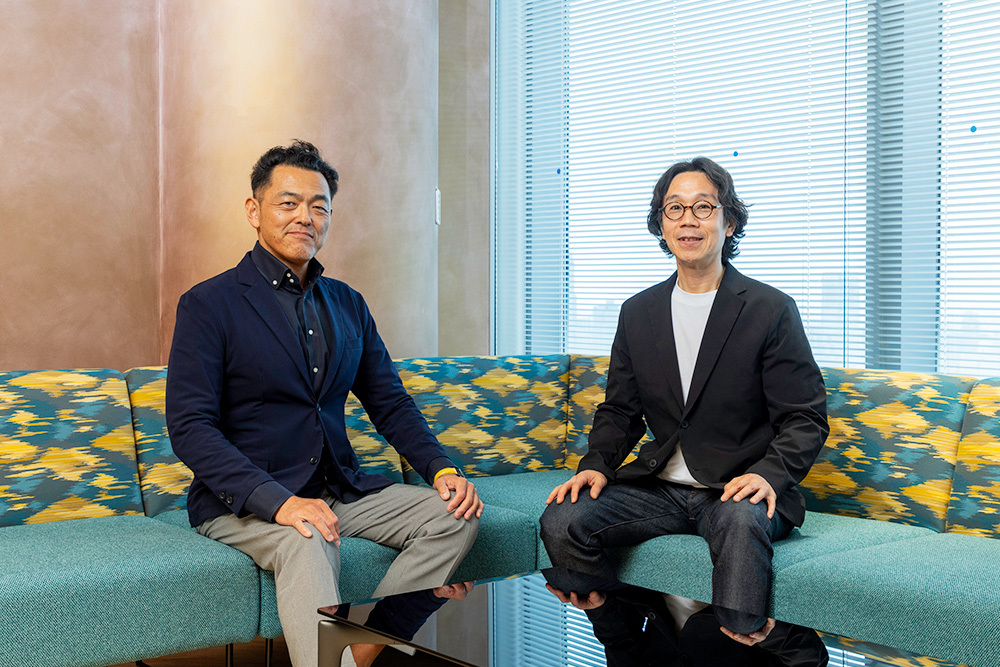
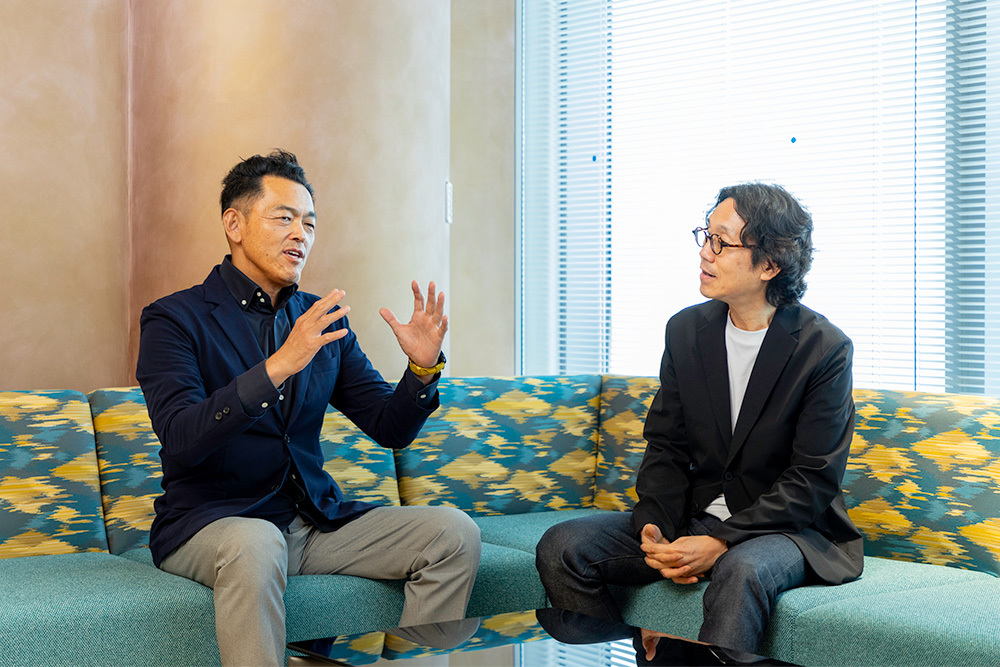
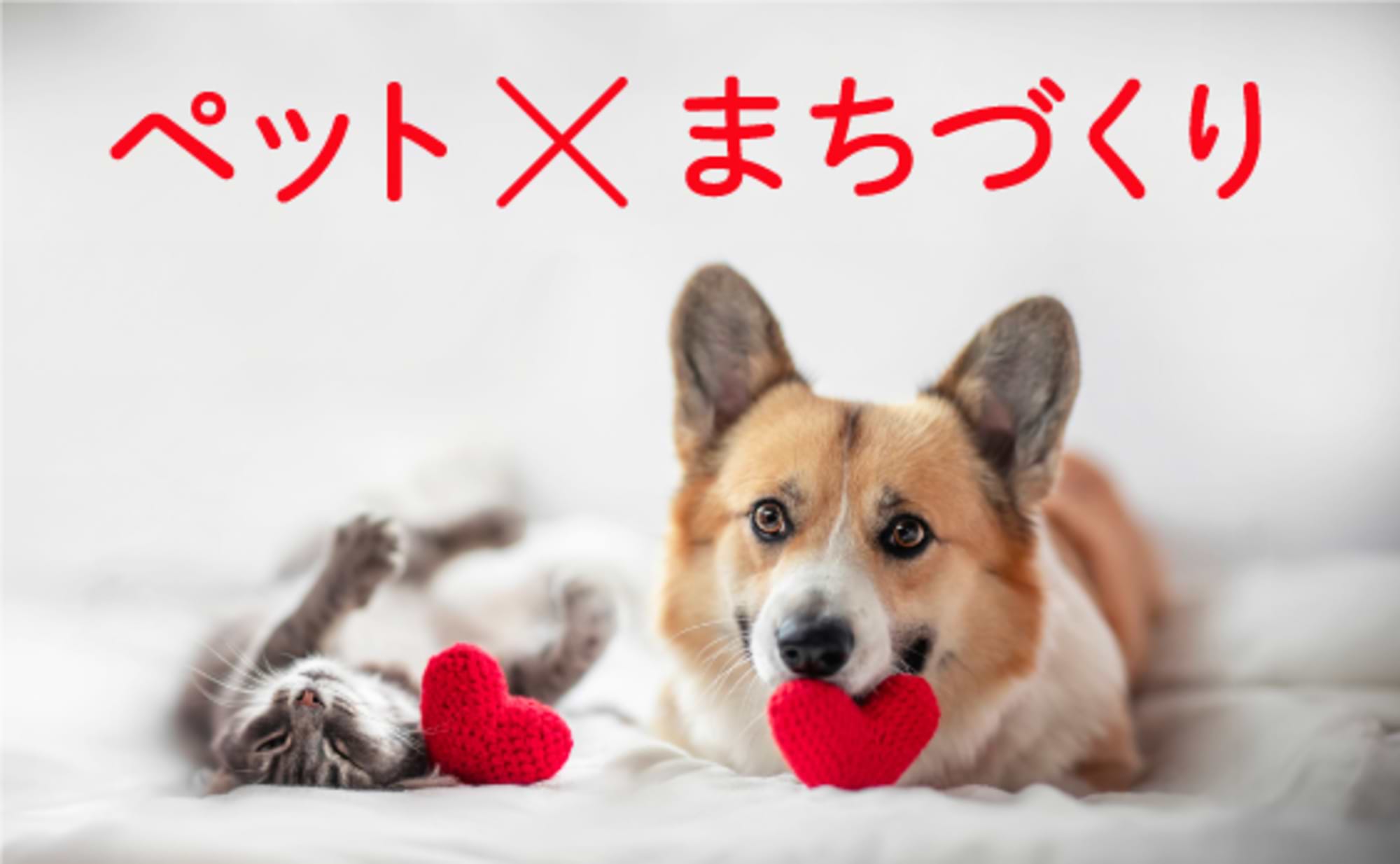
This installment's theme is "Pets × Towns." As dogs, cats, and other pets increasingly become family members, how can we build towns with high levels of happiness? Moriyasu Natsume, leader of the Urban Future Design Unit, spoke with Takehiro Uesugi, a Dentsu Business Development Director who holds a veterinary license and consults on pet-related businesses. August 8th, when this article is published, happens to be "World Cat Day." We hope this article sparks thoughts on creating communities where people and pets can live happily together.
<Table of Contents>
▼Growing Number of Companies Seeking to Expand Pet-Related Businesses
▼Pet Ownership is "Inefficient," Yet It Fuels Life's Resilience
▼Pets Become the "Bond" Among Residents: Latest Trends in "Pets × Towns"
▼Considering Those Uncomfortable with Pets is Also Important
More companies want to expand their pet-related businesses
Natsume: First, Uesugi-san, you have an unusual background—graduating from veterinary school and then joining Dentsu Inc. What kind of work do you typically do?
Uesugi: For about 20 years since joining, I worked in sales and promotion. Later, leveraging my veterinary knowledge, I consulted on new ventures in livestock farming, such as GHG (methane) reduction.
Dentsu Inc., with its extensive network of corporate connections, has long received inquiries about pet-related businesses, not just advertising. In the last five years especially, these inquiries have surged significantly. Many companies now aim to make pet-related businesses a core pillar of their operations.
Natsume: What kinds of inquiries do you receive most often?
Uesugi: Japan faces a rapidly declining population due to its super-aging society and low birthrate. According to the Pet Food Association, the number of pets kept in households now exceeds the number of children under 15 years old. Inquiries come from diverse sectors closely watching this market, including food manufacturers, toiletries companies, travel agencies, and housing manufacturers.
Natsume: What are the underlying reasons for various companies focusing on pet-related businesses?
Uesugi: There are three main reasons. First, pet ownership is increasing, particularly in Asia. According to the Pet Food Association survey, Japan has approximately 16 million dogs and cats, with cats increasing in recent years. In other countries, dog and cat ownership is rising in Thailand, the Philippines, Indonesia, and Malaysia. China is particularly notable; while exact statistics are unavailable, it's said to already have over 200 million dogs and cats (※).
※Reference: http://ja.victorypharmgroup.com/news/pet-industry-in-china-statistics-facts/
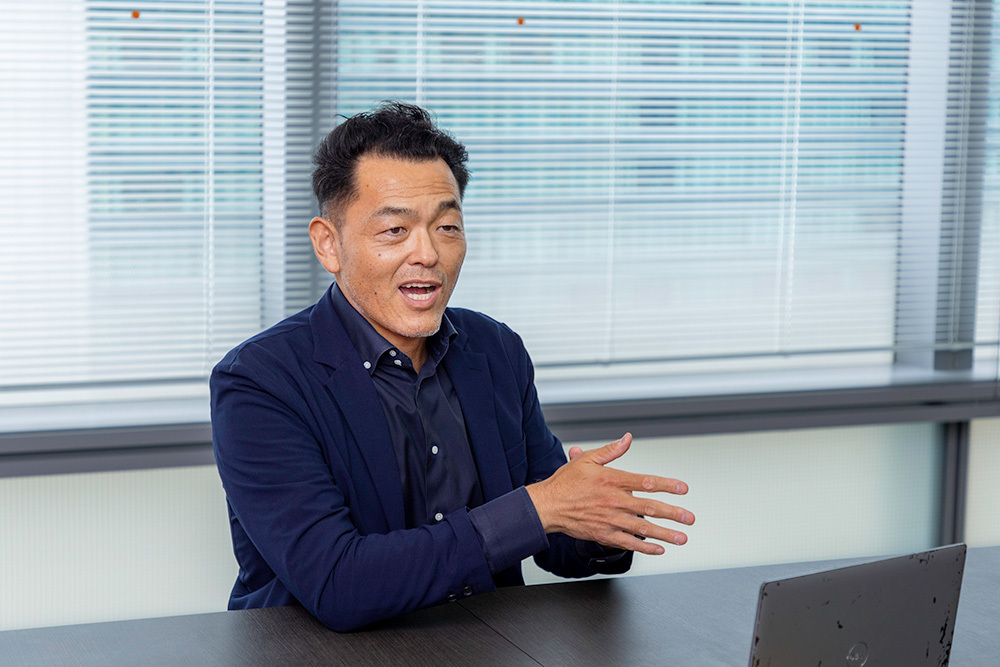
The second reason more companies are focusing on pet-related businesses is the growing trend of pets becoming family members. More people welcome them as cherished family members and want to feed them the best possible food and spend quality time together.
The third reason is that as pets become more integrated into families, demand for premium products and services is rising. For example, in pet food, there are preservative-free options and high-end products meant to be consumed within a week. Subscription services offering customized food based on a pet's health status have also emerged. Beyond food, there are daycare centers and training camps, and educational toys are becoming increasingly diverse.
Natsume: So the shift is from pets to family members, expanding the market for related products.
Uesugi: The shift is especially pronounced with cats. Japan has a dog-owning culture, and while pet cats have existed for ages, they were more like "street cats" or "community cats" rather than pets. There weren't many "indoor cats" like today. If more research and business development focus on keeping cats indoors and helping them enjoy better time as family members, we might see various new products and services emerge.
Natsume: I see. Considering the growing number of dogs and cats kept as pets not just in Japan but across Asia, it's clear that many companies are thinking about creating diverse products and services and expanding their business into Asia.
Keeping pets is "inefficient," yet it gives us the strength to live
Natsume: Earlier, you mentioned the "family-ization of pets." What impact do you think owning a pet has on humans?
Uesugi: This is my personal view, but as AI, digital technology, and robotics advance, society is becoming increasingly efficient. People seek cost-performance and time-performance. Yet, keeping pets is, in a sense, very "inefficient." It's hard to know what animals are thinking, they can suddenly get sick, and nurturing a life is truly demanding. If you're thinking about living efficiently, keeping pets is arguably the opposite behavior.
But on the other hand, pets are beings we pour love into, wanting to make them happy, and they are sources of healing. They also make us feel we're not alone, like when they depend on us.
Natsume: So, in a world becoming more efficient and convenient, pets give us something we can't get alone, becoming a source of strength to live?
Uesugi: There are also reports indicating pets are effective for dementia prevention. A research group at the Tokyo Metropolitan Health and Medical Research Center surveyed over 10,000 seniors aged 65 and older. They found that elderly dog owners had a 40% lower risk of developing dementia compared to those without dogs. Constantly caring for and attending to a living being provides health benefits.
Natsume: Initiatives creating opportunities for animal-human interaction to treat illnesses or heal people sometimes make the news.
Uesugi: Therapy dogs and facility dogs visit or are stationed at hospitals to provide emotional care for patients and their families. Horse therapy, which helps restore physical and mental health through interaction with horses, is also gaining attention both domestically and internationally. One of my colleagues is involved in an initiative in Gotemba that uses activities like horseback riding to improve symptoms in children with autism spectrum disorder.
Research shows that humans release healing hormones when interacting with dogs or cats. Interestingly, studies have also been published indicating that dogs and cats themselves release healing hormones. It seems that human-animal interaction benefits both parties.
Pets as the "glue" connecting residents. The latest on "Pets × Towns"
Natsume: Moving on to the theme of "Pets × Community," are there any notable examples you're following?
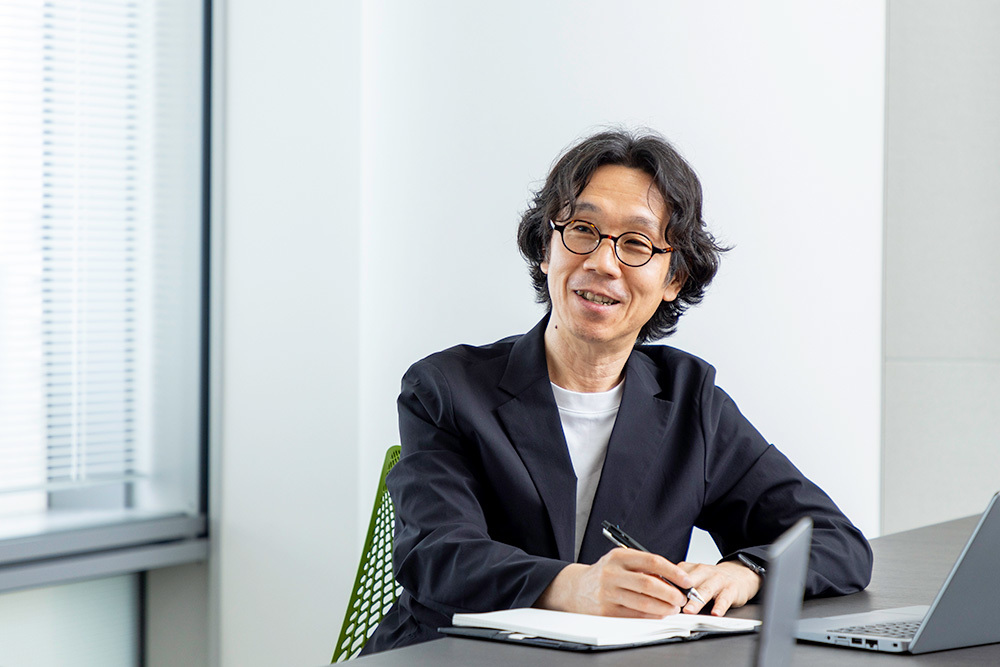
Uesugi: There's rental housing designed specifically for residents living with pets. Despite higher rent, it's very popular. This housing has a screening process for tenants, where they inquire about the pet's breed, daily training, and the owner's awareness of etiquette. The facilities include pet foot washing stations and robust soundproofing. Interestingly, this housing is also popular with people who don't own pets.
Natsume: Why is that?
Uesugi: Especially in urban areas, there's a "neighbor risk" – the uncertainty of who lives nearby. Living in a place where residents have undergone proper pet owner screening likely provides a sense of security. Also, people feel more comfortable approaching others with pets, leading to increased neighborhood conversation, which I think contributes to its popularity.
Natsume: So pets become a kind of "glue" not just for their owners, but for the surrounding residents too.
Uesugi: It's not just this rental housing example. As the population ages and birthrates decline, humans can't live alone and need someone to rely on. In this context, pets could become a catalyst, a sort of lubricant, connecting people.
Natsume: So the relationship between communities and pets will only deepen going forward.
Uesugi: If pets are becoming family members, then the demand for "Smart Pet Cities" – essentially, towns designed to be pet-friendly – will likely increase in the future.
Natsume: What specific examples come to mind?
Uesugi: For instance, city halls, town offices, and supermarkets might become pet-friendly. Roads could feature guardrails positioned lower to the ground to shield walking dogs from vehicle exhaust, or dedicated paths for walking with pets. Other possibilities include systems showing the congestion levels at dog parks.
Some municipalities are already advancing initiatives for pet-friendly living. Karuizawa Town in Nagano Prefecture promotes "dog tourism," making it easier to travel with your beloved dog. They've created maps showing facilities accessible with dogs, distribute booklets outlining café etiquette, and undertake various other efforts.
Natsume: Speaking of travel, initiatives allowing pets to travel with their owners are advancing both domestically and internationally, right? Overseas, there are even airlines offering first-class seats for dogs.
Uesugi: Domestically, StarFlyer offers a service allowing pets in cages to travel in the cabin. There have also been pilot tests for "pet-only Shinkansen" trains where owners and dogs travel together.
Natsume: So many initiatives are moving forward.
Uesugi: Dogs and cats can injure their hips by jumping down from high places or slipping on common flooring materials. Some building material manufacturers are offering products designed with dogs and cats in mind. Speaking of which, as global warming increases the number of scorching hot days, dogs' perceived temperature is significantly higher since they are closer to the ground. Walking dogs on asphalt can also burn their paw pads. Perhaps the development of asphalt that doesn't get as hot will advance in the future.
Even at the companies I consult for, there are many cases where they are now considering products and services from a pet's perspective, something they hadn't done before.
Natsume: This increased focus on the pet's perspective is a new trend, isn't it?
Uesugi: Some companies now allow dogs and cats to accompany employees to work. Additionally, as pets are aging, there are companies operating senior dog homes. Senior dog and cat homes are likely to increase in the future.
Mars, Inc., the U.S. pet food manufacturer, created the "BETTER CITIES FOR PETS" certification program to recognize cities that are pet-friendly. Over 150 cities in the U.S. have received this certification.
It's also important to consider people who are uncomfortable around pets.
Natsume: From the perspective of living with pets, could you share insights for future city planning?
Uesugi: Precisely because pets cannot speak and their thoughts are hard to understand, it's extremely important to determine what truly constitutes "for the pet's benefit." I don't think even the government anticipated pets becoming such an integral part of families.
However, one key consideration when thinking about the "pets and communities" theme is that "some people are uncomfortable around pets." There's also a significant knowledge gap between pet owners and non-owners. How pet owners and non-owners coexist is crucial.
Natsume: That's certainly true. We can see the immense potential for pets as partners that enhance happiness. Pets also seem to contribute to communication, acting as a lubricant that connects people. However, if this benefit is limited to only certain people, the city won't function well.
That said, the pet perspective hasn't been widely considered in urban design until now, so there's still plenty of room for growth. I look forward to continuing our discussions with Uesugi-san about cities with high levels of happiness for both people and pets.
[Editor's Note]
Pets also serve as entities that connect human communication and enrich relationships. This was a relatable discussion, even from everyday scenes seen in the city. On the other hand, it also touched on the necessity of considering not just the human side, but also the physical and mental health of the pets themselves. I felt Mr. Uesugi's point will become very important going forward. He also spoke about the discomfort he feels regarding the lingering tendency to view pets as objects, even as the trend of "family-like relationships" with pets progresses.
Considering towns and homes from a pet's perspective. As pets become increasingly indispensable to people, we must also contemplate "coexistence"—including those who are uncomfortable around them. This was a valuable opportunity to reflect on the diverse forms happiness can take.
【Contact for Inquiries Regarding This Matter】
Urban Future Design Unit
Website: https://www.dentsu.co.jp/labo/futuredesign_unit/index.html
Email: futuredesign-unit@dentsu.co.jp

Was this article helpful?
Share this article


Newsletter registration is here
We select and publish important news every day
For inquiries about this article
Back Numbers
Author
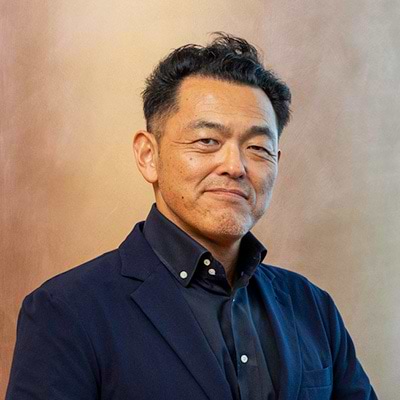
Tsuyoshi Uesugi
Dentsu Inc.
Business Transformation Division 1, BX Design Division 3
Senior Business Development Director
After serving in the Media Division, Sales Division, Promotion Division, and on secondment to a major distributor, currently engaged in the Business Design Division. Promoting "Decarbonization of Primary Industries" and "A Society Where Pets and Humans Can Coexist." Veterinarian (D.V.M.) / Livestock Artificial Insemination Technician / Food Sanitation Manager / Certified Sales Professional (Level 1)
Articles by this person
Morikazu Natsume
Dentsu Inc.
Business Transformation Division 1
Senior Project Director
For many years, I have been involved in projects related to "urban" and "place-making," including planning and implementation of promotional initiatives, planning for stores and commercial facilities, new business model development, and establishing concepts and branding for urban planning and area development. In recent years, I have also been responsible for promoting co-creation projects in collaboration with external partners, as well as building and operating platforms. Dentsu Inc. "Urban Future Design Unit" Leader / Representative Director, General Incorporated Association Aqua City Creation Partners / Class 1 Architect