Note: This website was automatically translated, so some terms or nuances may not be completely accurate.
 Healthcare Trends Revealed by a Survey of 10,000 People [1/1]
The number one cause of headaches is "changes in atmospheric pressure" ~ Considering healthcare from a meteorological perspective
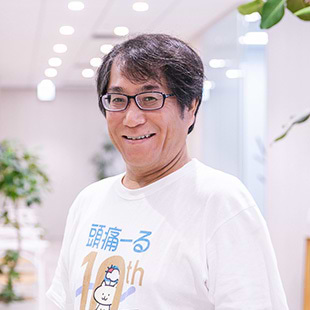
Takashige Iiyama
Bell System 24 Co., Ltd.
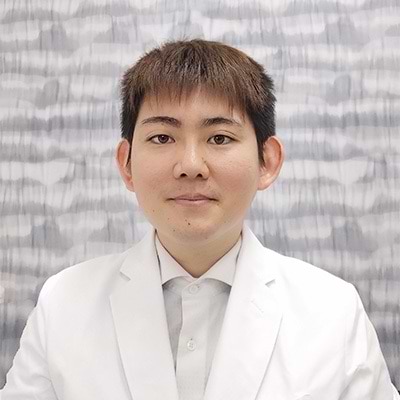
Masato Katsuki
National University Corporation Nagaoka University of Technology

Hisako Yamaguchi
Dentsu Inc.
The Dentsu Inc. Healthcare Team (*) conducts the annual "Wellness 10,000 Survey" targeting 10,000 men and women nationwide aged 20 to 60 (details here ). This series explores trends and business insights in the healthcare field based on the survey results.
The first theme is "Weather and Healthcare."
"My headache is caused by the air pressure." What was once dismissed as "all in your head" is now being scientifically explained, and initiatives to support those experiencing discomfort are advancing.
In this article, Dentsu Inc. Healthcare Team's Hisako Yamaguchi interviews Takashige Iiyama (Certified Weather Forecaster) from Bell System 24, who develops and operates the weather-based health management app "Zutsu-ru," and Masato Katsuki (Neurosurgeon), who researches the relationship between weather and headaches, based on the survey results.
*Dentsu Inc. Healthcare Team: A specialized organization providing one-stop support for the healthcare sector, from formulating target strategies and business models to development, market launch, and communication initiatives.

<Table of Contents>
▼Recent Weather Feels Strange. What's Happening?
▼10 Million Migraine Patients in Japan. Only 10% Receive Treatment
▼The "Zutsu-ru" App: A Game-Changer for Headache Care
▼Weather × Healthcare: An Area to Watch
The weather lately feels off. What's going on?
Yamaguchi: Dentsu Inc. Healthcare Team has conducted the annual "Wellness 10,000 Survey" since 2007. The survey tracks long-term changes in consumers' health awareness and behaviors, as well as the latest trends and market needs in the healthcare sector. Furthermore, based on the survey results, we provide business support in the healthcare field.
Release: Dentsu Inc. Conducts 18th Annual "Wellness 10,000 Survey"
The survey covers approximately 70 questions. While the core questions remain largely unchanged each year, the 2024 survey added elements related to weather. When asking respondents to select factors contributing to discomfort such as headaches, tinnitus, or fatigue, options related to weather—like changes in temperature, atmospheric pressure, and humidity—were included.
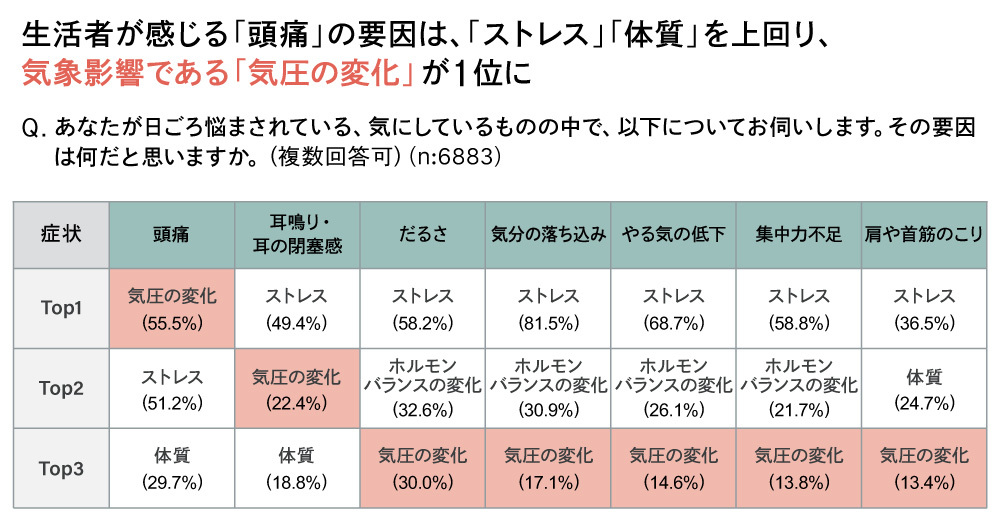
Yamaguchi: The results show that many respondents cited "changes in atmospheric pressure" as a factor contributing to their discomfort. Specifically, for headaches, "changes in atmospheric pressure" was cited by 55.5% of respondents, ranking first. It ranked second for "tinnitus/ear congestion" and third for "fatigue" and "lack of concentration."
This year has seen frequent heavy rains and extreme temperature swings, making the weather feel more unusual than usual. That's why this survey explored the relationship between discomfort and weather. As a certified weather forecaster, how do you interpret recent changes in the weather, Mr. Iiyama?
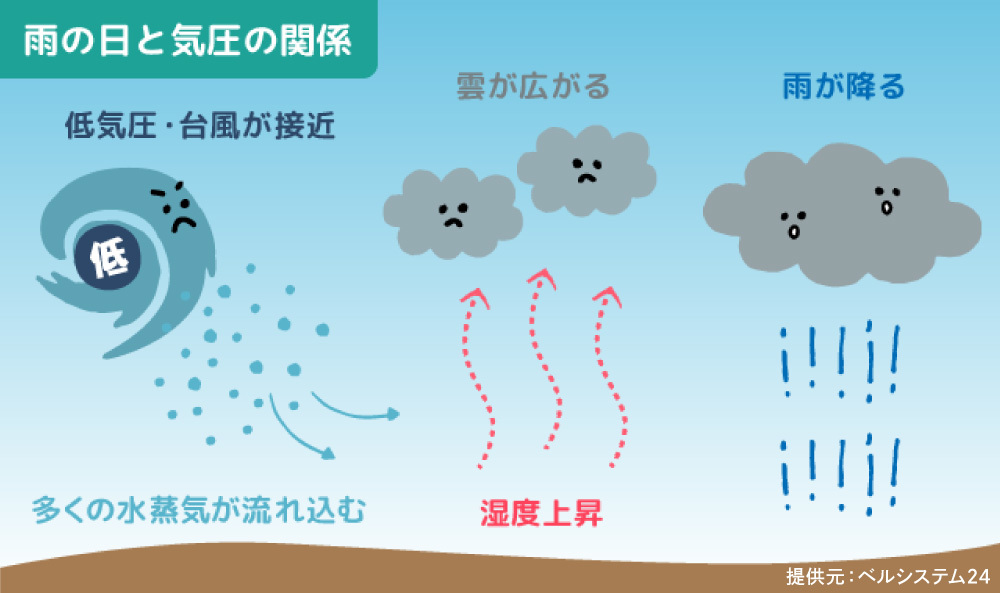
Iiyama: Global warming and other factors are causing temperatures and sea surface temperatures to rise, which is affecting the weather. The warmer the air, the more water vapor it can hold. At sea, higher sea surface temperatures increase evaporation. This increased atmospheric water vapor makes it easier for rain clouds to develop.
Yamaguchi: This year, the extremely slow-moving typhoon that hit Japan also made headlines. Does global warming affect typhoons?
Iiyama: Yes. Higher sea surface temperatures strengthen typhoons and prolong their intensity. When sea temperatures around Japan are high, there's a greater risk of typhoons maintaining their strength as they make landfall on the Japanese archipelago.
Yamaguchi: We're also seeing more sudden downpours, right?
Iiyama: When there's a large temperature difference between the ground and the upper atmosphere—like scorching heat at ground level but cold air aloft—air rises rapidly, making it easier for thunderclouds to form. The pattern of intense heat in the morning followed by sudden downpours in the afternoon has become more common than before.
Yamaguchi: We hear things like "pressure drops when it rains" or "pressure changes as a typhoon approaches," but what exactly is atmospheric pressure?
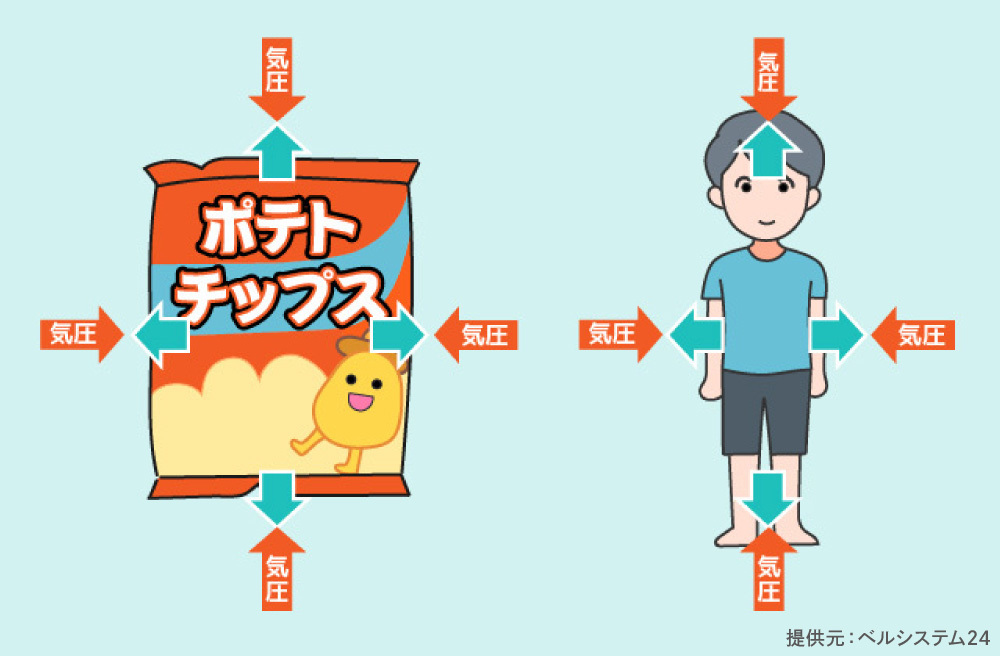
Iiyama: Atmospheric pressure is the force exerted by air. Air presses down on the ground and everything on it, including our bodies. When rain clouds form, updrafts occur easily, weakening the air's pressing force. That creates low pressure.
Yamaguchi: So global warming is also affecting atmospheric pressure.
There are 10 million migraine sufferers in Japan. Only 10% receive treatment.
Yamaguchi: In this survey, many people cited "changes in atmospheric pressure" as a factor in their discomfort. How does Dr. Katsuki, a neurosurgeon who treats headache patients clinically and researches headaches, interpret these results?
Katsuki: Healthcare professionals have long known from experience that headaches and other discomforts tend to occur when the weather worsens. However, there were few papers medically proving this, and it was often treated as an "urban legend" in the past. I believe the findings from the large-scale "Wellness 10,000 Survey" hold significant meaning.
Yamaguchi: Why does a change in air pressure cause headaches?
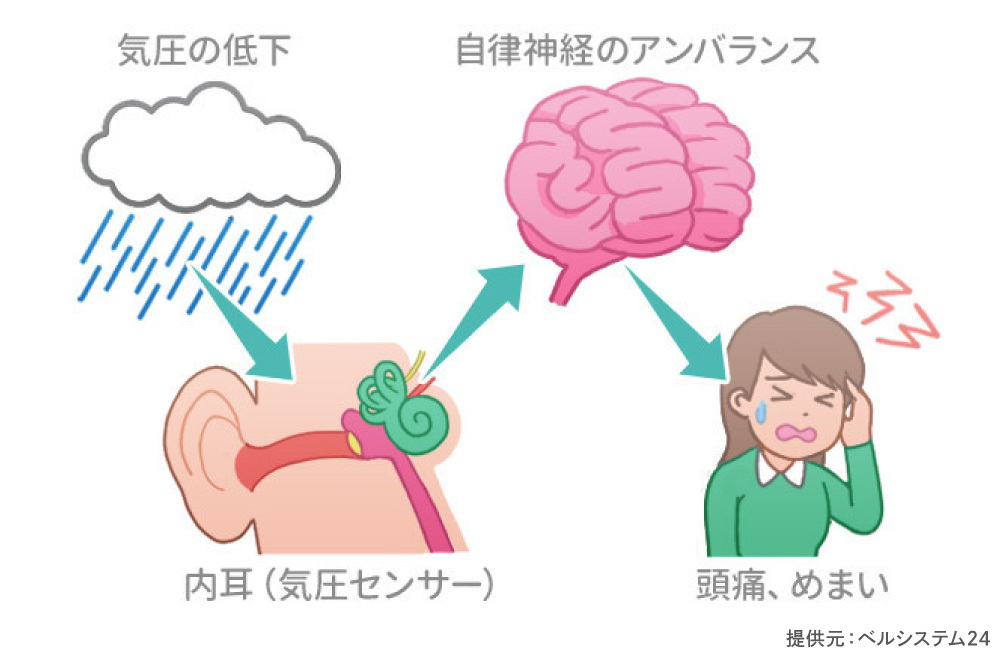
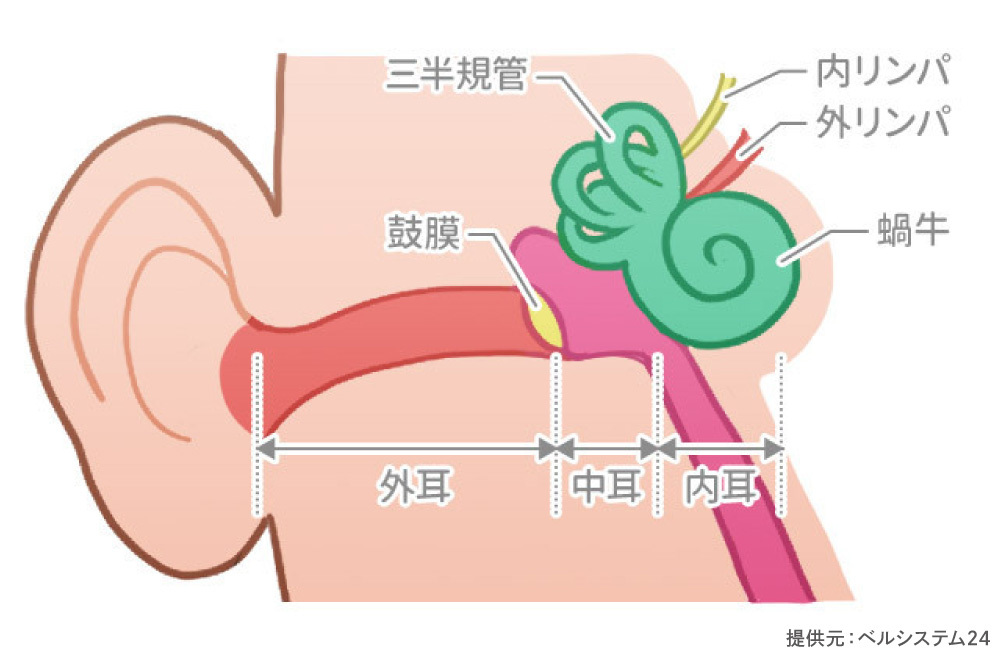
Katsuki: The inner ear contains sensors that detect changes in atmospheric pressure. When these sensors sense a sudden change in pressure, they send signals to the autonomic nervous system in the brain's central nervous system. This causes the body to react, disrupting the balance between the sympathetic and parasympathetic nervous systems, leading to physical discomfort. As Mr. Iiyama mentioned earlier, the formation of rain clouds often causes a drop in atmospheric pressure. It's likely that many people experience headaches during such times.
Yamaguchi: I see. By the way, how many people suffer from headaches?
Katsuki: It's said there are about 10 million migraine sufferers in Japan. Of those, only about 10% receive proper treatment. Most simply accept it as "just their constitution." Some take medication when they get a headache, but overuse of medication can sometimes cause further headaches.
Yamaguchi: Meaning they lack the health literacy to properly understand their own condition.
Katsuki: Exactly. As healthcare professionals, we want people to seek proper treatment. It's positive that more people are visiting clinics recently, thanks to the media spotlight on "weather-related illness."
The economic loss due to headaches amounts to 1.76 million yen per person annually. Headaches rank among the top three representative illnesses (threatening healthy life expectancy) that lead to economic loss, alongside back pain and insomnia. Some people are forced to quit their jobs because of severe headaches, and others experience serious disruptions to their school life.
Yamaguchi: It really makes me realize how much headaches impact our lives. What kind of coping methods are available?
Katsuki: Headaches are said to be triggered by changes in atmospheric pressure, as well as factors like lack of sleep, stress, diet, and hormonal changes during menstruation. Women overwhelmingly outnumber men in suffering from headaches.
As countermeasures, first, getting regular sleep is crucial. Next, reviewing your diet. Prolonged hunger or suddenly feeling full can make headaches more likely. Other methods include wearing earplugs or sunglasses, which are said to help mitigate the effects of barometric pressure changes. While there isn't clear evidence... I also suffer from headaches and wear earplugs when flying or taking the bullet train. Ear massage might also be effective.
If self-care doesn't improve your condition, please visit a headache clinic or a neurology/neurosurgery department. They can prescribe medications different from over-the-counter options. If you experience migraines more than twice a month, you may be eligible for preventive treatment.
The "Zutsu-ru" App: A Game-Changer for Headache Care
Yamaguchi: From your discussions, it's clear many people suffer from headaches, and that weather conditions play a role. As a tool for managing health using barometric pressure forecasts, Bell System 24, where Mr. Iiyama works, developed and operates the app "Headache-ru." What kind of app is it?
Iiyama: "Headache-ru" was released in 2013. As Dr. Katsuki mentioned earlier, back then, the idea that "headaches occur when low pressure approaches" was often discussed as an urban legend. That's why we started development, driven by the desire to uncover the relationship between weather and headaches.
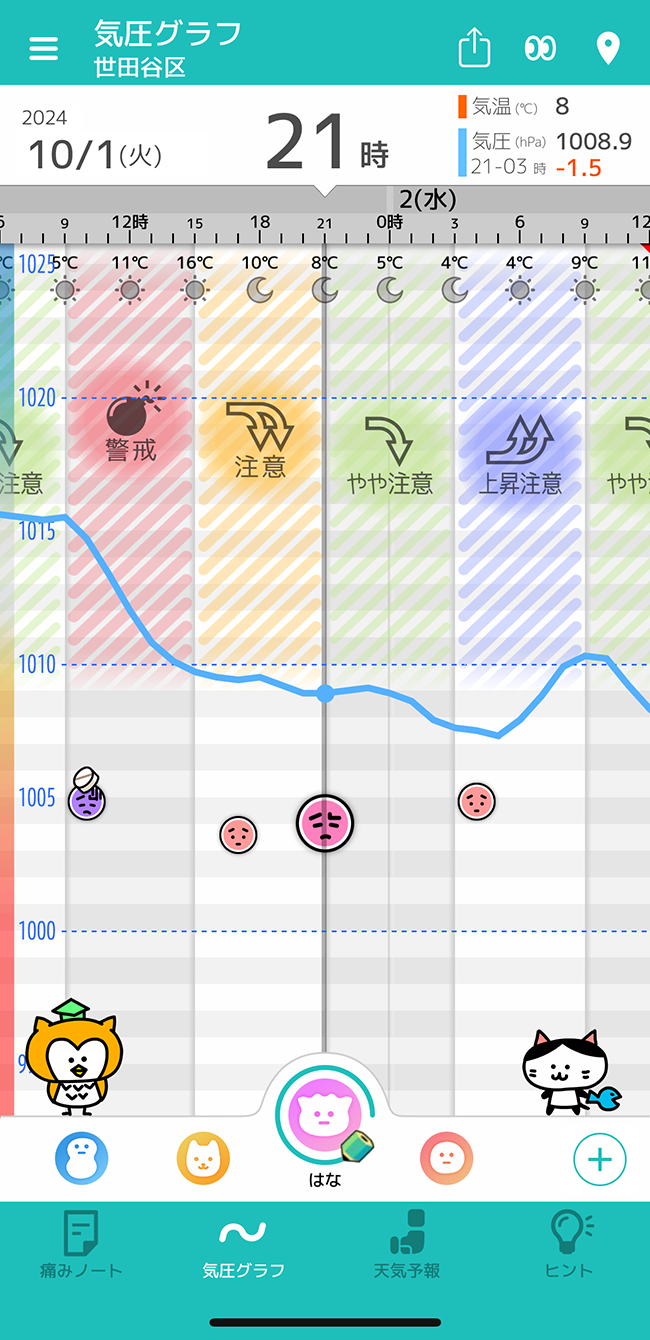
Iiyama: The app features functions that predict and notify users of barometric pressure changes, and allows users to record under what weather conditions they experienced discomfort. After logging 10 entries, it analyzes and informs users about the relationship between their pain patterns and barometric pressure changes.
When it launched in 2013, it reached 40,000 registered users within a month. As of October 2024, it has 19 million registered users. We also share information on social media; for example, on X, we post daily barometric pressure forecasts, information about headaches, and topics related to weather-related illnesses. We have approximately 360,000 followers on X (as of October 16, 2024).
Yamaguchi: It's used by many people, isn't it?
Iiyama: To make it easy to use, we kept the app's features as simple as possible, allowing users to log entries with just about three taps. Our main focus isn't just informing users about weather conditions like air pressure, but helping them understand the relationship between the weather and their own physical condition.
Yamaguchi: What kind of feedback have you received?
Iiyama: App reviews include comments like, "I realized changes in air pressure cause my headaches." Many users report a deeper understanding of the link between headaches and weather.
Katsuki: "Zutsu-ru" is currently the most valuable tool for monitoring headache sufferers in Japan. I joined the "Zutsu-ru Collaborative Research Team" in 2021 because I wanted to scientifically prove the link between weather and headaches. Using a year's worth of big data (300,000 headache records) from 4,375 users suspected of having migraines, we found a correlation between weather changes and headache occurrence and published our findings in a paper.
Iiyama: The paper gained global attention, even winning the "Top Cited Article 2022-2023" award given to highly cited papers.
Yamaguchi: "Zutsu-ru" is a symbolic initiative in the field of weather × healthcare. The big data collected by the app seems to have various potential applications in the healthcare domain.
Weather × Healthcare is an area that will gain attention going forward
Yamaguchi: What are your future goals in the weather × healthcare field?
Iiyama: Currently, "Zutsu-ru" is advancing integration with Fitbit, a smartwatch useful for health management. The goal is to incorporate data beyond weather, such as heart rate and sleep duration, to support health management for those suffering from headaches. Since other companies also collect data via healthcare devices, we'd like to explore collaborations with them as well.
Katsuki: By utilizing various data on the body and activity levels, we hope to uncover the causes of headaches and reduce the number of people suffering.
Iiyama: We also aspire to develop the app into a tool useful for various weather-related illnesses, not just headaches. Furthermore, it's becoming clear that weather-related illnesses affect not only adults but also children and pets. This July, we added a feature to the app allowing users to record data for children and pets. We want to analyze the collected data to raise awareness about weather-related illnesses.
Yamaguchi: If we can address various discomforts caused not only by air pressure but also by changes in temperature and humidity, it seems likely to contribute even more to overall well-being.
Katsuki: As a neurosurgeon specializing in headaches, I believe conditions beyond headaches and general physical discomfort are deeply linked to weather. Sudden temperature drops can trigger strokes or heart attacks. Our research also shows that temperature and humidity are related to symptoms like tinnitus and a feeling of ear blockage, seen in conditions such as Ménière's disease. The intersection of weather and healthcare is an area that will likely gain more attention going forward.
Y amaguchi: You're absolutely right. Our Dentsu Inc. Healthcare team will continue the "Wellness 10,000 Survey" while exploring the relationship between various social issues and healthcare. Thank you for your time today.
[Survey Overview]
・Target Area: Nationwide, Japan
・Subject Criteria: Men and women aged 20–60
・Sample Size: 10,000 ※Samples collected to match gender, age, and regional composition ratios to the population (2020 Census)
・Survey Method: Online survey
・Survey Period: June 7–10, 2024
・Survey Agency: Dentsu Macromill Insight, Inc.

Was this article helpful?
Share this article


Newsletter registration is here
We select and publish important news every day
For inquiries about this article
Author
Takashige Iiyama
Bell System 24 Co., Ltd.
Weather Forecaster / Health Management Specialist
Masato Katsuki
National University Corporation Nagaoka University of Technology
Physical Education and Health Center
Associate Professor
Hisako Yamaguchi
Dentsu Inc.
Dentsu Inc. Healthcare Team Growth Branding Department Business Transformation Division 2
Consultant