Note: This website was automatically translated, so some terms or nuances may not be completely accurate.
 Balancing culinary enjoyment with nutritional balance! The cross-company project "Tujitsumasiawase" [1/2]
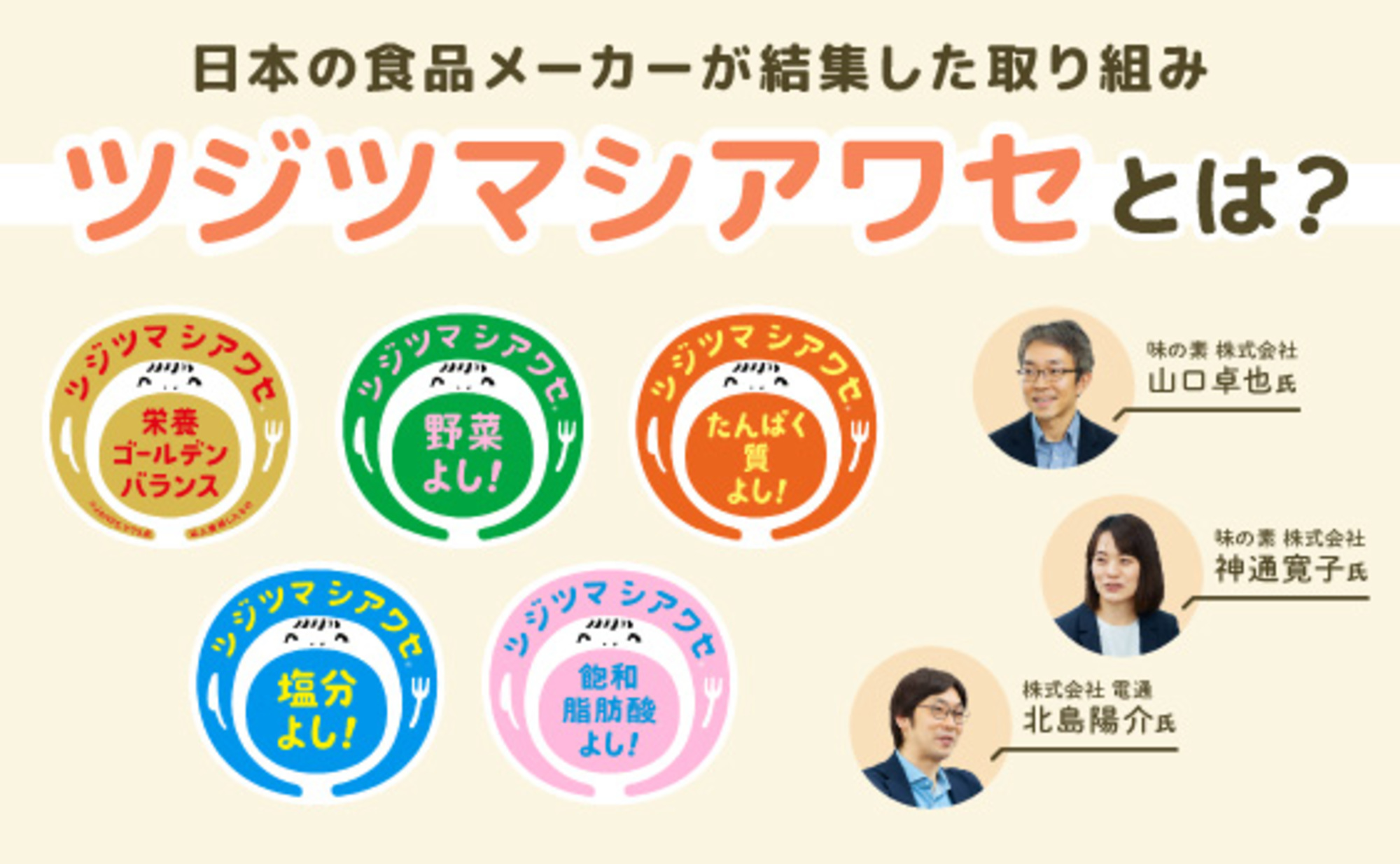
Aligning the Four Nutrients & Ingredients! What is "Tsujitsuma Happiness," where the food industry unites?

That ramen after a drinking party, that dessert you have room for after a meal... You enjoy your fill of "happiness," only to be hit by guilt when you start thinking about your next meal.
But that's exactly when you should think, "Oh well," and gently balance your nutrition before and after with "Tsujitsumasiawase"!
Gaining attention for this unique approach is "Tsujitsuma Shiawase," a joint initiative by major domestic food manufacturers and other companies promoting the concept of "Enjoying Nutritional Balance."
In this article, Dentsu Inc.'s Yosuke Kitajima interviews Takuya Yamaguchi from Ajinomoto Co., Inc., who is involved in project management at the secretariat, and Hiroko Jinzu from Ajinomoto Co., Inc.'s Food Research Laboratory, who works on developing nutritional evaluation systems.
They discussed the dietary challenges faced by Japanese people, the significance of cross-sector collaboration among food manufacturers and media, and future prospects.
<Table of Contents>
▼Japanese Food Manufacturers Unite. What is the "Tsujitsumasiawase" Initiative?
▼What are the two nutrients and ingredients lacking in Japanese diets, and the two nutrients consumed in excess?
▼Deep Dive into 4 Nutrients and Ingredients Benefiting Japanese Nutrition, and Their Characteristics
▼The Food Industry Unites for "Tsujitsumasiawase," Aiming to Make It a "Social Cause"
▼Building Systems to Implement and Sustain "Tsujitsumasiawase"!
Japanese food manufacturers unite. What exactly is the "Tsujitsumasiawase" initiative?

Kitajima: We'll be discussing the "Enjoying Nutritional Balance" promotion project, which brings together domestic food manufacturers and video recipe media. First, what exactly is "Tsujitsumasiawase"?
Yamaguchi: We're in the era of 100-year lifespans, and maintaining a long "healthy lifespan" is becoming increasingly important. To achieve this, balanced nutrition through daily meals is crucial. However, it's also true that planning nutritionally balanced meals every day can be a significant burden for consumers.
Kitajima: Everyone wants to eat balanced meals if they can. But realistically, preparing nutritionally balanced meals for three meals a day is a high hurdle.
Yamaguchi: Exactly. Of course, if you feel unwell or have specific health issues, you'll likely start paying serious attention to your diet. But for people not in that situation, especially younger generations who rarely feel health concerns yet, making preventive dietary improvements is difficult.
That's why we propose "Tsujitsumasiawase" as a method to lower the barrier to thinking about nutrition while simultaneously enabling a fun and happy eating lifestyle, primarily targeting the "group whose health challenges haven't yet become apparent."
The concept is: "Even if you happily eat what you want and feel happy, as long as you loosely align your choices before and after, you can practice a healthy diet."
This is the core concept.
Jintsu: When people think of nutritionally balanced meals, they often feel pressured to create perfectly balanced menus for every single meal. But the key feature of "Tsujitsumasiawase" is that it's okay to focus on overall nutritional balance over a certain period.
For example, if you feel like "I've eaten out both yesterday and today and had too much greasy food," you consciously plan meals with more vegetables or less salt for the next few days. The idea is to balance your nutrition over a period of about a week.
What are the two nutrients and foods Japanese people lack, and the two they consume too much of?

Kitajima: So, rather than focusing on a single meal, loosely balancing your intake over a set period allows you to achieve both happy eating and nutritional balance, right?
Shinju: Yes. "Tsujitsuma Happiness" adopts the Japan Nutrient Profiling System (JANPS), a nutritional profiling system that addresses challenges in Japanese dietary habits. Within this system, we focused on "four key nutrients and foods" to simplify and clarify nutritional balance over a period of time.
The "Tsujitsuma Happiness" mark was developed to make this JANPS concept easy for anyone to incorporate into their daily life.

〈Two Recommended Nutrients/Foods〉
Vegetables, Protein
〈2 Restricted Nutrients〉
Salt, Saturated Fatty Acids
Kitajima: By summarizing the nutrients Japanese people should actively consume and those they tend to overconsume into two categories each, we simplified the concept, right?
Jintsu: Exactly. In addition to the four marks indicating whether the intake of recommended nutrients ("Vegetables" and "Protein") exceeds the target by 25% or more, and whether intake of restricted nutrients ("Salt" and "Saturated Fats") falls below the target by 25% or more, there is the "Nutritional Golden Balance" mark, which shows that all four scores meet a certain standard.

How is this mark used? Participating companies' menus and meal plans are evaluated based on JANPS standards, and the mark is awarded to those meeting the respective criteria. By selecting menus or meal plans using this mark as a reference, even those unfamiliar with nutrients can easily practice "adjusting nutritional balance."
Yamaguchi: The "Tsujitsumasiawase" portal site features numerous recipes for participating food manufacturers' "Tsujitsumasiawase" menus, with these marks displayed on menus meeting the criteria. Furthermore, the site allows users to search for menus based on dietary concerns or desired ingredients.
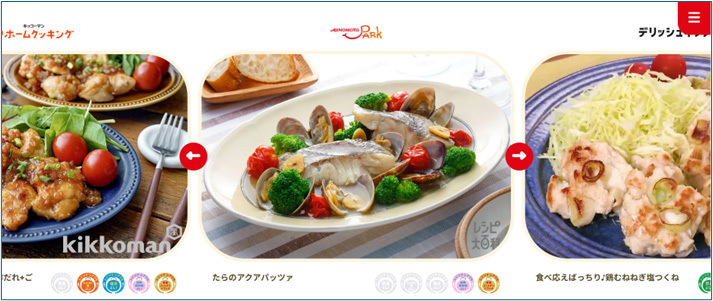
The portal site introduces participating companies' "Tsujitsumasiawase" menus. Displaying the "Tsujitsumasiawase" mark below each menu allows users to quickly check a large number of menus that meet their specific needs.
Users actively utilizing the portal site have shared positive feedback, such as: "It's convenient to select menus based on nutrients I'm lacking" and "It helps me create nutritionally balanced meal plans."
Diving deeper into the four nutrients and ingredients beneficial for improving Japanese nutrition, and their characteristics

Kitajima: Let's revisit the "JANPS" system, which serves as an evaluation metric for assessing the nutritional balance of "Tsujitsumasiawase." How was this system developed?
Jintsu: The foundation is a system developed in 2020 by Ajinomoto Co., Inc.'s Food Research Laboratories called "The Ajinomoto Group Nutrient Profiling System" (hereafter ANPS) (*). Within our group, we utilize this ANPS framework for nutritional evaluation and product revisions of our own products, such as soups and other processed foods and frozen foods, as well as for recipe development.
※NPS = A system that scientifically evaluates the amount of nutrients contained in food and clearly profiles the nutritional quality of that food.
Yamaguchi: However, to achieve nutritional improvements for consumers, we believed it was crucial to adapt the ANPS framework into a more accessible form and implement it socially.
Therefore, we approached major domestic food manufacturers and launched this project. "JANPS" is the upgraded version of "ANPS," incorporating insights from each company.
Jintsu: For "JANPS," we focused on four nutrients and ingredients aligned with the dietary culture and health challenges of modern Japanese people. These are "Vegetables," "Protein," "Salt," and "Saturated Fatty Acids" – also represented by the Tsujitsuma Happiness Mark.
Kitajima: What are the challenges in the Japanese diet?
Shintsu: A defining characteristic of Japanese food culture, and a major challenge, is the excessive intake of "salt" (sodium). Recent research shows that over 88% of survey participants consume far more than the daily salt intake target: less than 7.5g for men and less than 6.5g for women (according to the Ministry of Health, Labour and Welfare's "Dietary Intake Standards for Japanese 2020").
Kitajima: 7.5g or 6.5g... That seems like you could easily exceed it in just one meal if you eat ramen or rice bowls...
Jintsu: Yes. Excessive sodium intake is a contributing factor to various lifestyle-related diseases, so consciously reducing salt intake in daily life is crucial.
And another thing. In recent years, with the increasing Westernization of diets, we also need to be mindful of excessive intake of "saturated fatty acids," which are abundant in meats, butter, and heavy cream. Excessive saturated fat intake is associated with dyslipidemia and cardiovascular diseases.
Kitajima: That's true. It's easy to consume too much salt and saturated fat without being mindful. Conversely, what about nutrients that Japanese people tend to lack?
Jintsu: I think many people feel this, but broadly speaking, there's a tendency to lack "vegetables." Vegetables contain nutrients like dietary fiber and potassium, which are essential for preventing lifestyle-related diseases and maintaining a healthy life.
According to the Ministry of Health, Labour and Welfare's "2023 National Health and Nutrition Survey Results," the average intake is about 262g for adult men and about 251g for adult women, falling short of the target intake of 350g for Japanese people. We need to increase vegetable intake in our daily diets. Another nutrient we tend to lack is "protein."
Kitajima: It seems like we could get it from common foods like meat, fish, and eggs, but it's surprisingly easy to fall short.
Jintsu: That's right. Protein is especially important from the perspective of our super-aged society. Protein intake is said to be effective in preventing "frailty," where physical and cognitive functions gradually decline with age, and "locomotive syndrome (locomo)," where mobility becomes difficult due to musculoskeletal disorders.
However, older adults tend to be prone to protein deficiency due to reduced food intake. It's a good idea to regularly check ingredients and menus rich in protein.
Yamaguchi: In summary, we believe that considering the balance of "vegetables," "protein," "salt," and "saturated fatty acids" can help prevent lifestyle-related diseases and contribute to extending healthy life expectancy.
We hope many consumers will internalize this concept of "Tsujitsumasiawase" and utilize the portal site mentioned earlier, , to put it into practice for improving their diets.
We want the entire food industry to work together on "Tsujitsumasiawase" and make it a societal issue.
Kitajima: What makes this project unique is the collaboration among major domestic food manufacturers. It's rare to see a project where not just one company, but food manufacturers and media outlets work together across sectors.
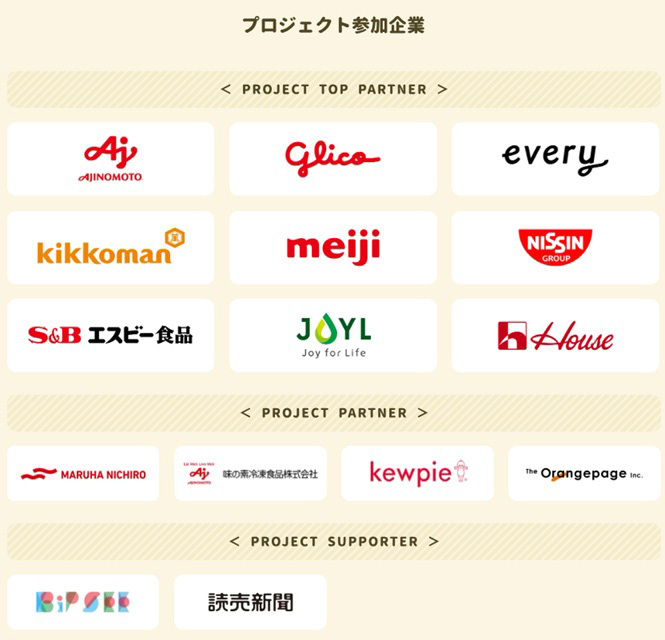
Yamaguchi: To my knowledge, there may be no other initiative this cross-cutting. Furthermore, companies resonating with our philosophy are gradually joining. When we launched the project and conducted the PoC (Proof of Concept) in Kawasaki City in 2023, there were six companies. By 2025, that number has grown to fifteen.
Kitajima: What led to this cross-company collaboration involving so many businesses?
Yamaguchi: When considering consumers' diets, it's not just about one company's products—it involves ingredients, seasonings, processed foods, boxed lunches, and more. Meal situations also vary, like home-cooked meals, prepared meals, and eating out. Considering all this, we realized that improving consumers' nutrition would be difficult if we didn't involve the entire food industry, not just Ajinomoto alone.
Furthermore, a cross-industry approach creates greater social impact. While expert and governmental efforts are important, by having the entire food industry—which consumers are familiar with daily—advocate for "improving nutritional balance," we can transform the theme of dietary improvement into a "social cause."
Kitajima: As the secretariat, Dentsu Inc. is also advancing this project alongside participating companies. The perspective of making dietary improvement – something that concerns every Japanese person – a societal issue is truly vital.
In fact, when we explain the "Tsunitsumaiawase" concept to companies we approach, we often hear them say, "That's a great initiative."
Yamaguchi: Among the food manufacturers collaborating this time, some are competitors in certain categories. But it's heartening that we're united in working toward the common goal of contributing to the well-being of Japanese people in the realm of food.
Jintsu: As researchers, we're also greatly inspired by having opportunities to directly discuss nutritional evaluation systems and approaches to nutritional targets with researchers from other companies. At the same time, we've truly felt the passion others share for "improving consumers' nutrition," fostering a sense of solidarity within the industry.
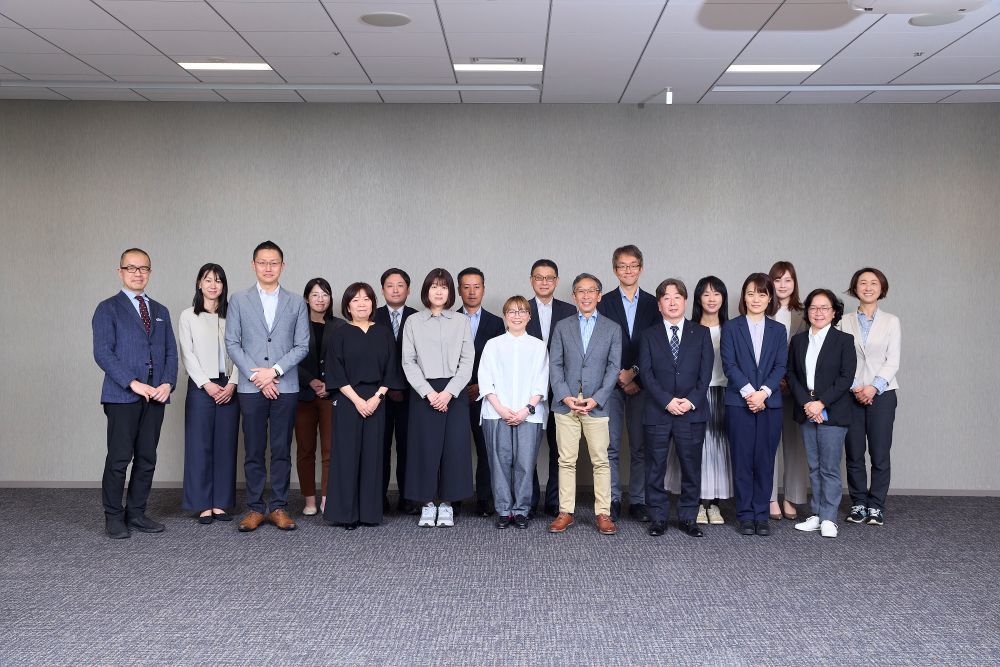
Let's build mechanisms that lead to the practice and continuation of "consistency and happiness"!

Kitajima: Since the project's launch, we've implemented various initiatives to spread "Tsujitsumasiawase." Please share the tangible results and sense of expectation you feel, Mr. Yamaguchi and Mr. Jintsu, as well as your outlook for the future.
Yamaguchi: Beyond advertising on the internet and in-store signage, we've held PR events featuring actors Mocomichi Hayami and Chihiro Kondo, had six influencers post on social media, and implemented various other initiatives. Fortunately, these efforts received favorable coverage across different media outlets. As a result, awareness of the "Tsujitsumasiawase" initiative has gradually increased, and I feel it's starting to permeate consumers' lives.
The challenge going forward is not just awareness, but getting people to actually take action. While leveraging the advantages of the "Tsujitsumasiawase" mark, such as its clarity and ease of implementation, we want to focus even more on developing mechanisms that encourage consumers to continue practicing it.
Jintsu: I also feel that, above all, it's crucial for consumers to practice "Tsujitsumasiawase" and keep it up. Ajinomoto Co., Inc.'s Food Research Institute has a wealth of knowledge, so moving forward, I want to collaborate with our partner companies to explore recipe development and other approaches, incorporating perspectives on how we can tackle this more scientifically.
Kitajima: I also feel this is a compelling project with vast potential for expansion. While we've discussed cross-industry collaboration, moving forward, we'd like to involve not only food manufacturers and media but also regional companies engaged in local food initiatives and municipalities. Dentsu Inc. will fully support efforts to further raise awareness and expand the number of practitioners. Thank you all for today!


Was this article helpful?
Share this article


Newsletter registration is here
We select and publish important news every day
For inquiries about this article
Author
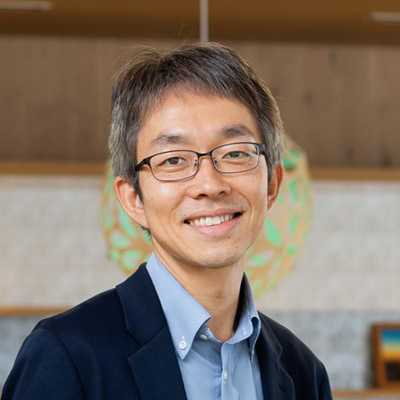
Takuya Yamaguchi
Ajinomoto Co., Inc.
Food Business Division Marketing Design Center Marketing Development Department
Strategic Project Group Manager
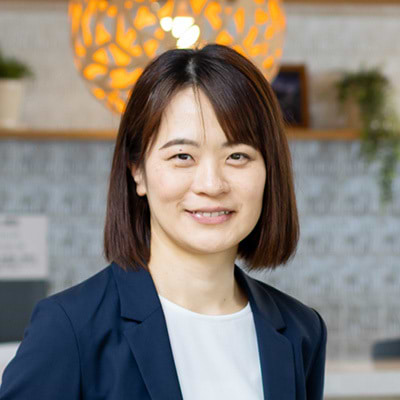
Kanako Jintsu
Ajinomoto Co., Inc.
Food Research Institute Wellness Solutions Development Center Information Development Group
Researcher
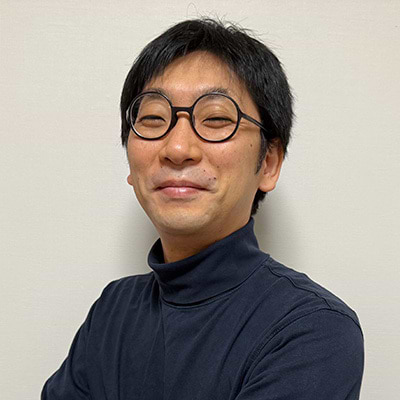
Yosuke Kitajima
Dentsu Inc.
Marketing Division 4
Planning Director