Note: This website was automatically translated, so some terms or nuances may not be completely accurate.
 A Half-Step Ahead Future: Viewed Through the Eyes of Asia's Generation Z [2/2]
What is the "Next-Generation Health Model" envisioned by young people in Asia?
By 2025, it is said that one-quarter of Asia's population will be Generation Z, a generation also attracting attention as one with significant purchasing power. Against this backdrop, Dentsu Youth Research Department (hereafter Dentsu Wakamon), in collaboration with Dentsu Global Business Center and members of Dentsu Group's overseas offices, conducted the "Tsugikuru" survey on Generation Z's new values. The survey targeted students aged 10 to 20 across seven Asian markets: Japan, Taiwan, Indonesia, Thailand, Vietnam, the Philippines, and Malaysia. (Press release here )
This series explores insights into Asia's Generation Z based on workshop results with local university students. We introduce the values and trends Generation Z envisions as future hypotheses, highlighting commonalities and differences across markets.
This installment's theme is "The Future Shape of Health" as envisioned by young people. The COVID-19 pandemic has brought changes to the environment surrounding health. We believe understanding these changes now offers hints for achieving more flexible communication with Generation Z.
Dentsu Inc. Wakamon
A planning & creative unit within Dentsu Inc. that researches the realities of teens and young adults (primarily high school and university students) to find hints for building better relationships between youth and society. It constructs future hypotheses under the theme "The Next Shape of [○○]." (Past "Tsugikuru" workshop articles can be found here )
<Table of Contents>
▼The "Next-Generation Health" Seen by Asian Youth
▼Next-Generation Health in Japan
▼Next-Generation Health in Vietnam
▼Next-Generation Health in Thailand
▼Next-Generation Health in Malaysia
▼Future Hypotheses Emerged from Next-Generation Health Across Asia
What "The Next Generation of Health" Means to Asian Youth
This time, we introduce four markets (Japan, Vietnam, Thailand, Malaysia) with particularly distinctive characteristics from among seven Asian markets. While introducing how the shape of "health" is changing for students in each market, we explore future hypotheses.
Looking at the students' reports, we first noticed that while they all discuss health, their specific interests vary widely. Many students, in particular, showed a strong focus not just on physical health, but also on mental well-being.
The Next Shape of Health in Japan
While we often distinguish between physical and mental health, examining these student reports suggests a shifting balance in which aspect is prioritized. Some reports even mentioned "accepting unhealthiness." Could this reflect a growing trend of embracing diversity, extending even to health? In an era without clear answers, is the notion that one must be absolutely healthy truly the right answer? This might be a case calling that very idea into question.
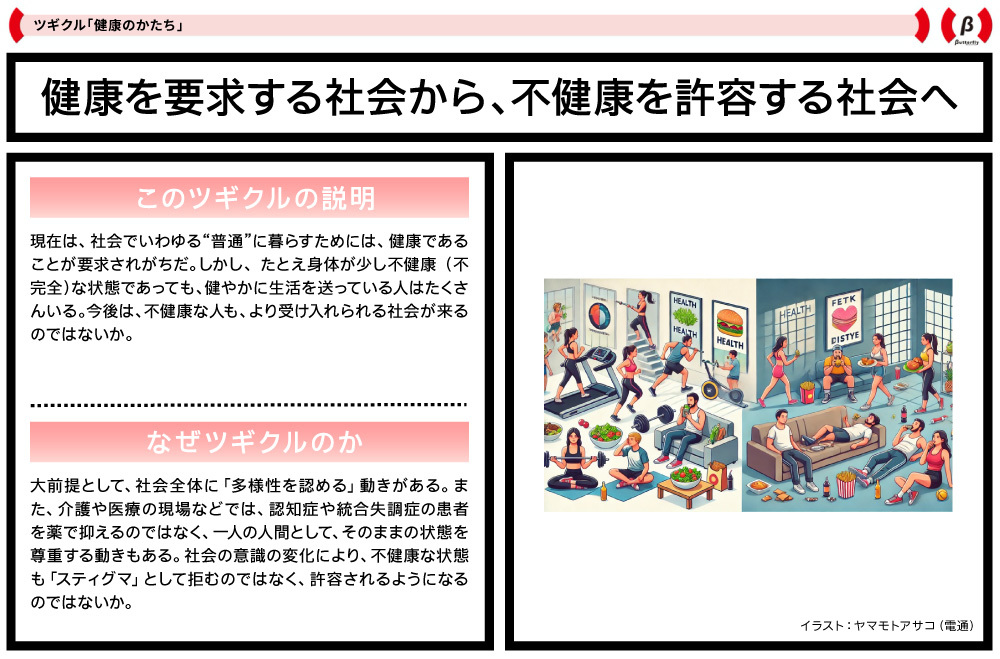
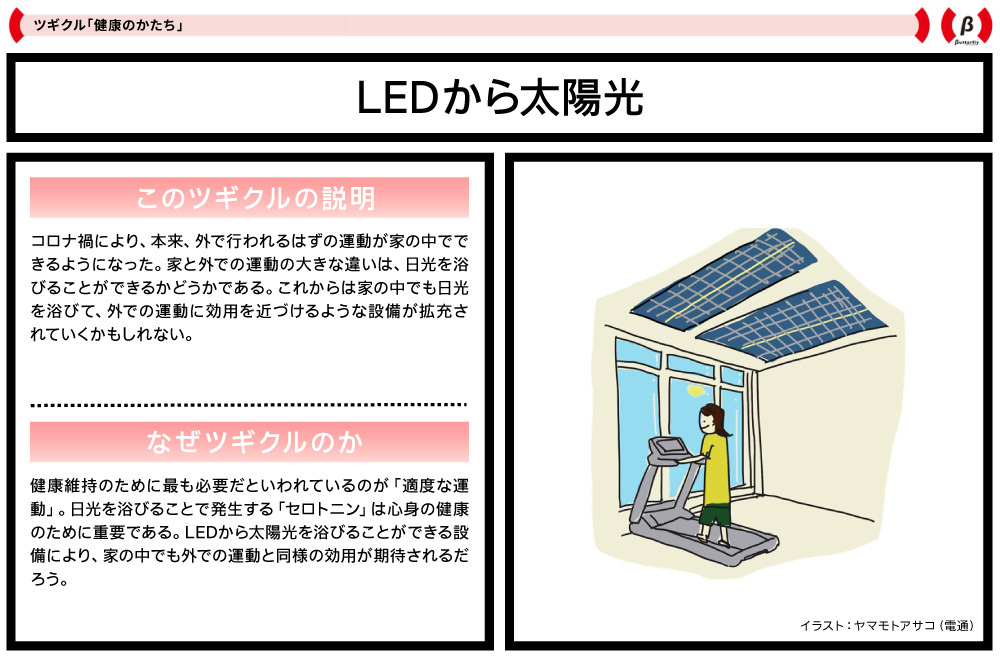
Other reports hinted at a future overturning established concepts: "An era where we can bathe in sunlight via LED" and "Cup noodles becoming a health food."
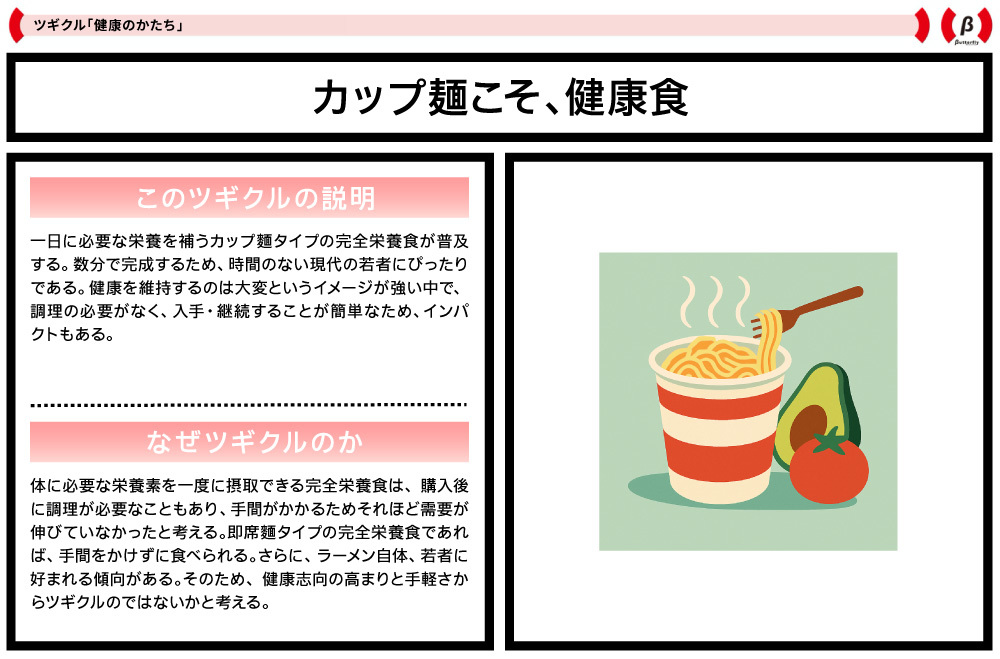
As evident in reports on cup noodles born from thoughts like, "Isn't it worse for mental health to resist eating cup noodles you crave because they're unhealthy?", skepticism is growing about the idea that "physical health can lead to mental unhealthiness."
Indeed, with technological advances enabling people to soak up sunlight indoors, build authentic relationships online, and maintain physical health with nutritionally complete cup noodles, the preconception that "being a recluse equals being unhealthy" may begin to shift.
If we transition to an era where "mental health comes first" ( ), then "healthy social withdrawal" could become a viable concept.
The Next Wave of Health in Vietnam
The key insight from Vietnam is "technology-driven healthcare." We observed trends where people fully utilize apps to establish habits for healthy exercise and diet, track their sleep, and visualize their health.
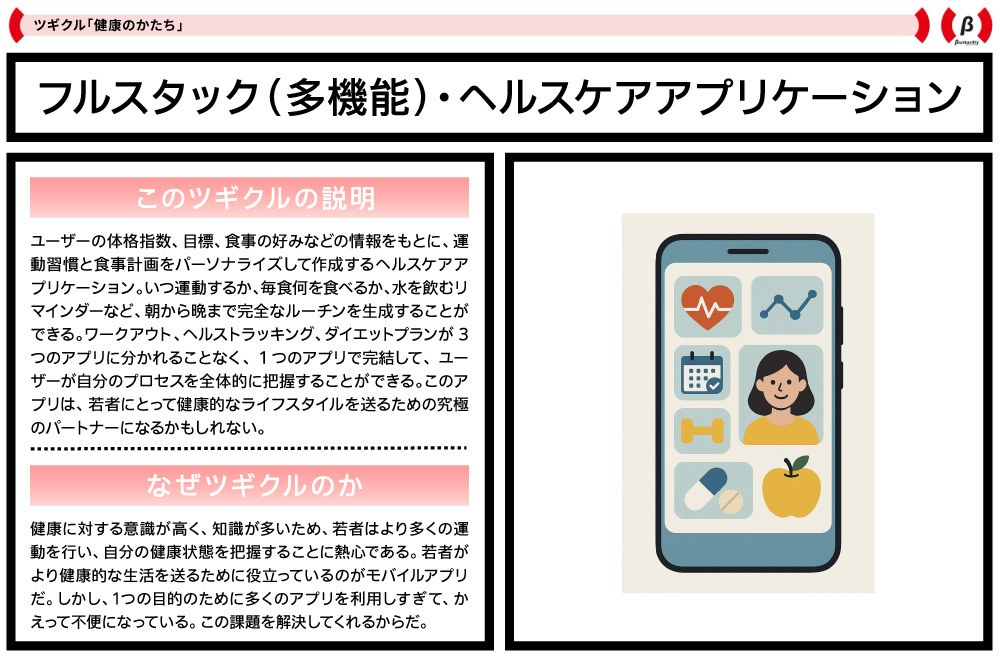
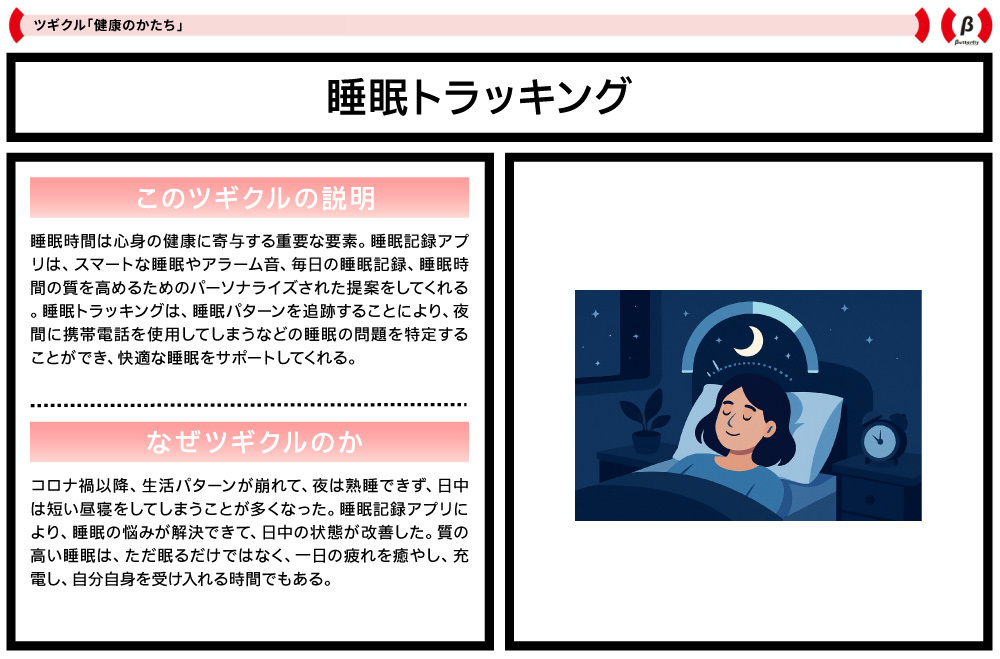
The background to young people's efforts to maintain physical health may reflect a value system where they prioritize physical well-being now to build health savings for their later years. Furthermore, since young people don't typically have immediate health concerns, it can be difficult to find motivation. By visualizing their efforts, they are trying to maintain that motivation.
The Next Wave of Health in Thailand
In Thailand, too, there was a noticeable attitude of approaching health from both physical and mental perspectives.
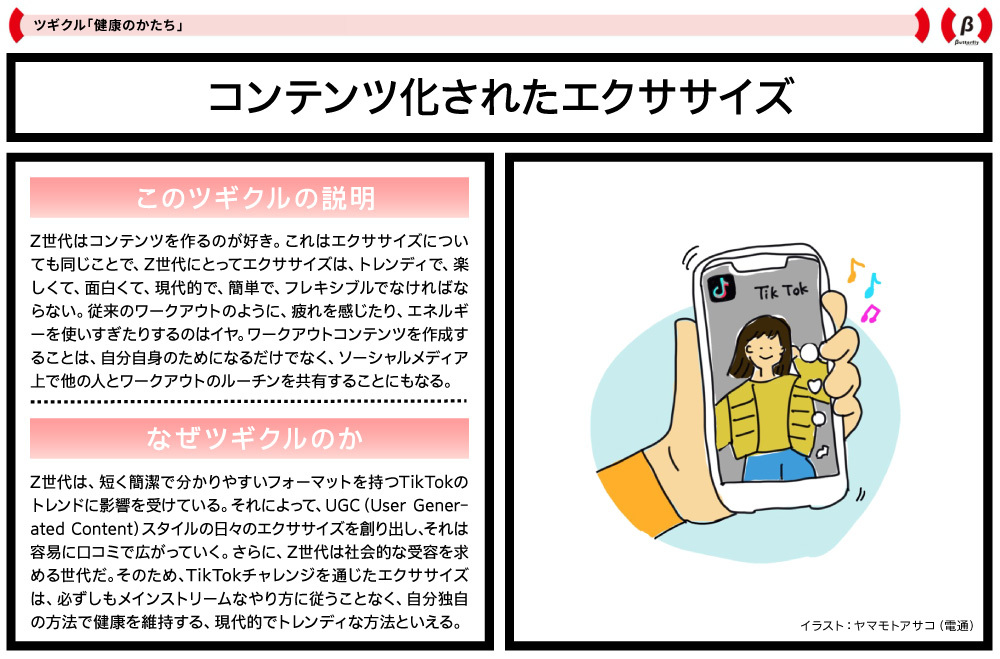
Regarding physical health, the contentization of exercise was highlighted, showing signs of incorporating mobile apps and online content, similar to Vietnam. Exercise also tends to be established as a distinct genre within video content.
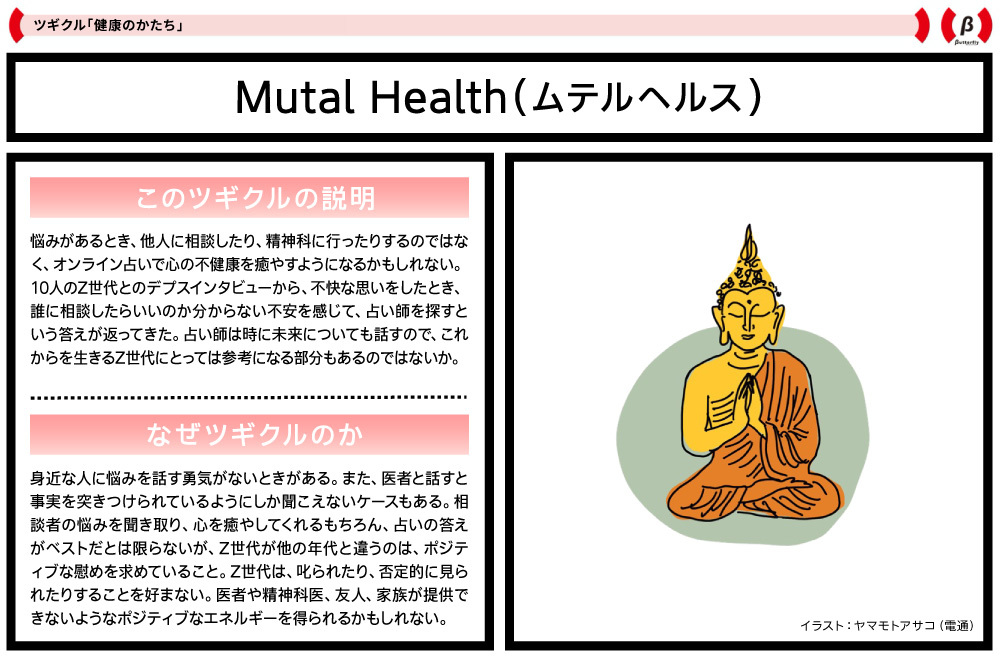
Beyond technology, a uniquely Thai perspective emerged: relying on local beliefs like "muther"—a preference for fortune-telling and lucky gemstones—as one method for mental health care.
Notably, Thailand's intergenerational mindset shows low expectation that future children will care for them in old age, coupled with a strong awareness that they must take care of themselves. People reportedly start searching for healthcare products, insurance, and senior housing while still young.
This stems from traditional Thai values, where parents may believe their children will take care of them in the future and shoulder all responsibilities , or it could be a reaction against the parent generation who viewed child-rearing as an investment in their own future.
The Next Wave of Healthcare in Malaysia
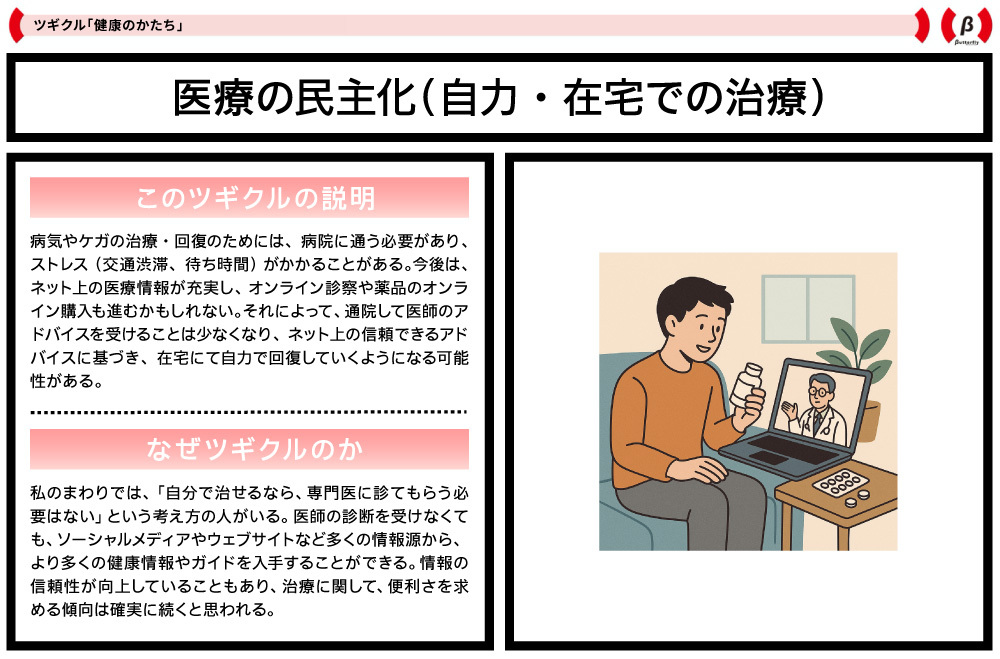
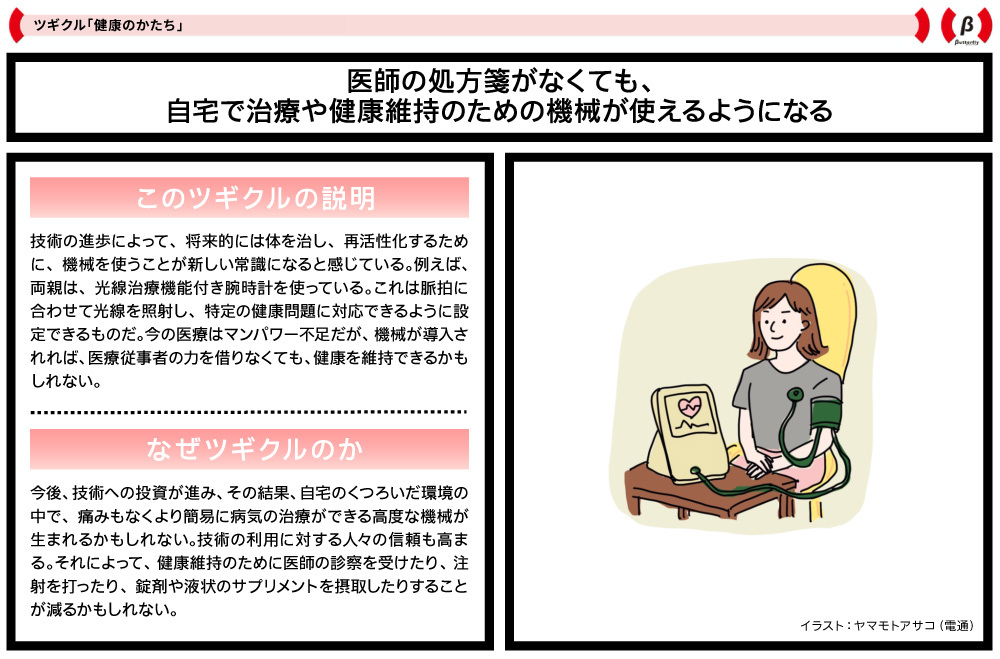
In Malaysia, the ability to independently research information via smartphones has triggered a shift among younger generations away from Western medical approaches toward Eastern medicine and traditional therapies like preventive healthcare. There appears to be a transition from passive treatment and curative measures toward a focus on preventive care emphasizing rejuvenation and holistic healing. This reflects a proactive stance, moving away from hospital and clinic-centric care toward engaging with health anytime, anywhere.
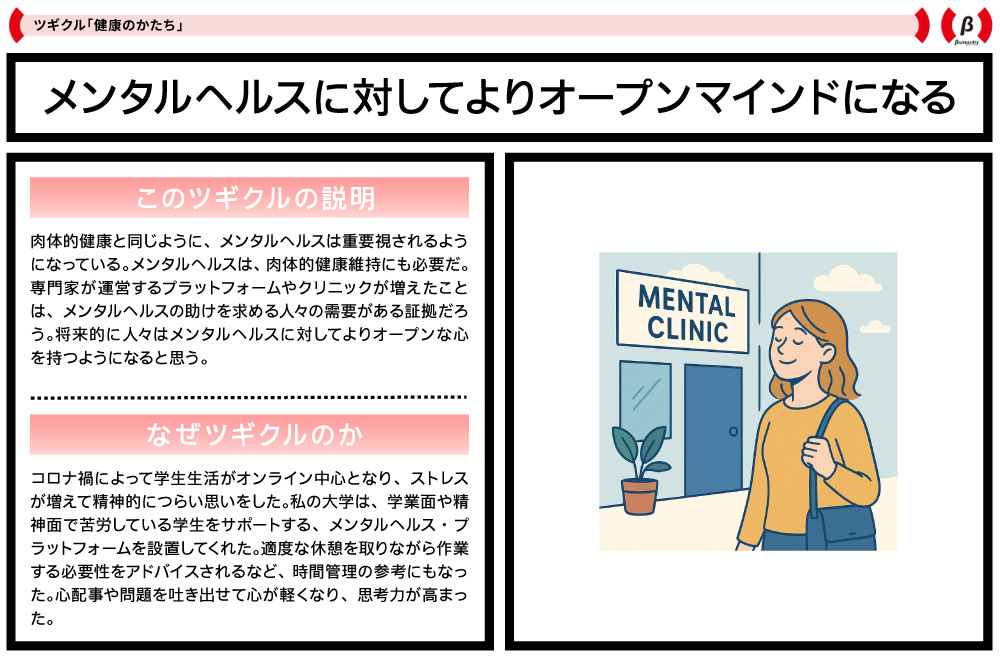
There are also indications that attitudes toward mental health are becoming more open. Among young people's health consciousness, the importance placed on mental well-being is clearly increasing.
Future Hypotheses Emerging from Next-Generation Trends Across Asia
Overall, it seems Generation Z is gaining the insight that physical health alone isn't everything; true health requires maintaining mental well-being and mental health. The boundary between physical and mental health is likely becoming blurred.
So why are they gaining this awareness? Two major factors stand out. First, following the global impact of the COVID-19 pandemic, while physical health awareness increased, restrictions on movement led to mental unhealthiness, bringing mental health into sharp focus.
The pandemic also saw increased social media engagement, leading to comparisons with others and contributing to mental health issues. There is a growing understanding that we need to use technology wisely, learn to interact with social media effectively, and find a balance.
Second, diverse forms of happiness are becoming a trend. As seen in the Japanese discussion about "being happy while being a hikikomori," there's a growing trend of not interfering with what others enjoy. For example, the "sober curious" lifestyle (where people who can drink alcohol choose not to, or drink very little) is becoming established. It also feels like the idea that what constitutes health depends on each person's values, and that understanding comes from accepting those values, is becoming more widespread.
Through this "Next Generation Health" initiative, I felt we could see the emerging needs addressing young people's diverse health concerns, despite variations in approach across countries. I believe marketing focused on solving issues like mental health will become increasingly important and gain greater attention.

Was this article helpful?
Share this article


Newsletter registration is here
We select and publish important news every day
For inquiries about this article
Back Numbers

Author

Arisa Tanii
Dentsu Inc.
Marketing Division 6