Note: This website was automatically translated, so some terms or nuances may not be completely accurate.
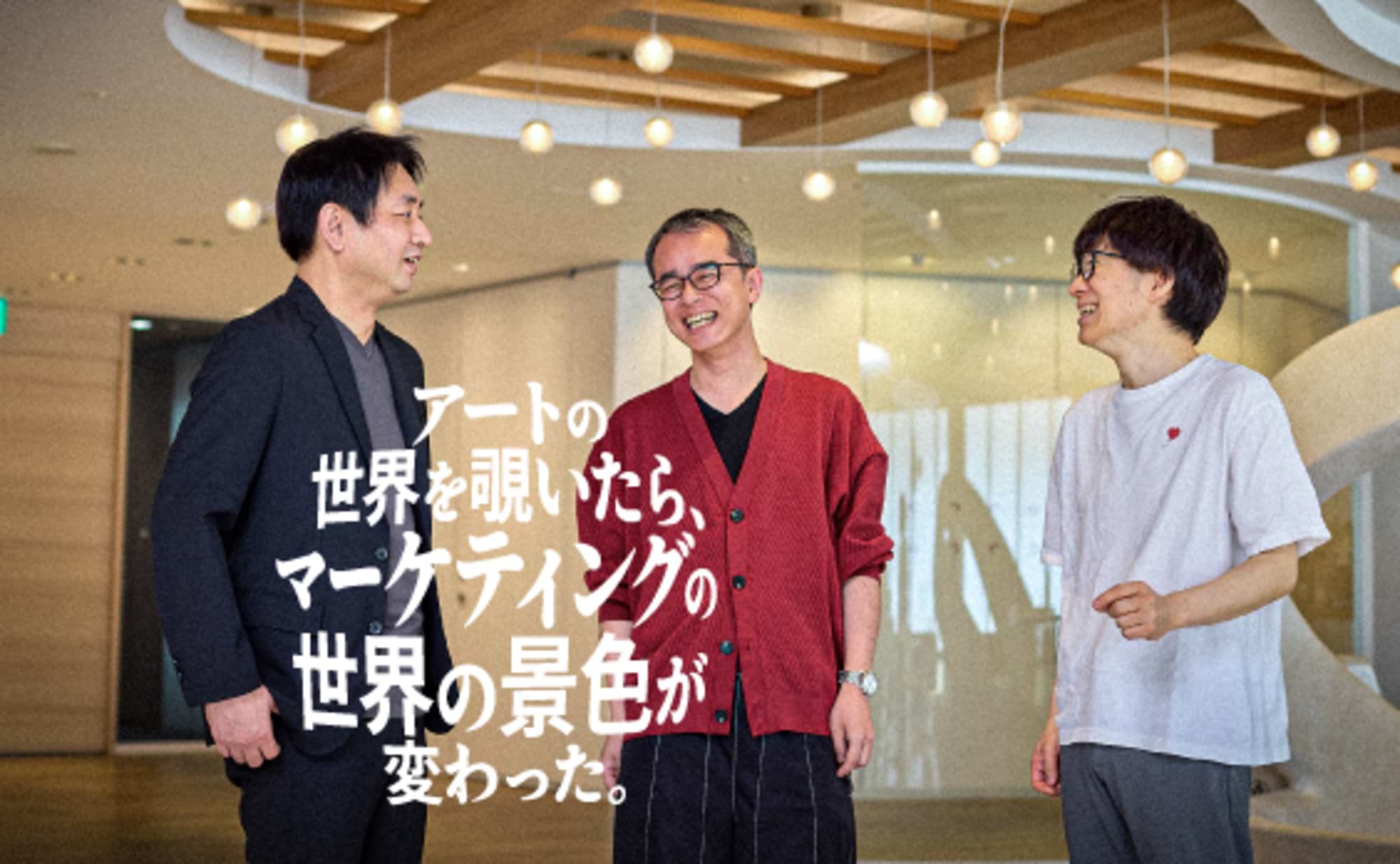
 A resident of the marketing world peeked into the world of art. [7/16]
Peering into the world of art changed the landscape of the marketing world.

Dentsu Inc. Yutaka Miyakawa's serialized column "A Resident of the Marketing World Peeks into the World of Art."
Curator Fumio Nanjo stated, "Just as Joseph Beuys named actions that change society 'social sculpture,' if we define extremely creative work as 'contemporary art,' it no longer is limited to painting or sculpture. Marketing work, daily tasks, and thought processes—if they are creative, they can be contemporary art."
Masato Matsushima of the Tokyo National Museum said, "This applies not only to marketing and advertising work, but also to museums. Places that should inherently be 'free of boundaries and restrictions' have somehow become bound by assumptions about how they 'should be.' But now, museums and art galleries around the world are trying to change."
What both point out is the importance of updating values, the driving force of creativity, and the ability to execute—beyond just the art world. To me, it felt like a prophecy transcending boundaries.
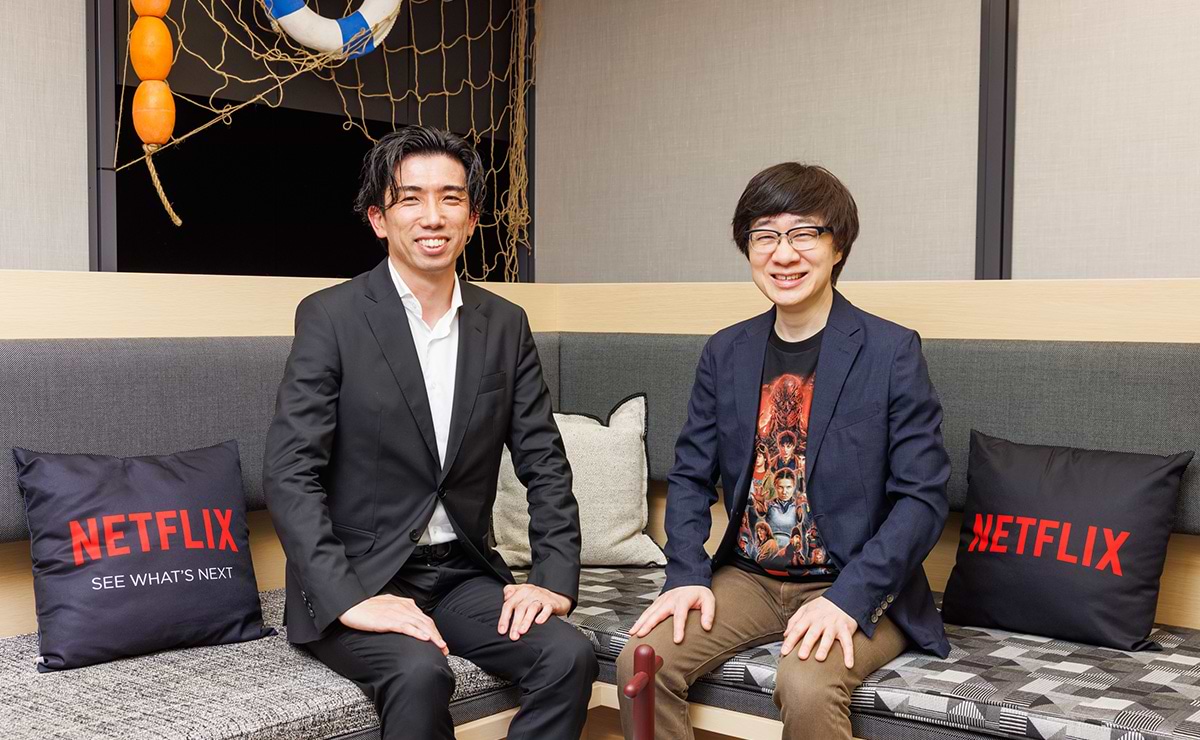
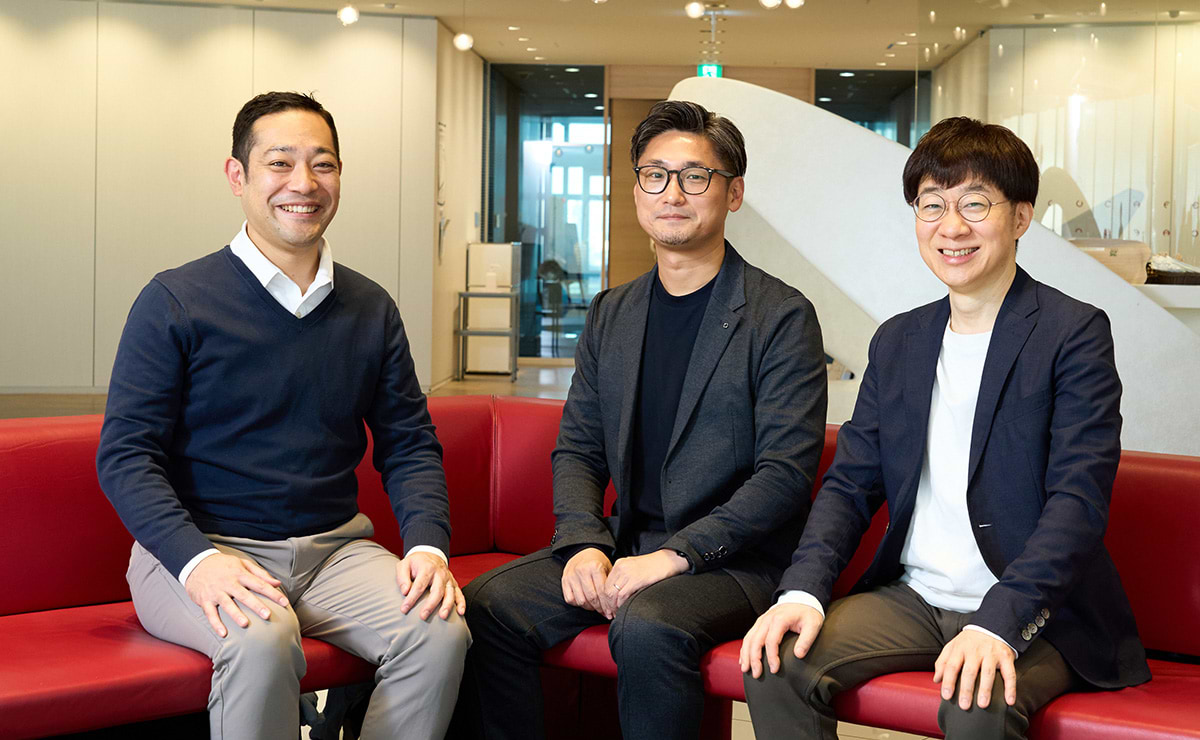
So, what are the inhabitants of the marketing world doing now? I asked my trusted marketing planner colleagues, Naofumi Sato and Masashi Hirajima, who joined the company the same year as me, about the current state of marketing and its future.
◆Societal Change and Marketing
Miyakawa: Dentsu Inc. has a side as a marketing support company that provides marketing services to client companies. Within that, our three departments are explicitly named "Marketing." I'd like to start by asking how you perceive marketing today from that position.
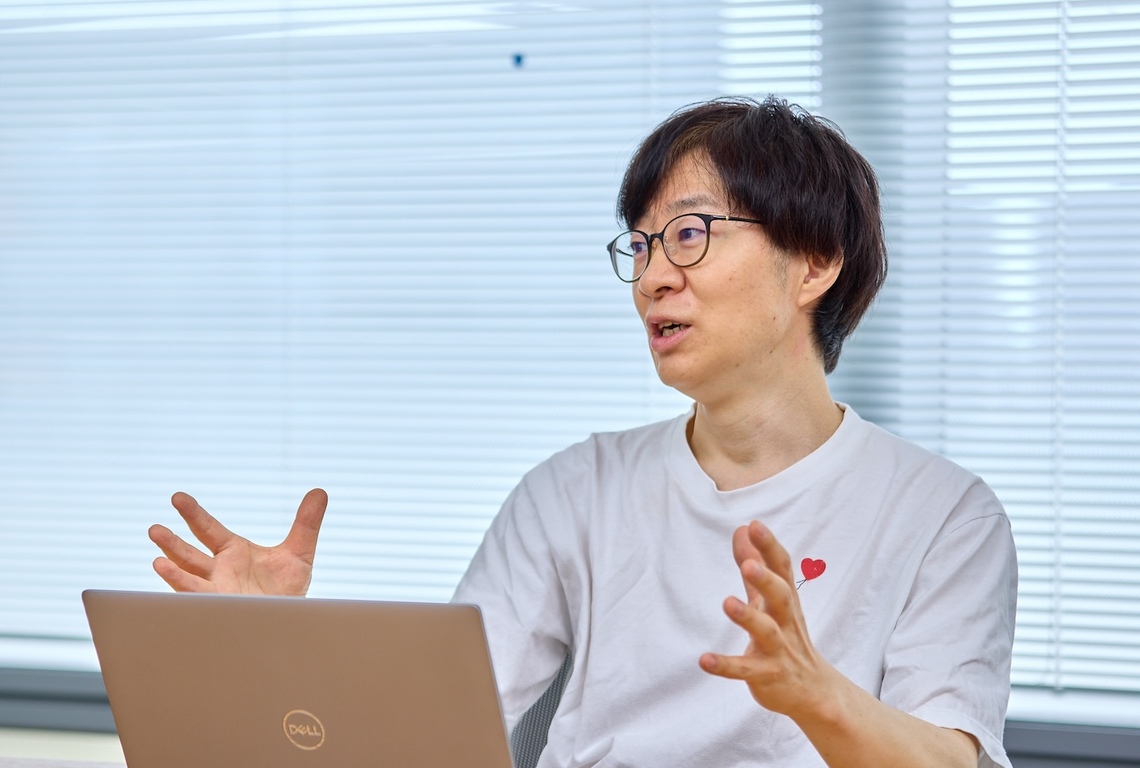
Sato: First, when we joined the company in 2001, there were no smartphones yet, and robot vacuum cleaners weren't widespread either. It was an era where there was still plenty of room to eliminate inconveniences in daily life. Innovations with functions that brought life's negatives down to zero kept emerging. The mainstream focus was on how to best deliver news about these innovations. But now it's different... The world is flooded with products, and similar goods come in cheaply from Asia too. In other words, many people are already satisfied.
In this environment, we must communicate our clients' products or services. As marketing planners, we used to be able to start planning from a certain pain point: "You have a problem, right?" "This product solves it." But in this era of fulfillment, that approach doesn't work anymore. Marketing must shift from "zero to plus." That means we have to think about and lead the way in what truly enriches people's lives. I see this as a major turning point and an exciting challenge.
Miyakawa: So the way you act as a marketing planner has changed too?
Sato: There used to be a set theory. You'd dig for insights, figure out the optimal way to present the product, communicate that to the creative team, and then watch it come to life. But in this era of moving from zero to plus, that approach doesn't always work. You get the sense you have to start by creating the method yourself.Relying solely on existing frameworks is no longer sufficient; it's like a mixed martial arts match. And there are numerous methodologies for determining which tools to use, which data to examine, and what kind of happiness to uncover. This complexity is completely different from when we were young professionals.
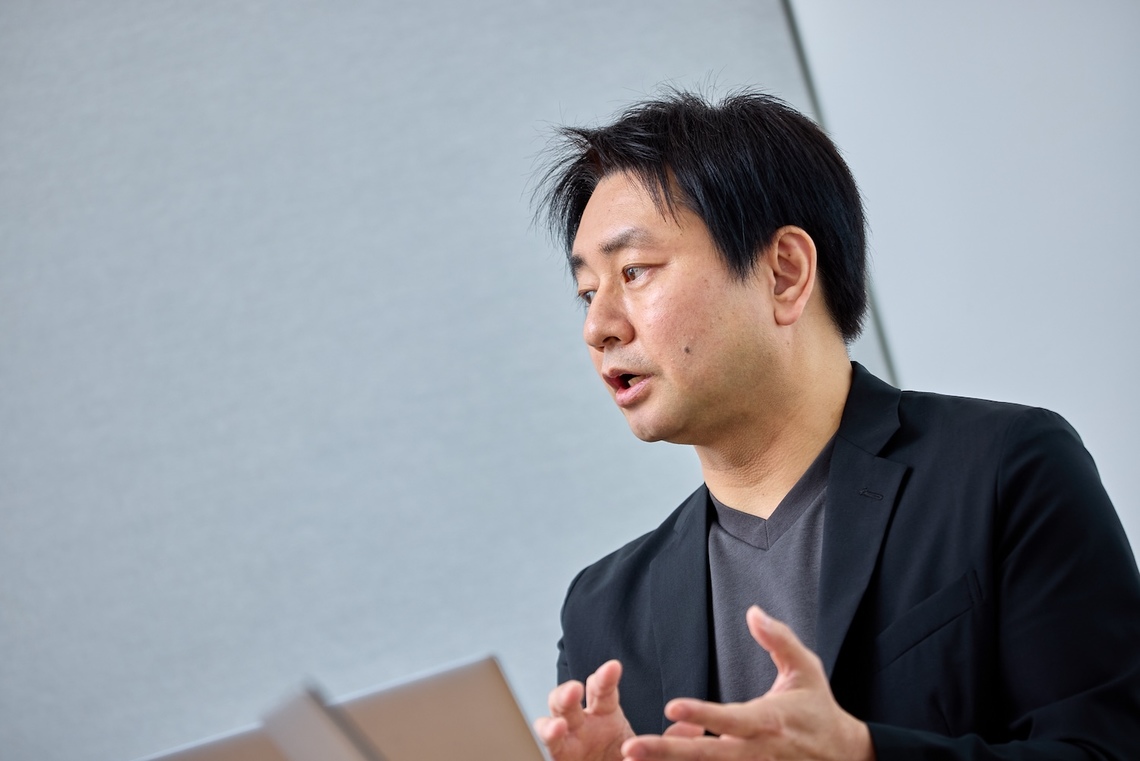
Hirajima: Hearing about zero to positive reminded me—in the first installment of this series, you wrote about the contrast between civilization and culture, right? Civilization as the accumulation of technology and wisdom to overcome inconvenience, culture as the expression of regionality and diversity. That was really fascinating.I think marketing, too, used to be more civilizational—focused on solving problems and improving efficiency. But now, I feel it's shifting more toward the "cultural direction." It's become work about how to create meaning and value within diverse values. I feel that shift in my bones.
This is a bit off-topic, but there's a manga called "Cross Game" by Mitsuru Adachi. The protagonist's childhood friend, who's aiming for Koshien, is an amazing pitcher. But since she can't play in games for the boys' hardball team, she supports the team as a batting pitcher (the pitcher who throws balls during batting practice). She finds her teammates' weaknesses and strengths, then throws pitches that help them improve or build on those, making the team stronger.
I think today's marketing planners are expected to take on that kind of batting pitcher role. Back in the day, as a planner at Dentsu Inc., we often used the phrase "stepping up to the plate," frequently comparing ourselves to batters. And I think evaluation was largely based on the value of how well you could hit home runs. But now, it's more about whether throwing pitches tailored to the client's strengths and challenges ultimately leads to their home run.I feel this kind of accompanying, batting-pitcher approach has become fundamentally necessary. Similarly, in society, marketing's job is to explore cultural diversity, experimenting with "throw here, try there," and create significant waves. It's not just about civilization; it's truly about culture.
Sato: Traditionally, "insight" mostly referred to insights tied to consumer behavior—the key points that make products sell. But now, I feel that's not enough. It connects to the shift from civilization to culture, but it's also evolving into work that explores how to connect products with the values and cultural backgrounds rooted in society—what you might call "culture insights" or "human insights."It's less about responding to existing needs and more about proposing something to the world.
Hirajima: Exactly. I've been thinking along similar lines. In this series, there were interview comments like, "Engaging with contemporary art isn't about seeking the right answer, but about expressing your own perspective," and "What someone feels or thinks upon seeing a work is far more important than the work itself." I felt a similarity to the relationship between a product and its customer, and I resonated with that.Reading Miyakawa's series made me think our work should also aim to transcend existing frameworks like contemporary art does, sparking new awareness and actions in people.
Miyakawa: Nanjo-san also said something along the lines of, "Any work that involves exercising creativity is essentially contemporary art." I believe there are many ways people in the marketing world can gain new perspectives by referencing the art world.

◆The Time Horizon of Marketing
Miyakawa: Since becoming involved with art, I've become very conscious of the significance of thinking over a long span. This is something I picked up from Matsushima-san, but since our own lives are only about 100 years long, we tend to think within that timeframe, confined to the length of our own lives. But in the art world, they perceive things on a much, much longer time axis, understanding that "we are merely in the middle of history."
Sato: To build on that, when we joined the company, it was the heyday of mass media, right? Securing share of voice was the primary path to victory. But looking back now, that might have been a rather unique era. I actually think the current approach is closer to the fundamental way things should be.
Hirajima: So should we have adopted today's approach back then?
Sato: Perhaps. Rather than relying solely on media quality or volume, we should start from scratch for each product, carefully crafting individual communications to determine the optimal way to reach consumers. That sense of handcrafted, meticulous, individualized approach is what marketing should fundamentally be about.
Miyakawa: Thinking about it that way, the era when mass media dominated, the era of "everyone doing the same thing," might have been just a fleeting phase. The perspective Sato describes might actually be more natural for the times. I think there's a lot we marketing planners can learn from the values of people in the art world, who inherit cultural assets over thousands of years. It's about the importance of taking a longer view, not just chasing the temporary frenzies of the moment.
Sato: That's right. When you view things over the long span, marketing naturally develops a long-term perspective: how to refine and pursue the current approach, while still pursuing immediate results.Beyond that, I feel culture is becoming increasingly important in the broader sense of the market. While we're no longer in an era where the masses constantly watch the same programs or see the same ads, mass-level hits like Demon Slayer: Kimetsu no Yaiba generating ¥40 billion in box office revenue do indeed emerge. We're in an era where content and culture itself can become mass phenomena. That's why I feel we should pay more attention to the layer of culture within marketing.
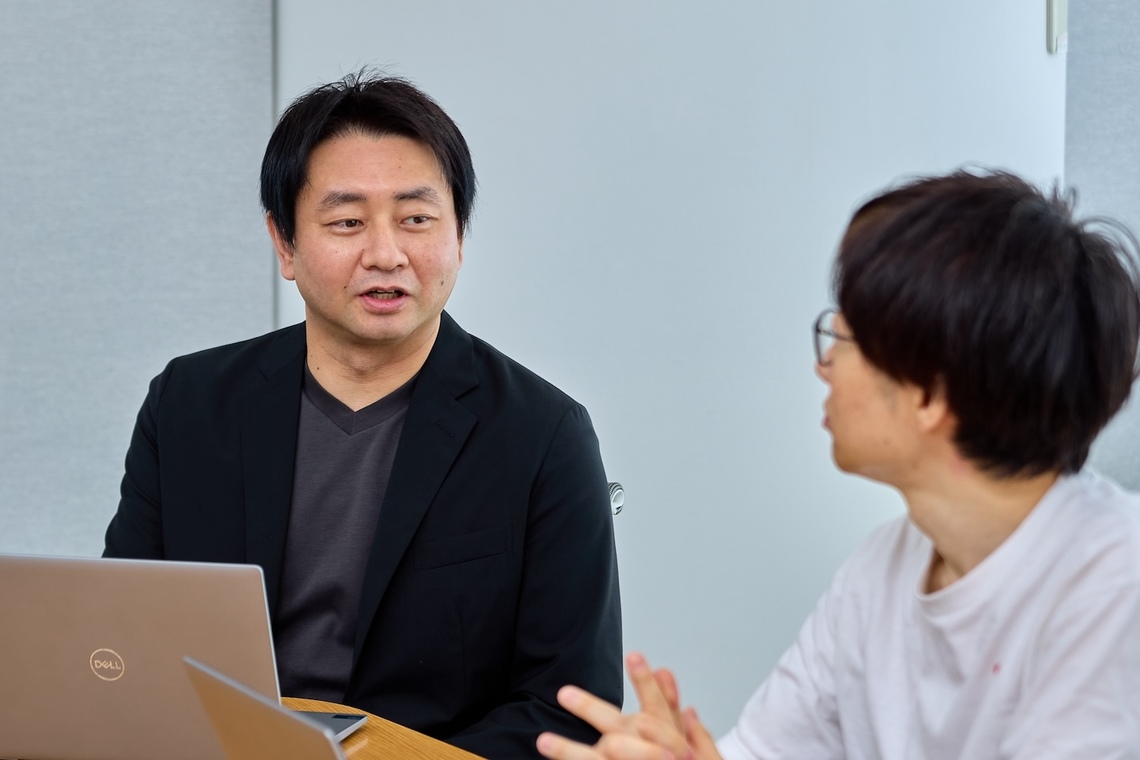
Miyakawa: Taking a long-term, bird's-eye view of things. From that perspective, the concept of "sustainability" inevitably emerges as crucial. While we operate from a client-centric standpoint, if we take sustainability on this one planet as a given, I believe a certain discernment naturally develops—a sense of what we should propose as partners, and what we should not.
Hirajima: In the CX (Customer Experience Transformation) domain, thinking about value over time is fundamental. What meaning does this product hold now, and what impact will it have on a person's life in the future? Since CX and society's future vision are inseparable, designing "what kind of society we aim for" also becomes necessary.
Sato: While the Dentsu Group champions "B2B2S" (Business to Business to Society), perhaps we could reinterpret that final "S" as "Sustainability" rather than "Society." Of course, we must realistically focus on short-term results while weaving in a long-term perspective: what impact will this have on society? By visualizing that significance, we enhance the sustainability of the client's business itself. I think such proposals will become increasingly sought after.
Furthermore, consider this: if I post on social media saying "Let's make society better!", it rarely reaches many people. But if that message rides on a company or product's platform, it can be communicated on a vastly larger scale. When consumers' sentiments perfectly align with that message and it resonates with society – that tangible sense of impact? That's one of the true joys of working as a marketing planner.
◆Sustainability of the Marketing Planner
Miyakawa: Building on what we've discussed, let's talk about the value of marketing planners and how they demonstrate it. I imagine how people perceive the role and position of a marketing planner varies greatly.

Sato: The current standard in marketing is this approach driven by objective data, meticulously optimizing everything. For example, analyzing behavioral logs to derive insights, or repeatedly running A/B tests to improve results – it's a kind of science-driven methodology. This approach itself is indispensable, and I'm constantly learning from it myself. But I also think that pushing this to its extreme can lead to a loss of individuality.Every company ends up with marketing planners possessing similar skills, formulating strategies within the same frameworks. Consequently, the outputs might also become quite similar.
That's why I deliberately want to add another axis to this: "humanities knowledge." Knowledge about the essence of human thought and behavior—history, philosophy, psychology, behavioral economics. For instance, having the perspective that "Homo sapiens tend to act this way in such situations" as knowledge within yourself. I believe this kind of education provides the jumping power to leap to ideas from a context different from data.
There's an unspoken understanding that marketing planners, unlike creators, must remain neutral. That individuality shouldn't stand out. But I'm actively asserting my individuality, planting the flag: "Leave the humanities-based leaps to me!"
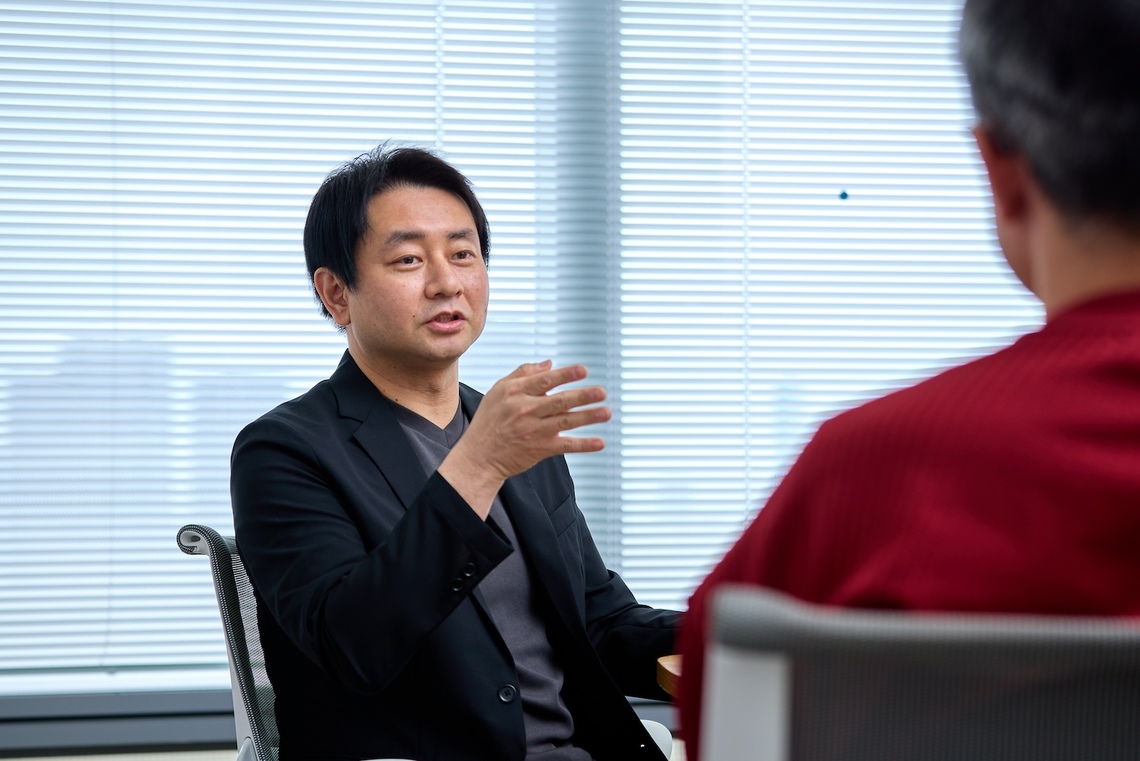
Hirajima: I believe Dentsu Inc.'s strength lies in its "matching power" for such diversity. The impact created by connecting one thing with another. I realized this while working at a client site. When departments with different missions weren't meshing, I tried unifying their goals under a higher-level concept. Surprisingly, a cooperative relationship emerged. That experience led me to develop a perspective on how to connect seemingly incompatible things.
One Dentsu Inc. executive said, "Dentsu Inc.'s strength is its 'contradiction absorption power,'" and I strongly resonated with that. It's less about matching compatible things and more about skillfully embracing seemingly contradictory elements and reconfiguring them into a new concept. Whether it's coordinating assignments between departments or connecting society with services, we consciously design with this matching in mind. Personally, coming from an architecture background, I enjoy building things up three-dimensionally to form a single value structure.
Sato: Dentsu Inc. has really been attracting diverse talent lately—the sheer variety in backgrounds and skills is staggering. We have former athletes, entrepreneurs, people who specialized in programming, and others deeply rooted in culture with broad networks. Diversity sounds great, but when it comes to actually making decisions as a team, we struggle to reach consensus (laughs).
When I think about "contradiction absorption capacity" in my own way, it's about "sharing a common vision of the mountain peak, the goal image." However, it's perfectly fine for members to have different ways of climbing the mountain, different approaches. It's precisely because the purpose is clearly shared, yet the methods of climbing differ, that a chemical reaction can occur. That, I believe, is what directing is all about.
Hirajima: It's crucial that the goal setting is something everyone genuinely wants to aim for. That design is precisely where matching ability shines.
Miyakawa: If you have a broad, overarching perspective and values in place, what every member wants to aim for might align with "what's good for society."
Hirajima: Furthermore, applying matching ability to a perspective relevant to management: even if not everyone consciously "aims for the same goal," and each member believes they're running toward "their own goal," there can be a design where this ultimately acts in a direction beneficial for the organization or society as a whole. Here too, a comprehensive, broad vision is indispensable.
Sato: The opening idea of shifting "from zero to positive" to enrich life, moving "toward a cultural rather than purely civilizational direction"; the earlier concept of sharing goals while allowing individual approaches to "ultimately create a chemical reaction"; and Miyakawa's previous article about "artists extending the roots of their exploration" – I feel all these share a common thread: proposing unseen value, asking "What about this?"This approach, clearly different from when we were young, could be called "art thinking."
Miyakawa: It shows we're properly getting older (laughs). So, in this context, how do you interact with and communicate with the current younger members?
Hirajima: I'm now fully a batting pitcher. And to reiterate, I'm constantly thinking about matching.
Sato: I tell them, "You should absolutely express your own unique perspective on the world, your stance." "That's what leads to the uniqueness of your strategy." Then, I draw out their strengths from casual conversations – facilitation skills that aren't about predetermined harmony.
Miyakawa: There's a big difference between assuming there's a model answer and racing toward it, versus embracing and exploring serendipity—practicing what you might call artistic thinking. I really want many people to cultivate that.
◆Peering into the world of art changed my view of the marketing world.
Miyakawa: Since we're peers, I ended up talking too much, but let's wrap things up.
Hirajima: The perspective of "What kind of society do we want to create?" is truly important, yet it's easy to lose sight of it when immersed in daily tasks. That's why I joined the "Ojikatsu Research Institute" project, launched by a group of like-minded colleagues within our bureau. "Ojikatsu" means researching the activities of middle-aged men.Research shows men in their 40s have the lowest levels of happiness in society. One factor is that they shoulder so much—family, work, mentoring juniors—that their own time and enjoyment often get pushed aside. So, I think if we could spread an atmosphere where it's okay to enjoy life more, to pursue hobbies, it might raise overall happiness in society.This isn't something one company can achieve alone. By collaborating with multiple companies—each with different positions and motivations—and working toward the same goal in our own ways, we might gradually change society. I want to build a positive movement with this long-term perspective.
Sato: I'm involved in a project called "DENTSU DESIRE DESIGN" (commonly known as DDD), where we conduct deep research into consumers' "desires." Within that, my subcommittee "FUKAYOMI" analyzes why certain stories—like movies, novels, and manga—resonate so strongly with so many people.Blockbuster content doesn't succeed solely through buzz or casting. It spreads because creators have personal desires—like "I wish this existed"—and audiences resonate with them or experience shifts in their values.We aim to identify shifts in these desires and interpret them qualitatively and quantitatively to capture signs of "desires likely to emerge in the future." The findings from this research are scheduled to be published as a book in July, so if you're interested, please pick up a copy—that was my little plug (laughs). So, what about Miyakawa?
Miyakawa: No particular promotion for me (laughs). As a marketing planner, my fundamental stance has always been "What's the optimal answer for the other party?" But when you engage with the art world, you constantly get asked, "What do you yourself think?" I'm still a bit flustered by that, but I'm enjoying it. That's precisely why I wanted to have this conversation today.
Hirajima: Reading Miyakawa's series this time made me feel like it gave me a push, like "It's okay to break out of the box more creatively."
Sato: We don't consciously work with art in mind every day, but just going to museums or watching movies on our days off is an act of stepping outside our own thinking. I think consciously incorporating what we feel there is incredibly important. And I want to do more to bring that back into our work.Marketing planners might not be creators in the sense of producing expressions, but I believe it's a profession that should be creative when considering what value a company or product can provide to society. That's why I think marketing planners, more than anyone, should incorporate an artistic perspective and make proposals that lead to a bigger future.
Miyakawa: I'm exploring the world of art to reframe my understanding of marketing. Hearing from Hirajima and Sato, who live in the marketing world, really connected with what Nanjo-san and Matsushima-san were saying. I plan to meet more people from the art world going forward, and I want to bring back what I gain from those encounters.
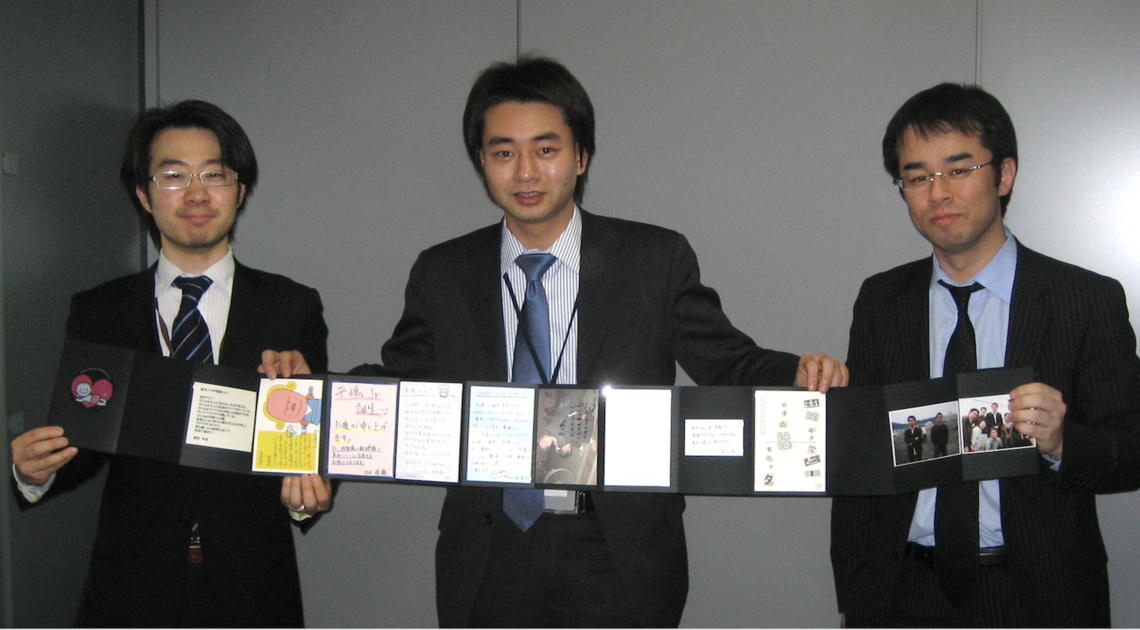
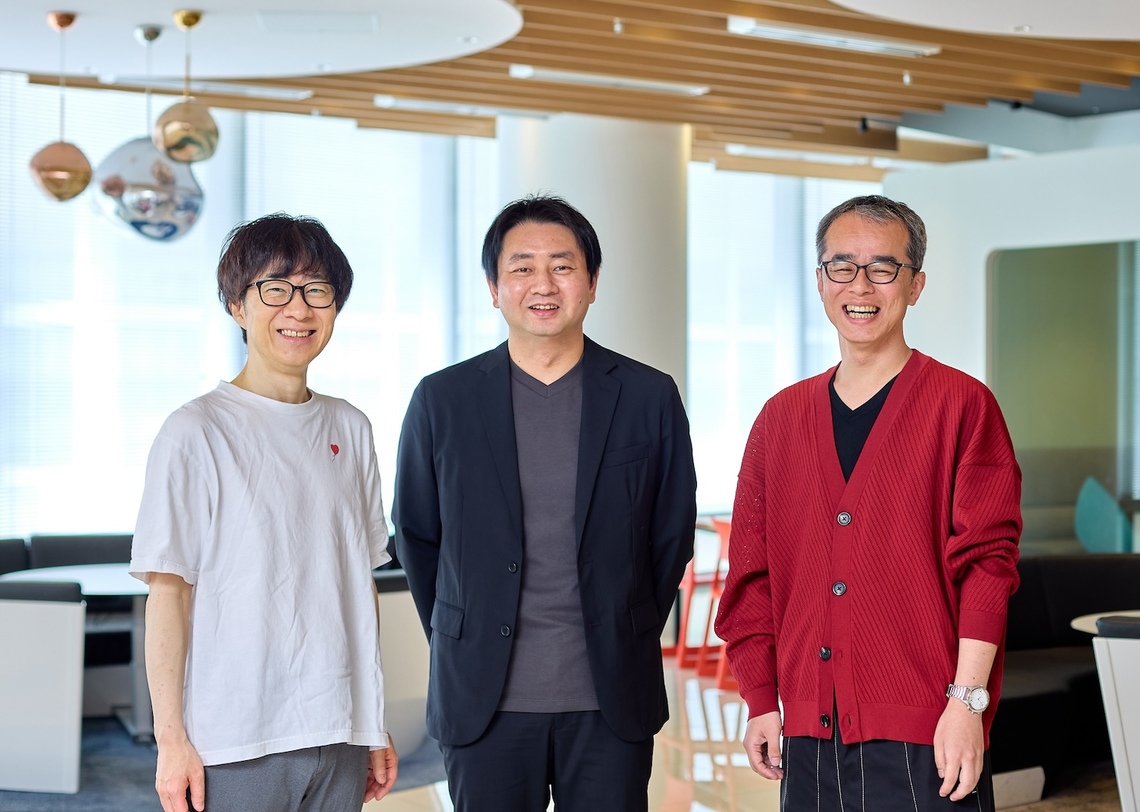
Image production: Satoshi Iwashita
Was this article helpful?
Share this article


Newsletter registration is here
We select and publish important news every day
For inquiries about this article

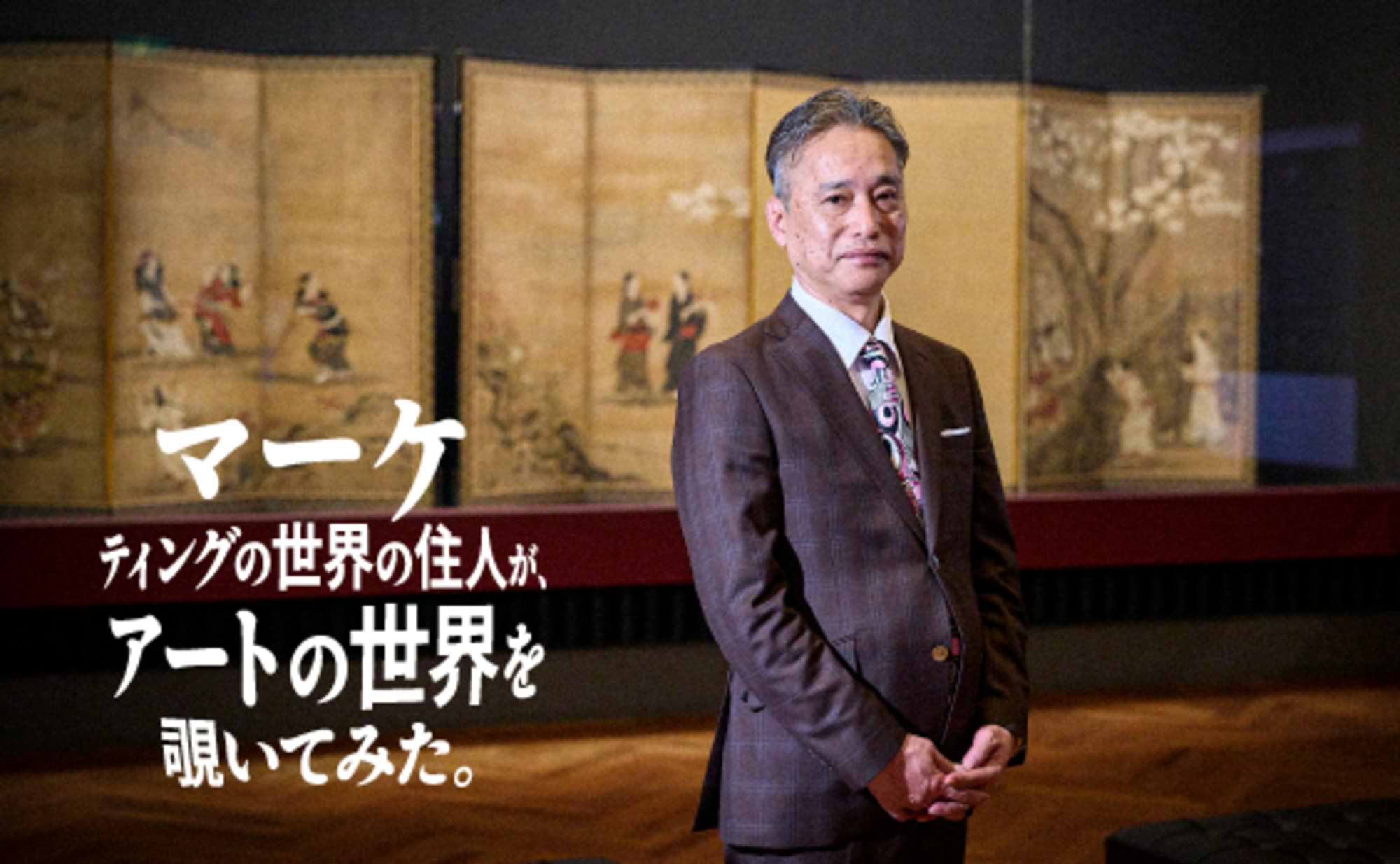
Author
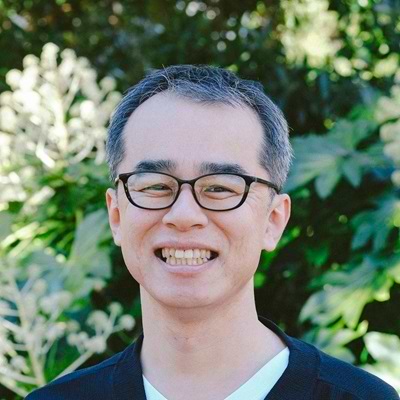
Yutaka Miyakawa
Dentsu Inc.
Marketing Division 5
Consultant
Articles by this person
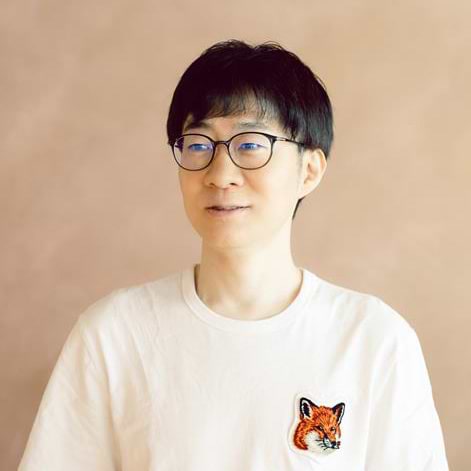
Hisashi Sato
Dentsu Inc.
Second Marketing Bureau
Planning Director

Masashi Hirajima
Dentsu Inc.
Third Marketing Bureau
Senior Solutions Director