
Note: This website was automatically translated, so some terms or nuances may not be completely accurate.
 Living in the Age of Social Design [2/7]
digging deeper into oneself
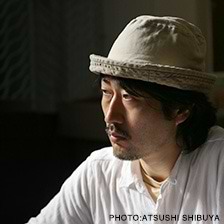
Takato Fukui
Dentsu Inc.
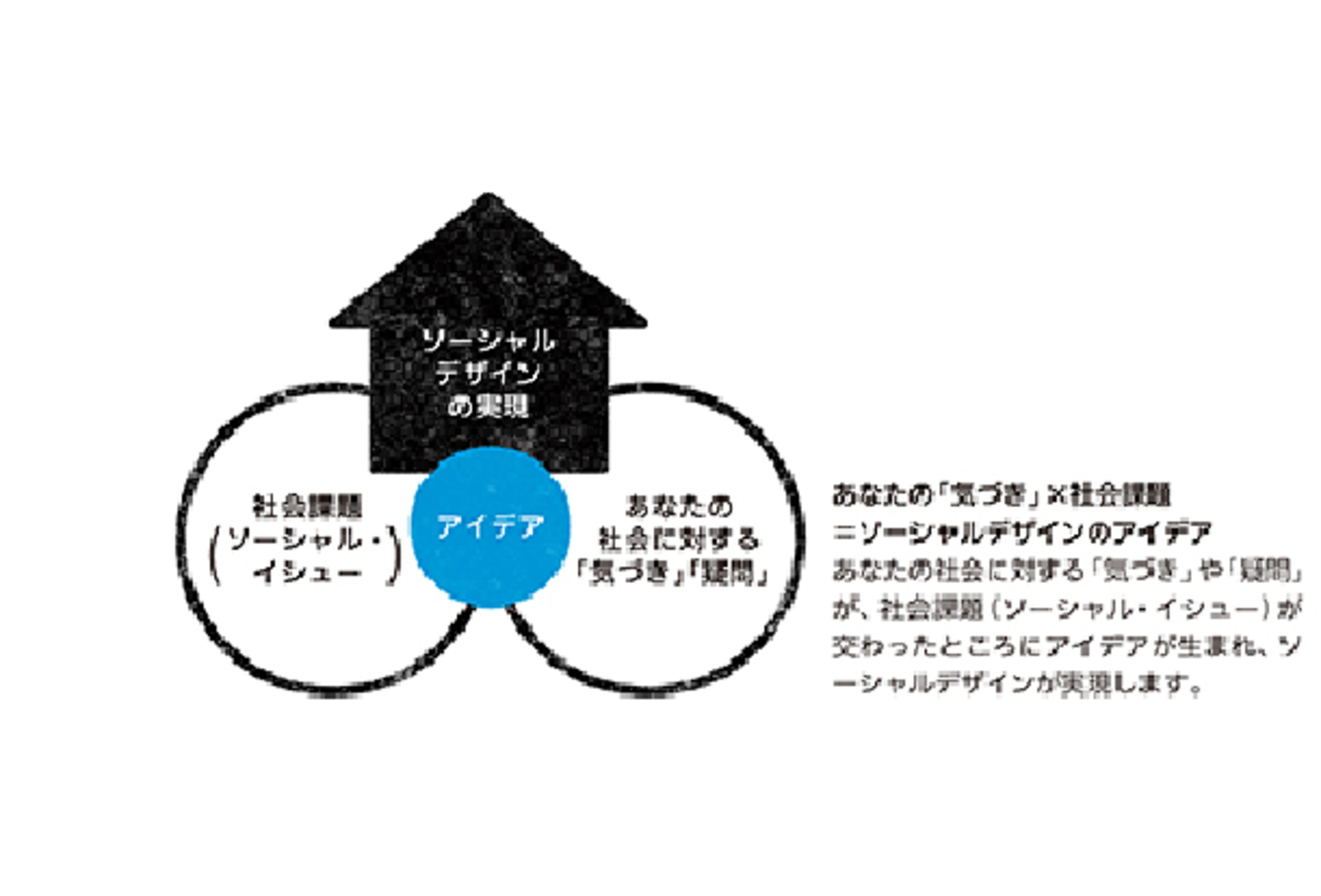
When we talk about social design, it's easy to focus our attention on society itself. However, through interviews with diverse individuals conducted for the book Creating Hope: The Work of Social Design, we became strongly convinced that deeply understanding oneself is crucial to initiating social design. Therefore, the book provides a tool called the "Social Design Capability Checklist" to help uncover one's own personality.
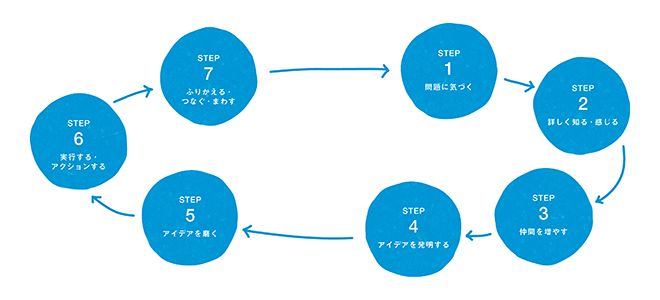
This checklist links to the seven steps through which social projects emerge and connects them to common traits seen in those who initiate social design: ① Perception (noticing problems), ② Understanding (learning in detail/feeling), ③ Collaboration (Gathering allies), ④ Conceptualization (Inventing ideas), ⑤ Improvement (Refining ideas), ⑥ Execution (Taking action), and ⑦ Continuation (Reflecting, connecting, and sustaining).
These include concepts like "knowing your strengths" and "being true to your feelings," which might seem somewhat vague in a business context. While it's easy to lose sight of yourself when overwhelmed by daily life, when launching social design, it's crucial first to deeply understand yourself and who you truly are.
Manga artist Takehiko Inoue expressed this perfectly in an interview with the simple statement: "You don't have to try to become something other than yourself." While Inoue-san engages in various social contributions through his main work—such as his manga "Real" depicting wheelchair basketball, the Slam Dunk Scholarship, and donating proceeds from derivative products of the Higashi Honganji "Shinran" folding screen paintings to the Great East Japan Earthquake relief—he states that these social activities are ultimately an extension of his own work. His stance is not to forcefully try to do good for society, but rather to pursue what he truly wants to do. If, in doing so, he finds overlap with societal needs, then he engages with that. This style of thoroughly digging into himself is precisely how Inoue creates his work, and his words became a crucial keyword in making this book.
I believe everyone has their own personal theme. And because these themes are different for each person, they surely give rise to diverse possibilities. Social design, then, likely emerges not from fitting into predefined frameworks, but from thoroughly pursuing one's own way of life.
Was this article helpful?
Share this article


Newsletter registration is here
We select and publish important news every day
For inquiries about this article
Author
Takato Fukui
Dentsu Inc.
Business Creation Center