Society is changing more dynamically than ever before. Before the advent of social media, it was unimaginable that people could connect so easily and that relationships could become so flat. The definitions of affluence and happiness are also diversifying.
Amidst these changes, I feel we must ask ourselves anew: "What can we do to improve society?"
I work as a designer, art director, and creative director. Among the social projects I've been involved with in the past, there was an event that prompted me to rethink my role as a designer. Until then, I had considered my mission to be completing the design within a single piece. However, I decided to let go of my own design to achieve a better outcome for a larger challenge: "I want to change the world like this (in this case, I wanted to save impoverished children worldwide)."
This marked a shift in mindset: from "designing a poster as a designer, alone" to "designing a system where the poster is completed through the involvement of many people." As a designer, it was a courageous decision. But for me, driven by a strong desire to solve the problem, it ultimately led to involving more people and gaining greater support—something I was truly happy about. This became a major turning point, teaching me a broader perspective and approach: "What can design do to solve problems?"
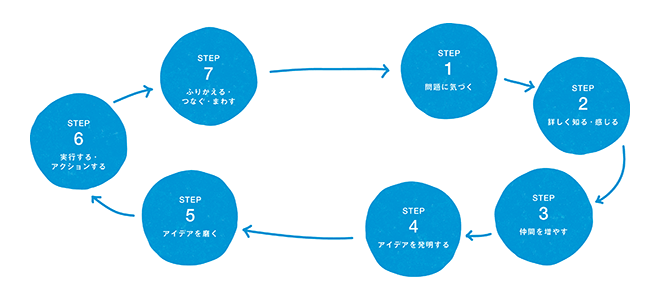
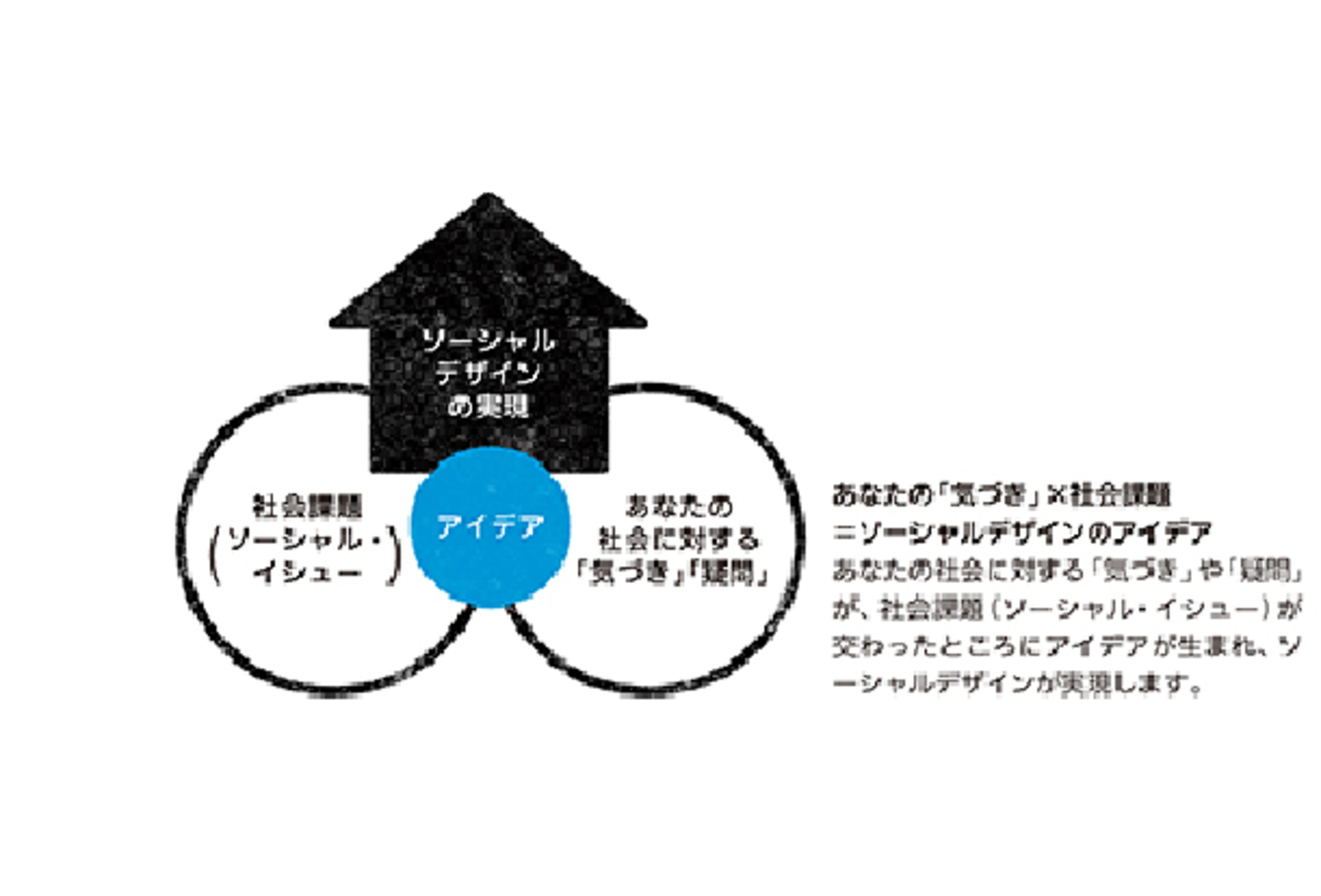
Social design cannot be completed by one person alone. It is crucial to involve many people and connect them to tangible outcomes. In this sense, I believe adopting a "producing" perspective is vital. What becomes necessary here is "connecting people." Social design emerges when people connect on a level playing field, share their aspirations, and build trust. Since what one person can achieve alone is limited, recognizing what we cannot do and connecting with people possessing diverse skills and personalities becomes a powerful force for solving problems.
Faced with an unpredictable future, we may need to continually confront the fundamental question of "how should humans live?" This is a profound conversation connected to life itself, and I believe it holds potential and offers hope.
I would be delighted if readers of the book Creating Hope: Social Design could sense this message.

 Living in the Age of Social Design [3/7]